Which Brush Is Best for Soft Dog Fur? 2026 Guide
Quick Answer For most dogs with soft, smooth, short fur, a soft bristle brush or flexible rubber grooming brush is…
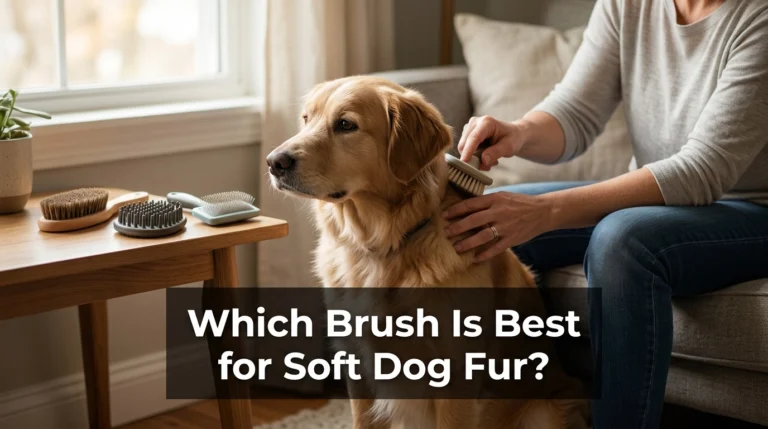
Quick Answer For most dogs with soft, smooth, short fur, a soft bristle brush or flexible rubber grooming brush is…
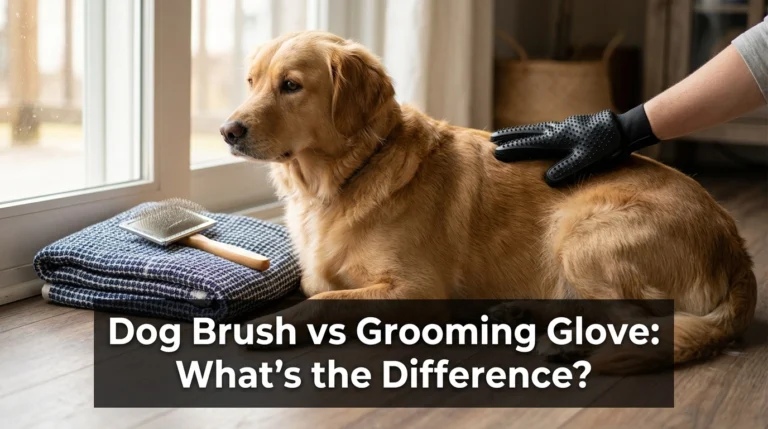
Quick Answer A dog brush is usually better for detangling, reaching through thick coats, removing undercoat, and dealing with mats….
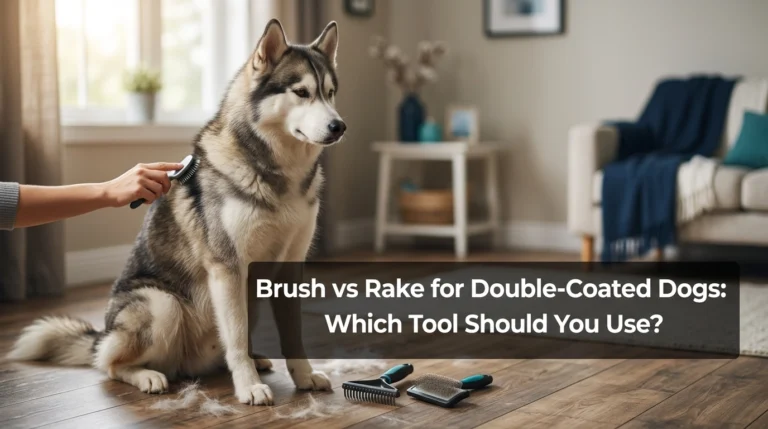
Quick Answer For most double-coated dogs, a brush and an undercoat rake do different jobs rather than competing for the…
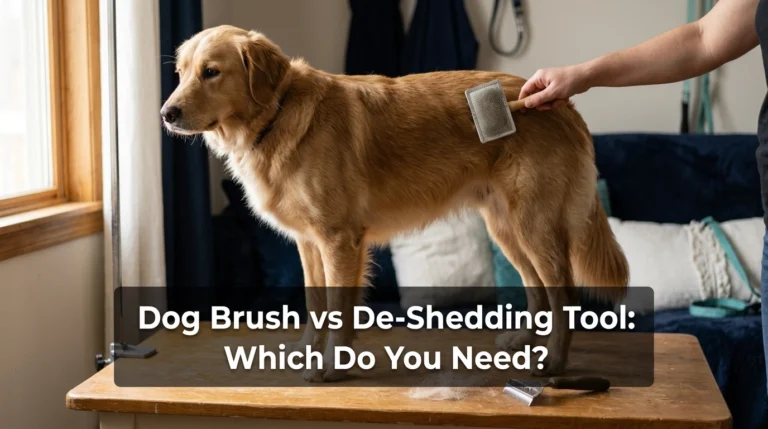
Quick Answer A dog brush is the better everyday tool for removing surface hair, preventing tangles, smoothing the coat, and…
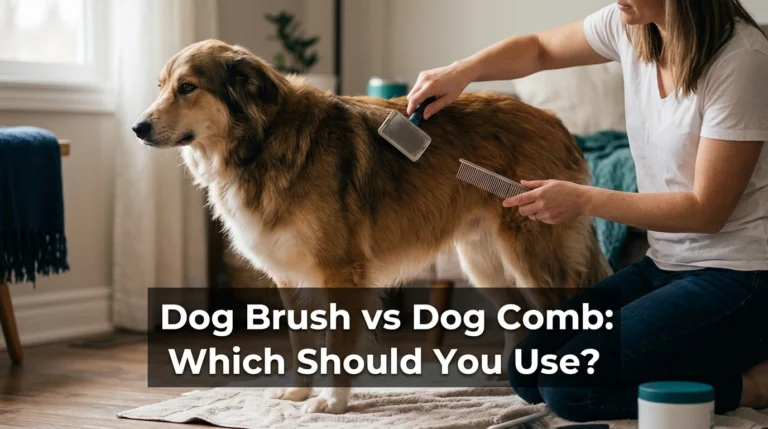
Quick Answer A dog brush is usually best for removing loose hair, smoothing the coat, and handling larger areas. A…
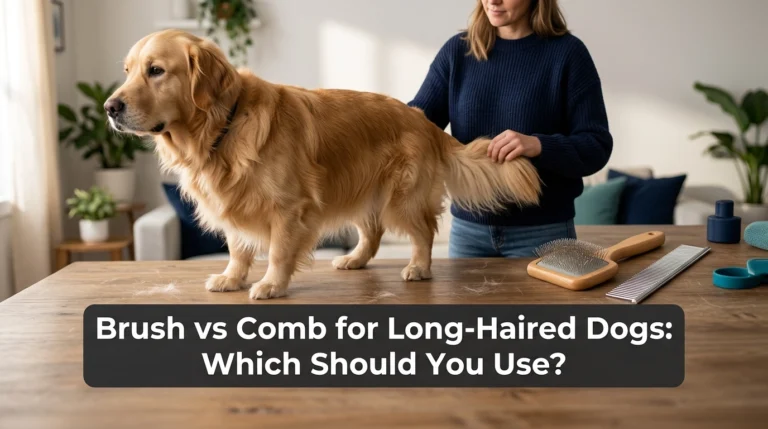
Quick Answer For most long-haired dogs, you should use both a brush and a comb rather than choosing only one….
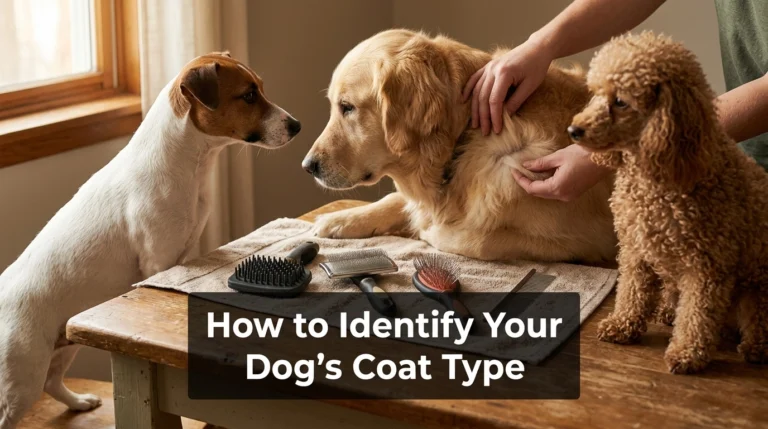
Quick Answer To identify your dog’s coat type, look at four things: hair length, texture, whether an undercoat is present,…

Quick Answer The main dog coat types include smooth or short, long, double, curly, wiry, silky, corded, and hairless coats….

Quick Answer Choose a dog brush by matching the tool to your dog’s coat length, density, texture, and undercoat. Smooth…
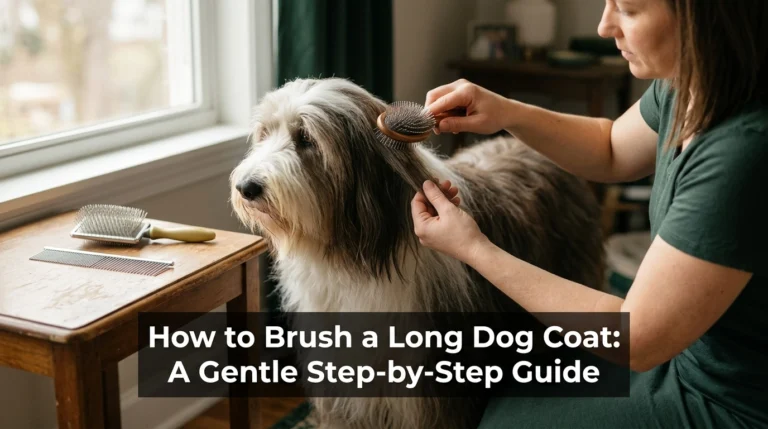
Quick Answer To brush a long dog coat, work in small sections from the lower body upward, gently separate the…
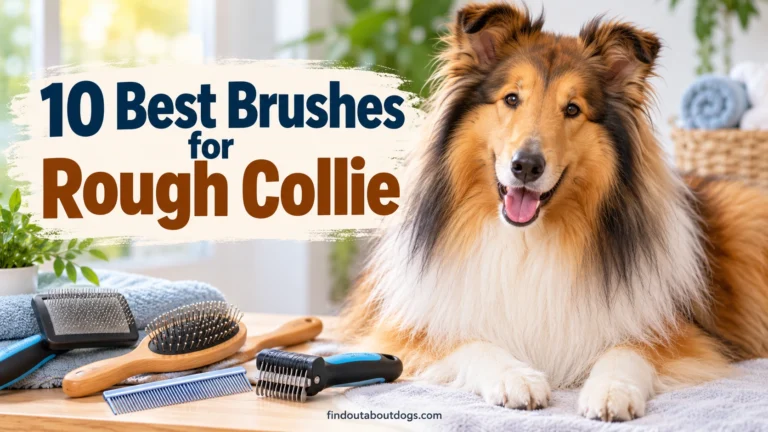
Your Rough Collie’s coat is a masterpiece of engineering — a harsh, weather-resistant outer layer protecting a dense, downy undercoat…
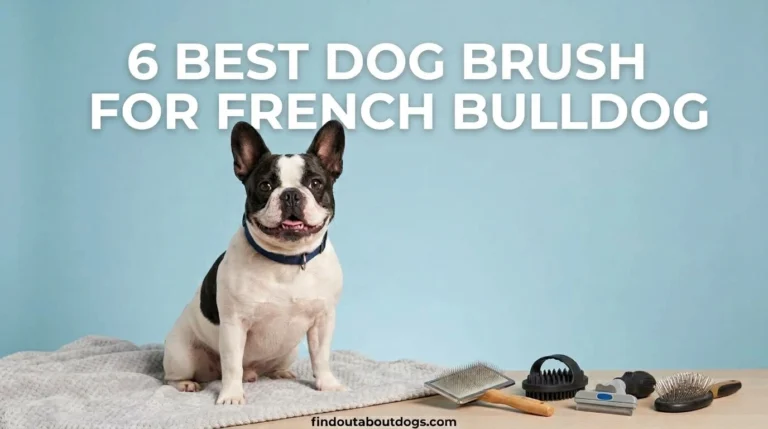
French Bulldogs shed short, dense hair year-round, yet the wrong brush can turn a quick grooming session into scratching, resistance,…

You brush your Poodle for twenty minutes, feel satisfied, then run a comb through and hit a snag the size…

If you share your home with a Shih Tzu, you already know the daily reality: that long, silky double coat…
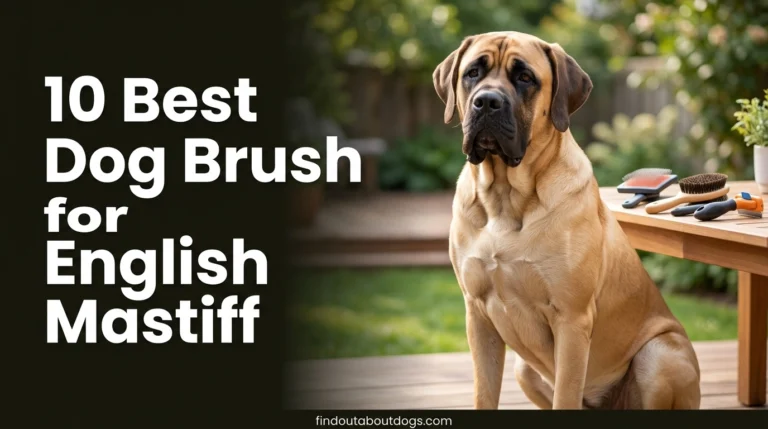
English Mastiffs have short, dense coats, but their size makes an ordinary grooming session surprisingly demanding. The wrong brush can…
