Why Does My Dog Refuse to Get in the Stroller? (7 Causes & Easy Fixes)
Quick Answer
Dogs usually refuse a stroller because the floor feels unstable beneath their paws, the entry hurts sore joints, or the rolling motion triggers panic before they build trust. Following Fear Free handling principles—pairing a parked, open stroller with calm rewards over several days—resolves refusal in most dogs.
Top Reasons Dogs Balk at Strollers
- Unstable cabin floor: Soft fabric bases sag under a dog’s weight, triggering an immediate fear of falling.
- Hidden physical pain: Lifting a dog with arthritis or back soreness over tall cabin walls creates an instant bad memory.
- Rushed first ride: Pushing the stroller before your dog relaxes inside feels like being trapped on a moving ledge.
- Factory chemical odors: Fresh nylon, foam, and rubber smells overwhelm a dog’s sensitive nose inside an enclosed basket.
- Canopy claustrophobia: Zipping the mesh cover shut too early blocks escape routes and causes sudden panic.
Quick Check Before Training
- Lock the rear brakes, press down firmly on the cabin pad with your hand, and sniff inside—if it wobbles or smells like plastic, fix those two issues first.
The first time I wheeled a brand-new dog stroller into my living room, my older terrier mix planted all four paws and backed straight into the hallway. He loved rides in the car, yet this padded buggy looked like a rolling trap to him.
After helping dozens of dog owners troubleshoot this exact standoff, I learned that refusal is rarely stubbornness. Below, we’ll pinpoint what’s spooking your dog and walk through a simple plan to turn that stroller into their favorite seat.

What Causes a Dog to Refuse a Stroller?
A dog refuses a stroller when their brain tags the carrier as unsafe, painful, or unpredictable. Most dogs need solid footing, clear sightlines, and control over their body before they will step onto an unfamiliar elevated surface.
Once you spot which trigger bothers your dog, fixing the habit becomes much easier. Here are the seven culprits I see most often.
1. Unstable Footing Triggers Balance Panic
Dogs rely on proprioception—their body’s built-in awareness of where their paws sit on solid ground. Many budget strollers stretch thin fabric over a hollow frame, causing the floor to dip the moment your dog steps in.
That tiny sag feels awful to a canine. Senior dogs with fading muscle tone react even faster because they cannot catch themselves easily if they slip.
2. Joint Pain or Awkward Lifting
If you bought a stroller for an aging or recovering pup, pain often drives their refusal. Scooping a dog under the chest or belly to hoist them over a high rail can pinch arthritic hips, sore elbows, or a tender spine.
The American Veterinary Medical Association notes that subtle mobility discomfort frequently shows up as sudden behavioral avoidance. Your dog isn’t defying you—they remember that getting into the basket hurts.
3. Strong Factory Odors and Trapped Heat
Fresh strollers smell like vinyl, glue, and synthetic foam right out of the shipping box. To a dog’s nose, sitting inside an unwashed stroller cabin is like sitting in a freshly painted closet.
Dark nylon canopies also trap warm air within minutes. A dog who overheats on their first ride will fight hard to stay out the next time.
4. Canopy Claustrophobia and Loud Zippers
Closing the mesh hood on day one is the fastest way to ruin stroller training. From your dog’s eye level, a zipped canopy cuts off every exit while muting familiar voices.
Cheap metal zippers make a sharp screeching sound right beside a dog’s ears. Many sound-sensitive dogs bolt the second they hear that zip.
5. Rushing Straight Into Motion
Imagine climbing onto a narrow bench that suddenly lurches forward without warning. That is how a dog experiences their first stroller ride when we skip stationary practice.
Uneven sidewalks rattle hard plastic wheels and send vibrations straight through the cabin floor. Without gradual exposure, motion alone triggers intense anxiety.
6. Wrong Cabin Size or Sightlines
A cabin that is too cramped forces your dog to curl awkwardly or press their nose into mesh walls. On the flip side, an oversized, slippery basket lets small dogs slide around on every turn.
Deep opaque walls also block a dog’s view of the sidewalk. Curious dogs often scramble upward just to see where they are going.
7. Trigger Stacking From the Outside World
Sometimes the stroller itself isn’t the sole problem. Bringing a nervous dog straight onto a loud street with cyclists, barking dogs, and traffic stacks too many stressors at once.
Your dog connects all that outdoor chaos directly to the stroller. Soon, just pulling it out of the closet sends them hiding under the bed.
How Can You Tell Why Your Dog Hates the Stroller?

You can pinpoint the root cause by watching your dog’s exact body language and the exact moment they pull back. Subtle stress cues like lip licking, yawning, tucked ears, or showing the whites of their eyes—often called whale eye—appear well before whining or snapping.
The American Kennel Club outlines these early calming signals so owners can pause before fear escalates. Match what your dog does to the chart below to find your fastest fix.
| What Your Dog Does | Most Likely Cause | Immediate Fix |
|---|---|---|
| Sniffs the basket, then backs away | Unfamiliar object or strong factory chemical odor | Air stroller outside for 48 hours and add a familiar home blanket. |
| Freezes or yelps when lifted in | Joint pain, back soreness, or rough handling | Switch to rear-entry walk-in access and ask a vet to check for soreness. |
| Steps in, then hops right back out | Wobbly floor, unlocked brakes, or slick mat | Lock rear wheels and slide a rigid non-slip base under the pad. |
| Calm when parked, panics once rolling | Motion anxiety or bumpy wheel vibration | Practice 2-foot indoor rolls on smooth carpet before heading outside. |
| Scratches at mesh or cries when covered | Canopy claustrophobia or zipper noise fear | Ride with the canopy open using a harness and interior safety tether. |
| Paces, pants, and stares over the rim | Overheating or blocked sightlines | Add a cooling mat, shorten rides, and let your dog see forward clearly. |
Field note: Watch your dog’s mouth during practice. A closed, tight mouth means tension, while a loose, slightly open mouth signals they feel ready for the next step.
How Do You Train a Dog to Like a Stroller Step by Step?

You train a reluctant dog to accept a stroller through slow, reward-based exposure indoors before you ever roll down a sidewalk. Keep every practice session between three and five minutes so your dog ends each round wanting more.
Stroller desensitization is the gradual process of introducing a stationary stroller at a safe distance and pairing each small interaction with high-value rewards until your dog chooses to climb in willingly. This approach follows the same positive reinforcement methods recommended by the ASPCA for overcoming fear of everyday objects.
Set the stroller up in a quiet room where your dog already naps. Lock the rear brakes, fold the canopy all the way open, and work through these six steps at your dog’s pace.
- Make it background furniture (Days 1–2): Leave the parked stroller open in your living room with a familiar blanket inside. Toss tiny pieces of boiled chicken or cheese near the wheels whenever your dog glances at it.
- Reward sniffing and front paws (Days 3–4): Place treats right along the entry lip or rear zippered flap. Praise calmly when your dog stretches their neck in or sets one paw on the padded floor.
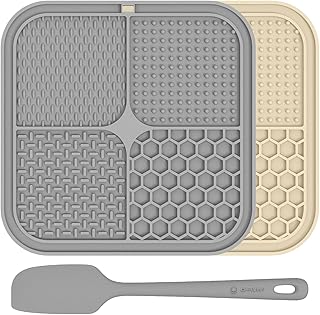
- Encourage full entry with a distraction (Days 5–6): Spread peanut butter or wet food onto a silicone lick mat and place it inside the cabin. Licking naturally lowers canine heart rates and builds a calm posture while all four paws stay inside.
- Practice gentle rocking (Days 7–8): Keep the brakes locked and rock the handle softly for two seconds while feeding treats. Stop rocking the instant your dog stops chewing or stiffens.
- Roll five feet indoors (Days 9–10): Clip the stroller’s safety tether to your dog’s back-clip harness—never to a neck collar. Unlock the brakes, push smoothly across one room, stop, and reward heavily before letting them hop out.
- Take a three-minute outdoor stroll (Week 2+): Start on a flat, quiet driveway or empty park path away from barking dogs. Keep the canopy open at first, then add two minutes to each ride as your dog settles down to lie flat.
Never shove, corner, or scold a dog who backs out during practice. Forcing them inside might win one trip around the block, yet it sets their trust back by weeks.
When I trained my terrier mix using this exact sequence, Day 4 felt painfully slow. By Day 9, he hopped into the rear flap on his own the moment I grabbed the peanut butter jar.
Could Your Stroller Design Be the Real Problem?
Yes—even a patient training plan stalls if the stroller rattles, sags, or forces a painful climb. As of 2026, many entry-level dog strollers still cut corners on cabin floor rigidity and wheel suspension to keep shipping weights low.
I once tested two mid-sized strollers back-to-back on cracked suburban pavement with a 28-pound beagle who hated riding. On hollow plastic wheels, she stood trembling the whole way, yet she curled up and napped within ten minutes inside a model with air-filled rubber tires and a firm floorboard.
Compare your current stroller against the build features below to see if equipment upgrades could solve half your battle overnight.
| Stroller Feature | Triggers Refusal | Encourages Calm Riding |
|---|---|---|
| Cabin Base | Thin fabric sling that dips under weight | Rigid wood or hard plastic insert with non-slip pad |
| Entry Access | Top-load only with tall walls | Low front or rear step-in opening |
| Canopy Closure | Stiff metal zippers that snag and screech | Latch-based no-zip canopy that folds flat |
| Wheels & Ride | Small hard plastic casters with zero shock absorption | 7-inch or larger rubber or foam-filled wheels with springs |
| Cabin Space | Less than 2 inches of extra length beyond dog’s body | Room to turn around and lie flat comfortably |
Quick Fixes for the Stroller You Already Own
You don’t always need to buy a new rig to make your current stroller feel safer. Four simple tweaks fix most comfort flaws in ten minutes:
- Stiffen the floor: Cut a piece of corrugated plastic or stiff foam board to fit snugly underneath the removable pad so it stops sagging.
- Add paw grip: Lay a rubberized bath mat or textured towel on top of slick nylon cushions.
- Remove factory smells: Wash the removable liner in unscented detergent and leave the open frame in direct sunlight for two afternoons.
- Bring home scent inside: Tuck an unwashed T-shirt you slept in under the corner of the stroller blanket.
When Should You Stop Training and Call Your Vet?
Pause training and schedule a vet visit if your dog shows physical distress or suddenly refuses a stroller they previously enjoyed. Sudden refusal is often a quiet early warning of joint inflammation, spinal discomfort, or motion-related dizziness.
Experts at the Cornell University College of Veterinary Medicine emphasize that canine osteoarthritis and spinal issues often worsen gradually before an owner notices a limp. Watch closely for these red flags:
- Vocalizing when lifted: Yelping, groaning, or turning to mouth your hand when you support their ribs or hips.
- Post-ride stiffness: Limping or moving slowly for an hour after a short, smooth stroller walk.
- Drooling and nausea: Heavy drooling, gagging, or vomiting during gentle rolling, which points to inner-ear motion sickness.
- Unrelenting panic: Trembling, dilated pupils, or refusing high-value treats even when the stroller sits parked ten feet away.
A vet can check for hidden joint pain, suggest targeted joint support, or prescribe gentle anti-nausea help if motion sickness is the culprit. Treating the physical cause first makes every minute of training far kinder and faster.
Strollers Built for Nervous or Reluctant Dogs

If your current stroller wobbles, has loud zippers, or forces you to lift a heavy senior dog over high walls, upgrading the gear can change everything. Here are the three models I recommend most for winning over hesitant riders:
🏆 Best for Anxious Dogs
Pet Gear No-Zip Happy Trails Lite
★★★★☆
Supports up to 30 lbs with a silent push-button canopy latch, elevated paw rest, and panoramic front window. I recommend this first for sound-sensitive dogs because ditching loud metal zippers removes one of the biggest startle triggers.
🦴 Best for Senior & Heavy Dogs
HPZ Pet Rover XL Extra-Long
★★★★★
Handles up to 75 lbs on pump-free rubber tires with front suspension, a rigid flat cabin base, and zipperless entry. It costs more than basic buggies, yet the rock-steady ride keeps arthritic dogs calm over rough sidewalks.
💰 Best Value for Small Dogs
Gen7Pets Promenade Pet Stroller
★★★★☆
Holds dogs up to 50 lbs with a smart canopy that folds completely out of the cabin space and an angled ergonomic handle. I like it for nervous small breeds because the open-top design gives them clear sightlines without feeling boxed in.
Frequently Asked Questions
How long does it take a dog to get used to a stroller?
Most dogs feel comfortable riding in a stroller after 7 to 14 days of short, daily positive-reinforcement sessions. Confident puppies may settle in within three days, while timid rescues or sore senior dogs often need three to four weeks of patient indoor practice.
Should I lift my dog into the stroller if they won’t jump in?
Avoid lifting a reluctant dog into a stroller unless they physically cannot step inside due to injury or arthritis. Letting your dog choose to enter via a rear flap or low ramp builds far faster confidence than hoisting them over a tall rail.
Why does my dog jump out of the stroller as soon as it moves?
Dogs leap out of moving strollers because the sudden motion feels unstable, or they feel frustrated watching smells and squirrels pass by. Always attach the interior safety tether to a well-fitted body harness, and go back to five-foot indoor rolls until they relax.
Can a dog stroller hurt a senior dog’s back or joints?
A well-fitted stroller protects senior joints by cutting down on pavement impact during long outings. However, a sagging floor, bumpy hard-plastic wheels, or cramped space that forces a hunched spine can worsen soreness—always use a flat, supportive pad and check sizing carefully.
Is it better to leave the stroller canopy open or closed?
Start with the canopy fully open so your dog sees clear exits and stays cool, using a body harness clipped to the built-in safety tether. Only practice closing the mesh shade for brief periods once your dog lies down calmly while the stroller rolls.
Give Your Dog Time to Choose the Ride
Every dog who refuses a stroller is sending a clear message about comfort, balance, or control. Fix the wobbly floor, slow down to five-minute indoor practice sessions, and let high-value treats do the convincing.
Start tonight by parking the open stroller in your living room with their favorite blanket inside and zero pressure to climb in. Once your dog realizes the stroller is their safe front-row seat to the neighborhood, you’ll both look forward to every roll out the door.

Thomas Cutter is a lifelong dog owner and the founder of FindOutAboutDogs.com. With over 10 years of hands-on experience owning multiple breeds, Thomas created this site to provide honest, research-based dog advice that real owners can actually trust.
