Best 10 Dog Breed for a 60-Year-Old Woman: Maintenance & Loving Dogs
Quick Answer
The best dog breeds for a 60 year old woman are small, calm, and low-shedding. Top picks include the Cavalier King Charles Spaniel, Bichon Frise, Shih Tzu, Havanese, and Toy or Miniature Poodle. Each one weighs under 20 lbs, needs only short daily walks, and bonds closely with one person. Pick based on your energy level, allergies, and home size — not on looks alone.
What matters most when choosing:
- Size under 20 lbs — easier to lift, carry, and control
- Low-to-moderate exercise needs — a 15 to 20 minute walk is enough
- Calm, affectionate temperament — not high-strung or hyper
- Manageable grooming — weekly brushing, not daily
- Steady health — fewer breed-specific emergencies
Before you decide:
- Try lifting a 15 lb bag to test your strength first
- Visit a breeder or shelter and meet an adult dog
- Line up a backup pet sitter before you commit
Your knees ache a little more than they used to. Your house feels quieter than it did five years ago. You want company — but not a dog that drags you down the block or costs you a fortune at the vet.
That’s the real question behind “best dog breeds for a 60 year old woman.” It’s not about cute photos. It’s about a dog that fits your energy, your home, and your budget — starting today.
I’ve pulled together the 10 breeds that vet groups and senior-living communities consistently recommend, along with real stats, honest pros and cons, and a simple guide to help you pick the right one for your life. By the end, you’ll know exactly which breed fits you — and what to do next.
- Small breeds under 20 lbs are easiest to manage physically and financially.
- Temperament matters more than breed popularity — calm beats trendy.
- An adult rescue dog often suits seniors better than a puppy.
- Grooming, not exercise, is usually the bigger daily time cost for these breeds.
- Always have a backup caregiver plan in case of illness or hospital stays.


What Makes a Dog Breed a Good Fit for a 60 Year Old Woman?
A good-fit breed for a 60 year old woman is small, calm, and needs only light daily exercise. It should weigh under 20 lbs so it’s easy to lift and control on a leash. Its temperament should be steady, not reactive, and its coat should need only weekly, not daily, grooming. Health matters too — a breed with fewer chronic conditions means fewer surprise vet bills. The American Kennel Club puts it simply: the real deciding factor isn’t your age on paper, it’s your day-to-day lifestyle and physical ability.
So what does that mean in practice? Four traits decide whether a breed works for you: exercise needs, temperament, size, and coat care. Get those four right, and almost any breed on this list can bring you years of easy companionship.
You might be thinking a bigger dog would feel safer or more loyal. Here’s why that’s not quite true — loyalty and affection don’t scale with size. A 10 lb Cavalier bonds just as hard as a 60 lb Labrador, without the strength needed to hold one back on a leash.
Before choosing a breed, test-carry a 15 lb bag of dog food. If that feels manageable, most small breeds will too.
What Most People Get Wrong About Choosing a Senior-Friendly Dog
Many first-time researchers assume “hypoallergenic” means allergy-free — it doesn’t. No dog is 100% allergen-free; low-shedding breeds like the Bichon or Poodle just produce less dander. Another common mistake: assuming small always means easy. Some small terriers are high-energy and stubborn, which can wear down a first-time owner fast.
Here’s the thing — a lot of online lists rank breeds by popularity, not by fit. A trendy breed like a French Bulldog might look easy on paper but carries real health costs from its flat face. So what does that mean for you? Read past the cute photo. Check the energy level, the grooming time, and the known health risks before you fall in love with a face.
The 10 Best Dog Breeds for a 60 Year Old Woman — Ranked and Reviewed
These 10 breeds top the recommendations from veterinary groups, the AKC, and senior-living communities across the US. Each one is small, calm, and manageable on a daily basis. Below, you’ll find real stats, honest pros and cons, and who each breed suits best — so you can compare them side by side before deciding.
Cavalier King Charles Spaniel — “The Royal Lap Companion”
 Save
Save| Weight | 12 to 18 lbs |
| Height | 12 to 13 inches |
| Lifespan | 12 to 15 years |
| Energy Level | Moderate — one 20-minute walk a day |
| Grooming Need | Weekly brushing, ear checks |
| Shedding | Moderate, seasonal |
The Cavalier King Charles Spaniel is a small toy spaniel bred for centuries to be a royal lap companion. Weighing 12 to 18 lbs, it’s light enough to lift onto a couch or into a car with ease. Cavaliers are gentle, affectionate, and rarely aggressive. They make an ideal first dog for a 60 year old woman who wants closeness without high energy demands.
Its silky ears and soft, medium-length coat give it an elegant, almost regal look. That coat needs weekly brushing to stay tangle-free and mat-free.
Cavaliers crave company more than almost any other breed on this list. Leave one alone too long, and it may develop separation anxiety. The surprising part? Many Cavaliers will follow you from room to room all day, happy just to be near you.
- Gentle with grandchildren and visitors
- Light enough to lift and carry easily
- Needs only short daily walks
- Prone to heart disease later in life
- Struggles when left alone for long hours
- Ear infections need regular checking
Best for: Women who want a devoted lap dog · First-time owners · Anyone home most of the day
Bichon Frise — “The Cotton Ball With a Heartbeat”
| Weight | 7 to 12 lbs |
| Height | 9 to 11 inches |
| Lifespan | 14 to 15 years |
| Energy Level | Moderate, short walks and play |
| Grooming Need | Professional trim every 4 to 6 weeks |
| Shedding | Very low |
The Bichon Frise is a small, white, curly-coated companion breed weighing 7 to 12 lbs. It sheds very little, which makes it a popular pick for women with allergies or asthma. Bichons are cheerful, easy to train, and thrive on human company. This breed suits a 60 year old woman who wants a joyful, low-shedding companion.
Its coat forms a dense, powder-puff halo that stays white with regular grooming. Underneath all that fluff is a compact, sturdy little body built for cuddling.
Most people expect a fluffy dog to be fragile. Bichons are actually sturdy and playful, often clowning around to get a laugh. The catch: they can develop separation anxiety if left alone too often.
- Very low shedding, good for allergies
- Cheerful and easy to train
- Gentle with children and other pets
- Grooming costs add up monthly
- Can develop separation anxiety
- White coat shows dirt and tear stains
Best for: Women with allergies · Apartment dwellers · Seniors who want a playful, cheerful dog
Shih Tzu — “The Portable Palace Dog”
| Weight | 9 to 16 lbs |
| Height | 8 to 11 inches |
| Lifespan | 10 to 16 years |
| Energy Level | Low, short indoor-friendly walks |
| Grooming Need | Daily brushing or short puppy trim |
| Shedding | Minimal |
The Shih Tzu is a solid, sturdy toy breed weighing 9 to 16 lbs, built for indoor companionship. It’s happy and even-tempered, and it’s content living in an apartment as long as you’re there. This breed suits a 60 year old woman who wants a lap dog that doesn’t need a yard or long walks.
Its long double coat can reach the floor if left untrimmed, framing a flat, expressive face with big dark eyes.
People assume flat-faced breeds can’t handle exercise at all. Shih Tzus actually enjoy short walks — they just overheat fast in warm weather, so timing your walk matters more than skipping it.
- Content with short indoor sessions
- Light and easy to carry
- Affectionate and eager to please
- Overheats quickly in hot weather
- Long coat needs daily brushing
- Can be stubborn during training
Best for: Apartment living · Seniors who dislike long walks · Women who want a true lap dog
Havanese — “Cuba’s Cheerful Little Shadow”
| Weight | 7 to 13 lbs |
| Height | 8 to 11 inches |
| Lifespan | 14 to 16 years |
| Energy Level | Low to moderate, short walks |
| Grooming Need | Weekly brushing, silky coat |
| Shedding | Low |
The Havanese is Cuba’s only native breed, weighing 7 to 13 lbs with a silky, wavy coat. It’s cheerful, social, and happy to take occasional short walks rather than long hikes. This breed suits a 60 year old woman who wants a devoted companion that plays gently with visiting grandchildren.
Its long coat moves with a springy bounce as it walks, often described as looking like a small, animated mop.
Most toy breeds are known for being fragile or nervous. Havanese buck that trend — they’re famously patient with kids and rarely snap, even when handled clumsily.
- Very patient with children and guests
- Needs only occasional short walks
- Rarely aggressive or reactive
- Coat mats without weekly brushing
- Craves company, dislikes long solitude
- Less common, may cost more to buy
Best for: Grandmothers with visiting grandchildren · Multi-pet homes · Seniors who want a gentle playmate
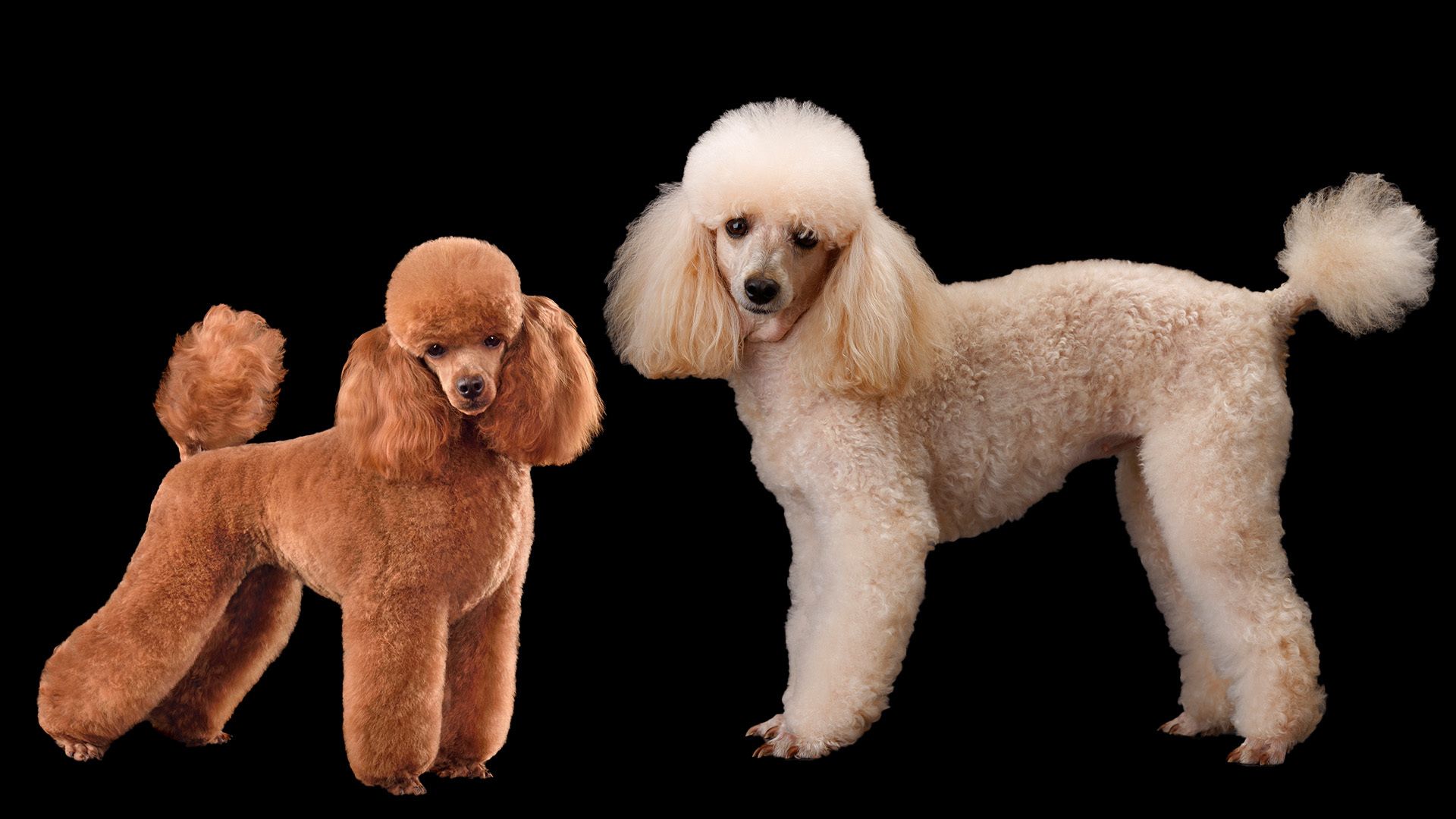
Toy or Miniature Poodle — “The Smart, Hypoallergenic Sidekick”
 Save
Save| Weight | Toy: 5 to 9 lbs, Mini: 15 to 18 lbs |
| Height | Under 10 to 15 inches |
| Lifespan | 14 to 18 years |
| Energy Level | Moderate, enjoys daily walks |
| Grooming Need | Professional grooming every 4 to 6 weeks |
| Shedding | Very low |
The Poodle comes in toy (5 to 9 lbs) and miniature (15 to 18 lbs) sizes, both known for sharp intelligence and a low-shedding coat. Poodles are fast learners and loyal companions. This breed suits a 60 year old woman with allergies who still wants a dog that’s easy to train and eager to please.
Its tight, curly coat can be clipped short for easy care or styled longer for a classic look.
Many people picture Poodles as high-maintenance show dogs. In daily life, a simple short clip keeps them just as easy to manage as any short-haired breed — the fancy cuts are optional.
- Very low dander, good for allergies
- Highly trainable and eager to please
- Long lifespan, often 14+ years
- Grooming bills add up over time
- Toy size can be fragile with kids
- Needs mental stimulation, gets bored
Best for: Allergy sufferers · Women who enjoy training games · Seniors wanting a long-lived companion
Pug — “The Comic Couch Companion”
| Weight | 14 to 18 lbs |
| Height | 10 to 13 inches |
| Lifespan | 13 to 15 years |
| Energy Level | Low, matches owner’s pace |
| Grooming Need | Weekly brushing, face wrinkle cleaning |
| Shedding | Moderate to high |
The Pug is a muscular, short-haired toy breed weighing 14 to 18 lbs, bred centuries ago as a companion for Chinese emperors. It has an even temperament and needs very little exercise. This breed suits a 60 year old woman who wants a loving, low-key dog that matches her own pace exactly.
Its wrinkled face and curled tail give it an unmistakable, almost cartoonish charm.
People often think a Pug’s snoring and wheezing are just funny quirks. Here’s why that matters: those sounds can signal brachycephalic airway trouble, especially in heat, so a Pug needs cool, calm conditions and portion-controlled meals.
- Very low exercise requirement
- Short coat, easy weekly grooming
- Affectionate and easygoing indoors
- Breathing trouble in heat or humidity
- Prone to rapid weight gain
- Skin folds need regular cleaning
Best for: Very low-energy households · Women in cool climates · Seniors wanting minimal exercise demands
French Bulldog — “The Quiet Apartment Charmer”
| Weight | 16 to 28 lbs |
| Height | 11 to 13 inches |
| Lifespan | 10 to 14 years |
| Energy Level | Low to moderate |
| Grooming Need | Minimal, wipe skin folds weekly |
| Shedding | Low |
The French Bulldog is a compact, muscular breed weighing 16 to 28 lbs, known for its bat ears and quiet nature. It rarely barks, which makes it ideal for shared walls. This breed suits a 60 year old woman living in an apartment or condo who wants a calm, affectionate dog that won’t disturb the neighbors.
Its smooth, short coat and stocky build give it a sturdy, compact look, unlike the delicate frame of most toy breeds.
You might expect a bulldog-type breed to be stubborn or tough to manage. In reality, Frenchies are famously easygoing — the real challenge is their health, not their temperament.
- Rarely barks, great for apartments
- Short coat, minimal grooming time
- Calm, affectionate temperament
- Above-average veterinary costs
- Heat sensitivity limits summer walks
- Can’t swim, needs supervision near water
Best for: Apartment or condo living · Seniors near noise-sensitive neighbors · Cooler climates
Pomeranian — “The Fearless Fluffball”
| Weight | 3 to 7 lbs |
| Height | 6 to 7 inches |
| Lifespan | 12 to 16 years |
| Energy Level | Moderate, alert and active indoors |
| Grooming Need | Brushing 2 to 3 times weekly |
| Shedding | Moderate, seasonal |
The Pomeranian is a tiny, fox-faced breed weighing just 3 to 7 lbs, with a thick double coat and a bold, confident personality. Despite its size, it’s alert and self-assured. This breed suits a 60 year old woman who wants a small, portable dog with a big personality and an alert watchdog instinct.
Its double coat puffs out into a full mane around the neck and chest, giving it a lion-like silhouette.
People assume tiny dogs are timid. Pomeranians are the opposite — they’ll bark and stand their ground against dogs many times their size, so early training matters.
- Extremely light and portable
- Alert, makes a good little watchdog
- Long lifespan, often 14+ years
- Barks frequently at strangers
- Fragile bones need careful handling
- Thick coat sheds heavily twice a year
Best for: Women wanting a watchdog · Small living spaces · Seniors who enjoy a spirited personality
Maltese — “The Silky White Shadow”
| Weight | Under 7 lbs |
| Height | 7 to 9 inches |
| Lifespan | 12 to 15 years |
| Energy Level | Low to moderate |
| Grooming Need | Daily brushing, or short trim |
| Shedding | Very low |
The Maltese is a tiny toy breed under 7 lbs, with a long, silky white coat and no undercoat. It’s gentle, affectionate, and sheds very little. This breed suits a 60 year old woman who wants an elegant, allergy-friendly lap dog that’s easy to carry everywhere she goes.
Its flowing white coat can trail to the floor, though most owners keep it in a short, easy-care “puppy cut.”
People often picture the Maltese as delicate and reserved. In truth, many are lively and playful indoors, showing real spunk despite their dainty looks.
- Very low shedding and dander
- Tiny and easy to carry
- Affectionate, bonds closely with owner
- White coat stains easily around eyes
- Very fragile around rough handling
- Prone to dental issues, needs brushing
Best for: Allergy-conscious women · Frequent travelers who want a carry-along dog · Quiet, calm households
Boston Terrier — “The Tuxedo-Wearing Gentleman”
 Save
Save| Weight | 12 to 25 lbs |
| Height | 15 to 17 inches |
| Lifespan | 11 to 13 years |
| Energy Level | Moderate, short daily walks |
| Grooming Need | Minimal, occasional brushing |
| Shedding | Low |
The Boston Terrier is a compact, short-coated breed weighing 12 to 25 lbs, known for its black-and-white “tuxedo” markings. It’s friendly, alert, and generally easy to train. This breed suits a 60 year old woman who wants a sturdier small dog with a bit more stamina for daily neighborhood walks.
Its large, round eyes and perky bat ears give it an alert, almost comical expression.
People often lump this breed in with high-strung terriers. Boston Terriers are actually notably gentle and people-focused, closer in spirit to a companion breed than a working terrier.
- Short coat, minimal grooming
- Friendly with strangers and other pets
- Sturdy enough for daily walks
- Sensitive to heat, flat-faced breed
- Prone to eye injuries, protruding eyes
- Can be gassy, needs diet care
Best for: Women who enjoy daily neighborhood walks · Multi-pet homes · Seniors wanting a sturdier small dog
How Do These 10 Breeds Compare Side by Side?
Each of these 10 breeds fits a slightly different lifestyle, even though all are small and senior-friendly. The Poodle and Bichon suit allergy sufferers best. The Pug and Shih Tzu need the least exercise. The Cavalier and Havanese are the most cuddly. Use the table below to compare weight, energy, grooming, and shedding at a glance before you decide.
| Breed | Weight | Exercise | Grooming | Shedding |
|---|---|---|---|---|
| Cavalier King Charles | 12–18 lbs | Moderate | Weekly | Moderate |
| Bichon Frise | 7–12 lbs | Moderate | Monthly trim | Very low |
| Shih Tzu | 9–16 lbs | Low | Daily | Minimal |
| Havanese | 7–13 lbs | Low-moderate | Weekly | Low |
| Toy/Mini Poodle | 5–18 lbs | Moderate | Monthly | Very low |
| Pug | 14–18 lbs | Low | Weekly | Moderate-high |
| French Bulldog | 16–28 lbs | Low-moderate | Minimal | Low |
| Pomeranian | 3–7 lbs | Moderate | 2-3x weekly | Moderate |
| Maltese | Under 7 lbs | Low-moderate | Daily | Very low |
| Boston Terrier | 12–25 lbs | Moderate | Minimal | Low |
Which Small Dog Breed Is Right for You?
The right breed depends on your energy level, allergies, and how much time you can give to grooming. A woman who’s mostly home and craves closeness needs a different dog than one who travels often or has allergies. Use the scenarios below to match your lifestyle to the right breed, so you can skip the guesswork.
- If you have allergies or asthma → the Bichon Frise, Toy Poodle, or Maltese will shed the least.
- If you live in an apartment with noise-sensitive neighbors → the French Bulldog barks the least.
- If you want a dog for visiting grandchildren → the Havanese and Cavalier are the most patient.
- If you want minimal daily exercise → the Pug or Shih Tzu ask the least of you.
- If you want a bit more stamina for neighborhood walks → the Boston Terrier keeps up well.
What Do New Small-Dog Owners Need to Know About Care Essentials?
Every small breed on this list needs the same core care: a balanced diet, regular vet visits, dental care, and daily companionship. Most need 15 to 30 minutes of activity a day, not hours. Grooming ranges from weekly brushing to monthly professional trims, depending on coat type. Budget $300 to $700 a year for routine veterinary care, according to national estimates, more if the breed has known health risks like brachycephalic airway issues.
So what does that mean day to day? Set a simple routine — morning walk, midday check-in, evening brushing — and most of these breeds will settle into it happily within a few weeks.
Flat-faced breeds like the Pug, French Bulldog, and Boston Terrier can overheat fast. Keep walks short and avoid midday heat.
What Mistakes Do New Senior Dog Owners Commonly Make?
The most common mistake is choosing a puppy instead of an adult dog. Puppies need intense training, supervision, and stamina that many seniors don’t want to take on. A second mistake is skipping a pet-care backup plan — if you’re hospitalized, who walks and feeds your dog? A third mistake is underestimating grooming costs for coated breeds like the Poodle or Bichon.
You might be thinking a puppy would bond with you more deeply. Here’s why that’s not quite true — an adult rescue dog, already past the chewing and housebreaking stage, often bonds just as fast and settles in faster.
Frequently Asked Questions
What is the easiest dog breed for a 60 year old woman to care for?
The Bichon Frise and Shih Tzu are among the easiest, needing only short walks, weekly grooming, and minimal exercise. Both are calm, affectionate, and well suited to apartment or single-story living.
Are small dogs really better than large dogs for seniors?
Not always, but small dogs are usually easier to lift, walk, and control physically. Some larger, low-energy breeds like Greyhounds also work well, so lifestyle matters more than size alone.
Should a 60 year old woman get a puppy or an adult dog?
An adult dog is often the better choice. Adult dogs are usually already house-trained, calmer, and easier to predict than puppies, which require months of intense training and supervision.
How much daily exercise do senior-friendly dog breeds need?
Most breeds on this list need just 15 to 30 minutes of walking a day, split into one or two short sessions. This is enough to keep them healthy without straining your own joints or stamina.
What should I do if I can no longer care for my dog?
Arrange a backup caregiver in advance, such as a family member, neighbor, or professional pet sitter. Many local shelters and breed rescue groups also offer temporary foster support during emergencies.
The One Thing to Do Right Now
You don’t need to decide today. But you can do one small thing right now: visit a local shelter or breeder this week and meet one adult dog from this list in person. That single visit will tell you more than any article can. This article covers the 10 most senior-friendly breeds. If you’re considering a large or high-energy breed instead, you’ll want breed-specific senior guidance beyond what’s covered here.

Thomas Cutter is a lifelong dog owner and the founder of FindOutAboutDogs.com. With over 10 years of hands-on experience owning multiple breeds, Thomas created this site to provide honest, research-based dog advice that real owners can actually trust.
