Best 10 Dog Breeds for Seniors — Calm, Low-Maintenance Companions for 2026
Quick Answer
The best dog for you depends on your energy level, home size, and grooming budget. Cavalier King Charles Spaniels, Bichon Frises, Shih Tzus, and Pugs suit most seniors because they are small, calm, and need only short daily walks. Greyhounds and Poodles fit specific needs like allergies or a bigger, gentler frame.
Which breeds make this list:
- Cavalier King Charles Spaniel
- Bichon Frise
- Shih Tzu
- Pug
- Havanese
- French Bulldog
- Poodle (Toy or Miniature)
- Pomeranian
- Greyhound
- Cotton de Tulear
Before you pick a breed, weigh:
- Your walking stamina, not just your age
- How much grooming you can afford weekly
- Whether your building has a size or breed limit
Your knees ache a little more than they used to. Your afternoons feel long and quiet. Then a small dog trots over, rests its chin on your foot, and the whole day shifts.
That’s the pull of dog ownership in your senior years. But not every breed fits a slower pace or a smaller apartment. A high-energy working dog can turn a peaceful home into a daily wrestling match.
I’ve spent time researching how breed temperament, size, and care needs line up with what older owners actually deal with — fixed budgets, joint pain, apartment rules, and a real need for calm company. Here’s what I found, breed by breed.
- Small, calm breeds like the Cavalier and Bichon Frise top most senior-friendly lists.
- Low energy does not mean low cost — some low-maintenance breeds have higher vet bills.
- Your physical ability matters more than your age when choosing a breed.
- Many senior communities cap dog size or ban certain breeds — check first.
- An older, already-trained rescue dog often suits a senior better than a puppy.


What Makes a Dog Breed “Senior-Friendly”?
A senior-friendly dog breed is calm, small to medium in size, and needs only short daily exercise. It also has a gentle temperament and manageable grooming needs. These traits reduce fall risk, physical strain, and daily upkeep. The American Kennel Club notes that lifestyle and physical ability matter more than age when picking a breed.
Four traits decide whether a breed fits a senior’s life well. Energy level tops the list — a dog that’s happy with two short walks a day beats one that needs an hour of running. Temperament matters too. A calm, patient dog adjusts to a slower household rhythm.
Size plays a role most people underestimate. A large, strong dog can pull hard on a leash and risk a fall. And grooming needs decide how much time and money you’ll spend at the groomer each month.
You might be thinking, “Doesn’t every dog need daily walks?” Yes — but a 10-pound Shih Tzu is satisfied with a slow 15-minute stroll, while a young Labrador needs 60 minutes of real exercise to stay balanced. That gap changes everything about daily life.
Before choosing a breed, spend 30 minutes with an adult dog of that type at a shelter or breeder. Watch how it handles a quiet room.
The 10 Best Dog Breeds for Seniors — Ranked and Reviewed
These 10 breeds combine a calm nature, manageable size, and low daily exercise needs. Each one suits a different lifestyle, so read the “Best for” line under each pick to find your match.
Cavalier King Charles Spaniel — “The Devoted Lap Warmer”
| Weight | 12–18 lbs |
| Height | 12–13 inches |
| Lifespan | 12–15 years |
| Energy Level | Moderate |
| Grooming Need | Weekly brushing |
| Shedding | Moderate, year-round |
The Cavalier King Charles Spaniel is a small companion breed known for its gentle, affectionate nature. Weighing 12 to 18 lbs, it is easy to lift and carry. It thrives on closeness with its owner and adapts well to apartment life, making it one of the most recommended breeds for older adults.
Their silky, feathered ears frame a soft, expressive face. Cavaliers come in four coat colors, from chestnut-and-white to solid ruby.
You already know spaniels are friendly. What you might not know is how closely a Cavalier tracks your mood. Owners often say the dog seems to sense a bad day before they do.
Owners across senior communities consistently describe their Cavaliers as gentle shadows — dogs that settle by their feet during quiet mornings and match the pace of a slower household without any training at all.
— A common theme in Cavalier owner reviews
- Easy to carry and handle on stairs
- Rarely barks excessively
- Bonds fast with a single owner
- Prone to heart and knee issues
- Dislikes being left alone long
- Weekly brushing is non-negotiable
Best for: Apartment dwellers · Seniors who want a lap dog · First-time owners
Bichon Frise — “The Cotton-Ball Charmer”
 Save
Save| Weight | 7–12 lbs |
| Height | 9.5–11.5 inches |
| Lifespan | 14–15 years |
| Energy Level | Moderate |
| Grooming Need | Professional trim monthly |
| Shedding | Very low |
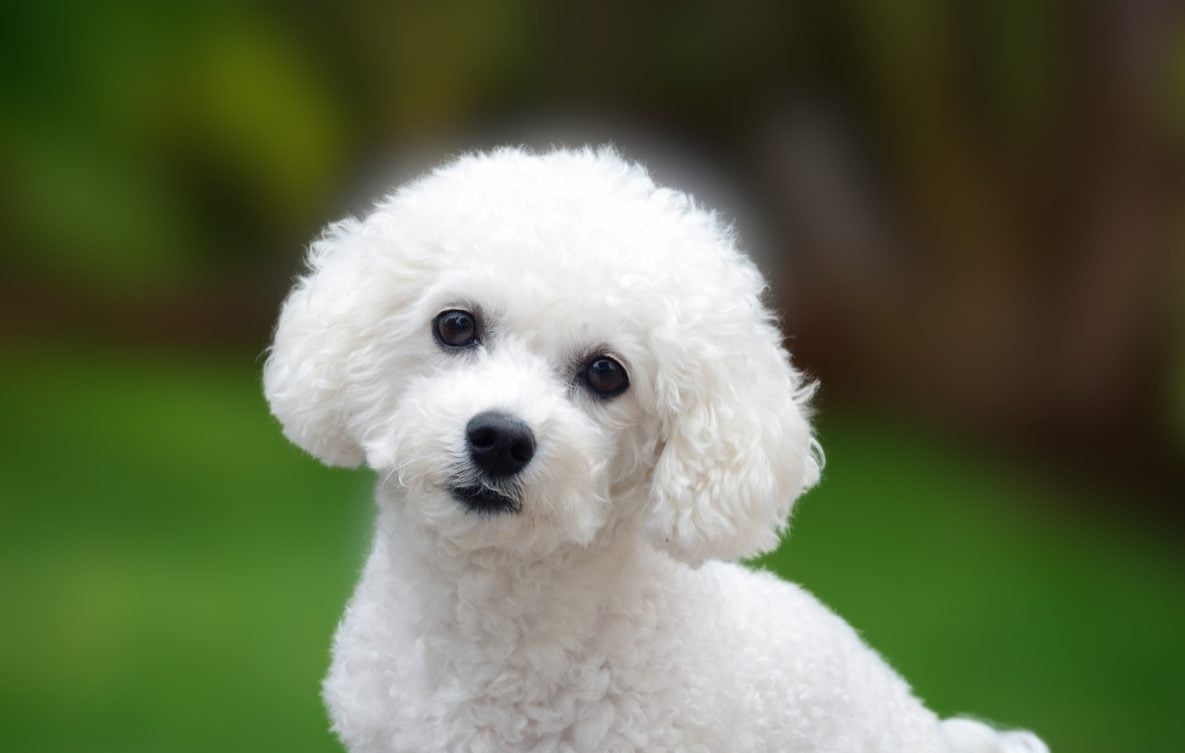
The Bichon Frise is a small, hypoallergenic companion breed with a curly white coat. Weighing 7 to 12 lbs, it fits easily into apartments and senior communities. Cheerful and playful, it bonds quickly with its owner and adapts well to a calm, slower-paced home.
Their coat looks like a puff of white cotton. Underneath the curls sits a sturdy, compact little body.
Most people expect a fluffy dog to be delicate. The Bichon is surprisingly sturdy and rarely gets sick. What surprises new owners most is how food-motivated they are — a Bichon will learn a new trick in one afternoon for a single treat.
- Low-shed coat suits allergy sufferers
- Sturdy despite its small size
- Learns commands fast
- Monthly grooming cost adds up
- Coat mats fast without brushing
- Can develop separation anxiety
Best for: Allergy sufferers · Seniors in shared buildings · Owners who enjoy training games
Shih Tzu — “The Content Indoor Companion”
| Weight | Up to 16 lbs |
| Height | 9–10.5 inches |
| Lifespan | 10–16 years |
| Energy Level | Low |
| Grooming Need | Daily brushing or short trim |
| Shedding | Minimal |
The Shih Tzu is a small, sturdy companion dog built purely for indoor life. Weighing up to 16 lbs, it is light enough for most seniors to carry. Calm and eager to please, it needs only short walks and settles easily into apartment living, so long as its owner stays close by.
Its flowing double coat frames a round, expressive face. A shorter “puppy trim” turns that flowing coat into an easy, wash-and-go style.
You’d expect a lap dog to be lazy. The twist is that Shih Tzus love a slow sniff-walk more than a fast one — they’d rather explore every scent on the block than rush to the finish.
- Content with 15-minute walks
- Light enough to carry easily
- Rarely aggressive with strangers
- Flat face raises heat sensitivity
- Long coat mats without daily care
- Prone to dental issues
Best for: Seniors with limited mobility · Warm-climate apartments · Owners who want minimal exercise
Pug — “The Comic Cuddler”
| Weight | 14–18 lbs |
| Height | 10–13 inches |
| Lifespan | 13–15 years |
| Energy Level | Low |
| Grooming Need | Weekly brushing |
| Shedding | Heavy, short-hair |
The Pug is a small, muscular companion breed built purely for human company. Weighing 14 to 18 lbs, it needs very little exercise and thrives indoors. Even-tempered and affectionate, it was bred centuries ago to sit in laps, making it a natural fit for a slower, quieter household.
Its wrinkled face and curled tail give it an unmistakable look. That short coat sheds constantly, but needs no scissors or clippers.
Everyone knows Pugs snore. Fewer people realize how food-obsessed they are — a Pug will “sit” for a piece of banana faster than for any command you’ve trained.
Pugs overheat fast in hot weather due to their short snouts. Keep summer walks brief and always in shade.
- Needs only 20 minutes of daily exercise
- No haircuts or trims required
- Even-tempered with kids and pets
- Struggles badly in heat
- Sheds year-round, everywhere
- Prone to breathing problems
Best for: Seniors in cooler climates · Multi-pet homes · Owners who dislike grooming trips
Havanese — “The Cuban Cheerleader”
| Weight | 7–13 lbs |
| Height | 8.5–11.5 inches |
| Lifespan | 14–16 years |
| Energy Level | Moderate |
| Grooming Need | Weekly brushing |
| Shedding | Low |
The Havanese is Cuba’s only native breed, known for its cheerful, social nature. Weighing 7 to 13 lbs, it is small enough for any apartment. Playful and endlessly patient, it thrives on human closeness and adapts easily to a quieter, slower senior lifestyle.
Its long, silky coat can be corded or kept short. Dark, curious eyes give it a constant look of interest in everything around it.
Most toy breeds are shy with strangers. The Havanese is the opposite — it greets new visitors like old friends, a trait that makes it a natural social bridge in senior communities.
Best for: Social seniors · Grandparents with visiting grandchildren · First-time small-dog owners
French Bulldog — “The Quiet Roommate”
| Weight | Under 28 lbs |
| Height | 11–13 inches |
| Lifespan | 10–14 years |
| Energy Level | Low |
| Grooming Need | Minimal, weekly wipe-down |
| Shedding | Low |
The French Bulldog is a small, muscular companion dog known for its calm, even disposition. Weighing under 28 lbs, it needs minimal exercise and rarely barks. Its quiet nature and compact build make it one of the top picks for seniors living in apartments or shared buildings.
Its bat-like ears and smooth coat give it a distinct, easy-to-spot silhouette. The build is stocky, not delicate — this dog feels solid when you pick it up.
People assume all small dogs bark a lot. The French Bulldog breaks that rule — it’s one of the quietest breeds you’ll meet, which matters if thin apartment walls worry you.
French Bulldogs carry above-average vet costs due to breathing and spine issues common in the breed. Budget for this before you commit.
Best for: Apartment or condo living · Quiet households · Seniors who want minimal grooming
Poodle (Toy or Miniature) — “The Sharp-Minded Snuggler”
 Save
Save| Weight | 5–15 lbs (Toy/Mini) |
| Height | Under 15 inches |
| Lifespan | 12–15 years |
| Energy Level | Moderate |
| Grooming Need | Professional trim monthly |
| Shedding | Very low |
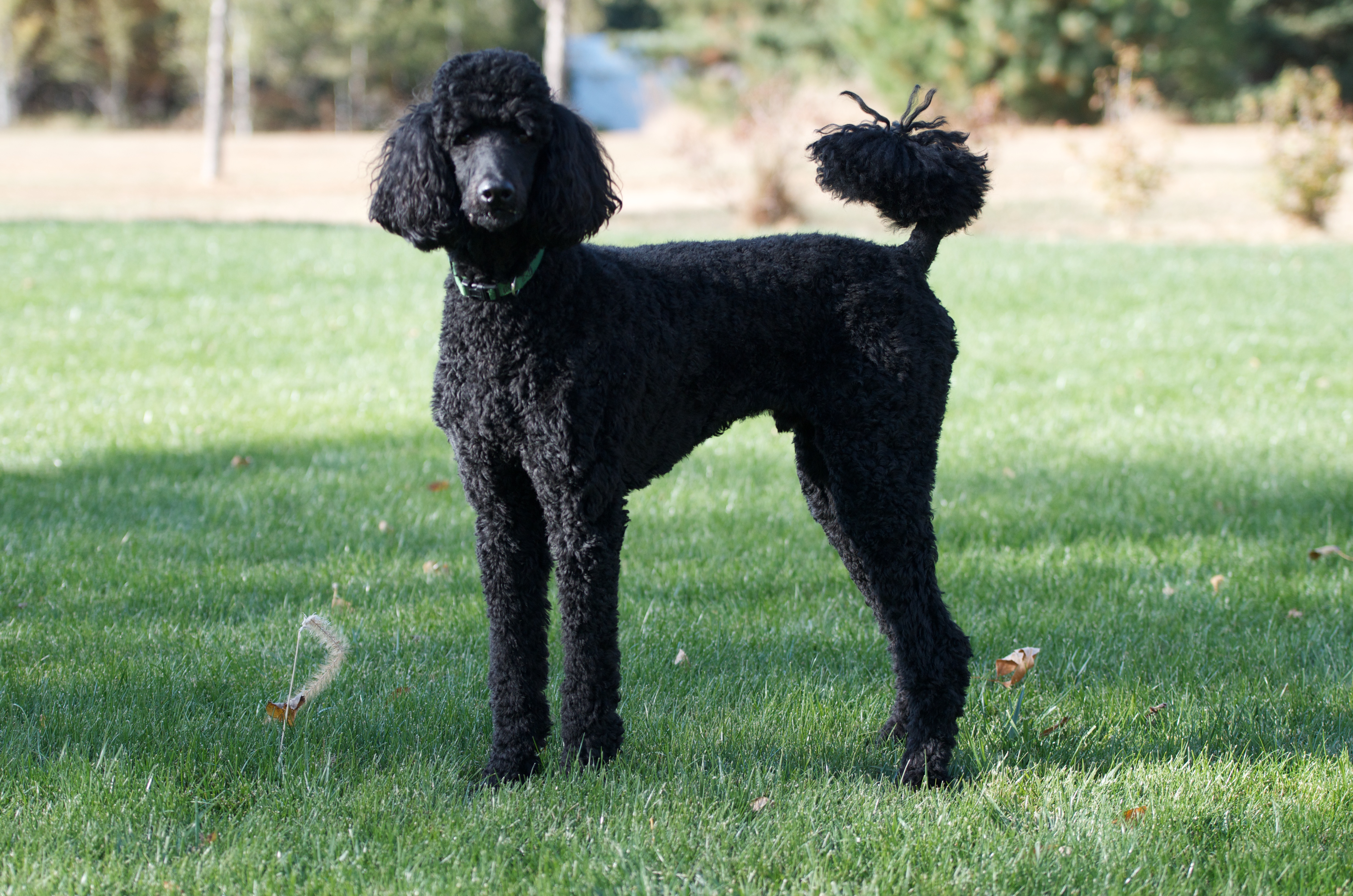
The Poodle is a highly intelligent companion breed available in toy and miniature sizes for smaller homes. Weighing 5 to 15 lbs, it has a low-shed coat that suits allergy-prone seniors well. Loyal and quick to learn, it picks up new routines faster than most other breeds.
Its dense, curly coat can be clipped short for easy care. Poodles carry themselves with a proud, alert posture even at toy size.
Everyone knows Poodles are smart. What surprises new owners is how much that intelligence needs an outlet — a bored Poodle will invent its own games, often at your expense.
Best for: Allergy sufferers · Seniors who enjoy training · Owners who want a highly responsive dog
Pomeranian — “The Fearless Fluffball”
| Weight | 3–7 lbs |
| Height | 6–7 inches |
| Lifespan | 12–16 years |
| Energy Level | Moderate |
| Grooming Need | Brushing 2–3 times weekly |
| Shedding | Moderate |
The Pomeranian is one of the smallest popular breeds, known for its thick double coat and bold personality. Weighing just 3 to 7 lbs, it is easy for seniors to lift and carry. Confident and alert, it makes a lively, affectionate companion for a quieter home.
Its fox-like face and full, fluffy coat give it a striking, unmistakable look. The coat forms a thick ruff around the neck and chest.
You’d expect a 5-pound dog to act timid. A Pomeranian does the opposite — it will alert-bark at a dog three times its size without a hint of hesitation.
Best for: Seniors who want an alert watchdog · Small-space living · Owners who enjoy a spirited personality
Greyhound — “The Gentle Giant Who Naps All Day”
| Weight | 60–70 lbs |
| Height | 27–30 inches |
| Lifespan | 10–13 years |
| Energy Level | Low (after a sprint) |
| Grooming Need | Minimal, weekly wipe-down |
| Shedding | Very low |
The Greyhound is a large sighthound famous for its gentle, quiet demeanor off the track. Despite its size, it needs only short daily walks and spends most of the day resting. Its short coat needs almost no grooming, making it a surprisingly low-maintenance pick for seniors with space.
Its lean, aerodynamic body was built for speed, not stamina. That thin coat means it needs a sweater in cold weather.
Everyone assumes a former racing dog needs hours of exercise. The truth flips that idea — retired Greyhounds are often called “45-mph couch potatoes” because they sprint briefly, then sleep 18 hours a day.
A Greyhound’s size means a strong pull if it startles on leash. Use a secure harness and stay alert near squirrels or cats.
Best for: Seniors with a yard or house · Owners who want a calm large-breed companion · Homes without small pets
Coton de Tulear — “The Cotton-Coated Optimist”
 Save
Save| Weight | 8–13 lbs |
| Height | 9–11 inches |
| Lifespan | 15–19 years |
| Energy Level | Moderate |
| Grooming Need | Brushing 2–3 times weekly |
| Shedding | Very low |
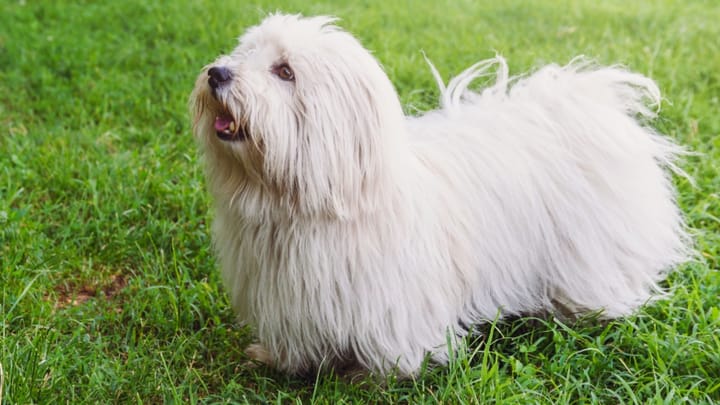
The Coton de Tulear is a small companion breed from Madagascar with a soft, cottony white coat. Weighing 8 to 13 lbs, it rarely sheds and travels well. Easy to train and endlessly good-natured, it often lives 15 to 19 years, longer than most breeds its size.
Its fluffy white coat feels like raw cotton, unlike the silkier hair of similar breeds. The face keeps a near-permanent, cheerful expression.
Long-lived small dogs are common. What’s rare is a breed this hardy in nearly any weather while still craving constant company indoors.
Best for: Seniors who travel often · Owners wanting a long-lived companion · Multi-generational households
Comparison Table: All 10 Senior-Friendly Dog Breeds Side by Side
This table lets you scan every breed’s weight, energy level, and grooming needs at a glance. Use it to shortlist two or three breeds before you visit a shelter or breeder.
| Breed | Weight | Energy | Grooming | Lifespan |
|---|---|---|---|---|
| Cavalier King Charles | 12–18 lbs | Moderate | Weekly | 12–15 yrs |
| Bichon Frise | 7–12 lbs | Moderate | Monthly trim | 14–15 yrs |
| Shih Tzu | Up to 16 lbs | Low | Daily | 10–16 yrs |
| Pug | 14–18 lbs | Low | Weekly | 13–15 yrs |
| Havanese | 7–13 lbs | Moderate | Weekly | 14–16 yrs |
| French Bulldog | Under 28 lbs | Low | Minimal | 10–14 yrs |
| Poodle (Toy/Mini) | 5–15 lbs | Moderate | Monthly trim | 12–15 yrs |
| Pomeranian | 3–7 lbs | Moderate | 2–3x weekly | 12–16 yrs |
| Greyhound | 60–70 lbs | Low | Minimal | 10–13 yrs |
| Coton de Tulear | 8–13 lbs | Moderate | 2–3x weekly | 15–19 yrs |
Which Dog Breed Is Right for You?
The right breed depends on your living space, mobility, and how much grooming you want to manage. Use these situations to narrow your choice fast, then confirm with a visit to a shelter or breeder before deciding.
- If you live in a small apartment with strict noise rules → the French Bulldog or Shih Tzu fits best.
- If you or a visitor has allergies → the Bichon Frise or Poodle sheds the least.
- If you have a house or yard and want a calm larger dog → the Greyhound suits you well.
- If your hands or knees make grooming hard → the Pug or French Bulldog needs the least brushing.
- If you want a dog that greets every guest warmly → the Havanese is the natural fit.
You might be thinking, “What if I’m not sure I can commit for 15 years?” That’s a fair concern. Consider adopting an adult rescue dog instead of a puppy — you’ll know its size, temperament, and health history upfront.
What Most People Get Wrong About Dogs for Seniors
Many people assume age alone should decide whether you get a dog. It shouldn’t. The AKC states clearly that physical ability and lifestyle matter more than the number on your birth certificate.
Another common mistake is picking a puppy for “training on your terms.” Puppies bite, chew, and need constant supervision — a demanding job for anyone with limited stamina. An adult rescue dog, already house-trained, is often the smarter choice.
People also assume small equals cheap. That’s not always true. So if you’re drawn to a French Bulldog or Pug for their calm nature, budget for above-average vet bills tied to their short snouts and joint issues.
Senior Dog Ownership Care Essentials
Caring for a dog in your senior years means building routines that protect both of you. Focus on manageable walks, predictable feeding times, and a plan for who helps if you’re ever unwell. These three habits prevent most common problems before they start.
Set a fixed walk schedule, even if it’s just two 10-minute strolls a day. Research from the Baltimore Longitudinal Study of Aging found that dog ownership is linked to better-maintained physical function in older adults, largely through the routine of daily walks.
Line up a backup plan early. Ask a neighbor, family member, or local pet sitter who can step in if you’re hospitalized or unwell for a few days. This single step prevents a health scare from becoming a crisis for your dog too.
- Set two short, fixed-time walks daily.
- Keep food and water bowls at a comfortable height.
- Book a groomer on a repeating monthly schedule.
- Identify one backup caretaker in case of illness.
- Schedule vet checkups twice a year, not once.
Mistakes New Senior Dog Owners Make (And How to Avoid Them)
The most common mistake is choosing a breed based on looks alone, without checking energy level. A cute photo doesn’t tell you a dog needs an hour of daily running.
Skipping a building’s pet policy is another frequent error. Many senior communities cap dog weight at 25 to 35 lbs or restrict certain breeds entirely — always check before you fall in love with a dog.
Finally, some owners underestimate long-term vet costs. Set aside a monthly pet fund from day one, even if your new dog seems perfectly healthy.
This Article’s Scope
This guide covers the calmest, most manageable dog breeds for typical senior lifestyles based on temperament, size, and care needs. If you’re managing a specific health condition like limited grip strength or vision loss, talk to your vet or a service-dog organization for breed advice suited to that need.
Frequently Asked Questions
What is the easiest dog breed for seniors to care for?
The Shih Tzu and French Bulldog rank among the easiest breeds for seniors. Both need only short daily walks, minimal training, and a manageable grooming routine. Their calm temperaments also make them forgiving of a slower daily pace.
Are small dogs always better for seniors than large dogs?
Not always. Small dogs are easier to lift and control on a leash, but calm large breeds like the Greyhound need less daily exercise than many small terriers. Temperament and energy level matter more than size alone.
Is it better for seniors to adopt a puppy or an adult dog?
Most seniors do better with an adult dog. Adult rescues are usually house-trained, past the destructive chewing stage, and come with a known temperament, which reduces daily physical demands significantly.
How much exercise does a senior-friendly dog breed need?
Most senior-friendly breeds need 15 to 30 minutes of walking split across the day. This is usually enough to keep low-energy breeds like the Pug, Shih Tzu, and French Bulldog healthy and content.
Do senior living communities allow all dog breeds?
No. Many senior communities set weight limits, often between 25 and 35 lbs, and restrict specific breeds. Always confirm your community’s pet policy in writing before choosing or adopting a dog.
A calm, well-matched dog can turn a quiet afternoon into real companionship. Pick a breed that fits your energy and space, not just your heart, and you’ll both settle in faster. Start today by listing your top two breeds from this guide and calling a local shelter to meet one in person.

Thomas Cutter is a lifelong dog owner and the founder of FindOutAboutDogs.com. With over 10 years of hands-on experience owning multiple breeds, Thomas created this site to provide honest, research-based dog advice that real owners can actually trust.
