10 Best Dog Breeds for Small Apartments (2026 Owner’s Guide)
Quick Answer
The best dog breeds for small apartments include the French Bulldog, Cavalier King Charles Spaniel, Bichon Frise, Pug, Shih Tzu, Boston Terrier, Italian Greyhound, Pomeranian, Chihuahua, and Greyhound. The right pick depends less on size and more on energy level, noise habits, and how much daily exercise you can offer.
What to weigh before choosing an apartment dog:
- Energy level matters more than body size
- Barking tendency affects neighbor relations
- Grooming needs add weekly time, not just cost
- Some “small” breeds need more exercise than big ones
Quick tips for apartment dog owners:
- Test a breed’s bark habit before you commit
- Plan two walks a day, rain or not
- Ask your building about breed or weight limits first
You hear it the second you step into the hallway: a dog barking through the wall, over and over. Your neighbor sighs. You wonder if a dog even fits in a place this small.
I’m Thomas Cutter, and I’ve spent years writing about dogs and watching first-time owners pick the wrong breed for their space. The good news? Plenty of dogs do great in small apartments. You just need to match the dog to your lifestyle, not just your square footage.
By the end of this guide, you’ll know exactly which breeds fit apartment life in 2026, what each one needs from you, and how to pick the right match for your routine.
- Size alone doesn’t predict whether a dog suits apartment living.
- Low-to-moderate energy breeds adapt best to small spaces.
- Quiet temperament matters as much as square footage.
- Every breed on this list still needs daily walks and mental activity.


What Makes a Dog Breed Apartment-Friendly?
An apartment-friendly breed is calm indoors, doesn’t bark constantly, and doesn’t need a yard to burn off energy. It’s not really about how small the dog is. A Greyhound is large but sleeps most of the day. A small terrier can be a nonstop bundle of energy that needs a yard to settle down.
Most experts agree that three traits decide whether a breed fits apartment life: indoor energy level, noise habits, and exercise needs that can be met on a leash. A dog that checks all three boxes will do well in 400 square feet just as easily as in a house.
You might be thinking small dogs are always the safer bet for tight spaces. Here’s why that’s only half true: small size helps with storage and furniture, but a high-strung small dog can be harder to live with than a calm large one.
Visit a breed meetup or shelter before deciding. Watching a dog’s energy in person tells you more than any list.
The 10 Best Dog Breeds for Small Apartments — Ranked and Reviewed
French Bulldog — “The Couch Companion”
 Save
Save| Weight | 16-28 lbs |
| Height | 11-13 inches |
| Lifespan | 10-14 years |
| Energy Level | Low to moderate |
| Grooming Need | Low, weekly wipe-down |
| Shedding | Moderate, short coat |
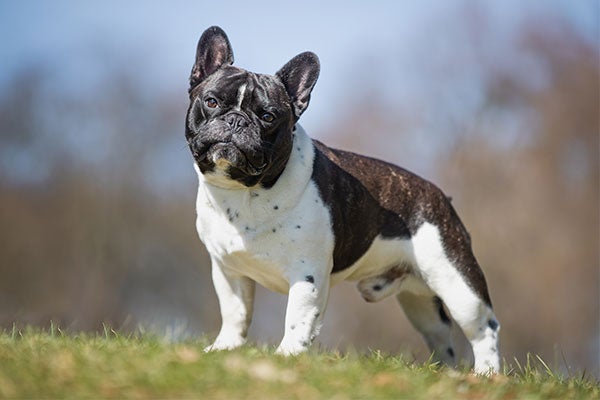
The French Bulldog is a compact, easygoing companion known for napping through most of the day. It stands just 11 to 13 inches tall and rarely barks without reason. Its calm, affectionate nature makes it ideal for apartment dwellers who want a low-key, people-focused dog.
Their wrinkled face and stocky build give them a comic, lovable look. Their short coat needs almost no brushing, just an occasional wipe between the folds.
French Bulldogs are famously low-energy and content with short walks. Their flat face means they overheat fast, so summer walks need to happen early or late in the day.
- Needs only short daily walks
- Rarely barks at noise or visitors
- Sheds less than most short-haired dogs
- Overheats quickly in hot weather
- Prone to costly breathing issues
- Snores loudly while sleeping
Best for: First-time owners · People who work from home · Owners without a yard
Cavalier King Charles Spaniel — “The Gentle Lap Dog”
| Weight | 13-18 lbs |
| Height | 12-13 inches |
| Lifespan | 12-15 years |
| Energy Level | Moderate |
| Grooming Need | Moderate, 2-3x weekly brushing |
| Shedding | Moderate, silky coat |
The Cavalier King Charles Spaniel is a friendly, affectionate toy spaniel built to be a devoted companion. It weighs just 13 to 18 pounds and rarely shows aggression toward people or other pets. Its gentle, adaptable temperament suits apartments, families, and quiet retirees equally well.
Their large, dark eyes and silky, feathered ears give them a soft, expressive face. Their flowing coat needs regular brushing to stay tangle-free.
Cavaliers bond closely with their owners and dislike being left alone for long stretches. Many follow their person from room to room all day long.
- Friendly with kids, dogs, and strangers
- Adapts well to quiet indoor routines
- Rarely aggressive or territorial
- Prone to heart issues later in life
- Struggles badly with long alone time
- Coat mats without regular brushing
Best for: Owners home most of the day · Families with gentle kids · Quiet households
Bichon Frise — “The Cotton Ball Clown”
| Weight | 12-18 lbs |
| Height | 9-12 inches |
| Lifespan | 14-15 years |
| Energy Level | Moderate to high |
| Grooming Need | High, brushing + trims |
| Shedding | Very low, curly coat |
The Bichon Frise is a small, fluffy companion breed bred for centuries to be a lapdog. It weighs under 18 pounds and sheds very little, making it a strong pick for allergy-prone households. Its playful, people-loving personality fits apartment life as long as daily play time is part of the routine.
Their curly white coat looks like a powder puff and stays mostly odor-free between baths. Underneath the fluff is a sturdy, athletic little body.
Bichons are natural clowns who enjoy performing for attention. Many learn tricks fast simply because they love the praise that follows.
- Low shedding, good for allergy sufferers
- Playful and easy to train
- Friendly toward strangers and pets
- Needs professional grooming every few weeks
- Can develop separation anxiety
- White coat shows dirt and tear stains
Best for: Allergy sufferers · Active owners who play indoors · First-time small-dog owners
Pug — “The Comedian Next Door”
| Weight | 14-18 lbs |
| Height | 10-13 inches |
| Lifespan | 12-15 years |
| Energy Level | Low to moderate |
| Grooming Need | Low, regular wrinkle cleaning |
| Shedding | Moderate to high |
The Pug is a small, muscular companion dog famous for its wrinkled face and clownish personality. It weighs 14 to 18 pounds and is happiest curled up next to its owner. Its low exercise needs and social nature make it one of the easiest small breeds for apartment life.
Their deep facial wrinkles and curled tail give them an instantly recognizable look. Their short coat sheds more than people expect for such a small dog.
Pugs are food-motivated and prone to begging at every meal. Many will perform an entire routine of tricks just for a small piece of chicken.
- Content with short, easy walks
- Very social with kids and strangers
- Rarely destructive when bored
- Prone to obesity if overfed
- Struggles with breathing in heat
- Snores and wheezes when resting
Best for: Owners who want a calm lap dog · Families with older kids · Mild-climate apartments
Shih Tzu — “The Royal Mini Lion”
 Save
Save| Weight | 9-16 lbs |
| Height | 8-11 inches |
| Lifespan | 10-16 years |
| Energy Level | Low |
| Grooming Need | High, daily brushing |
| Shedding | Very low |
The Shih Tzu is a small, sturdy companion bred in royal Chinese courts to live indoors. It weighs under 16 pounds and needs very little exercise to stay happy. Its calm, low-shedding nature makes it one of the most apartment-suited toy breeds available today.
Their long, flowing double coat and short muzzle give them a distinct, doll-like look. Many owners trim the coat short to cut down on daily brushing time.
Shih Tzus are stubborn during training but rarely aggressive. Many will plant their feet and simply refuse to move on a walk they dislike.
- Needs minimal daily exercise
- Very low shedding coat
- Generally calm and quiet indoors
- Coat mats without daily brushing
- Sensitive to heat due to short muzzle
- Can be stubborn during training
Best for: Low-energy households · Owners willing to groom daily · Retirees and older adults
Boston Terrier — “The Tuxedo-Wearing Charmer”
| Weight | 12-25 lbs |
| Height | 15-17 inches |
| Lifespan | 11-13 years |
| Energy Level | Moderate |
| Grooming Need | Low |
| Shedding | Low |
The Boston Terrier is a compact, muscular breed nicknamed “the American Gentleman” for its tuxedo-like markings. It weighs 12 to 25 pounds and balances playfulness with an easygoing indoor temperament. Its low grooming needs and friendly nature make it a practical, low-maintenance apartment dog.
Their large, round eyes and perked ears give them an alert, expressive face. Their short black-and-white coat needs almost no special care.
Boston Terriers are alert watchdogs but bark less than most small breeds. Many settle quickly once they confirm a sound isn’t a real threat.
- Low grooming and shedding needs
- Friendly with kids and other pets
- Moderate exercise needs, not extreme
- Sensitive to extreme heat and cold
- Prone to eye injuries from bulging eyes
- Can be gassy after certain foods
Best for: Active singles · Families with school-age kids · Owners who want a watchdog instinct without heavy barking
Italian Greyhound — “The Indoor Sprinter”
| Weight | 7-14 lbs |
| Height | 13-15 inches |
| Lifespan | 14-15 years |
| Energy Level | Moderate, bursts of speed |
| Grooming Need | Very low |
| Shedding | Very low |
The Italian Greyhound is a sleek, miniature sighthound built for short bursts of speed rather than long endurance. It weighs as little as 7 pounds and spends most of the day curled up under blankets. Its tiny size and low grooming needs make it a surprisingly good fit for small apartments.
Their slender legs and deep chest mirror a full-size Greyhound in miniature form. Their thin coat means they get cold fast in winter.
Italian Greyhounds love to burrow under blankets and pillows. Many spend half their day completely hidden from view.
- Almost no shedding or doggy odor
- Very quiet, rarely barks
- Happy with short bursts of play
- Fragile bones, prone to fractures
- Needs a coat or sweater in cold
- Can be skittish around loud noises
Best for: Quiet households · Owners in mild or warm climates · People who want a low-shedding, low-bark dog
Pomeranian — “The Fluffy Cloud Dog”
| Weight | 3-7 lbs |
| Height | 6-7 inches |
| Lifespan | 12-16 years |
| Energy Level | Moderate to high |
| Grooming Need | High |
| Shedding | High, double coat |
The Pomeranian is a tiny, fox-faced breed known for its thick double coat and bold personality. It weighs as little as 3 pounds but acts far larger than its size. Its confident, alert nature makes it entertaining indoors, though its tendency to bark needs early training.
Their fluffy mane and plumed tail give them a striking, cloud-like silhouette. Underneath the fur is a small, fine-boned frame.
Pomeranians act as fearless little watchdogs. Many will bark at delivery trucks, doorbells, and anything else that moves outside the window.
- Tiny size fits any apartment layout
- Smart and easy to train with patience
- Long lifespan compared to most breeds
- Barks often without training
- Heavy seasonal shedding
- Fragile around young children
Best for: Owners with no small kids · People who can commit to bark training · Experienced toy-breed owners
Chihuahua — “The Tiny Big Personality”
| Weight | Under 6 lbs |
| Height | 5-8 inches |
| Lifespan | 14-16 years |
| Energy Level | Moderate |
| Grooming Need | Low |
| Shedding | Low to moderate |
The Chihuahua is the smallest recognized dog breed, often weighing less than 6 pounds as an adult. Despite its size, it carries a bold, confident attitude and bonds intensely with one main person. Its tiny footprint and low grooming needs make it well suited to even the smallest studio apartments.
Their large, round eyes and oversized ears give them an alert, almost deer-like expression. Coats come in both short and long varieties.
Chihuahuas often pick one favorite person and stay loyal almost exclusively to them. Many become wary or distant around strangers.
- Smallest footprint of any breed
- Long lifespan, often 14+ years
- Low food and grooming costs
- Can be wary of strangers and kids
- Prone to barking when anxious
- Fragile, easily hurt by falls
Best for: Single owners · People wanting a one-person dog · Tiny studio apartments
Greyhound — “The Couch Potato Athlete”
 Save
Save| Weight | 60-70 lbs |
| Height | 27-30 inches |
| Lifespan | 10-14 years |
| Energy Level | Low indoors, fast outdoors |
| Grooming Need | Very low |
| Shedding | Low |
The Greyhound is a large sighthound built for short, explosive sprints rather than constant activity. It weighs 60 to 70 pounds but spends most of its day lying quietly on a soft bed. Its surprisingly calm indoor habits make it one of the best large-breed picks for apartment living.
Their long legs and deep chest are built purely for speed over short distances. Many retired racing Greyhounds adapt to apartments within days.
Greyhounds are often called “45 mph couch potatoes” by people who adopt them. Most are content with one good run and the rest of the day asleep.
- Surprisingly calm and quiet indoors
- Low grooming and shedding needs
- Gentle temperament around people
- Large size needs building approval
- Thin coat means it gets cold fast
- Needs a fenced area for off-leash sprints
Best for: Owners who can access a dog park · People wanting a large, calm companion · Buildings without weight limits
Apartment Dog Comparison Table
| Breed | Weight | Energy | Barking | Grooming |
|---|---|---|---|---|
| French Bulldog | 16-28 lbs | Low | Rare | Low |
| Cavalier King Charles Spaniel | 13-18 lbs | Moderate | Low | Moderate |
| Bichon Frise | 12-18 lbs | Moderate-High | Moderate | High |
| Pug | 14-18 lbs | Low | Rare | Low |
| Shih Tzu | 9-16 lbs | Low | Low | High |
| Boston Terrier | 12-25 lbs | Moderate | Low | Low |
| Italian Greyhound | 7-14 lbs | Moderate | Rare | Very Low |
| Pomeranian | 3-7 lbs | Moderate-High | High | High |
| Chihuahua | Under 6 lbs | Moderate | Moderate | Low |
| Greyhound | 60-70 lbs | Low indoors | Rare | Very Low |
Which Apartment Dog Breed Is Right for You?
The right breed depends on your schedule, your noise tolerance, and how much grooming time you want to commit to each week. There’s no single “best” dog for every apartment, only the best match for your specific routine.
- If you work long hours away from home → a French Bulldog or Pug handles alone time better than most toy breeds.
- If you want zero shedding and minimal barking → an Italian Greyhound or Bichon Frise fits best.
- If you have a thin-walled apartment and close neighbors → avoid Pomeranians and Chihuahuas unless you commit to bark training early.
- If your building allows larger dogs and you can reach a dog park → a Greyhound gives you a calm, large-breed companion.
Apartment Dog Care Essentials
Apartment dogs still need real exercise, mental activity, and a private space of their own. Skipping any of these three leads to boredom, weight gain, or anxiety over time.
Two walks a day, even short ones, keep most apartment breeds physically and mentally balanced. So if you can only manage 15 minutes twice a day, choose a low-energy breed from this list rather than a high-energy one.
- Set up a dedicated bed or crate in a quiet corner
- Block off cords and small spaces dogs can squeeze into
- Add a puzzle feeder for daily mental stimulation
- Map two reliable walk routes near your building
What Most People Get Wrong About Apartment Dogs
Most new owners assume small size automatically equals apartment-friendly. That assumption causes more rehoming than almost any other mistake on this list.
Energy level, not size, predicts how a dog handles small spaces. A high-energy terrier in 500 square feet can be far harder to manage than a calm Greyhound in the same space.
Don’t choose a breed based on cute photos alone. Research energy level and barking habits first.
Mistakes New Apartment Dog Owners Make
The most common mistake is skipping exercise on bad-weather days. Dogs left without an outlet for energy often redirect it into barking or chewing.
- Choosing a breed based on looks instead of energy level
- Skipping leash walks because the apartment “feels big enough”
- Ignoring early signs of separation anxiety
- Forgetting to check building breed or weight restrictions first
Frequently Asked Questions
What is the easiest dog breed for apartment living?
The French Bulldog is widely considered the easiest apartment breed. It needs minimal exercise, rarely barks, and bonds closely with its owner without demanding constant outdoor activity.
Can large dogs live happily in small apartments?
Yes, certain large breeds like the Greyhound adapt well to apartments. Their low indoor energy and calm temperament often outweigh the challenge of their size, as long as daily walks happen.
Which small dog breeds bark the least?
French Bulldogs, Pugs, and Italian Greyhounds are known for barking far less than typical toy breeds. Pomeranians and Chihuahuas tend to bark more without early training.
How much exercise does an apartment dog need each day?
Most apartment-friendly breeds need 20 to 40 minutes of walking split across two sessions daily. Higher-energy breeds like the Bichon Frise need closer to an hour of activity.
Do apartment dogs need a yard to be happy?
No, a yard is not required for most apartment-friendly breeds. Daily leash walks and occasional dog park visits provide enough physical and mental stimulation for these breeds.
Final Thoughts
The best apartment dog isn’t the smallest one. It’s the one whose energy, noise habits, and grooming needs match your actual daily routine.
Pick a breed from this list that fits your schedule, not just your floor plan. That single decision prevents most of the regret new owners feel later.
One thing to do right now: Pick your top two breeds from this list and spend 20 minutes researching local breeders or rescues for each. I’m Thomas Cutter, and that one step is the fastest way to turn this guide into a real decision.

Thomas Cutter is a lifelong dog owner and the founder of FindOutAboutDogs.com. With over 10 years of hands-on experience owning multiple breeds, Thomas created this site to provide honest, research-based dog advice that real owners can actually trust.
