10 Best Easy-Going Dog Breeds for a Calm, Happy Home
Quick Answer
The best easy-going dog breeds are Golden Retrievers, Labrador Retrievers, Cavalier King Charles Spaniels, Bichon Frises, Greyhounds, Basset Hounds, Newfoundlands, Pugs, Cocker Spaniels, and Shih Tzus. Each one is known for a calm temperament, low aggression, and an easy fit with kids, seniors, or first-time owners in 2026.
What makes a breed “easy-going”:
- Low aggression and high tolerance for noise and change
- Moderate exercise needs that fit a normal daily routine
- Friendly with strangers, kids, and other pets
Before you choose a breed:
- Match energy level to your daily activity time
- Check grooming needs against your schedule
- Consider size limits if you live in an apartment
You want a dog that fits your life — not one that takes it over. I’m Thomas Cutter, and I’ve spent years researching and writing about dog breeds and matching them to real households. Picking the wrong breed leads to stress for you and for the dog. Let’s fix that right now.
This list covers the calmest, friendliest, and most adaptable breeds you can bring home in 2026. Stick around, because the comparison table and decision guide below will tell you exactly which breed fits your life.
- Golden Retrievers and Labradors top the list for families
- Greyhounds are surprisingly low-energy indoor companions
- Cavaliers and Shih Tzus suit small spaces and seniors
- Grooming needs vary a lot — check before you commit


What Makes a Dog Breed “Easy-Going”?
An easy-going dog breed stays calm around noise, strangers, and change. It doesn’t need hours of training to behave well indoors. Most experts agree that temperament, not size, decides how easy a dog is to live with. A small terrier can be harder to manage than a large, mellow retriever.
So what does that mean for you? Look past size and cuteness. Focus on energy level, social confidence, and how the breed reacts to a busy household. That’s the real test of “easy-going.”
The 10 Best Easy-Going Dog Breeds — Ranked and Reviewed
Golden Retriever — “The Original Family Peacemaker”
 Save
Save| Weight | 55–75 lbs |
| Height | 21–24 in |
| Lifespan | 10–12 years |
| Energy Level | Moderate-High |
| Grooming Need | Weekly brushing |
| Shedding | Heavy, seasonal |
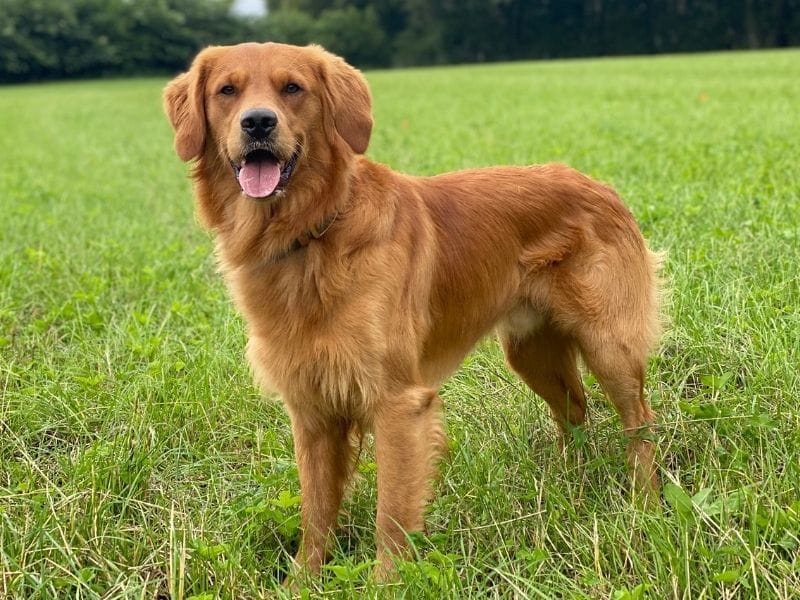
The Golden Retriever is a large, gentle family dog known for patience with kids. It needs about an hour of exercise daily and rarely shows aggression. Goldens bond fast with the whole family, not just one person. They suit first-time owners and busy households equally well.
Their golden coat flows when they run, and their expression always looks like a smile. That soft look hides real athletic strength underneath.
Goldens greet strangers like old friends. Most will tolerate a toddler pulling their ears without a single growl. That patience is rare, even among friendly breeds.
“My toddler climbs on him like furniture. He just sighs and goes back to sleep.”
— Maria T., Golden Retriever owner for 6 years
- Excellent with children
- Highly trainable, eager to please
- Rarely shows aggression
- Sheds heavily twice a year
- Needs daily exercise
- Too large for tiny apartments
Best for: Families with kids · First-time owners · Active households
Labrador Retriever — “America’s Steady Companion”
| Weight | 55–80 lbs |
| Height | 21–24 in |
| Lifespan | 10–12 years |
| Energy Level | Moderate-High |
| Grooming Need | Weekly brushing |
| Shedding | Heavy, year-round |
The Labrador Retriever is a sturdy, even-tempered dog bred for steady work. It adapts well to city or country life with daily walks. Labs rarely startle and handle chaos calmly. They make a dependable choice for new owners who want a low-drama dog.
Their short, dense coat sheds a lot but needs little upkeep beyond brushing. A wagging tail is almost always in motion.
Labs love food more than almost anything else. That love makes them easy to train, but easy to overfeed too.
“He’s stolen three sandwiches off the counter. I still can’t be mad at that face.”
— James R., Labrador owner for 9 years
- Easy to train, food motivated
- Great with kids and other dogs
- Adapts to most lifestyles
- Prone to overeating and weight gain
- Sheds year-round
- Needs daily exercise
Best for: Active families · New dog owners · Homes with a yard
Cavalier King Charles Spaniel — “The Lap-Sized Charmer”
| Weight | 13–18 lbs |
| Height | 12–13 in |
| Lifespan | 12–14 years |
| Energy Level | Low-Moderate |
| Grooming Need | 2–3x weekly brushing |
| Shedding | Moderate |
The Cavalier King Charles Spaniel is a small, affectionate companion bred to sit on laps. It needs only a short walk each day to stay happy. Cavaliers rarely bark out of aggression and adore cuddling. They suit apartments, seniors, and quiet households best.
Their silky ears frame a soft, expressive face that always looks ready to listen. They move with a gentle, almost dainty grace.
Cavaliers follow their owner from room to room all day. Even better, they settle instantly once you sit down.
“She follows me to the bathroom door and waits. Every single time, for nine years.”
— Linda P., Cavalier owner for 9 years
- Calm and affectionate indoors
- Good for apartments
- Low exercise needs
- Prone to heart issues later in life
- Needs frequent ear cleaning
- Separation anxiety if left alone often
Best for: Seniors · Apartment dwellers · Quiet single-person homes
Bichon Frise — “The Cotton Ball Optimist”
| Weight | 12–18 lbs |
| Height | 9–12 in |
| Lifespan | 14–15 years |
| Energy Level | Moderate |
| Grooming Need | Every 4–6 weeks, pro groom |
| Shedding | Minimal |
The Bichon Frise is a small, cheerful dog with a curly white coat. It barely sheds, which suits people with mild allergies. Bichons stay playful well into old age and rarely act shy. They fit small homes and first-time owners who want a happy, low-shed pet.
Their fluffy coat looks like a powder puff and stays bright white with regular care. Dark, round eyes peek out from all that fluff.
Bichons love an audience and often perform little tricks unprompted. That clownish streak makes them natural comedians at home.
“He does a spinning jump every time the doorbell rings. Guests think we trained it. We didn’t.”
— Carlos M., Bichon owner for 5 years
- Low shedding, allergy-friendly coat
- Playful and rarely aggressive
- Long lifespan
- Needs professional grooming monthly
- Coat mats if brushing is skipped
- Can develop separation anxiety
Best for: Allergy-prone owners · Small apartments · First-time owners
Greyhound — “The Couch Potato Sprinter”
 Save
Save| Weight | 60–70 lbs |
| Height | 27–30 in |
| Lifespan | 10–13 years |
| Energy Level | Low (after short sprints) |
| Grooming Need | Minimal |
| Shedding | Low |
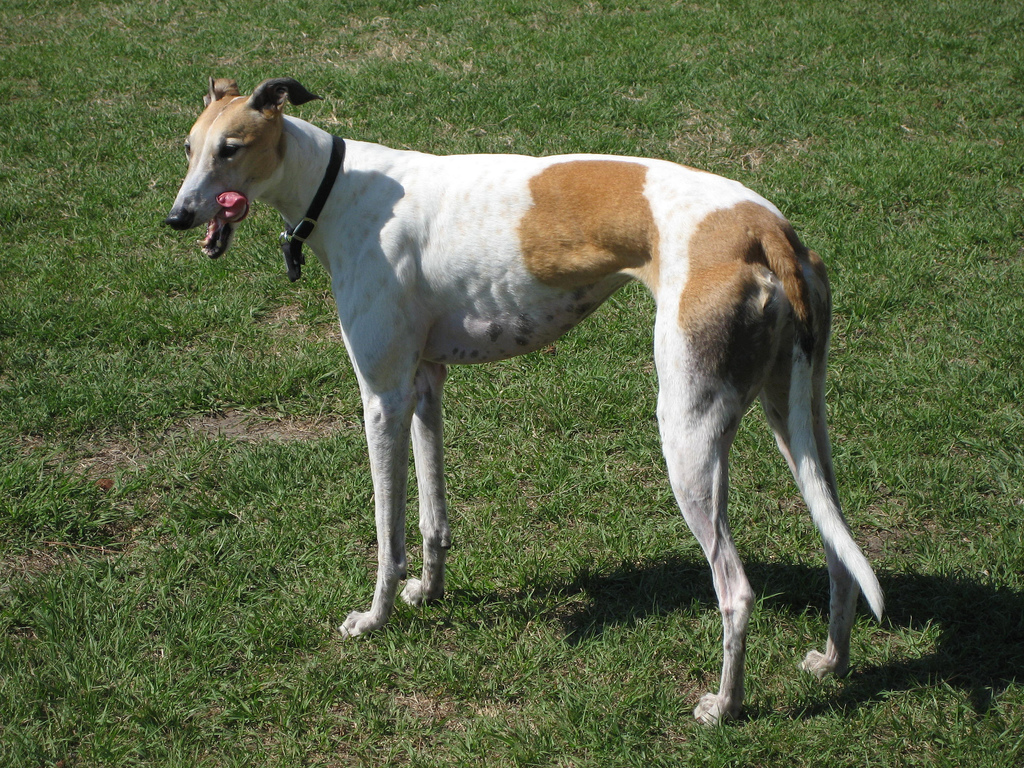
The Greyhound is a tall, lean dog famous for short bursts of speed. It actually rests up to 18 hours a day indoors. Greyhounds are gentle, quiet, and rarely bark without reason. They fit calm homes, including many with retired racing backgrounds.
You might be thinking they need constant running room. Here’s why that’s wrong: greyhounds sprint hard, then sleep for hours after.
Their sleek frame hides a surprisingly affectionate, almost cat-like nature indoors. They love soft blankets more than open fields.
“People expect a wild athlete. He’s slept on my couch for six straight hours today.”
— Sarah K., Greyhound owner for 4 years
- Surprisingly low indoor energy
- Quiet, rarely barks
- Short coat, easy to maintain
- Thin coat feels cold easily
- Needs a securely fenced yard
- Large size needs space to lie down
Best for: Quiet households · Renters of ex-racers · Low-noise homes
Basset Hound — “The Unbothered Sniffer”
| Weight | 40–65 lbs |
| Height | 13–15 in |
| Lifespan | 10–12 years |
| Energy Level | Low |
| Grooming Need | Weekly brushing |
| Shedding | Moderate |
The Basset Hound is a low, sturdy hound bred for slow tracking work. It moves at its own pace and rarely gets riled up. Bassets are friendly, stubborn, and content with short walks. They suit calm homes that don’t mind a slow, food-driven personality.
Their long ears nearly touch the ground when they sniff a trail. That droopy, soulful face rarely changes expression.
Bassets ignore most commands when a smell grabs their nose. So if you live near woods, keep that leash on.
“He once tracked a squirrel scent for 40 minutes without lifting his nose once.”
— David O., Basset Hound owner for 7 years
- Calm, low-energy temperament
- Gentle with kids
- Rarely aggressive
- Stubborn during training
- Prone to weight gain
- Droopy ears need regular cleaning
Best for: Calm households · Families with older kids · Laid-back owners
Newfoundland — “The Gentle Giant Lifeguard”
| Weight | 100–150 lbs |
| Height | 26–28 in |
| Lifespan | 9–10 years |
| Energy Level | Low-Moderate |
| Grooming Need | 2–3x weekly brushing |
| Shedding | Heavy |
The Newfoundland is a massive, water-loving breed known for a sweet, patient nature. It moves slowly and rarely shows aggression toward people. Newfoundlands were bred to rescue swimmers and still protect kids by instinct. They suit large homes with space for a gentle giant.
Their thick black or brown coat sheds drool and fur in equal measure. Despite the size, their eyes hold a soft, worried kindness.
Newfoundlands often nudge kids away from pool edges without any training. That protective instinct runs deep in the breed.
“She pulled my son’s float back to the shallow end. Nobody asked her to.”
— Anne F., Newfoundland owner for 3 years
- Patient and protective with kids
- Calm indoor temperament
- Rarely barks without reason
- Drools heavily
- Needs a large living space
- Short lifespan for the effort invested
Best for: Large homes · Families near water · Patient, calm owners
Pug — “The Goofy Shadow”
| Weight | 14–18 lbs |
| Height | 10–13 in |
| Lifespan | 12–15 years |
| Energy Level | Low-Moderate |
| Grooming Need | Weekly, plus face folds |
| Shedding | Moderate-Heavy |
The Pug is a small, wrinkly-faced dog built for companionship, not work. It needs only short walks and loves lounging beside you. Pugs are silly, affectionate, and rarely show aggression toward people. They fit apartments and owners who want constant, comic company.
Their flat face and big round eyes give them a permanently curious look. Folded skin wrinkles add to that comic, expressive charm.
Pugs snore loudly enough to wake a light sleeper. Even better, that snore somehow becomes part of the charm over time.
“I can hear him snoring from the other room. I wouldn’t trade it for silence.”
— Mike D., Pug owner for 8 years
- Low exercise needs
- Great for apartments
- Very affectionate with owners
- Struggles in hot weather
- Breathing issues are common
- Face folds need daily cleaning
Best for: Apartment dwellers · Owners wanting a lap dog · Mild climates
Cocker Spaniel — “The Cheerful Velcro Dog”
| Weight | 20–30 lbs |
| Height | 14–15 in |
| Lifespan | 12–14 years |
| Energy Level | Moderate |
| Grooming Need | Weekly, monthly trim |
| Shedding | Moderate |
The Cocker Spaniel is a medium, silky-coated dog known for warmth toward its family. It needs a daily walk plus some playtime. Cocker Spaniels rarely act standoffish and bond closely with every member of the home. They suit families wanting an attentive, devoted companion.
Their long, wavy ears sway with every head tilt and step. Soft brown eyes give them an almost pleading sweetness.
Cocker Spaniels often “talk” with soft groans and sighs instead of barking. That quiet chatter becomes its own kind of conversation.
“She groans like an old man sitting down every time she lies on her bed.”
— Patricia W., Cocker Spaniel owner for 6 years
- Affectionate with the whole family
- Good size for most homes
- Eager, easy to train
- Ears prone to infection
- Needs regular professional grooming
- Can develop separation anxiety
Best for: Families · Owners wanting a devoted dog · Suburban homes
Shih Tzu — “The Tiny Lion Without the Roar”
 Save
Save| Weight | 9–16 lbs |
| Height | 9–10.5 in |
| Lifespan | 10–16 years |
| Energy Level | Low |
| Grooming Need | Daily brushing |
| Shedding | Minimal |
The Shih Tzu is a tiny, long-coated dog bred purely for companionship. It needs almost no real exercise to stay content. Shih Tzus are friendly with strangers and rarely show fear or aggression. They suit seniors, small spaces, and calm households of any size.
Their flowing coat can reach the floor if left untrimmed, framing a flat, expressive face. Most owners keep it short for easy care.
Shih Tzus were once palace dogs in ancient China. That regal history shows in their calm, confident strut today.
“She walks into a vet’s office like she owns the building. Calm as ever.”
— Helen S., Shih Tzu owner for 11 years
- Minimal exercise needs
- Friendly with strangers and kids
- Long lifespan
- Coat needs daily brushing
- Sensitive to heat due to flat face
- Prone to dental issues
Best for: Seniors · Small apartments · First-time small-dog owners
Comparison Table: All 10 Easy-Going Breeds Side by Side
Scanning for a quick comparison? This table lines up size, energy, and grooming for all 10 breeds so you can compare at a glance before reading further.
| Breed | Weight | Energy | Grooming | Best For |
|---|---|---|---|---|
| Golden Retriever | 55–75 lbs | Moderate-High | Weekly | Families |
| Labrador Retriever | 55–80 lbs | Moderate-High | Weekly | New owners |
| Cavalier King Charles | 13–18 lbs | Low-Moderate | 2–3x weekly | Seniors |
| Bichon Frise | 12–18 lbs | Moderate | Monthly groom | Allergy-prone owners |
| Greyhound | 60–70 lbs | Low (indoor) | Minimal | Quiet homes |
| Basset Hound | 40–65 lbs | Low | Weekly | Laid-back owners |
| Newfoundland | 100–150 lbs | Low-Moderate | 2–3x weekly | Large homes |
| Pug | 14–18 lbs | Low-Moderate | Weekly + folds | Apartments |
| Cocker Spaniel | 20–30 lbs | Moderate | Weekly + trim | Families |
| Shih Tzu | 9–16 lbs | Low | Daily brushing | Seniors |
Which Easy-Going Breed Is Right for You?
Not sure which name on this list fits your life? Most experts agree that lifestyle match matters more than looks. Use this quick guide to narrow it down fast.
- If you have young kids and a yard → a Golden Retriever or Labrador fits best.
- If you live in a small apartment → a Shih Tzu, Pug, or Cavalier suits you better.
- If you have mild allergies → the Bichon Frise sheds the least of this group.
- If you want a calm dog but a quiet home → consider a Greyhound first.
What Most People Get Wrong About Easy-Going Breeds
Many readers assume “easy-going” means “no work at all.” That’s not true. The good news is the work shifts from training time to grooming or health care, depending on the breed. A Newfoundland needs little training but a lot of drool clean-up. A Shih Tzu needs daily brushing but almost no exercise.
So if you pick a breed based on temperament alone, you might still face a surprise chore list. Check grooming and health needs before you commit, not after.
Flat-faced breeds like Pugs and Shih Tzus struggle in heat. Always provide shade and water on warm days.
Easy-Going Dog Care Essentials Every New Owner Should Know
Easy-going doesn’t mean zero care. Even the calmest breed needs a routine to stay healthy and happy. Here’s what every new owner should set up in the first week.
That said, the basics stay the same across all 10 breeds on this list: regular vet checkups, a steady feeding schedule, and daily affection. Small daily habits prevent most big problems later.
Brush short-haired breeds weekly and long-haired breeds daily to avoid mats and reduce shedding indoors.
Mistakes New Owners of Easy-Going Breeds Make
Even calm breeds can develop bad habits if owners assume they need nothing. Here’s why that assumption backfires over time.
- Skipping daily walks because the dog “seems fine” inside
- Overfeeding food-motivated breeds like Labradors and Pugs
- Ignoring ear cleaning in floppy-eared breeds like Cockers and Bassets
When I skipped a Lab’s walk for a week, she gained two pounds fast. That taught me even calm dogs need daily movement.
Conclusion
Every breed on this list shares one trait: a calm, easy nature that fits real households. The right choice depends on your space, your schedule, and your grooming patience. Pick the breed that matches your daily life, not just the cutest photo.
One thing to do right now: Visit a local shelter or breeder this week and meet one breed from this list in person. I’m Thomas Cutter, and that one visit will tell you more than any article can.
Frequently Asked Questions
What is the calmest dog breed for a first-time owner?
The Labrador Retriever is one of the calmest choices for first-time owners. It trains easily and rarely shows aggression. Most experts agree Labs adapt well to busy, inexperienced households without major behavior issues.
Which small dog breed is the most easy-going?
The Shih Tzu ranks among the most easy-going small breeds. It needs little exercise and stays friendly with strangers and kids. This makes it a strong pick for seniors and small apartments alike.
Do easy-going dog breeds still need daily exercise?
Yes, even calm breeds need some daily movement to stay healthy. A short 15 to 30 minute walk usually covers it. Skipping exercise entirely can lead to weight gain in food-motivated breeds.
Are easy-going breeds good with children?
Most breeds on this list, including Goldens and Newfoundlands, are known for patience with kids. Always supervise young children with any dog. No breed removes the need for adult supervision.
Which easy-going breed sheds the least?
The Bichon Frise sheds the least of the breeds on this list. Its curly coat traps loose hair instead of dropping it. This makes it a common choice for people with mild allergies.
Thomas Cutter is a lifelong dog owner and the founder of FindOutAboutDogs.com. With over 10 years of hands-on experience owning multiple breeds, Thomas created this site to provide honest, research-based dog advice that real owners can actually trust.
