10 Best First-Time Dog Breeds in the UK
Quick Answer
The best first dog breeds for UK beginners are the Labrador Retriever, Cavalier King Charles Spaniel, Cocker Spaniel, Cockapoo, Bichon Frise, and Border Terrier. Each one trains easily, copes well with normal family life, and doesn’t demand the experience a working breed like a Border Collie or German Shepherd really needs.
What to check before you pick a breed:
- How many hours a day someone is home with the dog
- How much daily exercise you can realistically commit to
- Your budget for grooming, food, and insurance
- Whether you have a garden or live in a flat
Choose If:
- You want a calm lap dog → Cavalier King Charles Spaniel or Bichon Frise
- You’re active and want a family dog → Labrador or Cocker Spaniel
- You want lower shedding → Cockapoo or Bichon Frise
You’ve decided it’s time. A dog of your own, padding round the kitchen, waiting by the door when you get home. But you’ve never owned one before, and the breed list is overwhelming.
I’m Thomas Cutter, and I’ve spent years researching dog breeds and talking to first-time owners about what actually works in real UK homes — not just what looks good on Instagram. The honest truth is that some breeds make life easy for beginners, and some make it hard. Picking right matters more than picking pretty.
This guide covers six breeds that genuinely suit first-time owners in the UK in 2026, based on temperament, trainability, and what real ownership involves. By the end, you’ll know which one fits your life.
- Easy training and a friendly nature matter more than looks for a first dog
- Size doesn’t predict difficulty — a Labrador can be easier than a small terrier
- Grooming cost and time vary hugely between breeds, so factor that in early
- No breed suits every household. Your routine should drive the choice


What Makes a Dog Breed Good for First-Time Owners?
A good first dog is easy to train, forgiving of small mistakes, and not too demanding on exercise or grooming. The best beginner breeds share four traits: they’re eager to please, they settle quickly once trained, their exercise needs match an average lifestyle, and they’re not prone to extreme behaviours like constant herding or guarding instincts. Breeds bred for intense working roles — herding, guarding, or hunting at speed — often need more structure than a first-time owner can easily give.
You might be thinking any friendly-looking dog will do. Here’s why that’s risky: a friendly face doesn’t tell you about exercise needs, separation anxiety, or how much that coat will cost to groom every six weeks.
So what does that mean for you? Look past appearance and check three things — energy level, trainability, and time alone tolerance — before you fall for a breed because of a photo.
What Most People Get Wrong About Choosing a First Dog
Many new owners assume small dogs are automatically easier than large ones. That’s not always true. A Labrador, despite its size, is often simpler to manage than a small terrier with a stubborn streak and a strong prey drive.
Another common mistake: assuming a “designer” crossbreed like a Cockapoo is low maintenance because it doesn’t shed much. Low shedding usually means high grooming cost — clipping every six to eight weeks adds up fast, and skipping it leads to matting.
This article covers temperament-led breed picks for general first-time owners. If your situation involves a specific allergy, a very small flat with no outdoor access, or a household with toddlers and other pets, you may need more tailored advice from a vet or breed club before deciding.
The 6 Best Dog Breeds for First-Time Owners in the UK
The best first dogs for UK beginners are gundogs and toy breeds bred for companionship, not independent work. Labradors, Cavaliers, Cocker Spaniels, Cockapoos, Bichon Frises, and Border Terriers all train well, bond closely with their owners, and don’t need the specialist handling that working and guarding breeds require. Below, each breed is covered in full, including real pros, cons, and who it actually suits.
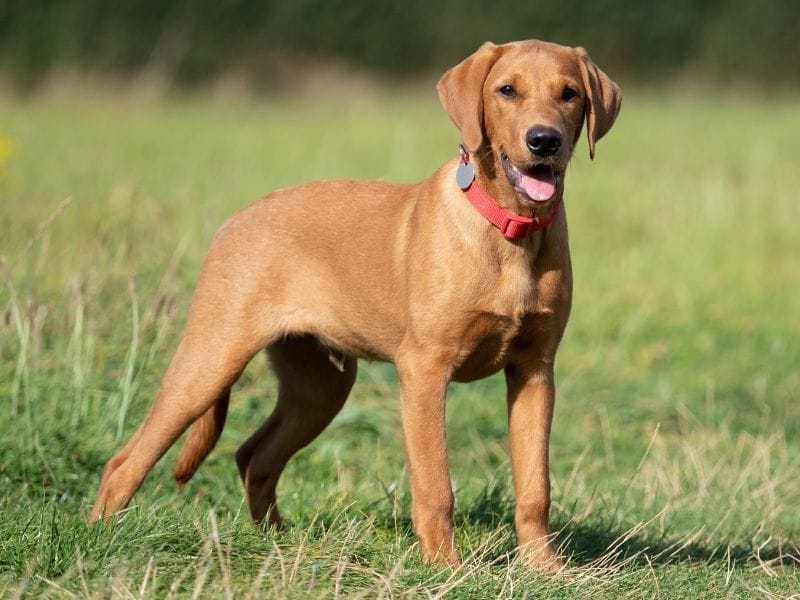
Labrador Retriever — The Reliable All-Rounder
 Save
Save| Weight | 25–36kg (males), 25–32kg (females) |
| Height | 55–57cm at the shoulder |
| Lifespan | 10–14 years |
| Energy Level | High — at least 1–2 hours daily |
| Grooming Need | Low — weekly brushing |
| Shedding | Moderate to heavy, year-round |
The Labrador Retriever is a large gundog known for its friendly, easygoing nature and rock-solid trainability. It stands up to 57cm tall and weighs as much as 36kg fully grown. Labs are patient with children and eager to please their owners. They suit active families with garden access and time for daily walks.
A Lab’s coat is short, dense, and slightly oily, built to repel water after a swim. They come in black, yellow, or chocolate, with a thick “otter tail” that never seems to stop wagging.
Most owners expect a Labrador to be friendly. What they don’t expect is just how food-motivated this breed is — Labs will eat almost anything, anytime, which makes training easy but weight management a lifelong job. The wow factor: a well-trained Labrador can learn complex tasks fast enough to work as an assistance dog, which says a lot about how trainable the breed really is.
Most new Labrador owners are surprised by how much the breed wants to be near you — not just in the same house, but in the same room, ideally touching your foot.
— A common observation among UK Labrador owners and trainers
- Highly trainable, even for total beginners
- Excellent with children and other dogs
- Low grooming cost compared to coated breeds
- Needs serious daily exercise, not a quick walk
- Sheds heavily all year round
- Prone to weight gain and joint problems
Best for: Active families · Owners with a garden · First-timers who want a classic, dependable dog
Cavalier King Charles Spaniel — The Gentle Companion
| Weight | 5.9–8.2kg |
| Height | 30–33cm at the shoulder |
| Lifespan | 9–14 years |
| Energy Level | Moderate — two 20–30 minute walks |
| Grooming Need | Moderate — weekly brushing |
| Shedding | Moderate, year-round |
The Cavalier King Charles Spaniel is a small toy breed known for its gentle, affectionate nature. It weighs under 8.2kg fully grown and rarely tops 33cm at the shoulder. Cavaliers thrive on human company and adapt well to flats or houses. They suit calmer households that want a devoted lap dog.
Cavaliers have long, silky ears and soulful round eyes that earned them royal favour centuries ago. Their coat comes in four patterns, the best known being Blenheim — rich chestnut markings on a white background.
People expect a small spaniel to be timid. What surprises new owners is how social Cavaliers actually are — they’ll happily greet strangers, other dogs, and cats with the same easy warmth. You might be thinking a toy breed can’t be sporty. Here’s why that’s wrong: Cavaliers descend from working spaniels and genuinely enjoy retrieving games and gentle swims, not just sofa time.
First-time Cavalier owners often describe the breed as “Velcro dogs” — they’ll follow you from room to room and rarely want to be left on their own for long.
— A common description among UK Cavalier breed clubs
Cavaliers are prone to a serious heart condition called mitral valve disease, which research shows affects close to half the breed by age five. Always ask breeders for heart-test certificates before buying.
- Calm, affectionate, easy around children
- Adapts well to flat or house living
- Modest exercise needs for a spaniel
- High risk of inherited heart and eye disease
- Hates being left alone for long
- Needs a fenced garden — easily distracted off-lead
Best for: Calmer households · Owners who work from home · Flat dwellers wanting a devoted companion
Cocker Spaniel — The Cheerful Adventurer
 Save
Save| Weight | 12–15kg |
| Height | 36–41cm at the shoulder |
| Lifespan | 12–15 years |
| Energy Level | High — at least 1 hour daily |
| Grooming Need | High — several brushes a week |
| Shedding | Moderate, year-round |
The Cocker Spaniel is a medium gundog famous for its silky ears and constantly wagging tail. It weighs up to 15kg and stands around 41cm tall. Cocker Spaniels are intelligent, fast learners who thrive on activity and attention. They suit owners who enjoy long walks and outdoor adventures.
A Cocker’s coat is long and feathered around the ears, chest, and legs. Their large, padded paws and curved, ever-wagging tail give them an unmistakably cheerful look on every walk.
Most people know spaniels are friendly. What they don’t expect is the sheer enthusiasm — Cockers throw their whole body into greetings, play, and walks with an intensity some new owners find startling at first. So what does that mean for you? If you want a calm dog that naps most of the day, look elsewhere. If you want a dog that makes every walk feel like an event, a Cocker delivers.
Cocker Spaniel owners frequently note that the breed dislikes being left alone — even short absences can trigger whining or separation anxiety in poorly socialised dogs.
— A pattern widely reported by UK Cocker Spaniel owners
- Highly trainable and eager to learn new skills
- Great with children and very sociable
- Compact size suits most homes
- Coat needs grooming several times a week
- Prone to ear infections from those long ears
- Struggles with being left alone
Best for: Active owners · Families with older children · Anyone who enjoys daily long walks
Cockapoo — The Low-Shedding Family Favourite
| Weight | 5.5–11kg (varies by poodle parent) |
| Height | 25–38cm at the shoulder |
| Lifespan | 13–16 years |
| Energy Level | Moderate — about 1 hour daily |
| Grooming Need | High — clipping every 6–8 weeks |
| Shedding | Low |
The Cockapoo is a Cocker Spaniel and Poodle cross prized for its friendly nature and low-shedding coat. Size varies depending on whether a toy, miniature, or standard Poodle was used, ranging from 5.5kg to over 11kg. Cockapoos are intelligent, sociable, and easy to train. They suit families who want a low-shedding dog without sacrificing warmth and playfulness.
A Cockapoo’s coat can be straight, wavy, or tightly curled, depending on which parent’s genes come through strongest. No two Cockapoos look quite the same, even within the same litter.
Most people assume “low shedding” means low maintenance overall. Here’s why that’s a myth: that coat still needs brushing several times a week and professional clipping every six to eight weeks, which UK groomers typically charge £35 to £55 per session. The genuinely surprising part is just how much that adds up — several hundred pounds a year in grooming alone, on top of food and insurance.
Cockapoo owners often say the breed’s biggest challenge isn’t training — it’s the ears. Long, floppy, and hairy, they trap moisture and need regular checks to avoid infection.
— A common theme in UK Cockapoo ownership guides
- Low shedding, often better for allergy sufferers
- Friendly, intelligent, and easy to train
- Long average lifespan among popular breeds
- Regular professional grooming gets expensive
- No fixed breed standard, so adult size can surprise you
- Prone to separation anxiety if left alone often
Best for: Allergy-conscious households · Families wanting a smaller dog · Owners happy to budget for grooming
Bichon Frise — The Cheerful City Companion
| Weight | 5.4–8.2kg |
| Height | 24–29cm at the shoulder |
| Lifespan | 14–15 years |
| Energy Level | Moderate — a local park is enough |
| Grooming Need | High — regular trips to the groomer |
| Shedding | Very low |
The Bichon Frise is a small toy breed with a fluffy white coat and a cheerful, sociable temperament. It weighs under 8.2kg and stands no taller than 29cm. Bichons are dedicated to their owners and need only moderate daily exercise. They suit flat dwellers and city-based first-time owners.
A Bichon’s coat looks like a powder puff — soft, curly, and pure white, with dark round eyes peeking through. That cloud-like appearance takes real upkeep to maintain.
People expect small fluffy dogs to be nervous or yappy. What surprises new owners is the Bichon’s genuine confidence and clownish sense of fun — they were bred as circus and companion dogs for centuries, and that performer’s personality still shows. The unexpected catch: unless you’re confident with clippers, you’ll need regular grooming visits to stop that coat matting.
Bichon owners often describe the breed as surprisingly low-energy for its playful reputation — a couple of short walks usually covers their exercise needs for the day.
— A common observation in UK Bichon Frise ownership guides
- Very low shedding, good for allergy sufferers
- Modest exercise needs, ideal for flats
- Friendly with people, children, and other dogs
- White coat shows dirt and tear stains easily
- Needs regular professional grooming
- Can develop separation anxiety without training
Best for: Flat or apartment living · Owners with mild allergies · Less active first-time owners
Border Terrier — The Big Dog in a Small Body
:strip_icc()/BorderTerrierGettyImages-531551140CaptureLight-25a9cfa1a0b94bb68ea1848f84fe181c.jpg) Save
Save| Weight | 5.1–7kg |
| Height | 30–37cm at the shoulder |
| Lifespan | 12–15 years (often longer) |
| Energy Level | High — needs a real job to do |
| Grooming Need | Low — occasional hand-stripping |
| Shedding | Low |
The Border Terrier is a small working terrier with an otter-like head and a tough, weatherproof coat. It weighs as little as 5.1kg yet has the temperament of a far larger dog. Border Terriers are clever, loyal, and good with older children. They suit active owners who enjoy training and outdoor time.
Their wiry double coat comes in red, wheaten, grizzle and tan, or blue and tan. That rough texture isn’t just for show — it kept them dry and protected while working alongside foxhounds on the Anglo-Scottish border.
Most people assume small dogs need less exercise than big ones. Here’s why that’s wrong with this breed: Border Terriers were built for endurance, bred to keep pace with horses and hounds all day. The genuinely surprising part is the personality mismatch with the size — owners often say it feels like living with a Labrador’s confidence packed into a 7kg frame.
Border Terriers dig, chase, and get bored fast without a job. Give yours puzzle feeders and regular training games to keep that sharp mind satisfied.
Border Terrier owners commonly note that the breed rarely starts a fight but also rarely backs down from one — early socialisation with other dogs matters more than with calmer breeds.
— A widely shared observation among UK Border Terrier owners
- Low grooming needs and minimal shedding
- One of the longer-lived popular breeds
- Trainable and clever, easier than most terriers
- Strong prey drive — chases cats, squirrels, rabbits
- Needs daily exercise, not just a stroll round the block
- Can be vocal and a determined digger if bored
Best for: Active older children’s families · Owners who enjoy training · Gardens with secure fencing
Compare All 6 Breeds Side by Side
Labradors need the most exercise and shed the most, while Bichons and Cavaliers need the least exercise but more grooming time. Cockapoos sit in the middle on exercise but cost the most to groom regularly. Border Terriers offer low grooming with high exercise needs, making the right match entirely about your daily routine, not just your living space.
| Breed | Size | Exercise | Grooming | Best Home |
|---|---|---|---|---|
| Labrador Retriever | Large | High | Low | House with garden |
| Cavalier King Charles Spaniel | Small | Moderate | Moderate | Flat or house |
| Cocker Spaniel | Medium | High | High | House with garden |
| Cockapoo | Small–medium | Moderate | High | Flat or house |
| Bichon Frise | Small | Moderate | High | Flat or city home |
| Border Terrier | Small | High | Low | House with secure garden |
Which First Dog Breed Is Right for You?
The right first dog depends on your daily routine more than your personal taste. If you’re active and home often, a Labrador or Cocker Spaniel will thrive. If you want a calmer companion, the Cavalier or Bichon suits better. If you’re drawn to a dog with real character in a small frame, the Border Terrier is worth a closer look.
Here’s the thing. Most first-time owners pick on looks, then struggle with a mismatch in energy or grooming needs six months later. A decision block can help you avoid that.
- If you work full-time outside the home → avoid Cavaliers and Cocker Spaniels, who dislike being alone
- If you live in a small flat with no garden → consider a Bichon Frise or Cavalier over a Labrador
- If you have young children → a Labrador or Cocker Spaniel’s patient temperament tends to work well
- If grooming budgets worry you → a Border Terrier or Labrador costs far less to maintain than a Cockapoo or Bichon
Mini Dog Care Essentials Every New Owner Must Know
New owners need a vet, pet insurance, and a daily routine sorted before the dog comes home. The RSPCA and Kennel Club both recommend starting socialisation early, keeping a consistent feeding and toilet schedule, and never leaving a puppy alone for long stretches in the first few months.
Get insurance arranged before the dog arrives, not after. Vet bills for an unexpected illness or injury can run into thousands of pounds, and pre-existing conditions won’t be covered once you try to insure later.
- Puppy-proof the house and garden before arrival day
- Register with a local vet and book a first check-up
- Set a fixed feeding and toilet break schedule
- Start short, positive training sessions daily
- Book a puppy class once vaccinations are complete
That said, every breed above benefits from the same foundation: structure, patience, and short daily training sessions rather than occasional long ones. Once that’s in place, the breed-specific quirks become much easier to manage.
Mistakes New Owners Make (And How to Avoid Them)
The most common mistake is underestimating exercise or grooming needs before bringing a dog home. The second is skipping early socialisation, which can lead to nervous or reactive adult dogs. Most experts agree that the first few months shape a dog’s lifelong temperament, so getting this period right matters enormously.
Never buy a puppy without seeing it with its mother. The RSPCA reports the vast majority of puppy trade complaints involve animals advertised and sold online without proper checks.
Even better, take time to meet a breed in person — through a breeder visit, a friend’s dog, or a charity like Dogs Trust — before committing. A weekend with the wrong breed teaches you more than any article can.
Conclusion
Choosing your first dog isn’t about finding the “best” breed in general — it’s about finding the breed that fits the life you actually live. The Labrador, Cavalier, Cocker Spaniel, Cockapoo, Bichon Frise, and Border Terrier each suit a different kind of household, and getting the match right sets both of you up for years of a genuinely good life together.
One thing to do right now: write down your daily routine — work hours, exercise time, and budget — then match it against the comparison table above. I’m Thomas Cutter, and that one honest five-minute check is the best first step toward picking the right dog for your life.
Frequently Asked Questions
What is the easiest dog breed for a first-time owner in the UK?
The Labrador Retriever is widely seen as the easiest first dog thanks to its trainability and friendly nature. Cavalier King Charles Spaniels and Cockapoos are also strong choices for calmer or smaller-space households.
How much exercise does a first dog need each day?
Most breeds suited to beginners need 30 minutes to 2 hours of exercise daily, depending on size and energy level. Toy breeds like the Bichon Frise need far less than gundogs like the Labrador or Cocker Spaniel.
Are crossbreeds like Cockapoos good for first-time owners?
Yes, Cockapoos generally make good first dogs due to their friendly, trainable nature. Be aware that grooming costs run high, and because there’s no fixed breed standard, adult size can vary more than with a pedigree breed.
Which first-time dog breeds shed the least?
Bichon Frises, Cockapoos, and Cavalier King Charles Spaniels shed comparatively little. Labradors and Cocker Spaniels shed noticeably more, particularly during seasonal coat changes.
Should a first-time owner get a puppy or an adult rescue dog?
Both can work well for beginners. A rescue adult often comes with known temperament traits, while a puppy lets you shape training from the start. Charities like the RSPCA can help match new owners with a suitable rescue dog.

Thomas Cutter is a lifelong dog owner and the founder of FindOutAboutDogs.com. With over 10 years of hands-on experience owning multiple breeds, Thomas created this site to provide honest, research-based dog advice that real owners can actually trust.
