10 Best Small Dog Breeds for First-Time Owners (Easy & Friendly Pets)
Quick Answer
The best small dog breeds for first-time owners are the Cavalier King Charles Spaniel, Bichon Frise, Shih Tzu, Havanese, and Boston Terrier. These breeds are calm, eager to please, and easy to train. They need only moderate exercise and grooming, which makes them forgiving for someone learning the ropes of dog ownership for the first time.
What to look for in a first dog:
- A patient, people-pleasing temperament
- Low to moderate exercise needs
- A track record of being easy to house-train
- Manageable grooming for your schedule
Quick tips before you choose:
- Match energy level to your daily routine
- Budget for grooming if the coat is long
- Meet the breed in person before deciding
I still remember the first night with my own first dog. She paced the kitchen floor, unsure where to sleep, and I had no idea what I was doing either. That’s the truth about a first dog: you’re both learning together.
Some breeds make that learning curve gentle. Others make it brutal. The difference usually comes down to temperament, energy, and how forgiving the dog is of a beginner’s mistakes.
I’m Thomas Cutter, and I’ve spent years writing about dog breeds, talking to vets, and watching new owners succeed or struggle with their first pup. This guide covers the small breeds that consistently make life easier for someone starting out in 2026.
- Calm, people-focused temperament matters more than size alone
- Long, silky coats mean more grooming time, not more difficulty
- “Small” doesn’t always mean “low energy” — check exercise needs
- Mixed breeds and rescues can be just as good a first dog


What Makes a Small Dog Good for a First-Time Owner?
A good first small dog is patient, eager to please, and forgiving of training mistakes. It needs manageable exercise, a coat you can keep up with, and a temperament that handles new situations without panic. Size matters less than personality. A confident 8-pound terrier can be harder to manage than a calm 25-pound spaniel.
The American Kennel Club generally classes small breeds as those under about 22 pounds. But within that group, energy and independence vary widely. A Chihuahua and a Cavalier King Charles Spaniel both fit in a tote bag, yet they live very differently.
You might be thinking small dogs are always easy because they’re small. Here’s why that’s not quite right: some terrier-type small breeds were bred to chase, dig, and think for themselves, which can frustrate a first-time owner expecting a lapdog.
What Most People Get Wrong About Small Dogs
Many new owners assume small size automatically means low maintenance. That’s often wrong. Some small breeds, like the Yorkshire Terrier or Jack Russell Terrier, carry big energy and strong opinions. A small dog can still bark all day, dig through the yard, or refuse to come when called.
The 10 Best Small Dog Breeds for First-Time Owners
The breeds below were chosen for a forgiving temperament, manageable training, and beginner-friendly care needs. Each one is widely recommended by breed clubs, vets, and experienced owners as a strong first-dog choice.
1. Cavalier King Charles Spaniel — “The Devoted Lap Companion”
 Save
Save| Weight | 13–18 lbs |
| Height | 12–13 in |
| Lifespan | 12–15 years |
| Energy Level | Moderate |
| Grooming Need | Regular brushing |
| Shedding | Moderate |
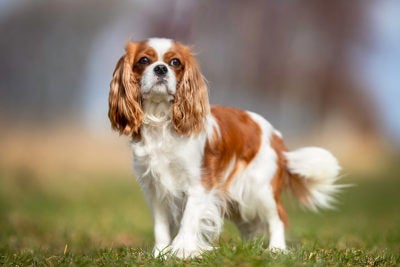
The Cavalier King Charles Spaniel is a gentle toy breed known for its devotion to people. It weighs 13 to 18 pounds and stands about a foot tall. Cavaliers are eager to please and adapt to apartments or houses alike. They suit first-time owners, families, and seniors who want a loyal lap dog.
Their silky, feathered ears and soft brown eyes give them an almost storybook look. The coat needs regular brushing to stay tangle-free.
Cavaliers greet strangers like old friends. They rarely show aggression, and they’d rather sit on your lap than guard the front door.
Best for: Apartment dwellers · Families with kids · First-time owners wanting a lap dog
Note: Cavaliers are prone to a heart condition called mitral valve disease, so ask breeders for health screening records.
2. Bichon Frise — “The Cheerful Cotton Ball”
| Weight | 12–18 lbs |
| Height | 9.5–11.5 in |
| Lifespan | 14–15 years |
| Energy Level | Moderate |
| Grooming Need | High — frequent brushing |
| Shedding | Minimal |
The Bichon Frise is a small, fluffy companion breed built almost entirely for affection. It weighs 12 to 18 pounds and rarely sheds. Bichons are cheerful, playful, and quick to bond with everyone in the house. They suit city apartments and families who don’t mind regular grooming trips.
Their curly white coat looks like a powder puff and needs brushing several times a week.
Bichons love an audience. Many will perform little tricks just to keep the laughter going.
Best for: City apartments · Allergy-conscious households · Owners who enjoy regular grooming routines
3. Shih Tzu — “The Palace Companion”
| Weight | 9–16 lbs |
| Height | 8–11 in |
| Lifespan | 10–16 years |
| Energy Level | Low to moderate |
| Grooming Need | High — daily brushing |
| Shedding | Minimal |
The Shih Tzu is a small companion breed first kept in Chinese imperial palaces. It weighs 9 to 16 pounds and needs only short daily walks. Shih Tzus are friendly, calm indoors, and good with children. They suit apartment living and owners who want a low-energy, people-focused dog.
The flat face and big dark eyes give the breed an instantly recognizable, doll-like look.
Shih Tzus settle into a routine fast. Many will nap most of the day, then perk up the moment you grab the leash.
Best for: Apartment living · Households with young kids · Owners wanting a calm, low-exercise breed
4. Havanese — “Cuba’s Social Butterfly”
| Weight | 7–13 lbs |
| Height | 8.5–11.5 in |
| Lifespan | 14–16 years |
| Energy Level | Moderate |
| Grooming Need | High — regular brushing |
| Shedding | Minimal |
The Havanese is a small, silky-coated breed bred as a companion in Cuba. It weighs 7 to 13 pounds and bonds tightly with its family. Havanese dogs are highly trainable and social with people and pets. They suit owners who want a dog that follows them everywhere, including travel.
Their long, wavy coat moves with a bounce that breed fans describe as almost springy when they walk.
Havanese dogs hate being left out. Expect one trotting behind you from the kitchen to the laundry room.
Best for: Owners who travel often · First-time trainers · Multi-pet households
5. Boston Terrier — “The American Gentleman”
 Save
Save| Weight | 12–25 lbs |
| Height | 15–17 in |
| Lifespan | 11–13 years |
| Energy Level | Moderate |
| Grooming Need | Low |
| Shedding | Low |
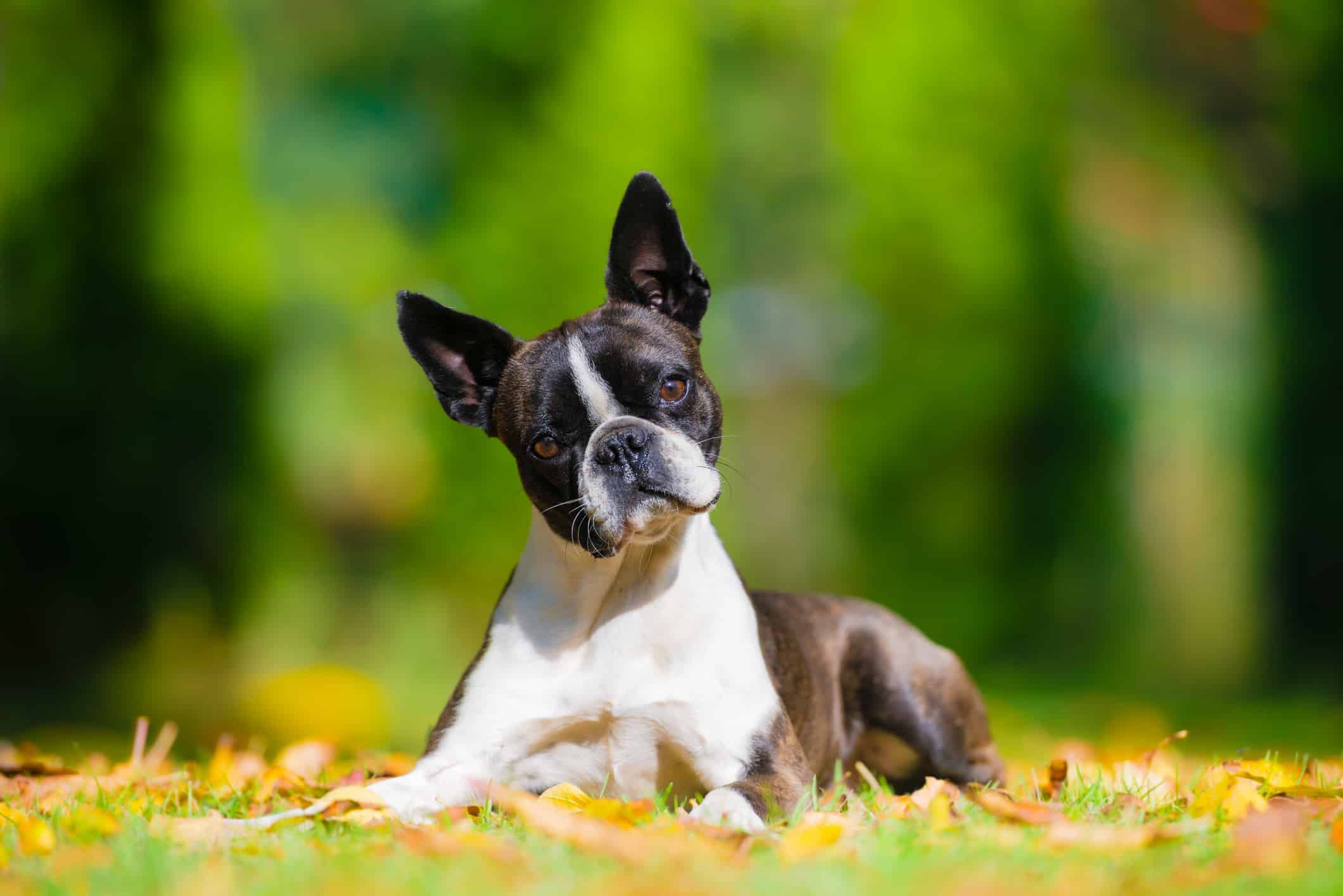
The Boston Terrier is a compact, short-coated breed nicknamed the American Gentleman. It weighs 12 to 25 pounds and needs only light grooming. Bostons are friendly, well-behaved indoors, and naturally polite with neighbors. They suit first-time owners who want a low-maintenance, sturdy small dog.
Their tuxedo-style black-and-white coat gives them a dressed-up look without any extra grooming work.
Bostons are surprisingly comedic. Many will tilt their head and stare until you laugh and give in.
Best for: Low-grooming households · Apartment dwellers · Owners wanting a sturdy, easygoing dog
6. Toy or Miniature Poodle — “The Clever Companion”
| Weight | 4–15 lbs |
| Height | Under 15 in |
| Lifespan | 12–15 years |
| Energy Level | Moderate to high |
| Grooming Need | High |
| Shedding | Minimal |
The Toy and Miniature Poodle are small, curly-coated breeds known for sharp intelligence. They weigh 4 to 15 pounds and rank among the most trainable dogs. Poodles pick up commands fast and rarely shed. They suit owners with allergy concerns who enjoy active training sessions.
Their tight curls come in solid colors and can be clipped into countless neat styles.
Poodles get bored fast without a job. Teach one a trick a week and watch it thrive.
Best for: Allergy sufferers · Owners who enjoy training games · Active apartment dwellers
7. Pug — “The Comedic Shadow”
| Weight | 14–18 lbs |
| Height | 10–13 in |
| Lifespan | 12–15 years |
| Energy Level | Low to moderate |
| Grooming Need | Low, but face folds need cleaning |
| Shedding | Moderate |
The Pug is a small, flat-faced breed built for companionship rather than work. It weighs 14 to 18 pounds and needs only short walks. Pugs are gentle, easygoing, and rarely aggressive. They suit owners who want a low-energy, deeply affectionate dog for indoor life.
The wrinkled face and curled tail give the Pug one of the most recognizable looks in dogdom.
Pugs snort, snore, and trip over nothing, then look proud of themselves anyway.
Best for: Low-exercise households · Apartment living · Owners wanting a calm indoor companion
Note: Pugs can struggle in heat and humidity because of their short snouts, so keep walks short on warm days.
8. French Bulldog — “The Quiet Urban Companion”
| Weight | Under 28 lbs |
| Height | 11–13 in |
| Lifespan | 10–14 years |
| Energy Level | Low to moderate |
| Grooming Need | Low |
| Shedding | Moderate |
The French Bulldog is a small, muscular breed prized for its calm, quiet nature. It weighs under 28 pounds and rarely barks excessively. Frenchies are affectionate, low-energy, and content with short walks. They suit busy city owners who want a quiet, undemanding companion.
Their bat-like ears and stocky build give them a charming, almost cartoonish silhouette.
Frenchies would rather nap beside you than chase anything across the yard.
Best for: Busy professionals · Quiet apartment buildings · Owners wanting minimal exercise demands
Note: Like Pugs, Frenchies can overheat easily, so avoid exercise during hot weather.
9. Maltese — “The Silken Shadow”
| Weight | Under 7 lbs |
| Height | 7–9 in |
| Lifespan | 12–15 years |
| Energy Level | Moderate |
| Grooming Need | High |
| Shedding | Minimal |
The Maltese is a tiny toy breed with a long white coat and a confident attitude. It weighs under 7 pounds and forms close bonds with its owner. Maltese dogs are affectionate, alert, and pick up training quickly. They suit owners who want a devoted lap dog with low shedding.
Their flowing white coat can reach the floor if left untrimmed, giving them an elegant look.
Don’t expect a quiet shadow. Many Maltese will bark first and ask questions later.
Best for: Owners wanting a low-shedding breed · Singles and seniors · Apartment dwellers
10. Yorkshire Terrier — “The Tiny Watchdog”
 Save
Save| Weight | Up to 7 lbs |
| Height | 7–8 in |
| Lifespan | 11–15 years |
| Energy Level | Moderate to high |
| Grooming Need | High |
| Shedding | Minimal |
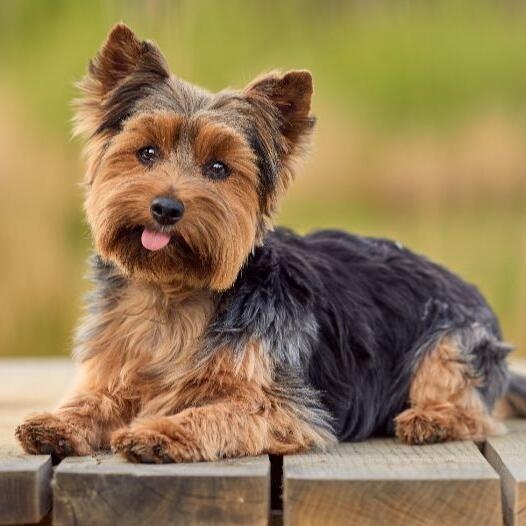
The Yorkshire Terrier is a tiny breed with a bold, confident personality. It weighs up to 7 pounds yet often acts like a much larger guard dog. Yorkies are loyal, alert, and bond tightly with one person. They suit owners who want a feisty, devoted companion and don’t mind daily brushing.
Their long, silky blue-and-tan coat resembles fine human hair more than typical dog fur.
Yorkies will bark at a delivery truck like it’s a home invasion. Confidence runs deep in this breed.
Best for: Owners who enjoy daily grooming · Apartment living · Singles wanting a loyal one-person dog
Note: Yorkies dislike being left alone for long stretches, so they fit best with owners who work from home or have flexible schedules.
Comparison Table: Best Small Dogs for First-Time Owners
Here’s a quick side-by-side look at all 10 breeds, so you can compare exercise needs and grooming at a glance before deciding which fits your routine best.
| Breed | Energy | Grooming | Best For |
|---|---|---|---|
| Cavalier King Charles Spaniel | Moderate | Regular brushing | Families, seniors |
| Bichon Frise | Moderate | High | Allergy-prone owners |
| Shih Tzu | Low–moderate | High | Apartments, kids |
| Havanese | Moderate | High | Frequent travelers |
| Boston Terrier | Moderate | Low | Low-grooming households |
| Toy/Miniature Poodle | Moderate–high | High | Allergy sufferers |
| Pug | Low–moderate | Low | Calm indoor life |
| French Bulldog | Low–moderate | Low | Busy professionals |
| Maltese | Moderate | High | Singles, seniors |
| Yorkshire Terrier | Moderate–high | High | Flexible-schedule owners |
Which Small Dog Breed Is Right for You?
The right small breed depends on your schedule, grooming tolerance, and home setup. Match your lifestyle to the dog, not the other way around, and the first months of ownership go far more smoothly.
- If you work long hours away from home → a Boston Terrier or French Bulldog tolerates alone time better than most.
- If you love a grooming routine and want a showpiece coat → a Maltese, Shih Tzu, or Havanese will reward the effort.
- If you have allergies → a Bichon Frise or Toy Poodle sheds very little.
- If you want a confident watchdog in a tiny body → a Yorkshire Terrier fits that role well.
Small Dog Care Essentials Every New Owner Must Know
Small breeds need the same core care as any dog: a balanced diet, regular vet checkups, and consistent training. But a few details matter more for tiny dogs specifically. Dental care, careful handling, and indoor temperature control all deserve extra attention with a small breed.
Small breeds are prone to dental issues. Brush your dog’s teeth a few times a week and ask your vet about dental chews.
Tiny bones mean tiny dogs can be hurt by rough handling or jumps off furniture. Teach kids how to hold a small dog properly, supported under the chest, never by the legs.
Long-haired breeds like the Shih Tzu and Maltese need brushing several times a week to prevent painful mats. Short-coated breeds like the Boston Terrier and French Bulldog need far less coat care but may need their wrinkles or folds cleaned regularly.
Mistakes New Small Dog Owners Make
Most first-time mistakes come from underestimating a small dog’s needs, not overestimating them. These dogs are not low-maintenance accessories. They’re full personalities that need structure.
Skipping leash training because “they’re small enough to carry” often backfires. Many small breeds become reactive or fearful without proper socialization.
- Carrying the dog everywhere instead of letting it walk and explore
- Skipping crate or house-training because the mess seems “smaller”
- Letting barking go unaddressed since it sounds less threatening
- Forgetting that flat-faced breeds like Pugs overheat fast in summer
This article focuses on temperament, care needs, and beginner suitability for purebred small dogs. If you’re considering a mixed breed or rescue, the same temperament and energy principles apply, but ask the shelter staff about the individual dog’s known history first.
Conclusion
The best small dog for a first-time owner is the one that matches your actual daily routine, not just your Pinterest board. A Cavalier or Bichon forgives mistakes more easily than a strong-willed terrier. Pick based on temperament and grooming tolerance, and the rest tends to fall into place. Spend a weekend visiting breeders, shelters, or breed meetups before you decide. I’m Thomas Cutter, and that one step alone prevents most of the regret new owners feel in month one.
Frequently Asked Questions
What is the easiest small dog breed for a beginner?
The Cavalier King Charles Spaniel is widely considered the easiest small breed for beginners. It’s gentle, eager to please, and adapts well to apartments or houses. Its main demand is regular grooming and attention to heart health screenings.
Are small dogs good for first-time owners?
Yes, many small breeds suit first-time owners well, especially calm, people-focused breeds like the Cavalier, Bichon Frise, and Shih Tzu. Some small terriers, however, have strong independent streaks that can challenge a beginner.
Do small dogs need less exercise than large dogs?
Not always. Size doesn’t determine energy level. Breeds like the Yorkshire Terrier and Toy Poodle have moderate to high energy, while large breeds like Great Danes are often calmer indoors.
Which small dog breed sheds the least?
The Bichon Frise, Maltese, Havanese, and Poodle shed very little thanks to their curly or single-layer coats. They still need regular brushing, since loose hair gets trapped in the coat instead of falling out.
How much grooming do small dogs typically need?
It depends on the coat. Long-haired breeds like the Shih Tzu and Maltese need brushing several times a week. Short-coated breeds like the Boston Terrier and Pug need minimal brushing but may need wrinkle or ear cleaning.
Thomas Cutter is a lifelong dog owner and the founder of FindOutAboutDogs.com. With over 10 years of hands-on experience owning multiple breeds, Thomas created this site to provide honest, research-based dog advice that real owners can actually trust.
