How Season Affects Dog Brushing Frequency: A Year-Round Guide
Quick Answer
Season can change how often you should brush your dog because many dogs shed more heavily in spring and fall. A weekly routine may temporarily become three-times-weekly or even daily brushing during a heavy coat change, especially for double-coated dogs. Your dog’s coat type still matters more than the calendar, so use seasonal shedding as a signal to adjust rather than follow one fixed schedule. The AKC’s seasonal shedding guidance explains why coat loss often increases during these transitions.
Seasonal brushing at a glance
- Spring: Increase brushing when the winter undercoat begins coming out in noticeable clumps.
- Summer: Return toward the normal coat-based schedule once heavy shedding slows.
- Fall: Watch for another shedding surge as many dogs transition toward their winter coat.
- Winter: Maintain regular brushing, especially on long coats that collect tangles, moisture, or debris.
- Indoor dogs: Expect a less predictable pattern because steady indoor light and temperature may encourage year-round shedding.
Best rule to follow
- Start with a schedule based on coat type, then increase brushing whenever loose hair, tangles, or undercoat buildup increases.
Dog brushing schedules shouldn’t stay exactly the same from January through December. Your dog’s coat reacts to shedding, weather, activity, and time spent indoors.
I prefer one simple rule: set the baseline by coat type, then let the coat tell you when to increase it. That approach is more useful than blindly brushing every dog on the same schedule.


What Does Seasonal Dog Brushing Frequency Mean?
 Save
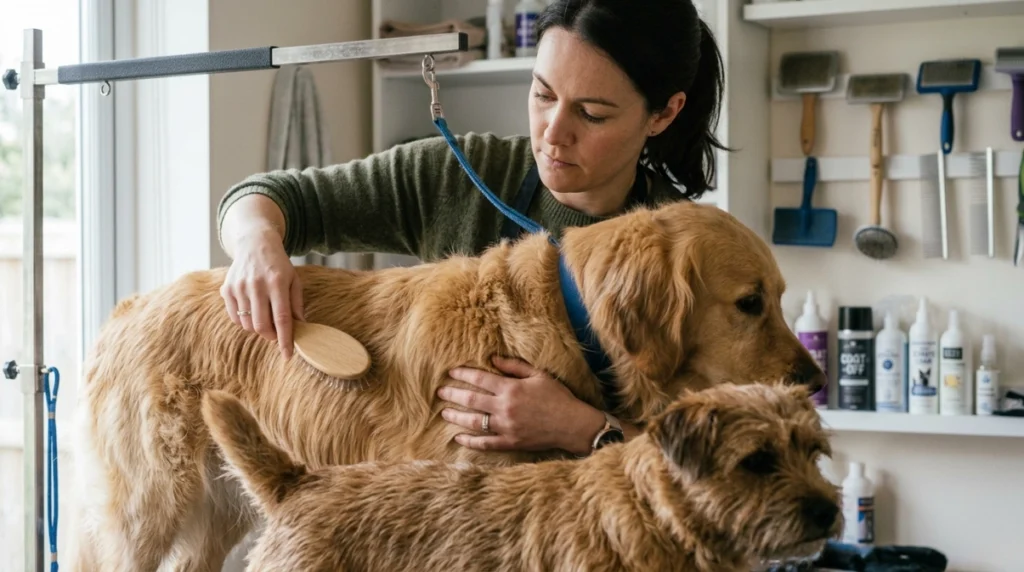
SaveSeasonal dog brushing frequency means adjusting how often you brush according to changes in shedding, coat density, tangles, moisture, and outdoor exposure during the year.
It doesn’t mean every dog needs a completely different grooming routine every three months. Some dogs barely change, while heavy seasonal shedders can change dramatically.
Simple definition: Your baseline brushing schedule comes from coat type. Season determines whether that baseline needs to increase temporarily.
According to VCA Animal Hospitals’ coat-care guidance, long, silky, or curly coats often require daily brushing. Short coats can usually be brushed less often.
That difference matters more than the month printed on your calendar.
Why Do Dogs Need More Brushing in Spring and Fall?
 Save
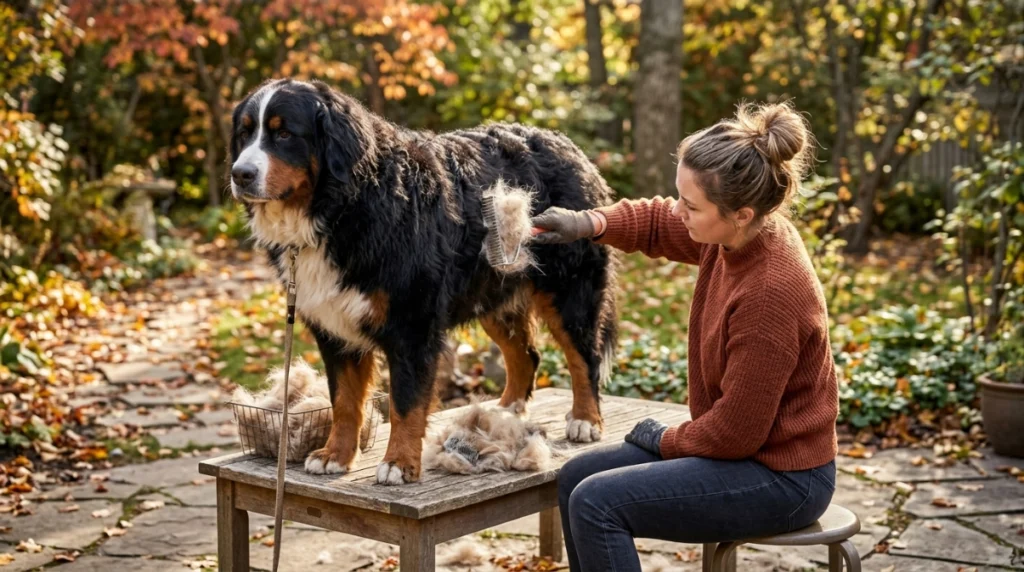
SaveMany seasonally shedding dogs lose the most hair during spring and fall. These coat transitions can produce enough loose undercoat that a normal weekly brushing session no longer keeps up.
Spring commonly removes heavier winter insulation. Fall may bring another coat transition as the dog prepares for colder conditions.
- More loose undercoat: Hair collects beneath the outer coat before falling around your home.
- More clumps: Double-coated breeds may release soft undercoat in visible tufts.
- More tangling: Loose hair can catch inside longer coats instead of falling away.
- More grooming work: Shorter, more frequent sessions are often easier than one long weekly session.
The ASPCA’s dog grooming recommendations also show why coat length changes the routine. Long coats may need daily attention to control tangles even without a dramatic seasonal shed.
So don’t wait for hair to cover the sofa. Increase brushing when the coat starts releasing faster.
How Often Should You Brush a Dog in Each Season?
 Save
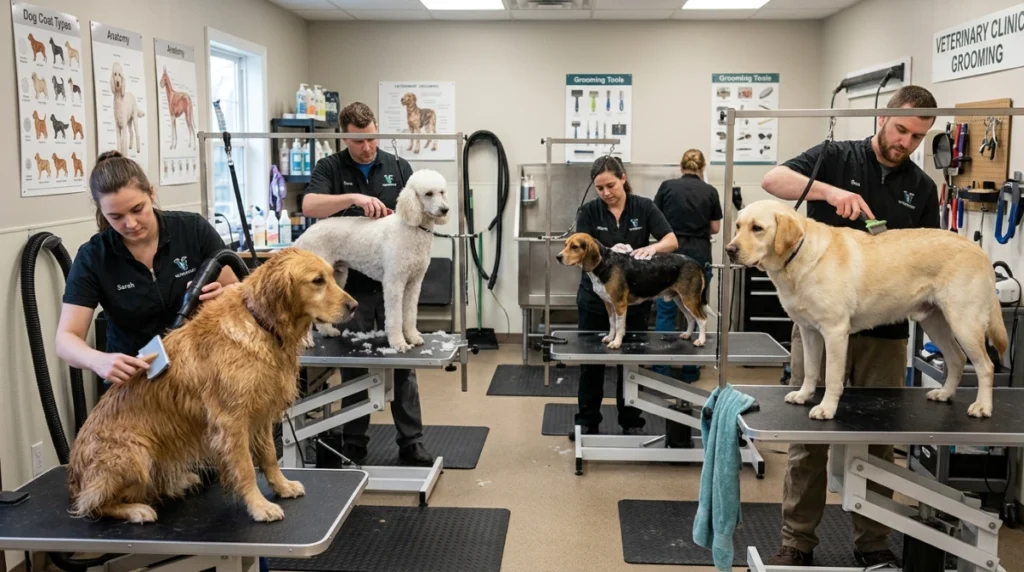
SaveThere isn’t one medically fixed schedule for every dog. The table below is a practical starting point based on coat type, seasonal shedding patterns, and common grooming guidance.
Adjust it when your dog’s actual coat tells you otherwise.
| Coat Type | Normal Season | Heavy Spring/Fall Shed | Main Goal |
|---|---|---|---|
| Smooth short coat | About once weekly | 2–3 times weekly if shedding rises | Lift loose surface hair |
| Medium shedding coat | 1–2 times weekly | 3–4 times weekly | Control loose hair and small tangles |
| Double coat | 1–2 times weekly | Every other day to daily as needed | Remove loose undercoat |
| Long or silky coat | Several times weekly to daily | Daily | Prevent tangles and mats |
| Curly continuously growing coat | Frequent to daily | Usually similar year-round | Prevent matting rather than manage shedding |
These are starting ranges, not rigid rules. A Labrador releasing handfuls of undercoat needs more attention than the same Labrador during a quiet shedding month.
A Poodle may not have that spring hair explosion. Yet its growing curly coat can still require frequent brushing all year.
How Should You Change Brushing in Spring?
Spring is often the biggest brushing adjustment for double-coated dogs. Increase frequency when soft undercoat begins filling the brush quickly.
Short sessions work well because you remove hair before it compacts inside the coat.
- Check the coat with your fingers before brushing.
- Look for loose tufts around the neck, shoulders, thighs, and rear.
- Brush gently in manageable sections.
- Remove collected hair from the tool often.
- Stop if the skin becomes red or your dog shows discomfort.
My practical trigger is simple. If the brush fills much faster than usual, I increase frequency before increasing pressure.
More brushing should never mean harsher brushing.
Does Summer Mean You Can Brush Your Dog Less?
Sometimes, but not automatically. Heavy spring shedding may slow by summer, yet swimming, hiking, grass seeds, dust, and outdoor debris can create new grooming needs.
Long-haired dogs can also develop knots after getting wet.
- After swimming: Check feathering, ears, legs, and the underside for tangles.
- After hiking: Inspect the coat for burrs, ticks, twigs, and debris.
- During steady shedding: Keep brushing even when the dramatic spring coat blow ends.
- For short coats: A rubber grooming tool can remove loose hair without aggressive scraping.
Summer is a good time to focus on comfortable maintenance rather than attacking the coat with a de-shedding tool every day.
Why Can Fall Increase Dog Brushing Again?
Many seasonally shedding dogs experience another noticeable coat transition during fall. Loose summer coat may increase as the colder-season coat develops.
The change isn’t identical in every breed or climate.
Start watching the brush, dog bed, floors, and your clothing. Those everyday signs often reveal a coat change before you think about the season.
- Increase sessions when loose undercoat becomes obvious.
- Keep sessions short if your dog becomes impatient.
- Use a tool designed for your dog’s coat depth.
- Check friction areas behind ears and around the legs for tangles.
For heavy undercoats, VCA notes that spring and fall are common seasonal shedding periods. That makes fall a useful time to reassess the entire grooming routine.
Should You Brush Less During Winter?
Winter doesn’t automatically mean less brushing. Long coats still need tangle control, and dogs exposed to rain, mud, snow, or indoor heating may need regular coat checks.
Dogs wearing sweaters or coats can also develop friction tangles where fabric rubs against fur.
- Long coats: Check behind ears, legs, armpits, belly, and collar areas.
- Short coats: Continue basic maintenance even when shedding looks low.
- Double coats: Keep the undercoat clean and free of compacted loose hair.
- Coat-wearing dogs: Brush friction points after removing clothing.
The biggest winter mistake is abandoning grooming because less hair appears on the floor.
Do Indoor Dogs Still Have Seasonal Shedding?
Yes, but the pattern can be less dramatic. Dogs living under stable indoor temperatures and artificial lighting may shed smaller amounts across much of the year.
That means your dog may not follow a perfect spring-and-fall calendar.
As of 2026, current AKC guidance notes that indoor dogs can shed lightly year-round while still having heavier seasonal periods. Daylight, temperature, breed, and coat type all influence the pattern.
This is why I wouldn’t schedule brushing from the calendar alone. Watch the dog first.
How Do You Know Your Dog Needs More Frequent Brushing?
You don’t need to count every hair. A few visible coat changes can tell you when your current schedule isn’t keeping up.
- The brush fills quickly: Loose hair has increased since your last session.
- Tufts appear: Soft undercoat starts lifting through the topcoat.
- Small tangles form: The interval between sessions may be too long.
- Hair increases indoors: Beds, rugs, clothes, and furniture collect more fur.
- The comb catches: Dense areas are retaining loose hair or beginning to knot.
Increase frequency before using more force. Gentle grooming performed more often is usually easier on the dog than an overdue marathon session.
When is shedding more than a seasonal grooming issue?
Normal seasonal shedding should not leave obvious bald patches or inflamed skin. Sudden hair loss, persistent itching, redness, sores, or unusual coat thinning deserves veterinary attention.
Don’t assume every August or October coat problem is simply “seasonal.”
Which Brush Works Best as the Seasons Change?
The best brush depends on the coat, not the season itself. Seasonal changes mainly determine how often you use the appropriate tool.
| Tool | Best Fit | Seasonal Use |
|---|---|---|
| Rubber curry brush | Smooth, short coats | Useful during routine and increased shedding |
| Slicker brush | Long, curly, or moderately dense coats | Good for loose hair and light tangles |
| Undercoat rake or de-shedding tool | Suitable shedding undercoats | Most useful during heavy coat release |
| Metal comb | Long coats and feathering | Useful for checking whether tangles remain |
Be cautious with sharp-edged de-shedding tools. Repeated aggressive passes can irritate skin or damage coat.
The goal is removing hair that’s ready to come out, not forcing attached hair out.
A Simple Year-Round Brushing Plan
You can build a useful brushing schedule without turning grooming into a complicated calendar.
- Identify the coat: Smooth, medium, double, long, silky, or curly.
- Set a baseline: Choose a normal weekly frequency that prevents buildup.
- Check weekly changes: Notice shedding, tangles, debris, and how quickly the brush fills.
- Increase temporarily: Add sessions when spring or fall shedding becomes heavier.
- Reduce gradually: Return toward baseline after the coat settles.
- Reassess problems: Contact your veterinarian if hair loss looks abnormal rather than seasonal.
That system works because it responds to the individual dog. A calendar becomes a reminder, not a rigid rule.
Dog Brushes I Would Consider for Seasonal Grooming
If you’re ready to match a tool to the coat, these three options cover different grooming jobs rather than competing for the exact same purpose.
🏆 Best for everyday detangling
Hertzko Self-Cleaning Slicker Brush
★★★★☆ 4.5/5 editorial fit
The retractable-bristle design makes captured hair easier to release after brushing. I like this style for regular maintenance on coats that collect loose hair and light tangles.
🐕 Best for short coats
KONG ZoomGroom Dog Brush
★★★★☆ 4.6/5 editorial fit
Its flexible rubber fingers can be used during dry grooming or shampooing to help lift loose hair. I prefer this gentler tool style for smooth-coated dogs that don’t need deep undercoat work.
🍂 Best for heavy seasonal undercoat
FURminator Undercoat deShedding Tool
★★★★☆ 4.4/5 editorial fit
This tool is designed to reach loose undercoat beneath the topcoat, with variants for different dog sizes and hair lengths. I’d reserve it for suitable shedding coats and use gentle, limited passes rather than treating it like an everyday brush.
Frequently Asked Questions
How often should I brush my dog during shedding season?
Heavy seasonal shedders may need brushing several times per week or even daily while loose undercoat is coming out quickly. Start with your normal coat-based schedule, then temporarily increase frequency when the brush fills faster or loose tufts appear.
What months do dogs shed the most?
Many seasonally shedding dogs shed heavily in spring and fall, but exact timing depends on daylight, temperature, climate, breed, and coat. Indoor dogs may also shed smaller amounts throughout the year because their environment stays more consistent.
Should I brush my double-coated dog every day?
Not necessarily all year. Many double coats can be maintained with regular weekly brushing, then brushed more frequently during heavy seasonal shedding. Daily sessions can be useful temporarily when the undercoat is releasing rapidly, provided you use gentle technique and the right tool.
Can I brush my dog too often?
Yes, especially if you’re using excessive pressure or an aggressive de-shedding tool. Frequent gentle brushing with an appropriate brush is different from repeatedly scraping the same area with a sharp-edged tool.
When should seasonal shedding concern me?
Contact your veterinarian if shedding comes with bald patches, inflamed skin, sores, persistent itching, pain, or a sudden unexplained change in coat quality. Normal seasonal shedding should not automatically be blamed for every type of hair loss.
Final Takeaway
How season affects dog brushing frequency comes down to one principle: season changes the workload, while coat type sets the baseline. Spring and fall often require extra sessions for heavy shedders, but long or curly coats may need frequent brushing throughout the entire year.
Check your dog’s coat today instead of waiting for the next season. If the brush fills faster, tangles appear sooner, or loose undercoat is building up, adjust the schedule now.

Thomas Cutter is a lifelong dog owner and the founder of FindOutAboutDogs.com. With over 10 years of hands-on experience owning multiple breeds, Thomas created this site to provide honest, research-based dog advice that real owners can actually trust.
