Best 10 Dog Breeds for First-Time Owners in Australia
Quick Answer
The best dog breeds for first-time owners in Australia are calm, trainable, healthy, and suited to your home. Cavalier King Charles Spaniels, Labradors, Greyhounds, Miniature Poodles, and Whippets are top choices. The right breed depends on your space, budget, time, climate, and daily routine.
| Best For | Best Breed |
|---|---|
| Apartments | Greyhound or Cavalier |
| Active families | Labrador or Golden Retriever |
| Low shedding | Miniature Poodle or Bichon Frise |
Choose your first dog in Australia this way:
- Choose a calm breed if you work full-time.
- Choose low shedding if allergies matter.
- Choose short coats for hot areas.
- Choose rescue Greyhounds for adult calm.
You can feel it the moment you start looking.
Every dog looks cute, but not every dog fits your life.
I’m Thomas Cutter, and I’ve helped many new owners compare breeds. The hard part is not finding a dog. The hard part is choosing one you can care for well.
Australia adds extra pressure. Heat, rentals, strata rules, ticks, vet costs, and work hours all matter. For more breed guides, see our dog breed guides for new owners.
- The best first dog is calm, trainable, and easy to live with.
- Australian heat makes short noses and thick coats harder.
- Greyhounds suit many homes better than people expect.
- Low-shedding dogs still need paid grooming.
- Breed matters, but the individual dog matters more.


What Makes a Dog Breed Good for First-Time Owners in Australia?
A good first dog breed is easy to train, stable at home, and realistic for your climate. It should not need expert handling every day. In Australia, the best choice also fits hot weather, rental rules, local vet costs, and safe exercise areas. The right dog should make your life better, not harder.
Most experts agree on one core point. You must match the dog to your real life. RSPCA Australia gives the same broad advice when it tells new owners to think about the dog and the family fit before adoption.
Here’s why that matters. A calm breed can still fail in the wrong home. A smart breed can become hard when bored.
When I speak with first-time owners, one pattern shows up fast. People often choose the look first. That taught me to start with lifestyle instead.
You might be thinking a backyard solves most dog problems. Here’s why it does not. Dogs need time, training, and human contact, not just space.
Choose the dog for your worst week, not your best weekend.
Now let’s look at the breeds that fit real Australian homes best.
The 10 Best Dog Breeds for First-Time Owners in Australia
The best dog breeds for first-time owners in Australia are Cavalier King Charles Spaniel, Labrador Retriever, Greyhound, Miniature Poodle, Golden Retriever, Whippet, Bichon Frise, Maltese, Havanese, and Australian Terrier. Each breed offers a good mix of trainability, home manners, size, and care needs for new owners.
That said, no breed is perfect. Each one has a real trade-off. Some shed more. Some cost more. Some need more training.
Most breed lists skip the hard parts. This list does not. You will see the charm and the challenge for each dog.
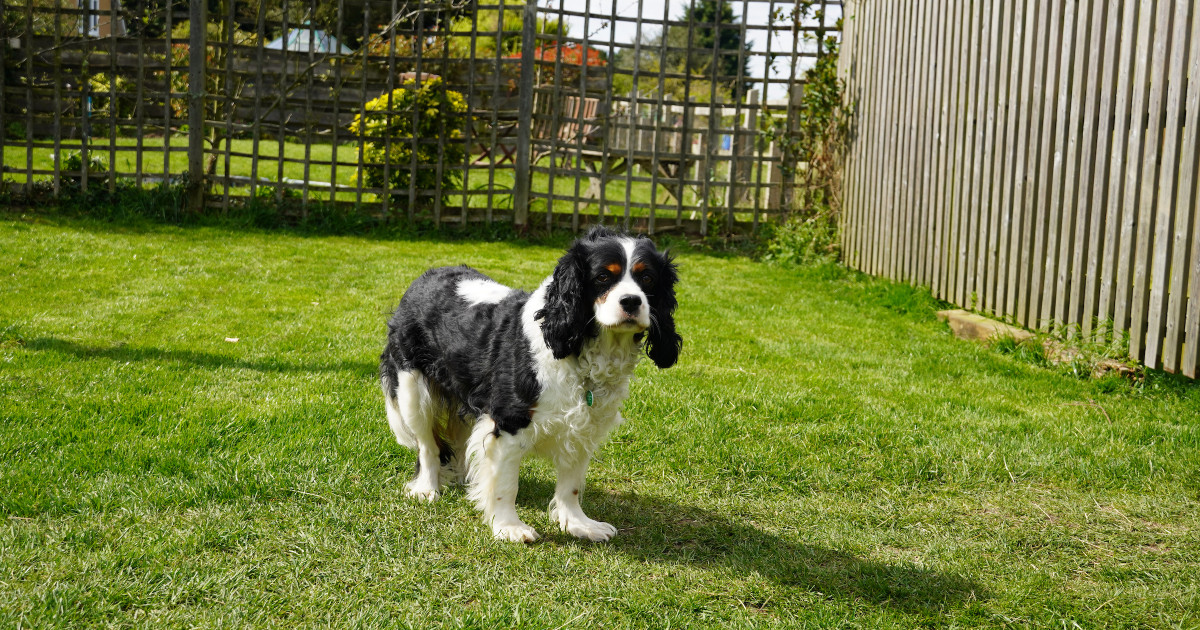
Cavalier King Charles Spaniel — Best First Dog Breed for Gentle Homes
 Save
Save| Weight | 5.4–8.2 kg |
| Height | 30–33 cm |
| Lifespan | 12–15 years |
| Energy Level | Low to moderate |
| Grooming Need | Moderate brushing |
| Shedding | Moderate |
The Cavalier King Charles Spaniel is a gentle small dog known for soft manners. It weighs about 5.4–8.2 kg and fits flats, townhouses, and quiet homes. Its sweet nature suits new owners who want a close companion, not a hard working dog.
Cavaliers have silky ears, round eyes, and a soft face. Their coat looks rich without being too bulky.
Most people expect small dogs to be sharp or noisy. Cavaliers tend to seek touch instead. The surprise is how well they read your mood.
“Composite owner note: My Cavalier follows me room to room, then sleeps through work calls.”
— Common owner scenario, Cavalier home life
- Calm in small homes
- Very people-focused
- Easy daily exercise
- Heart issues are common
- Dislikes long alone time
- Ears need regular checks
Best for: Apartment owners · Calm couples · Gentle families
Labrador Retriever — Best First Dog Breed for Active Australian Families
| Weight | 25–36 kg |
| Height | 54–57 cm |
| Lifespan | 10–12 years |
| Energy Level | High |
| Grooming Need | Low brushing |
| Shedding | Moderate to heavy |
The Labrador Retriever is a friendly large dog known for trainable energy. It weighs about 25–36 kg and needs daily walks, play, and rules. It suits first-time owners who want an outdoor companion and can manage puppy chewing, food drive, and regular exercise.
Labs have a strong body, kind eyes, and a short weatherproof coat. Their tail can clear a coffee table fast.
Most people know Labs love food and play. What they may not know is their mouthy puppy stage. That stage needs training from day one.
“Composite owner note: The first year was messy, but training paid off fast.”
— Common owner scenario, Labrador home life
- Very trainable and social
- Great family energy
- Simple coat care
- Puppies chew heavily
- Needs daily exercise
- Weight gain happens fast
Best for: Active owners · Families · Homes near parks
Greyhound — Best First Dog Breed for Calm Apartment Living
| Weight | 27–40 kg |
| Height | 68–76 cm |
| Lifespan | 10–14 years |
| Energy Level | Low to moderate |
| Grooming Need | Very low |
| Shedding | Low |
The Greyhound is a calm large dog known for quiet indoor manners. It weighs about 27–40 kg and often sleeps much of the day. It suits first-time owners who want an adult rescue dog, low grooming, and relaxed home life.
Greyhounds are tall, lean, and elegant. Their short coat shows every muscle line.
Most people expect Greyhounds to need endless running. The opposite often happens indoors. Many prefer a soft bed and short walks.
“Composite owner note: My rescue Greyhound sleeps more than my cat.”
— Common owner scenario, Greyhound home life
- Quiet inside most homes
- Low coat care
- Great rescue option
- High prey drive
- Thin skin cuts easily
- Needs safe fenced runs
Best for: Apartment renters · Rescue adopters · Calm adults
Miniature Poodle — Best First Dog Breed for Low Shedding
| Weight | 5–9 kg |
| Height | 28–38 cm |
| Lifespan | 12–15 years |
| Energy Level | Moderate |
| Grooming Need | High paid grooming |
| Shedding | Very low |
The Miniature Poodle is a smart small dog known for low shedding. It weighs about 5–9 kg and learns rules fast. It suits first-time owners who want a clean house, strong trainability, and can afford grooming every 6–8 weeks.
Miniature Poodles have tight curls and bright eyes. Their coat can look plush or sporty.
People often think Poodles are fussy. They are active, sharp, and playful dogs. The wow part is how fast they learn household patterns.
“Composite owner note: She learned the back door bell in 3 days.”
— Common owner scenario, Miniature Poodle home life
- Very low shedding
- Learns routines quickly
- Good size for rentals
- Grooming costs add up
- Boredom brings mischief
- Needs mental games
Best for: Allergy-aware homes · Neat owners · Smart-dog fans
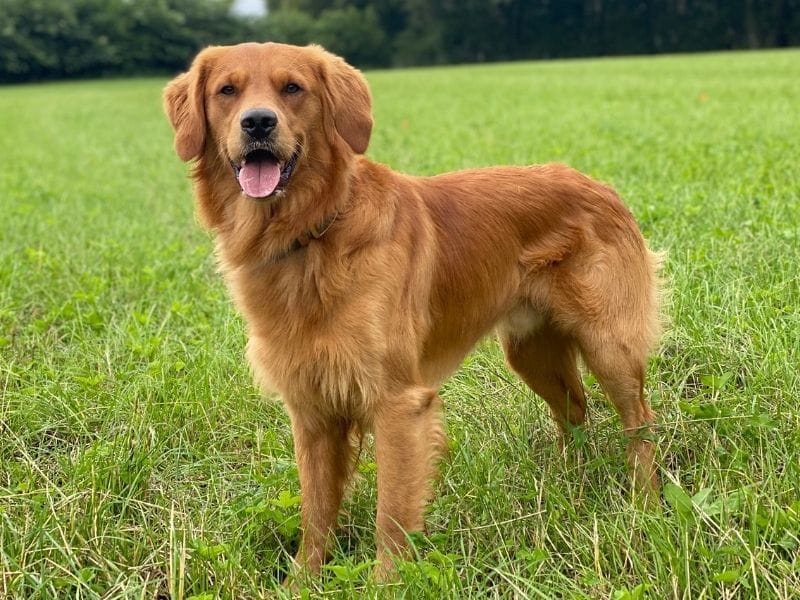
Golden Retriever — Best First Dog Breed for Friendly Families
 Save
Save| Weight | 25–34 kg |
| Height | 51–61 cm |
| Lifespan | 10–12 years |
| Energy Level | High |
| Grooming Need | Moderate brushing |
| Shedding | Heavy |
The Golden Retriever is a gentle large dog known for kindness and patience. It weighs about 25–34 kg and needs daily activity. It suits first-time owners with time, space, and a strong vacuum cleaner, especially families who want a social companion.
Goldens have feathered coats and warm faces. Their soft mouth comes from gundog work.
Most people expect Goldens to be easy. They often are, but puppy energy can be wild. The surprise is how forgiving they stay during training mistakes.
“Composite owner note: He greets every visitor like an old friend.”
— Common owner scenario, Golden Retriever home life
- Patient with families
- Very eager to please
- Strong training response
- Sheds heavily year-round
- Needs daily activity
- Hot weather needs care
Best for: Families · Active couples · Suburban homes
→ Best dog breeds for families with toddlers
Whippet — Best First Dog Breed for Quiet Homes
| Weight | 9–19 kg |
| Height | 44–51 cm |
| Lifespan | 12–15 years |
| Energy Level | Moderate bursts |
| Grooming Need | Very low |
| Shedding | Low |
The Whippet is a quiet medium dog known for speed outside and calm inside. It weighs about 9–19 kg and needs safe sprint time. It suits first-time owners who want low grooming, gentle manners, and a dog that loves the couch.
Whippets look like small Greyhounds. Their coat is smooth and easy to wipe clean.
Most people see speed and expect chaos. Whippets sprint, then sleep for hours. Their soft nature can surprise loud households.
“Composite owner note: Ten fast minutes outside, then he steals the warm blanket.”
— Common owner scenario, Whippet home life
- Quiet indoor nature
- Very low grooming
- Good rental size
- Chases small animals
- Feels cold easily
- Recall needs care
Best for: Quiet homes · Apartment owners · Low-grooming seekers
Bichon Frise — Best First Dog Breed for Cheerful Low-Shedding Homes
| Weight | 5–8 kg |
| Height | 23–30 cm |
| Lifespan | 14–15 years |
| Energy Level | Moderate |
| Grooming Need | High paid grooming |
| Shedding | Very low |
The Bichon Frise is a cheerful small dog known for a soft white coat. It weighs about 5–8 kg and fits many smaller homes. It suits first-time owners who want low shedding, playful charm, and can keep up with grooming needs.
Bichons look like small cotton clouds with dark eyes. Their coat needs clipping, not just brushing.
People expect a toy-like dog. Bichons bring bold comic energy. The surprise is how much confidence hides under that fluffy coat.
“Composite owner note: She makes guests laugh before they even sit down.”
— Common owner scenario, Bichon Frise home life
- Very low shedding
- Cheerful with visitors
- Small-home friendly
- Grooming is not optional
- Can bark for attention
- House training may lag
Best for: Neat homes · Older owners · Small-space families
Maltese — Best First Dog Breed for Small Australian Homes
| Weight | 3–4 kg |
| Height | 20–25 cm |
| Lifespan | 12–15 years |
| Energy Level | Low to moderate |
| Grooming Need | Moderate to high |
| Shedding | Low |
The Maltese is a tiny companion dog known for low shedding and close bonding. It weighs about 3–4 kg and suits compact homes. It fits first-time owners who want a lap dog, can brush often, and do not have rough toddlers.
Maltese dogs have long white coats and bright dark eyes. A short puppy clip makes care easier.
Most people expect them to be fragile only. They can be bold watchdogs too. The surprise is their brave voice in a tiny body.
“Composite owner note: He weighs almost nothing, but warns us about every courier.”
— Common owner scenario, Maltese home life
- Excellent small-home size
- Low shedding coat
- Low exercise needs
- Too delicate for rough play
- Can bark at noise
- Daily brushing helps
Best for: Singles · Seniors · Small apartments
Havanese — Best First Dog Breed for Social Companionship
| Weight | 3–6 kg |
| Height | 22–29 cm |
| Lifespan | 14–16 years |
| Energy Level | Moderate |
| Grooming Need | Moderate to high |
| Shedding | Low |
The Havanese is a small social dog known for happy companionship. It weighs about 3–6 kg and loves being near people. It suits first-time owners who spend time at home, enjoy training games, and want a playful but gentle house dog.
Havanese dogs have soft coats, curled tails, and lively eyes. Their walk has a springy bounce.
Many expect a quiet lap dog only. Havanese dogs also love tricks and games. The surprise is how naturally funny they act.
“Composite owner note: She turns training into a little stage show.”
— Common owner scenario, Havanese home life
- Great companion nature
- Playful without harshness
- Good with gentle kids
- Needs close human time
- Coat mats without care
- Can dislike isolation
Best for: Work-from-home owners · Gentle families · Companion seekers
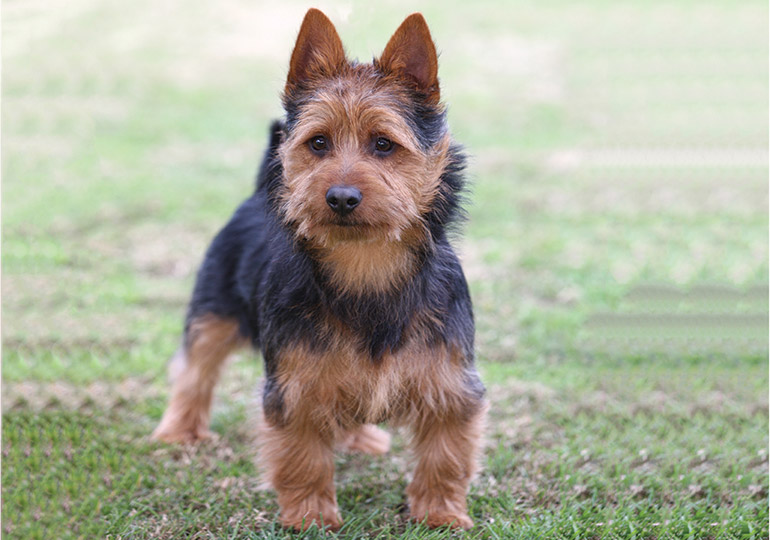
Australian Terrier — Best First Dog Breed for Hardy Local Homes
 Save
Save| Weight | 6–7 kg |
| Height | 25 cm |
| Lifespan | 11–15 years |
| Energy Level | Moderate |
| Grooming Need | Low brushing |
| Shedding | Low to moderate |
The Australian Terrier is a small hardy dog known for courage and local roots. It weighs about 6–7 kg and has a rough weather-ready coat. It suits first-time owners who want a bold small dog and can train barking and chasing early.
Australian Terriers have rough coats, sharp ears, and keen faces. They look small but never weak.
People expect terriers to be simple because they are small. The truth is different. Their brave drive needs rules, not pampering.
“Composite owner note: He patrols the yard like he owns the whole street.”
— Common owner scenario, Australian Terrier home life
- Hardy Australian breed
- Low coat upkeep
- Big courage, small size
- Can bark at movement
- May chase small pets
- Needs firm training
Best for: Small yards · Terrier fans · Confident beginners
How Do These First-Time Dog Breeds Compare?
The easiest first-time dog is not always the smallest dog. In Australia, your best choice depends on home size, time, heat, grooming budget, and noise tolerance. Cavaliers suit gentle indoor homes. Labradors suit active families. Greyhounds suit calm renters. Poodles and Bichons suit people who need less shedding.
The good news is simple. You do not need the “perfect” breed. You need a breed whose needs you can meet every week.
When owners compare only size, they miss energy. That taught me to compare lifestyle fit first.
| Breed | Best Fit | Main Challenge |
|---|---|---|
| Cavalier | Gentle homes | Health checks |
| Labrador | Active families | Puppy chewing |
| Greyhound | Calm rentals | Prey drive |
| Mini Poodle | Low shedding | Grooming cost |
| Whippet | Quiet homes | Recall training |
You might be thinking mixed breeds are missing here. Good question. A well-matched rescue dog can be excellent for beginners.
Use breed as a guide, not a promise. The individual dog still matters most. Next, match the breed to your daily life.
Which First-Time Dog Breed Is Right for You?
The right first dog is the breed whose needs match your normal week. Choose a Cavalier, Maltese, or Havanese for a quiet small home. Choose a Labrador or Golden Retriever for active family life. Choose a Greyhound or Whippet if you want calm indoor manners with low grooming.
Here’s the thing. A dog that fits your neighbour may not fit you. Your work hours, heat, floors, kids, and budget all change the answer.
When a new owner says they want “easy,” I ask one question. Easy in what way? That taught me to split the answer by situation.
If you live in an apartment, choose a Greyhound, Cavalier, or Maltese. If you want low shedding, choose a Miniature Poodle or Bichon Frise. If you have active kids, choose a Labrador or Golden Retriever. If you want a hardy local breed, consider an Australian Terrier.
This article covers common beginner-friendly breeds in Australia. If your dog has fear, bite history, or trauma, seek a trainer or vet first.
For a guided local check, try the Dogs Australia breed matcher.
Now let’s fix the mistake most new owners make.
What Do Most People Get Wrong About First Dogs?
Most people choose their first dog by looks, not care needs. That is the biggest mistake. Cute dogs can still bark, chew, shed, chase, overheat, or fear being alone. A good first dog choice starts with time, energy, money, housing, training, and health risk.
In other words, a breed is not a decoration. It is a daily routine with fur. That routine lasts for years.
When new owners regret a breed, the issue is often mismatch. They loved the look. They did not love the workload.
Avoid choosing a puppy only from photos. Meet the dog first.
You might be thinking breed lists should give one clear winner. Here’s why they should not. Your home decides the winner.
RSPCA Australia also warns that some breeds have health issues from extreme features. So if you choose a flat-faced breed, ask hard health questions.
Before you decide, think about cost and care next.
What Should First-Time Dog Owners in Australia Check Before Choosing?
First-time dog owners in Australia should check housing rules, daily exercise time, grooming cost, vet access, heat risk, tick risk, and alone time. You should also meet the dog, ask health questions, and plan training early. A smart choice now prevents stress, rehoming, and avoidable vet costs later.
Australia has high pet ownership. Animal Medicines Australia reported dogs in about 49% of households in 2025. So if you want a dog, you are not alone.
But here’s the thing. More owners also means more need for good choices. Demand can push people toward rushed puppy buys.
Use trusted local guidance before you commit. RSPCA Australia has a helpful page on adopting a dog or puppy.
When I review breed choices, I ask owners to price grooming first. That taught me one hard truth. “Low shedding” often means “high grooming bill.”
You can also use the 2025 pet ownership report from Animal Medicines Australia for current cost context.
Next, use this simple first-week plan.
How Should You Prepare for Your First Dog?
Prepare for your first dog by setting rules before the dog arrives. Buy simple gear, book a vet visit, choose a training class, and set up safe rest areas. Start with calm routines, short walks, and reward-based training. The first 14 days shape many long-term habits.
The good news is this does not need to feel hard. Your dog needs calm rules, not fancy gear.
When owners prepare a quiet zone early, settling often improves fast. That taught me to treat rest as training.
- Choose one sleeping area before pickup.
- Book a vet check in week one.
- Use one feeding spot from day one.
- Start toilet breaks every 2 hours.
- Reward calm behaviour with food.
- Join a reward-based training class.
You might be thinking training starts later. Here’s why that fails. Dogs learn from the first hour home.
For more new-owner help, visit our dog care basics for beginners.
Now you have the breed list and the action plan.
Conclusion
The best first dog in Australia is the one you can care for well.
Start with your home, time, climate, and budget. Then choose the breed that fits.
Do one thing right now. Write down your daily free time for dog care.
I’m Thomas Cutter, and that 2-minute note can save years of stress.
Frequently Asked Questions
What is the easiest dog breed for first-time owners in Australia?
The easiest dog breed for many first-time owners is the Cavalier King Charles Spaniel. It is calm, small, and gentle in most homes. If you want a larger dog, a well-bred Labrador can also work well with daily exercise.
Are Greyhounds good first dogs in Australia?
Yes, Greyhounds can be excellent first dogs in Australia. Many adult rescue Greyhounds are calm, quiet, and low grooming. You must manage prey drive, leash safety, and warm bedding during cooler months.
What dog breed should first-time owners avoid?
First-time owners should be careful with high-drive working breeds. Border Collies, Kelpies, Huskies, and Belgian Malinois often need more skill and daily work. These breeds can be great, but they rarely suit casual beginners.
Is a puppy or adult dog better for a first-time owner?
An adult dog is often easier for a first-time owner. You can see its size, energy, and temperament more clearly. Puppies can work well, but they need more time, toilet training, and close supervision.
What is the best low-shedding dog for beginners?
The Miniature Poodle is one of the best low-shedding dogs for beginners. It is smart, trainable, and suitable for many homes. The trade-off is grooming, which usually needs a paid groomer every 6–8 weeks.
Thomas Cutter is a lifelong dog owner and the founder of FindOutAboutDogs.com. With over 10 years of hands-on experience owning multiple breeds, Thomas created this site to provide honest, research-based dog advice that real owners can actually trust.
