Best 10 Dog Breeds for Cancer Patients — Calm, Low-Energy Companions That Actually Help
Quick Answer
The best dog breeds for cancer patients are calm, low-energy, and easy to handle on low-energy days. Top picks include the Cavalier King Charles Spaniel, Golden Retriever, Poodle, Bichon Frise, French Bulldog, Basset Hound, Shih Tzu, Greyhound, Labrador Retriever, and Pug. The right choice depends on your energy level, living space, and immune health during treatment.
What to check before you pick a breed:
- Energy level matches your current stamina, not your usual stamina
- Shedding and grooming needs fit your immune status
- Size fits your living space and mobility right now
Do this before you adopt:
- Ask your oncology team about pet safety during treatment
- Choose an adult dog over a puppy when possible
- Line up backup care for walks and vet visits
Chemo brain fog. A long wait for scan results. A quiet house that feels too quiet. If you’re facing cancer treatment, you already know how much comfort a warm, steady presence can bring. I’m Claire Bennett, and I’ve spent the last nine years writing about dog breeds and matching them to real people’s real lives — including friends and readers going through cancer treatment who told me exactly what they needed from a dog. Here’s what actually works.
- Calm, low-energy breeds fit cancer treatment best
- Low-shedding breeds help if your immune system is weak
- An adult dog beats a puppy during active treatment
- Always clear pet plans with your care team first
- The “right” breed depends on your energy, not a ranking


What Makes a Dog Breed Good for a Cancer Patient?
A good breed for a cancer patient is calm, low-energy, and gentle, and doesn’t demand hours of exercise or rough play. It should also shed less if your immune system is weak from chemo or radiation, and it should be small or medium-sized if stairs or long walks are hard right now. Temperament matters more than looks. The American Cancer Society notes that a good emotional support animal should be calm and easy to control, since a dog that gets overexcited or hard to manage adds stress instead of easing it.
You might be thinking a bigger, more active dog would give you more to look forward to. Here’s why that’s risky: high-energy breeds need daily exercise you may not have the stamina for mid-treatment, and a frustrated, under-exercised dog can become destructive or anxious — which is the opposite of what you need right now.
So what does that mean for you? If you’re mid-treatment, look for words like “laid-back,” “low-energy,” or “content indoors” in a breed description. If you’re between treatments or in remission with more energy, a moderately active breed like a Golden Retriever can still work well.
What Most People Get Wrong About Choosing a “Cancer Dog”
Most people assume any friendly breed will do. That’s not quite right. A friendly but high-energy breed, like a young Border Collie or Australian Shepherd, can wear out a healthy owner — let alone one recovering from surgery or chemo. Friendliness and low-maintenance temperament are two different traits, and you need both.
Another common mix-up: confusing a therapy dog with a personal pet. Therapy dogs are trained animals that visit hospitals with a handler, while AKC’s Therapy Dog program requires dozens of documented visits before a dog earns that title. Your own companion dog doesn’t need any of that — it just needs to be calm and easy to live with.
Is This Right for Me? A Quick Decision Guide
- If you’re in active chemo with low energy and a weak immune system → a small, low-shedding breed like a Bichon Frise or Poodle is best for you.
- If you’re recovering from surgery with limited mobility → a low-exercise, easygoing breed like a Basset Hound or French Bulldog will serve you better.
- If you’re in remission with steady energy and want an active companion → a Golden Retriever or Labrador Retriever fits well.
- If you live alone and want maximum calm, low-fuss companionship → consider a Greyhound first.
Now let’s look at the 10 breeds that fit these needs best, ranked and reviewed one by one.
The 10 Best Dog Breeds for Cancer Patients — Ranked and Reviewed
Cavalier King Charles Spaniel — “The Lap-Sized Comfort Blanket”
 Save
Save| Weight | 13 to 18 lbs |
| Height | 12 to 13 inches |
| Lifespan | 12 to 15 years |
| Energy Level | Low to moderate |
| Grooming Need | Weekly brushing |
| Shedding | Moderate |
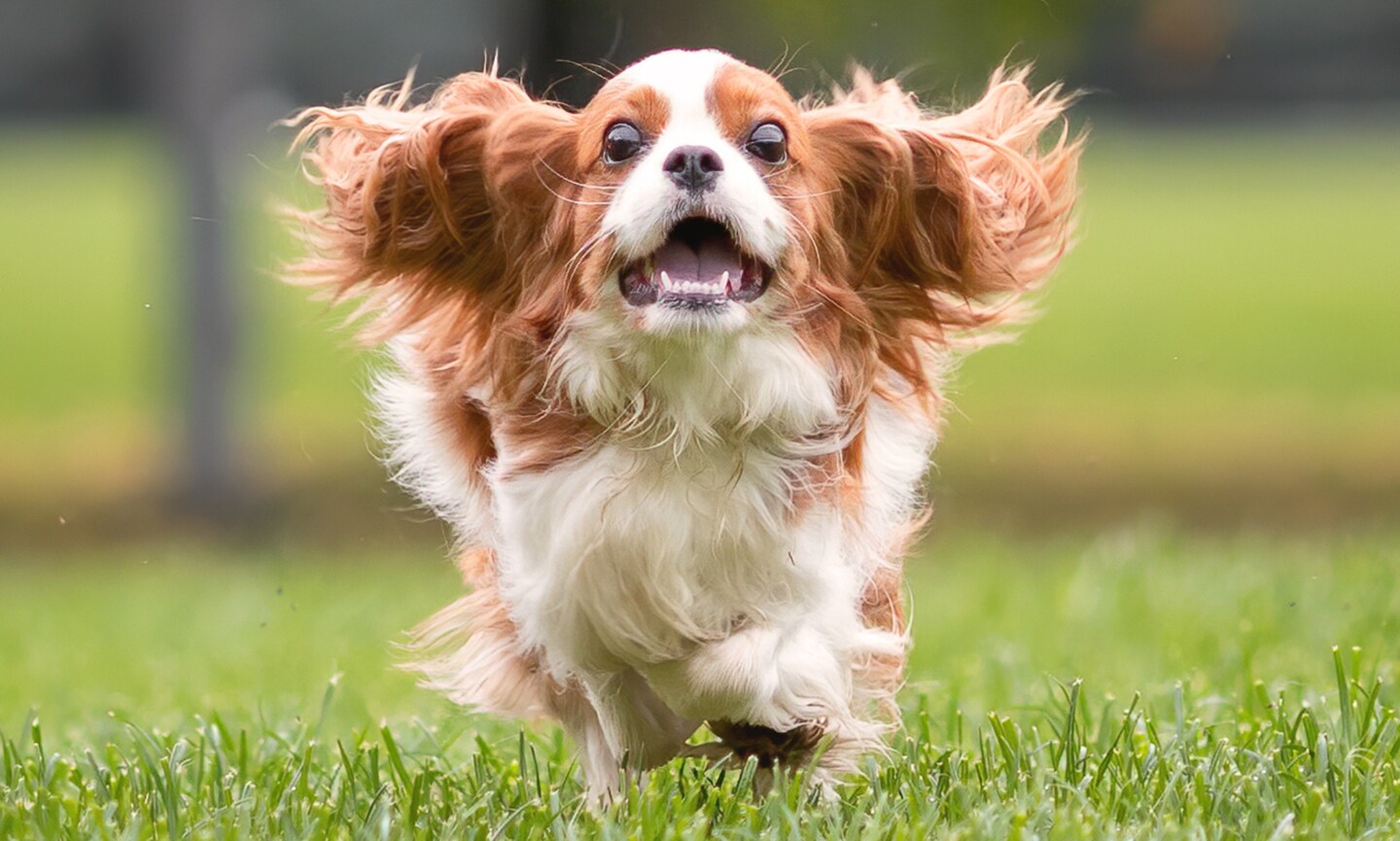
The Cavalier King Charles Spaniel is a small, gentle companion breed known for wanting nothing more than to sit close to you. Weighing 13 to 18 lbs, it’s easy to lift, carry, and manage even on weak days. It’s affectionate, calm, and rarely barks. This makes it ideal for anyone who wants quiet, constant company during treatment.
Their silky ears frame a soft, round face that always looks like it’s listening. Their coat feathers gently along the legs and chest, giving them a slightly regal look despite their small size.
Most people expect a lap dog to be needy. Here’s what surprised me: Cavaliers also make surprisingly good hospital therapy dogs, since AKC notes their sweet, gentle nature suits that work well.
“During chemo, I could barely walk to the mailbox some days. My Cavalier just curled up next to me on the couch for hours and never once seemed to mind.”
— Denise M., Cavalier owner for 5 years
- Very low exercise needs
- Loves to be held and carried
- Rarely aggressive or reactive
- Prone to heart issues later in life
- Needs weekly ear cleaning
- Can get separation anxiety alone
Best for: Immunocompromised patients · Apartment dwellers · Anyone who wants a lap companion
Golden Retriever — “The Steady Emotional Anchor”
| Weight | 55 to 75 lbs |
| Height | 21 to 24 inches |
| Lifespan | 10 to 12 years |
| Energy Level | Moderate to high |
| Grooming Need | 2 to 3x weekly brushing |
| Shedding | Heavy, seasonal |
The Golden Retriever is a medium-to-large breed famous for its patient, steady temperament and deep emotional sensitivity. Weighing 55 to 75 lbs, it needs daily walks but settles calmly indoors. Golden Retrievers are widely used as therapy and facility dogs. This makes them ideal for patients who still have some energy and want an emotionally in-tune companion.
Their thick golden coat and gentle brown eyes give off warmth before they even do anything. Up close, you’ll notice how closely they watch your face for cues.
You might be thinking a Golden is too much dog for someone in treatment. Here’s why that’s not always true: many owners scale exercise down during low-energy stretches, and Goldens adapt without complaint. Hospitals across the country, including centers noted by Memorial Sloan Kettering’s Caring Canines program, rely on breeds like this for exactly this kind of steady, gentle presence.
“My Golden somehow knew which days were chemo days. She’d skip her usual zoomies and just lie against my legs instead.”
— Mark T., Golden Retriever owner for 8 years
- Extremely people-focused temperament
- Rarely aggressive toward strangers
- Adapts well to lower activity days
- Heavy shedder twice a year
- Too large to carry if you fall
- Needs daily walks, not just naps
Best for: Patients with moderate energy · Families with children · Anyone wanting an emotionally attuned dog
Poodle — “The Hypoallergenic Genius”
| Weight | 4 to 70 lbs (by size) |
| Height | 10 to 24 inches |
| Lifespan | 12 to 15 years |
| Energy Level | Moderate |
| Grooming Need | Professional grooming monthly |
| Shedding | Minimal |
The Poodle is a low-shedding, highly intelligent breed that comes in Toy, Miniature, and Standard sizes. Its curly coat sheds very little, which matters if chemo has weakened your immune system. Poodles are calm, easy to train, and bond closely with one main person. This makes them ideal for immunocompromised patients who still want a smart, responsive companion.
Their tight curls come in solid colors from apricot to black, and many owners keep the coat clipped short for easy care. Underneath the fancy haircut is a genuinely athletic, capable dog.
You might be thinking Poodles are just show dogs. Here’s the surprise: Poodles are commonly trained as allergy-alert and medical-response dogs, showing real working intelligence behind the coat.
“My oncologist actually said the low-shedding coat was a plus for my low blood counts. My Mini Poodle learned my treatment schedule within a month.”
— Priya R., Miniature Poodle owner for 4 years
- Low shedding, good for weak immunity
- Learns routines and cues fast
- Comes in a size for any home
- Grooming costs add up monthly
- Can get bored without mental work
- Sensitive to being left alone too long
Best for: Immunocompromised patients · Allergy-prone households · Owners who enjoy training
Bichon Frise — “The Cotton Ball Cheerleader”
| Weight | 12 to 18 lbs |
| Height | 9 to 12 inches |
| Lifespan | 14 to 15 years |
| Energy Level | Moderate |
| Grooming Need | Brushing every 2 to 3 days |
| Shedding | Minimal |
The Bichon Frise is a small, cheerful breed with a soft, curly white coat that sheds very little. Weighing just 12 to 18 lbs, it’s light enough to lift onto a bed or couch on hard days. Bichons are playful without being demanding, and they thrive on closeness. This makes them ideal for patients who want gentle joy without high upkeep.
Their round, powder-puff faces are almost always tipped up toward you, watching for the next chance to cuddle. That plush white coat looks like it belongs on a stuffed animal.
You might expect a fluffy little dog to be yappy and high-strung. Here’s the wow: Bichons rank among the most even-tempered small breeds, rarely showing the nervous energy common in other toy dogs.
“After my mastectomy, I couldn’t lift much. My Bichon weighs less than my laptop bag and still made me laugh every single day.”
— Angela F., Bichon Frise owner for 3 years
- Very light and easy to carry
- Low shedding, gentle on allergies
- Cheerful without being overwhelming
- White coat shows dirt fast
- Prone to separation anxiety
- Needs frequent brushing to avoid mats
Best for: Post-surgery recovery · Small living spaces · Allergy-sensitive patients
French Bulldog — “The Low-Effort Best Friend”
| Weight | 16 to 28 lbs |
| Height | 11 to 13 inches |
| Lifespan | 10 to 14 years |
| Energy Level | Low |
| Grooming Need | Weekly wipe-down |
| Shedding | Low to moderate |
The French Bulldog is a small, low-energy breed content with short walks and long naps on the couch. Weighing 16 to 28 lbs, it doesn’t need much grooming or exercise. French Bulldogs bond tightly with their owner and rarely leave your side. This makes them ideal for patients recovering from surgery or dealing with fatigue.
Their bat-like ears and squished, wrinkled faces give them an expression that always looks a little worried and a little amused at once.
You might think a bulldog breed means constant health bills. Here’s the honest trade-off: while breathing issues are real for flat-faced breeds, their nearly zero exercise requirement makes them one of the easiest breeds to manage on your hardest days.
“He’s basically a 20-pound loaf of bread. Two short walks a day and he’s thrilled. Perfect for someone who’s exhausted by 2pm.”
— Tom H., French Bulldog owner for 6 years
- Needs almost no daily exercise
- Short coat, minimal grooming work
- Loves to just lie next to you
- Struggles in heat and humidity
- Can have breathing difficulties
- Higher vet costs over its lifetime
Best for: Post-surgery recovery · Apartment dwellers · Low-mobility patients
Basset Hound — “The Unhurried Couch Companion”
| Weight | 40 to 65 lbs |
| Height | 12 to 15 inches |
| Lifespan | 12 to 13 years |
| Energy Level | Low |
| Grooming Need | Weekly brushing |
| Shedding | Moderate |
The Basset Hound is a low-energy hound breed with a famously relaxed, easygoing nature. Despite its working-dog history, it’s content with short walks and long naps. Its droopy ears and soulful eyes hide a patient, unbothered temperament. This makes it ideal for patients who want company without the pressure of an active dog.
Their long ears drag gently along the floor as they walk, and their loose, wrinkled skin gives them a permanently laid-back look.
You might expect a hunting breed to be restless indoors. Here’s the surprise: Bassets are famous for choosing the couch over the yard almost every single time.
“My Basset’s idea of exercise is walking from the couch to the food bowl. On my worst treatment weeks, that matched my energy exactly.”
— Ruth L., Basset Hound owner for 7 years
- Content with very short walks
- Rarely aggressive or excitable
- Great for slow, quiet households
- Heavier body, harder to lift
- Prone to ear infections
- Can be stubborn during training
Best for: Low-mobility patients · Seniors · Quiet, slow-paced households
Shih Tzu — “The Portable Pillow Dog”
| Weight | 9 to 16 lbs |
| Height | 9 to 10.5 inches |
| Lifespan | 10 to 16 years |
| Energy Level | Low |
| Grooming Need | Daily brushing |
| Shedding | Minimal |
The Shih Tzu is a tiny, low-energy breed bred for centuries purely to be a companion. Weighing under 16 lbs, it’s easy to hold during a treatment session or a long hospital wait. Shih Tzus crave closeness over activity. This makes them ideal for patients who want a dog they can hold on their lap for hours.
Their long, flowing coat and pushed-in face give them a doll-like look, especially when the hair is tied up out of their eyes.
You might expect a bred-for-looks dog to be fragile or fussy. Here’s the wow: Shih Tzus were bred specifically as palace companions in ancient China, and that centuries-old job is still exactly what they do best today.
“She rode in my lap through every single infusion appointment. The nurses started calling her my co-pilot.”
— Carol S., Shih Tzu owner for 9 years
- Tiny enough to carry anywhere
- Bred purely for companionship
- Content with minimal exercise
- Flat face means heat sensitivity
- Coat mats without daily brushing
- Can be hard to house-train
Best for: Hospital visits · Seniors · Anyone who wants a dog they can carry
Greyhound — “The Surprising Couch Potato”
 Save
Save| Weight | 60 to 70 lbs |
| Height | 27 to 30 inches |
| Lifespan | 10 to 13 years |
| Energy Level | Low indoors |
| Grooming Need | Minimal, occasional wipe-down |
| Shedding | Low |
The Greyhound is a tall, lean breed known in racing circles for speed, but at home it’s famously calm. It sleeps up to 18 hours a day and needs only short daily walks. Its short coat sheds very little. This makes it ideal for a patient who wants a quiet, gentle giant rather than a small, fussy dog.
Their sleek, aerodynamic bodies and deep chests look built for the racetrack, yet most spend their days draped across the nearest soft surface.
You might expect a former racing dog to need constant exercise. Here’s the surprise: retired Greyhounds are so famously lazy indoors that many owners call them “45-mph couch potatoes.”
“People assume he needs constant running. In reality, he sleeps more than I do, and during radiation, that quiet company was everything.”
— James O., Greyhound owner for 4 years
- Sleeps most of the day quietly
- Short coat, easy upkeep
- Gentle, non-confrontational temperament
- Too large to carry if needed
- Thin coat feels cold easily
- Needs a soft bed for bony joints
Best for: Patients who live alone · Homes with space · Anyone wanting a calm, large dog
Labrador Retriever — “The Dependable Everyday Companion”
| Weight | 55 to 80 lbs |
| Height | 21.5 to 24.5 inches |
| Lifespan | 10 to 12 years |
| Energy Level | Moderate to high |
| Grooming Need | Weekly brushing |
| Shedding | Heavy, seasonal |
The Labrador Retriever is one of the most trusted family breeds, known for its steady, easygoing personality. It’s medium-to-large and needs regular walks, but it settles down quickly indoors. Labs are famous for their keen sense of smell, even in cancer-detection studies. This makes them ideal for patients with steady energy who want a loyal, active partner.
Their broad heads, otter-like tails, and short, dense coats give Labs a sturdy, approachable look that matches their friendly nature.
You might be thinking a Lab’s famous energy makes it a poor match for treatment fatigue. Here’s the surprise: in one detection study, a Lab identified cancer in samples correctly 98% of the time, showing a sense of smell that rivals medical tests. The same nose that powers that skill also makes them remarkably attuned to changes in your mood and scent day to day.
“He’d lean his whole body against me on rough nights, like he could tell exactly how bad the day had been.”
— Grace P., Labrador Retriever owner for 10 years
- Extremely steady, forgiving temperament
- Highly trainable for routines
- Adapts to lower-energy weeks
- Heavy shedder year-round
- Needs daily exercise to stay calm
- Too large to lift if injured
Best for: Patients with steady energy · Active households · Families with kids
Pug — “The Built-In Comedian”
 Save
Save| Weight | 14 to 18 lbs |
| Height | 10 to 13 inches |
| Lifespan | 13 to 15 years |
| Energy Level | Low |
| Grooming Need | Weekly wipe-down |
| Shedding | Moderate |
The Pug is a small, low-energy breed built entirely for companionship, with a comical, expressive face. Weighing 14 to 18 lbs, it’s easy to handle even on weak days. Pugs are commonly listed among calm therapy dog breeds. This makes them ideal for patients who want comic relief and closeness in equal measure.
Their deeply wrinkled faces and huge, round eyes make almost every expression look exaggerated, from confusion to pure joy.
You might think a small, silly-looking dog can’t offer real emotional support. Here’s the wow: Pugs are frequently used in therapy work specifically because their calm, undemanding nature reads as instantly soothing to people who are anxious or unwell.
“He snores louder than my oxygen machine, and honestly, the sound became strangely comforting during long nights.”
— Bill K., Pug owner for 5 years
- Very low exercise needs
- Small and easy to handle
- Playful, comic personality
- Breathing issues in heat
- Prone to weight gain fast
- Skin folds need regular cleaning
Best for: Post-surgery recovery · Apartment living · Anyone who wants comic relief
Comparison Table: All 10 Breeds Side by Side
This table lines up all 10 breeds by size, energy, shedding, and grooming so you can scan and compare in seconds. Lower shedding matters most if your immune system is weak. Lower energy matters most if fatigue is your biggest challenge right now.
| Breed | Size | Energy | Shedding |
|---|---|---|---|
| Cavalier King Charles Spaniel | Small | Low-moderate | Moderate |
| Golden Retriever | Large | Moderate-high | Heavy |
| Poodle | Any size | Moderate | Minimal |
| Bichon Frise | Small | Moderate | Minimal |
| French Bulldog | Small | Low | Low-moderate |
| Basset Hound | Medium | Low | Moderate |
| Shih Tzu | Small | Low | Minimal |
| Greyhound | Large | Low indoors | Low |
| Labrador Retriever | Large | Moderate-high | Heavy |
| Pug | Small | Low | Moderate |
Which Dog Breed Is Right for Your Situation?
The right breed depends on your energy level, immune health, and living space more than any general ranking. A patient in active chemo needs a different dog than one who’s years into remission. Match the breed to your life right now, not to your life before diagnosis or the life you hope to have after.
- If you’re newly diagnosed and still deciding whether to get a dog at all → talk to your oncology team first, then consider fostering before adopting.
- If you’re in active treatment with a weak immune system → choose a low-shedding breed like a Poodle, Bichon Frise, or Shih Tzu.
- If fatigue is your main struggle → choose a low-energy breed like a Basset Hound, French Bulldog, Pug, or Greyhound.
- If you have steady energy and want an active partner → a Golden Retriever or Labrador Retriever fits well.
So what does that mean in practice? Write down your current energy level, your immune status, and your living space before you start browsing shelters or breeders. That short list will narrow your options faster than any breed quiz.
Cancer Patient Dog Care Essentials: What You Need to Know
Caring for a dog during cancer treatment means adjusting routines, not giving up the dog. Talk to your oncologist about infection risks, since a weakened immune system changes how you handle bathroom cleanup and grooming. Line up backup dog walkers for hard days. Keep vaccines and flea prevention current, since a sick dog adds stress you don’t need.
Ask a friend or family member to be your “dog backup” for walks and vet runs during rough treatment weeks.
You might be thinking you have to handle every task yourself to be a good owner. Here’s why that’s not true: accepting help with dog care doesn’t make you a lesser owner, it makes your dog’s life more stable while you heal.
Common Mistakes New Owners Make During Cancer Treatment
Never adopt a puppy during active treatment. Puppies need constant training and supervision you likely can’t give right now.
The most common mistake is picking a dog based on looks instead of temperament and energy match. New owners also skip checking with their care team before bringing a pet home, which can miss real infection risks. Others adopt a puppy, not realizing how much energy training takes. An adult, already-trained dog almost always fits a treatment schedule better than a puppy.
Another mistake: waiting too long to ask for help with dog care. So what does that mean for you? If you’re hesitant to ask a neighbor to walk your dog once a week, reframe it as protecting your dog’s routine, not asking for a favor.
What Most People Get Wrong About Pets During Cancer Treatment
Many people assume pets are automatically off-limits during chemo. That’s not the full picture. The American Cancer Society notes support animals can bring real comfort during treatment, as long as you check with your care team about your specific immune risks first.
This article covers breed selection and daily care for a personal companion dog during cancer treatment. If your situation involves needing a trained medical alert or mobility service dog, you’ll need a different path — working with a certified service dog organization rather than choosing a breed on your own.
Conclusion: One Thing to Do Right Now
The right dog for you during cancer treatment is calm, easy to manage, and matched to your energy today. Small, low-shedding breeds like the Bichon Frise or Poodle suit weak immune systems, while low-energy breeds like the Basset Hound or French Bulldog suit low-mobility days. Whatever you choose, let your care team weigh in first.
One thing to do right now: call your oncology team this week and ask directly whether a dog is safe for your specific treatment plan. I’m Claire Bennett, and that one phone call is the fastest way to move from wondering to actually welcoming a companion home.
Frequently Asked Questions
Is it safe for a cancer patient to own a dog during chemo?
Yes, for most patients, with a doctor’s guidance. The American Cancer Society notes pets can offer real comfort during treatment. Always confirm with your care team, since immune status changes the risk level.
What is the calmest dog breed for someone with low energy?
The Basset Hound and Greyhound are among the calmest, low-energy breeds. Both are content with short walks and long naps, making them a good match for fatigue during treatment.
Which dog breeds shed the least for immunocompromised patients?
Poodles, Bichon Frises, and Shih Tzus shed very little. Lower shedding can mean less airborne dander, which may matter if your immune system is weakened by treatment.
Should I adopt a puppy or an adult dog during cancer treatment?
Choose an adult dog whenever possible. Puppies need constant training, supervision, and exercise that’s hard to give during active treatment. An adult dog offers companionship without that extra workload.
Can therapy dogs visit me during hospital treatment?
Many hospitals offer this. Programs at cancer centers, including Memorial Sloan Kettering’s Caring Canines, bring trained therapy dogs to patients. Ask your care team if your facility offers a similar program.

Thomas Cutter is a lifelong dog owner and the founder of FindOutAboutDogs.com. With over 10 years of hands-on experience owning multiple breeds, Thomas created this site to provide honest, research-based dog advice that real owners can actually trust.
