Best 10 Dog Breeds for Seniors Over 65 — Picked for Real Retirement Life
Quick Answer
The best dog breeds for seniors over 65 depend on your energy level and living space, but the Cavalier King Charles Spaniel, Bichon Frise, and Shih Tzu top most vets’ lists for their gentle nature and low exercise needs. Active retirees often do better with a Miniature Poodle or Pembroke Welsh Corgi. Your final choice should match your walking ability, grooming budget, and home size — not just a breed’s reputation.
Quick pick by lifestyle:
- Calm apartment life: Cavalier King Charles Spaniel or Shih Tzu
- Allergy-friendly homes: Bichon Frise or Miniature Poodle
- Active mornings and long walks: Pembroke Welsh Corgi or Havanese
- Lowest grooming upkeep: French Bulldog or Pug
Choose this way:
- If your joints make long walks hard → pick a low-energy lap breed
- If you have allergies → pick a low-shed, curly-coated breed
- If you still walk daily and want a partner → pick a medium-energy breed
Your knees ache a little more some mornings. Your schedule is finally your own. And the house feels quieter than it used to. That’s usually the exact moment a dog starts to feel like the right idea — but the wrong breed can turn retirement into extra work instead of extra joy.
I’m a longtime dog breed researcher who has spent years talking to senior owners, breeders, and veterinarians about what actually works after 65. This guide covers the breeds that keep showing up again and again as genuine fits — not just cute photos.
You’ll get real size and lifespan numbers, honest pros and cons, and a decision guide built for your actual daily life. Let’s find the dog that fits you, not the other way around.
- Small, calm breeds like the Cavalier King Charles Spaniel are consistently rated best for seniors by the AKC and vet groups.
- Grooming needs matter as much as size — a low-shed coat can mean higher monthly vet or groomer bills.
- Active seniors who still walk daily often do better with a slightly higher-energy breed like a Corgi.
- Adopting an adult or senior rescue dog skips the hardest puppy years and often suits older owners better.
- Always check pet policies before you choose — many senior communities cap weight at 25 to 35 pounds.


What Makes a Dog Breed Right for a Senior Over 65?
The right breed for a senior over 65 is small to medium, low to moderate in energy, and easy to groom on a set schedule. It should also have a calm temperament that won’t pull hard on a leash or startle easily around grandchildren or medical equipment.
Size matters more than most first-time owners expect. A dog under 20 pounds is easy to lift into a car, carry up stairs, and manage on a leash without a fall risk. But here’s the thing — size alone doesn’t guarantee a good match. Some small breeds, like terriers, are wound tight with energy that wears out even young owners.
Temperament is the second filter. You want a dog that’s happy on your calm days and your tired days, not one that needs constant training and structure to stay settled. Most experts agree that breeds bred purely as companions — like the Cavalier, Bichon, and Shih Tzu — handle a slower daily rhythm better than working or herding breeds.
Grooming is the piece people underestimate most. A low-shedding coat sounds like a win, but it usually means professional grooming every four to six weeks. A short, low-maintenance coat like a Pug’s needs almost no grooming, but the trade-off is heavier shedding on your furniture. Hypoallergenic dog breeds for apartments are worth a look if allergies are part of your decision.
Ask yourself what a “bad day” looks like — sore joints, low energy, a doctor’s appointment. Pick a breed that’s still manageable on that day, not just your best one.
What Most People Get Wrong About Choosing a Dog for Seniors
Many people assume the smallest dog is always the easiest dog. That’s not quite right. Toy breeds like Chihuahuas and Yorkies can be more fragile, more anxious, and more prone to snapping at sudden movement than a slightly larger, steadier breed like a Cavalier.
Another common mistake is picking a puppy out of habit. You might be thinking, “A puppy will keep me active.” Here’s why that’s often the harder choice: puppies need months of house-training, sharp teeth control, and constant supervision — physically demanding work at any age.
A well-matched adult or senior rescue dog is usually calmer, already trained, and just as loving. The AKC and ASPCA both actively encourage retirees to consider adult adoption for exactly this reason.
The 10 Best Dog Breeds for Seniors Over 65 — Ranked and Reviewed
This list ranks the ten breeds that consistently earn top marks from veterinarians, breed clubs, and senior owners themselves. Each entry includes real stats, honest pros and cons, and who the breed fits best.
Cavalier King Charles Spaniel — “The Devoted Lap Companion”
 Save
Save| Weight | 13 to 18 lbs |
| Height | 12 to 13 in |
| Lifespan | 12 to 15 years |
| Energy Level | Low to moderate |
| Grooming Need | Brush 3x weekly |
| Shedding | Moderate |
The Cavalier King Charles Spaniel is a small companion breed known for its calm, affectionate nature. Weighing 13 to 18 lbs, it’s light enough to lift onto a couch or into a car. Cavaliers bond deeply with one person and are just as happy on the sofa as on a short walk — making them ideal for seniors who want steady, undemanding companionship.
Their silky, medium-length coat frames a sweet, wide-eyed face that seems built to melt hearts. One surprising detail — Cavaliers were literally bred for centuries to be royal lap dogs, and that history shows in how naturally they curl up and stay put.
Cavaliers greet strangers warmly instead of barking, which shocks new owners expecting typical small-dog reactivity. They will, however, follow you from room to room all day long. That devotion is sweet, but it also means they don’t do well left alone for long stretches.
“She waits by the door every afternoon when she hears my mail carrier’s truck two houses down. I’ve never had a dog that listens that closely to my routine.”
— Margaret H., Cavalier owner for 9 years
- Gentle with grandchildren and other pets
- Content with a 20-minute daily walk
- Easy to lift and carry when needed
- Prone to heart disease — annual vet checks needed
- Struggles with being left alone often
- Vet bills often run above breed average
Best for: Apartment dwellers · First-time senior owners · Seniors who want a quiet lap companion
See more low-key dog breeds built for retirees
Bichon Frise — “The Cotton Ball With a Smile”
| Weight | 12 to 18 lbs |
| Height | 9.5 to 11.5 in |
| Lifespan | 14 to 15 years |
| Energy Level | Moderate |
| Grooming Need | Professional every 4-6 weeks |
| Shedding | Minimal — low dander |
The Bichon Frise is a small, low-shedding companion dog known for its cheerful, playful personality. Weighing 12 to 18 lbs, it fits easily into apartment life. The Bichon rarely sheds, making it a strong pick for allergy-prone seniors, and its upbeat nature keeps daily routines feeling light rather than demanding.
Their curly white coat looks like a cloud that learned to walk. Underneath it, though, is a sturdy, muscular little body built for years of play.
Bichons approach nearly everyone — human or dog — with the same friendly enthusiasm. What surprises new owners is how vocal they can get when excited, letting out a happy “talk-back” bark that sounds almost like a question.
“My allergist actually approved this breed for me. Six years later, I still haven’t had a single reaction — and she makes me laugh every single day.”
— Frank D., Bichon owner for 6 years
- Very low shedding for allergy sufferers
- Long lifespan of up to 15 years
- Playful without being physically demanding
- Grooming costs add up monthly
- Coat mats quickly if brushing is skipped
- Dislikes being left alone for long hours
Best for: Allergy-prone seniors · Apartment living · Owners who want a playful, social dog
Browse more hypoallergenic dog breeds for apartments
Shih Tzu — “The Palace Dog Built to Cuddle”
| Weight | 9 to 16 lbs |
| Height | 9 to 10.5 in |
| Lifespan | 10 to 16 years |
| Energy Level | Low |
| Grooming Need | Daily brushing or short trim |
| Shedding | Low |
The Shih Tzu is a small companion breed bred for centuries to live at the emperor’s side, not to work or herd. Weighing 9 to 16 lbs, it’s light enough for most seniors to carry with ease. Shih Tzus love slow, sniffy walks and long lap sessions, making them one of the calmest breeds on this list.
Their flowing double coat and round, dark eyes give them an almost doll-like look. Many owners keep the coat trimmed short in a “puppy cut” to cut grooming time way down.
Shih Tzus would rather stop and sniff a bush for five minutes than power-walk around the block. That slow pace, it turns out, matches most retirees’ walking speed better than almost any other breed on this list.
“He’s basically retired too. Our morning walk is really just him smelling every mailbox on the street while I sip my coffee.”
— Carol P., Shih Tzu owner for 11 years
- Extremely content in apartments
- Gentle, even temperament with visitors
- Light enough to carry comfortably
- Flat face makes heat tolerance low
- Long coat mats without daily care
- Breathing issues possible in some lines
Best for: Seniors with limited mobility · Hot-climate indoor living · Slow, relaxed walkers
Explore more calm dog breeds for apartment living
Pug — “The Comedian in a Small Package”
| Weight | 14 to 18 lbs |
| Height | 10 to 13 in |
| Lifespan | 13 to 15 years |
| Energy Level | Low to moderate |
| Grooming Need | Weekly brushing, wrinkle wipes |
| Shedding | High |
The Pug is a small, muscular companion breed known for its wrinkled face and even temperament. Weighing 14 to 18 lbs, it needs almost no grooming skill — just a weekly brush and wrinkle cleaning. Pugs are playful, easygoing, and famously food-motivated, which makes basic training simple even for a first-time senior owner.
Their round eyes and expressive, wrinkled brow give them an almost human range of facial expression. It’s hard to walk past a Pug without getting a reaction back.
Pugs are natural clowns who will flop onto their backs for attention mid-walk. What most people don’t expect is how loudly they snore — often louder than the humans in the house.
“He snores louder than my late husband ever did, and somehow that’s become my favorite sound in the house.”
— Dorothy R., Pug owner for 5 years
- Minimal grooming skill required
- Loves strangers and grandchildren alike
- Rarely barks excessively
- Struggles badly in heat and humidity
- Sheds heavily year-round
- Prone to weight gain if overfed
Best for: First-time owners · Seniors who want low grooming skill · Cool-climate homes
See more easy-going dog breeds for a relaxed home
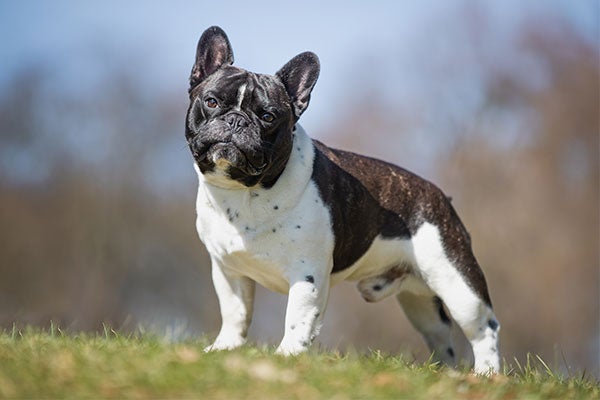
French Bulldog — “The Quiet Roommate”
 Save
Save| Weight | Up to 28 lbs |
| Height | 11 to 13 in |
| Lifespan | 10 to 14 years |
| Energy Level | Low |
| Grooming Need | Weekly brush, wrinkle care |
| Shedding | Moderate |
The French Bulldog is a small, muscular companion breed known for its calm, even disposition. Weighing up to 28 lbs, it’s sturdy but still manageable for most seniors. French Bulldogs rarely bark and adapt well to apartment life, which is why the AKC ranks them among the quietest small breeds for close-quarters living.
Their bat-like ears and short, smooth coat give them a distinct, unmistakable look. That short coat also means almost no tangles or mats to manage.
French Bulldogs are famously low-key indoors, content to nap for hours by your feet. Even though they look tough, they can’t swim and shouldn’t ever be left near a pool unsupervised.
“My neighbors didn’t even know I had a dog for the first two weeks. She’s the quietest roommate I’ve ever had.”
— Robert T., French Bulldog owner for 4 years
- Almost never barks unnecessarily
- Short coat needs little upkeep
- Sturdy build handles gentle handling well
- Poor heat tolerance, needs AC access
- Common vet costs run high
- Cannot swim — drowning risk near water
Best for: Apartment or condo living · Seniors who want a quiet dog · Cool or climate-controlled homes
Read our top calm dog breeds for apartments
Maltese — “The Silky White Shadow”
| Weight | Under 7 lbs |
| Height | 7 to 9 in |
| Lifespan | 12 to 15 years |
| Energy Level | Moderate |
| Grooming Need | Daily brushing |
| Shedding | Low |
The Maltese is a tiny toy breed known for its long, silky white coat and devoted personality. Weighing under 7 lbs, it’s one of the lightest breeds on this list and easy to carry anywhere. Maltese dogs are gentle, alert, and low-shedding, making them a strong fit for seniors in smaller apartments.
Their flowing white coat can reach the floor if left untrimmed, giving them an elegant, almost regal appearance. Most owners keep it in a short “puppy cut” for daily ease.
Maltese dogs act like tiny watchdogs, alerting you to every doorbell and delivery truck. What surprises people is how confident they are despite their size — they’ll stand their ground with dogs five times their weight.
“She’s four pounds of pure confidence. She barked off a raccoon on my porch last spring like she weighed forty.”
— Helen S., Maltese owner for 8 years
- Extremely light and easy to carry
- Alert watchdog instincts in a tiny frame
- Low shedding, allergy-friendly coat
- Fragile — not ideal around toddlers
- Long coat needs daily brushing
- Can be difficult to fully housetrain
Best for: Small apartments · Seniors who want a watchdog · Owners needing an easy-carry dog
Compare more small dog breeds made for retirees
Miniature Poodle — “The Sharp-Minded Charmer”
| Weight | 10 to 15 lbs |
| Height | 10 to 15 in |
| Lifespan | 12 to 15 years |
| Energy Level | Moderate |
| Grooming Need | Professional every 4-6 weeks |
| Shedding | Minimal — low dander |
The Miniature Poodle is a small, curly-coated breed known for sharp intelligence and a low-shed coat. Weighing 10 to 15 lbs, it’s a favorite for seniors with allergies or breathing sensitivities. Poodles are fast learners, easy to train, and enjoy a healthy mix of playtime and quiet lap time.
Their dense, curly coat can be clipped into dozens of styles, from a simple puppy trim to a show-ready cut. Underneath the fluff is an athletic, well-proportioned body.
Poodles are often ranked among the smartest breeds in the world, which means they pick up new commands in just a few tries. That same intelligence means they get bored fast without some daily mental stimulation, like a puzzle toy.
“I taught him to bring me my reading glasses. Took less than a week. I’ve never owned a smarter dog.”
— Walter M., Miniature Poodle owner for 7 years
- Best-in-class for allergy sufferers
- Learns commands quickly and reliably
- Longer lifespan than many small breeds
- Needs mental stimulation daily
- Grooming costs are ongoing
- Can bark if bored or under-exercised
Best for: Allergy sufferers · Seniors who enjoy training games · Owners who want a trainable companion
Find more hypoallergenic apartment-friendly breeds
Havanese — “Cuba’s Cheerful Export”
| Weight | 7 to 13 lbs |
| Height | 8.5 to 11.5 in |
| Lifespan | 14 to 16 years |
| Energy Level | Moderate |
| Grooming Need | Brush 3-4x weekly |
| Shedding | Low |
The Havanese is a small, silky-coated breed from Cuba known for its cheerful, social personality. Weighing 7 to 13 lbs, it’s light and easy to manage for most seniors. Havanese dogs love short walks and long cuddle sessions, and their long lifespan of up to 16 years means many extra years of companionship.
Their soft, wavy coat comes in nearly every color combination, from pure white to deep chocolate. Many owners keep it clipped short for easier upkeep.
Havanese dogs are natural clowns who love to “show off” tricks for attention. What owners often don’t expect is how well this breed handles apartment noise — elevators and hallway chatter rarely faze them.
“He does a little spin every time someone claps for him. My grandkids request the trick every single visit.”
— Linda G., Havanese owner for 10 years
- One of the longest lifespans on this list
- Calm around apartment noise and crowds
- Playful without being physically taxing
- Coat needs frequent brushing
- Prone to separation anxiety if alone often
- Less well known — fewer local breeders
Best for: Seniors wanting a long-lived companion · Apartment or condo life · Owners who enjoy tricks and play
See our picks for the best dog breeds for couples
Miniature Schnauzer — “The Alert Little Guardian”
| Weight | 11 to 20 lbs |
| Height | 12 to 14 in |
| Lifespan | 12 to 15 years |
| Energy Level | Moderate |
| Grooming Need | Professional every 6 weeks |
| Shedding | Minimal |
The Miniature Schnauzer is a sturdy, wire-coated breed known for its alertness and loyalty. Weighing 11 to 20 lbs, it’s solid enough to feel like a real dog but still easy to manage. Schnauzers make excellent watchdogs and combine terrier confidence with a genuinely trainable, food-motivated personality.
Their bushy eyebrows and beard give them a wise, almost professorial look. That wiry double coat also sheds far less than most breeds of similar size.
Schnauzers bark to alert you, not to complain, which many seniors find reassuring rather than annoying. What surprises new owners is how much personality lives in that stocky little frame — they’ll happily “supervise” every task around the house.
“He barks exactly twice at the doorbell, then goes quiet and waits by my chair. I trust his judgment more than my own hearing now.”
— Gerald N., Miniature Schnauzer owner for 12 years
- Naturally alert without being anxious
- Sturdy build handles daily handling well
- Fewer breed-specific health issues overall
- Terrier stubbornness needs consistent training
- Barks at doorbells and passersby
- Coat needs professional clipping regularly
Best for: Seniors who live alone · Owners who want an alert companion · Allergy-conscious households
Check our full list of the best dog breeds for retirees
Pembroke Welsh Corgi — “The Active Senior’s Best Friend”
 Save
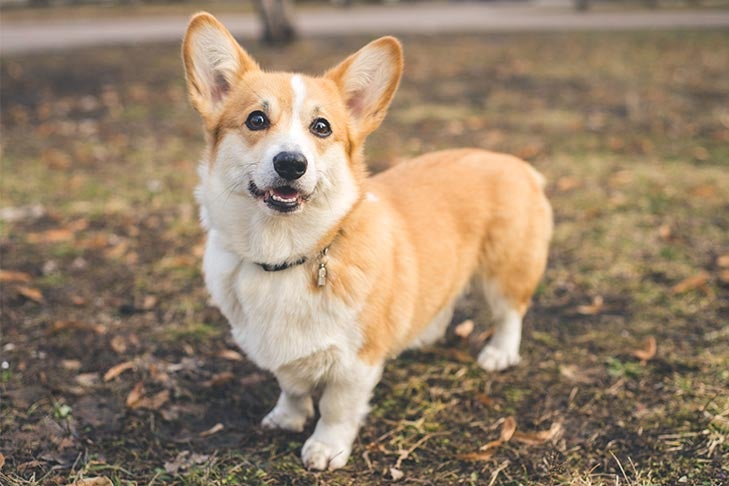
Save| Weight | 22 to 30 lbs |
| Height | 10 to 12 in |
| Lifespan | 12 to 13 years |
| Energy Level | Moderate to high |
| Grooming Need | Brush 2-3x weekly |
| Shedding | High |
The Pembroke Welsh Corgi is a short-legged herding breed known for its sharp mind and big personality. Weighing 22 to 30 lbs, it’s sturdier and more athletic than most breeds on this list. Corgis suit active retirees who still walk daily and want a dog that can keep pace on longer outings.
Their fox-like face and stubby, upright ears give them one of the most recognizable silhouettes in the dog world. Despite the short legs, they move with real speed and purpose.
Corgis were bred to herd cattle by nipping at heels, and that instinct can show up as gentle nipping at ankles during play. That same working drive means they thrive on routine — a set daily walk time keeps them settled and calm.
“Since I retired, our 6 a.m. walk is the only reason I get up on time. She’s more consistent than my old alarm clock.”
— James O., Corgi owner for 6 years
- Great motivation for daily walks
- Highly trainable and eager to please
- Sturdy build tolerates active play
- Sheds heavily twice a year
- Needs daily exercise, not optional
- Prone to back problems if overweight
Best for: Active seniors who still walk daily · Owners with a yard · Retirees wanting a routine
See how the Corgi ranks among the best breeds for retirees
Comparison Table: All 10 Senior-Friendly Dog Breeds Side by Side
Scanning for the fastest comparison? This table lines up every breed from this guide by weight, energy, grooming, and lifespan so you can compare at a glance.
| Breed | Weight | Energy | Grooming | Lifespan |
|---|---|---|---|---|
| Cavalier King Charles Spaniel | 13-18 lbs | Low-moderate | Moderate | 12-15 yrs |
| Bichon Frise | 12-18 lbs | Moderate | High | 14-15 yrs |
| Shih Tzu | 9-16 lbs | Low | High | 10-16 yrs |
| Pug | 14-18 lbs | Low-moderate | Low | 13-15 yrs |
| French Bulldog | Up to 28 lbs | Low | Low | 10-14 yrs |
| Maltese | Under 7 lbs | Moderate | High | 12-15 yrs |
| Miniature Poodle | 10-15 lbs | Moderate | High | 12-15 yrs |
| Havanese | 7-13 lbs | Moderate | Moderate-high | 14-16 yrs |
| Miniature Schnauzer | 11-20 lbs | Moderate | High | 12-15 yrs |
| Pembroke Welsh Corgi | 22-30 lbs | Moderate-high | Moderate | 12-13 yrs |
Which Dog Breed Is Right for You?
The right breed depends on your energy, your living space, and how much grooming time you actually want to spend. Here’s a quick decision guide based on real senior lifestyles, not idealized ones.
- If you have limited mobility and want a true lap companion → the Cavalier King Charles Spaniel or Shih Tzu will serve you best.
- If you or a visiting grandchild has allergies → the Bichon Frise or Miniature Poodle is your safest bet.
- If you still walk daily and want a partner who keeps pace → consider the Pembroke Welsh Corgi first.
- If you want the lowest possible grooming effort → the Pug or French Bulldog needs the least skill and time.
- If you live alone and want a dog that alerts you to visitors → the Miniature Schnauzer or Maltese fits that role well.
You might be thinking a bigger dog would feel more secure at night. Here’s why that’s not always true: a smaller, alert breed like the Schnauzer often barks just as effectively as a large dog, without the physical demands of managing 60-plus pounds on a leash.
Care Essentials for Senior Dog Owners
Every breed on this list needs the same three basics done consistently: a set feeding schedule, regular vet visits, and grooming that matches its coat type. Skipping any one of these causes most of the health problems seniors run into.
Set a grooming budget before you bring the dog home. Breeds like the Bichon, Poodle, and Havanese need professional grooming every four to six weeks, which usually runs $50 to $90 per visit. Low-maintenance breeds like the Pug and French Bulldog skip that cost almost entirely.
Build a backup care plan early. Ask a family member, neighbor, or local pet sitter who can step in if you’re hospitalized or temporarily unable to walk the dog. Most experts agree this single step protects both you and your dog more than any other planning decision.
Brachycephalic breeds like the Pug, Shih Tzu, and French Bulldog can overheat fast. Keep walks short and avoid midday heat, even on mild days.
Mistakes New Senior Dog Owners Make
The most common mistake is choosing a puppy over an adult dog out of habit. Puppies need months of intensive training, and that workload catches many new owners off guard. When seniors adopt an already-trained adult or senior rescue dog instead, that taught many owners the transition is far smoother than they expected.
The second mistake is skipping the pet policy check at senior communities or apartments. Many buildings cap weight at 25 to 35 pounds and restrict certain breeds entirely — always confirm this before you commit to a specific dog.
The third mistake is underestimating grooming costs over a 12 to 15 year lifespan. A low-shed breed can cost over $800 a year in grooming alone, so factor that into your monthly budget from day one.
This guide covers breed selection, care basics, and lifestyle matching for seniors over 65. If your situation involves specific mobility limitations, service dog training, or a medical condition that affects pet care, talk to your doctor and a certified trainer before choosing a breed.
Frequently Asked Questions
What is the easiest dog breed for a senior citizen to take care of?
The Cavalier King Charles Spaniel is widely considered the easiest overall, thanks to its calm temperament, low exercise needs, and manageable size. The Pug and French Bulldog are close runners-up if you want even less grooming effort.
What size dog is best for someone over 65?
Most experts recommend dogs under 20 pounds for seniors with mobility concerns, since they’re easier to lift, carry, and control on a leash. Active seniors without mobility limits can comfortably manage a 25 to 30 pound breed like a Corgi.
Should a senior adopt a puppy or an adult dog?
An adult or senior rescue dog is usually the better choice. They’re typically already house-trained, calmer, and skip the physically demanding puppy training stage that can overwhelm a new owner.
Are hypoallergenic dog breeds better for seniors with allergies?
Yes, low-shedding breeds like the Bichon Frise, Miniature Poodle, and Havanese produce less dander and are widely recommended for allergy-prone seniors. No breed is 100% allergen-free, so a supervised visit before adoption is still wise.
How much exercise does a senior-friendly dog actually need?
Most calm companion breeds need just 20 to 30 minutes of walking per day, split into two shorter sessions. More active breeds like the Corgi benefit from 45 to 60 minutes to stay balanced and calm indoors.
Conclusion
The right dog for you over 65 isn’t the trendiest breed — it’s the one that fits your energy, your space, and your daily routine. A calm Cavalier or Shih Tzu suits a quiet lap-dog lifestyle, while a Corgi rewards seniors who still love a brisk morning walk.
One thing to do right now: pick your top two breeds from this list and search for a reputable breeder or rescue near you today. I’m here if you want help narrowing it down further — you’ve got this.
Sources consulted: American Kennel Club — Dog Breeds for Seniors and AKC Facts and Stats: Seniors.

Thomas Cutter is a lifelong dog owner and the founder of FindOutAboutDogs.com. With over 10 years of hands-on experience owning multiple breeds, Thomas created this site to provide honest, research-based dog advice that real owners can actually trust.
