Best 10 Dog Breeds for Families With Allergies
Quick Answer
The best dog breeds for families with allergies are low-shedding, people-focused breeds. Good choices include Poodle, Bichon Frise, Portuguese Water Dog, Miniature Schnauzer, Coton de Tulear, Havanese, Wheaten Terrier, Lagotto Romagnolo, Spanish Water Dog, and Irish Water Spaniel.
| Best Choice | Best For |
|---|---|
| Poodle | Most families |
| Bichon Frise | Small homes |
| Portuguese Water Dog | Active kids |
Choose the right allergy-friendly family dog if:
- You want less loose hair around the home.
- You can groom the coat often.
- Your kids can respect dog space.
- You can test allergy response first.
Your child wants a dog badly.
But one sneeze, one itchy eye, or one tight chest can change the whole plan.
I’m Thomas Cutter, a lifelong dog owner and founder of FindOutAboutDogs.com. I’ve lived with many breeds and seen how coat care changes home life.
The short answer is simple. Pick a low-shedding breed, then test your real allergy response.
- No dog breed is fully allergy-proof.
- Dander, saliva, and urine proteins trigger most reactions.
- Low-shedding coats may spread fewer allergens.
- Grooming matters as much as breed choice.
- Meet the dog before you bring one home.


What Makes a Dog Breed Better for Families With Allergies?
A breed is better for allergy-sensitive families when it sheds less, bonds well with children, and accepts steady grooming. Allergy risk does not come from fur alone. It comes from proteins in dander, saliva, and urine. Fur can carry those proteins around your home. So a coat that sheds less may help reduce spread. Most experts agree that no breed is fully hypoallergenic. Still, many families do better with low-shedding breeds. The best choice also depends on your child’s age, your home size, and your grooming budget. A calm, well-trained dog often causes fewer daily issues than a cute dog with the wrong needs.
Here’s why that matters. You are not just picking a coat type.
You are picking a daily routine. The right routine keeps both kids and dogs safe.
The Asthma and Allergy Foundation of America explains that pet allergens can come from dander, saliva, and urine.
The American Kennel Club hypoallergenic dog guide also notes that no dog is 100% hypoallergenic.
Spend one hour with the breed before you commit.
When families skip that test, reactions can appear after the dog comes home. That taught me one clear rule.
Breed lists help you start. Real contact helps you decide.
The 10 Best Dog Breeds for Families With Allergies
The best dog breeds for families with allergies are breeds with low-shedding coats and family-friendly habits. The top choices are Poodle, Bichon Frise, Portuguese Water Dog, Miniature Schnauzer, Coton de Tulear, Havanese, Soft Coated Wheaten Terrier, Lagotto Romagnolo, Spanish Water Dog, and Irish Water Spaniel. Each breed has a different fit. Some suit small homes. Some need active families. Some need daily brushing. Others need skilled coat care. The key is not finding a magic allergy-free dog. The key is finding a dog whose coat, size, energy, and care needs match your real home.
Now let’s look at each breed clearly.
Each entry covers size, grooming, shedding, pros, cons, and best fit.
Poodle — Allergy-Friendly Family Dog With Brainpower
 Save
Save| Weight | 40-70 pounds standard |
| Height | Over 15 inches standard |
| Lifespan | 10-18 years |
| Energy Level | Medium to high |
| Grooming Need | High |
| Shedding | Low |
The Poodle is a smart low-shedding dog breed known for its curly coat. Standard Poodles offer the best size for many families with kids. They are bright, playful, and quick to learn house rules. They suit homes that can afford steady grooming.
The Poodle coat forms tight curls that catch loose hair. The coat can look fancy, but it can also stay short.
Poodles learn fast and notice family moods. Even better, many enjoy games that tire the brain.
“Our Standard Poodle learned our kids’ bedtime routine in one week. He waits outside each room like staff.”
— Megan R., Poodle owner for 6 years
- Very smart and easy to train
- Low-shedding curly coat
- Good size range
- Needs paid grooming often
- Can get bored fast
- Needs daily mental work
Best for: Active families · First-time owners · Homes with older kids
Bichon Frise — Small Allergy-Friendly Dog With Big Cheer
| Weight | 12-18 pounds |
| Height | 9.5-11.5 inches |
| Lifespan | 14-15 years |
| Energy Level | Medium |
| Grooming Need | High |
| Shedding | Low |
The Bichon Frise is a cheerful low-shedding dog breed with a soft white coat. It is small but sturdy enough for gentle family life. Bichons enjoy people, play, and close contact. They fit homes that want a small dog with a bright mood.
The Bichon looks like a round powder puff. Its dark eyes make the white coat pop.
Most Bichons love being part of the room. But here’s the thing. They can hate long hours alone.
“Our Bichon greets each school bag first. Then he checks every lunch box.”
— Dana L., Bichon owner for 4 years
- Small but sturdy build
- Usually playful with kids
- Low loose-hair spread
- Coat mats without brushing
- Can bark when lonely
- House training takes patience
Best for: Apartment families · Gentle kids · Small-dog lovers
Portuguese Water Dog — Allergy-Friendly Dog for Active Families
| Weight | 35-60 pounds |
| Height | 17-23 inches |
| Lifespan | 11-13 years |
| Energy Level | High |
| Grooming Need | High |
| Shedding | Low |
The Portuguese Water Dog is a strong low-shedding breed known for water work. It has a curly or wavy coat and a bold family nature. This dog needs exercise, training, and jobs. It suits active families who want a fun outdoor partner.
The coat can look curly or wavy. The body feels strong, square, and ready.
Portuguese Water Dogs often follow family action closely. So if your kids move, this dog moves too.
“Our Portie treats the sprinkler like a full-time job. The kids adore it.”
— Victor M., Portuguese Water Dog owner for 5 years
- Great for active homes
- Low-shedding water coat
- Loves games and training
- Needs lots of exercise
- Can jump on kids
- Grooming costs add up
Best for: Active kids · Yard homes · Outdoor families
Miniature Schnauzer — Allergy-Friendly Dog With Watchdog Spirit
| Weight | 11-20 pounds |
| Height | 12-14 inches |
| Lifespan | 12-15 years |
| Energy Level | Medium |
| Grooming Need | Medium to high |
| Shedding | Low |
The Miniature Schnauzer is a small low-shedding dog breed with a wiry coat. It is sturdy, alert, and often good with family life. This breed has a bold voice and sharp mind. It suits families that like training and clear rules.
The beard and brows give this breed a wise look. The compact body feels solid for its size.
Mini Schnauzers often patrol the window. But with training, that alertness can become useful.
“He tells us when the mail comes. Then he proudly walks back to his bed.”
— Carla J., Miniature Schnauzer owner for 7 years
- Sturdy small-dog body
- Low shedding indoors
- Strong trainable mind
- Barks at new sounds
- Beard traps food
- Needs firm house rules
Best for: Small homes · Alert-dog fans · School-age kids
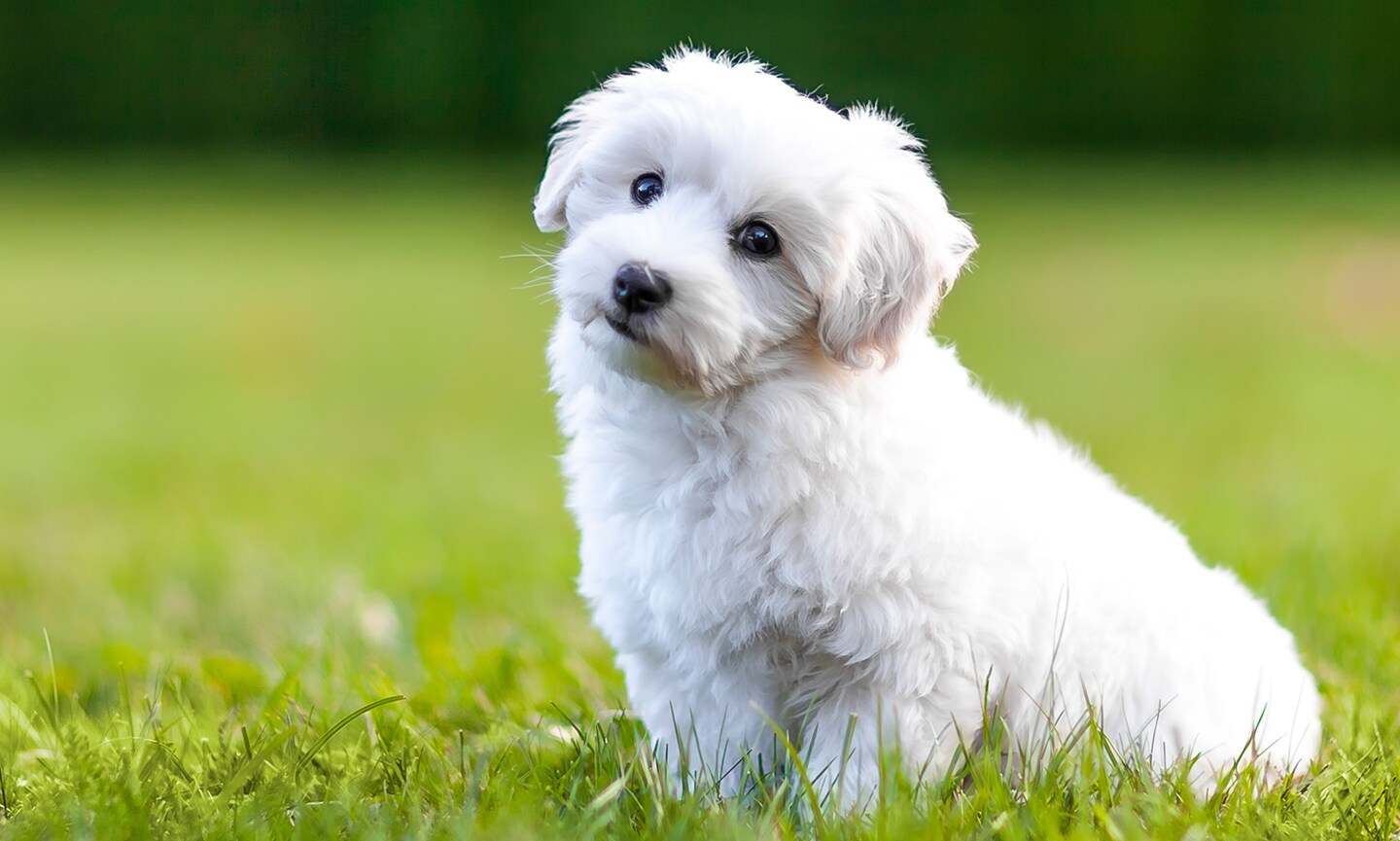
Coton de Tulear — Allergy-Friendly Dog With a Cotton Coat
 Save
Save| Weight | 8-15 pounds |
| Height | 9-11 inches |
| Lifespan | 15-19 years |
| Energy Level | Low to medium |
| Grooming Need | Medium to high |
| Shedding | Low |
The Coton de Tulear is a small low-shedding family dog with a cotton-like coat. It bonds closely with people and often stays cheerful at home. This breed is gentle, playful, and soft in manner. It suits families that want a sweet companion.
The Coton coat feels dry and soft, not silky. Its face often looks like it is smiling.
Cotons love being close without needing wild exercise. In other words, they bring warmth, not chaos.
“Our Coton follows homework time like a tiny tutor. He sleeps under the desk.”
— Priya S., Coton owner for 3 years
- Gentle with calm kids
- Low-shedding soft coat
- Adapts to apartments
- Dislikes long alone time
- Coat mats behind ears
- Can be hard to find
Best for: Gentle children · Apartment homes · Companion-focused families
Havanese — Allergy-Friendly Dog With Social Charm
| Weight | 7-13 pounds |
| Height | 8.5-11.5 inches |
| Lifespan | 14-16 years |
| Energy Level | Medium |
| Grooming Need | Medium to high |
| Shedding | Low |
The Havanese is a small low-shedding dog breed known for its happy social nature. It has a long, soft coat and a playful heart. Havanese dogs often do well with kind children. They suit families that want a close indoor companion.
The coat can grow long and flowing. Many owners keep it short for easier care.
Havanese dogs often bounce when excited. The fun part is how they invite people into play.
“She hears the kids laugh and runs in. She wants every joke explained.”
— Olivia K., Havanese owner for 5 years
- Warm social nature
- Low-shedding coat
- Good for small spaces
- Needs people nearby
- Long coat tangles fast
- Small body needs care
Best for: Indoor families · Gentle kids · Work-from-home homes
Soft Coated Wheaten Terrier — Allergy-Friendly Dog With Farm-Dog Joy
| Weight | 30-40 pounds |
| Height | 17-19 inches |
| Lifespan | 12-14 years |
| Energy Level | Medium to high |
| Grooming Need | High |
| Shedding | Low |
The Soft Coated Wheaten Terrier is a medium low-shedding breed with a silky wheaten coat. It is happy, bouncy, and deeply tied to family. Wheatens need play, training, and coat care. They suit homes that enjoy a lively dog.
The coat has a warm golden tone. Puppies can look darker before the adult coat appears.
Wheatens are famous for happy greetings. That joy is sweet, but jump training matters early.
“Our Wheaten greets guests like a parade. Training turned that joy into manners.”
— Simon T., Wheaten owner for 8 years
- Fun family energy
- Low-shedding silky coat
- Good medium size
- Jumps when excited
- Needs daily brushing
- Terrier streak appears
Best for: Active homes · Older kids · Medium-dog families
Lagotto Romagnolo — Allergy-Friendly Dog With Truffle-Dog Focus
| Weight | 24-35 pounds |
| Height | 16-19 inches |
| Lifespan | 15-17 years |
| Energy Level | Medium to high |
| Grooming Need | Medium to high |
| Shedding | Low |
The Lagotto Romagnolo is a medium low-shedding breed with dense curls. It is known as Italy’s truffle dog and has a strong nose. Lagotti are smart, active, and loyal. They suit families that enjoy training, walks, and scent games.
The curly coat gives the Lagotto a teddy-bear look. Under it sits a real working dog.
This breed often searches with deep focus. So scent games can calm its busy mind.
“We hide treats in boxes. Our Lagotto solves it faster than the kids expect.”
— Aaron P., Lagotto owner for 4 years
- Low-shedding curly coat
- Great scent-game partner
- Long average lifespan
- Can dig when bored
- Rare in many areas
- Needs brain work daily
Best for: Active families · Puzzle lovers · Patient trainers
Spanish Water Dog — Allergy-Friendly Dog for Busy Outdoor Homes
| Weight | 31-49 pounds |
| Height | 15.75-19.75 inches |
| Lifespan | 12-14 years |
| Energy Level | High |
| Grooming Need | Special coat care |
| Shedding | Low |
The Spanish Water Dog is a low-shedding herding and water breed with a curly corded coat. It is smart, alert, and active. This breed needs firm training and daily jobs. It suits outdoor families with older children and clear routines.
The coat can form cords as it grows. Unlike many breeds, brushing can harm the coat.
Spanish Water Dogs often watch their home closely. That can help, but it needs calm training.
“He loves chores. Carrying garden gloves became his favorite family job.”
— Lucas E., Spanish Water Dog owner for 5 years
- Low-shedding working coat
- Strong outdoor stamina
- Loves useful tasks
- Not ideal for beginners
- Needs special coat care
- Can guard too much
Best for: Outdoor homes · Older kids · Experienced owners
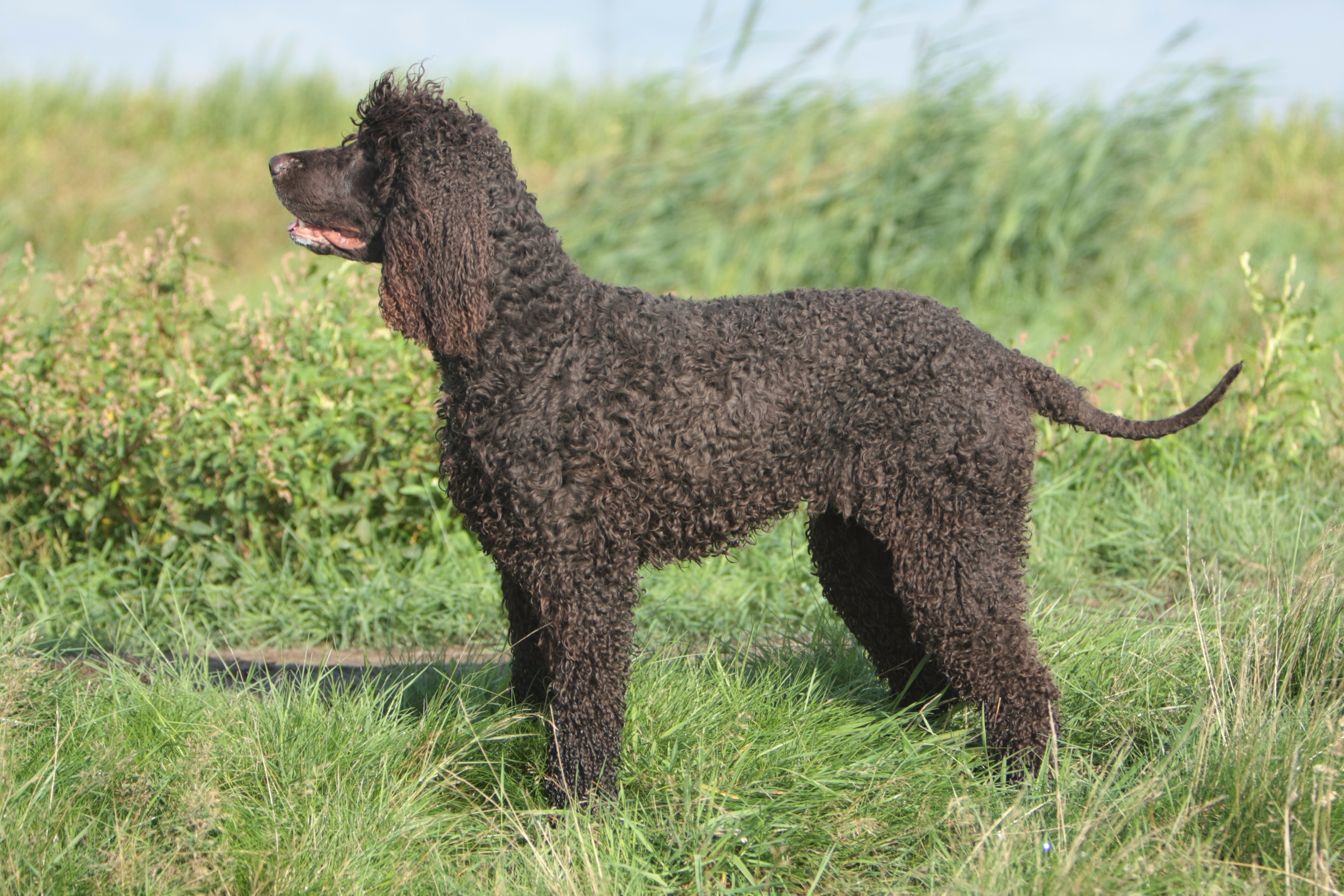
Irish Water Spaniel — Allergy-Friendly Dog With Big Sporting Energy
 Save
Save| Weight | 45-68 pounds |
| Height | 21-24 inches |
| Lifespan | 12-13 years |
| Energy Level | High |
| Grooming Need | Medium to high |
| Shedding | Low to minimal |
The Irish Water Spaniel is a large low-shedding sporting breed with tight curls. It is playful at home and bold outdoors. This dog needs exercise, training, and space. It suits active families that want a bigger allergy-friendly breed.
The curly liver coat stands out fast. The smooth “rat tail” makes this breed unique.
Irish Water Spaniels often act silly at home. Yet in the field, they can focus hard.
“He is goofy indoors and serious near water. Our teenagers love both sides.”
— Helen B., Irish Water Spaniel owner for 6 years
- Good large low-shed choice
- Loves water and fetch
- Playful with family
- Needs strong daily exercise
- Rare and hard to find
- Too much for toddlers
Best for: Active teens · Large-dog homes · Water-loving families
Which Allergy-Friendly Dog Breed Is Right for Your Family?
The right allergy-friendly dog depends on your home size, your children’s ages, your free time, and your grooming budget. If you want the safest all-around choice, start with a Poodle or Bichon Frise. If your family is active, consider a Portuguese Water Dog or Wheaten Terrier. If you need a small indoor dog, look at a Havanese or Coton de Tulear. If you want a working breed, consider a Lagotto, Spanish Water Dog, or Irish Water Spaniel. The best breed is the one your family can care for every week, not just the one that looks best online.
If your child has asthma or strong allergies, speak with your doctor before adopting.
If you are a first-time dog owner, choose a Poodle, Bichon, or Havanese.
If you have young children, choose a sturdy, patient breed first.
If you have teens, active breeds become easier to manage.
If you hate grooming bills, think twice before any curly-coated breed.
When families choose by looks alone, the daily care becomes a shock. That taught me to match life first.
Next, let’s clear up the biggest myth about allergy dogs.
What Do Most People Get Wrong About Hypoallergenic Dogs?
Most people think hypoallergenic means allergy-free, but that is not true. A hypoallergenic dog is simply less likely to trigger some people. Dog allergens can come from dander, saliva, and urine. Even hairless dogs can trigger symptoms. Low-shedding breeds may help because they spread less loose hair and dander through the home. Still, each person reacts in a different way. One family member may feel fine around a Poodle. Another may sneeze near the same dog. That is why real-life exposure matters more than any breed label.
The word hypoallergenic can mislead new owners. It sounds like a promise.
But here’s the thing. It is only a lower-risk label.
The Mayo Clinic pet allergy guide explains that pet allergens can stay airborne and stick to surfaces.
So if you have allergies, coat care matters every week.
Do not adopt based on the word hypoallergenic alone.
You might be thinking a low-shed dog solves everything. It may help, but it does not remove all risk.
Now let’s compare the breeds side by side.
How Do the Best Allergy-Friendly Family Dogs Compare?
The best way to compare allergy-friendly family dogs is by size, energy, grooming, and kid fit. A Bichon or Havanese fits small spaces well. A Poodle gives the widest size choice. A Portuguese Water Dog fits active homes. A Coton is gentle and sweet. A Wheaten is lively and fun. Lagotto, Spanish Water Dog, and Irish Water Spaniel need more work. The comparison below helps you choose fast. Use it as a short list. Then meet the breed in person before you decide.
| Breed | Size | Energy | Grooming | Best Family Fit |
|---|---|---|---|---|
| Poodle | Small to large | Medium-high | High | Most families |
| Bichon Frise | Small | Medium | High | Apartments |
| Portuguese Water Dog | Medium | High | High | Active kids |
| Miniature Schnauzer | Small | Medium | Medium-high | Alert homes |
| Coton de Tulear | Small | Low-medium | Medium-high | Gentle kids |
| Havanese | Small | Medium | Medium-high | Indoor homes |
| Wheaten Terrier | Medium | Medium-high | High | Older kids |
| Lagotto Romagnolo | Medium | Medium-high | Medium-high | Puzzle play |
| Spanish Water Dog | Medium | High | Special | Experienced homes |
| Irish Water Spaniel | Large | High | Medium-high | Active teens |
Use this table as your first filter. Then test allergy response in real life.
How Can Families Reduce Dog Allergens at Home?
Families can reduce dog allergens by grooming often, washing bedding, using hard floors, cleaning soft furniture, and keeping the dog out of bedrooms. These steps do not erase allergens, but they lower daily exposure. Most experts agree that routine matters more than one deep clean. Brush and bathe based on breed need. Wash dog beds weekly. Use a vacuum with a strong filter. Keep one room pet-free for the allergic person. If symptoms stay strong, talk with a doctor. A good home plan helps the right dog stay in the right family.
- Keep the dog out of bedrooms.
- Wash dog bedding every week.
- Brush the coat as advised.
- Vacuum carpets and sofas often.
- Wash hands after close play.
- Book grooming before mats form.
You might be thinking this sounds like a lot. Here’s why it matters.
Allergens build up slowly. Small weekly habits stop that buildup early.
When I see families struggle, the problem is often missed grooming. That taught me to budget time first.
Now let’s make the final choice easier.
Is an Allergy-Friendly Dog Right for Your Family?
An allergy-friendly dog may be right for your family if symptoms are mild, your doctor agrees, and your family can handle grooming. It may not be right if someone has severe asthma or reacts strongly during short visits. This article covers breed choice and home care for mild to moderate allergy concerns. If your situation involves severe breathing symptoms, you need medical guidance before adding any dog. The best decision protects both your child and the dog. A safe match is better than a rushed adoption.
If you have mild allergies, start with a Poodle, Bichon, or Havanese.
If you have active kids, look at a Portuguese Water Dog or Wheaten.
If you have toddlers, avoid fragile toy breeds and very intense workers.
If you have severe asthma, speak with your doctor first.
So what does that mean? Your best dog is not just low-shedding.
Your best dog is the one your home can manage every day.
Conclusion
The best dog breeds for families with allergies are low-shedding and family-focused.
But no breed removes allergy risk completely.
Meet the breed first, then plan grooming before adoption.
Right now, pick your top 3 breeds and book one real-life visit. I’m Thomas Cutter, and that single step can save your family heartbreak.
Frequently Asked Questions
What is the best dog breed for families with allergies?
The best overall dog breed for many families with allergies is the Poodle. It comes in several sizes, sheds little, and trains well. Standard Poodles often suit families with children best because they are sturdy and smart.
Are hypoallergenic dogs really allergy-free?
No, hypoallergenic dogs are not allergy-free. The word means they may trigger fewer reactions in some people. Dog allergens can come from dander, saliva, and urine, so every breed can still cause symptoms.
Which small dog is best for allergic families?
The Bichon Frise is one of the best small dogs for allergic families. It sheds little, enjoys people, and fits smaller homes. The Havanese and Coton de Tulear are also strong small-breed choices.
Which allergy-friendly dog is best for active kids?
The Portuguese Water Dog is a strong choice for active kids. It has energy, size, and a low-shedding coat. Families must provide training, daily exercise, and regular grooming to keep this breed happy.
How should I test if my child reacts to a dog breed?
Have your child spend time with the breed before adoption. Try a breeder visit, rescue visit, or time with a friend’s dog. Watch for sneezing, itchy eyes, coughing, skin reactions, or breathing trouble afterward.

Thomas Cutter is a lifelong dog owner and the founder of FindOutAboutDogs.com. With over 10 years of hands-on experience owning multiple breeds, Thomas created this site to provide honest, research-based dog advice that real owners can actually trust.
