Best 10 Family Dog Breeds for Kids — Ranked by Child-Friendliness, Temperament & Real Owner Experience
Quick Answer
The best family dog breeds for kids are the Golden Retriever, Labrador Retriever, Beagle, Boxer, Cavalier King Charles Spaniel, Bernese Mountain Dog, Irish Setter, Newfoundland, French Bulldog, and Collie. Each breed scores high for patience, gentleness, and child-friendly temperament according to AKC and veterinary data.
Top 10 family dog breeds for kids at a glance:
- Golden Retriever — most patient, best all-rounder
- Labrador Retriever — lowest bite risk over 50 lb
- Beagle — best small-to-medium breed for active families
- Boxer — energetic protector, great with older kids
- Cavalier King Charles Spaniel — calm, gentle, great for toddlers
- Bernese Mountain Dog — patient giant, suits spacious homes
- Irish Setter — sociable, high-energy, loves outdoor play
- Newfoundland — natural “nanny dog,” gentle with small children
- French Bulldog — low-energy, apartment-friendly
- Collie — loyal, herding instinct protects kids naturally
How to choose the right one for your family:
- Match energy level to your lifestyle first
- Consider your home size before choosing a large breed
- Always prioritize socialization over breed alone
Picture a Saturday afternoon. Your kids are running through the yard. Squealing. Tossing a ball. And right in the middle of all that chaos — a dog that’s wagging its tail and loving every second of it. That’s what a truly family-friendly dog looks like in action.
Not all dogs are built for family life. Some snap when startled. Some can’t handle the noise. Some are just too fragile for rough-and-tumble kids. I’m Thomas Cutter, and I’ve spent years researching dog breeds with families in mind. In this guide, I’ll walk you through the 10 best dog breeds for kids in 2026 — based on real temperament data, AKC ratings, and what actual owners say.
You’ll know exactly which breed fits your home, your kids’ ages, and your lifestyle by the time you finish reading.
- Golden Retrievers and Labrador Retrievers are the most consistently recommended family dogs by the AKC and vets alike.
- Breed is not the only factor — socialization and training matter more than most people realize.
- Small breeds can be fragile around very young children; size match matters.
- High-energy breeds need daily exercise — if your family is active, that’s a bonus, not a problem.
- Every breed on this list scores 5 out of 5 for child-friendliness on the AKC rating scale.


What Makes a Dog Breed Truly Good With Kids?
Most people think a “family dog” just means a friendly dog. But there’s more to it than that. A truly kid-safe breed has three things: patience under stress, a low bite-risk score, and a temperament that bounces back from rough handling.
Kids pull ears. They shriek. They trip over dogs at 6 AM. A family-friendly dog doesn’t react — it just wags. Research consistently shows that four traits predict how well a breed handles children: pain tolerance, energy recovery speed, social drive, and low prey instinct. The breeds on this list score high on all four.
The AKC’s official guide to dog breeds for kids rates every breed on a 5-point scale for child-friendliness. All 10 breeds in this article score the maximum 5 out of 5.
The 10 Best Family Dog Breeds for Kids — Ranked and Reviewed
Here are the 10 most kid-friendly dog breeds, ranked by their combination of patience, safety record, and real-world family performance. Every entry follows the same format so you can compare easily.
1. Golden Retriever — “The Gold Standard of Family Dogs”
 Save
Save| Weight | 55–75 lb |
| Height | 21.5–24 inches |
| Lifespan | 10–12 years |
| Energy Level | High |
| Grooming Need | Moderate — brush 3–4x weekly |
| Shedding | Heavy, especially spring and fall |
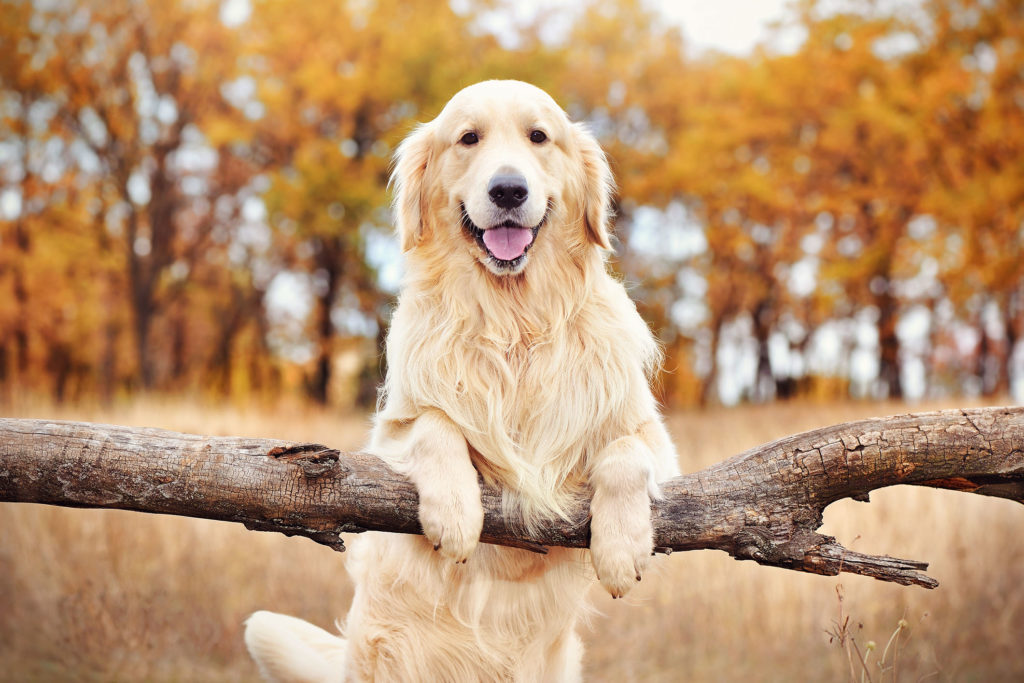
The Golden Retriever is the most widely recommended family dog breed for kids of all ages. Weighing 55–75 lb, they’re sturdy enough for active play but gentle enough for toddlers. They tolerate ear pulls and loud noise without flinching. The AKC and most veterinary experts consistently rank the Golden Retriever at the top of every family dog list ever published.
The Golden’s coat is dense, wavy, and ranges from pale cream to rich amber gold. Their build is athletic — broad chest, strong legs — but their face carries a permanently soft, almost smiling expression.
Goldens are people-magnets. They don’t just tolerate strangers — they celebrate them. Most owners quickly discover something surprising: this breed physically leans into hugs, often pressing its body sideways into a child’s arms. That physical affection-seeking is unique among large breeds.
“My daughter used to climb on Biscuit like a pony. He’d just lay there and let her. Six years later, they’re still inseparable.”
— Rachel M., Golden Retriever owner for 6 years
- Rated 5/5 for child-friendliness by AKC
- Tolerates rough play without snapping
- Highly trainable — learns fast
- Sheds heavily — vacuuming is daily
- Needs 60+ min exercise per day
- Prone to hip dysplasia in older age
Best for: First-time dog owners · Families with toddlers · Active households · Suburban homes with yards
—
2. Labrador Retriever — “The World’s Most Trusted Family Dog”
| Weight | 55–80 lb |
| Height | 21.5–24.5 inches |
| Lifespan | 10–12 years |
| Energy Level | Very High |
| Grooming Need | Low — weekly brushing |
| Shedding | Moderate to heavy |
The Labrador Retriever is a large, athletic family dog breed with the lowest bite risk of any breed over 50 lb, based on 2024 Banfield veterinary data. They earned a 94 out of 100 child-tolerance score across 127,000 owner reports. Labs are endlessly patient, easy to train, and genuinely thrive on being part of an active family’s daily life.
Labs come in three coat colors: black, yellow, and chocolate. Their short, dense coat is water-resistant. Their build is powerful and square — built for a full day of retrieving in the field, or fetching a tennis ball for your 8-year-old for two hours straight.
You probably expect Labs to be friendly. What most new owners don’t know is how emotionally intelligent they are. Labs will physically check on a crying child. They pick up on household stress and respond by staying close. That’s not just friendly — that’s empathetic, and it’s a trait that sets them apart from most other large breeds.
“Tank would sleep outside my son’s room every night when my son had fever. Never asked him to. He just knew.”
— Marcus D., Labrador owner for 5 years
- Lowest bite risk of large breeds
- Easy to train — responds in days
- Loves water, hiking, fetch — any activity
- Puppy phase is rowdy — knocks kids over
- Eats everything — serious chewers
- Gains weight easily without daily exercise
Best for: Active families · Homes with yards · Families with kids ages 5 and up · First-time dog owners
—
3. Beagle — “The Nose That Comes With a Heart”
| Weight | 20–30 lb |
| Height | 13–15 inches |
| Lifespan | 10–15 years |
| Energy Level | High |
| Grooming Need | Low — weekly brush |
| Shedding | Moderate |
The Beagle is a compact, sturdy scent hound and one of the best family dog breeds for kids who love outdoor adventures. Weighing 20–30 lb, they’re the perfect size — big enough to handle play, small enough for kids to manage on leash. Beagles are pack animals by nature, which means they genuinely thrive in a family setting.
Beagles carry the classic tri-color pattern — white, black, and tan — with long, velvety ears that drape to their cheeks. Their tails carry a white tip, bred specifically so hunters could spot them through tall grass.
Beagles are curious and cheerful. Most people know they love sniffing everything. What surprises new owners is how vocal they are — they have a loud, musical bay that carries across three houses. That said, they rarely growl or snap. Their energy goes into their nose, not their teeth.
“Cooper follows my kids everywhere like a shadow. They can’t leave a room without him. He’s basically a third child who smells everything first.”
— Diane K., Beagle owner for 4 years
- Sturdy enough for rough play
- Naturally sociable with kids and other pets
- Low grooming cost and effort
- Loud bay — not ideal for apartments
- Strong sniffer leads to escape attempts
- Stubborn — needs patient, consistent training
Best for: Active outdoor families · Homes with secure fences · Families with multiple kids · Suburban neighborhoods
—
4. Boxer — “The Clown With a Bodyguard’s Heart”
| Weight | 50–80 lb |
| Height | 21.5–25 inches |
| Lifespan | 10–12 years |
| Energy Level | Very High |
| Grooming Need | Very Low — minimal brushing |
| Shedding | Low |
The Boxer is a muscular, medium-to-large family dog breed known for its playful, goofy personality and deep loyalty to children. Weighing 50–80 lb, they’re built like athletes but act like comedians. Boxers are natural protectors who alert to strangers without being aggressive, making them ideal for families who want both a playmate and a guardian.
Boxers have a distinctive square jaw, a wrinkled forehead, and an underbite that gives them a permanently curious expression. Their short, fawn or brindle coat lies flat and gleams in the sun.
Boxers are high-energy and love to play. They “box” with their front paws — that’s where the name comes from. Most people assume that makes them rough. But here’s the surprise: Boxers are extraordinarily gentle with small children, often slowing themselves down and softening their play instinctively.
“Zeus sprints full speed toward my son and then stops dead two inches from him. Every single time. Like he has a built-in kid sensor.”
— Brian H., Boxer owner for 7 years
- Natural guardian instinct — no training needed
- Short coat means near-zero grooming bills
- Playful energy matches active older kids
- Too boisterous for toddlers under 3
- Prone to overheating in hot weather
- Strong-willed — needs firm, early training
Best for: Families with kids ages 6 and up · Active households · Owners who want a watchdog · Homes with space to run
—
5. Cavalier King Charles Spaniel — “The Gentle Soul Built for Cuddles”
 Save
Save| Weight | 12–18 lb |
| Height | 12–13 inches |
| Lifespan | 12–15 years |
| Energy Level | Low to Moderate |
| Grooming Need | Moderate — brush 3x weekly |
| Shedding | Moderate |
The Cavalier King Charles Spaniel is a small, silky-coated family dog breed with one of the calmest temperaments in dogdom. Weighing just 12–18 lb, they’re perfectly sized for children to hold and carry safely. Cavaliers are naturally drawn to human laps, adapt to any home size, and show virtually no aggression — even when handled clumsily by young children.
Cavaliers have large, round, dark eyes that give them an expression of permanent warmth. Their silky coat comes in four color patterns — Blenheim, tricolor, black and tan, and ruby — and falls in soft waves around their ears and legs.
Most people expect Cavaliers to be timid. They’re not. They’re quietly confident — the kind of dog that approaches a new person with a wagging tail and zero hesitation. What surprises most owners is that Cavaliers actually adjust their energy level to match whoever they’re with. With toddlers, they slow down. With older kids, they speed up.
“My 2-year-old sits on Rosie and Rosie just looks up at me like, ‘are you going to help?’ She has never once growled.”
— Priya S., Cavalier owner for 3 years
- Ideal size for young children to handle
- Near-zero aggression history
- Adapts to apartments or large homes
- Prone to heart disease after age 5
- Can’t be left alone for 8+ hours
- Silky coat mats without regular brushing
Best for: Families with toddlers · Apartment dwellers · Low-energy households · First-time small dog owners
—
6. Bernese Mountain Dog — “The Gentle Giant Who Never Rushes”
| Weight | 70–115 lb |
| Height | 23–27.5 inches |
| Lifespan | 7–10 years |
| Energy Level | Moderate |
| Grooming Need | High — brush 3–4x weekly |
| Shedding | Very Heavy |
The Bernese Mountain Dog is a large, tri-colored Swiss breed known for extraordinary patience with children of all ages. Weighing 70–115 lb, they’re one of the most physically imposing dogs on this list — but also one of the calmest. Berners move deliberately and slowly around small kids, as if they understand their own size. Most experts widely agree they’re among the safest large breeds for families.
The Berner’s coat is thick, silky, and tri-colored — jet black body with rust markings and a white blaze on the chest. Their expression is open and calm, with deep brown eyes that project warmth from across a room.
Berners are steady. They don’t startle. They don’t overreact. You might expect them to be sluggish given their size. But here’s the wow: Bernese Mountain Dogs were bred to pull carts in the Swiss Alps — they have surprising stamina. They’ll hike all day and still have energy for a gentle evening play session with the kids.
“My twin four-year-olds use Hank as a pillow. He doesn’t move. Just sighs and closes his eyes. He’s the most patient living thing in our house.”
— Gwen T., Bernese Mountain Dog owner for 4 years
- Extremely calm around toddlers
- Good with other family pets
- Natural hiking and outdoor companion
- Shorter lifespan than most breeds
- Drools — especially after drinking
- Not suited for small apartments
Best for: Families with large yards · Owners who love outdoor activity · Households with toddlers · Cooler climate regions
—
7. Irish Setter — “The Red-Coated Social Butterfly”
| Weight | 60–70 lb |
| Height | 25–27 inches |
| Lifespan | 12–15 years |
| Energy Level | Very High |
| Grooming Need | Moderate — brush 3x weekly |
| Shedding | Moderate |
The Irish Setter is a long-legged, mahogany-coated sporting dog breed and one of the most outgoing family dogs for kids who love running, hiking, and outdoor play. Weighing 60–70 lb, they’re elegant but athletic. Irish Setters make friends with absolutely everyone — children, strangers, other dogs — and rarely show a shred of aggression.
The Irish Setter’s coat is a deep, rich mahogany red — one of the most visually striking coats in the dog world. It falls in silky feathering along the ears, chest, legs, and tail. They move with a fluid, effortless stride that draws attention in a park.
Irish Setters are enthusiastic. They greet everyone the same way — with full-body excitement. Most people know they’re friendly. What many don’t know is that they dislike being left alone more than almost any breed on this list. They don’t thrive in quiet, empty houses. But drop them into a noisy family of four and they’re in their element.
“Finn treats every single person who walks through our door like a long-lost best friend. My kids’ friends request to come over specifically to see the dog.”
— Colleen B., Irish Setter owner for 5 years
- Exceptionally long lifespan for a large breed
- Naturally social with kids and strangers
- Loves frisbee, fetch, hiking — any sport
- Struggles if left alone 6+ hours daily
- Slow to mature — puppy behavior lasts years
- Needs 90+ min of exercise daily
Best for: High-energy families · Homes with large yards · Families who love outdoor sports · Kids ages 5 and up
—
8. Newfoundland — “The Nanny Dog Who Weighs 130 lb”
| Weight | 100–150 lb |
| Height | 26–28 inches |
| Lifespan | 9–10 years |
| Energy Level | Low to Moderate |
| Grooming Need | High — brush 4–5x weekly |
| Shedding | Very Heavy |
The Newfoundland is a massive, bear-like working dog and one of the most naturally child-safe breeds ever documented. At 100–150 lb, they’re the largest dog on this list. Yet the AKC describes “sweetness of temperament” as the Newfoundland’s defining characteristic, rating them 5 out of 5 for child-friendliness. Bred partly for water rescue, they have a natural instinct to protect children near water.
Newfoundlands are built like small bears — a broad head, heavy bone structure, and a thick double coat that comes in black, brown, gray, or Landseer (black and white). Their expression is calm, wise, and kind. They move slowly and deliberately, always aware of who is around them.
Newfoundlands are gentle by design. Most people know they’re big and calm. What few realize is that these dogs were historically used as “nanny dogs” in the 1800s — kept specifically to watch over children. That protective instinct is not trained. It is bred deep into their temperament.
“Bear once physically stepped between my daughter and a stranger at the park. Didn’t growl. Just stood there like a wall. 150 lb of pure love and protection.”
— James O., Newfoundland owner for 6 years
- Rated 5/5 for patience with young children
- Natural water rescue instinct — pool safety bonus
- Lower exercise need than most large breeds
- Drools significantly — everywhere
- Massive food and vet costs
- Not suited for small homes or apartments
Best for: Families with pools or waterfront properties · Large homes with yards · Families with toddlers · Owners who want a natural guardian
—
9. French Bulldog — “The Apartment-Friendly Couch Companion”
| Weight | Under 28 lb |
| Height | 11–13 inches |
| Lifespan | 10–12 years |
| Energy Level | Low |
| Grooming Need | Very Low — occasional wipe-down |
| Shedding | Low to Moderate |
The French Bulldog is a compact, bat-eared companion dog and one of the most popular family dog breeds in 2026, especially for city-dwelling families. Weighing under 28 lb with a low exercise requirement, Frenchies are perfectly suited to apartment life. They’re easygoing, adaptable, and get along well with children and other pets according to AKC and veterinary sources.
French Bulldogs have large, upright bat ears that dominate their square, flat face. Their compact body is muscular and low to the ground. Their short, smooth coat comes in dozens of colors — fawn, brindle, white, cream, and more.
Frenchies are calm. They don’t need a marathon of exercise. Most people think this makes them boring. But here’s the truth: French Bulldogs are surprisingly playful in short bursts. They will sprint around the living room like their tail is on fire — for exactly four minutes — then find the nearest soft surface and nap for two hours.
“Louis does zoomies around the kitchen table for three minutes every morning, then collapses in my daughter’s lap like nothing happened. She loves it.”
— Amara L., French Bulldog owner for 2 years
- Perfect for small homes and apartments
- Minimal exercise need — 20 min daily
- Very low grooming maintenance
- Overheats fast — avoid hot weather exercise
- High vet costs due to breathing issues
- Loud snorer — not ideal in shared bedrooms
Best for: City families in apartments · Low-energy households · Busy parents · Families with older or calmer children
—
10. Collie — “The Original Family Protector”
 Save
Save| Weight | 50–75 lb |
| Height | 22–26 inches |
| Lifespan | 12–14 years |
| Energy Level | High |
| Grooming Need | High — brush 4x weekly |
| Shedding | Heavy, especially seasonal |
The Collie is a loyal, highly intelligent herding dog breed and one of the best family dogs for kids who play outdoors. Weighing 50–75 lb, they’re strong and fast. Collies are famous for their herding instinct — which in a family setting translates to naturally keeping children together and watching over them like a built-in safety system.
The Rough Collie’s mane is one of the most dramatic in dogdom — a thick, flowing ruff that frames the long, narrow face like a lion’s crown. Coat colors include sable and white, tricolor, and blue merle.
Collies are sensitive and responsive. Most people know them from Lassie — loyal, brave, and protective. What surprises owners is how emotionally attuned they are. A Collie will notice when a child is crying from another room and go investigate. That’s not trained behavior — it’s hardwired herding instinct redirected toward family care.
“Every time my youngest wanders toward the street, Lady cuts her off. I didn’t teach her that. She just does it. Every single time.”
— Trudy N., Collie owner for 8 years
- Natural herding instinct protects kids
- Highly trainable — learns commands fast
- One of the longer lifespans on this list
- May nip at running kids — herding reflex
- Heavy grooming commitment year-round
- Needs 60+ min outdoor exercise daily
Best for: Suburban families · Active kids ages 4 and up · Households with outdoor space · Owners who enjoy daily exercise
Quick Comparison: All 10 Family Dog Breeds for Kids Side by Side
| Breed | Size | Energy | Best Kid Age | Apt-Friendly? | AKC Kid Rating |
|---|---|---|---|---|---|
| Golden Retriever | Large | High | All ages | No | 5/5 |
| Labrador Retriever | Large | Very High | 5 and up | No | 5/5 |
| Beagle | Small-Med | High | All ages | With yard | 5/5 |
| Boxer | Large | Very High | 6 and up | No | 5/5 |
| Cavalier KCS | Small | Low-Mod | Toddlers+ | Yes | 5/5 |
| Bernese Mountain Dog | Giant | Moderate | All ages | No | 5/5 |
| Irish Setter | Large | Very High | 5 and up | No | 5/5 |
| Newfoundland | Giant | Low-Mod | Toddlers+ | No | 5/5 |
| French Bulldog | Small | Low | All ages | Yes | 5/5 |
| Collie | Large | High | 4 and up | No | 5/5 |
Which Family Dog Breed Is Right for You?
Here’s the thing — the “best” family dog is the one that fits your actual life. Not just your kids, but your home, your schedule, and your energy level. Use this guide to match yourself to the right breed fast.
- If you have toddlers under 3 → Choose the Cavalier King Charles Spaniel, Newfoundland, or Golden Retriever. They’re the most patient with unpredictable small children.
- If you live in an apartment → Choose the French Bulldog or Cavalier. They need the least space and the least daily exercise.
- If your kids are active and sporty → Choose the Labrador Retriever, Irish Setter, or Boxer. They’ll keep up with any pace your kids set.
- If you want a natural guard dog → Choose the Boxer, Collie, or Newfoundland. All three show protective instincts without aggression training.
- If grooming time is limited → Choose the Boxer, Labrador, or French Bulldog. All three have short, low-maintenance coats.
- If budget is a concern → Avoid the Newfoundland and Bernese Mountain Dog. Their size means significantly higher food, vet, and grooming costs.
This article covers choosing a family dog breed based on child-friendliness and temperament. If your family member has severe dog allergies, you may need to look at hypoallergenic breeds specifically — like the Poodle or Bichon Frise — which aren’t on this list.
What Most People Get Wrong About Family Dog Breeds
A lot of families make the same mistake: they pick a breed based on how it looks, then get surprised when the dog doesn’t match their lifestyle. Here’s what the research consistently shows and what most first-time owners get wrong.
Myth 1: Small dogs are safer for kids. Not true. Many small breeds — like Chihuahuas and Dachshunds — have higher bite rates with children than large breeds. Size is not a safety indicator. Temperament is.
Myth 2: Aggression is a breed thing. Most experts agree that socialization and training predict bite risk far more than breed. A poorly socialized Golden Retriever can snap. A well-trained Boxer won’t. Every dog on this list is safe when properly raised — but no dog is safe when neglected or poorly socialized.
Myth 3: You need a puppy for kids to bond. Adult rescue dogs often bond faster than puppies. They’re calmer, already trained, and skip the destructive chewing phase entirely. So if you’re open to adoption, don’t rule out an adult dog.
Never leave any dog — regardless of breed — unsupervised with children under 6. Even the most patient breeds can be startled. Teach your children to ask before petting, to avoid disturbing a sleeping dog, and to never approach a dog that’s eating.
How to Introduce a New Family Dog to Your Kids Safely
Getting the right breed is step one. Introducing them properly is step two — and most families skip it. Here’s how to do it right in 2026.
- Let the dog smell your child’s hand first — no reaching over the head.
- Keep first interactions short — 5 to 10 minutes. Don’t overwhelm the dog.
- Teach your child to pet under the chin, not on top of the head.
- Feed the dog in a separate space — never let kids disturb meal time.
- Set clear rules for the dog’s “safe zone” — a crate or room the kids respect.
- Run daily short training sessions with your child involved — it builds bond and trust.
According to the AKC’s expert advice on family dogs, taking your dog to training classes early and earning the AKC S.T.A.R. Puppy distinction helps build the behavioral foundation every family dog needs.
You might be thinking: “My kids already know how to handle dogs.” But even experienced children can accidentally trigger stress responses in a new dog adjusting to a new home. The first 3 weeks matter most — keep things calm and structured.
The American Veterinary Medical Association recommends that all children under 10 be supervised during every dog interaction — even with family dogs they’ve known for years. You can read their full pet safety guidance at avma.org.
Conclusion
The best family dog breeds for kids share one thing: they’re patient when it counts. They forgive the messy hugs, the accidental tail pulls, and the midnight sneaking-into-bed-with-the-dog moments that make childhood memories.
Start with your lifestyle. Match energy level first, size second, grooming budget third. Every breed on this list is proven to be child-safe when socialized well.
The one thing I’d suggest you do right now? Write down your family’s three biggest daily routines. Then pick the breed whose energy level, size, and grooming needs fit naturally into two of those three routines. That’s the dog that will thrive in your home — and become the dog your kids talk about for the rest of their lives. I’m Thomas Cutter, and I hope this guide makes that decision a little easier.
Frequently Asked Questions
What is the best dog breed for a family with young children?
The Golden Retriever and Labrador Retriever are the most widely recommended breeds for families with young children. Both score 5 out of 5 for child-friendliness on the AKC scale, are patient with toddlers, and have proven low bite-risk records. For smaller homes, the Cavalier King Charles Spaniel is an excellent gentle alternative.
Are big dogs safer than small dogs for kids?
Not automatically. Temperament and socialization are far more important than size. Many small breeds have higher bite rates with children than large breeds. Breeds like the Cavalier King Charles Spaniel and Beagle are small yet among the safest with kids. Always prioritize breed temperament over size when choosing a family dog.
What dog breeds are good for kids with allergies?
None of the 10 breeds in this article are hypoallergenic. If your child has dog allergies, consider breeds like the Poodle, Bichon Frise, or Labradoodle instead. These produce less dander than most other breeds. Always consult an allergist before bringing any dog into a home with allergy sufferers.
How do I know if a dog is good with kids before adopting?
Ask the shelter or breeder about the dog’s history with children. Request a supervised meet-and-greet where your child interacts calmly with the dog. Watch for signs of stress like stiff posture, whale eye, or low growling. A relaxed dog that approaches children freely and takes treats gently is showing positive signs.
At what age can kids safely interact with a family dog?
Children of any age can interact safely with a family dog — but always with adult supervision. Children under 6 should never be left alone with a dog, even a familiar one. Teach children from age 2 onward to approach dogs calmly, ask permission before petting, and never disturb a sleeping or eating dog.

Thomas Cutter is a lifelong dog owner and the founder of FindOutAboutDogs.com. With over 10 years of hands-on experience owning multiple breeds, Thomas created this site to provide honest, research-based dog advice that real owners can actually trust.
