10 Best Light Color Dog Breeds for Every Home
Quick Answer
The best light color dog breeds include Samoyeds, Golden Retrievers, yellow Labradors, Bichons, and Maltese. Great Pyrenees suit larger homes. Westies fit active small homes. American Eskimo Dogs love training. Light Poodles shed little. Wheatens offer a soft pale coat. Your best match depends on care and lifestyle.
| Your Need | Strong Match |
|---|---|
| Active family | Golden Retriever |
| Small home | Bichon Frise or Maltese |
| Low shedding | Poodle or Wheaten |
Which light-colored dog should you choose?
- Choose a Golden Retriever for active family life.
- Choose a Bichon when space stays limited.
- Choose a Poodle when low shedding matters most.
Sunlight hits a pale coat, and every strand seems brighter. White and cream dogs catch your eye fast.
But color should never make the whole choice. Daily care matters far more.
I’m Thomas Cutter, and I compare dog breeds for real homes. I focus on practical fit.
For more pure-white choices, compare these white color dog breeds for every home.
- Light coats range from white through cream, gold, silver, and wheat.
- Coat color does not predict a dog’s personality.
- Coat type affects grooming more than coat shade.
- Choose size, energy, and care needs before color.


What Makes a Dog Breed Light in Color?
Light-colored dogs have coats dominated by pale shades. White and cream are the clearest examples. Pale yellow, light gold, silver, and wheat also fit. Breed standards may use different names for similar-looking shades. Some breeds offer only light colors. Others offer both pale and dark coats. The AKC dog breed directory can help confirm official breed colors.
Coat genetics also create several paths to a pale appearance. Yellow pigments can range from rich red to near cream. Dark pigment can also become lighter through other genetic patterns. The UC Davis dog coat color guide explains these pigment systems. For your home, though, daily care matters more. Start with temperament, size, exercise, and grooming.
A light coat may be solid or include small markings. You can also compare related solid color dog breeds and their care needs.
This guide covers light-colored breeds for normal companion homes. Working needs may require more specialized advice.
Which Are the 10 Best Light Color Dog Breeds?
The strongest choices cover many sizes and lifestyles. Samoyeds suit active homes ready for major brushing. Golden Retrievers and yellow Labradors suit social, active households. Bichons and Maltese fit smaller living spaces. Great Pyrenees need far more room and confident handling. Westies offer a compact terrier choice. American Eskimo Dogs reward owners who enjoy training.
Poodles offer several pale shades with low loose-hair shedding. Wheatens add a soft beige-gold option. No breed wins every category. A beautiful coat cannot make an unsuitable breed easy to own. Compare the hardest part of each breed first. Then choose the coat shade you love. The ten entries below make those trade-offs clear.
1. Samoyed — Light Color Dog With a Snowy Arctic Coat
 Save
SaveActive families · Cold climates · Grooming-ready owners
| Weight | 35–65 lbs |
| Height | 19–23.5 inches |
| Lifespan | 12–14 years |
| Energy Level | High |
| Grooming Need | Very high |
| Shedding | Heavy |
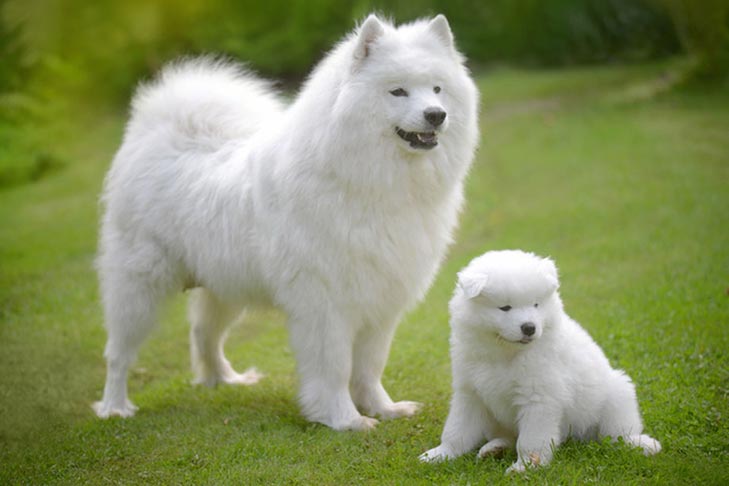
The Samoyed is a medium working breed with a bright white coat. Adults weigh about 35–65 pounds. Their dense double coat protects them from harsh cold. Samoyeds stay social, lively, and close to their people. They suit active homes that accept heavy shedding and frequent brushing.
The thick coat creates a bright halo around the neck. Cream or biscuit shading may also appear.
You expect a fluffy companion. Yet Samoyeds still carry strong working energy. Bored dogs may become noisy or restless.
“The white coat looks perfect after brushing. Then one windy walk changes everything.”
— Illustrative owner scenario, not a real testimonial
- Striking white double coat
- Strong cold-weather tolerance
- Enjoys active family life
- Sheds large amounts of hair
- Needs frequent deep brushing
- Can become vocal when bored
2. Golden Retriever — Pale Golden Favorite for Family Life
Active families · First-time owners · Social homes
| Weight | 55–75 lbs |
| Height | 21.5–24 inches |
| Lifespan | 10–12 years |
| Energy Level | High |
| Grooming Need | Moderate to high |
| Shedding | Moderate to heavy |
The Golden Retriever is a large sporting dog with warm golden coat shades. Some coats look notably pale. Adults weigh about 55–75 pounds. Goldens enjoy retrieving, swimming, training, and family activity. They suit owners who can provide daily exercise, regular brushing, and plenty of social contact.
Long feathering softens the body and tail. Pale coats can look cream-colored in bright light.
Goldens may look calm in photographs. Young dogs still need meaningful exercise and training.
“Our pale Golden stays calm after exercise. Skip the walk, and every sock becomes interesting.”
— Illustrative owner scenario, not a real testimonial
- Highly trainable family companion
- Classic pale golden appearance
- Enjoys many outdoor activities
- Sheds throughout the year
- Needs substantial daily exercise
- Large size raises care costs
→ Compare more golden color dog breeds
3. Yellow Labrador Retriever — Easy-Care Light Coat for Active Homes
| Weight | 55–80 lbs |
| Height | 21.5–24.5 inches |
| Lifespan | 11–13 years |
| Energy Level | High |
| Grooming Need | Low to moderate |
| Shedding | High |
The yellow Labrador Retriever offers pale yellow through deeper yellow coat shades. Adults weigh about 55–80 pounds. Their short double coat needs simple brushing but sheds heavily. Labs are active, food-driven, and eager to join daily routines. They suit social homes with exercise, training, and outdoor time.
The short coat keeps a clean sporting outline. Pale yellow Labs may appear cream from a distance.
You may expect easy coat care. The surprise comes from how much short hair sheds.
“His coat takes minutes to brush. The vacuum still finds yellow hair everywhere.”
— Illustrative owner scenario, not a real testimonial
- Simple short-coat grooming
- Highly responsive to training
- Excellent active family companion
- Sheds heavily year-round
- Young dogs can be boisterous
- Needs daily physical activity
4. Bichon Frise — Small White Dog for Cheerful Homes
| Weight | 12–18 lbs |
| Height | 9.5–11.5 inches |
| Lifespan | 14–15 years |
| Energy Level | Moderate |
| Grooming Need | High |
| Shedding | Low |
The Bichon Frise is a small companion breed with soft white curls. Adults weigh about 12–18 pounds. Bichons shed little but need frequent coat care. They enjoy games, short walks, and close company. They suit smaller homes where grooming time and regular clipping fit the budget.
The rounded coat creates a soft powder-puff look. Dark eyes stand out against white curls.
Bichons love attention and games. Many also learn tricks with surprising speed.
“The groomer is part of our monthly budget. The low shedding makes it worthwhile.”
— Illustrative owner scenario, not a real testimonial
- Low loose-hair shedding
- Fits smaller living spaces
- Enjoys learning simple tricks
- Coat mats without brushing
- Needs regular professional grooming
- May dislike long isolation
5. Maltese — Tiny White Companion for Small Spaces
 Save
Save| Weight | Under 7 lbs |
| Height | 7–9 inches |
| Lifespan | 12–15 years |
| Energy Level | Moderate |
| Grooming Need | High |
| Shedding | Low |
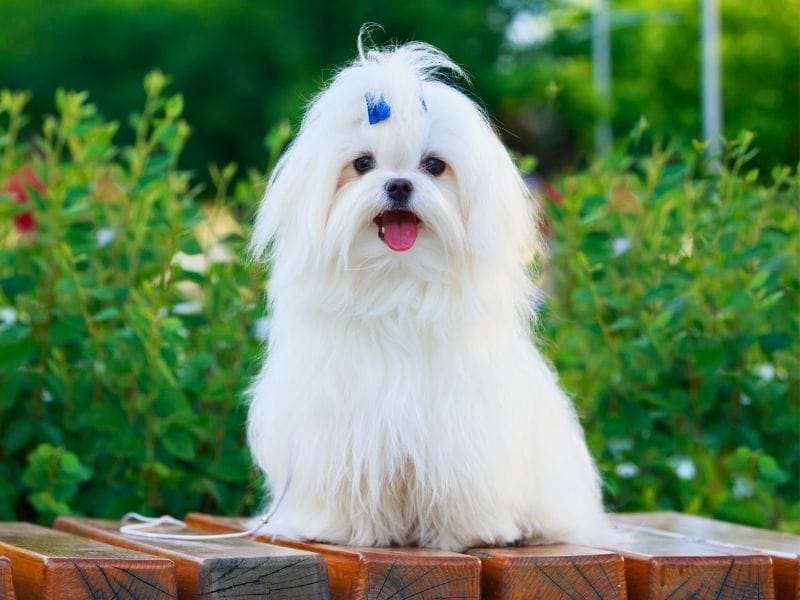
The Maltese is a tiny toy breed famous for its silky white coat. Adults weigh under seven pounds. Maltese dogs shed little but need regular brushing. A short trim makes home care easier. They suit gentle owners wanting close companionship without a large dog’s exercise needs.
A full Maltese coat can reach the floor. Many pet homes use shorter trims.
The tiny body hides a bold attitude. Many Maltese quickly notice new sounds and visitors.
“The short trim changed our routine. Brushing became quick instead of a daily battle.”
— Illustrative owner scenario, not a real testimonial
- Excellent small-home size
- Very low loose-hair shedding
- Loves close indoor companionship
- Long coat tangles quickly
- Tiny body needs gentle handling
- Facial staining shows easily
6. Great Pyrenees — Giant White Dog for Spacious Homes
| Weight | 85 lbs and up |
| Height | 25–32 inches |
| Lifespan | 10–12 years |
| Energy Level | Low to moderate |
| Grooming Need | High |
| Shedding | Heavy |
The Great Pyrenees is a giant guardian breed with a thick pale coat. Adults often exceed 85 pounds. Their calm appearance hides a strong independent working mind. They suit spacious homes with secure boundaries. Owners must accept heavy shedding, large size, and firm daily management.
The dense white coat creates a huge, soft outline. Some dogs carry pale markings.
Pyrs often seem calm indoors. Yet guardian instincts can make them independent decision-makers.
“The fur floats through the house like snow. The calm nature keeps surprising visitors.”
— Illustrative owner scenario, not a real testimonial
- Calm adult household presence
- Impressive pale double coat
- Strong natural guardian instinct
- Needs substantial living space
- Heavy coat sheds extensively
- Independent nature challenges beginners
7. West Highland White Terrier — Compact White Dog With Terrier Spark
| Weight | 15–20 lbs |
| Height | 10–11 inches |
| Lifespan | 13–15 years |
| Energy Level | Moderate to high |
| Grooming Need | Moderate |
| Shedding | Low to moderate |
The West Highland White Terrier is a small terrier with a crisp white coat. Adults weigh about 15–20 pounds. Westies stay alert, curious, and ready for action. They suit owners wanting compact size without lap-dog behavior. Regular grooming keeps the rough double coat tidy.
Upright ears and dark eyes sharpen the Westie’s bright appearance. The coat looks sturdy, not silky.
Westies may look like plush toys. Their terrier drive quickly appears around scents and movement.
“He looks spotless after grooming. Ten minutes near the garden proves he is still a terrier.”
— Illustrative owner scenario, not a real testimonial
- Compact but sturdy build
- Bright classic white coat
- Fun active personality
- May chase small animals
- Needs consistent terrier training
- White coat shows dirt
8. American Eskimo Dog — Bright White Spitz for Training Fans
| Weight | 6–35 lbs |
| Height | 9–19 inches |
| Lifespan | 13–15 years |
| Energy Level | High |
| Grooming Need | High |
| Shedding | Heavy |
The American Eskimo Dog is a bright spitz breed offered in three sizes. Adults can weigh about 6–35 pounds. The pale double coat needs regular brushing. Eskies learn quickly and watch their surroundings closely. They suit owners who enjoy training, activity, and an alert indoor companion.
The coat forms a thick ruff around the neck. White with biscuit cream is also recognized.
Eskies learn patterns fast. Their sharp awareness can also produce barking without clear household rules.
“She learns a trick in minutes. She also learns exactly where treats are stored.”
— Illustrative owner scenario, not a real testimonial
- Available in three sizes
- Fast and eager learner
- Beautiful pale spitz coat
- Needs regular coat brushing
- Can bark at sounds
- Requires daily mental work
9. Standard Poodle — Light-Coat Choice With Low Shedding
| Weight | 40–70 lbs |
| Height | Over 15 inches |
| Lifespan | 10–18 years |
| Energy Level | High |
| Grooming Need | High |
| Shedding | Low |
The Standard Poodle is an athletic breed available in several pale coat shades. White, cream, apricot, and silver can create a light appearance. Adults often weigh 40–70 pounds. Poodles shed little but need skilled grooming. They suit owners who value training and can maintain the curly coat.
Dense curls make pale colors look soft and deep. Different trims can change the whole outline.
You expect a stylish show dog. Underneath the coat sits a quick and athletic learner.
“Loose hair is rarely our problem. Brushing and grooming appointments are the real work.”
— Illustrative owner scenario, not a real testimonial
- Many attractive light shades
- Very low loose-hair shedding
- Excellent advanced training potential
- Needs frequent coat maintenance
- Professional grooming costs add up
- Bored dogs need more work
→ Explore more silver color dog breeds
10. Soft Coated Wheaten Terrier — Warm Pale Coat With Terrier Energy
 Save
Save| Weight | 30–40 lbs |
| Height | 17–19 inches |
| Lifespan | 12–14 years |
| Energy Level | High |
| Grooming Need | High |
| Shedding | Low |
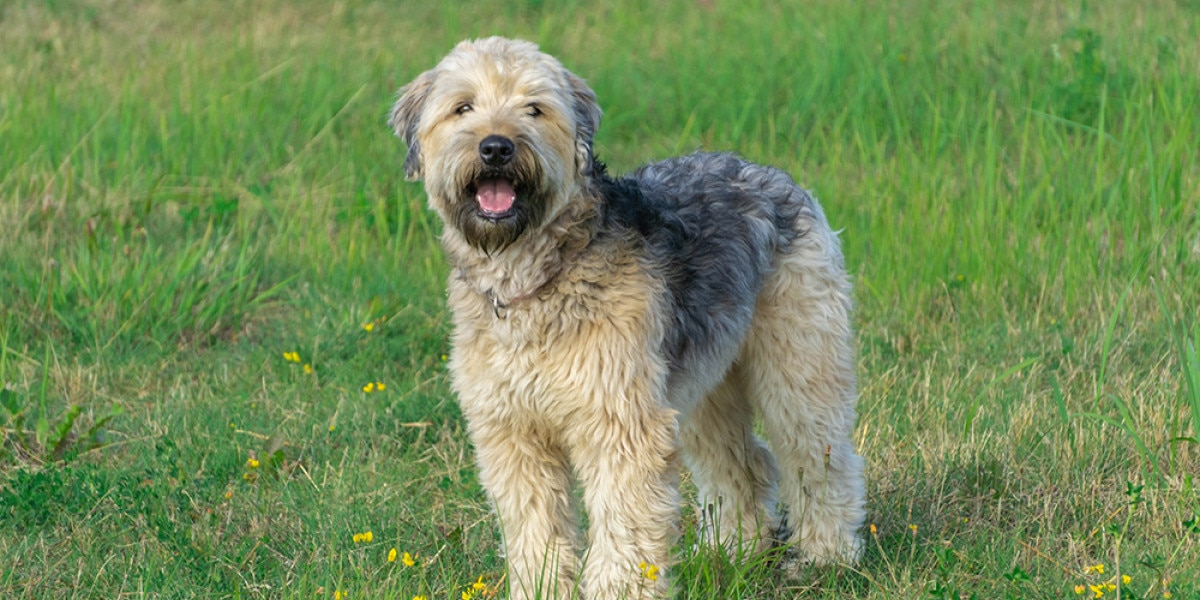
The Soft Coated Wheaten Terrier has a warm pale coat with soft movement. Adults weigh about 30–40 pounds. Wheatens shed little but need careful brushing. Their playful terrier nature requires exercise and training. They suit active families wanting medium size, lighter coloring, and less loose hair.
The coat ranges through warm wheat shades. Mature hair often falls in soft waves.
Wheatens look gentle and flowing. Their terrier roots still bring bounce, drive, and stubborn moments.
“We see little loose fur. Miss several brushing sessions, and knots appear fast.”
— Illustrative owner scenario, not a real testimonial
- Soft warm wheaten coloring
- Low loose-hair shedding
- Fun medium-sized family companion
- Coat mats without brushing
- Terrier energy needs outlets
- Can be stubborn during training
How Do These Light Color Dog Breeds Compare?
Size creates the biggest difference between these ten dogs. Maltese weigh under seven pounds. Great Pyrenees may exceed 100 pounds. Energy also changes the ownership experience. Goldens, Labs, Samoyeds, Eskies, Poodles, and Wheatens need active routines. Great Pyrenees usually work at a calmer pace. Bichons and Maltese need less intense exercise.
Grooming creates another major split. Labs have simple coats but shed heavily. Poodles and Wheatens release less loose hair. Their coats need much more hands-on care. Samoyeds combine heavy shedding with serious brushing. No coat type wins every category. Choose the maintenance problem you can handle for years. Color should become the final enjoyable filter.
| Breed | Light Shade | Energy | Shedding | Best Fit |
|---|---|---|---|---|
| Samoyed | White | High | Heavy | Active homes |
| Golden Retriever | Pale gold | High | High | Families |
| Yellow Labrador | Light yellow | High | High | Outdoor homes |
| Bichon Frise | White | Moderate | Low | Apartments |
| Maltese | White | Moderate | Low | Small homes |
| Great Pyrenees | White | Low–moderate | Heavy | Large properties |
| Westie | White | Moderate–high | Low–moderate | Terrier homes |
| American Eskimo | White/cream | High | Heavy | Training fans |
| Standard Poodle | White/cream/silver | High | Low | Low-shed homes |
| Wheaten Terrier | Wheaten | High | Low | Active families |
Which Light Color Dog Breed Is Right for You?
Your daily routine should narrow the list before coat color does. Start with adult size. Then check your exercise time and grooming budget. Small homes may suit Bichons, Maltese, or Westies. Active families may prefer Goldens, Labs, Samoyeds, Poodles, or Wheatens. Large rural homes may suit Great Pyrenees. Training fans may enjoy Poodles or American Eskimo Dogs.
Next, identify the breed’s hardest demand. Can you brush a Samoyed during heavy shedding? Can you exercise a young Labrador every day? Can you pay for regular Poodle grooming? Can you manage an independent giant guardian? Those answers matter more than color. The AKC guide to choosing the right breed offers another useful starting point.
Is this right for me?
If you want family versatility → consider a Golden Retriever or Labrador.
If you need low shedding → consider a Poodle, Bichon, or Wheaten.
If space stays limited → consider a Maltese, Bichon, or Westie.
If you want a calm giant → study the Great Pyrenees first.
What Care Do Light Color Dog Breeds Need?
Light coat color does not create one shared grooming routine. Coat texture creates most of the work. Labradors have short coats but shed heavily. Samoyeds need deep brushing through dense undercoat. Poodles and Wheatens shed less loose hair. Their hair still needs brushing and trimming. Maltese coats also mat when left too long.
Pale coats show mud, food, and facial stains sooner. Use dog-safe grooming products and clean bedding. Brush before knots tighten close to the skin. Check ears, paws, teeth, and nails during grooming. Persistent skin redness or eye discharge needs veterinary advice. The goal is a healthy coat, not perfect whiteness.
Choose grooming by coat type, not by coat color.
What Most People Get Wrong About Light Color Dog Breeds
The biggest mistake is treating coat color like a personality trait. A pale Labrador does not gain a calmer temperament from its shade. A white Poodle does not need less exercise than a darker Poodle. Breed tendencies, training, social experience, and individual temperament matter much more. Color mainly changes appearance.
Another mistake is assuming light coats always need more grooming. They often show dirt more clearly. Yet coat type controls most grooming work. A short yellow Labrador coat remains simpler than a long Maltese coat. Low shedding also does not mean low maintenance. Poodles prove that point well. Choose the lifestyle match first. Then enjoy the shade you prefer.
Never choose a puppy from coat color alone. Health and temperament matter more.
Final Thoughts on the Best Light Color Dog Breeds
The best light color dog is the one that fits your life.
Golden Retrievers offer family appeal. Poodles offer low shedding. Maltese fit smaller homes.
Choose three breeds whose hardest care needs feel realistic.
That is the first step I recommend as Thomas Cutter.
Frequently Asked Questions
What counts as a light color dog breed?
A light color dog breed has a coat dominated by pale shades. Common examples include white, cream, pale yellow, light gold, silver, and wheat. Breed standards may use different shade names. Coat color can also vary within one breed, so individual dogs may look lighter or darker.
What is the easiest light-colored dog for first-time owners?
Golden Retrievers and Bichon Frises can suit many first-time owners. Goldens need more exercise and space. Bichons need much more coat care. Your best choice depends on size, activity, grooming time, and budget. No breed becomes easy simply because its coat looks light.
Do light color dogs shed more than dark dogs?
No. Coat color does not decide how much loose hair a dog sheds. Labradors and Samoyeds shed heavily. Poodles and Bichons shed much less loose hair. Coat structure matters more than shade. Check each breed’s shedding pattern before choosing based on appearance.
Are white and cream dogs harder to keep clean?
Light coats show mud and stains sooner than dark coats. However, coat type controls much of the work. Short pale coats can clean quickly. Long or curly coats may trap dirt and form mats. A practical grooming routine matters more than keeping every hair perfectly white.
Does a light coat color affect a dog’s personality?
Coat shade should not guide your temperament choice. Dogs within one breed can share different colors and similar breed traits. Training, genetics, health, social exposure, and individual temperament matter more. Pick the breed and individual dog first. Treat coat shade as a final preference.
Thomas Cutter is a lifelong dog owner and the founder of FindOutAboutDogs.com. With over 10 years of hands-on experience owning multiple breeds, Thomas created this site to provide honest, research-based dog advice that real owners can actually trust.
