10 Best Golden Color Dog Breeds for 2026 — A Practical Fit Guide
Quick Answer
The best golden color dog breeds include Golden Retrievers, Vizslas, Wheatens, and golden Cocker Spaniels. Pomeranians suit smaller homes. Ridgebacks suit skilled, active owners. Your best choice depends on size, energy, grooming, shedding, and temperament. Coat color should come after lifestyle fit.
| Need | Strong Match |
|---|---|
| Family companion | Golden Retriever |
| Active outdoor life | Vizsla |
| Small home | Pomeranian |
| Lower shedding | Soft Coated Wheaten Terrier |
Which golden dog fits your life?
- Choose a Golden Retriever for an active family.
- Choose a Vizsla for serious daily exercise.
- Choose a Pomeranian when space stays limited.
- Choose a Wheaten if shedding worries you.
Sunlight hits a golden coat, and the whole dog seems to glow. Then comes the harder question. Which golden dog can fit your real life?
I’m Thomas Cutter, and I write about dog breeds for real homes. Color draws your eye. Daily care decides whether the match lasts.
Golden coats appear on dogs with very different needs. Some love long runs. Others prefer short walks and close indoor life.
- Golden color covers several shades and coat types.
- Golden Retrievers offer the broadest family fit.
- Vizslas need far more exercise than many owners expect.
- Wheatens shed less but need more coat care.
- Choose lifestyle fit before choosing a coat shade.


What Makes a Dog Breed Truly Golden in Color?
A golden dog does not need one exact yellow shade. Golden coats range from pale cream through wheat, honey, rust, and deep amber. Some breed standards use “golden” directly. Others use terms like golden rust, wheaten, orange, cream, or golden liver. Those shades can still create the warm gold look people want. Coat length changes the effect too. A short Vizsla coat looks polished and copper-gold. A Wheaten coat looks soft and shimmering. A Pomeranian creates a bright gold effect through orange or cream fur. So, color alone cannot define this group. Breed traits matter much more once the dog enters your home.
Here is the key distinction. “Golden” describes appearance, not one shared dog type.
A Golden Retriever and Rhodesian Ridgeback may share warm coat tones. Their size, drive, training needs, and coat care differ sharply.
For formal breed descriptions, check official AKC dog breed profiles. Then compare those facts with your home.
Which Are the 10 Best Golden Color Dog Breeds?
The strongest golden color dog breeds cover almost every lifestyle. Golden Retrievers suit active family homes. Vizslas and Wirehaired Vizslas suit runners and outdoor owners. Cockers offer smaller sporting companions. Wheatens combine a golden coat with lower shedding. Ridgebacks suit skilled owners wanting a powerful hound. Pomeranians offer gold tones in toy size. Chows suit calm, experienced homes. Field Spaniels give buyers a rarer golden-liver option. No breed wins every category. The best choice matches your time, space, training skill, and grooming comfort. Start with those daily needs. Use color only as your final filter.
1. Golden Retriever — Golden Color Dog Breed for Family Life
 Save
SaveActive families · First-time owners · Social homes
| Weight | 55–75 pounds |
| Height | About 21.5–24 inches |
| Lifespan | 10–12 years |
| Energy Level | High |
| Grooming Need | Medium to high |
| Shedding | Moderate to heavy |
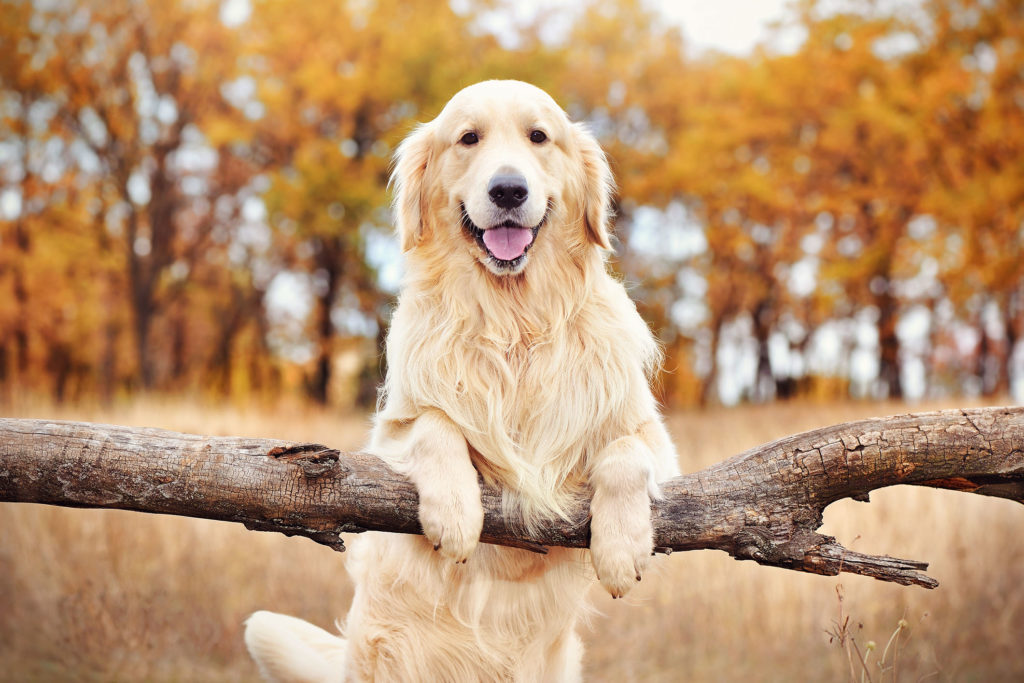
The Golden Retriever is the classic golden color dog for active family homes. Adults usually weigh 55–75 pounds. Their dense double coat ranges through rich golden shades. Goldens tend to enjoy training, retrieving, swimming, and social life. They fit owners who can provide daily exercise and regular brushing.
The flowing coat gives this breed its famous warm glow. Feathering appears around the neck, legs, belly, and tail.
You expect a soft family dog. Yet Goldens remain sporting dogs with real working drive. Bored dogs may chew, dig, or invent games.
“A calm Golden usually follows a busy day, not an empty one.”
— Illustrative owner scenario, not a real testimonial
- Highly trainable sporting companion
- Strong fit for active families
- Classic true golden coat
- Sheds heavily during seasonal changes
- Needs meaningful daily exercise
- Large size raises care costs
→ Compare more easy-going dog breeds for calm homes
2. Vizsla — Sleek Golden-Rust Dog for Active Owners
Runners · Hikers · Experienced active families
| Weight | 44–60 pounds |
| Height | 21–24 inches |
| Lifespan | 12–14 years |
| Energy Level | Very high |
| Grooming Need | Low |
| Shedding | Low to moderate |
The Vizsla is a lean sporting breed known for its sleek golden-rust coat. Adults weigh about 44–60 pounds. These dogs bond closely with their people and need substantial daily activity. They suit runners, hikers, hunters, and active households that enjoy frequent training.
The coat lies close to a lean, athletic frame. Light turns its rust shade into polished copper-gold.
You expect a simple short-haired dog. The surprise comes from its huge exercise needs. Many Vizslas also dislike long periods alone.
“The short coat saves grooming time. The exercise schedule takes it back.”
— Illustrative owner scenario, not a real testimonial
- Low coat-care workload
- Excellent outdoor training partner
- Striking golden-rust color
- Needs intense daily activity
- Can struggle when left alone
- Too demanding for sedentary homes
3. Wirehaired Vizsla — Rugged Golden Dog for Outdoor Adventures
Outdoor families · Hunters · Active rural homes
| Weight | 45–65 pounds |
| Height | 21.5–25 inches |
| Lifespan | 12–14 years |
| Energy Level | Very high |
| Grooming Need | Low to medium |
| Shedding | Low to moderate |
The Wirehaired Vizsla combines golden-rust coloring with a dense, wiry hunting coat. Adults weigh around 45–65 pounds. They remain energetic, smart, and closely bonded with family. This breed fits outdoor owners wanting Vizsla drive with more coat protection.
A wiry beard and bold eyebrows give this breed a rugged face. Its coat keeps the warm rust-gold shade of its smooth cousin.
You may expect a rough-coated Vizsla copy. It is a distinct breed. The tougher coat suits field, water, and rough ground.
“A wet trail matters more than a clean sofa in this household.”
— Illustrative owner scenario, not a real testimonial
- Protective wiry field coat
- Strong bond with owners
- Excellent outdoor stamina
- Needs substantial daily exercise
- Bored dogs need more structure
- Can develop separation stress
4. Cocker Spaniel — Golden Dog Breed in a Smaller Package
Families · Smaller homes · Owners who enjoy grooming
| Weight | 20–30 pounds |
| Height | 13.5–15.5 inches |
| Lifespan | 10–14 years |
| Energy Level | Medium to high |
| Grooming Need | High |
| Shedding | Moderate |
The Cocker Spaniel offers recognized golden, buff, cream, and red coat options. Adults stay around 20–30 pounds. Their sporting roots create playful energy without large-dog size. They suit families willing to handle regular coat and ear care.
Long ears frame a soft face with large dark eyes. Feathered golden coats can look rich and almost silky.
You may see a lap-sized companion first. Under that coat sits an energetic sporting dog. Brisk walks and play still matter.
“The smaller body feels easy. The coat calendar needs real planning.”
— Illustrative owner scenario, not a real testimonial
- Compact sporting-dog size
- Many warm golden shades
- Enjoys play and training
- Coat mats without care
- Ears need regular checks
- Professional grooming adds cost
→ Compare medium dog breeds for family homes
5. English Cocker Spaniel — Merry Golden Sporting Companion
 Save
SaveActive families · Walkers · Sporting-dog fans
| Weight | 26–34 pounds |
| Height | 15–17 inches |
| Lifespan | 12–14 years |
| Energy Level | High |
| Grooming Need | Medium to high |
| Shedding | Moderate |
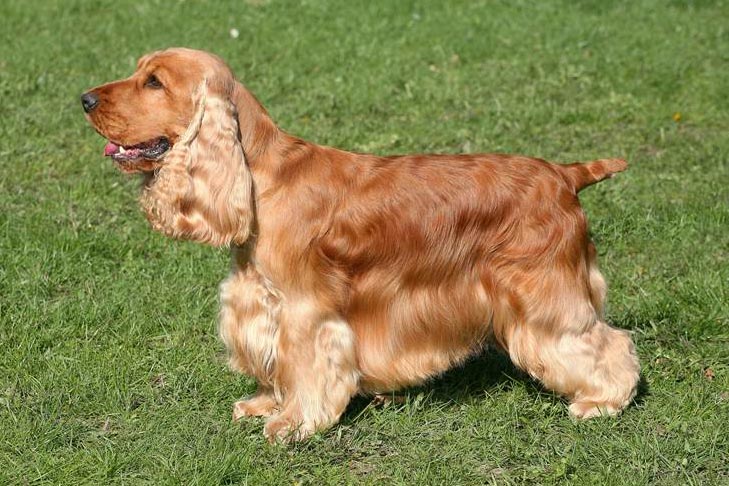
The English Cocker Spaniel is a compact sporting breed with recognized golden coats. Adults weigh about 26–34 pounds. They combine lively field energy with softer indoor manners after exercise. They suit active homes wanting a smaller dog with genuine sporting ability.
The silky coat frames long ears and a balanced athletic body. Solid gold can look warm, deep, and polished.
You expect a pretty companion. Yet English Cockers retain strong hunting instincts. Scent work and retrieving games can satisfy them.
“The best indoor days usually begin with a long outdoor walk.”
— Illustrative owner scenario, not a real testimonial
- Compact athletic build
- Beautiful true golden option
- Strong training potential
- Needs active daily routine
- Feathering needs steady brushing
- Hunting drive needs management
6. Soft Coated Wheaten Terrier — Shimmering Gold With Lower Shedding
Lower-shed homes · Active adults · Grooming-ready owners
| Weight | 30–40 pounds |
| Height | 17–19 inches |
| Lifespan | 12–14 years |
| Energy Level | Medium to high |
| Grooming Need | High |
| Shedding | Low |
The Soft Coated Wheaten Terrier carries a silky coat from pale beige to shimmering gold. Adults weigh 30–40 pounds. The coat sheds less than many golden breeds. However, it needs frequent combing to prevent mats. Wheatens fit active owners who accept grooming work.
The softly waving coat can look like ripe wheat under sunlight. Facial hair creates a shaggy beard and playful expression.
Low shedding sounds like low maintenance. It is not. Loose hair stays within the coat and can form mats.
“There is less hair on furniture. More grooming happens at the comb.”
— Illustrative owner scenario, not a real testimonial
- Low-shedding golden coat
- Medium, manageable body size
- Playful active personality
- Coat mats without combing
- Terrier chase drive remains
- Needs steady daily exercise
7. Rhodesian Ridgeback — Burnished Golden-Wheaten Powerhouse
Experienced owners · Active adults · Secure fenced homes
| Weight | About 70–85 pounds |
| Height | 24–27 inches |
| Lifespan | 10–12 years |
| Energy Level | High |
| Grooming Need | Low |
| Shedding | Low to moderate |
The Rhodesian Ridgeback wears wheaten shades from pale flax to burnished red. Adults are powerful dogs around 70–85 pounds. Their short coat needs little grooming. However, strong prey drive and independent thinking demand skilled handling. They suit active, experienced owners with secure space.
The famous ridge runs against the coat along the back. Sunlight can turn darker wheaten coats into rich bronze-gold.
You may expect size to create easy control. It does not. A powerful independent hound needs early training and safe boundaries.
“A secure gate matters more here than another bag of dog toys.”
— Illustrative owner scenario, not a real testimonial
- Low grooming workload
- Striking burnished wheaten coat
- Athletic adult companion
- Strong prey drive
- Needs experienced handling
- Large powerful body
8. Pomeranian — Tiny Orange-Gold Dog With Huge Presence
Apartments · Adult homes · Small-dog fans
| Weight | 3–7 pounds |
| Height | 6–7 inches |
| Lifespan | 12–16 years |
| Energy Level | Medium |
| Grooming Need | Medium to high |
| Shedding | Moderate |
The Pomeranian brings warm gold looks through orange, orange sable, cream, and red coats. Adults weigh only 3–7 pounds. Their double coat creates remarkable volume. They suit smaller homes and owners wanting an alert companion with manageable exercise needs.
A fox-like face rises from a huge neck ruff. Orange coats often read as bright gold in natural light.
You expect a delicate lap dog. Many Poms act much larger than their size. Alert barking and bold behavior need training.
“Seven pounds can still announce every visitor before the doorbell does.”
— Illustrative owner scenario, not a real testimonial
- Excellent small-home size
- Many warm golden shades
- Indoor play provides exercise
- Double coat needs brushing
- Small body needs careful handling
- Barking may need training
9. Chow Chow — Lion-Like Cream and Cinnamon Gold
Calm adults · Experienced owners · Lower-activity homes
| Weight | 45–70 pounds |
| Height | 17–20 inches |
| Lifespan | 8–12 years |
| Energy Level | Low to medium |
| Grooming Need | High |
| Shedding | Heavy seasonally |
The Chow Chow creates golden looks through cream, cinnamon, and some warm red coats. Adults weigh 45–70 pounds. Their lion-like double coat needs regular grooming. Chows tend to feel more reserved than retrievers. They fit calm, experienced homes that respect personal space.
A heavy neck ruff creates the famous lion outline. Cream and cinnamon coats can look pale gold or toasted honey.
You expect a giant teddy bear personality. Many Chows stay dignified and reserved. Early socialization matters far more than appearance.
“The fluffy look invites hugs. The dog may prefer quiet company instead.”
— Illustrative owner scenario, not a real testimonial
- Moderate exercise needs
- Dramatic lion-like appearance
- Calm indoor presence
- Heavy coat needs grooming
- Often reserved with strangers
- Early socialization remains vital
→ Compare calm dog breeds for family homes
10. Field Spaniel — Rare Golden-Liver Sporting Dog
 Save
SaveSpaniel fans · Active households · Owners wanting a rarer breed
| Weight | 35–50 pounds |
| Height | 17–18 inches |
| Lifespan | 12–13 years |
| Energy Level | Medium to high |
| Grooming Need | Medium |
| Shedding | Moderate |
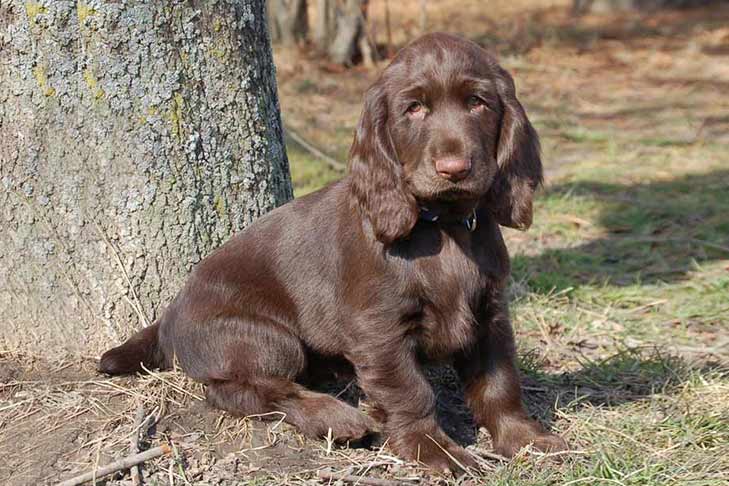
The Field Spaniel offers rare golden-liver and golden-liver-roan coat options. Adults weigh 35–50 pounds. They combine sporting ability with calmer house manners after exercise. This breed fits owners wanting a less common spaniel with manageable size and steady activity.
Long feathered ears frame a thoughtful face. Golden-liver coats can shift between warm brown, bronze, and deep gold.
You may assume rare means difficult. Field Spaniels can adapt well with enough activity. Finding responsible breeders may take more time.
“The biggest challenge may be finding the breed, not living with one.”
— Illustrative owner scenario, not a real testimonial
- Rare golden-liver coat
- Balanced medium body size
- Sporty yet settles indoors
- Harder breed to find
- Needs regular outdoor activity
- Feathered coat needs brushing
How Do the 10 Golden Color Dog Breeds Compare?
The comparison becomes easier when you ignore color for one minute. Golden Retrievers give families a balanced mix of training and social traits. Vizslas need the greatest activity commitment. Pomeranians give small-space owners the easiest size. Wheatens reduce loose hair but increase grooming work. Ridgebacks require confident handling. Chows suit quieter homes but need coat care and early socialization. Cockers sit between toy dogs and larger sporting breeds. Field Spaniels provide a less common middle-sized choice. No single golden breed wins size, grooming, energy, and temperament together. Choose the hardest daily job you can manage. Then remove breeds whose needs exceed that limit.
| Breed | Golden Shade | Energy | Grooming | Best Fit |
|---|---|---|---|---|
| Golden Retriever | Cream to deep gold | High | Medium-high | Active families |
| Vizsla | Golden rust | Very high | Low | Runners |
| Wirehaired Vizsla | Golden rust | Very high | Low-medium | Outdoor homes |
| Cocker Spaniel | Golden, buff, cream | Medium-high | High | Smaller families |
| English Cocker | Golden | High | Medium-high | Active families |
| Wheaten Terrier | Pale wheat to gold | Medium-high | High | Lower-shed homes |
| Rhodesian Ridgeback | Wheaten to burnished red | High | Low | Skilled owners |
| Pomeranian | Orange, cream, red | Medium | Medium-high | Small homes |
| Chow Chow | Cream, cinnamon, red | Low-medium | High | Calm adults |
| Field Spaniel | Golden liver | Medium-high | Medium | Spaniel fans |
Use the table to remove poor matches first. Your final shortlist should contain only manageable breeds.
Which Golden Color Dog Breed Is Right for You?
Your routine should choose the breed before your eyes choose the color. Pick a Golden Retriever if your family wants a social sporting companion. Pick a Vizsla only when hard daily exercise feels normal. Pick a Pomeranian when small size matters most. Pick a Wheaten when lower shedding matters more than grooming time. Consider a Cocker when you want sporting traits in a smaller body. Choose a Ridgeback only when strong dogs and prey drive feel manageable. A Chow fits owners who value calm independence over constant social behavior. A Field Spaniel suits people wanting an uncommon medium sporting dog. Lifestyle match protects both you and the dog.
Is This Right for Me?
- If you have active children → consider a Golden Retriever.
- If you run often → consider a Vizsla.
- If space stays tight → consider a Pomeranian.
- If loose hair bothers you → consider a Wheaten.
Looks can hide the hardest part of ownership. Write down your worst weekday before choosing.
Then compare your answer with the AKC guide to choosing a breed for your lifestyle.
This guide covers breed-level traits and common golden shades. Individual dogs still vary in behavior and health.
How Should You Care for a Golden-Colored Coat?
Golden color does not create one grooming routine. Coat type controls the work. Golden Retrievers and Chows have dense double coats and shed much more. Pomeranians also carry thick double coats despite their tiny size. Cockers need brushing around long feathering and ears. Wheatens shed less but can mat without frequent combing. Vizslas and Ridgebacks need much less coat work. Regular grooming also lets you spot skin changes, lumps, parasites, or unusual hair loss sooner. Start with the breed’s coat type. Then create a routine you can repeat every week. Consistent simple care beats occasional marathon grooming.
Choose grooming work before choosing coat beauty.
Health checks matter as much as grooming. Responsible breeders should discuss breed-specific screening.
Review OFA guidance for prospective dog owners before buying a puppy. Ask for proof of recommended parental tests.
What Do Most People Get Wrong About Golden Dog Breeds?
The biggest mistake is assuming similar color means similar temperament. It does not. A Golden Retriever may welcome a busy social home. A Chow may prefer more distance and quiet. A Vizsla can demand hours of engagement that a Pomeranian never needs. A Wheaten may leave less hair around your home but demand more combing. Another mistake involves puppies. Coat color can change as young dogs mature. Buyers should also avoid choosing a breeder only because one puppy shows the “perfect” shade. Health, temperament, structure, and responsible breeding matter more. A beautiful coat cannot repair a poor lifestyle match.
Never choose a puppy from color alone.
You might be thinking appearance still matters. Of course it does. Just place it after health and lifestyle.
When color becomes the last filter, your odds of a good match improve.
Which Golden Dog Breed Should You Choose First?
The Golden Retriever gives many active families the easiest starting point. Its social nature and trainability offer broad appeal.
Yet the best breed remains the one your routine can support. Color should make a good match sweeter, not create it.
One thing to do right now: write your daily exercise and grooming limits. I’m Thomas Cutter, and those two numbers can shrink this list fast.
Frequently Asked Questions
What dog breed has the most classic golden coat?
The Golden Retriever has the most recognized classic golden coat. Its breed identity centers on warm golden shades and feathered fur. However, Vizslas, golden Cockers, and Wheatens also offer strong gold tones with very different care needs.
Which golden color dog breed is best for families?
The Golden Retriever suits many active family homes. It tends to enjoy training, play, and close social contact. Still, family fit depends on exercise time, child behavior, dog training, and each individual dog’s temperament.
Which golden dog breed sheds the least?
The Soft Coated Wheaten Terrier sheds less than most breeds listed here. Low shedding does not mean easy grooming. Its silky coat needs frequent brushing and combing because loose hair can remain trapped and form mats.
Which small dog breed comes in a golden color?
The Pomeranian is the smallest choice on this list. Orange, orange sable, cream, and red coats can create a bright golden look. Poms fit smaller spaces, but their thick double coats still need regular grooming.
Are golden-colored dog breeds naturally friendly?
No. Coat color does not predict a dog’s friendliness. Golden Retrievers, Chows, Ridgebacks, and Vizslas can share warm coat tones yet show different breed tendencies. Choose temperament and lifestyle fit before choosing color.

Thomas Cutter is a lifelong dog owner and the founder of FindOutAboutDogs.com. With over 10 years of hands-on experience owning multiple breeds, Thomas created this site to provide honest, research-based dog advice that real owners can actually trust.
