Best Chicken Treats for Puppies at Home: 5 Safe Recipes Your Pup Will Love
⚡ Quick Answer
The best homemade chicken treats for puppies use plain, fully cooked chicken breast with no salt, onion, garlic, or seasoning. You can bake, dehydrate, or freeze them. They’re safe, high in protein, and easy to make with 3-5 ingredients you likely already have at home.
How to make chicken treats for puppies at home:
-
1
Cook plain chicken breast — boiled or baked, no seasoning at all -
2
Mix with puppy-safe binders like oat flour, egg, or sweet potato -
3
Bake at 350°F for 20-25 minutes until firm and golden -
4
Cool fully, then store in fridge up to 7 days or freeze for 6 months
Ingredients to always avoid in puppy chicken treats:
-
✓
No onion or garlic — toxic to puppies even in small amounts -
✓
No salt or spices — puppies can’t handle sodium like adult dogs -
✓
No xylitol in any ingredient — this sweetener is fatal to dogs
Your puppy just sat. Looked up at you with those impossible eyes. And now you’re standing in the kitchen wondering — what can I actually give them that’s both safe and delicious? I’m Thomas Cutter, and I’ve spent years helping dog owners feed their pups smarter at home. Homemade chicken treats are one of the easiest wins you can give a growing puppy. They’re affordable, free of preservatives, and you control every single ingredient. Here’s everything you need to know — from the safest recipes to the common mistakes most owners never realize they’re making.
📌 Key Takeaways
-
→
Plain cooked chicken is safe, healthy, and protein-rich for puppies at any age. -
→
Treats should make up no more than 10% of your puppy’s daily calories to avoid nutritional imbalance. -
→
Homemade treats contain zero preservatives and are fully customizable for allergies or sensitivities. -
→
Never use chicken bones in treats — cooked bones splinter and can cause serious internal injury.

Is Chicken Safe for Puppies in Homemade Treats?
Yes — chicken is one of the safest proteins you can give a puppy. It’s lean, easily digestible, and packed with amino acids that support muscle growth in young dogs. Most vets actually recommend plain cooked chicken as a gentle food for puppies with sensitive stomachs.
The key word is plain. The chicken itself is safe. The problem starts when you add seasonings, sauces, or ingredients humans love but puppies can’t handle. Garlic and onion are toxic to dogs at any age. Salt stresses a puppy’s kidneys, which are still developing in the first year of life.
According to the American Kennel Club’s guide to homemade dog treats, DIY treats let you know exactly what your dog is eating — and that’s the biggest advantage over store-bought options. Before you start, it’s worth knowing how often puppies can safely eat boiled chicken breast daily, since treats count toward their total chicken intake.
So if you use plain chicken and safe binders — oat flour, egg, sweet potato — you’re already ahead of most commercial treats on the shelf.
✅ Tip
Use chicken breast over thighs for puppy treats — it’s lower in fat and gentler on a developing digestive system.
What Ingredients Are Safe to Use in Homemade Puppy Chicken Treats?
Before you open the fridge, get this list clear in your mind. Puppies aren’t small adult dogs — their digestive systems are still maturing, and their tolerance for certain foods is lower.
This table shows the safest ingredients to use and what role each one plays in homemade puppy treats.
Stick to this list and you’ll have a treat that’s both safe and nutritionally useful for a growing puppy.
⚠️ Warning
Never use peanut butter unless you’ve confirmed it contains no xylitol. This sweetener is found in some brands and is fatal to dogs even in tiny amounts. Always read the label.
5 Best Chicken Treat Recipes for Puppies You Can Make at Home
These 5 recipes cover every situation — quick training treats, frozen summer snacks, soft bites for young pups, and crunchy biscuits for older puppies. Each uses simple ingredients and takes under an hour.
Recipe 1: Simple 3-Ingredient Chicken Training Bites
This is the starting point for every puppy owner. It’s the fastest recipe — and because it uses only 3 ingredients, it’s the lowest risk for sensitivities.
You’ll need: 1 cooked chicken breast (shredded), 1 egg (beaten), 1 cup oat flour.
Mix the shredded chicken and beaten egg together first. Add oat flour gradually until a firm dough forms. Roll into pea-sized balls — small is key for training treats, since puppies get many in one session. Bake at 350°F (175°C) for 15 minutes. Cool fully before serving.
These treats are roughly the size of a blueberry. That size means you can reward a puppy 20-30 times in a single training session without overfeeding. Store in the fridge for up to 7 days.
Recipe 2: Chicken and Sweet Potato Biscuits
Sweet potato gives this recipe its soft texture and natural sweetness. Puppies go crazy for it — and it adds real nutrition too.
You’ll need: 1 cooked chicken breast (chopped), 1 medium sweet potato (baked and mashed), 1 egg, 1.5 cups oat flour, ¼ cup low-sodium chicken broth (no onion or garlic).
Mix the mashed sweet potato, broth, and egg in a bowl. Add the chicken and mix well. Add oat flour half a cup at a time until a firm dough forms. Roll to ¼ inch thick on a floured surface and cut into small shapes. Bake at 350°F for 20-25 minutes until golden brown. Cool completely before storing.
These keep in the fridge for 7 days or the freezer for up to 6 months. The sweet potato adds vitamin A, which supports your puppy’s skin, coat, eyes, and muscular development.
Recipe 3: Dehydrated Chicken Strips (Jerky-Style)
If your puppy is teething or you want a long-lasting chew treat, dehydrated chicken strips are perfect. They’re single-ingredient — just plain chicken.
Trim all fat from a chicken breast. Slice into thin strips, about 3-5mm thick, for even drying. Lay in a single layer on a wire rack over a baking sheet. Bake at 200°F (95°C) for 2.5 to 3 hours, flipping halfway. The strips should snap — not bend — when done. If they still flex, leave them another 30-60 minutes.
Fully dried strips last up to 6 months in an airtight container. These are perfect for training high-value rewards, since the smell and chew texture excite puppies more than soft treats.
💡 Key Insight
Dehydrated chicken strips are often the most effective training treat because the concentrated smell triggers a stronger reward response in puppies than softer baked treats.
Recipe 4: Frozen Chicken Broth Pops (Summer Treat)
On hot days, a frozen treat keeps puppies cool and gives them something to work on. This couldn’t be simpler.
Pour plain, low-sodium chicken broth (onion-free, garlic-free) into ice cube trays. Drop a small piece of cooked chicken into each cube. Freeze for at least 4 hours. Pop one out and let your puppy lick and chew it outside.
The frozen format slows down eating, which is great for puppies that bolt their food. It also keeps them entertained for 5-10 minutes — which buys you time when you need it.
Recipe 5: Chicken Liver Training Treats (High-Value Reward)
Chicken liver is one of the most irresistible smells to a dog. Use these for difficult training tasks — recall, loose-leash walking, or anything that needs strong motivation.
You’ll need: 200g chicken liver (rinsed), 1 egg, ½ cup oat flour.
Blend the liver and egg into a smooth paste. Mix in oat flour until a thick batter forms — it will be wetter than other recipes. Pour into a greased baking tray and bake at 350°F for 20-25 minutes. It should set like a brownie. Cut into tiny cubes once cooled.
These are rich, so keep portions small. Give 2-3 cubes per training session — not handfuls. You can learn more about how often dogs can eat chicken liver safely to keep these treats within healthy limits.
How to Store Homemade Chicken Puppy Treats Safely
Homemade treats have no preservatives. That’s a feature — but it also means storage matters more than with commercial treats.
🔢 Step-by-Step: Storing Homemade Chicken Treats
-
1
Cool completely before storing
Sealing warm treats creates moisture inside the container, which speeds up mold growth significantly.
-
2
Use an airtight container in the fridge
Soft baked treats last up to 7 days refrigerated. Dehydrated strips last up to 2 weeks in the fridge.
-
3
Freeze for long-term batches
Most baked treats freeze well for up to 6 months. Use ziplock freezer bags and thaw before serving.
-
✓
Discard if smell or texture changes
No preservatives means spoilage is real. If it smells off or feels slimy, throw it out — don’t risk it.
Never leave homemade treats at room temperature for more than 2 hours. The chicken content makes them perishable, the same as cooked chicken you’d store for yourself.
How Many Chicken Treats Can a Puppy Have Per Day?
Treats should make up no more than 10% of a puppy’s total daily calories. That’s the rule most vets agree on — and it applies whether you’re giving store-bought or homemade.
A small puppy under 10 lbs needs roughly 200-300 calories per day. That means treats should stay under 20-30 calories total. One small baked chicken biscuit is roughly 15-25 calories depending on size. So 1-2 treats per day for a small puppy, and 3-5 for a medium or large breed puppy.
Training treats should be tiny — pea-sized. You can give more of them without worrying about calories because each one delivers so few. This is why recipe 1 above works so well: the small size lets you reward frequently without overfeeding.
For everyday context, learn how boiled chicken breast fits safely into a dog’s daily diet — treats count toward that total.
10%
Max treat calories per day
Pea
Ideal training treat size
6mo
Freezer life of most treats
What Most People Get Wrong About Homemade Chicken Treats for Puppies
Most owners make one of three mistakes. None of them are obvious — but all of them matter.
Mistake 1: Using rotisserie chicken. It seems like a shortcut. But rotisserie chicken almost always contains sodium, garlic powder, and other seasonings baked deep into the meat. Even a small amount of garlic is toxic to dogs — it damages red blood cells. Always use plain, fresh-cooked chicken you’ve prepared yourself. If you need help with a safe base recipe, see this vet-recommended boiled chicken recipe for dogs.
Mistake 2: Giving treats right out of the oven. Puppies will eat anything regardless of temperature — but hot treats can burn their mouth and throat. Always cool treats completely on a wire rack. “Completely cool” means room temperature — not just not-burning-hot.
Mistake 3: Thinking “natural” means safe. Some natural ingredients are dangerous for puppies. Grapes, raisins, macadamia nuts, avocado, and even certain herbs can cause serious harm. The AKC confirms that the label “all-natural” doesn’t automatically mean safe for dogs. Stick to the verified ingredient list in this article and you won’t go wrong.
Which Type of Chicken Treat Is Best for Your Puppy’s Situation?
🎯 Which Chicken Treat Is Right For Your Puppy?
If you are…
Training a puppy and need many small rewards
→ Use Recipe 1 (Tiny Training Bites)
If you are…
Giving a daily snack with added nutrition
→ Use Recipe 2 (Sweet Potato Biscuits)
If you are…
Training a difficult skill that needs strong motivation
→ Use Recipe 5 (Chicken Liver Cubes)
If you are…
Dealing with a teething puppy that needs to chew
→ Use Recipe 3 (Dehydrated Chicken Strips)
Recommended Product for Puppy Treat Making
Recommended Product
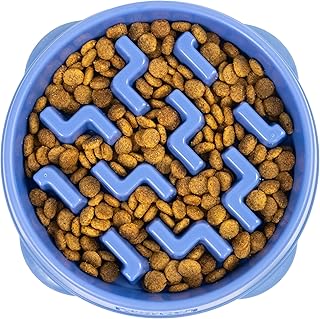
Merrick Power Bites Real Chicken Recipe Soft Dog Treats
★★★★☆ Highly rated on Amazon
A convenient backup option for days when you don’t have time to make homemade treats — made with real chicken as the first ingredient, no artificial preservatives, and puppy-safe sizing.
As an Amazon Associate, we earn from qualifying purchases.
Conclusion
Homemade chicken treats for puppies are one of the simplest, safest ways to reward your dog. Plain cooked chicken, a safe binder like oat flour or sweet potato, and an oven — that’s all it takes. The 10% treat rule keeps everything balanced, and storing treats in the fridge or freezer means you’re never caught without a reward.
Start with Recipe 1 today. It takes under 30 minutes, uses 3 ingredients you likely already have, and your puppy will love every pea-sized piece.
Frequently Asked Questions
Can puppies eat chicken treats every day?
Yes, puppies can have chicken treats daily as long as treats stay within the 10% calorie rule. For a small puppy under 10 lbs, that means 1-2 small treats per day. Keeping portions small and treats pea-sized for training means you can reward consistently without disrupting their main diet.
What age can puppies start eating homemade chicken treats?
Puppies can eat plain cooked chicken from around 8 weeks old — when they start transitioning to solid food. For baked treats with flour and egg, wait until 10-12 weeks when digestion is more stable. Always make treats soft and small enough that they can’t be a choking hazard.
Can I use chicken with bones in homemade puppy treats?
No — never use chicken bones in treats. Cooked chicken bones splinter easily and can cause choking, internal punctures, or intestinal blockages. Always use boneless chicken breast or thigh meat, fully deboned, and check every piece carefully before mixing it into any treat recipe.
How long do homemade chicken puppy treats last?
Soft baked treats last up to 7 days in an airtight container in the fridge. Fully dehydrated chicken strips last up to 2 weeks refrigerated and up to 6 months in the freezer. Frozen broth pops last up to 3 months frozen. Never leave any homemade chicken treat at room temperature for more than 2 hours.
Are homemade chicken treats better than store-bought for puppies?
Homemade treats give you full ingredient control — no preservatives, no fillers, no hidden additives. That’s especially valuable for puppies with sensitive stomachs or allergies. Store-bought treats from reputable brands are still safe, but homemade options are fresher and customizable. The best choice is whichever you can make consistently and safely.

Thomas Cutter is a lifelong dog owner and the founder of FindOutAboutDogs.com. With over 10 years of hands-on experience owning multiple breeds, Thomas created this site to provide honest, research-based dog advice that real owners can actually trust.
