10 Best Blue Color Dog Breeds for Every Lifestyle in 2026
Quick Answer
The best blue color dog breeds include Australian Cattle Dogs, Kerry Blue Terriers, Weimaraners, Great Danes, Italian Greyhounds, Neapolitan Mastiffs, Australian Shepherds, Border Collies, Staffordshire Bull Terriers, and Standard Poodles. Your best choice depends on size, energy, grooming, training needs, and the type of blue coat you prefer.
| Your Priority | Strong Match |
|---|---|
| Active outdoor life | Australian Cattle Dog |
| Low shedding | Kerry Blue Terrier or Poodle |
| Giant companion | Great Dane |
Which blue dog should you choose?
- Choose a Heeler if daily activity comes naturally.
- Choose a Kerry Blue if low shedding matters.
- Choose an Italian Greyhound for smaller homes.
A steel-blue coat catches the light in a way few dog colors can. Some look silver. Others look charcoal, slate, or softly mottled.
I’m Thomas Cutter, and I research breed traits for real household needs. If you also love cool-toned coats, compare these grey color dog breeds for different lifestyles.
Here’s the key point. A blue coat should never make the choice alone. Size, drive, health, and daily care matter far more.
- “Blue” often means gray, slate, silver, or blue merle.
- Different genes can create similar blue-looking coats.
- Energy and training needs vary greatly between these breeds.
- Some dilute coats can face special skin risks.
- Choose health and temperament before coat color.


What Makes a Dog Breed Blue in Color?
A blue dog usually has black pigment changed into a softer gray or slate shade. However, not every blue-looking coat comes from the same gene. Some dogs carry diluted dark pigment. Others have merle patterns. Kerry Blue Terriers develop their shade as they mature. Australian Cattle Dogs gain a blue look from mixed dark and light hairs.
So, “blue” describes appearance more than one single genetic type. Shades range from pale silver-gray to deep gunmetal.
Blue merle works differently from a solid dilute coat. Merle creates irregular patches across darker pigment.
The AKC guide to merle coat genetics explains why responsible breeding matters. Breeding 2 merle dogs together can raise serious health risks.
Ask breeders what creates the blue coat before choosing a puppy.
Which Are the 10 Best Blue Color Dog Breeds?
The best blue color dog breeds range from tiny companion dogs to giant guardians. Australian Cattle Dogs suit highly active owners. Kerry Blue Terriers offer a low-shedding coat. Weimaraners combine sleek gray coloring with strong sporting drive. Great Danes offer a true blue option in a giant frame. Your lifestyle should narrow the list first.
Some choices need intense daily work. Others need costly coat care or careful training.
Here’s why that matters. A beautiful coat stops feeling special when daily needs become overwhelming.
1. Australian Cattle Dog — Blue Color Dog Breed for Active Owners
 Save
SaveHikers · Working homes · Experienced active owners
| Weight | 35–50 pounds |
| Height | 17–20 inches |
| Lifespan | 12–16 years |
| Energy Level | Very high |
| Grooming Need | Weekly brushing |
| Shedding | Moderate to heavy |
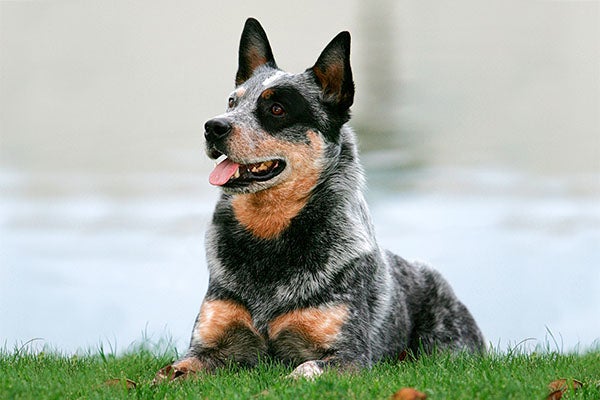
The Australian Cattle Dog is a muscular blue dog built for demanding work. Adults weigh 35–50 pounds and stay compact. Blue coats may appear mottled or speckled instead of solid gray. These sharp, tireless herders suit owners who enjoy structured training and serious daily exercise.
The short coat mixes dark and pale hairs into a rugged blue pattern. Tan points can add sharp contrast.
Heelers watch movement and react fast. Their herding drive can include chasing or controlled nipping.
Owner Reality: A short walk rarely drains a young Heeler’s energy.
- Striking natural blue pattern
- Highly trainable working mind
- Excellent outdoor partner
- Needs substantial daily exercise
- May herd moving children
- Bored dogs create trouble fast
2. Kerry Blue Terrier — Low-Shedding Blue Dog With Character
Low-shed homes · Terrier fans · Skilled groomers
| Weight | About 33–40 pounds |
| Height | 17.5–19.5 inches |
| Lifespan | 12–15 years |
| Energy Level | High |
| Grooming Need | High |
| Shedding | Low |
The Kerry Blue Terrier is a medium terrier famous for its soft blue-gray coat. Puppies start much darker and lighten as they mature. Adults stay sturdy without becoming huge. Kerries suit confident owners who want low shedding, lively behavior, and regular professional grooming.
The dense wavy coat feels soft instead of wiry. Its shade can range from slate to silver-blue.
Kerries carry classic terrier confidence. They need clear rules around other dogs and small pets.
Owner Reality: Low shedding does not mean low grooming costs.
- Distinct blue-gray coat
- Very low loose-hair shedding
- Smart and engaging companion
- Needs skilled coat trimming
- Strong terrier prey drive
- Can challenge other dogs
3. Weimaraner — Sleek Silver-Blue Athlete
Runners · Sporting homes · Experienced active families
| Weight | 55–90 pounds |
| Height | 23–27 inches |
| Lifespan | 10–13 years |
| Energy Level | Very high |
| Grooming Need | Low |
| Shedding | Moderate |
The Weimaraner is a large sporting breed with a famous silver-gray appearance. Its sleek body and pale coat earned the “Gray Ghost” nickname. Adults can reach 90 pounds. They suit athletic homes offering vigorous exercise, steady training, and plenty of human contact.
The smooth coat hugs a lean, muscular frame. Pale eyes strengthen the breed’s cool-toned look.
Weimaraners often shadow their owners indoors. Their calm-looking coat hides a highly driven athlete.
Compare more silver color dog breeds if you prefer lighter cool-toned coats.
- Iconic silver-gray appearance
- Easy short-coat grooming
- Strong athletic partner
- Needs vigorous daily exercise
- Dislikes long isolation
- Young dogs need firm training
4. Great Dane — Giant Blue Dog With a Calm Presence
Large homes · Giant-breed fans · Calm adult households
| Weight | 110–175 pounds |
| Height | 28–32 inches |
| Lifespan | 7–10 years |
| Energy Level | Moderate |
| Grooming Need | Low |
| Shedding | Moderate |
The blue Great Dane combines a smooth steel-colored coat with enormous size. Adults often weigh well above 100 pounds. Yet many mature Danes stay calmer indoors than smaller working breeds. They suit owners prepared for giant food bills, large beds, training, and shorter average lifespans.
A solid blue coat gives the huge body a polished steel appearance. Short hair keeps grooming simple.
Danes often seek close contact despite their scale. Many forget how much room they occupy.
For other one-shade options, see these solid color dog breeds for different homes.
- Dramatic solid-blue coat
- Often calm when mature
- Simple coat maintenance
- Huge ongoing ownership costs
- Shorter average lifespan
- Size demands early training
5. Italian Greyhound — Small Blue Dog for Gentle Homes
 Save
SaveApartments · Gentle adults · Small-dog lovers
| Weight | 7–14 pounds |
| Height | 13–15 inches |
| Lifespan | 14–15 years |
| Energy Level | Moderate |
| Grooming Need | Low |
| Shedding | Low |
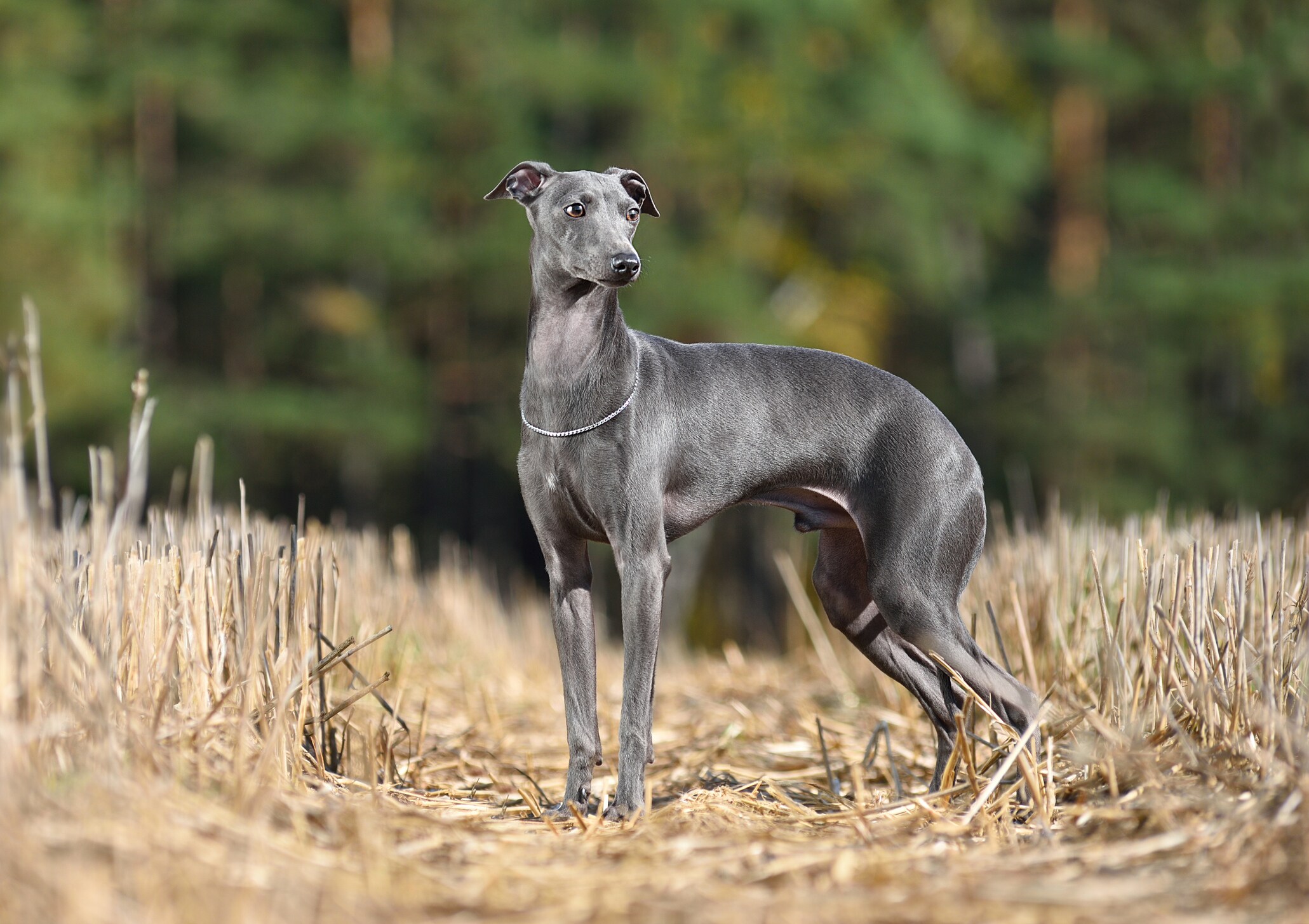
The Italian Greyhound is a tiny sighthound that can wear a blue-gray coat. Adults usually stay below 15 pounds. They combine sudden bursts of speed with long stretches of indoor lounging. They suit gentle homes where owners can protect their thin legs and sensitive bodies.
The coat feels almost satin-smooth against a narrow frame. Long legs make this tiny dog look elegant.
Italian Greyhounds seek warmth and soft beds. Cold rain can turn a simple walk into negotiation.
- Beautiful blue-gray option
- Minimal coat grooming
- Works in smaller homes
- Fine legs need protection
- Dislikes cold weather
- House training needs patience
6. Neapolitan Mastiff — Massive Blue Guardian
Experienced handlers · Secure homes · Guardian-breed fans
| Weight | 110–150+ pounds |
| Height | 24–31 inches |
| Lifespan | 7–9 years |
| Energy Level | Low to moderate |
| Grooming Need | Low coat care |
| Shedding | Moderate |
The blue Neapolitan Mastiff is a huge guardian with loose skin and massive bone. Adults can exceed 150 pounds. Their blue-gray coat stays short and simple to brush. Yet their guarding instincts and physical power make them best for skilled, prepared owners.
Deep folds cover the broad head and heavy body. Blue coloring can make those folds look sculpted.
These Mastiffs often stay quiet while watching strangers. Their calm posture still carries serious guarding power.
- Rare blue-gray appearance
- Calmer indoor energy
- Powerful natural guardian
- Not suited to beginners
- Drooling can be substantial
- Giant health costs add up
7. Australian Shepherd — Blue Merle Dog for Busy Homes
Dog sports · Ranch life · Training-focused owners
| Weight | 40–65 pounds |
| Height | 18–23 inches |
| Lifespan | 12–15 years |
| Energy Level | Very high |
| Grooming Need | Regular brushing |
| Shedding | Moderate to heavy |
The Australian Shepherd offers one of the most recognizable blue merle coats. Dark patches sit across a pale marbled background. Adults stay medium-sized but bring serious working energy. Aussies fit owners who enjoy training, movement, problem-solving, and daily interaction.
The blue merle pattern can mix gray, black, white, and copper. No 2 coats look exactly alike.
Aussies learn household patterns quickly. Without jobs, they often invent work nobody requested.
See more patterned options among these multi-color dog breeds with striking coats.
- Beautiful blue merle pattern
- Excels in dog sports
- Learns complex skills quickly
- Needs heavy mental work
- Seasonal shedding becomes intense
- May herd family members
8. Border Collie — Brilliant Blue Merle Working Dog
Dog sports · Working owners · Advanced trainers
| Weight | 30–55 pounds |
| Height | 18–22 inches |
| Lifespan | 12–15 years |
| Energy Level | Very high |
| Grooming Need | Regular brushing |
| Shedding | Moderate |
The blue merle Border Collie pairs eye-catching color with intense working intelligence. Adults weigh only 30–55 pounds. Yet their mental and physical needs can exceed much larger dogs. They suit handlers who want daily training, sports, herding, or challenging outdoor work.
Merle creates broken gray and black patches across the coat. White areas sharpen the contrast.
Border Collies study movement with striking focus. A bored dog may start controlling household motion.
- Exceptional training ability
- Stunning blue merle coats
- Superb dog-sport partner
- Needs constant mental outlets
- Herding drive can overwhelm
- Poor fit for inactive homes
9. Staffordshire Bull Terrier — Compact Blue Dog With Muscle
Active adults · Compact homes · Bull-terrier fans
| Weight | 24–38 pounds |
| Height | 14–16 inches |
| Lifespan | 12–15 years |
| Energy Level | High |
| Grooming Need | Low |
| Shedding | Moderate |
The blue Staffordshire Bull Terrier packs substantial muscle into a compact body. Adults stand only 14–16 inches tall. A blue coat creates a smooth charcoal-gray finish. Staffies suit active owners who provide training, play, social work, and close human contact.
The short blue coat shows every curve of the muscular frame. Grooming stays simple throughout most seasons.
Staffies often play with full-body enthusiasm. Their strength can surprise people expecting a small dog.
- Compact muscular build
- Easy coat maintenance
- Playful human-focused nature
- Needs careful dog socialization
- Strength requires leash training
- Dilute coats need skin checks
10. Standard Poodle — Elegant Blue Dog With Low Shedding
 Save
SaveLow-shed homes · Trainers · Grooming-ready families
| Weight | 40–70 pounds |
| Height | Over 15 inches |
| Lifespan | 10–18 years |
| Energy Level | High |
| Grooming Need | Very high |
| Shedding | Low |
A blue Standard Poodle combines a cool dark coat with low loose-hair shedding. Adults weigh roughly 40–70 pounds. Their athletic ability often surprises people who know only show clips. Poodles suit training-focused homes that can manage frequent brushing, clipping, and mental work.
Blue Poodles often begin much darker before their adult shade develops. Dense curls create a sculpted outline.
Poodles learn patterns with unusual speed. Their intelligence becomes work when owners provide too little stimulation.
- Low loose-hair shedding
- Highly trainable athlete
- Elegant blue coat option
- Professional grooming costs money
- Curls mat without brushing
- Needs regular mental work
How Do the Best Blue Dog Breeds Compare?
Blue dog breeds differ far more in lifestyle needs than coat color suggests. Italian Greyhounds stay tiny and need gentle handling. Great Danes and Neapolitan Mastiffs need giant-sized budgets and space. Heelers, Aussies, and Border Collies demand serious activity. Kerry Blues and Poodles shed less but need much more grooming.
The simplest choice starts with your hardest ownership limit. Decide what you cannot manage first.
If grooming costs bother you, avoid coat-heavy choices. If exercise time is short, skip working herders.
| Breed | Blue Type | Energy | Shedding | Best Fit |
|---|---|---|---|---|
| Australian Cattle Dog | Speckled blue | Very high | Moderate-high | Active owners |
| Kerry Blue Terrier | Blue-gray | High | Low | Low-shed homes |
| Weimaraner | Silver-gray | Very high | Moderate | Runners |
| Great Dane | Solid blue | Moderate | Moderate | Giant-dog homes |
| Italian Greyhound | Blue-gray | Moderate | Low | Small homes |
| Neapolitan Mastiff | Solid blue | Low-moderate | Moderate | Skilled handlers |
| Australian Shepherd | Blue merle | Very high | Moderate-high | Dog sports |
| Border Collie | Blue merle | Very high | Moderate | Advanced trainers |
| Staffordshire Bull Terrier | Solid blue | High | Moderate | Active adults |
| Standard Poodle | Clearing blue | High | Low | Low-shed homes |
Which Blue Color Dog Breed Is Right for You?
Your best blue dog should match your daily routine before matching your favorite shade. Choose the Australian Cattle Dog for hard outdoor activity. Consider an Italian Greyhound when space stays tight. Pick a Poodle or Kerry Blue when loose hair bothers you. Choose a Great Dane only when giant-dog costs feel realistic.
You might be thinking coat color can narrow the choice first. Here’s why that often fails.
Two blue dogs may have completely different training, exercise, and care needs. Start with lifestyle instead.
Is This Right for Me?
If you hike or run daily → choose a Heeler or Weimaraner.
If low shedding matters → choose a Kerry Blue or Poodle.
If your home is small → consider an Italian Greyhound.
If you want a giant dog → consider a Great Dane first.
This article covers blue breeds and practical household fit. Specialist breeding questions need a responsible breeder or veterinary genetics expert.
Do Blue Dogs Need Special Coat or Health Care?
Most blue dogs need the same core care as other dogs. However, some dilute-colored dogs can develop color dilution alopecia. The condition can cause thinning hair, scaling, or skin problems. It does not affect every blue dog. Merle dogs involve a different genetic issue, especially when 2 merle dogs are bred together.
The VCA guide to color dilution alopecia links the condition with dilute coats. Watch for unusual hair loss or irritated skin.
Blue merle dogs need a different concern. Responsible breeders should avoid risky merle-to-merle pairings.
Never pay extra for color without checking health testing and breeding practices.
Regular brushing also helps you notice skin changes early. Check the coat while grooming each week.
What Do Most People Get Wrong About Blue Dog Breeds?
The biggest mistake is treating every blue dog as genetically identical. They are not. A blue Heeler gets its look differently from a blue Great Dane. Blue merle Australian Shepherds use another pattern again. Kerry Blue Terriers also change shade as they mature. The shared word “blue” mainly describes how the coat looks.
Another myth says rare color means a better dog. Coat rarity does not prove better health or temperament.
Here’s why that matters. Some sellers use unusual colors to justify inflated prices.
A responsible breeder should discuss health testing before color. The AKC Australian Cattle Dog profile also shows how breed traits extend far beyond coat shade.
What Common Mistakes Should New Blue Dog Owners Avoid?
New owners often choose a dramatic coat before checking the dog’s hardest trait. That choice can create problems quickly. A Border Collie’s workload matters more than merle markings. A Great Dane’s size matters more than blue coloring. A Poodle’s grooming schedule matters more than its final adult shade.
Start by writing down your real exercise time. Then note your grooming budget and training skill.
Remove any breed that exceeds those limits. Your remaining shortlist will make far more sense.
- Do not choose a puppy by color alone.
- Do not ignore breed energy levels.
- Do not skip health screening records.
- Do not assume low shedding means easy grooming.
- Do not breed merle dogs without genetic knowledge.
Final Thoughts on the Best Blue Color Dog Breeds
Blue dog breeds can look unforgettable, but lifestyle fit matters most. Start with energy, size, grooming, and training.
Then choose the blue shade you enjoy. A healthy match will stay rewarding far longer.
Pick your top 2 breeds right now. I’m Thomas Cutter, and that simple shortlist is where I’d start.
Frequently Asked Questions
What is the best blue dog breed for families?
The best choice depends on your family’s activity level and dog experience. A Standard Poodle can suit active families wanting low shedding. Australian Shepherds fit highly active homes with training time. Great Danes can suit prepared families wanting a calmer giant companion.
Are blue dogs actually blue?
No, blue dogs do not have bright blue fur. The word usually describes gray, slate, silver, or diluted black coloring. Blue merle dogs look different again. Their coats contain mottled patches created by the merle pattern.
Are blue dog breeds rare?
Some blue coats are less common than standard black, brown, or red coats. Rarity varies by breed. Australian Cattle Dogs commonly show blue coloring. A blue coat may be much less common within another breed.
Do blue dogs have more health problems?
Being blue does not automatically make a dog unhealthy. Some dilute-colored dogs can develop color dilution alopecia. Merle breeding can create separate risks. Health testing and responsible breeding matter more than the coat’s visual appeal.
What is the best low-shedding blue dog breed?
Kerry Blue Terriers and Standard Poodles are strong low-shedding choices. Both need much more grooming than their shedding level suggests. Choose a Kerry for terrier character. Choose a Poodle when trainability and sporting ability matter more.

Thomas Cutter is a lifelong dog owner and the founder of FindOutAboutDogs.com. With over 10 years of hands-on experience owning multiple breeds, Thomas created this site to provide honest, research-based dog advice that real owners can actually trust.
