10 Best Apricot Color Dog Breeds for Warm, Peachy Coats
Quick Answer
The best apricot color dog breeds depend on what “apricot” means to you. Poodles and Mastiffs officially include apricot among accepted coat colors. Australian Labradoodles and Cockapoos also use apricot within breed-club color guides. Other dogs offer warm gold, red, or wheaten coats that create a similar peachy look.
| Type | Top Choice | Color Status |
|---|---|---|
| True apricot | Poodle | Official breed color |
| Large apricot | Mastiff | Official breed color |
| Small fluffy apricot | Cockapoo | Common club color |
Which apricot dog should you choose?
- Choose a Poodle for low shedding and high trainability.
- Choose a Mastiff for a calm, giant companion.
- Choose a Cockapoo for a smaller curly-coated dog.
- Choose a Vizsla for an active apricot-like coat.
A warm peach coat can glow like copper in afternoon sunlight. Yet breed color names can become confusing fast.
I’m Thomas Cutter, and I focus on practical dog breed comparisons. I check official color terms before judging coat appearance.
Some dogs truly carry an apricot breed color. Others have gold, rust, red, or wheaten coats instead.
- Poodles and Mastiffs have officially recognized apricot coats.
- Several Poodle crosses also commonly appear in apricot shades.
- Apricot coats may lighten as some dogs mature.
- Coat color should never outweigh health or temperament.
- Choose the dog that fits your daily life first.


What Makes a Dog Truly Apricot Colored?
Apricot describes a warm coat between cream, gold, orange, and pale red. Yet kennel clubs don’t use the word for every peach-colored dog. Poodles and Mastiffs clearly include apricot within recognized color lists. Some crossbreed clubs also use apricot or gold-apricot terms. Other breeds use names like wheaten, golden rust, or red wheaten. Those coats may look almost identical in photos. Breed terminology still matters when you compare dogs.
Here’s why that matters. A breeder may advertise almost any pale-red puppy as “apricot.” You should still check the parents and breed standard. Color can also change as a puppy grows. Your first goal should remain health, sound temperament, and responsible breeding.
Ask for adult photos of both parents before choosing by color.
Which Are the 10 Best Apricot Color Dog Breeds?
The strongest choices range from tiny companion dogs to giant Mastiffs. Poodles lead because apricot is an established breed color. Mastiffs offer the same label in a much larger package. Poodle crosses add fluffy coats and many size choices. Wheaten, rust, and red breeds expand your options further.
But here’s the thing. A beautiful coat doesn’t make one breed right for everyone. Energy, grooming, shedding, and adult size matter far more. Use each profile as a lifestyle check. Then compare the final table before making your choice.
1. Poodle — Apricot Color Dog Breed With Classic Curls
 Save
SaveActive homes · Low-shed seekers · Training fans
| Weight | 40–70 pounds, Standard |
| Height | Over 15 inches, Standard |
| Lifespan | 10–18 years |
| Energy Level | High |
| Grooming Need | High |
| Shedding | Low |
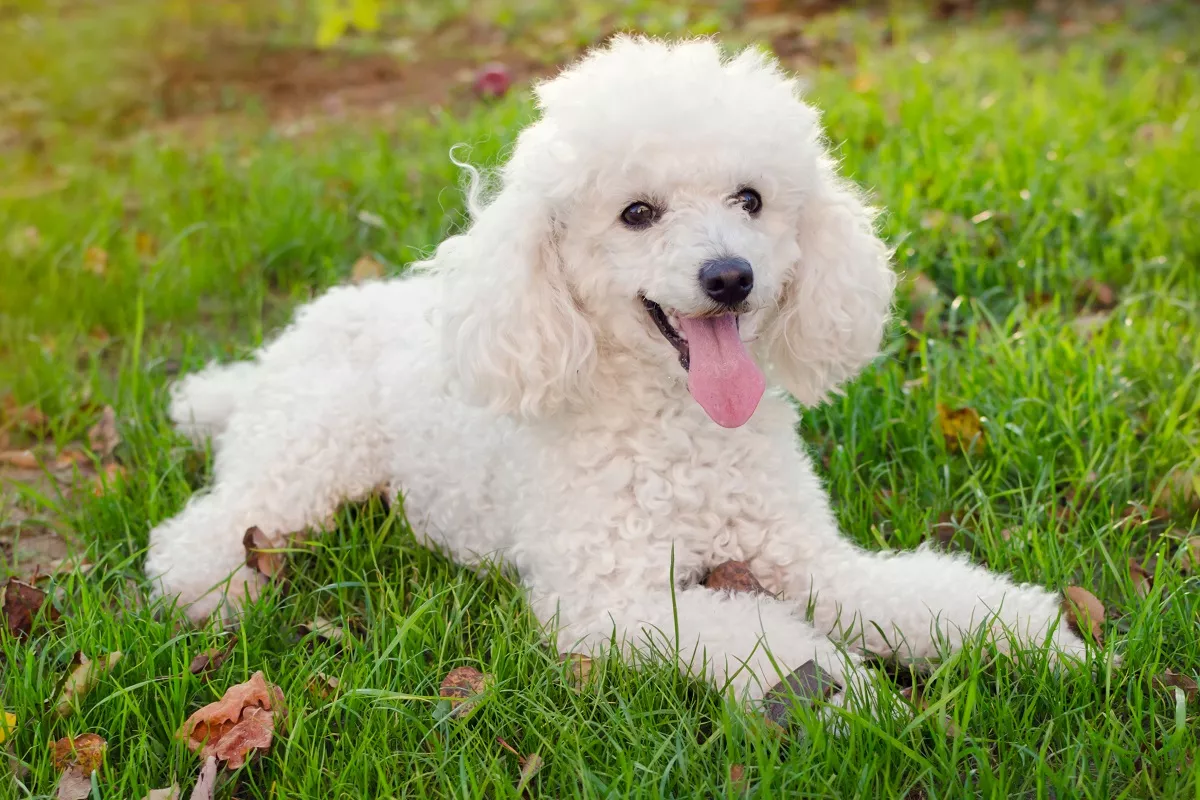
The Poodle is the clearest choice for a true apricot dog. Apricot appears within the official Poodle color list. Standard Poodles are athletic, sharp, and people-focused. Their dense curls shed little but need steady care. They suit owners who enjoy training, games, walking, and routine grooming.
An apricot Poodle can range from pale peach to richer warm orange. Tight curls create soft shadows across the coat.
Poodles learn patterns fast and often predict household routines. Their sharp minds also make boredom a real concern.
Owner pattern: Many owners find mental games as important as physical exercise.
- Official apricot coat color
- Low shedding coat
- Exceptionally trainable
- Needs frequent grooming
- Requires daily mental work
- Can become bored easily
Official Poodle breed and color details
See beginner-friendly dog breeds for first-time owners
2. Mastiff — Giant Apricot Dog With a Black Mask
Large homes · Calm households · Giant-dog fans
| Weight | 120–230 pounds |
| Height | 27.5 inches and up |
| Lifespan | 6–10 years |
| Energy Level | Low to moderate |
| Grooming Need | Low |
| Shedding | Moderate |
The Mastiff gives you a genuine apricot coat in giant size. Its short coat makes the warm color easy to see. A dark facial mask adds sharp contrast. Mastiffs tend to act calmer than many athletic breeds. They suit owners prepared for giant-dog food, space, and care costs.
The apricot coat looks smooth, warm, and rich against the black muzzle. Its huge frame makes the color especially striking.
Mastiffs often conserve their energy indoors. Their size still demands early manners and careful leash training.
Owner pattern: Calm behavior does not reduce the challenges created by giant size.
- True apricot breed color
- Calm adult temperament
- Simple coat care
- Huge food costs
- Shorter average lifespan
- Needs substantial living space
Official Mastiff breed and apricot color details
Compare more giant dog breeds for newer owners
3. Australian Labradoodle — Soft Gold-Apricot Family Companion
Families · Active owners · Fluffy-coat fans
| Weight | About 15–65 pounds |
| Height | About 14–24 inches |
| Lifespan | 12–15 years |
| Energy Level | Moderate to high |
| Grooming Need | High |
| Shedding | Low to moderate |
Australian Labradoodles can carry a warm gold coat often described as apricot. Their fleece or wool coats create a soft teddy-bear look. Size choices range from smaller companions to larger family dogs. They usually need regular exercise and coat care. They work best for owners wanting an involved companion.
The soft coat can glow from pale honey to deeper apricot-gold. Wavy coats often show more color depth than tight curls.
These dogs usually seek close contact with people. Long periods alone may become difficult for some individuals.
Owner pattern: Grooming often takes more time than new doodle owners expect.
- Beautiful gold-apricot shades
- Highly people-focused
- Several adult sizes
- Coat needs routine clipping
- Size can differ greatly
- Needs daily companionship
4. Cockapoo — Small Apricot Dog With a Teddy-Bear Look
| Weight | 15–22 pounds typical |
| Height | 10–18 inches typical |
| Lifespan | 12–15 years |
| Energy Level | Moderate |
| Grooming Need | High |
| Shedding | Low to moderate |
The Cockapoo is one of the strongest small apricot-colored choices. Breed clubs list apricot among typical Cockapoo colors. The shade may range from pale cream-peach to deeper red-apricot. Cockapoos mix Poodle intelligence with spaniel traits. They suit people wanting a social, playful companion in manageable size.
Long ears frame a soft face covered with waves or curls. Apricot fur gives the coat a warm toy-like look.
Cockapoos often enjoy people, games, and short training sessions. Their floppy ears also need regular checks.
Owner pattern: Ear and coat care become easier with a fixed weekly routine.
- Common apricot coat option
- Manageable adult size
- Playful family companion
- Needs frequent brushing
- Ears need routine checks
- Coat texture stays unpredictable
Explore more small dogs suited to first-time owners
5. Goldendoodle — Fluffy Golden-Apricot Dog for Active Families
 Save
Save| Weight | 50–90 pounds, Standard |
| Height | 20–24 inches, Standard |
| Lifespan | 10–15 years |
| Energy Level | High |
| Grooming Need | High |
| Shedding | Low to moderate |
Goldendoodles commonly appear in warm golden and apricot shades. Their color comes with wavy or curly coat types. Standard dogs can become much larger than many buyers expect. They usually enjoy exercise, social contact, and reward-based training. They suit families ready for both activity and regular professional grooming.
The coat can resemble pale honey, peach, or rich golden apricot. Facial furnishings create the familiar shaggy doodle expression.
Goldendoodles often learn quickly and seek human attention. Many also need more exercise than their plush appearance suggests.
Owner pattern: A tired Goldendoodle usually behaves better than an under-stimulated one.
- Warm golden-apricot coats
- Quick learner
- Strong family focus
- Professional grooming adds cost
- Needs daily exercise
- Adult size can surprise
Compare other family dog breeds for homes with children
6. Cavapoo — Compact Peach-Apricot Companion
| Weight | 8–25 pounds |
| Height | 9–14 inches |
| Lifespan | 12–15 years |
| Energy Level | Moderate |
| Grooming Need | High |
| Shedding | Low |
Cavapoos often appear in peach, gold, red, and apricot-like coats. Apricot remains a common descriptive term rather than an AKC standard. These small Poodle crosses adapt well to many homes. They usually prefer steady human contact. They fit owners seeking a small companion rather than a hard-running sports dog.
A soft wavy coat frames wide eyes and long ears. Warm apricot shades enhance the rounded teddy-bear appearance.
Cavapoos often stay close to their families throughout the day. Some struggle when left alone for long periods.
Owner pattern: Their small size doesn’t mean their grooming needs stay small.
- Compact companion size
- Low-shedding coat possible
- Moderate exercise needs
- Needs frequent coat care
- May dislike long absences
- No uniform breed standard
7. Soft Coated Wheaten Terrier — Natural Peach-Wheaten Glow
| Weight | 30–40 pounds |
| Height | 17–19 inches |
| Lifespan | 12–14 years |
| Energy Level | Moderate to high |
| Grooming Need | High |
| Shedding | Low |
The Soft Coated Wheaten Terrier isn’t officially called apricot. Its mature coat ranges through warm wheaten shades instead. Some dogs develop a peach-gold look close to pale apricot. The breed combines terrier energy with a soft, flowing coat. It suits active owners willing to brush often.
The adult coat falls in silky waves rather than tight curls. Warm gold tones can glow orange-peach under sunlight.
Wheatens stay playful and alert well into adulthood. Their terrier side can also bring stubborn moments.
Owner pattern: Daily coat checks prevent small tangles becoming painful mats.
- Rich warm wheaten coat
- Low shedding
- Playful adult temperament
- Coat mats easily
- Needs frequent grooming
- Terrier stubbornness appears
Official Soft Coated Wheaten Terrier breed details
8. Irish Terrier — Red-Wheaten Dog With Apricot Warmth
| Weight | 25–27 pounds |
| Height | About 18 inches |
| Lifespan | 13–15 years |
| Energy Level | High |
| Grooming Need | Moderate |
| Shedding | Low |
The Irish Terrier offers red, wheaten, and red-wheaten coats rather than true apricot. Lighter red-wheaten dogs can create a close visual match. Their wiry coats need less daily brushing than doodle curls. However, their bold terrier nature needs structure. They fit active owners who enjoy training and outdoor time.
The wiry coat hugs a lean, athletic body. Red-wheaten shades often resemble toasted apricot from a distance.
Irish Terriers tend to approach life with confidence. Early training helps channel their drive into useful habits.
Owner pattern: Clear rules work better than letting bold terrier habits grow.
- Warm red-wheaten color
- Low shedding coat
- Compact athletic build
- Strong prey drive
- Needs firm training
- Not true apricot
9. Vizsla — Sleek Golden-Rust Apricot Look
| Weight | 44–60 pounds |
| Height | 21–24 inches |
| Lifespan | 12–14 years |
| Energy Level | Very high |
| Grooming Need | Low |
| Shedding | Low to moderate |
The Vizsla carries a smooth golden-rust coat rather than official apricot. That rich shade often looks like dark apricot in warm light. The short coat needs little grooming. However, Vizslas require far more daily activity than most companion breeds. They suit runners, hikers, and active households wanting constant canine company.
The close coat shows every muscle across the Vizsla’s athletic frame. Golden rust creates an even copper-peach finish.
Vizslas often form intense bonds with their people. They usually prefer activity beside you rather than alone.
Owner pattern: Daily exercise must involve more than a quick neighborhood walk.
- Stunning golden-rust coat
- Simple grooming
- Excellent outdoor partner
- Extremely high energy
- Needs close human contact
- Not official apricot
10. Rhodesian Ridgeback — Red-Wheaten Apricot-Like Athlete
 Save
Save| Weight | 70–85 pounds |
| Height | 24–27 inches |
| Lifespan | 10–12 years |
| Energy Level | High |
| Grooming Need | Low |
| Shedding | Moderate |
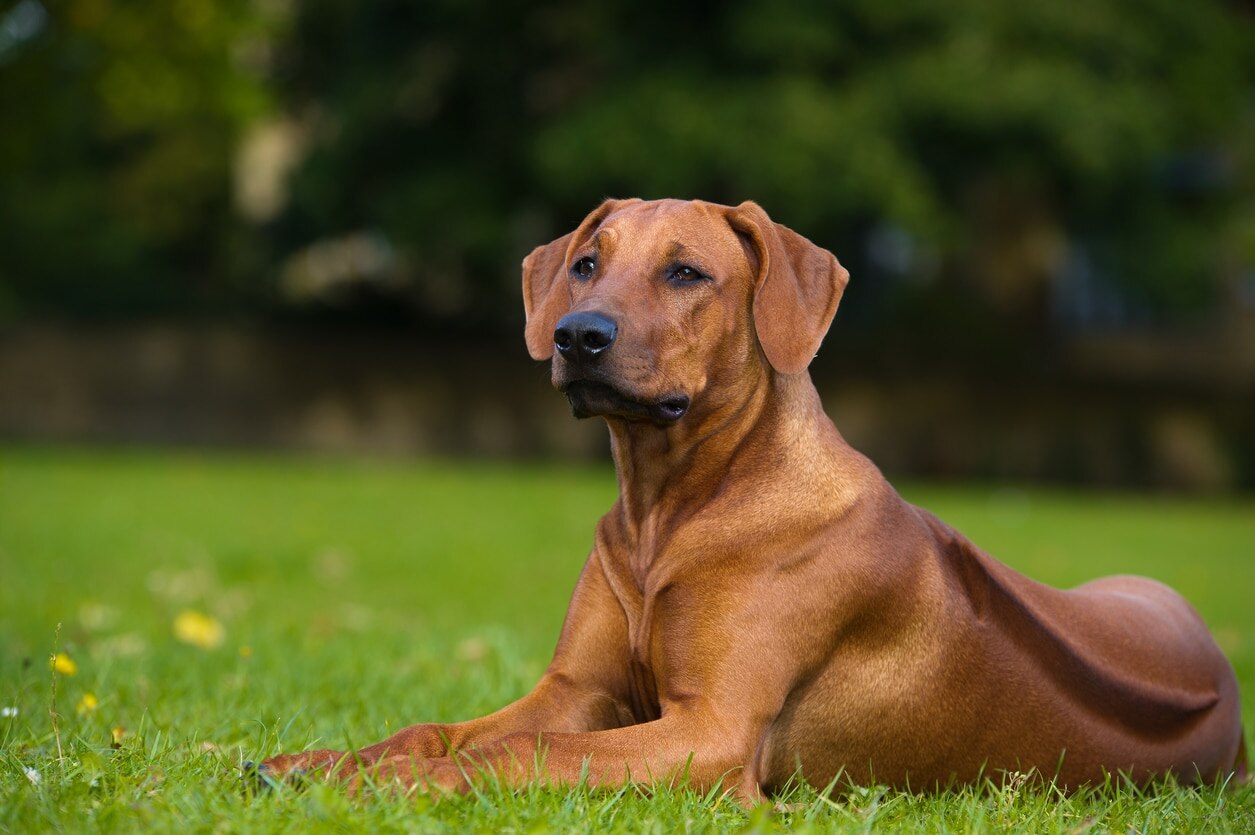
The Rhodesian Ridgeback comes in wheaten shades from light to rich red. Those warmer coats can resemble deep apricot or copper. A short coat keeps grooming simple. Yet this powerful dog needs training, exercise, and secure handling. Ridgebacks suit experienced owners wanting an athletic dog with an elegant warm coat.
The famous back ridge grows opposite the surrounding coat. Red-wheaten coloring makes that ridge especially easy to notice.
Ridgebacks can think independently before following a cue. Consistent training works better than repeated pressure.
Owner pattern: Early leash manners matter before this strong dog reaches adult size.
- Rich red-wheaten coat
- Easy coat care
- Strong outdoor ability
- Strong independent streak
- Needs experienced handling
- Not true apricot
How Do These Apricot Color Dog Breeds Compare?
No single apricot dog wins every category. Poodles balance trainability, low shedding, and true apricot color. Mastiffs offer authentic apricot in giant size. Cockapoos and Cavapoos suit people wanting smaller fluffy companions. Goldendoodles give families a larger doodle option. Wheatens provide a low-shed natural gold coat. Vizslas and Ridgebacks suit far more active homes.
So what does that mean? Start with your daily routine, not coat color. A beautiful dog becomes a poor match when its needs overwhelm you. Compare exercise and grooming before judging appearance. That one choice can prevent years of frustration.
| Dog | Color Type | Energy | Grooming | Best Match |
|---|---|---|---|---|
| Poodle | True apricot | High | High | Training fans |
| Mastiff | True apricot | Low | Low | Large homes |
| Australian Labradoodle | Gold-apricot | High | High | Families |
| Cockapoo | Apricot common | Moderate | High | Small homes |
| Goldendoodle | Golden-apricot | High | High | Active families |
| Cavapoo | Apricot-like | Moderate | High | Companion homes |
| Wheaten Terrier | Wheaten | High | High | Terrier fans |
| Irish Terrier | Red wheaten | High | Moderate | Active adults |
| Vizsla | Golden rust | Very high | Low | Runners |
| Ridgeback | Red wheaten | High | Low | Skilled handlers |
Which Apricot Dog Breed Is Right for You?
Your best choice depends on time, space, activity, and grooming tolerance. Pick a Poodle when training and low shedding matter most. Choose a Cockapoo or Cavapoo for smaller spaces. Consider a Mastiff only when giant size fits your budget. Pick a Vizsla when running and outdoor time fill your week.
Color comes last in that process. Temperament and care needs affect every day you share. A perfect coat can’t fix a bad lifestyle match. Choose the routine first, then choose your favorite warm shade.
Is this right for me?
- If you want low shedding → choose a Poodle.
- If you want smaller size → consider a Cockapoo.
- If you want giant and calm → consider a Mastiff.
- If you run daily → consider a Vizsla.
What Most People Get Wrong About Apricot Dogs
The biggest mistake involves treating apricot as one exact shade. It isn’t. Breed standards, clubs, and breeders may use different color names. Light red can resemble apricot. Gold can resemble apricot. Wheaten can also look peach under warm light. Puppy coats may change as adult hair develops.
Another mistake involves choosing color before health. Rare-looking coats often attract higher prices. Yet color doesn’t prove quality, temperament, or sound breeding. Ask about health testing and parent traits first. Then decide whether the coat still matters.
Never pay a premium based on color alone.
How Should You Care for an Apricot Coat?
Coat care depends on texture rather than color. Curly Poodles and doodles need frequent brushing and clipping. Wheaten coats need regular combing to stop mats. Short-coated Mastiffs, Vizslas, and Ridgebacks need far less work. A simple rubber grooming tool often handles loose hair.
Sun, age, and coat growth can change how color appears. A darker puppy may become lighter with time. Ask breeders for adult family photos when shade matters. Still, don’t expect an exact color guarantee.
What Mistakes Should New Apricot Dog Owners Avoid?
New owners often focus too much on appearance. Then grooming, exercise, or size becomes a surprise. Doodles need more coat work than many buyers expect. Vizslas need far more movement than casual walkers provide. Mastiffs create large food and veterinary bills.
The safer plan starts with your hardest limit. Decide how much grooming you can handle. Decide how much exercise you can provide. Then set a realistic adult-size range. Color becomes the final filter.
- Don’t choose a puppy only for coat color.
- Don’t assume every doodle sheds little.
- Don’t ignore adult size estimates.
- Don’t skip parent health tests.
- Don’t expect puppy color to stay identical.
Final Thoughts on the Best Apricot Color Dog Breeds
Poodles remain my strongest true-apricot choice for most active homes. Mastiffs offer authentic apricot for giant-dog fans.
Cockapoos and doodles give you more fluffy apricot options. Wheaten and rust breeds create similar warmth without that official color name.
Choose health and lifestyle before shade. Thomas Cutter’s one action today: write down your maximum grooming time.
Frequently Asked Questions
What dog breeds officially come in apricot?
Poodles and Mastiffs clearly include apricot among accepted breed colors. Some private crossbreed clubs also use apricot within their color guides. However, club terms don’t make every Poodle cross a recognized pure breed. Always check the standard used by the breeder or registry.
Do apricot dogs get lighter as they age?
Some apricot dogs can become lighter as their adult coat develops. The amount of fading differs among individuals and coat lines. Poodle-based crosses can show noticeable shade changes. Ask for photos of adult relatives if mature color matters strongly to you.
Are apricot dogs rare?
Apricot can be less common than some basic coat colors. Rarity depends heavily on the breed and breeding population. A rare shade doesn’t make a dog healthier or better. Responsible health testing should matter more than how unusual the coat appears.
Are apricot dogs hypoallergenic?
No coat color makes a dog allergen-free. Some low-shedding dogs may work better for certain allergy sufferers. Poodles and several Poodle crosses often shed less hair. However, dog allergens also occur in skin flakes and saliva. Spend time with the individual dog first.
Which apricot dog is easiest for a first-time owner?
A well-bred Poodle can suit committed first-time owners who accept regular grooming. A Cockapoo may suit people wanting a smaller companion. Avoid choosing only by appearance. Match energy, adult size, training needs, and grooming demands to your real routine.
Thomas Cutter is a lifelong dog owner and the founder of FindOutAboutDogs.com. With over 10 years of hands-on experience owning multiple breeds, Thomas created this site to provide honest, research-based dog advice that real owners can actually trust.
