10 Best Brindle Color Dog Breeds With Striking Coats
Quick Answer
The 10 best brindle color dog breeds include Dutch Shepherds, Boxers, Plott Hounds, Treeing Tennessee Brindles, Great Danes, Greyhounds, Bullmastiffs, Boston Terriers, French Bulldogs, and Staffordshire Bull Terriers. Your best match depends on size, exercise needs, training skill, home space, and preferred coat style.
| Need | Strong Match |
|---|---|
| Active training | Dutch Shepherd |
| Quiet indoor life | Greyhound |
| Small home | Boston Terrier |
Which brindle breed should you choose?
- Choose a Dutch Shepherd for serious daily training.
- Choose a Greyhound for calmer indoor life.
- Choose a Boston Terrier for smaller spaces.
- Choose a Plott Hound for outdoor adventure.
Dark stripes cross a warm coat like brush marks. No two brindle dogs look quite alike.
I’m Thomas Cutter, founder of FindOutAboutDogs.com. I research breeds with real household fit in mind.
Brindle describes a coat pattern, not a personality type. Your lifestyle still matters far more than color.
This guide covers purebred dogs known to produce brindle coats. Mixed-breed brindle dogs need separate breed assessment.
- Brindle means dark striping over a lighter base coat.
- Brindle appears in both tiny and giant breeds.
- Coat color does not predict temperament.
- Exercise and training needs vary greatly between breeds.
- Choose lifestyle fit before choosing your favorite pattern.


What Makes a Dog’s Coat Brindle?
Brindle is a striped coat pattern caused by the way dark and light pigments appear. Dark stripes usually cross a red, tan, gold, or fawn base.
Stripe width and contrast can differ between dogs. Some brindle coats look bold from across a room. Others look almost solid until sunlight hits them. The pattern can also combine with white markings. Genetics controls whether a dog can express the pattern. Several pigment genes interact during coat development. UC Davis explains how the K locus affects dark pigment expression.
Other coat genes can change the final shade. Brindle itself does not make a dog calmer, tougher, or healthier. Breed genetics and upbringing matter much more. So if a striped puppy catches your eye, study the whole breed first.
You may have seen the phrase “reverse brindle.” It usually describes unusually heavy dark striping.
The dark stripes can cover most of the lighter base. The dog may look nearly black.
For deeper coat science, see the UC Davis canine coat color guide.
Which Are the 10 Best Brindle Color Dog Breeds?
The strongest brindle dog choices cover almost every lifestyle. Dutch Shepherds suit skilled and active handlers. Boxers combine athletic energy with close family bonds. Plott Hounds suit outdoor homes with space.
Treeing Tennessee Brindles bring strong hunting drive. Great Danes offer dramatic size with bold striping. Greyhounds pair speed with calmer indoor habits. Bullmastiffs suit experienced owners wanting a large guardian. Boston Terriers give brindle fans a smaller companion. French Bulldogs offer another compact choice but need heat care. Staffordshire Bull Terriers provide a muscular medium-small option.
None wins for every home. Coat beauty should only start your search. Exercise, training, health, size, and behavior should finish it. The entries below show those trade-offs clearly.
Here’s the key difference competitors often miss. A brindle coat tells you almost nothing about daily life.
The dog beneath those stripes matters most. Now compare each breed before choosing.
1. Dutch Shepherd — Brindle Dog Breed for Serious Training
 Save
SaveExperienced handlers · Dog sports · Active homes
| Weight | 42–75 pounds |
| Height | 21.5–24.5 inches |
| Lifespan | 11–14 years |
| Energy Level | High |
| Grooming Need | Moderate |
| Shedding | Moderate to high |
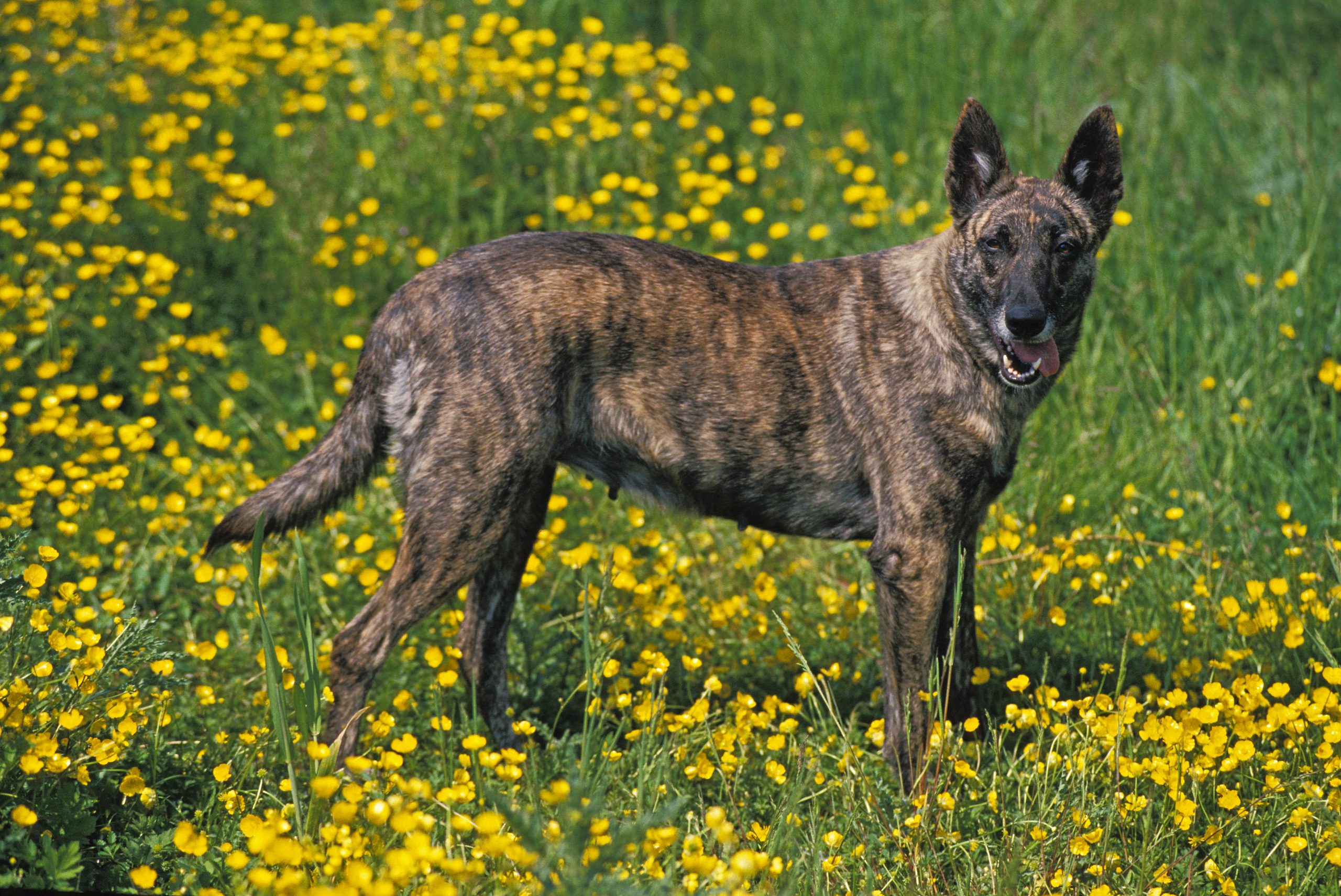
The Dutch Shepherd is an athletic brindle herding dog built for demanding work. Adults weigh about 42–75 pounds. Gold and silver brindle coats create its trademark striped look. This sharp, alert breed learns fast and needs daily challenges. It suits skilled owners who enjoy training, sports, and active routines.
Its brindle stripes cover a lean, muscular frame. Short, long, and rough coats can occur.
You expect intelligence from a shepherd. The surprise is how much work that brain demands.
“Give this breed a clear job each day. A bored Dutch Shepherd will invent one.”
— Illustrative owner-style note; replace with a verified reader quote
- Highly trainable working mind
- Iconic natural brindle coat
- Excellent sport partner
- Needs heavy daily exercise
- Can outsmart new owners
- Requires steady mental work
2. Boxer — Brindle Dog Breed With Playful Family Energy
Active families · Training-focused owners · Yard homes
| Weight | About 50–80 pounds |
| Height | 21.5–25 inches |
| Lifespan | 10–12 years |
| Energy Level | High |
| Grooming Need | Low |
| Shedding | Moderate |
The Boxer is a muscular brindle dog known for bouncing energy and family attachment. Adults usually weigh about 50–80 pounds. Brindle stripes can range from light to heavily darkened patterns. Boxers stay playful well beyond puppyhood. They suit active homes prepared for exercise, training, and enthusiastic greetings.
The smooth coat makes each dark stripe easy to see. White chest markings often add contrast.
Boxers look serious at rest. Then their loose, springy play style changes the whole picture.
“Expect full-body greetings. Good manners training matters before that puppy becomes strong.”
— Illustrative owner-style note; replace with a verified reader quote
- Bold brindle pattern
- Close family bonds
- Easy short-coat care
- Young dogs jump often
- Needs daily hard play
- Heat needs careful management
3. Plott Hound — Brindle Dog Breed for Outdoor Adventure
Hikers · Rural homes · Experienced hound owners
| Weight | 40–60 pounds |
| Height | 20–25 inches |
| Lifespan | 12–14 years |
| Energy Level | High |
| Grooming Need | Low |
| Shedding | Moderate |
The Plott Hound is a rugged American brindle hound developed for demanding hunting work. Adults weigh about 40–60 pounds. Its smooth coat often displays rich brindle shades and strong contrast. Plotts are athletic, bold, and scent-driven outdoors. They suit active homes with secure space and steady training.
A Plott looks lean rather than bulky. Its glossy striped coat follows strong working muscles.
You expect a tough hunting dog. At home, many Plotts show a softer settled side.
“The nose wins arguments outdoors. A secure leash and fence make life much easier.”
— Illustrative owner-style note; replace with a verified reader quote
- Classic brindle hound coat
- Strong outdoor stamina
- Simple grooming routine
- Strong prey drive
- Can be highly vocal
- Needs secure outdoor control
→ Compare more medium dog breeds for family life
4. Treeing Tennessee Brindle — The Brindle Specialist
The Treeing Tennessee Brindle puts the brindle pattern right in its breed name. Adults weigh about 30–50 pounds. These agile scent hounds have short striped coats and strong hunting instincts. They stay alert, quick, and active outdoors. They suit owners who enjoy hiking, tracking, or other scent-based work.
The coat stays short and practical. Brindle striping gives the breed its defining visual character.
This dog may look simple to maintain. Its exercise needs tell a different story.
5. Great Dane — Giant Brindle Dog With Dramatic Stripes
 Save
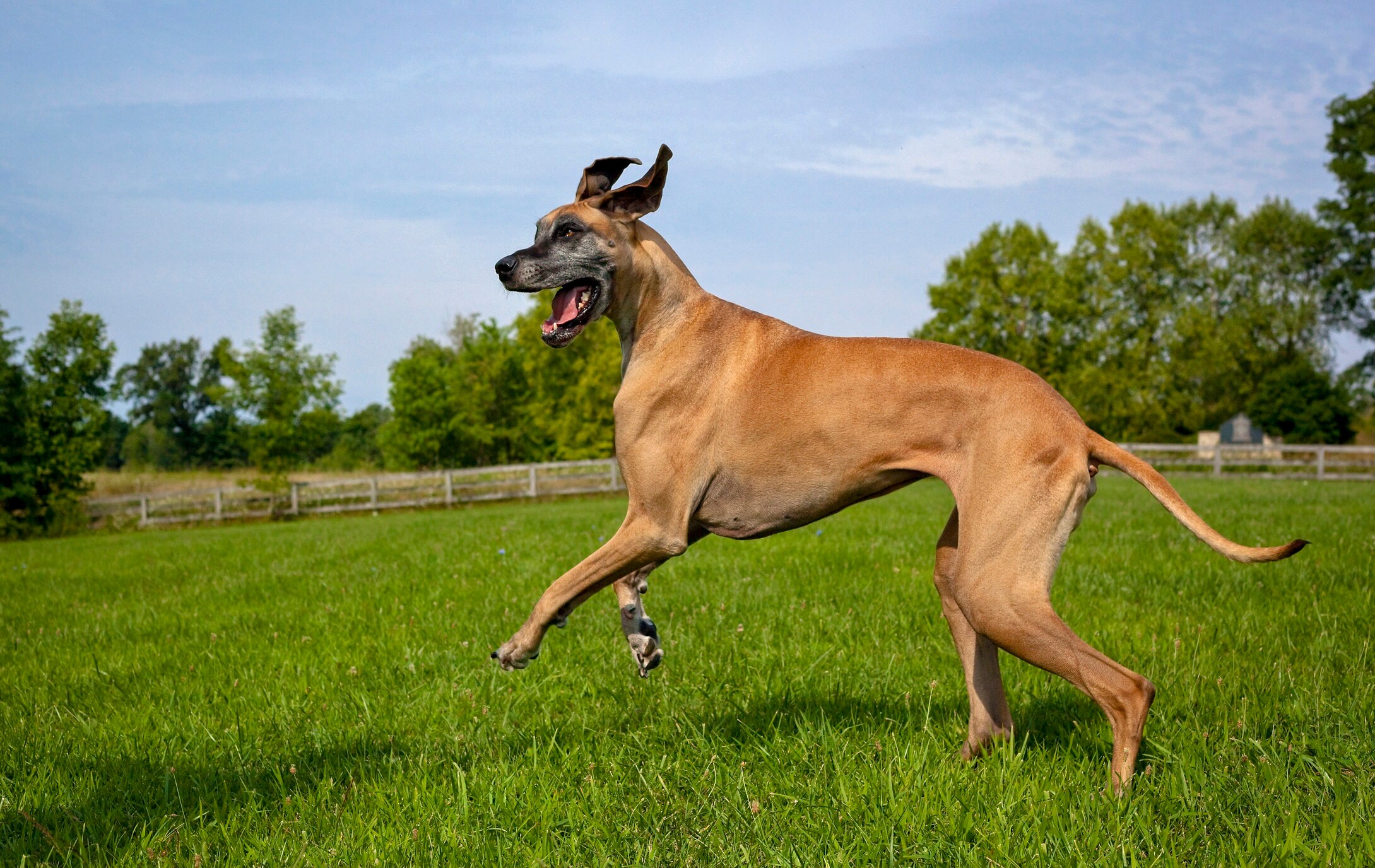
SaveThe Great Dane is a giant brindle breed with one of the most dramatic silhouettes. Adults can weigh 110–175 pounds. Brindle is an accepted Great Dane color. Dark stripes cross a warm fawn base. Danes suit homes prepared for giant-dog costs, training, space, and health needs.
Long legs make the striped pattern especially visible. The short coat keeps grooming fairly simple.
The coat is easy. Almost everything else becomes larger because of the dog’s size.
6. Greyhound — Brindle Sprinter With a Calm Indoor Side
The Greyhound is a tall brindle sighthound famous for speed and quiet indoor habits. Adults weigh about 60–70 pounds. AKC color listings include several brindle combinations. Greyhounds need safe exercise but often relax between short activity bursts. They suit quiet homes seeking a large, low-groom companion.
The slim body makes every stripe follow the dog’s curves. Short hair gives brindle clear edges.
You expect nonstop speed. Many Greyhounds prefer a soft bed after their exercise ends.
→ See more calm dog breeds for family homes
7. Bullmastiff — Brindle Guardian With Massive Presence
The Bullmastiff is a huge brindle guardian known for strength and a steady home presence. Adults weigh about 100–130 pounds. Accepted colors include several fawn and red brindle shades. Bullmastiffs need early manners and social learning. They suit experienced owners comfortable managing a powerful protective breed.
Its short coat reveals broad stripes across heavy muscle. A dark facial mask often adds contrast.
The breed may seem low-energy indoors. Its sheer strength still makes training a top priority.
8. Boston Terrier — Small Brindle Dog in a Tuxedo Coat
| Weight | 12–25 pounds |
| Height | 10–12 inches |
| Lifespan | 11–13 years |
| Energy Level | Moderate |
| Grooming Need | Low |
| Shedding | Low to moderate |
The Boston Terrier offers brindle coloring in a compact companion package. Adults weigh only 12–25 pounds. Brindle appears with the breed’s required white tuxedo-style markings. Bostons are lively without needing working-dog levels of exercise. They suit smaller homes and owners wanting a social companion.
The white chest and muzzle make dark brindle stand out. Large round eyes add expressive contrast.
You expect a lap-sized companion. Many Bostons still bring surprising bursts of playful energy.
“Indoor play goes a long way. Warm weather calls for shorter, cooler walks.”
— Illustrative owner-style note; replace with a verified reader quote
- Compact brindle companion
- Simple coat care
- Fits smaller homes
- Flat face limits heat
- Eyes need careful protection
- Can become excitable
9. French Bulldog — Compact Brindle Dog for City Life
Apartments · Lower-exercise homes · Companion seekers
| Weight | Under 28 pounds |
| Height | 11–13 inches |
| Lifespan | 10–12 years |
| Energy Level | Low to moderate |
| Grooming Need | Low |
| Shedding | Moderate |
The French Bulldog is a compact brindle companion with large bat ears and strong charm. Adults stay under 28 pounds. Accepted colors include brindle and several brindle-white combinations. Frenchies need less exercise than working breeds. They suit smaller homes but need careful heat and breathing management.
Brindle can cover most of the smooth compact body. White patches may brighten the chest.
You expect easy apartment living. Health care can require more planning than exercise does.
“The short walk is easy. Planning around summer heat becomes the bigger daily habit.”
— Illustrative owner-style note; replace with a verified reader quote
- Small-space friendly size
- Many brindle combinations
- Low exercise demand
- Poor heat tolerance
- Breathing issues can occur
- Cannot safely swim
10. Staffordshire Bull Terrier — Compact Brindle Muscle
 Save
SaveTraining-focused homes · Active adults · Terrier fans
| Weight | 24–38 pounds |
| Height | 14–16 inches |
| Lifespan | 12–15 years |
| Energy Level | Moderate to high |
| Grooming Need | Low |
| Shedding | Moderate |
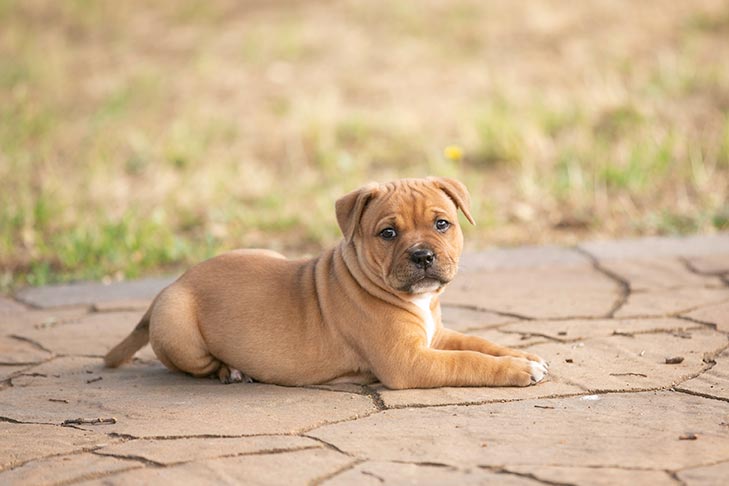
The Staffordshire Bull Terrier is a compact muscular breed with several accepted brindle colors. Adults weigh 24–38 pounds. The tight coat makes dark stripes easy to see. Staffords are energetic, strong, and people-focused. They suit owners committed to positive training, safe social habits, and controlled daily exercise.
The broad head contrasts with a short athletic body. Brindle can appear alone or beside white.
You expect toughness from the build. Many owners instead notice the breed’s strong people focus.
“Clear rules work better than force. The dog needs structure without harsh handling.”
— Illustrative owner-style note; replace with a verified reader quote
- Many brindle color options
- Compact muscular size
- Low grooming effort
- Needs careful dog socialization
- Strong for its size
- Requires consistent positive training
→ Compare brindle choices with easy-going dog breeds
How Do These Brindle Dog Breeds Compare?
| Breed | Size | Energy | Best Fit | Main Challenge |
|---|---|---|---|---|
| Dutch Shepherd | Medium-large | High | Experienced trainers | Mental workload |
| Boxer | Large | High | Active families | Excitable youth |
| Plott Hound | Medium-large | High | Outdoor homes | Prey drive |
| Treeing Tennessee Brindle | Medium | High | Scent-work homes | Exercise needs |
| Great Dane | Giant | Moderate | Large homes | Size and cost |
| Greyhound | Large | Moderate bursts | Quiet homes | Chase instinct |
| Bullmastiff | Giant | Moderate | Experienced owners | Strength |
| Boston Terrier | Small | Moderate | Apartments | Heat |
| French Bulldog | Small | Low-moderate | City homes | Breathing and heat |
| Staffordshire Bull Terrier | Medium-small | Moderate-high | Active adults | Dog management |
Which Brindle Dog Breed Is Right for You?
Start with your daily routine, not the coat photo. Active trainers should look first at Dutch Shepherds. Outdoor hound fans may prefer Plotts or Treeing Tennessee Brindles. Busy families wanting playful energy can consider Boxers.
Quiet households may find Greyhounds easier indoors. Small-home owners can compare Boston Terriers and French Bulldogs. Giant-breed fans can consider Great Danes or Bullmastiffs. However, those breeds increase food, medical, transport, and equipment costs. Staffordshire Bull Terriers suit owners wanting compact strength and active play. No breed should be chosen only because its brindle coat looks rare.
Your schedule repeats every day. Coat admiration lasts seconds at a time. A good match makes both experiences enjoyable. Choose the routine first. Then choose the stripes you love.
Is this right for me?
- If you love training → consider a Dutch Shepherd.
- If you want calm indoors → consider a Greyhound.
- If space is tight → compare Boston and French Bulldogs.
- If you want outdoor adventure → consider a Plott Hound.
This guide compares breed-wide traits. Individual dogs can differ from those averages.
If behavior is your main concern, meet the individual dog before making a commitment.
What Do Most People Get Wrong About Brindle Dogs?
The biggest mistake is treating brindle as a breed or temperament. Brindle only describes a coat pattern. It does not prove that a dog is aggressive. It does not make a dog more athletic. It also does not guarantee purebred ancestry.
Many mixed-breed dogs can show brindle coloring. Another mistake involves confusing brindle with merle. Brindle forms stripe-like bands. Merle creates irregular mottled patches. Reverse brindle is also often misunderstood. It usually means dark stripes dominate the visible coat.
The base pattern has not magically reversed. Finally, rare-looking color should never outrank health. A responsible source should focus on sound breeding and health tests. Coat color comes after those priorities. If a seller promotes color above health, ask harder questions before paying anything.
You might be thinking rare color means higher quality. It does not.
For purebred dogs, review recognized breed traits through the American Kennel Club breed directory.
Never pay extra just because a seller calls brindle “rare.” Check health and temperament first.
How Should You Care for a Brindle Dog’s Coat?
Brindle coats need care based on coat type, not stripe color. Most breeds on this list have short coats. Weekly brushing usually removes loose hair and surface dirt. Dutch Shepherds can need more coat work because three coat types exist.
Bathing should match the dog’s activity and skin needs. Avoid harsh products that dry the skin. Check ears, nails, teeth, and skin at the same time. Brindle coloring can sometimes hide small scabs or skin changes. Run your hands over the body while brushing.
That simple habit helps you notice new lumps or sore spots. Good food and routine veterinary care support normal skin and coat health. No shampoo can genetically deepen brindle stripes. A clean healthy coat simply shows the natural pattern better.
Brush in bright light. Dark brindle can hide small skin changes.
Keep grooming simple and regular. Consistency helps more than expensive coat products.
What Health Checks Matter Before Choosing a Brindle Puppy?
Choose health-tested parents before choosing your favorite stripe pattern. Each breed carries different health concerns. Great Danes and Bullmastiffs need careful giant-breed planning. French Bulldogs and Boston Terriers need extra attention to breathing and heat tolerance.
Responsible breeders should discuss breed-specific screening without avoiding questions. Ask which tests both parents received. Ask to see the results. Learn which tests the national breed club recommends. Also ask how puppies are raised and socialized. Coat color should never be the breeder’s main sales pitch.
Rescue adopters should request all available medical and behavior records. A healthy brindle dog can still develop illness later. No test creates a guarantee. Good screening simply lowers avoidable risk and gives you better facts before committing.
The Orthopedic Foundation for Animals health-screening guidance explains why inherited disease testing matters.
So what does that mean? Ask about health before asking which puppy has darker stripes.
Final Thoughts: Which Brindle Dog Should You Choose?
The best brindle dog fits your real life first. The striped coat should come second.
Dutch Shepherds suit workers. Greyhounds suit quieter homes. Boston Terriers suit smaller spaces.
One thing to do right now: write your daily exercise limit. Thomas Cutter recommends starting there.
Frequently Asked Questions
What dog breed is most commonly brindle?
Dutch Shepherds are strongly linked with brindle coloring because brindle defines their recognized coat appearance. Boxers, Plott Hounds, Greyhounds, and several bull-type breeds also commonly show brindle. Frequency still varies between bloodlines. Always check the breed standard before assuming a specific color is expected.
Are brindle dogs rare?
Brindle dogs are uncommon compared with simple solid colors across dogs generally. However, brindle is not rare within every breed. Dutch Shepherds, Plotts, Boxers, and several other breeds can show it often. A seller should not use the word “rare” alone to justify a large price increase.
Does brindle coloring affect a dog’s personality?
No, brindle coloring does not create one shared personality. A brindle Greyhound and brindle Dutch Shepherd have very different typical behavior. Breed purpose, genetics, training, age, and experience matter much more. Choose a dog by lifestyle fit and individual behavior instead of stripe pattern.
What is reverse brindle in dogs?
Reverse brindle describes a coat where dark striping appears so heavy that darkness dominates. Lighter base color remains visible between those dark bands. The term describes appearance rather than a separate breed. Lighting can make heavy brindle dogs look almost solid black from a distance.
Can mixed-breed dogs have brindle coats?
Yes, many mixed-breed dogs can have brindle coats. The pattern appears across several unrelated breed groups. You cannot identify a dog’s breed reliably from brindle coloring alone. Body shape, history, behavior, and DNA testing can provide more useful clues when ancestry matters.

Thomas Cutter is a lifelong dog owner and the founder of FindOutAboutDogs.com. With over 10 years of hands-on experience owning multiple breeds, Thomas created this site to provide honest, research-based dog advice that real owners can actually trust.
