10 Best Caramel Color Dog Breeds — Warm Coats Worth Knowing
Quick Answer
The best caramel color dog breeds include Golden Retrievers, Vizslas, Cocker Spaniels, and apricot Poodles. Rhodesian Ridgebacks and Tollers also offer rich warm shades. Your best match depends on size, energy, grooming needs, and the exact caramel tone you prefer.
Best caramel-colored matches at a glance:
| Look | Strong Match | Best Fit |
|---|---|---|
| Honey caramel | Golden Retriever | Active families |
| Deep caramel | Vizsla | Active owners |
| Soft caramel | Apricot Poodle | Low-shed homes |
Choose your caramel dog by lifestyle:
- Choose a Golden for active family life.
- Choose a Poodle for lower shedding.
- Choose a Vizsla for serious daily exercise.
Warm sunlight hits a caramel coat and makes every shade glow. Gold turns honey. Red turns copper. Wheaten coats look almost toasted.
I’m Thomas Cutter, founder of FindOutAboutDogs.com. I compare breed looks with real daily needs. Color catches your eye first. Lifestyle fit should make your final choice.
Caramel also means different shades to different people. Let’s define it before comparing breeds.
- Caramel is a visual description, not one official breed color.
- Golden, buff, apricot, wheaten, rust, and sedge may look caramel.
- Golden Retrievers offer one of the clearest honey-caramel looks.
- Poodles suit people wanting curls with much less loose hair.
- Choose temperament and care needs before choosing coat color.


What Makes a Dog Coat Look Caramel Colored?
A caramel dog usually has a warm coat between cream, gold, red, and brown. Official breed standards often use different names. You may see golden, buff, apricot, wheaten, golden rust, red gold, or sedge. Those shades can create the caramel look many owners want. Coat depth also changes with light, hair length, and undercoat color. A silky coat may reflect more gold. A short coat may show richer red tones. A fluffy coat can look softer and lighter. Caramel is therefore a useful visual term, not one fixed genetic label. When I compare coat colors, I check official terms first. That taught me not to judge a breed from one photo. You should compare several adult dogs before choosing your preferred shade.
The AKC explanation of breed standards helps explain official breed descriptions. Breed standards use precise color terms instead of casual labels.
You might be thinking every golden dog counts as caramel. The tone still matters. Pale cream may look less caramel than rich buff.
This article covers breeds with coats that can look caramel. Individual puppy color can still change with age.
View adult relatives before choosing a puppy for coat color.
Now let’s compare the strongest caramel-looking breeds and their daily needs.
What Are the 10 Best Caramel Color Dog Breeds?
The best caramel color dog breeds combine warm coats with clear breed traits. Golden Retrievers bring classic honey and deep golden shades. Vizslas offer smooth golden-rust coats with rich caramel warmth. Cocker Spaniels can appear buff, golden, cream, or red. Apricot Poodles create a softer curly caramel look. Rhodesian Ridgebacks range from light wheaten through deep red wheaten. Tollers add bright red-gold tones with white marks. Chesapeake Bay Retrievers offer sedge and light brown coats. Red Dachshunds can look like polished caramel. Orange Pomeranians add fluffy amber tones. Red Shiba Inus bring warm copper shades with cream markings. Each breed has different exercise and care needs. When I compare breeds, I rank lifestyle beside color. That taught me the prettiest match may not be the easiest match.
You might be thinking coat color should decide the ranking. Daily life matters more. Start with looks, then filter by energy and care.
1. Golden Retriever — Caramel Color Dog With Classic Honey Warmth
 Save
SaveActive families · First-time owners · Outdoor homes
| Weight | 55–75 pounds |
| Height | 21.5–24 inches |
| Lifespan | 10–12 years |
| Energy Level | High |
| Grooming Need | Brush 1–2 times weekly |
| Shedding | Moderate to heavy |
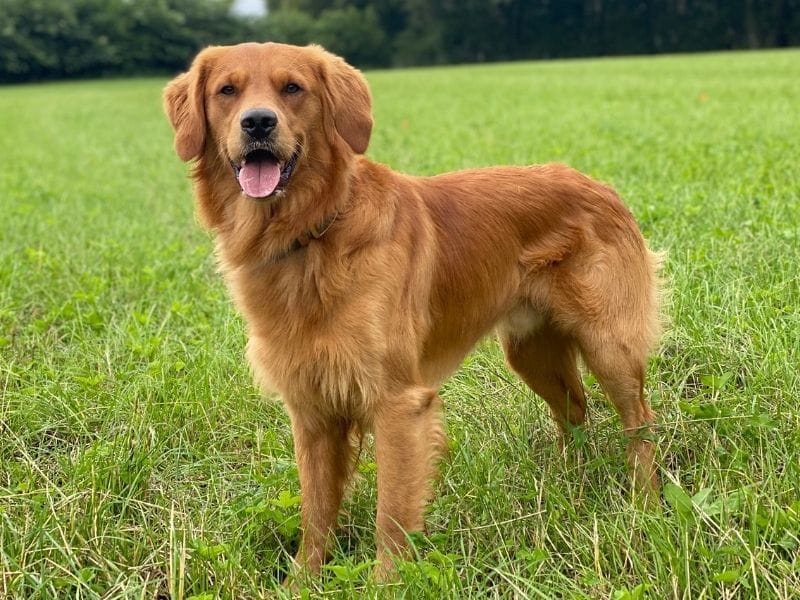
The Golden Retriever is a large sporting breed with rich golden coat shades. Adults weigh about 55–75 pounds. Goldens enjoy training, retrieving, swimming, and close family contact. They suit active households wanting a social caramel-colored dog with classic retriever looks.
Goldens have feathered tails, soft faces, and dense double coats. Darker gold coats can resemble warm honey caramel.
They often greet people with open enthusiasm. Young Goldens can stay bouncy for years. Good exercise helps them settle indoors.
“After a long fetch session, the whole house gets quieter. The shedding never does.”
— Illustrative owner perspective
- Classic rich golden coat
- Highly trainable family breed
- Loves active outdoor routines
- Sheds heavily during seasonal changes
- Needs substantial daily activity
- Young dogs may jump often
→ Compare more easy-going dog breeds
2. Vizsla — Caramel Color Dog With Sleek Golden-Rust Style
Runners · Outdoor owners · Training-focused homes
| Weight | 44–60 pounds |
| Height | 21–24 inches |
| Lifespan | 12–14 years |
| Energy Level | Very high |
| Grooming Need | Quick weekly brushing |
| Shedding | Low to moderate |
The Vizsla is an athletic sporting breed famous for its golden-rust coat. Its smooth hair shows warm color without heavy feathering. Vizslas stay close to their people and need serious daily activity. They suit runners and outdoor owners wanting a deep caramel look.
The coat sits tight against a lean, muscular body. Golden-rust shades can resemble dark melted caramel.
Vizslas seek close contact with their owners. They also need regular physical and mental work. Bored dogs can become restless fast.
“A slow walk never tires this dog. A long run finally earns some couch time.”
— Illustrative owner perspective
- Striking golden-rust coat
- Simple short-coat grooming
- Excellent active companion
- Needs intense daily exercise
- Dislikes long lonely periods
- Can become restless indoors
→ Review the official Vizsla breed profile
3. Cocker Spaniel — Caramel Color Dog With Silky Buff Coats
Families · Medium homes · Owners who enjoy grooming
| Weight | 20–30 pounds |
| Height | 13.5–15.5 inches |
| Lifespan | 10–14 years |
| Energy Level | Moderate to high |
| Grooming Need | Frequent brushing and trimming |
| Shedding | Moderate |
The Cocker Spaniel is a compact sporting breed with several warm coat shades. Buff and golden Cockers can look especially caramel toned. Their long ears and silky hair create a soft appearance. They suit families prepared for regular grooming and playful daily activity.
Cockers carry feathering around their legs, belly, ears, and chest. Buff coats often glow in warm indoor light.
They enjoy games and close contact with family. Their long ears need routine care. Mats can also form without brushing.
“The ears need more care than expected. The happy greeting makes grooming worth it.”
— Illustrative owner perspective
- Rich buff and golden shades
- Practical medium-small size
- Playful family temperament
- Needs regular coat trimming
- Long ears need cleaning
- Can dislike long isolation
→ Compare medium dog breeds for families
4. Standard Poodle — Apricot Caramel Dog With Elegant Curls
Low-shed homes · Training fans · Active families
| Weight | 40–70 pounds |
| Height | Over 15 inches |
| Lifespan | 10–18 years |
| Energy Level | High |
| Grooming Need | Frequent brushing and regular clips |
| Shedding | Low |
The Standard Poodle is a smart athletic breed available in warm apricot shades. Apricot curls can create a soft caramel appearance. Standard Poodles combine lower shedding with high grooming needs. They suit active owners who enjoy training and can maintain a curly coat.
A dense curly coat gives the Poodle a plush outline. Apricot can range from pale peach to warm caramel.
Poodles learn new tasks quickly and enjoy structured games. Low shedding does not mean low maintenance. Their curls mat without care.
“There is little hair on the sofa. Most coat work happens with a brush.”
— Illustrative owner perspective
- Beautiful apricot caramel curls
- Leaves little loose hair
- Highly responsive to training
- Coat mats without brushing
- Needs regular professional clips
- Requires daily mental activity
5. Rhodesian Ridgeback — Wheaten Caramel Dog With Athletic Power
 Save
SaveExperienced owners · Active homes · Secure yards
| Weight | 70–85 pounds |
| Height | 24–27 inches |
| Lifespan | 10–12 years |
| Energy Level | High |
| Grooming Need | Weekly brushing |
| Shedding | Moderate |
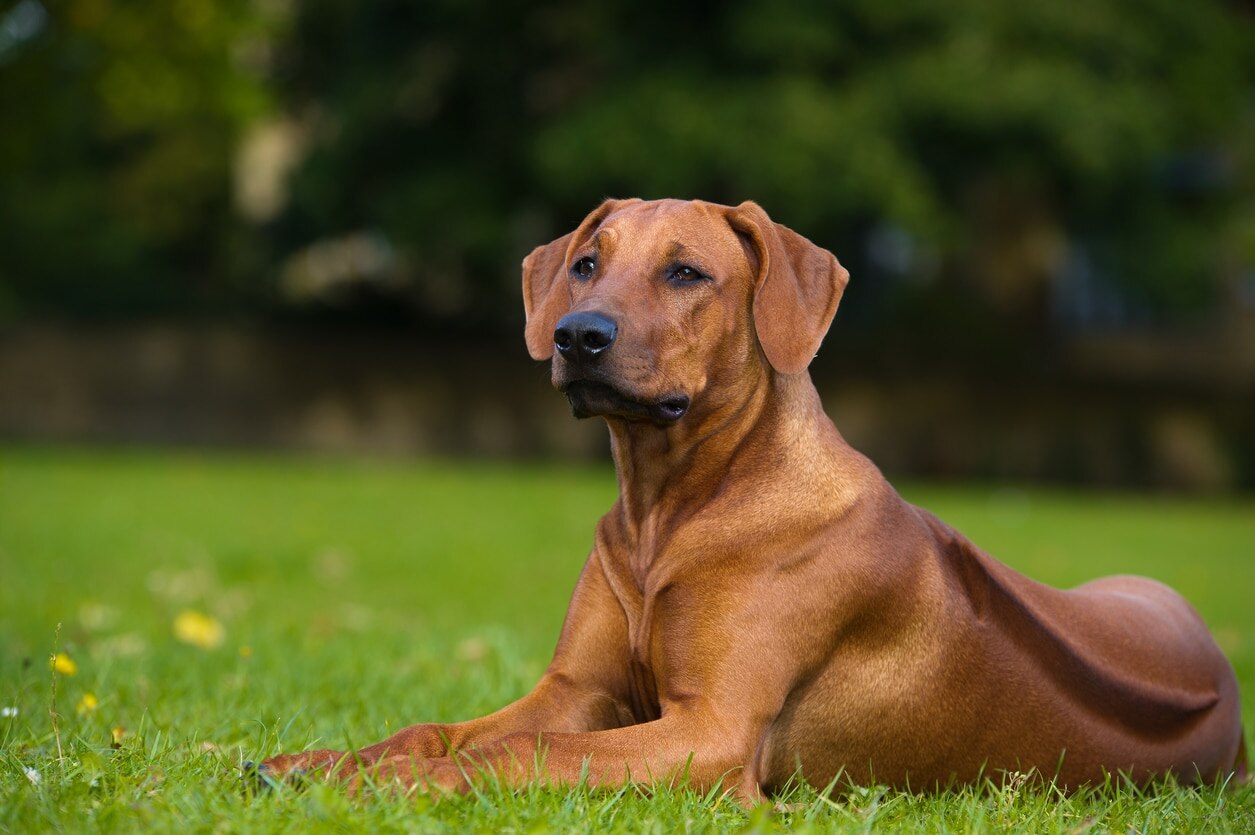
The Rhodesian Ridgeback is a powerful hound with coats ranging through wheaten shades. Rich wheaten coats can look deep caramel or toasted gold. Ridgebacks are strong, fast, and independent thinkers. They suit experienced owners who can provide training, exercise, and secure outdoor space.
The breed has a short coat and athletic outline. Its famous ridge grows opposite the surrounding back hair.
Ridgebacks can stay calm indoors after enough exercise. Outside, prey drive can appear fast. Secure handling matters.
“Inside, the dog owns the warmest sofa. Outside, every squirrel becomes serious business.”
— Illustrative owner perspective
- Warm wheaten coat range
- Simple short-coat care
- Athletic outdoor companion
- Strong prey drive
- Can challenge novice owners
- Needs firm fair training
6. Nova Scotia Duck Tolling Retriever — Red-Gold Caramel Energy
Sporty families · Water lovers · Training-focused owners
| Weight | 35–50 pounds |
| Height | 17–21 inches |
| Lifespan | 12–14 years |
| Energy Level | Very high |
| Grooming Need | Weekly brushing |
| Shedding | Moderate to heavy |
The Nova Scotia Duck Tolling Retriever is a compact retriever with red-gold coloring. Many Tollers show rich copper-caramel coats with crisp white accents. They are bright, fast, and driven working dogs. They suit active homes offering fetch, water work, training, and daily brain games.
Tollers carry medium coats with feathering around their tails and legs. White markings can sharpen the warm red-gold contrast.
They love fast games and problem solving. Some become loud when excited. Their smaller size does not mean lower energy.
“Fetch ends when my arm gets tired. The dog would happily keep going.”
— Illustrative owner perspective
- Bold red-gold coloring
- Compact retriever build
- Excellent training potential
- Needs serious daily exercise
- Can vocalize when excited
- Sheds more during seasons
7. Chesapeake Bay Retriever — Sedge Caramel Dog With Rugged Style
Outdoor homes · Swimmers · Experienced retriever owners
| Weight | 55–80 pounds |
| Height | 21–26 inches |
| Lifespan | 10–13 years |
| Energy Level | High |
| Grooming Need | Weekly brushing |
| Shedding | Moderate |
The Chesapeake Bay Retriever is a rugged sporting breed with earthy coat colors. Sedge and light brown coats may show clear caramel tones. Chessies have dense water-resistant coats and strong working drive. They suit active experienced homes that enjoy swimming, hiking, retrieving, and structured training.
The wavy double coat often looks textured and rugged. Amber eyes can strengthen the warm caramel effect.
Chessies bond closely with their own people. They can be more reserved than Goldens. Good social training matters from puppyhood.
“Cold water never seems to end the game. Getting the dog dry takes longer.”
— Illustrative owner perspective
- Unique sedge caramel shades
- Strong swimming ability
- Durable outdoor companion
- Needs substantial daily work
- Can be reserved socially
- Not ideal for novices
8. Dachshund — Red Caramel Dog in Three Coat Styles
Small homes · Hound fans · Owners wanting compact size
| Weight | Up to 32 pounds |
| Height | 5–9 inches |
| Lifespan | 12–16 years |
| Energy Level | Moderate |
| Grooming Need | Weekly; longhair 2–3 times weekly |
| Shedding | Moderate |
The Dachshund is a small hound available in red, cream, and wheaten shades. Rich red coats can resemble polished caramel. Dachshunds come in smooth, longhaired, and wirehaired coats. They suit smaller homes when owners protect their backs and manage their bold hound behavior.
The long body and short legs make Dachshunds easy to spot. Longhaired red dogs can show striking warm highlights.
They often act much larger than their size. Their hunting roots support bold behavior. Scent distractions can beat recall outdoors.
“The body is tiny. The bark suggests a dog three times larger lives here.”
— Illustrative owner perspective
- Rich red caramel shades
- Fits many smaller homes
- Three distinct coat types
- Back injuries need prevention
- Can be stubborn outdoors
- Often has a big bark
9. Pomeranian — Fluffy Orange Caramel Toy Dog
Apartments · Toy-breed fans · Owners who enjoy brushing
| Weight | Up to 7 pounds |
| Height | 6–7 inches |
| Lifespan | 14–16 years |
| Energy Level | Moderate |
| Grooming Need | Frequent brushing |
| Shedding | Moderate to heavy |
The Pomeranian is a tiny companion breed with a huge double coat. Orange and cream shades can create a fluffy caramel appearance. Poms stay active despite their small size. They suit compact homes where owners can provide coat care, training, and safe handling.
The thick neck frill makes Pomeranians look larger than seven pounds. Orange coats may range from pale amber to deep copper.
Poms notice changes around the home quickly. Many alert-bark with confidence. Their small bones need careful handling around children.
“The dog weighs almost nothing. Somehow, every visitor still gets a full announcement.”
— Illustrative owner perspective
- Beautiful fluffy orange coat
- Easy apartment size
- Enjoys tricks and games
- Double coat needs brushing
- Can bark quite often
- Small body needs protection
10. Shiba Inu — Red Caramel Dog With Foxlike Looks
 Save
SaveExperienced owners · Neat homes · Independent-dog fans
| Weight | 17–23 pounds |
| Height | 13.5–16.5 inches |
| Lifespan | 13–16 years |
| Energy Level | Moderate to high |
| Grooming Need | Weekly brushing |
| Shedding | Heavy seasonally |
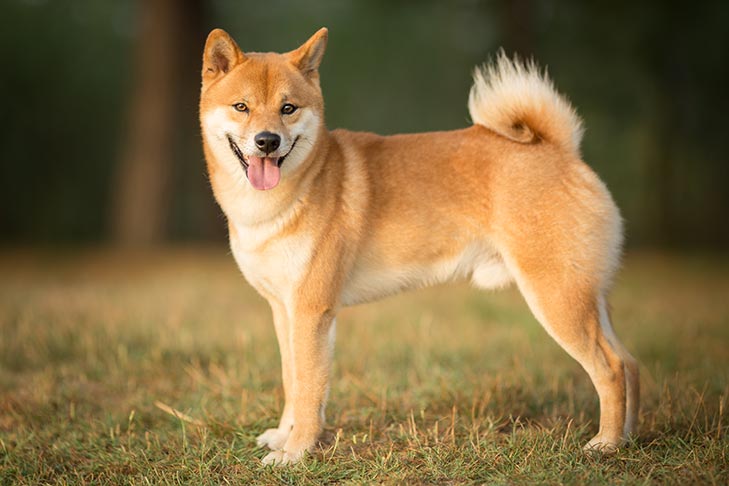
The Shiba Inu is a compact Japanese breed known for red and sesame coats. Red Shibas can show bright copper-caramel tones. Their cream markings create strong facial contrast. Shibas suit owners who respect independent behavior and can provide secure handling, training, and regular exercise.
Pointed ears and a curled tail create a foxlike shape. The dense coat makes red shades look rich and plush.
Shibas often prefer making their own choices. Many keep themselves remarkably clean. Reliable off-leash recall can still prove difficult.
“The coat stays surprisingly clean. Nail day creates much stronger opinions.”
— Illustrative owner perspective
- Rich red caramel appearance
- Compact muscular build
- Often naturally clean
- Sheds heavily in seasons
- Can resist unwanted handling
- Strong chase instinct
Choose the coat you love, then check energy and care. Golden Retrievers offer classic honey tones. Vizslas give deeper rust. Poodles provide soft apricot curls. Smaller homes may prefer Dachshunds or Pomeranians.
How Do These Caramel Color Dog Breeds Compare?
The best caramel-colored breed changes when you compare daily life instead of color alone. Golden Retrievers suit active families with enough room and brushing time. Vizslas need even more exercise and close contact. Cocker Spaniels offer smaller size but need more coat care. Standard Poodles shed less, yet grooming stays demanding. Ridgebacks bring easy coat care but stronger independence. Tollers need exercise and brain games every day. Chessies fit experienced outdoor owners best. Dachshunds give compact size but need back protection. Pomeranians suit apartments but need frequent brushing. Shibas offer neat habits with an independent personality. No single breed wins every category. When I compare these dogs, lifestyle removes choices faster than coat shade. That taught me to make the comparison practical. Use the table below to narrow your shortlist.
| Breed | Caramel-Like Shade | Energy | Grooming | Best Match |
|---|---|---|---|---|
| Golden Retriever | Golden | High | Medium | Families |
| Vizsla | Golden rust | Very high | Low | Runners |
| Cocker Spaniel | Buff or golden | Medium-high | High | Families |
| Standard Poodle | Apricot | High | High | Low-shed homes |
| Rhodesian Ridgeback | Wheaten | High | Low | Experienced owners |
| Toller | Red gold | Very high | Medium | Sporty homes |
| Chesapeake | Sedge | High | Low | Outdoor owners |
| Dachshund | Red or cream | Medium | Low-medium | Small homes |
| Pomeranian | Orange | Medium | High | Apartments |
| Shiba Inu | Red | Medium-high | Medium | Independent owners |
You might be thinking the lowest-groom breed is automatically easiest. Energy and training can outweigh brushing time.
Next, use your home and schedule to make the final cut.
Which Caramel Color Dog Breed Is Right for You?
Choose your caramel dog by matching its hardest daily need to your normal schedule. Active families often fit Golden Retrievers because they enjoy training and outdoor play. Serious runners may prefer the lighter Vizsla. Lower-shed homes should look closely at Poodles. Small-space owners can consider Dachshunds or Pomeranians. Experienced owners may enjoy Ridgebacks, Shibas, or Chesapeake Bay Retrievers. Sport-focused families may love Tollers. Grooming fans can handle the Cocker Spaniel’s silky coat. Your best dog should still fit on a busy weekday. Color should act as your final preference, not your first filter. When I narrow breed lists, I picture the owner’s worst weekday. That taught me a realistic schedule beats an ideal weekend. Choose the dog you can support consistently.
- If you want an active family dog → choose a Golden Retriever.
- If you run most days → consider a Vizsla first.
- If loose hair bothers you → consider a Poodle.
- If your home is small → compare Dachshunds and Pomeranians.
If you want a quieter family match, see our guide to calm dog breeds for families.
You can also compare dog breeds through the AKC. Compare size and breed traits before contacting a breeder or rescue.
You might be thinking a puppy’s color seals your choice. Adult shade and behavior matter more than one puppy photo.
How Should You Care for a Caramel Colored Dog’s Coat?
Caramel-colored coats need the same care as other coats of their breed type. Color itself does not create special grooming needs. A Golden needs brushing because of its dense double coat. A Poodle needs brushing because curls trap loose hair. Cockers need coat and ear care. Vizslas and Ridgebacks need simpler short-coat grooming. Pomeranians and Shibas shed from dense double coats. Tollers and Chessies also shed through seasonal coat cycles. Good food, skin health, parasite control, and gentle grooming support coat quality. Sun, dirt, and dry skin can change how a coat looks. When I compare grooming needs, coat structure matters more than color. That taught me to ignore color-based grooming myths. Follow the breed’s coat needs instead. A healthy caramel coat should look clean, comfortable, and natural.
Brush before mats become tight. Check the skin while you work. Look for redness, flakes, bumps, or sore areas.
You might be thinking special shampoo makes caramel fur brighter. A safe dog shampoo matters more than color claims.
Choose brushes by coat type, not by coat color.
Good grooming protects skin first. Shine follows healthy skin and healthy hair.
What Most People Get Wrong About Caramel Color Dog Breeds
The biggest mistake is treating caramel as one official dog color. It is not. Breeders and registries may use golden, buff, apricot, red, wheaten, rust, sedge, or cream instead. Another mistake involves choosing a breed from coat color alone. A beautiful Vizsla still needs serious exercise. A fluffy Pomeranian still needs coat work. A Ridgeback still brings strong hound instincts. Some buyers also expect a puppy’s shade to stay identical. Coat depth can shift as dogs mature. Lighting changes photos too. When I compare puppy listings, I focus on health and temperament first. That taught me color should never hide bigger concerns. Responsible breeding matters far more than a rare shade label. Choose a sound dog with suitable behavior. Let the caramel coat become a bonus.
You might be thinking unusual color names make a puppy more valuable. A marketing label does not improve health or temperament.
Never choose a breeder because of a trendy color name alone.
Ask about health tests, parent temperament, and living conditions. Color comes after those checks.
Final Thoughts: Which Caramel Dog Should You Choose?
The best caramel dog combines the warm coat you love with a manageable lifestyle. Goldens suit active families. Poodles suit lower-shed homes. Vizslas fit serious exercise routines.
Start by choosing three breeds that match your normal weekday. Then compare grooming, size, exercise, and temperament.
One thing to do right now: write your daily exercise limit. I’m Thomas Cutter, and that one number can narrow your list fast.
Frequently Asked Questions
Caramel-colored dog questions usually involve shade, breed names, shedding, size, and puppy color changes. The key point stays simple. “Caramel” describes an appearance rather than one universal breed-standard color. Golden, apricot, buff, wheaten, rust, red-gold, and sedge coats may all create that look. Some breeds shed heavily. Others leave less loose hair but need more grooming. Small caramel-looking dogs include Dachshunds and Pomeranians. Medium choices include Cockers and Tollers. Larger choices include Goldens, Vizslas, Ridgebacks, and Chessies. Poodles offer several sizes outside this Standard-focused list. Puppy coats may also lighten or deepen as dogs mature. When I answer color questions, I separate appearance from care. That keeps a pretty coat from hiding an unsuitable lifestyle match.
Is caramel an official dog coat color?
Caramel is usually a casual description rather than one official breed-standard color. Official terms may include golden, buff, apricot, wheaten, rust, red, sedge, or cream. Those colors can still create a caramel appearance. Always check the official color terms for the breed you want.
What dog breed has the strongest caramel color?
Golden Retrievers and Vizslas offer two strong caramel-like looks. Goldens often show honey or deep golden coats. Vizslas have smooth golden-rust coats with richer copper warmth. Your preferred choice depends on whether you want feathered golden hair or a sleek short coat.
What small dog breeds can have caramel-colored coats?
Dachshunds and Pomeranians are strong small-breed options. Red Dachshunds can show polished warm caramel shades. Orange Pomeranians can look like fluffy amber caramel. Both breeds fit smaller homes better than large retrievers, but their behavior and grooming needs still differ greatly.
Which caramel-colored dog sheds the least?
Poodles leave much less loose hair than most breeds on this list. Their curls catch loose hair instead of dropping much around your home. However, lower shedding means more coat maintenance. Regular brushing and clipping help prevent painful mats and keep the coat manageable.
Can a caramel puppy change color as it grows?
Yes, a puppy’s coat shade can change as adult hair develops. Some coats become lighter, darker, or more even with age. Sunlight and coat length also affect appearance. If exact color matters, view adult relatives and older dogs from the same breeding lines first.

Thomas Cutter is a lifelong dog owner and the founder of FindOutAboutDogs.com. With over 10 years of hands-on experience owning multiple breeds, Thomas created this site to provide honest, research-based dog advice that real owners can actually trust.
