10 Best Dog Breeds for City Living — Picked by a Longtime Apartment Owner
Quick Answer
The best dog breeds for city living are calm, low to moderate energy, and quiet indoors. French Bulldogs, Cavalier King Charles Spaniels, Greyhounds, Boston Terriers, and Shih Tzus top the list. Each one adapts well to small spaces, short walks, and noisy neighbors, as long as you meet its daily needs.
What makes a breed city-friendly:
- Low to moderate exercise needs
- Quiet or low-bark tendency
- Small to medium adult size
- Comfortable being alone for a few hours
- Calm reaction to street noise and crowds
Before you choose a city dog:
- Check your building’s breed and weight rules first
- Plan a daily walk route near your home
- Ask about the breed’s bark level before you commit
You step into your apartment hallway and a dog three doors down starts barking the second your key turns. You don’t want that to be your dog. I’m Thomas Cutter, and I’ve kept dogs in city apartments for over 12 years, from a 450-square-foot studio to a small two-bedroom flat. I’ve made the wrong calls, too.
Picking a city dog isn’t about size alone. A small dog can be a nightmare to live next to if it barks at every footstep. A calm, mid-size dog can be the easiest neighbor on the floor. Let’s look at the breeds that actually work for apartment and city life in 2026.
- Energy level and noise habits matter more than size for city dogs.
- French Bulldogs, Cavaliers, and Greyhounds are top picks for small spaces in 2026.
- Most city-friendly breeds still need a daily walk and some mental stimulation.
- Always check your lease and building rules before choosing a breed.


What Makes a Dog Breed Good for City Living?
A city-friendly dog is calm indoors, doesn’t bark at every hallway sound, and doesn’t need a yard to burn off energy. Most apartment-friendly breeds are small to medium, with moderate exercise needs met by daily walks. They also tolerate being alone for part of the day, since most city owners work outside the home.
Most experts agree that breed temperament, not size, predicts how well a dog handles apartment life. A Greyhound, for example, is large but famously calm indoors. A small terrier bred for chasing vermin can be far more restless.
So what does that mean for you? Before picking a breed, rate your own routine honestly. If you work 10-hour days, a high-energy herding breed will struggle, no matter how cute the puppy photos look.
The 10 Best Dog Breeds for City Living — Ranked and Reviewed
Here are the 10 breeds that handle small spaces, close neighbors, and city noise the best, based on temperament data from breed clubs and real owner experience.
French Bulldog — “The Couch Companion”
 Save
Save| Weight | 16 to 28 lbs |
| Height | 11 to 13 inches |
| Lifespan | 10 to 12 years |
| Energy Level | Low to moderate |
| Grooming Need | Low — weekly brushing |
| Shedding | Light, year-round |
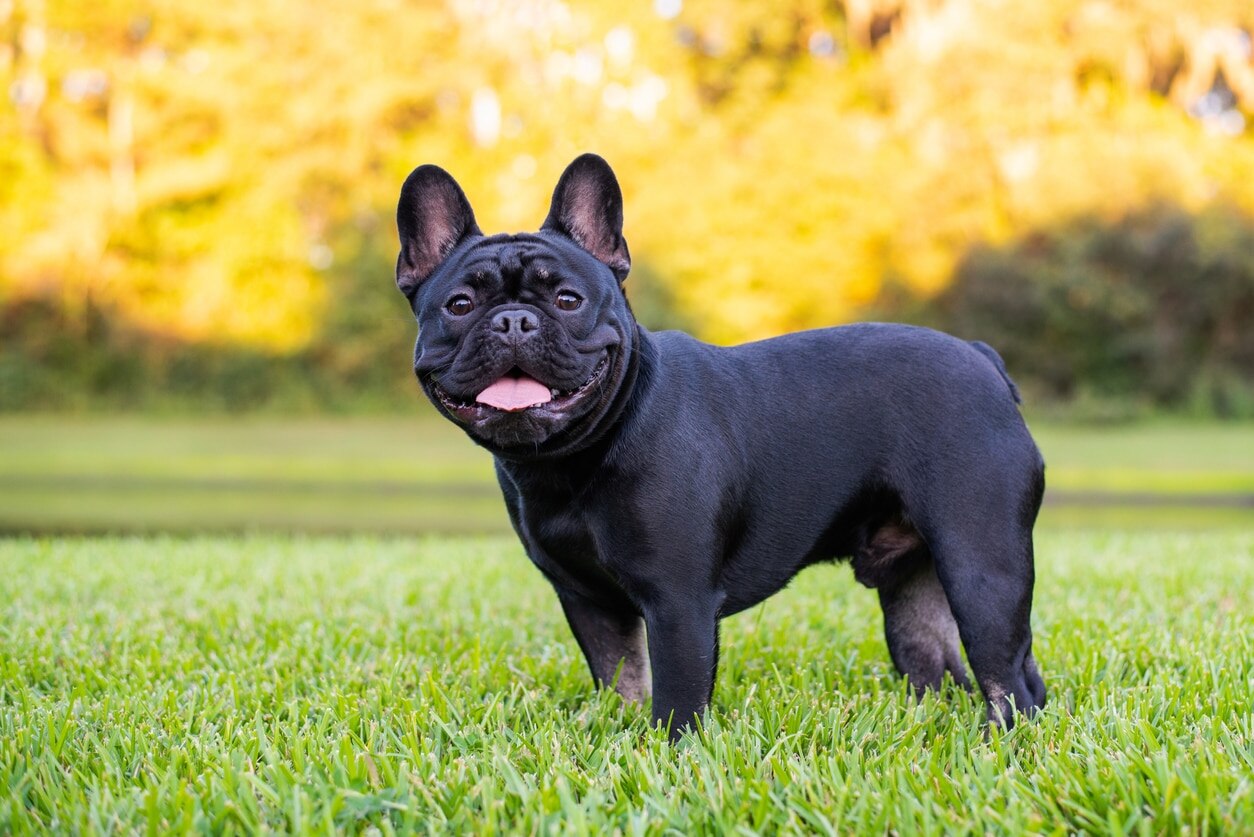
The French Bulldog is a small, muscular companion dog known for its calm, easygoing nature. It stands about a foot tall and rarely needs more than two short walks a day. Frenchies bond closely with their owner and stay relaxed indoors. They suit renters, singles, and anyone short on outdoor space.
Their bat ears and squashed face give them a goofy, expressive look. A snort or grunt often replaces a bark, which neighbors appreciate.
Frenchies sleep up to 14 hours a day. The surprise? They overheat fast, so summer city walks need shade and short distances.
“My downstairs neighbor didn’t know I had a dog for the first two weeks. He just naps on the windowsill all day.”
— Marcus T., French Bulldog owner for 6 years
- Rarely barks at hallway noise
- Needs only short daily walks
- Great for small studios
- Overheats easily in summer
- Prone to breathing issues
- Higher vet costs over time
Best for: Studio renters · First-time owners · Low-mobility households
→ Best dog breeds for small apartments
Cavalier King Charles Spaniel — “The Gentle Lap Dog”
| Weight | 13 to 18 lbs |
| Height | 12 to 13 inches |
| Lifespan | 12 to 15 years |
| Energy Level | Moderate |
| Grooming Need | Moderate — brush 3x weekly |
| Shedding | Moderate |
The Cavalier King Charles Spaniel is a small, affectionate breed built to be a companion above all else. It weighs under 20 pounds and adjusts its energy to match yours. Cavaliers are friendly with strangers and rarely aggressive. They suit families, seniors, and anyone wanting a quiet, devoted city dog.
Their silky ears and dark, round eyes give them an almost storybook look. Most people expect a calm lap dog. What surprises new owners is how social Cavaliers are with other dogs at the park.
“She greets every dog in the elevator like a long-lost friend. Never once growled at a stranger.”
— Priya N., Cavalier owner for 4 years
- Gentle with kids and strangers
- Adapts energy to your schedule
- Rarely territorial or reactive
- Prone to heart issues later in life
- Hates being left alone often
- Needs regular ear cleaning
Best for: Families · Seniors · Owners who work from home
Greyhound — “The 40 MPH Couch Potato”
| Weight | 60 to 70 lbs |
| Height | 27 to 30 inches |
| Lifespan | 10 to 13 years |
| Energy Level | Low indoors, bursts outdoors |
| Grooming Need | Very low |
| Shedding | Light |
The Greyhound is a tall, lean sighthound built for sprinting, not endurance. Despite its size, it spends most of the day asleep on a soft bed. A short jog or two brisk walks meet its exercise needs fully. Greyhounds are quiet, gentle, and surprisingly suited to apartment life.
You might assume a 70-pound dog needs a yard. Here’s why that’s not true: Greyhounds are sprinters, not runners, and they save their energy for short, fast bursts.
Retired racing Greyhounds in particular settle into apartment routines fast. Most rescue groups describe them as “couch potatoes with a switch.”
“People assume he needs a backyard. He’s slept through three fire alarms this year.”
— Daniel R., Greyhound owner for 5 years
- Sleeps up to 18 hours daily
- Very low grooming needs
- Calm, non-reactive temperament
- Needs a large dog bed
- Thin coat feels cold easily
- High prey drive around small pets
Best for: Quiet households · Runners · Owners with larger floor space
→ Best dog breeds for NYC apartments
Boston Terrier — “The Tuxedo-Wearing Charmer”
| Weight | 12 to 25 lbs |
| Height | 15 to 17 inches |
| Lifespan | 11 to 13 years |
| Energy Level | Moderate |
| Grooming Need | Low |
| Shedding | Light |
The Boston Terrier is a compact, sturdy breed known for its friendly, comic personality. It needs a daily walk plus some playtime to stay content. Bostons rarely bark without reason and get along well with other pets. They fit well in apartments, condos, and shared city housing.
Their black-and-white coat looks like a little tuxedo, which is how the breed earned its nickname. Most people expect a calm lap dog, but Bostons love short bursts of zoomies indoors.
“He does three laps around the living room, then just stops and stares at me like nothing happened.”
— Casey L., Boston Terrier owner for 7 years
- Low grooming and shedding
- Friendly with other apartment pets
- Compact and easy to carry
- Sensitive to heat and cold
- Some snoring and gas
- Prone to eye injuries
Best for: Multi-pet homes · Active singles · Small condos
Shih Tzu — “The Living Room Royalty”
 Save
Save| Weight | 9 to 16 lbs |
| Height | 9 to 10 inches |
| Lifespan | 10 to 16 years |
| Energy Level | Low |
| Grooming Need | High — daily brushing |
| Shedding | Minimal |
The Shih Tzu is a tiny, affectionate breed bred for centuries as a palace companion. It needs only short walks and indoor play to stay happy. Shih Tzus rarely show aggression and adapt easily to small spaces. They suit retirees, renters, and anyone wanting a low-energy lap dog.
Their long, flowing coat sheds very little, which makes them a favorite for allergy-conscious households. That said, the coat tangles fast without daily brushing.
“She’s 11 pounds of pure attitude, but the second I sit down she’s asleep on my lap within minutes.”
— Linda M., Shih Tzu owner for 9 years
- Minimal shedding
- Very low exercise needs
- Long, healthy lifespan
- Daily brushing required
- Sensitive to hot weather
- Frequent eye care needed
Best for: Retirees · Allergy-conscious owners · Low-mobility renters
→ Best dog breeds for a 1-bedroom apartment
Italian Greyhound — “The Mini Speedster”
The Italian Greyhound is a slender, miniature sighthound built for short sprints, not long hikes. It weighs under 14 pounds and adapts fast to indoor life. Italian Greyhounds bark rarely and love curling up under blankets. They suit quiet households with steady routines.
Most people picture a nervous, fragile dog. The surprise is how playful and people-focused they become once they trust their owner.
Best for: Apartment dwellers · Owners who work from home · Couples
Pug — “The Comedian of the Building”
The Pug is a small, sturdy breed known for its clownish personality and deep loyalty. It needs short, gentle walks and avoids heavy exercise well. Pugs rarely bark and bond closely with their household. They suit families, seniors, and first-time city owners.
Their wrinkled face and curled tail give them instant character. What surprises new owners is how vocal pugs get with grunts and snores, even if true barking stays rare.
Best for: Families · Seniors · First-time city owners
Bichon Frise — “The Cotton Ball Optimist”
The Bichon Frise is a small, hypoallergenic breed with a cheerful, people-pleasing nature. It needs daily walks and some playtime to stay balanced. Bichons rarely show aggression and adjust well to apartment noise. They suit allergy-prone households and first-time owners alike.
Their curly white coat looks like a cotton ball. Even better, that coat sheds very little, which keeps shared hallways and elevators cleaner.
Best for: Allergy-prone households · First-time owners · Families with kids
Miniature Schnauzer — “The Alert Little Guard”
The Miniature Schnauzer is a small, sturdy breed known for its alertness and loyalty. It needs a brisk daily walk plus mental stimulation to stay content. Schnauzers can bark at strangers, so early training matters. They suit owners who want a watchful, low-shedding city dog.
You might expect a yappy small dog. The truth is, with consistent training, Schnauzers settle into a calm, dependable temperament.
Best for: Owners willing to train early · Light sleepers wanting alert dogs · Low-shedding households
Whippet — “The Quiet Sprinter”
 Save
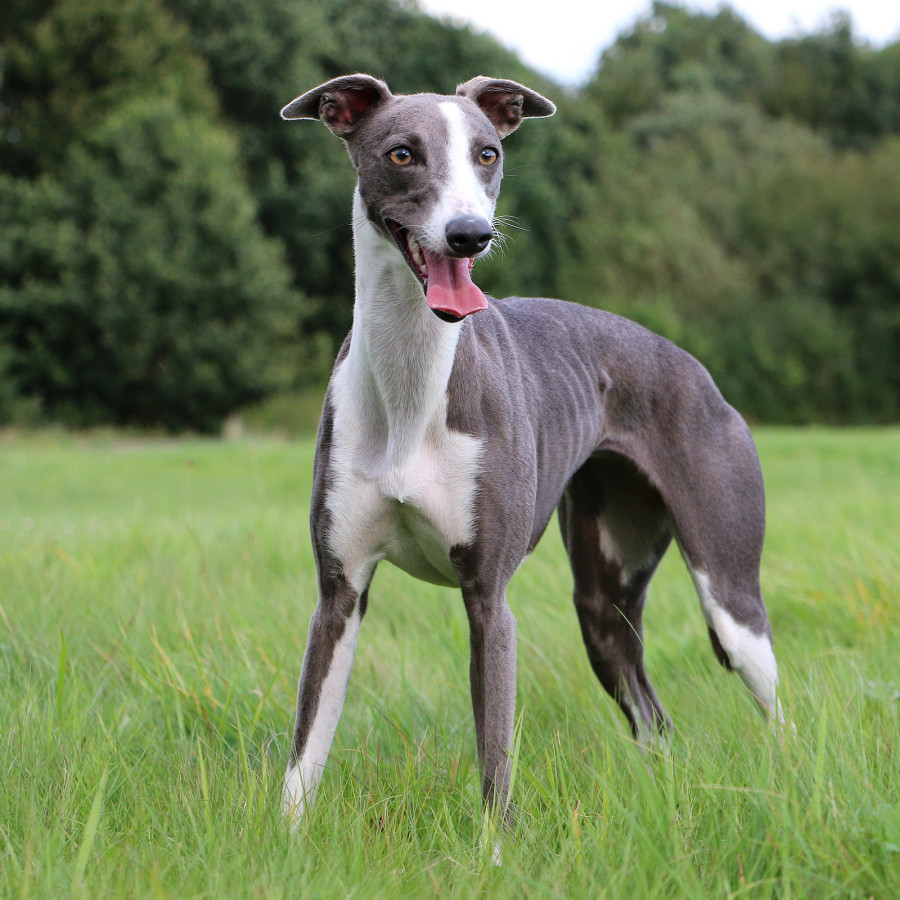
SaveThe Whippet is a medium, lean sighthound related to the Greyhound but smaller. It needs one good sprint session and a short walk daily. Whippets are famously quiet, gentle, and clean indoors. They suit active singles and couples in mid-size city apartments.
People often confuse Whippets with small Greyhounds. The real surprise is how affectionate and snuggly they are once the energy burst is done.
Best for: Active singles · Couples · Mid-size apartment dwellers
→ Best dog breeds for apartments overall
City Dog Breeds Compared Side by Side
Use this table to compare the 10 breeds at a glance. Energy level and bark tendency matter most for shared walls and thin floors.
| Breed | Energy | Bark Level | Grooming |
|---|---|---|---|
| French Bulldog | Low-Moderate | Very Low | Low |
| Cavalier King Charles Spaniel | Moderate | Low | Moderate |
| Greyhound | Low Indoors | Very Low | Very Low |
| Boston Terrier | Moderate | Low | Low |
| Shih Tzu | Low | Low | High |
| Italian Greyhound | Low-Moderate | Very Low | Very Low |
| Pug | Low | Low | Low |
| Bichon Frise | Moderate | Moderate | High |
| Miniature Schnauzer | Moderate | Moderate-High | Moderate |
| Whippet | Moderate | Very Low | Very Low |
Which City Dog Breed Is Right for You?
Your daily routine matters more than your apartment size when picking a breed. Here’s a quick way to match your life to the right dog.
- If you work long hours away from home → a Greyhound or Shih Tzu handles alone time best.
- If you have thin walls or close neighbors → a French Bulldog or Whippet rarely barks.
- If you want a jogging partner → a Whippet or Boston Terrier keeps pace without needing a yard.
- If allergies are a concern → a Bichon Frise sheds the least of this list.
Flat-faced breeds like French Bulldogs and Pugs struggle in heat. Skip midday walks above 80°F.
What Most People Get Wrong About City Dog Breeds
Many new owners believe small means easy. That’s not always true. A small terrier with high prey drive can be far harder to manage in a city than a calm, large Greyhound. Energy level and temperament, not size, decide how well a dog fits apartment life.
Another common mistake: skipping training because “it’s just a small dog.” Small dogs that bark unchecked cause more noise complaints than any other apartment dog issue, according to property managers nationwide.
City Dog Care Essentials: What Every New Owner Must Know
Daily walks remain non-negotiable, even for low-energy breeds. Most city dogs do well with two walks a day, totaling 30 to 45 minutes. Add a few short play sessions indoors to cover the rest of their mental needs.
Mental stimulation matters as much as physical exercise. A puzzle feeder or short training session each day keeps boredom barking in check. Most experts agree that boredom, not excess energy, drives most apartment dog behavior problems.
Train a “quiet” cue early. It stops hallway and doorbell barking before it becomes a habit.
Common Mistakes New City Dog Owners Make
The biggest mistake is picking a breed based on looks alone, without checking its energy needs. A Husky or Border Collie may look striking, but both need far more space and exercise than most apartments allow.
Another frequent error is skipping crate or alone-time training. Dogs left alone without preparation often develop separation anxiety, which leads to barking and chewed furniture.
This article covers small to medium breeds suited to apartment and city life. If you live in a house with a yard, larger working breeds may also be a good fit.
According to the American Kennel Club, breed temperament and exercise needs matter more for apartment success than size alone. The ASPCA also recommends daily mental enrichment for dogs kept in small living spaces.
Conclusion
The best city dog matches your energy and your neighbors’ tolerance for noise, not just your square footage. French Bulldogs, Cavaliers, and Greyhounds top this list for good reason: calm, quiet, and easy in tight spaces.
One thing to do right now: Check your building’s pet policy and weight limit before falling in love with a breed. I’m Thomas Cutter, and I’ve learned that lesson the hard way more than once.
Frequently Asked Questions
What is the easiest dog breed for apartment living?
The French Bulldog is widely considered the easiest apartment breed. It needs only short walks, rarely barks, and stays calm indoors most of the day. Its small size also makes it easy to carry through stairs and elevators.
Can large dogs live in small apartments?
Yes, some large dogs do well in apartments. Greyhounds and other sighthounds are calm indoors despite their size, as long as they get a short daily sprint. Energy level matters more than size for apartment success.
Which dog breeds bark the least in apartments?
French Bulldogs, Greyhounds, Whippets, and Italian Greyhounds rank among the quietest breeds. Most sighthounds bark rarely by nature. Early training also reduces barking in almost any breed.
How much exercise does a city dog need each day?
Most city dogs need 30 to 45 minutes of walking daily, split into two sessions. Higher-energy breeds like Whippets also benefit from one short sprint session in a fenced area each week.
Are small dogs always better for apartments than big dogs?
No, small size doesn’t guarantee a good apartment fit. Some small terriers are vocal and high-strung, while some large breeds like Greyhounds are famously calm indoors. Temperament matters more than size.

Thomas Cutter is a lifelong dog owner and the founder of FindOutAboutDogs.com. With over 10 years of hands-on experience owning multiple breeds, Thomas created this site to provide honest, research-based dog advice that real owners can actually trust.
