Best 10 Dog Breeds for Families With Cats: A Calm, Real-World Guide
Quick Answer
The best 10 dog breeds for families with cats are gentle, social, trainable breeds. Golden Retrievers, Labradors, Cavaliers, Beagles, Basset Hounds, Pugs, Collies, Papillons, Bulldogs, and Miniature Poodles often fit best. Breed helps, but calm training matters more.
| Best large breeds | Golden Retriever, Labrador, Collie |
| Best small breeds | Cavalier, Pug, Papillon, Miniature Poodle |
| Best calm breeds | Basset Hound, Bulldog, Cavalier |
Choose your family cat-friendly dog this way:
- Choose a Golden if you want a playful family dog.
- Choose a Cavalier if you need a small gentle dog.
- Choose a Basset if your cat dislikes fast dogs.
Your cat is on the sofa, watching every move. Your child wants a dog, and you want peace.
I’m Thomas Cutter, a lifelong dog owner and breed researcher. The right breed can help, but the right intro matters more.
This guide covers family dogs that often adjust well to cats. If your cat is fearful or your dog has chased cats before, ask a trainer first.
- Breed matters, but early socialization matters more.
- Calm, trainable dogs often do best with cats.
- Large dogs can be safe if they are gentle.
- Never leave a new dog alone with a cat.
- Your cat needs a safe escape route.


What Makes a Dog Breed Good for Families With Cats?
A good dog breed for families with cats is usually calm, trainable, social, and low in chase drive. The dog should respond well to cues, recover fast from excitement, and respect space. Size alone does not decide safety. A gentle Labrador may fit better than a tiny, intense terrier. Most experts agree that the best match depends on breed traits, age, training, and the cat’s own confidence.
You already know some dogs chase small animals. But here’s the thing. Many cat problems start from speed, noise, and poor first meetings.
When I see a cat-friendly dog succeed, I notice one pattern. The dog learns to pause before moving closer.
That taught me the best breed is not just “nice.” The best breed can stay calm when the cat runs.
You might be thinking any puppy can learn this. Here’s why that’s only partly true.
Puppies are easier to shape, but breed drive still matters. So if your home has cats, start with temperament first.
Choose a dog that can disengage from movement. That skill protects cats.
What Are the Best 10 Dog Breeds for Families With Cats?
The best 10 dog breeds for families with cats are Golden Retriever, Labrador Retriever, Cavalier King Charles Spaniel, Beagle, Basset Hound, Pug, Collie, Papillon, Bulldog, and Miniature Poodle. These breeds often show social, gentle, or trainable traits. Still, each dog is an individual. A calm rescue with cat history may beat a purebred puppy with no cat manners.
Now let’s look at each breed. Each one has real strengths, real flaws, and a best-fit home.
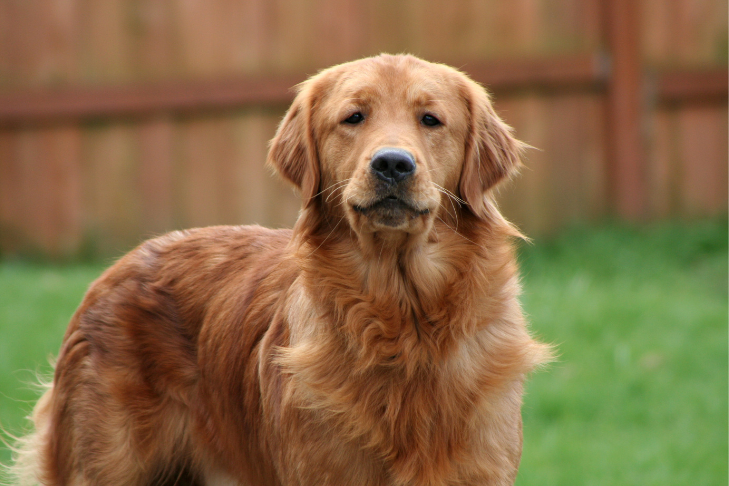
Golden Retriever — Cat-Friendly Family Dog With a Soft Mouth
 Save
Save| Weight | 55 to 75 pounds |
| Height | 21.5 to 24 inches |
| Lifespan | 10 to 12 years |
| Energy Level | High |
| Grooming Need | Weekly brushing |
| Shedding | Moderate to heavy |
Golden Retrievers are gentle family dogs known for patience, play, and trainability. They are large dogs, so slow cat intros matter. Their soft nature and people focus help them learn house rules. They suit active families with space, time, and steady training.
Golden Retrievers have a warm coat and kind eyes. Their feathered tail often gives away their mood.
They love games, but they also watch people closely. Even better, many learn cat rules fast.
“Our Golden learned the cat gate rule in 3 days. He still brings her toys.”
— Emily R., Golden Retriever owner for 6 years
- Learns family rules quickly
- Usually gentle with children
- Responds well to food rewards
- Can overwhelm shy cats
- Needs daily active exercise
- Sheds heavily in seasons
Best for: Active families · Confident cats · Homes with yards
Labrador Retriever — Cat-Friendly Dog Breed for Busy Families
| Weight | 55 to 80 pounds |
| Height | 21.5 to 24.5 inches |
| Lifespan | 11 to 13 years |
| Energy Level | High |
| Grooming Need | Weekly brushing |
| Shedding | Heavy seasonal shedding |
Labrador Retrievers are friendly, eager dogs that often fit busy family homes. They are much larger than cats, so manners come first. Their food drive makes training easier. They suit families that can give daily walks, games, and calm leash practice near cats.
Labs have a strong body and a short waterproof coat. Their thick tail can clear a coffee table.
They greet life with full force. In other words, teach calm before freedom.
“My Lab wanted to lick the cat, not chase him. The leash helped him learn distance.”
— Marcus D., Labrador owner for 5 years
- Highly food motivated
- Often social with pets
- Great outdoor family dog
- Young Labs jump often
- Needs structured exercise daily
- Can mouth during play
Best for: Active kids · Playful cats · Training-focused homes
Cavalier King Charles Spaniel — Cat-Friendly Small Dog With Gentle Manners
| Weight | 13 to 18 pounds |
| Height | 12 to 13 inches |
| Lifespan | 12 to 15 years |
| Energy Level | Moderate |
| Grooming Need | Brush 2 to 3 times weekly |
| Shedding | Moderate |
Cavalier King Charles Spaniels are small, gentle companion dogs known for soft manners. Their size feels less scary to many cats. They enjoy people and other pets. They suit calm families, first-time owners, apartments, and homes with older cats.
Cavaliers have round eyes, silky ears, and a soft outline. Their coat frames the face like curtains.
They enjoy laps, but they still need daily walks. Here’s why that matters.
“Our Cavalier waits for the cat to come first. That changed the whole home.”
— Priya S., Cavalier owner for 4 years
- Small enough for apartments
- Often gentle with cats
- Adapts well to routines
- Needs regular ear care
- Dislikes long lonely days
- Can gain weight fast
Best for: Apartments · Senior cats · First-time dog owners
Beagle — Cat-Friendly Pack Dog With a Happy Spirit
| Weight | 20 to 30 pounds |
| Height | 13 to 15 inches |
| Lifespan | 10 to 15 years |
| Energy Level | High |
| Grooming Need | Weekly brushing |
| Shedding | Moderate |
Beagles are cheerful pack dogs that often enjoy busy family life. They can treat cats like housemates when raised well. Their nose can distract them fast. They suit families that use leashes, gates, scent games, and firm food rules.
Beagles have soft ears, bright eyes, and a sturdy frame. Their white tail tip helps owners spot them.
They love company, but their nose leads the day. That can work for you.
“The cat ignored him for a week. Our Beagle just sniffed blankets and waited.”
— Lauren K., Beagle owner for 7 years
- Social pack nature
- Good size for families
- Enjoys games with children
- Strong scent drive outdoors
- Can bay loudly
- Needs leash discipline
Best for: Active families · Playful cats · Scent-game homes
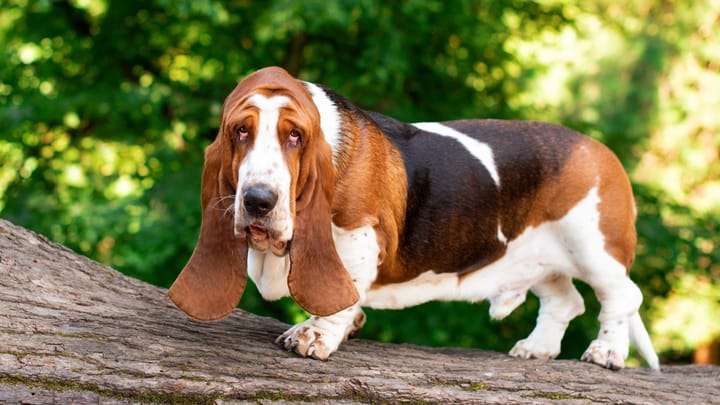
Basset Hound — Cat-Friendly Dog Breed With Slow, Calm Energy
 Save
Save| Weight | 40 to 65 pounds |
| Height | Up to 15 inches |
| Lifespan | 12 to 13 years |
| Energy Level | Low to moderate |
| Grooming Need | Weekly brushing |
| Shedding | Moderate |
Basset Hounds are low, sturdy dogs with patient, easygoing habits. Their slower movement can feel safer to nervous cats. They still need leash control because their nose is strong. They suit calm homes, older children, and cats that hate fast motion.
Bassets have long ears, heavy paws, and deep eyes. Their body looks slow by design.
They can be stubborn, but they are rarely frantic. That quiet pace helps cats relax.
“Our Basset never rushed the cat. He just sighed beside the gate.”
— Nora B., Basset Hound owner for 8 years
- Slow movement calms cats
- Patient with family noise
- Lower daily exercise need
- Can ignore recall outdoors
- Needs ear cleaning often
- May gain weight easily
Best for: Nervous cats · Calm homes · Older children
Pug — Cat-Friendly Small Dog That Loves Company
| Weight | 14 to 18 pounds |
| Height | 10 to 13 inches |
| Lifespan | 13 to 15 years |
| Energy Level | Moderate |
| Grooming Need | Weekly brushing |
| Shedding | Heavy |
Pugs are small companion dogs that often enjoy sharing space with cats. They want attention more than action. Their size and low hunting style can help in mixed homes. They suit relaxed families that can manage heat, weight, and short walks.
Pugs have a square body, curled tail, and wrinkled face. Their eyes show every thought.
They can be silly and pushy, yet they tire fast. That can make cats less stressed.
“Our Pug tried to nap beside the cat on day one. The cat took 2 weeks.”
— Jason M., Pug owner for 3 years
- Small and sturdy
- Often prefers companionship
- Good for calm homes
- Poor heat tolerance
- Needs weight control
- Can snore loudly
Best for: Relaxed families · Indoor homes · Calm adult cats
Collie — Cat-Friendly Family Dog With Watchful Manners
| Weight | 50 to 75 pounds |
| Height | 22 to 26 inches |
| Lifespan | 12 to 14 years |
| Energy Level | Moderate to high |
| Grooming Need | Weekly brushing |
| Shedding | Moderate to heavy |
Collies are smart family dogs known for close attention to people. Many tolerate other pets when guided well. Their herding nature needs careful control around cats. They suit families that enjoy training, walks, brushing, and clear house rules.
Collies have a long head, alert ears, and a flowing coat. Smooth Collies need less brushing.
They notice movement, but they also listen well. That balance makes them special.
“Our Collie wanted to herd the cat at first. Training turned that into calm watching.”
— Hannah P., Collie owner for 6 years
- Reads family routines well
- Usually child focused
- Enjoys structured training
- May herd running cats
- Can bark at changes
- Rough coat needs brushing
Best for: Training homes · Gentle children · Confident cats
Papillon — Cat-Friendly Toy Dog With Bright Energy
| Weight | 5 to 10 pounds |
| Height | 8 to 11 inches |
| Lifespan | 14 to 16 years |
| Energy Level | Moderate to high |
| Grooming Need | Weekly combing |
| Shedding | Low to moderate |
Papillons are tiny, smart dogs with lively but trainable minds. Their size can help cats feel less threatened. They still need rules because they move fast. They suit careful families, older children, and playful cats that enjoy activity.
Papillons have butterfly-like ears and a fine, bright coat. Their body looks delicate but quick.
They learn fast and watch faces closely. The surprise is their bold little brain.
“Our Papillon learned the cat’s shelf was off-limits before the kids did.”
— Owen T., Papillon owner for 5 years
- Easy size near cats
- Very quick learner
- Needs little floor space
- Too fragile for toddlers
- Can dart under feet
- May bark from excitement
Best for: Older children · Small homes · Playful adult cats
Bulldog — Cat-Friendly Dog Breed With Couch-Level Calm
| Weight | 40 to 50 pounds |
| Height | 14 to 15 inches |
| Lifespan | 8 to 10 years |
| Energy Level | Low to moderate |
| Grooming Need | Weekly brushing |
| Shedding | Moderate |
Bulldogs are sturdy, low-energy dogs that often fit calm cat homes. They do not need intense exercise. Their slow pace can help cats feel safe. They suit families that want short walks, steady routines, and careful heat management.
Bulldogs have a broad head, loose skin, and a rolling walk. Their stance looks stronger than fast.
They can be stubborn, but they rarely sprint for long. That matters near nervous cats.
“The cat claimed the top cushion. Our Bulldog accepted the lower couch spot.”
— Mia L., Bulldog owner for 4 years
- Slow pace suits cats
- Low exercise demand
- Often loves quiet homes
- Poor heat tolerance
- Can be very stubborn
- Needs wrinkle care
Best for: Couch homes · Nervous cats · Low-walk families
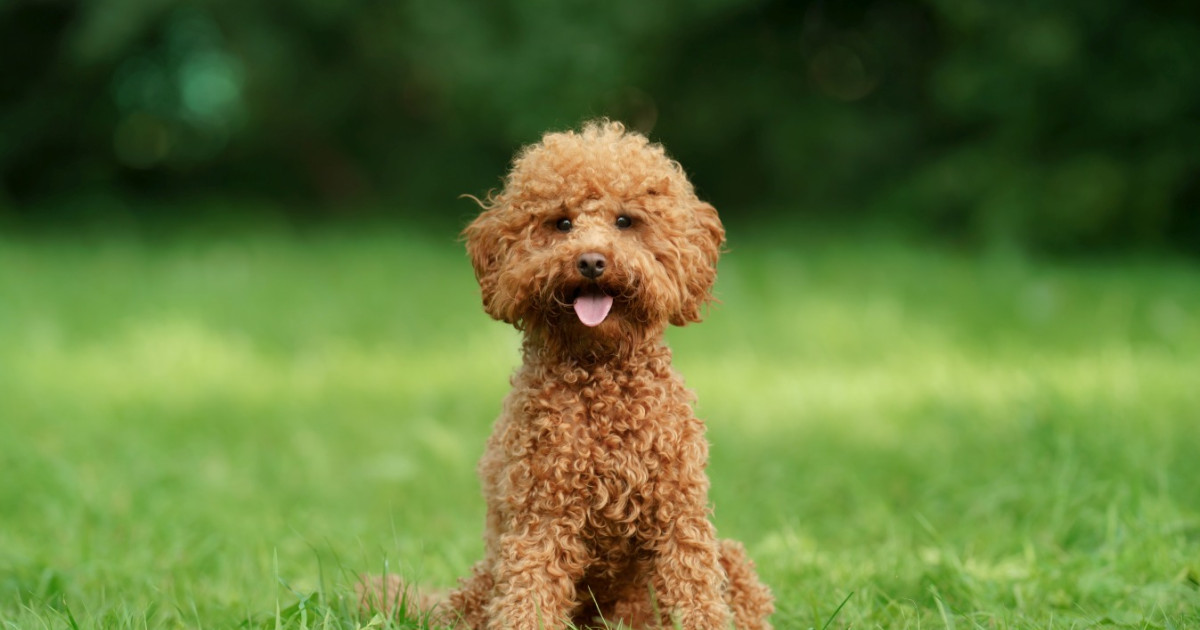
Miniature Poodle — Cat-Friendly Dog Breed for Smart Homes
 Save
Save| Weight | 10 to 15 pounds |
| Height | 10 to 15 inches |
| Lifespan | 10 to 18 years |
| Energy Level | Moderate to high |
| Grooming Need | Professional clipping every 4 to 6 weeks |
| Shedding | Low |
Miniature Poodles are smart, trainable dogs with low shedding coats. Their size works well in many cat homes. They need mental work, not just cuddles. They suit families that enjoy training, grooming plans, and steady indoor rules.
Miniature Poodles have a curly coat and light, springy movement. Their coat keeps growing.
They learn patterns fast, including cat zones. The wow part is their memory for routines.
“Our Poodle learned ‘cat hallway’ after one week. Now she slows down there.”
— Daniel F., Miniature Poodle owner for 5 years
- Very trainable mind
- Low shedding coat
- Good size for cats
- Grooming costs add up
- Needs brain games daily
- Can bark when bored
Best for: Allergy-aware homes · Training fans · Apartment families
How Do These Cat-Friendly Dog Breeds Compare Side by Side?
The best breed depends on your cat, children, space, and daily time. Golden Retrievers and Labradors suit active homes. Cavaliers, Pugs, and Papillons suit smaller homes. Basset Hounds and Bulldogs suit calmer cats. Collies and Miniature Poodles suit owners who enjoy training. No breed is perfect. The right dog is the one whose energy matches your home.
Here’s a quick side-by-side view. Use it before you fall in love with a photo.
| Breed | Best Cat Match | Main Watch-Out |
|---|---|---|
| Golden Retriever | Confident, social cat | Big puppy energy |
| Labrador Retriever | Playful cat | Jumping and mouthing |
| Cavalier | Older indoor cat | Separation stress |
| Beagle | Friendly, steady cat | Scent drive |
| Basset Hound | Nervous cat | Stubborn recall |
| Pug | Calm lap cat | Heat risk |
| Collie | Confident cat | Herding behavior |
| Papillon | Playful adult cat | Fragile body |
| Bulldog | Quiet cat | Heat and breathing |
| Miniature Poodle | Routine-loving cat | Grooming cost |
Which Cat-Friendly Dog Breed Is Right for Your Home?
The right cat-friendly dog breed depends on your cat’s confidence, your children’s ages, and your daily routine. Choose a calm small breed for an older cat. Choose a social large breed for active children. Choose a trainable breed if your cat runs often. Most experts agree the best choice is a temperament match, not a popularity pick.
If you have a nervous cat, choose a Basset Hound, Cavalier, or Bulldog. If you have active kids, choose a Golden, Labrador, or Collie. If you live in an apartment, choose a Cavalier, Pug, Papillon, or Miniature Poodle.
When families ask me for one rule, I give this answer. Pick the dog your calmest day can still manage.
You might be thinking your kids will handle the exercise. Here’s why adults must plan it first.
Children can help, but adults must lead training. As a result, the dog learns safe cat rules faster.
How Should You Introduce a New Dog to a Family Cat?
Introduce a new dog to a cat slowly, with barriers, leashes, rewards, and escape routes. Start with scent and sound before face-to-face meetings. Keep early sessions short and calm. Do not hold the cat in your arms. Do not let the dog rush. A good first week matters more than one perfect first meeting.
The safest plan starts before the dog walks in. Set up a cat-only room, high shelves, and baby gates.
For example, the Animal Humane Society recommends short calm sessions. The dog stays leashed, and the cat can leave.
You can also review this trusted guide on how to introduce a dog and cat safely. It explains why calm control matters.
- Give the cat a safe room first.
- Let both pets smell bedding.
- Use a gate for first sight.
- Keep the dog leashed indoors.
- Reward calm looks at the cat.
- End before either pet gets tense.
When I introduce pets, I stop before the session peaks. That taught me progress often looks boring.
You might be thinking boring means nothing happened. Here’s why boring is the goal.
A quiet intro builds trust. The next step is knowing what mistakes ruin that trust.
What Most People Get Wrong About Dog Breeds and Cats
Most people get one thing wrong about dog breeds and cats. They think breed alone guarantees peace. It does not. A breed can raise your odds, but training decides the result. A calm mixed-breed with cat history may be safer than a famous family breed with poor impulse control. Watch the dog, not the label.
Here’s the thing. A “cat-friendly breed” can still chase a running cat.
A “high prey drive breed” can sometimes live with cats. But that takes careful history and skilled training.
So what does that mean? Ask about the exact dog’s past, not just the breed name.
When a shelter dog has lived with cats before, that detail matters. That taught me history is gold.
Never test a dog by letting it loose with your cat. Use barriers first.
What Care Rules Keep Dogs, Cats, and Children Safe Together?
Safe mixed-pet homes need supervision, health care, clean spaces, and clear rules. The CDC advises routine veterinary care, handwashing, and child supervision around dogs. Those basics protect families and pets. With cats, add vertical space, separate feeding, and safe exits. Good management reduces bites, scratches, stress, and daily conflict.
Most experts agree that children need close supervision around dogs. Even trusted family dogs need space.
The CDC shares practical dog safety and health guidance for families. It also stresses routine vet care.
Now add the cat’s needs. Cats need height, quiet, and food spots the dog cannot reach.
When cats can leave, they panic less. That taught me escape routes prevent many fights.
You might be thinking your pets already seem fine. Here’s why rules still matter.
Peace can fail during food, noise, or guests. So build safety before stress shows up.
What Do Experts Say About Dogs That Get Along With Cats?
Experts usually agree on 3 points about dogs that get along with cats. First, breed traits are only general guides. Second, early socialization and training matter. Third, slow introductions protect both animals. AKC lists several breeds that often do well with cats, but it also warns that each pet’s personality matters.
The American Kennel Club lists breeds such as Beagles, Cavaliers, Goldens, Labs, and Pugs. These breeds often show social traits.
You can compare their advice in this AKC guide to dog breeds that get along with cats. Use it as a starting point.
That said, do not stop there. Ask breeders, rescues, or foster homes about cat history.
When a foster says the dog ignored cats, listen closely. That detail may matter more than size.
Final Thoughts: What Should You Do Before Choosing a Dog?
The best dog for a cat home is calm, trained, and well matched. Breed helps you start smart.
But the first meeting shapes the future. Set up gates, leashes, and safe cat spaces first.
One thing to do right now: write down your cat’s confidence level. I’m Thomas Cutter, and that one note can guide your best breed choice.
Frequently Asked Questions
What dog breed is usually best with cats?
Golden Retrievers, Labradors, Cavaliers, and Basset Hounds often do well with cats. The best choice depends on the cat’s confidence and the dog’s training. Choose a calm dog with known cat history when possible.
Are small dogs always better for families with cats?
No, small dogs are not always better with cats. Some small dogs move fast and bark often. A gentle large dog can be safer than a tiny dog with strong chase habits.
Can a puppy learn to live with a cat?
Yes, many puppies can learn to live with cats. Start with barriers, leashes, and calm rewards. Never let a puppy chase the cat, even as a game.
What dog breeds should cat owners be careful with?
Cat owners should be careful with dogs that show strong chase drive. Some terriers, sighthounds, and intense working dogs may need expert help. Individual temperament still matters more than breed labels.
How long does it take a dog and cat to get along?
Some dogs and cats relax in days, but others need weeks or months. Go at the slower pet’s pace. If either pet hides, growls, lunges, or stops eating, slow down.

Thomas Cutter is a lifelong dog owner and the founder of FindOutAboutDogs.com. With over 10 years of hands-on experience owning multiple breeds, Thomas created this site to provide honest, research-based dog advice that real owners can actually trust.
