10 Best Dog Breeds for Van Life — Picked by Full-Time Travelers
Quick Answer
The best dog breeds for van life are small to medium, calm indoors, and happy to hike outdoors. Top picks are the Cavalier King Charles Spaniel, Boston Terrier, Pembroke Welsh Corgi, Miniature Poodle, Whippet, Jack Russell Terrier, Shiba Inu, Australian Cattle Dog, Border Collie, and Labrador Retriever. Your pick depends on your van’s size and how active your route is.
What to look for in a van life dog:
- Under 50 lbs, so it can move around a small living space
- Low to moderate shedding, since a van has almost no airflow to clear fur
- A calm “off switch” indoors, even if it’s active outside
- A friendly, adaptable temperament for new campgrounds and strangers
Before you pick a breed:
- Check your van’s insulation against the breed’s heat or cold tolerance
- Match the dog’s exercise needs to your daily driving and hiking time
- Ask a vet about travel vaccines before you leave your home state
I once spent four days parked outside Moab with a Border Collie who had run out of ways to burn energy. She chewed a seatbelt buckle, herded my camp chair into a corner, and howled every time a mountain biker passed. That trip taught me the hard way: the right dog breed can make van life peaceful, and the wrong one can make it exhausting.
I’m a longtime dog owner and full-time van traveler, and I’ve spent years watching which breeds actually thrive in 60 to 80 square feet of moving space. This guide covers the 10 breeds that handle van life best, what each one needs from you, and how to pick the right fit for your rig and your route.
- Size matters more than breed “cuteness” — anything over 50 lbs eats into your living space fast.
- A dog’s energy level matters less than its ability to settle down once the hiking is over.
- Shedding and grooming needs hit harder in a van, where you can’t just vacuum and walk away.
- Heat tolerance can make or break a breed’s fit, depending on where you park.
- The “best” breed is really the one that matches your specific route, climate, and daily routine.


What Makes a Dog Breed Good for Van Life?
A van-friendly dog is calm in small spaces, low-maintenance on the road, and comfortable with a changing routine. It needs an easy-to-manage size, a coat that doesn’t shed heavily, and a temperament that adjusts to new places without much stress. Most experts agree that temperament matters more than breed size alone.
Vets and trainers at the American Kennel Club point out that a dog’s living situation doesn’t have to dictate the breed you choose, as long as its exercise needs are actually met. That’s the real test for van life. A big, calm dog that gets its exercise can do better than a small, high-strung dog that doesn’t.
You might be thinking a working breed like a Border Collie would be perfect, since vans are made for adventure. Here’s why that’s not always true: working breeds need a job every single day, and a rest day parked at a laundromat can turn a smart dog destructive fast.
Test any breed with a 3-day “van trial” in your driveway before you commit to full-time travel with it.
What Most People Get Wrong About Van Life Dogs
Most new van lifers assume a small dog is automatically a good travel dog. That’s often wrong. Many small breeds, like some terriers, bark constantly and struggle with separation, which is a problem when you step into a coffee shop.
Another common mistake is picking a breed for its looks on social media instead of its exercise needs. A Husky photographs beautifully next to a van, but its cold-weather coat and high drive make it a poor match for a hot desert route. So what does that mean for you? Match the breed to your actual trip, not the trip you’re picturing.
The 10 Best Dog Breeds for Van Life — Ranked and Reviewed
These 10 breeds cover a range of sizes and energy levels, so there’s a fit here whether you’re parked near trailheads every day or splitting time between city stops and slow travel.
Cavalier King Charles Spaniel — “The Co-Pilot Who Never Complains”
 Save
Save| Weight | 13 to 18 lbs |
| Height | 12 to 13 inches |
| Lifespan | 12 to 15 years |
| Energy Level | Moderate |
| Grooming Need | Weekly brushing |
| Shedding | Moderate, year-round |
The Cavalier King Charles Spaniel is a small companion breed known for its gentle, adaptable nature. Weighing under 18 lbs, it fits easily on a van bed or passenger seat. Cavaliers bond closely with their owner and settle down fast after a walk, making them ideal for slow-paced or city-heavy van routes.
Their silky, feathered ears and soft brown eyes give them an almost storybook look. That softness hides a surprisingly sturdy little traveler underneath.
Cavaliers greet nearly every stranger like an old friend. Few people expect a lapdog to also be a decent hiking companion for 3 to 4 miles a day.
“My Cavalier has slept through more border crossings than I have. She just wants to be wherever I am, van or not.”
— Maria D., Cavalier owner for 5 years
- Small enough to travel almost anywhere
- Calm temperament suits tight quarters
- Friendly with strangers and other dogs
- Prone to heart issues later in life
- Coat mats without regular brushing
- Not built for extreme heat or cold
Best for: Solo travelers · Couples in small vans · Mellow, slow-travel routes
Calm dog breeds that also do well in small apartments
Boston Terrier — “The Tuxedo-Wearing Minimalist”
| Weight | 12 to 25 lbs |
| Height | 15 to 17 inches |
| Lifespan | 11 to 13 years |
| Energy Level | Moderate |
| Grooming Need | Minimal, wipe down coat |
| Shedding | Low |
The Boston Terrier is a compact, short-coated breed built for easy upkeep in small spaces. Weighing 12 to 25 lbs, it needs only 20 to 30 minutes of exercise a day. Boston Terriers are playful, easy to train, and rarely bark without reason, making them a low-drama choice for full-time van life.
Their tuxedo-like black-and-white coat needs almost no grooming. A quick wipe-down after a muddy hike is usually all it takes.
Everyone knows Boston Terriers as friendly and social. Fewer people know they’re also surprisingly food-motivated, which makes them one of the easiest breeds to train in a moving vehicle.
“He learned ‘go to your spot’ in under a week. In a 22-foot van, that command alone saved my sanity.”
— Jordan P., Boston Terrier owner for 3 years
- Short coat means almost no grooming
- Trains quickly, even in tight spaces
- Low barking tendency for shared campsites
- Flat face struggles badly in heat
- Can’t swim well if near water often
- Snores loudly in a quiet van
Best for: First-time dog owners · Minimalist van builds · Mild-climate travelers
Best dog breeds for first-time owners
Pembroke Welsh Corgi — “The Big Dog in a Small Body”
| Weight | 24 to 30 lbs |
| Height | 10 to 12 inches |
| Lifespan | 12 to 13 years |
| Energy Level | High |
| Grooming Need | Brush 2 to 3 times weekly |
| Shedding | Heavy, seasonal |
The Pembroke Welsh Corgi is a low-set herding breed known for its short legs and sturdy build. Weighing up to 30 lbs, it’s compact but needs real daily exercise. Corgis are alert, food-driven, and intelligent, which makes them easy to train but also prone to boredom in a parked van.
Their stubby legs and oversized ears make them instantly recognizable. That low center of gravity also makes them surprisingly stable on uneven trail terrain.
People expect Corgis to be goofy. What they don’t expect is a herding instinct strong enough to make them nip at joggers or bikes passing the van.
“She tries to herd my mountain bike every single time I load it. Four years in, she still hasn’t given up.”
— Tyler B., Corgi owner for 4 years
- Sturdy build handles rough trails well
- Highly trainable and food-motivated
- Alert without being an aggressive barker
- Heavy shedder despite small size
- Prone to back injuries from jumping
- Herding instinct can nip at cyclists
Best for: Active daily hikers · Trail-heavy routes · Owners who enjoy training
Miniature Poodle — “The Low-Shed Genius”
 Save
Save| Weight | 10 to 15 lbs |
| Height | 10 to 15 inches |
| Lifespan | 12 to 15 years |
| Energy Level | Moderate to high |
| Grooming Need | Trim every 4 to 6 weeks |
| Shedding | Very low |
The Miniature Poodle is a highly intelligent, low-shedding breed built for tight, shared spaces. Weighing 10 to 15 lbs, it’s easy to lift in and out of a high van bed. Poodles are quick learners, athletic, and hypoallergenic enough for owners with mild allergies to fur.
Under that curly coat is a lean, athletic frame built for both agility courses and long trail days. Most people never guess how strong a Mini Poodle actually is until they see one swim.
Poodles have a reputation as fancy show dogs. What surprises most new owners is how much they love mud, water, and getting genuinely dirty.
“People assume he’s high-maintenance because of the haircuts. In reality, he’s the easiest traveler I’ve ever had.”
— Priya S., Miniature Poodle owner for 6 years
- Near-zero shedding in tight quarters
- Fast learner, easy to crate train
- Athletic enough for daily hikes
- Grooming costs add up on the road
- Needs mental stimulation, not just walks
- Coat mats fast if brushing is skipped
Best for: Owners with allergies · Long-term full-time travelers · Dog sport enthusiasts
Hypoallergenic dog breeds that shed the least
Whippet — “The Couch Potato With a Motor”
| Weight | 25 to 40 lbs |
| Height | 18 to 22 inches |
| Lifespan | 12 to 15 years |
| Energy Level | Bursts of high energy |
| Grooming Need | Minimal |
| Shedding | Low |
The Whippet is a lean, sighthound breed built for short bursts of speed and long stretches of rest. Weighing 25 to 40 lbs, it’s slim enough to move easily around a van’s tight floor space. Whippets are famously lazy indoors, needing only one solid run a day to stay content.
Their thin, muscular frame looks almost fragile, but it’s built for sprinting, not endurance. A short coat means almost no van fur cleanup at all.
Most people picture racing dogs as restless. Whippets flip that idea, sleeping up to 18 hours a day between short sprints.
“One 20-minute sprint session and he’s a blanket burrito for the rest of the day. Perfect van dog.”
— Casey R., Whippet owner for 2 years
- Extremely low grooming and shedding
- Content with one good run a day
- Quiet, rarely barks unnecessarily
- Thin coat struggles in cold climates
- Strong prey drive near wildlife
- Needs a fully secured space to run
Best for: Warm-climate routes · Owners wanting a quiet dog · Runners and cyclists
Jack Russell Terrier — “The Pocket-Sized Adventurer”
| Weight | 13 to 17 lbs |
| Height | 10 to 15 inches |
| Lifespan | 13 to 16 years |
| Energy Level | Very high |
| Grooming Need | Minimal |
| Shedding | Low to moderate |
The Jack Russell Terrier is a small, tenacious breed built to dig, chase, and explore constantly. Weighing under 17 lbs, it’s easy to carry but hard to tire out. Jack Russells thrive with owners who hike daily, since boredom quickly turns into digging or barking in a parked van.
Their compact, muscular body was built for chasing prey through tight burrows. That same drive shows up as relentless curiosity around any new campsite.
Jack Russells look like simple lapdogs to strangers. What most people don’t expect is a terrier who can outlast a Border Collie on a full day of trail hiking.
“She’s dug three escape tunnels under three different campsites. I’ve learned to stake her out fast now.”
— Diego M., Jack Russell owner for 7 years
- Tiny footprint in a packed van
- Long, healthy lifespan on average
- Loves every kind of outdoor terrain
- Digs and escapes if under-exercised
- Barks at wildlife and passing cars
- Not always gentle with other small pets
Best for: Daily hikers · Experienced dog owners · Rural, low-traffic camping
Shiba Inu — “The Independent Roommate”
| Weight | 17 to 23 lbs |
| Height | 13 to 17 inches |
| Lifespan | 13 to 16 years |
| Energy Level | Moderate |
| Grooming Need | Weekly, heavy during shedding season |
| Shedding | Heavy, seasonal |
The Shiba Inu is a fox-like Japanese breed known for its clean habits and independent streak. Weighing under 23 lbs, it self-grooms almost like a cat and rarely smells doggy. Shiba Inus are alert and confident, doing best with owners who set clear boundaries early on.
Their thick double coat and curled tail give them a striking, wild appearance. That same coat blows out twice a year in dramatic fashion.
People often expect Shibas to act like typical loyal dogs. Their cat-like independence surprises new owners, especially when a Shiba simply walks away mid-cuddle.
“He grooms himself like a cat and judges every campsite we park at. Somehow it works for us.”
— Amanda K., Shiba Inu owner for 4 years
- Naturally clean, low doggy odor
- Comfortable with alone time in the van
- Sturdy in both hot and cold weather
- Seasonal shedding is intense in a van
- Stubborn, needs consistent training
- Can be aloof with new people
Best for: Owners with prior dog experience · Solo travelers · All-climate routes
Australian Cattle Dog — “The Rugged Trail Partner”
| Weight | 35 to 50 lbs |
| Height | 17 to 20 inches |
| Lifespan | 12 to 16 years |
| Energy Level | Very high |
| Grooming Need | Weekly brushing |
| Shedding | Moderate, seasonal spikes |
The Australian Cattle Dog is a rugged herding breed built for long days of physical work. Weighing 35 to 50 lbs, it needs 60 to 90 minutes of real exercise daily. Cattle Dogs are loyal, weather-hardy, and thrive with owners who hike, bike, or run on most days of the week.
Their mottled blue or red coat and muscular frame were built for enduring rough Australian outback conditions. That toughness translates well to unpredictable van life weather.
People expect herding breeds to need a farm. A Cattle Dog proves that wrong daily, as long as its owner replaces herding with hiking, biking, or real off-leash time.
“He’s run beside my mountain bike for 8 miles and still wanted more. This breed does not do ‘rest day’ well.”
— Nate F., Australian Cattle Dog owner for 5 years
- Handles heat and rough terrain well
- Fiercely loyal and protective on the road
- Long lifespan for a mid-size dog
- Needs serious daily exercise, no exceptions
- Can nip heels when bored or excited
- Wary of strangers near the van
Best for: Trail runners and cyclists · Remote, rural routes · Experienced active owners
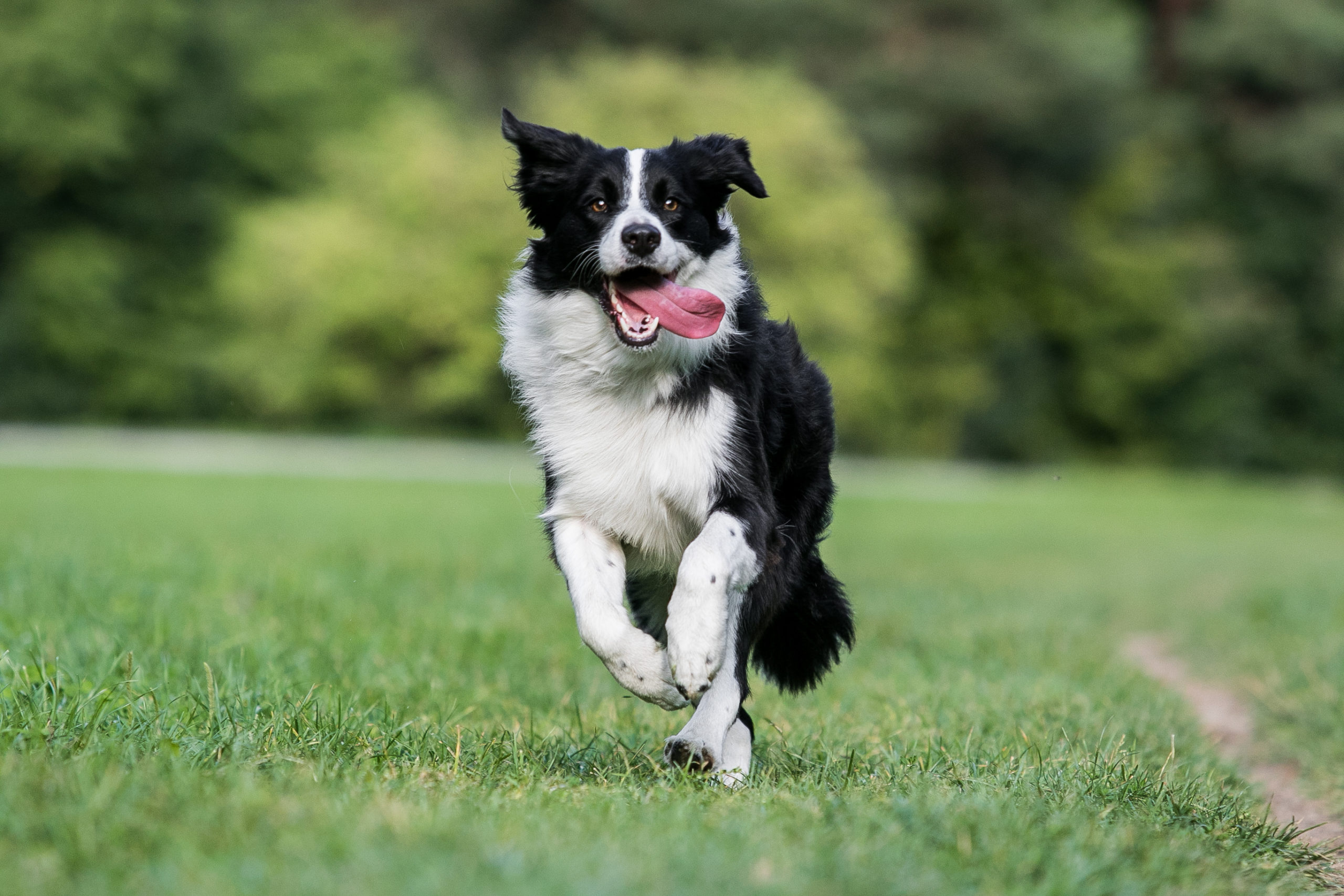
Border Collie — “The Genius Who Needs a Job”
 Save
Save| Weight | 30 to 45 lbs |
| Height | 18 to 22 inches |
| Lifespan | 12 to 15 years |
| Energy Level | Extremely high |
| Grooming Need | Brush 2 to 3 times weekly |
| Shedding | Moderate to heavy |
The Border Collie is widely considered the most intelligent dog breed, bred for constant mental and physical work. Weighing 30 to 45 lbs, it needs 90 minutes or more of exercise daily. Border Collies excel in van life only when paired with an owner who hikes, trains, or plays fetch every single day without fail.
Their sleek, athletic build and intense stare are built for reading livestock movement at a distance. That same intensity gets pointed at bikes, joggers, or other dogs if left unchecked.
Most people know Border Collies are smart. What surprises new owners is how quickly that intelligence turns destructive without a real daily outlet.
“I learned the hard way that a rest day means a chewed seatbelt. Now she gets a job, every single day.”
— Rachel T., Border Collie owner for 6 years
- Learns commands faster than almost any breed
- Athletic enough for any outdoor activity
- Deeply bonded and eager to please
- Destructive fast without daily activity
- Not suited to slow-travel or city routes
- Herds bikes, joggers, and other dogs
Best for: Full-time hikers · Trainers and dog-sport fans · High-activity remote routes
Labrador Retriever — “The Adaptable All-Rounder”
| Weight | 55 to 80 lbs |
| Height | 21 to 24 inches |
| Lifespan | 10 to 12 years |
| Energy Level | Moderate to high |
| Grooming Need | Weekly brushing |
| Shedding | Heavy, year-round |
The Labrador Retriever is a large, easygoing breed known for its friendly, food-driven personality. Weighing up to 80 lbs, it’s the biggest dog on this list and needs a larger van layout. Labs are famously adaptable, calm with strangers, and comfortable with almost any climate or terrain.
Their thick, water-resistant double coat was built for retrieving in cold lakes. That same coat means fur turns up everywhere in a van, constantly.
Everyone expects Labs to be friendly. Fewer people expect just how much floor space an 80-lb dog actually needs to lie down comfortably.
“We built the whole bed platform around his size. Worth it, since he’s calm with every stranger we meet.”
— Sam W., Labrador owner for 8 years
- Calm and friendly with new people
- Handles most climates comfortably
- Predictable, steady temperament daily
- Needs the most floor space of this list
- Sheds heavily in a hard-to-clean van
- Prone to weight gain without exercise
Best for: Larger van or skoolie builds · Families and couples · Cold or wet climates
Easygoing dog breeds for a relaxed daily routine
Van Life Dog Breeds Compared Side by Side
Here’s how all 10 breeds stack up on the factors that matter most in a van: size, energy, and how much upkeep they need on the road.
| Breed | Weight | Energy | Shedding | Best Climate |
|---|---|---|---|---|
| Cavalier King Charles Spaniel | 13–18 lbs | Moderate | Moderate | Mild |
| Boston Terrier | 12–25 lbs | Moderate | Low | Mild, avoid heat |
| Pembroke Welsh Corgi | 24–30 lbs | High | Heavy | Any |
| Miniature Poodle | 10–15 lbs | Moderate-high | Very low | Any |
| Whippet | 25–40 lbs | Bursty | Low | Warm |
| Jack Russell Terrier | 13–17 lbs | Very high | Low-moderate | Any |
| Shiba Inu | 17–23 lbs | Moderate | Heavy, seasonal | Any |
| Australian Cattle Dog | 35–50 lbs | Very high | Moderate | Any |
| Border Collie | 30–45 lbs | Extremely high | Moderate-heavy | Cool to mild |
| Labrador Retriever | 55–80 lbs | Moderate-high | Heavy | Cool to mild |
Which Van Life Dog Breed Is Right for You?
Your route, van size, and daily schedule matter more than any breed ranking. Use this quick guide to match your lifestyle to the right dog.
- If you’re new to van life and want low maintenance → the Boston Terrier or Cavalier King Charles Spaniel will serve you best.
- If you hike or bike almost every day → the Australian Cattle Dog or Border Collie will keep pace with you.
- If you have allergies or hate constant fur cleanup → the Miniature Poodle is your strongest option.
- If your van is small and you travel solo → the Whippet or Jack Russell Terrier take up the least floor space.
- If you have a larger build like a skoolie → the Labrador Retriever has the room to actually stretch out.
Van Life Dog Care Essentials You Need to Know
A van-friendly breed still needs the right setup to stay safe and happy on the road. Most experts agree that restraint and temperature control matter more in a vehicle than in a house.
The ASPCA warns that a parked vehicle can turn into a furnace within minutes, even with the windows cracked open, so climate control isn’t optional in a van. It’s also worth knowing that a secured, well-ventilated crate is the safest way for a dog to ride in a moving vehicle, which matters even more on winding mountain roads.
Never leave any breed alone in a parked van without active climate control, even for a quick errand.
Exercise needs shift once you’re on the road. The American Kennel Club notes that daily exercise needs vary widely by breed, age, and health, so check in with your vet as your dog’s activity level or climate changes.
Common Mistakes New Van Life Dog Owners Make
Most mistakes come from underestimating a breed’s real needs, not from bad intentions. Catching these early saves both you and your dog a lot of stress.
- Choosing a breed based on looks instead of energy level and climate fit.
- Skipping crate training before hitting the road full-time.
- Assuming a small dog needs less exercise than it actually does.
- Underestimating how loud shedding season gets in a closed van.
- Leaving a dog unattended in the van “just for a minute.”
Honest Scope of This Guide
This guide covers dog breeds best suited to full-time or part-time van life based on size, temperament, and care needs. If your situation involves a working service dog, a rescue with unknown breed mix, or a dog with a diagnosed medical condition, talk to your vet directly, since their guidance will matter more than any general breed list.
Frequently Asked Questions
What is the best small dog breed for van life?
The Boston Terrier and Cavalier King Charles Spaniel are the best small breeds for van life. Both are calm indoors, low-shedding, and comfortable in tight quarters. They need only moderate daily exercise, which fits well with mixed hiking and city routes.
Can big dogs live full-time in a van?
Yes, big dogs like Labrador Retrievers can live in a van if the layout has enough floor space. You’ll need a larger build, like a high-roof van or skoolie, and a strong routine for daily exercise and shedding cleanup.
What dog breeds shed the least for van life?
Miniature Poodles and Whippets shed the least among van-friendly breeds. Poodles have a curly, low-shed coat, while Whippets have a short, single-layer coat that sheds minimally year-round.
Are high-energy breeds like Border Collies bad for van life?
High-energy breeds aren’t bad for van life, but they need daily, real exercise without exception. A Border Collie thrives with an active owner who hikes or trains daily, and struggles badly with slow-travel or rest days.
How do I keep my dog cool in a van during summer?
Use a 12-volt fan or portable AC unit, park in shade, and never leave your dog alone without active airflow. Choose a breed with heat tolerance if you’re traveling through hot climates for long stretches.
Your Next Step for Choosing a Van Life Dog
The right dog breed for van life comes down to matching energy level, size, and coat type to your actual route, not the route you wish you had. Start with your climate and daily schedule, then narrow your list from there.
One thing to do right now: write down your average daily hours of free time and your typical parking climate, then match that against the breeds above before you commit. I’m the author behind this guide, and after years on the road, that one step has saved me more headaches than anything else.

Thomas Cutter is a lifelong dog owner and the founder of FindOutAboutDogs.com. With over 10 years of hands-on experience owning multiple breeds, Thomas created this site to provide honest, research-based dog advice that real owners can actually trust.
