Best 10 Dog Breeds for Seniors With Allergies (2026 Guide)
Quick Answer
The best dog breeds for seniors with allergies are small, low-shedding dogs that also match an older adult’s energy level. Top picks include the Toy and Miniature Poodle, Bichon Frise, Shih Tzu, Maltese, and Havanese. No dog is 100% allergen-free, but these breeds shed less and produce less dander, which makes daily life easier for allergy-prone owners.
What to look for in a senior-friendly, low-allergy dog:
- Low-shedding, curly, or silky coat (traps dander instead of spreading it)
- Small to medium size that’s easy to lift, walk, and bathe
- Calm to moderate energy that matches your daily activity level
- Manageable grooming routine you can keep up with long-term
Before you choose a breed:
- Spend time near the breed first, since allergies vary by person
- Ask your allergist about a trial visit before adopting
- Check pet rules if you live in senior housing or assisted living
Your eyes are watering just thinking about it. You want a dog. But the last time you visited a friend’s shedding retriever, you were sneezing for a day. That’s a real problem, and it has a real answer.
I’m going to walk you through the breeds that actually work for seniors with allergies — not just “cute small dogs,” but dogs that are genuinely low-shedding, easy on aging joints, and calm enough for a quieter household. We’ll also cover grooming, cost, and how to pick between them.
- No dog is 100% hypoallergenic — low-dander breeds only lower the risk
- Small, low-shedding breeds like Poodles and Bichon Frises top most vet-backed lists
- Grooming needs and energy level matter as much as shedding for seniors
- Always test your reaction to a specific dog before committing


What Does “Hypoallergenic Dog” Actually Mean?
No dog breed is completely allergen-free. The American Kennel Club is clear on this: dog allergies come mainly from a protein called Can f 1, found in dander, saliva, and urine, not from fur itself. “Hypoallergenic” breeds simply shed less and spread less dander around your home, which lowers — but never removes — your risk of a reaction.
Here’s why that matters for you. If a breed sheds constantly, dander rides along on the loose hair and ends up on your couch, your clothes, and the air you breathe. A low-shedding coat traps that dander closer to the skin instead.
You might be thinking: “So a curly coat means I’m safe?” Not quite. Allergies are typically triggered by pet dander, saliva, and urine rather than fur itself, so even a low-shedding dog can still trigger symptoms in a very sensitive person. That’s why a trial visit matters more than any breed label.
Skip breed research alone. Spend real time around the specific dog first — your reaction is personal, not just breed-based.
Why Do Seniors With Allergies Need a Different Kind of Dog List?
Seniors need more than a low-shedding coat. The right dog also has to be small enough to lift and walk safely, calm enough to match a slower pace, and easy enough to groom without straining a bad back or budget. A great hypoallergenic breed for a young athlete isn’t automatically great for a retiree.
Think about a Portuguese Water Dog. It’s genuinely low-shedding. But it also wants daily swims and long runs. That’s a mismatch for someone who wants quiet evenings on the porch.
So what does that mean for your search? You’re really solving two problems at once: allergies and lifestyle fit. Every breed below is judged on both.
What Makes a Dog Breed “Senior-Friendly and Hypoallergenic”?
Before you look at any single breed, it helps to know the traits that repeat across every good match on this list. A senior-friendly, low-allergy dog usually checks these boxes:
- Adult weight under 20 pounds, so lifting and walking stay easy
- Low to moderate energy that doesn’t demand hour-long runs
- Curly, wiry, or silky coat instead of a double coat that blows out seasonally
- A calm, affectionate temperament suited to quieter homes
- A grooming routine you can realistically keep up, whether at home or with a groomer
Here’s why that matters: even a “hypoallergenic” breed becomes a poor match if it’s too big to control on a leash, too wired for a relaxed household, or too high-maintenance for your budget and mobility.
The 10 Best Dog Breeds for Seniors With Allergies, Ranked and Reviewed
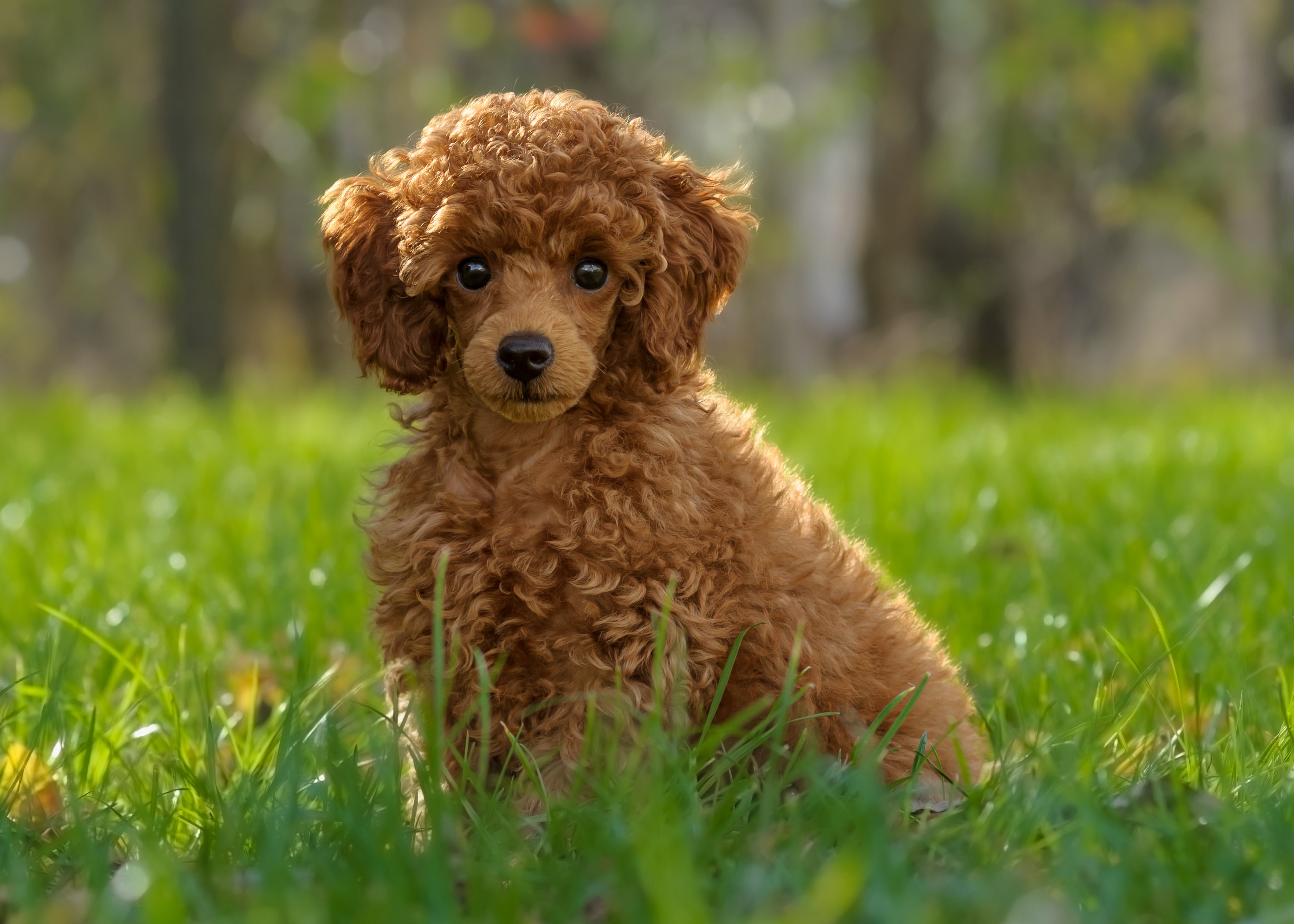
Toy & Miniature Poodle — “The Curly Genius”
 Save
Save| Weight | 4–15 lbs (Toy to Miniature) |
| Height | 10–15 inches |
| Lifespan | 12–15 years |
| Energy Level | Moderate |
| Grooming Need | High — every 4–6 weeks |
| Shedding | Very low |
The Poodle is widely considered the gold standard hypoallergenic breed for allergy-prone owners. Its curly, single-layer coat sheds very little and traps dander close to the skin. Toy and Miniature sizes stay small enough for seniors to lift and manage. Poodles are also famously intelligent, which makes training simple and enjoyable.
Their tight curls almost look sculpted, more like a living topiary than typical dog fur.
Poodles read your mood fast and often “check in” with a glance before doing anything new.
- Very low shedding and dander spread
- Highly trainable, even later in life
- Small size is easy to lift and carry
- Needs professional grooming monthly
- Grooming cost adds up over time
- Coat mats fast without brushing
Best for: Seniors who want the lowest allergy risk · First-time owners · Apartment dwellers
Bichon Frise — “The Cotton Ball Companion”
| Weight | 12–18 lbs |
| Height | 9–11 inches |
| Lifespan | 14–15 years |
| Energy Level | Low to moderate |
| Grooming Need | High — daily brushing |
| Shedding | Very low |
The Bichon Frise is a cheerful, hypoallergenic companion breed built for lap time. Weighing 12 to 18 pounds, Bichons are hypoallergenic, making them another strong option for allergy sufferers. Their playful nature stays gentle rather than hyper, which suits a slower household well.
Their double coat forms a soft, rounded halo that keeps its shape between grooming visits.
Bichons rarely meet a stranger they don’t like, then surprise you by acting as a genuinely alert little watchdog.
- Cheerful, easygoing temperament
- Low to moderate exercise needs
- Sturdy enough for gentle grandkid play
- White coat shows dirt and tear stains
- Needs brushing most days
- Can bark at doorbells and visitors
Best for: Seniors living alone · Households with visiting grandchildren · Calmer apartment living
Shih Tzu — “The Royal Lap Warmer”
| Weight | 9–16 lbs |
| Height | 8–11 inches |
| Lifespan | 10–16 years |
| Energy Level | Low |
| Grooming Need | High, lower with a short “puppy cut” |
| Shedding | Very low |
The Shih Tzu was bred centuries ago purely to be a lap companion, and it still acts the part. They are less energetic than some other small breeds, making them a good match for seniors or less active households. A shorter clip keeps grooming and dander both under control.
Their flowing coat and dark, round eyes give them an almost doll-like face.
Despite the pampered look, Shih Tzus can be surprisingly stubborn during potty training.
- Very low daily exercise needs
- Affectionate, content to just sit close
- Great fit for apartments and small homes
- Flat face struggles in hot weather
- Long coat mats without daily brushing
- Can be stubborn to house-train
Best for: Low-mobility seniors · Warm-climate indoor living · Anyone wanting a true lap dog
Maltese — “The Silky Featherweight”
| Weight | 4–7 lbs |
| Height | 7–9 inches |
| Lifespan | 12–15 years |
| Energy Level | Low to moderate |
| Grooming Need | High, less with a short trim |
| Shedding | Very low |
The Maltese is a tiny, silky-coated companion breed built almost entirely for affection. Historically bred as companion dogs for royalty, they are highly social and thrive on attention from their owners. At under 7 pounds, they’re one of the easiest breeds for a senior to lift and handle.
Their floor-length white coat can look almost like flowing silk when brushed out.
Despite the delicate look, Malteses are sturdier and more playful than their glamorous coat suggests.
- Extremely light and easy to carry
- Gentle, people-focused temperament
- Adapts well to small living spaces
- Coat tangles fast without daily care
- Prone to tear staining around eyes
- Can be nervous around loud noises
Best for: Seniors with limited strength · Quiet, single-person households · Travel-friendly lap dog seekers
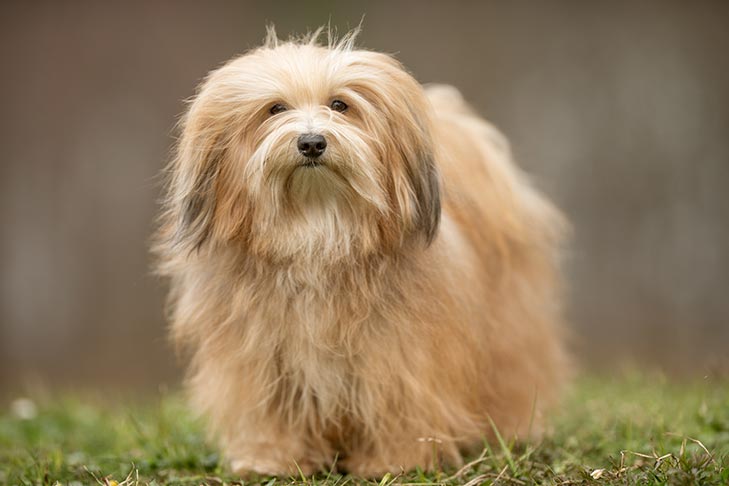
Havanese — “The Velcro Dog”
 Save
Save| Weight | 7–13 lbs |
| Height | 8–11 inches |
| Lifespan | 14–16 years |
| Energy Level | Moderate |
| Grooming Need | High — daily brushing |
| Shedding | Very low |
The Havanese is Cuba’s national dog and one of the most social hypoallergenic breeds you’ll find. These super social dogs crave affection and get along well with other breeds and strangers. Their small size and silky coat make them a strong match for allergy-prone seniors who want a very people-oriented dog.
Their long, silky coat often falls in loose waves rather than tight curls.
Havanese dogs dislike being left alone and will often follow you room to room, earning the nickname “Velcro dog.”
- Very social and easy to train
- Comfortable size for lifting and carrying
- Gets along well with visitors and other pets
- Struggles with long stretches alone
- Daily brushing is non-negotiable
- Wants longer walks than some peers on this list
Best for: Seniors who want a social, people-first dog · Multi-person households · Those able to walk daily
Miniature Schnauzer — “The Sturdy Watchdog”
| Weight | 11–20 lbs |
| Height | 12–14 inches |
| Lifespan | 12–15 years |
| Energy Level | Moderate to high |
| Grooming Need | Moderate — wiry coat trim |
| Shedding | Very low |
The Miniature Schnauzer pairs a wiry, hypoallergenic coat with a sturdy, alert personality. A Miniature Schnauzer is a fantastic option for older people looking for a hypoallergenic dog, and its watchdog instincts make it a reassuring companion for anyone living alone.
Their bushy eyebrows and beard give them a permanently thoughtful, professorial look.
Schnauzers bark to announce anything unusual, which some seniors love and quieter neighbors don’t.
- Alert, protective personality for solo living
- Wiry coat sheds very little
- Sturdy build handles gentle grandkid play
- More energy than many small breeds
- Can bark frequently at noises
- Needs a wire-coat trim a few times a year
Best for: Seniors living alone who want a watchdog · More active retirees · Rural or suburban homes
Yorkshire Terrier — “The Silky Bodyguard”
| Weight | 4–7 lbs |
| Height | 7–8 inches |
| Lifespan | 13–16 years |
| Energy Level | Moderate |
| Grooming Need | High, lower with a short “puppy cut” |
| Shedding | Very low |
The Yorkshire Terrier packs a bold personality into a tiny, hypoallergenic frame. Yorkshire Terriers, or Yorkies, are one of the best hypoallergenic dog breeds due to their silky coat, which closely resembles human hair. Their portable size makes them easy travel companions for retirees.
Their fine, silky coat can grow long enough to nearly touch the floor if left untrimmed.
Despite weighing under 7 pounds, Yorkies will confidently challenge dogs many times their size.
- Extremely portable and travel-friendly
- Long lifespan for a senior’s companionship needs
- Big personality in a tiny body
- Fragile size around larger dogs or falls
- Can be yappy without training
- Long coat needs daily upkeep
Best for: Frequent travelers · Urban apartment dwellers · Seniors wanting a bold, small companion
Coton de Tulear — “The Cotton-Coated Clown”
| Weight | 8–13 lbs |
| Height | 9–11 inches |
| Lifespan | 14–16 years |
| Energy Level | Low to moderate |
| Grooming Need | Moderate to high |
| Shedding | Very low |
The Coton de Tulear, once known as the “Royal Dog of Madagascar,” is a cheerful, low-shedding companion breed. The small but sturdy and resilient Bichon Frise stands among the world’s great ‘personality dogs’ — and the closely related Coton shares that same happy-go-lucky spirit in a soft, cotton-textured coat.
Their coat feels closer to cotton fiber than typical dog hair, giving the breed its name.
Cotons often “walk” upright on their hind legs briefly when excited, almost like a little dance.
- Playful but not high-strung
- Sturdy enough for gentle handling
- Long, healthy lifespan
- Less common, so harder to find breeders
- Coat mats without regular brushing
- Craves company, dislikes being alone
Best for: Seniors wanting a rare, playful companion · Multi-person homes · Those with time for daily brushing
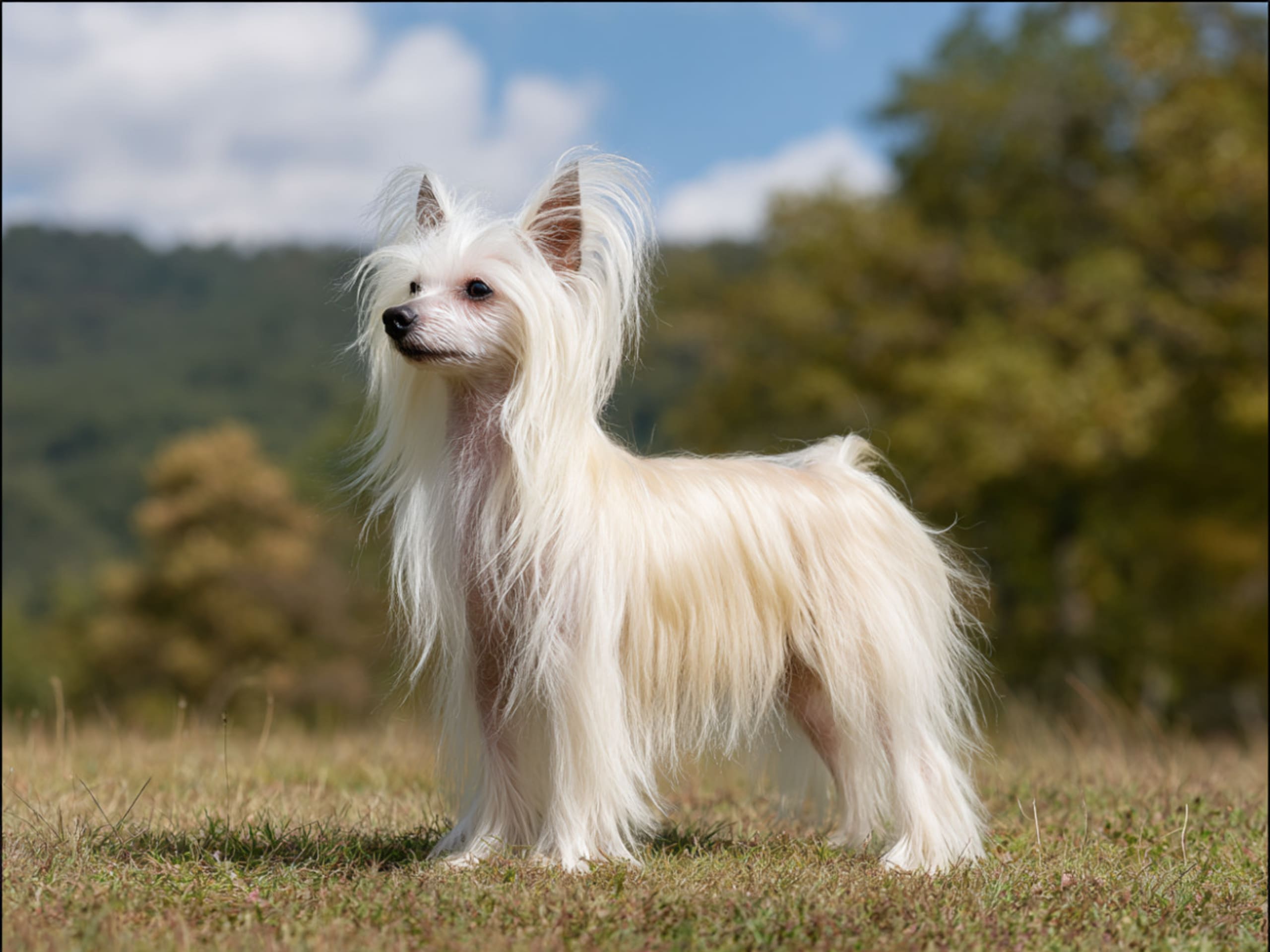
Chinese Crested — “The Minimal-Dander Original”
 Save
Save| Weight | 8–12 lbs |
| Height | 11–13 inches |
| Lifespan | 13–15 years |
| Energy Level | Low to moderate |
| Grooming Need | Low (hairless variety) |
| Shedding | Minimal to none |
The hairless variety of the Chinese Crested may be the lowest-dander option on this whole list. They produce less dander than most dog breeds, making them perfect for seniors with pet allergies, and with no coat to brush, grooming stays simple and fast.
Their smooth, spotted skin and feathery “crest” of hair on the head make them instantly recognizable.
Without fur for insulation, Cresteds often want a sweater on cool days — a quirky but practical need.
- Minimal dander and almost no shedding
- Very low grooming time and cost
- Affectionate, easy lap-dog temperament
- Skin needs sunscreen and moisturizer
- Cold sensitivity in winter months
- Less common look isn’t for everyone
Best for: Seniors with severe dander sensitivity · Warm-climate living · Low-grooming-time households
Basenji — “The Quiet Independent”
| Weight | 20–26 lbs |
| Height | 16–17 inches |
| Lifespan | 13–14 years |
| Energy Level | Moderate to high |
| Grooming Need | Low — weekly brushing |
| Shedding | Low |
The Basenji is known as the “barkless dog,” and it brings a short, low-dander coat that’s easy to maintain. Basenjis have short, fine coats that produce minimal dander. Interestingly, they groom themselves like cats, further reducing allergens. This makes them a quiet, low-maintenance option for the right kind of senior.
Their tightly curled tail and wrinkled forehead give them an alert, almost fox-like expression.
They rarely bark, but Basenjis do “yodel” — a distinctive sound unlike any other breed.
- Rarely barks, unusually quiet breed
- Self-grooming reduces dander further
- Minimal brushing and grooming cost
- Independent, less eager to please
- Needs daily exercise to stay settled
- Bigger and stronger than most on this list
Best for: Quiet-home seniors · Experienced dog owners · Those wanting a self-sufficient companion
How Do These 10 Hypoallergenic Breeds Compare Side by Side?
The Toy and Miniature Poodle lead on allergy control and trainability, while the Chinese Crested and Basenji need the least grooming time. Larger, more social breeds like the Havanese and Miniature Schnauzer need more daily activity. No single breed wins on every category, so match the table below to your own priorities.
| Breed | Weight | Energy | Grooming | Best For |
|---|---|---|---|---|
| Toy/Mini Poodle | 4–15 lbs | Moderate | High | Lowest allergy risk |
| Bichon Frise | 12–18 lbs | Low-mod | High | Cheerful companionship |
| Shih Tzu | 9–16 lbs | Low | High | Low-mobility seniors |
| Maltese | 4–7 lbs | Low-mod | High | Lightest to lift |
| Havanese | 7–13 lbs | Moderate | High | Social households |
| Mini Schnauzer | 11–20 lbs | Mod-high | Moderate | Solo seniors, watchdog |
| Yorkshire Terrier | 4–7 lbs | Moderate | High | Travelers |
| Coton de Tulear | 8–13 lbs | Low-mod | Mod-high | Playful companionship |
| Chinese Crested | 8–12 lbs | Low-mod | Low | Severe dander sensitivity |
| Basenji | 20–26 lbs | Mod-high | Low | Quiet, active seniors |
Which of These Dog Breeds Is Right for You?
Your best match depends on your energy level, living space, and how much grooming time you can commit to. A frail or low-mobility senior needs a different dog than an active retiree who walks two miles a day. Use the situations below to narrow your choice fast.
If you have very limited strength or mobility → the Maltese or Shih Tzu are light enough to lift safely and need very little exercise.
If you live alone and want a watchdog → the Miniature Schnauzer offers alert, protective companionship.
If your allergies are severe → the Chinese Crested’s near-hairless coat produces the least dander of anyone on this list.
If you’re active and want a lower-grooming option → the Basenji sheds less and needs far less brushing than most others here.
What Do New Owners Get Wrong About Hypoallergenic Dogs?
The biggest misconception is treating “hypoallergenic” as a guarantee. It isn’t. Some new owners also assume low grooming and low shedding are the same thing — they’re not. Many of the lowest-shedding breeds actually need the most brushing, since loose hair gets trapped in the coat instead of falling out.
You might be thinking a curly coat means less work overall. Here’s why that’s only half true: less hair on your floor often means more hair tangled in the coat, which has to come out with a brush instead.
So if you pick a Poodle or Bichon expecting a wash-and-go pet, you’ll be surprised by the grooming bill. Budget for it before you commit.
Ask a groomer for a shorter “puppy cut” on any long-coated breed. It cuts brushing time dramatically.
Dog Care Essentials Every Senior Dog Owner Should Know
Beyond breed choice, a few habits make dog ownership easier and safer for seniors: keep grooming appointments consistent, vacuum and wash bedding weekly to control dander, and consider an adult or senior rescue dog instead of a puppy.
- Wash your hands after handling your dog, especially before touching your face
- Use a HEPA air purifier in rooms where the dog spends the most time
- Bathe your dog every 2 to 4 weeks to reduce loose dander
- Choose a leash and harness that’s easy to grip if you have arthritis
An adult or senior rescue dog is often calmer and already house-trained, which removes much of the physical strain that comes with raising a puppy. Many shelters also allow a supervised trial visit, which doubles as a real-world allergy test.
Honest Scope: What This Guide Does and Doesn’t Cover
This guide covers small to medium hypoallergenic breeds that suit most seniors with mild to moderate dog allergies. If your allergies are severe enough to need medical treatment, talk to an allergist before adopting any breed, hypoallergenic or not. And if mobility limits how much daily grooming or walking you can manage, weigh that against the specific breed’s needs above, not just its reputation.
Frequently Asked Questions
Are there dogs that don’t trigger allergies at all?
No. There are no 100% hypoallergenic dogs or dog breeds, big or small. Low-shedding breeds like Poodles and Bichons lower your exposure to dander, but a very sensitive person can still react to any dog.
What is the best small hypoallergenic dog for seniors?
The Toy or Miniature Poodle is usually the top pick. It combines very low shedding, high trainability, and a small, easy-to-lift size that suits most seniors’ living situations and strength levels.
How much does it cost to groom a hypoallergenic dog?
Plan for professional grooming costs of roughly 50 to 80 dollars per session for curly or silky-coated breeds, done every 4 to 6 weeks. Shorter clips can reduce both cost and at-home brushing time.
Should a senior adopt a puppy or an adult dog?
Most vets and shelters recommend an adult dog for seniors. Adult dogs are usually calmer, already trained, and require less physical stamina than a puppy going through training and teething.
Can I test my allergy reaction before adopting a specific breed?
Yes, and you should. Spend time with the specific dog over multiple visits, ideally through a foster-to-adopt program, since individual allergic reactions vary even within the same breed.
One Thing to Do Right Now
Pick your top two breeds from this list based on your energy level and grooming budget. Then contact a local breed-specific rescue or shelter this week to arrange a supervised visit before you decide anything further.

Thomas Cutter is a lifelong dog owner and the founder of FindOutAboutDogs.com. With over 10 years of hands-on experience owning multiple breeds, Thomas created this site to provide honest, research-based dog advice that real owners can actually trust.
