Best 10 Small Dog Breeds for Older Women — Picked by a Longtime Owner
Quick Answer
The best small dog breeds for older women are the Cavalier King Charles Spaniel, Bichon Frise, Shih Tzu, Havanese, Pug, Maltese, French Bulldog, Boston Terrier, Toy Poodle, and Pomeranian. Each stays under 20 pounds, needs only light daily exercise, and bonds closely with one main person. The right pick depends on your grooming budget and how much energy you want in the house.
What to weigh before you choose:
- How much grooming time you actually want to spend each week
- Whether you can lift and carry the dog if needed
- How much barking or activity your living space can handle
Fastest way to narrow it down:
- Want the calmest lap dog? Choose a Cavalier or Shih Tzu.
- Want almost no shedding? Choose a Bichon Frise or Toy Poodle.
- Want the lowest grooming bill? Choose a Pug or French Bulldog.
You picture it before you even meet the dog. A warm weight on your lap while you read. A small face waiting at the door. I’m a longtime breed writer and owner of two toy-breed dogs myself, and I’ve spent years matching real people to the right small companion.
Choosing wrong is expensive and heartbreaking. A high-energy breed can leave you exhausted. A heavy-shedding coat can turn your home into a hair magnet. Here’s what actually matters when you’re picking a small dog later in life — and which ten breeds handle that job best in 2026.
- Small doesn’t always mean easy — energy level and grooming cost matter more than weight.
- Cavaliers, Shih Tzus, and Maltese are the calmest lap-dog options.
- Bichons and Toy Poodles shed the least, which helps with allergies and cleanup.
- Pugs and French Bulldogs need the least grooming, but they don’t handle heat well.
- An adult rescue dog often fits an older owner’s life better than a puppy.


What Makes a Small Dog Breed Great for Older Women?
A small dog breed is great for older women when it combines low exercise needs, a calm temperament, and a size you can lift or carry without strain. The best matches weigh under 20 pounds, need 15 to 30 minutes of activity a day, and form a tight bond with one main caregiver rather than needing a pack or a yard to run in.
Weight is only part of the story. A 7-pound Pomeranian can have more energy than a 25-pound Boston Terrier. So what actually matters? Temperament, grooming needs, and how the breed handles being home alone for a few hours. Most experts agree that matching lifestyle to breed matters far more than matching age to breed — the AKC’s guide to dog breeds for seniors makes the same point directly.
You might be thinking a puppy would be more fun to raise. Here’s why that’s often the harder path: puppies need months of house-training, supervision, and patience that a calm adult dog simply doesn’t require. For a full breakdown of options built specifically around this stage of life, our complete guide to the best dog breeds for seniors goes even deeper into the lifestyle side of the decision. Now let’s look at the ten breeds that consistently top this list.
What Most People Get Wrong About “Small Dog Breeds for Seniors”
The biggest myth is that any small dog is automatically low-maintenance. That’s not true. Pomeranians and Toy Poodles are tiny, but both need serious grooming time and a fair amount of mental stimulation. A dog’s size tells you almost nothing about its energy level or its coat care needs.
Another common mix-up: assuming a quiet-looking breed won’t bark. Small breeds, including Shih Tzus and Maltese, often bark more than large dogs because they’re naturally alert and protective of their space. So if you live in a thin-walled apartment, ask about a specific dog’s bark habits before you bring one home, not after.
The 10 Best Small Dog Breeds for Older Women — Ranked and Reviewed
Here’s the full lineup, starting with the calmest lap dogs and moving toward the slightly more playful, low-shedding options. Every entry below covers size, temperament, real owner feedback, and honest pros and cons so you can compare them side by side.
Cavalier King Charles Spaniel — “The Velvet-Eared Lap Warmer”
 Save
Save| Weight | 13 to 18 lbs |
| Height | 12 to 13 in |
| Lifespan | 12 to 15 years |
| Energy Level | Low to moderate |
| Grooming Need | Weekly brushing |
| Shedding | Moderate |
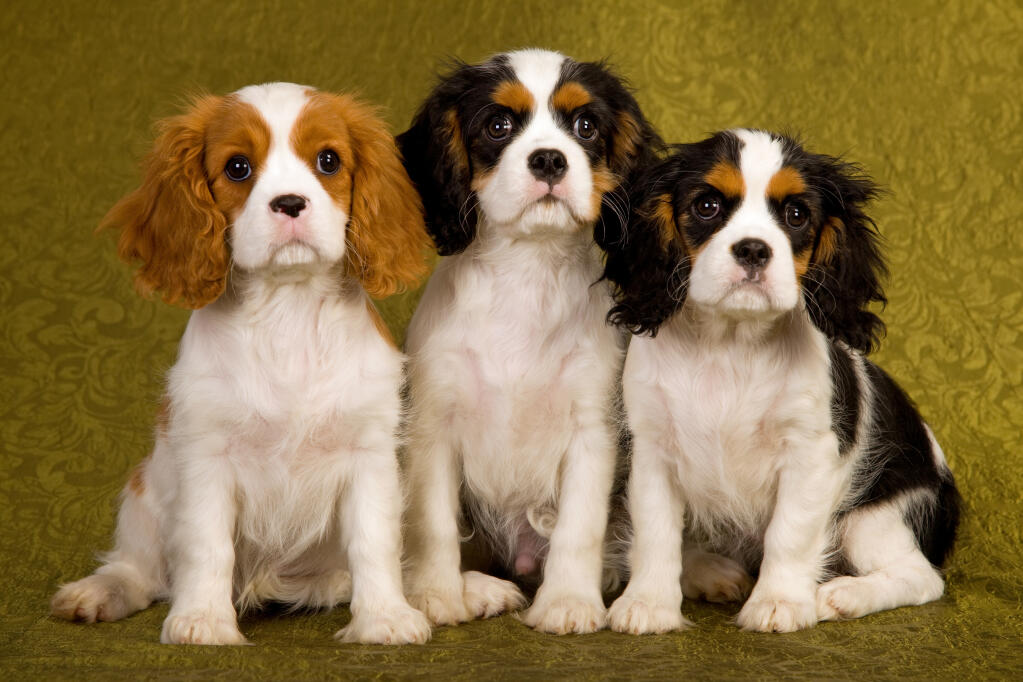
The Cavalier King Charles Spaniel is a gentle toy spaniel known for its devotion to one person. Weighing 13 to 18 lbs, it fits easily on a lap or in a carrier. Its temperament is calm, affectionate, and eager to please. It’s ideal for a first-time owner who wants a true companion dog.
Their large, dark eyes and long feathered ears give them a soft, storybook look. A silky coat falls in gentle waves down their chest and legs.
Most people expect a lap dog to be lazy. What they don’t expect is a Cavalier’s sporting streak — it still loves a short romp in the yard. The wow factor? These dogs will follow you from room to room all day, just to stay near you.
“He waits by the bathroom door every single morning like I might disappear. Six years in, still does it.”
— Diane R., Cavalier owner for 6 years
- Gentle with visitors and grandkids
- Adapts well to apartment living
- Content with two short walks daily
- Prone to heart and eye conditions
- Feathered coat mats without weekly care
- Doesn’t do well left alone long
Best for: First-time owners · Apartment dwellers · Women who want a true lap companion
→ See more lap dog breeds ideal for seniors
Bichon Frise — “The Cotton-Ball Companion”
| Weight | 7 to 12 lbs |
| Height | 9.5 to 11.5 in |
| Lifespan | 14 to 15 years |
| Energy Level | Moderate |
| Grooming Need | Trim every 4 to 6 weeks |
| Shedding | Very low |
The Bichon Frise is a small, cheerful breed built for close companionship. Weighing 7 to 12 lbs, it’s light enough to carry up stairs with ease. Its curly white coat sheds very little, which helps allergy-prone owners. This breed thrives on attention and does best as an only pet.
Their round, powder-puff coat and dark button eyes make them look like a stuffed animal that moves.
People expect a fluffy dog to be delicate. What surprises new owners is how sturdy and playful Bichons actually are. The real wow: they rarely growl, even when startled, which makes them unusually safe around unpredictable situations.
“She’s never once shed on my black sweater, and I’ve had her four years. That alone sold me on the breed.”
— Carol T., Bichon Frise owner for 4 years
- Near-zero shedding, easier on allergies
- Playful without needing a yard
- Rarely aggressive or reactive
- Professional grooming adds monthly cost
- Coat mats fast without daily brushing
- Can develop separation anxiety alone
Best for: Allergy-prone owners · Women who want a playful, sturdy dog · Low-shedding households
→ Browse more low-energy dog breeds for retirees
Shih Tzu — “The Palace Stroller”
| Weight | 9 to 16 lbs |
| Height | 8 to 11 in |
| Lifespan | 10 to 16 years |
| Energy Level | Low |
| Grooming Need | High, near-daily brushing |
| Shedding | Low |
The Shih Tzu is a sturdy toy breed built purely for companionship. Weighing 9 to 16 lbs, it’s solid but still easy to lift and carry. Its personality is affectionate, even-tempered, and eager to please its owner. This breed suits apartment living and prefers slow, sniff-filled walks over long hikes.
Their long, flowing coat and pushed-in face give them a regal, almost lion-like appearance.
Everyone expects Shih Tzus to be quiet. What catches new owners off guard is how stubborn they can be during training. Here’s the wow moment: many Shih Tzus will happily walk at your exact pace, matching a slow stroll without pulling.
“My knees aren’t what they used to be, and he never rushes me on our walks. He stops when I stop.”
— Margaret L., Shih Tzu owner for 9 years
- Matches a slow, gentle walking pace
- Light enough to lift comfortably
- Rarely destructive or hyperactive indoors
- Flat face struggles in heat and humidity
- Daily brushing is non-negotiable
- Can be stubborn during house-training
Best for: Slow walkers · Apartment living · Women who want a calm, steady companion
→ Read our guide to dog breeds suited for owners over 70
Havanese — “The Velcro Cuddler”
 Save
Save| Weight | 7 to 13 lbs |
| Height | 8.5 to 11.5 in |
| Lifespan | 14 to 16 years |
| Energy Level | Moderate |
| Grooming Need | High, weekly brushing |
| Shedding | Very low |
The Havanese is Cuba’s national dog breed, built for constant closeness with its owner. Weighing 7 to 13 lbs, it’s light and easy to carry through a store or clinic. Its coat sheds very little, and its temperament is social, playful, and gentle. This breed rarely thrives if left alone for long stretches.
Their long, silky coat has a natural spring to it, and it comes in nearly every color combination.
People assume a lap dog will nap all day. Havanese actually love learning tricks and can pick up new cues fast. The genuine surprise: many Havanese will alert you gently by pawing rather than barking, which makes them ideal for quiet homes.
“She taught herself to open the screen door by watching me. I still don’t know how she figured that out.”
— Elaine P., Havanese owner for 5 years
- Sheds very little, easy on floors
- Highly trainable and eager to please
- Gentle with visitors and other pets
- Prone to separation anxiety if isolated
- Coat tangles without weekly brushing
- Needs company most of the day
Best for: Women who work from home · Retirees who want a trainable dog · Multi-pet households
Pug — “The Comic Relief Companion”
| Weight | 14 to 18 lbs |
| Height | 10 to 13 in |
| Lifespan | 13 to 15 years |
| Energy Level | Low to moderate |
| Grooming Need | Low, weekly brushing |
| Shedding | High |
The Pug is a compact, muscular companion breed bred purely to entertain its owner. Weighing 14 to 18 lbs, it’s an easy size to manage day to day. Its short coat needs almost no trimming or professional grooming. Pugs thrive on couch time and short walks, making them ideal for low-mobility households.
Their deeply wrinkled face and large, dark eyes give them an unmistakable, almost cartoonish look.
People expect Pugs to be lazy lap ornaments. What surprises owners is their genuine sense of humor — they’ll perform the same silly trick over and over for a laugh. The real wow: Pugs often snore loudly enough to be heard from another room, and most owners say they wouldn’t change it.
“He snores louder than my late husband ever did, and somehow that makes the house feel less empty.”
— Barbara S., Pug owner for 7 years
- Minimal grooming, no trims needed
- Content with short, easy walks
- Playful without needing much space
- Struggles badly in heat and humidity
- Sheds more than its short coat suggests
- Prone to overeating and weight gain
Best for: Low-grooming budgets · Indoor-focused households · Women who want a comedic companion
Maltese — “The Silk-Coated Shadow”
| Weight | Under 7 lbs |
| Height | Under 10 in |
| Lifespan | 12 to 15 years |
| Energy Level | Moderate |
| Grooming Need | High, daily brushing |
| Shedding | Very low |
The Maltese is one of the smallest true companion breeds, weighing under 7 lbs at full size. Its pure white coat sheds very little, which suits allergy-sensitive owners. Maltese are affectionate, gentle, and bond quickly with their owner. This breed is easy to carry and adapts well to small living spaces.
Their long, straight white coat can reach the floor if left untrimmed, giving them an elegant, flowing look.
Most people picture a fragile teacup dog. What surprises new owners is how confident and spirited Maltese actually are. The wow factor: despite their size, many Maltese will stand their ground and bark at dogs three times their size without hesitation.
“She fits in my tote bag and thinks she runs the entire building. The mail carrier is terrified of her.”
— Joan M., Maltese owner for 8 years
- Smallest breed on this list, easy to lift
- Very low shedding, allergy-friendly
- Deeply bonded and affectionate
- Daily brushing required to prevent mats
- Tear staining needs regular face cleaning
- Fragile around rough handling or falls
Best for: Small apartments · Women who want the tiniest possible breed · Frequent travelers
French Bulldog — “The Low-Effort Comedian”
| Weight | Under 28 lbs |
| Height | 11 to 13 in |
| Lifespan | 10 to 12 years |
| Energy Level | Low |
| Grooming Need | Low, wipe skin folds weekly |
| Shedding | Moderate |
The French Bulldog is a muscular, short-coated companion breed known for its bat-like ears. It stays under 28 lbs and needs only moderate daily activity. Its smooth coat sheds but never needs trimming or clipping. Frenchies are affectionate, easygoing, and make excellent alert watchdogs despite their small size.
Their broad, wrinkled face and upright bat ears give them one of the most recognizable silhouettes in the dog world.
People expect a bulldog-type breed to be stubborn and hard to manage. What surprises owners is how eager Frenchies are to just be near you. The real wow: many Frenchies will nudge a toy directly into your hand when they sense you’re stressed.
“He weighs 24 pounds and thinks he’s a throw pillow. He climbs onto my lap every evening without fail.”
— Patricia W., French Bulldog owner for 3 years
- Short coat needs almost no trimming
- Calm indoors, low exercise needs
- Naturally alert without excessive barking
- Cannot handle heat or long walks
- Prone to breathing and spine issues
- Heavier build makes carrying harder
Best for: Minimal grooming routines · Cooler climates · Women who want a sturdy, low-drama dog
Boston Terrier — “The Tuxedo-Clad Charmer
 Save
Save| Weight | Under 25 lbs |
| Height | 15 to 17 in |
| Lifespan | 11 to 13 years |
| Energy Level | Moderate |
| Grooming Need | Low, weekly wipe-down |
| Shedding | Low |
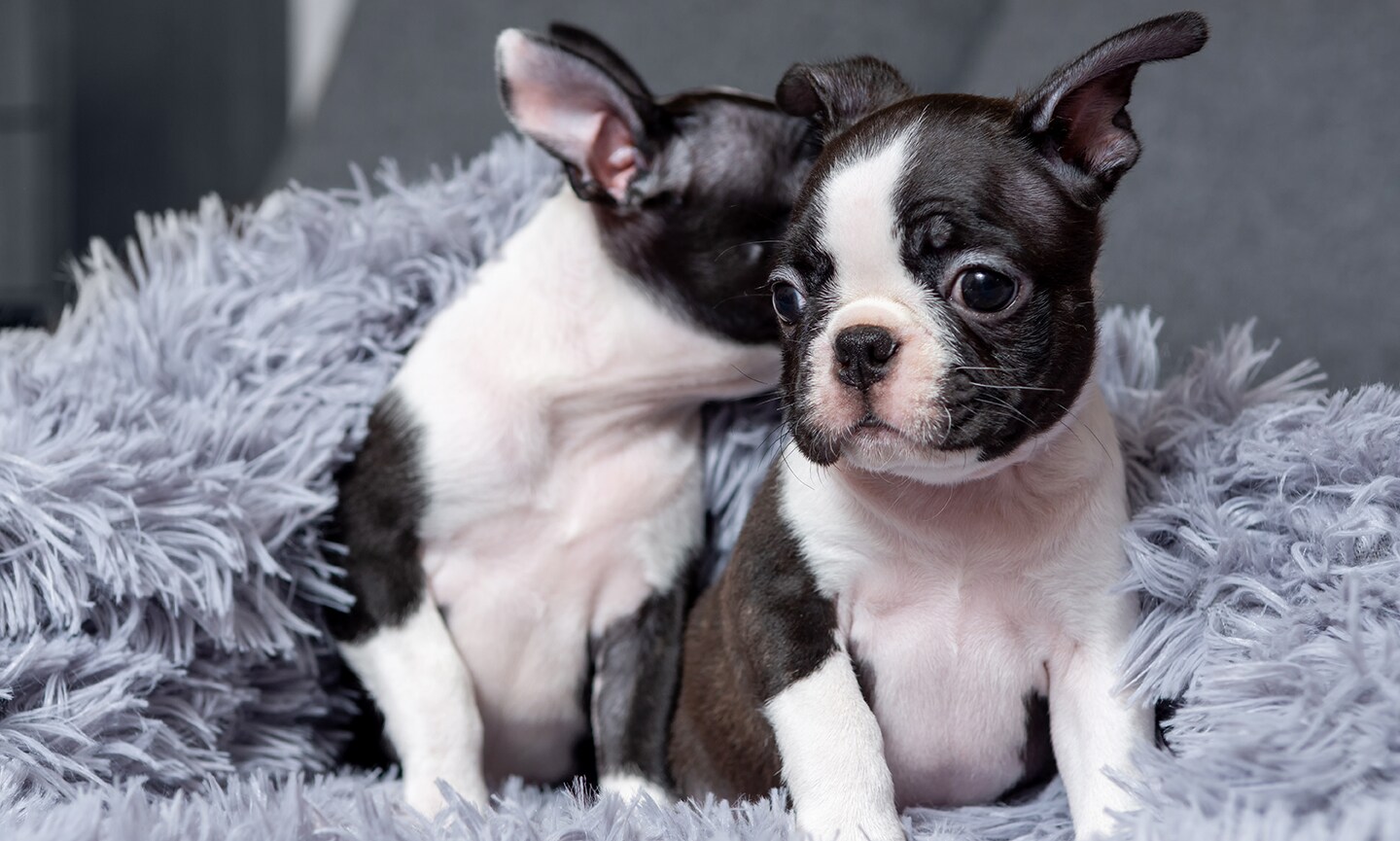
The Boston Terrier is a compact, friendly breed nicknamed “the American Gentleman” for its tuxedo-like coat. It stays under 25 lbs and needs only moderate daily exercise. Its short coat sheds lightly and needs almost no trimming. Bostons are social, easy to train, and get along well with most visitors.
Their black-and-white coat pattern and large, round eyes give them a naturally dapper, expressive look.
People expect terriers to be scrappy and high-strung. What surprises owners is how eager to please Boston Terriers actually are. The wow moment: many Bostons will mimic a head tilt or a specific gesture back at you once they’ve bonded closely.
“She greets every single delivery driver like a long-lost friend. Not one bark, just a full-body wiggle.”
— Susan H., Boston Terrier owner for 5 years
- Easy to train, eager to please
- Low grooming, short easy-care coat
- Friendly with strangers and visitors
- Sensitive to heat and cold alike
- Can be gassy, a common breed joke
- Needs daily activity to stay settled
Best for: Social households · Women who want an easy-to-train dog · Moderate activity levels
Toy Poodle — “The Brainy Bundle”
| Weight | 4 to 6 lbs |
| Height | 10 in and under |
| Lifespan | 12 to 15 years |
| Energy Level | Moderate |
| Grooming Need | High, monthly professional trims |
| Shedding | Very low |
The Toy Poodle is the smallest Poodle variety, weighing just 4 to 6 lbs. Its curly coat sheds very little, making it one of the best options for allergy sufferers. Toy Poodles are highly intelligent, quick to train, and thrive on mental stimulation. This breed does best with an owner who enjoys teaching new tricks.
Their dense, curly coat can be clipped into many styles, from a simple puppy cut to a full show trim.
Most people picture Poodles as fussy show dogs. What surprises owners is how playful and clownish Toy Poodles actually are at home. The genuine wow: these dogs rank among the smartest breeds recognized by the AKC, and many learn new commands in under ten repeats.
“She learned to ring a bell to go outside in three days flat. I’ve never trained a dog that fast in my life.”
— Nancy F., Toy Poodle owner for 4 years
- Very low shedding, allergy-friendly coat
- Learns commands faster than most breeds
- Small enough to travel almost anywhere
- Professional grooming cost adds up fast
- Needs mental stimulation, not just walks
- Delicate frame, injury risk from falls
Best for: Allergy sufferers · Women who enjoy training · Frequent travelers
Pomeranian — “The Fox-Faced Firecracker”
| Weight | 3 to 7 lbs |
| Height | 6 to 7 in |
| Lifespan | 12 to 16 years |
| Energy Level | Moderate to high |
| Grooming Need | High, brushing 2 to 3 times weekly |
| Shedding | High |
The Pomeranian is one of the smallest and most popular toy breeds, weighing just 3 to 7 lbs. Its thick double coat and fox-like face give it a bold, distinctive look. Despite its tiny size, this breed is confident, alert, and highly intelligent. Pomeranians make excellent watchdogs for owners living alone.
Their fluffy double coat forms a mane-like ruff around the neck and chest that frames the face.
People expect a 5-pound dog to be timid. What surprises new owners is how fearless Pomeranians actually are around bigger dogs. The real wow: Poms will alert-bark at strangers three times their size without a hint of hesitation.
“She once chased a German Shepherd off our porch. Five pounds of pure, unshakable confidence.”
— Sarah K., Pomeranian owner for 6 years
- Excellent natural watchdog instincts
- Tiny footprint, ideal for small homes
- Bright and quick to learn cues
- Barks frequently, not ideal for thin walls
- Heavy seasonal shedding twice a year
- Fragile bones need careful handling
Best for: Women living alone · Small apartments · Owners who want an alert companion
How Do These 10 Small Dog Breeds Compare?
The table below puts every breed side by side so you can compare weight, energy, and grooming needs at a glance. Use it to shortlist two or three breeds before you meet any dogs in person.
| Breed | Weight | Energy | Grooming | Shedding |
|---|---|---|---|---|
| Cavalier King Charles Spaniel | 13-18 lbs | Low-Mod | Moderate | Moderate |
| Bichon Frise | 7-12 lbs | Moderate | High | Very Low |
| Shih Tzu | 9-16 lbs | Low | High | Low |
| Havanese | 7-13 lbs | Moderate | High | Very Low |
| Pug | 14-18 lbs | Low-Mod | Low | High |
| Maltese | Under 7 lbs | Moderate | High | Very Low |
| French Bulldog | Under 28 lbs | Low | Low | Moderate |
| Boston Terrier | Under 25 lbs | Moderate | Low | Low |
| Toy Poodle | 4-6 lbs | Moderate | High | Very Low |
| Pomeranian | 3-7 lbs | Mod-High | High | High |
Which Small Dog Breed Is Right for You?
The right breed comes down to three things: how much you can lift, how much time you want to spend grooming, and how much noise or activity your home can handle. Here’s a direct answer to help you decide without second-guessing yourself.
If you want the calmest possible lap companion → choose a Cavalier King Charles Spaniel or Shih Tzu.
If allergies are a real concern → choose a Bichon Frise, Havanese, or Toy Poodle.
If you want the lowest possible grooming bill → choose a Pug, French Bulldog, or Boston Terrier.
If you live alone and want an alert companion → choose a Pomeranian or Maltese.
You might be thinking a smaller dog is always the safer bet physically. That’s not quite right — a Pomeranian’s fragile bones can actually make it a poor match if your grip or balance isn’t steady. In that case, a slightly sturdier Cavalier or Boston Terrier is often the wiser choice.
For a broader shortlist built specifically around retirement living, our guide to small dog breeds for retirees covers even more size and temperament combinations.
What Should You Know About Caring for a Small Companion Dog?
Caring for any of these breeds means daily short walks, consistent grooming, and regular vet checkups for breed-specific health issues. Most experts agree that annual costs for a healthy small breed run about $300 to $700, covering food, grooming, and routine veterinary care.
So what does that mean day to day? Budget 15 to 30 minutes for exercise, plus grooming time that ranges from a quick weekly brush to a monthly professional trim, depending on the breed you choose. Flat-faced breeds like Pugs and French Bulldogs also need extra care in hot weather, since their short snouts make it harder for them to cool down.
Keep a set grooming schedule on your calendar. It prevents matting and keeps vet visits shorter.
What Mistakes Do New Small-Dog Owners Make?
The most common mistake is underestimating grooming needs on long-coated breeds like the Maltese or Bichon Frise. Skipping even a few days of brushing can lead to painful mats that require a full shave to fix.
Another frequent misstep: choosing a young puppy over an adult rescue dog. Puppies need months of consistent training and supervision, which can be exhausting. Adult dogs from rescues are often already house-trained and have a known, settled temperament.
Never leave a flat-faced breed like a Pug or French Bulldog outside in hot weather, even briefly.
Honest Scope of This Guide
This article covers small companion breeds under 20 pounds that suit low to moderate activity levels. If you’re an active walker looking for a slightly bigger, more athletic dog, you may want to look at breeds like the Pembroke Welsh Corgi or Beagle instead, which need more daily exercise than anything on this list.
One Thing to Do Right Now
Pick your top two breeds from the comparison table above, then visit a local shelter or reputable breeder this week to meet an adult dog of that breed in person. Nothing tells you more than watching how a specific dog reacts to you.
Choosing a small dog later in life isn’t about finding a perfect breed on paper. It’s about finding a calm, steady presence that fits the pace of your actual days. I’m confident any breed on this list can become that presence, given the right match. Start with a visit, not a purchase, and let the dog’s real personality guide the final decision.
Frequently Asked Questions
What is the calmest small dog breed for an older woman?
The Cavalier King Charles Spaniel and Shih Tzu are widely considered the calmest small breeds. Both were bred purely as companion dogs, need only short daily walks, and are content spending most of the day resting near their owner.
What small dog breed sheds the least?
The Bichon Frise, Havanese, Maltese, and Toy Poodle all shed very little. Their curly or silky coats trap loose hair instead of releasing it, which makes them popular picks for allergy-prone households, though regular brushing is still required.
Is it better to adopt a puppy or an adult dog later in life?
An adult dog is usually the better choice for older owners. Adult dogs are typically already house-trained, have an established temperament, and skip the demanding puppy stage that requires months of consistent training and supervision.
Which small dog breed needs the least grooming?
The Pug, French Bulldog, and Boston Terrier need the least grooming. Their short coats require only a weekly brush and occasional bath, with no professional trims or daily brushing required, unlike longer-coated breeds.
Are small dogs generally healthier than large dogs as they age?
Small breeds tend to live longer than large breeds, often reaching 12 to 16 years. However, many toy breeds carry their own health risks, including dental issues, luxating patella, and heart conditions, so regular veterinary checkups still matter.
Sources referenced: American Kennel Club and PetMD.
Thomas Cutter is a lifelong dog owner and the founder of FindOutAboutDogs.com. With over 10 years of hands-on experience owning multiple breeds, Thomas created this site to provide honest, research-based dog advice that real owners can actually trust.
