Best 10 Lap Dog Breeds for Seniors (2026 Guide)
Quick Answer
The best lap dog breeds for seniors are small, low-exercise, and even-tempered. Top picks include the Cavalier King Charles Spaniel, Bichon Frise, Shih Tzu, Pomeranian, French Bulldog, Yorkshire Terrier, Toy Poodle, Chihuahua, Maltese, and Havanese. The right choice depends on your energy level, allergies, and grip strength, not your age.
Choose based on what matters most to you:
- Have allergies? Go with a Poodle, Bichon Frise, or Maltese.
- Want the quietest option? A Cavalier or French Bulldog rarely barks.
- Have arthritis or a weak grip? Skip the wriggly Chihuahua for a calmer Shih Tzu.
- Want the longest years together? Chihuahuas and Havanese often live 14 to 16 years.
Your knees ache a little more these days, and the house feels quieter than it used to. That’s the moment a lot of people start thinking about a dog small enough to sit on their lap, not one that drags them down the block.
I’m a dog breed researcher, and I’ve spent years matching breeds to real households, not just breed standards on paper. This guide skips the fluff and gets straight to what actually works for seniors: manageable size, low exercise needs, and a temperament that won’t wear you out.
You’ll find 10 breeds worth considering, honest pros and cons for each, and a decision guide to help you pick the right one for your exact situation. Let’s get into it.
- Size and energy level matter more than breed “cuteness” when choosing a senior’s dog.
- Cavalier King Charles Spaniels and Bichon Frises top most vet and AKC recommendations for seniors.
- Grooming needs vary a lot between breeds — factor in your budget and mobility, not just love of the look.
- An adult rescue dog is often easier for seniors to manage than a puppy.
- Always check your building or community’s pet weight and breed policy before you fall in love with a breed.


What Makes a Dog Breed a Good Lap Dog for Seniors?
A good senior lap dog is small enough to lift safely, calm enough to skip long walks, and affectionate enough to enjoy quiet time on the couch. Weight under 20 pounds, low-to-moderate energy, and a gentle temperament matter more than any particular breed’s reputation. The dog should also be easy to leash-walk without pulling, since a strong pull can be dangerous for someone with balance concerns.
Here’s the thing: age itself isn’t the real factor. The American Kennel Club puts it well — the AKC’s guide to dog breeds for seniors notes that lifestyle and physical ability matter more than the number on your birth certificate.
So what does that mean in practice? A fit, active 68-year-old might do fine with a spaniel that wants a daily walk. A 78-year-old managing arthritis may need a dog that’s happy with a slow stroll around the yard. Match the dog to your body, not your age.
Before choosing a breed, check whether your apartment or senior community has a pet weight limit. Many cap dogs at 25 to 35 pounds. If you want more options in this range, this list of low-key dog breeds for retirees is worth a look too.
The 10 Best Lap Dog Breeds for Seniors, Ranked and Reviewed
Each of these 10 breeds made the list for one reason: they combine a small, liftable size with a calm-enough temperament for daily life with an older adult. Below, you’ll find real stats, honest pros and cons, and who each breed suits best.
Cavalier King Charles Spaniel — “The Gentle Shadow”
 Save
Save| Weight | 12–18 lbs |
| Height | 12–13 in |
| Lifespan | 12–15 years |
| Energy Level | Low to moderate |
| Grooming Need | Weekly brushing |
| Shedding | Moderate |
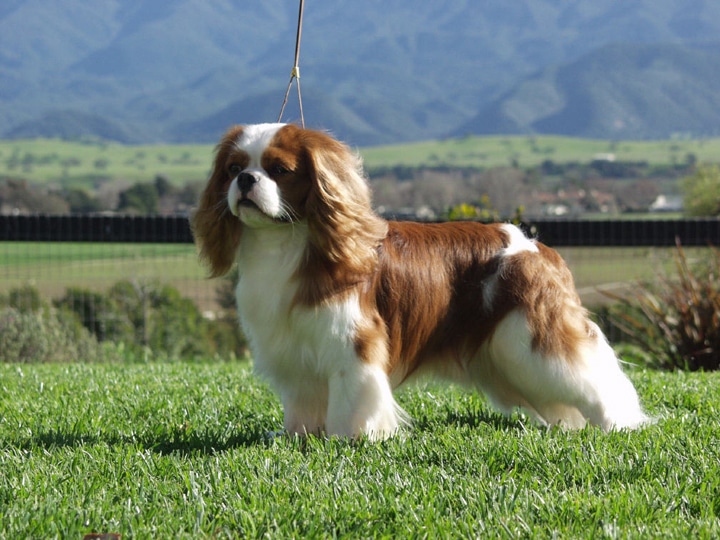
The Cavalier King Charles Spaniel is a small toy spaniel known for its sweet, trusting expression and gentle nature. Weighing 12 to 18 pounds, it fits easily on a lap or in a carrier. Cavaliers are affectionate, quiet, and adapt fast to a slower pace. They are ideal for seniors who want a calm, devoted companion.
Their silky ears and dark, round eyes give them an almost storybook look. That soft expression isn’t just for show — it mirrors a genuinely trusting personality.
Cavaliers were bred for centuries to be lap companions to royalty, not workers. They’ll follow you from room to room and settle the moment you sit down. What surprises many new owners is how little barking they do compared to other small breeds.
Most trusted breed sources, including the AKC, describe the Cavalier as affectionate, gentle, and graceful — a description that holds up in real households, not just on paper.
- Rarely barks or reacts to strangers
- Content with short daily walks
- Bonds fast with a single owner
- Prone to heart issues later in life
- Dislikes being left alone for long
- Ears need regular cleaning
Best for: Seniors who want a calm, devoted lap companion · Apartment dwellers · First-time small-dog owners
→ More small dog breeds ideal for retirees
Bichon Frise — “The Cotton Ball Companion”
| Weight | 12–18 lbs |
| Height | 9.5–11.5 in |
| Lifespan | 14–15 years |
| Energy Level | Moderate |
| Grooming Need | Professional groom every 6–8 weeks |
| Shedding | Minimal (hypoallergenic) |
The Bichon Frise is a cheerful, hypoallergenic toy breed with a soft, curly white coat. Weighing 12 to 18 pounds, it is friendly with nearly everyone it meets. Bichons naturally match their energy to yours, playful on active days and calm on quiet ones. They are ideal for seniors who want a low-shedding, social companion.
Underneath that cotton-ball coat is a naturally cheerful dog. Their curly white fur doesn’t shed much, which is a real relief if you don’t want dog hair on your furniture.
Most people expect a fluffy small dog to be high-strung. The Bichon isn’t. What tends to surprise new owners is how easily this breed reads the room — quiet when you’re resting, playful when you’re up for it.
You might be thinking a hypoallergenic coat means zero grooming. It doesn’t. Bichons need professional trims roughly every six to eight weeks to avoid painful matting.
- Low-shedding, allergy-friendly coat
- Friendly with visitors and other dogs
- Adjusts energy to match your day
- Professional grooming adds ongoing cost
- Struggles with long stretches alone
- White coat shows dirt and tear stains
Best for: Seniors with allergies · Social households with frequent visitors · Anyone who wants a low-shedding coat
→ More hypoallergenic dog breeds for apartment living
Shih Tzu — “The Indoor Homebody”
| Weight | 9–16 lbs |
| Height | 9–10.5 in |
| Lifespan | 10–16 years |
| Energy Level | Low |
| Grooming Need | High, or a short “puppy trim” |
| Shedding | Low |
The Shih Tzu is a sturdy toy breed built for indoor companionship. Weighing 9 to 16 pounds, it needs minimal exercise and is happy in an apartment. Shih Tzus are affectionate, even-tempered, and content just being near their owner. They are ideal for seniors who spend most of the day at home.
This breed was bred in Chinese palaces purely as a companion, not a working dog, and it shows. A Shih Tzu is just as happy parked on the couch as it is on a short walk.
Most owners describe the breed as happy and eager to please. What’s less obvious until you live with one is how little exercise a Shih Tzu actually needs to stay content, a short indoor play session can be enough some days.
A “puppy trim” from a groomer keeps the coat short and low-maintenance, which is worth asking for if daily brushing feels like too much.
- Needs very little daily exercise
- Long lifespan for a small breed
- Calm, steady temperament indoors
- Flat face can cause breathing struggles
- Sensitive to heat and humidity
- Long coat needs daily brushing
Best for: Seniors who are home most of the day · Apartment living · Owners who want a “puppy trim” for easy grooming
Pomeranian — “The Tiny Big Personality”
 Save
Save| Weight | 3–7 lbs |
| Height | 6–7 in |
| Lifespan | 12–16 years |
| Energy Level | Moderate |
| Grooming Need | Frequent brushing (thick double coat) |
| Shedding | Moderate to high |
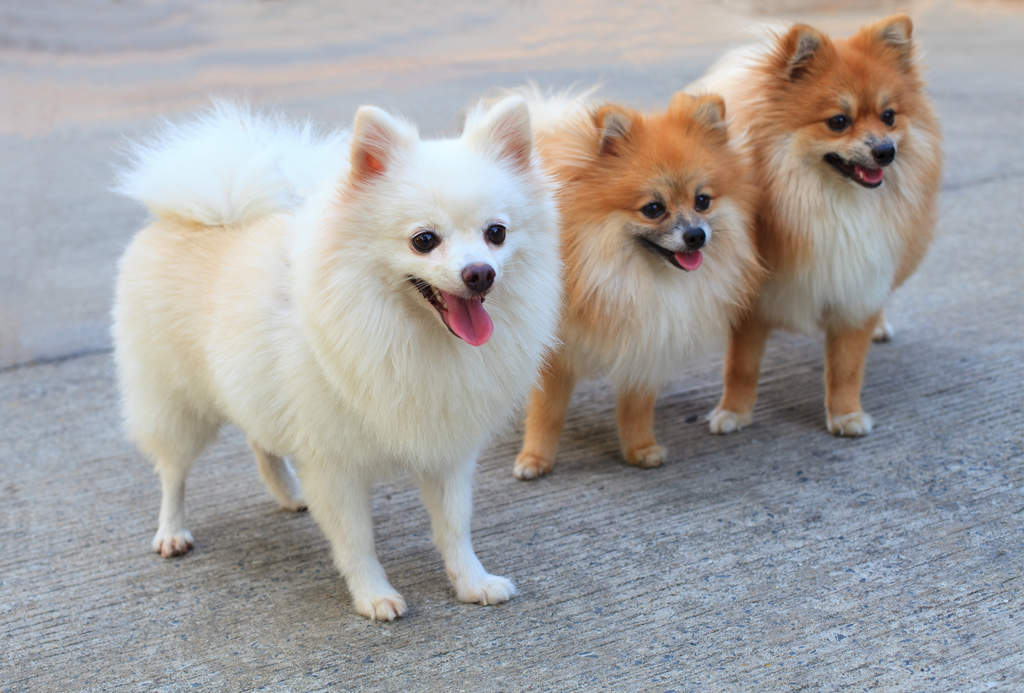
The Pomeranian is a tiny Spitz-type breed weighing just 3 to 7 pounds, making it easy to carry and hold. Despite its small size, the Pomeranian is bold, alert, and highly intelligent. Short walks or indoor games are enough to satisfy its energy. It is ideal for seniors who want a confident, lap-loving companion.
Their thick double coat forms a lion-like ruff around the neck, giving them a look far bigger than their actual size.
You’d expect a 5-pound dog to act timid. A Pomeranian usually does the opposite, they’ll alert-bark at a passing stranger with the confidence of a dog three times their size. Many owners find the daily brushing routine relaxing rather than a chore.
So if you live somewhere with noise restrictions, know this upfront: Pomeranians tend to be vocal watchdogs.
- Extremely light and easy to carry
- Smart and quick to train
- Content with indoor play some days
- Barks at strangers and noises often
- Thick coat sheds heavily twice a year
- Fragile bones need careful handling
Best for: Seniors who want a confident lap dog · Owners who enjoy grooming routines · Homes without strict noise limits
French Bulldog — “The Quiet Comedian”
| Weight | Up to 28 lbs |
| Height | 11–13 in |
| Lifespan | 10–12 years |
| Energy Level | Low |
| Grooming Need | Low, weekly wipe-down |
| Shedding | Low to moderate |
The French Bulldog is a stocky, muscular companion breed known for its bat-like ears and even temper. It rarely barks, has short low-maintenance fur, and doesn’t need long walks. Frenchies are playful but not high-energy, making them ideal for seniors who want a quiet, sturdy apartment dog.
Those oversized ears and wrinkled brow give the Frenchie a comic, expressive face that’s hard not to smile at.
You might expect a bulldog-type breed to be stubborn or tough to handle. In practice, the AKC breed standard describes them as adaptable and even-tempered, and most owners find them easygoing housemates. What’s genuinely surprising is how little this breed barks compared to almost any other companion dog on this list.
The tradeoff is health. Their flat face means they can struggle in heat and after exertion, so this is not a breed for long summer walks.
- One of the quietest small breeds
- Short coat needs little grooming
- Sturdy build, harder to injure
- Struggles to breathe in heat
- Snores and grunts noticeably
- Vet bills can run high long-term
Best for: Seniors who want minimal barking · Apartment living · Owners who prefer low grooming upkeep
→ More calm dog breeds suited to apartment living
Yorkshire Terrier — “The Glamorous Guard Dog”
| Weight | Up to 7 lbs |
| Height | 7–8 in |
| Lifespan | 11–15 years |
| Energy Level | Moderate |
| Grooming Need | High, or a short “puppy cut” |
| Shedding | Low |
The Yorkshire Terrier is a toy breed under 7 pounds, small enough to hold on a lap or in a bag. Despite its glamorous long coat, the Yorkie has a spirited, brave terrier personality underneath. It’s intelligent, trainable, and highly food-motivated. Yorkies are ideal for seniors who want a devoted, portable companion.
Their long, silky coat can grow to floor length, though most pet owners keep it trimmed short for easier care.
You’d assume a dog this small has no watchdog instincts. Yorkies started out as ratters in Scottish mills, and that scrappy confidence never really left the breed. What surprises new owners most is how vocal a 6-pound dog can be when it hears the doorbell.
The upside is trainability. Yorkies respond fast to treat-based training, which makes basic obedience achievable even without much dog-handling experience.
- Under 7 lbs, easy to carry anywhere
- Fast, treat-motivated learner
- Low-shedding coat
- Barks at doorbells and noises
- Long coat mats without daily brushing
- Delicate frame, easy to injure
Best for: Seniors who want a portable, trainable companion · Owners who enjoy a daily grooming routine
Toy Poodle — “The Sharp-Minded Companion”
| Weight | 4–6 lbs |
| Height | Under 10 in |
| Lifespan | 14–18 years |
| Energy Level | Moderate |
| Grooming Need | Professional groom every 4–6 weeks |
| Shedding | Minimal (hypoallergenic) |
The Toy Poodle is the smallest Poodle variety, weighing just 4 to 6 pounds. It is one of the most trainable breeds in existence and sheds very little, making it a strong pick for seniors with allergies. Toy Poodles are alert, loyal, and thrive on routine. They are ideal for seniors who enjoy a bit of structure.
Their curly, dense coat can be clipped into countless styles, but most senior owners choose a simple short trim for easy upkeep.
People often assume Poodles are high-maintenance show dogs. Underneath the styling, this is one of the most food-motivated, quick-to-learn breeds around, useful if you want a dog that picks up house manners fast.
One genuinely surprising fact: Toy Poodles often live well into their late teens, among the longest lifespans of any dog breed.
- Very low shedding, allergy-friendly
- Extremely fast learner
- Often lives 14 to 18 years
- Regular professional grooming cost
- Can get anxious if under-stimulated
- Very fragile as a young puppy
Best for: Seniors with allergies · Owners who enjoy training routines · Those wanting a long-lived companion
Chihuahua — “The Pocket-Sized Bodyguard”
| Weight | Up to 6 lbs |
| Height | 5–8 in |
| Lifespan | 14–16 years |
| Energy Level | Moderate |
| Grooming Need | Low |
| Shedding | Low to moderate |
The Chihuahua is the smallest recognized dog breed, often under 6 pounds fully grown. It bonds intensely with one primary person and prefers a lap over the floor most of the day. Chihuahuas need only light exercise and very little grooming. They are ideal for seniors who want a devoted, low-upkeep lap companion.
Their oversized eyes and apple-shaped head give them an alert, almost deer-like look that’s instantly recognizable.
Most people expect a tiny dog to be fragile and skittish. Chihuahuas are, but they’re also fiercely loyal, some will genuinely try to protect their favorite person from dogs many times their size. That devotion is the whole draw of the breed.
Because they’re so light, Chihuahuas are one of the easiest breeds to travel with, but their small bones mean careful handling matters, especially around young grandchildren.
- Smallest footprint of any breed
- Minimal grooming and exercise needs
- Often lives 14 years or longer
- Very fragile around toddlers or falls
- Can be wary of strangers
- Sensitive to cold weather
Best for: Seniors living alone · Owners wanting minimal grooming and exercise needs
Maltese — “The Silky Snow-White Lap Dog”
| Weight | Under 7 lbs |
| Height | 7–9 in |
| Lifespan | 12–15 years |
| Energy Level | Low to moderate |
| Grooming Need | High, daily brushing |
| Shedding | Low |
The Maltese is a small, silky-coated breed under 7 pounds, bred purely for companionship. It is gentle, affectionate, and content with short walks or indoor play. The Maltese is easy to train with positive reinforcement and light enough to carry when needed. It is ideal for seniors seeking a cuddly, portable lap dog.
Their long, flowing white coat has no undercoat, which is part of why they shed so little compared to double-coated breeds.
You might assume a dog this delicate-looking would be high-strung. Most Maltese are the opposite, gentle and eager to please, which makes basic training go smoothly even for a first-time owner.
The tradeoff for that beautiful coat is daily upkeep. Skip a few days of brushing and mats can form fast, especially around the ears and legs.
- Gentle, easygoing temperament
- Light enough to carry easily
- Low-shedding coat
- Daily brushing is non-negotiable
- White coat stains easily around eyes
- Can develop separation anxiety
Best for: Seniors who want a gentle, portable lap dog · Owners with a daily grooming routine already in place
Havanese — “The Bouncy Velcro Dog”
 Save
Save| Weight | 7–13 lbs |
| Height | 8.5–11.5 in |
| Lifespan | 14–16 years |
| Energy Level | Moderate |
| Grooming Need | Regular brushing or a short trim |
| Shedding | Low |
The Havanese is a small, silky-coated breed from Cuba, weighing 7 to 13 pounds. It is famous for its “Velcro dog” habit of staying close to its owner all day. Havanese are playful, social, and eager to please. They are ideal for seniors who want an interactive companion that rarely wants to be far away.
Their springy, bouncy gait is unique to the breed and instantly recognizable once you’ve seen it.
People sometimes confuse the Havanese with a Maltese or Bichon. What sets it apart is sheer social drive, this breed genuinely struggles when left alone and does best with an owner who is home often.
For a homebound senior, that clinginess is often exactly the point: a Havanese will happily sit at your feet or on your lap for hours without restlessness.
- Long lifespan, often 14 to 16 years
- Low-shedding, easy-care coat option
- Rarely wants to leave your side
- Struggles badly when left alone
- Needs daily mental stimulation
- Coat mats without regular brushing
Best for: Seniors who are home most of the day · Owners wanting a long-lived, affectionate companion
→ See the full list of best dog breeds for retirees
How Do These 10 Lap Dog Breeds Compare Side by Side?
Weight, grooming needs, and shedding vary the most between these 10 breeds. Chihuahuas and Pomeranians weigh under 7 pounds, while French Bulldogs can reach 28 pounds. Poodles, Bichons, and Maltese shed the least, making them the top picks for seniors managing allergies.
| Breed | Weight | Energy | Grooming | Best Trait |
|---|---|---|---|---|
| Cavalier King Charles Spaniel | 12–18 lbs | Low-Mod | Weekly | Quiet & gentle |
| Bichon Frise | 12–18 lbs | Moderate | 6–8 wks pro | Hypoallergenic |
| Shih Tzu | 9–16 lbs | Low | Daily/trim | Minimal exercise |
| Pomeranian | 3–7 lbs | Moderate | Frequent | Ultra-lightweight |
| French Bulldog | Up to 28 lbs | Low | Low | Very quiet |
| Yorkshire Terrier | Up to 7 lbs | Moderate | Daily/trim | Highly trainable |
| Toy Poodle | 4–6 lbs | Moderate | 4–6 wks pro | Longest lifespan |
| Chihuahua | Up to 6 lbs | Moderate | Low | Smallest & lightest |
| Maltese | Under 7 lbs | Low-Mod | Daily | Gentle temperament |
| Havanese | 7–13 lbs | Moderate | Regular | Most affectionate |
Which Lap Dog Breed Is Right for You?
The right lap dog breed depends on your allergies, budget, and how much time you spend at home. Seniors with allergies do best with a Poodle, Bichon, or Maltese. Seniors on a fixed budget should weigh grooming costs carefully before choosing a high-maintenance coat.
- If you have allergies or asthma → a Toy Poodle, Bichon Frise, or Maltese sheds the least.
- If you live in a quiet apartment building → a French Bulldog or Cavalier barks the least.
- If your grip strength or balance is limited → a Shih Tzu or Havanese won’t pull hard on leash.
- If you’re on a tight grooming budget → a Chihuahua or French Bulldog needs the least upkeep.
- If you’re home most of the day and crave closeness → a Havanese or Cavalier will rarely leave your side.
→ Compare more small dog breeds built for retirement life
What Do Seniors Need to Know About Caring for a Lap Dog?
Caring for a lap dog as a senior mostly means managing grooming, vet visits, and short daily walks. Budget for professional grooming if you choose a high-maintenance coat. Set a simple daily routine for feeding and bathroom breaks, since consistency benefits both of you.
Vet costs for a healthy small breed typically run a few hundred dollars a year for routine care, more if dental cleanings or emergency visits come up. Build that into your budget before you bring a dog home.
Here’s why that matters: a dog that’s underfed on exercise can get destructive or anxious, even a low-energy breed still needs a short walk or play session most days.
Flat-faced breeds like the French Bulldog and Shih Tzu can overheat fast. Skip walks during hot afternoons and always carry water.
What Do New Lap Dog Owners Get Wrong Most Often?
The most common mistake is choosing a breed based on looks instead of energy level and grooming cost. A second common mistake is adopting a puppy instead of an adult dog, which adds far more training and physical demands than most seniors expect.
- Picking a high-shedding breed without a grooming budget in place.
- Assuming small always means low-energy — some toy breeds are quite active.
- Skipping the building’s pet policy check before falling for a breed.
- Choosing a puppy over a calmer, already house-trained adult dog.
You might be thinking a puppy would be more fun to raise. In reality, most seniors find an adult rescue dog far easier, it skips the chewing, house-training, and high energy of puppyhood entirely.
Research backs up the payoff of getting this right. The CDC’s overview of pet health benefits notes that pets can increase physical activity, reduce loneliness, and support better outcomes for older adults. That’s the whole point of choosing the right breed the first time.
Frequently Asked Questions
What is the calmest lap dog breed for seniors?
The Cavalier King Charles Spaniel and French Bulldog are widely considered the calmest options. Both have low exercise needs, rarely bark, and adapt easily to a slower daily routine.
What is the best hypoallergenic lap dog for seniors?
The Toy Poodle, Bichon Frise, and Maltese are the top hypoallergenic picks. All three have low-shedding coats, though they still need regular professional grooming to stay mat-free.
Is it better for a senior to adopt a puppy or an adult dog?
Most experts recommend an adult dog for seniors. Adult dogs are usually already house-trained, calmer, and require far less physical energy than raising a puppy from scratch.
How much exercise does a senior’s lap dog actually need?
Most toy and small breeds need 15 to 30 minutes of activity daily, which can include short walks or indoor play. Even low-energy breeds still need some daily movement to stay healthy.
What size dog is easiest for a senior to lift and carry?
Breeds under 10 pounds, like the Chihuahua, Pomeranian, Yorkshire Terrier, and Toy Poodle, are the easiest to lift safely, especially for seniors managing arthritis or limited grip strength.
Final Thoughts
There’s no single “best” breed here, just the best match for your specific life. If allergies are a concern, a Poodle or Bichon solves that. If quiet matters most, the Cavalier or French Bulldog delivers.
The one thing to do right now: pick your top two breeds from this list, then spend 20 minutes visiting a local shelter or breeder to meet a dog from each. Personality varies dog to dog, and nothing beats seeing how a dog actually settles into your lap.

Thomas Cutter is a lifelong dog owner and the founder of FindOutAboutDogs.com. With over 10 years of hands-on experience owning multiple breeds, Thomas created this site to provide honest, research-based dog advice that real owners can actually trust.
