Best 10 Friendly Dog Breeds for Families in 2026
Quick Answer
The best 10 friendly dog breeds for families are Labrador Retriever, Golden Retriever, Beagle, Cavalier King Charles Spaniel, Standard Poodle, Boxer, Newfoundland, Bernese Mountain Dog, Collie, and Havanese. The right choice depends on your home size, child age, grooming time, and daily energy level.
| Family Need | Best Breed Match |
|---|---|
| Active kids | Labrador Retriever or Boxer |
| Gentle young children | Golden Retriever or Newfoundland |
| Small homes | Cavalier King Charles Spaniel or Havanese |
Choose a friendly family dog if:
- You can train the dog with calm daily rules.
- Your kids know how to treat dogs with care.
- You can meet the breed’s exercise needs.
- You want a pet that joins family life.
The house feels louder when kids and dogs share the same room.
Sometimes that noise is joy. Sometimes it means you chose the wrong breed.
I’m Thomas Cutter, and I’ve lived with dogs for years. I know one truth fast. A family dog must fit your real life.
That means your home, schedule, kids, budget, and patience all matter. A sweet dog can still be the wrong dog.
This guide covers friendly dog breeds for families. If your child has allergies or fear of dogs, ask a vet or trainer first.
For more breed research, start with our dog breed profiles for family homes.
- Friendly does not always mean easy.
- Training matters more than breed alone.
- Large calm dogs often suit young kids well.
- Small dogs need gentle handling from children.
- Match energy level before looks.


What Makes a Dog Breed Good for Families?
A good family dog is gentle, steady, trainable, and safe around daily noise. Breed helps predict traits, but it never replaces training. Most experts agree that socialization, child manners, exercise, and supervision shape a dog’s family success. In 2026, the best choice is not the cutest dog. It is the dog your family can care for every day.
You likely know friendly dogs love people. But here’s the thing. Family life asks for more than love.
A good family dog must handle dropped toys, loud voices, guests, and routine change. So if your home feels busy, choose a dog with patience.
When I helped friends choose first dogs, one pattern stood out. Calm homes could manage shy dogs better. Loud homes needed steady dogs.
That taught me a simple rule. Match the dog to the home before the heart.
You might be thinking a puppy can learn anything. Here’s why that fails. Breed traits still shape energy, size, noise, and grooming needs.
Meet the dog with your kids before you decide.
Now let’s look at the breeds that fit family life best.
What Are the Best 10 Friendly Dog Breeds for Families?
The best friendly dog breeds for families balance patience, play, trainability, and daily care needs. Labrador Retrievers and Golden Retrievers fit active homes. Beagles and Havanese suit playful families. Poodles help homes that want less shedding. Large gentle breeds, like Newfoundlands and Bernese Mountain Dogs, suit families with space. Each breed below has a clear best-fit profile.
Most people start with looks. That is normal. But looks rarely tell you the daily truth.
Now let’s look at each breed like a real family would. Size, mess, noise, energy, and care all count.
Labrador Retriever — Best Friendly Dog Breed for Active Families
 Save
Save| Weight | 55 to 80 pounds |
| Height | 21.5 to 24.5 inches |
| Lifespan | 11 to 13 years |
| Energy Level | High |
| Grooming Need | Weekly brushing |
| Shedding | Moderate to high |
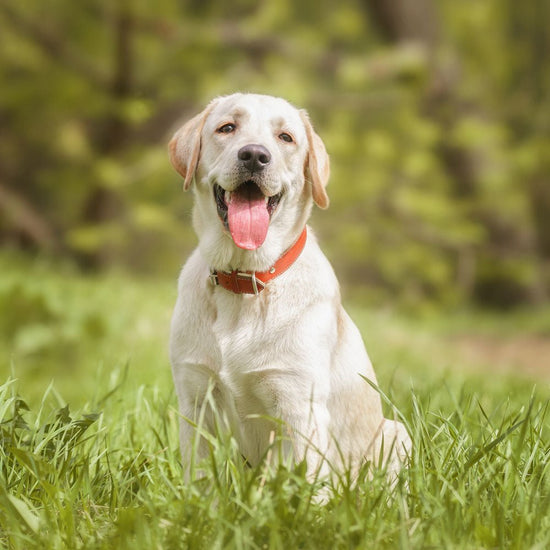
The Labrador Retriever is a friendly family dog known for steady play, trainable manners, and strong people focus. Labs are medium-large dogs with high energy. They usually enjoy games, swimming, fetch, and busy homes. They suit active families that can give daily exercise and clear rules.
Labradors look strong without looking sharp. Their broad head and soft eyes feel open and kind.
Most Labs act like every guest came to see them. But many also carry shoes, socks, and toys. That silly habit shows their retriever roots.
“Owner insight to verify: Our Lab grabs a toy before greeting anyone. It keeps his mouth busy.”
— Replace with verified Labrador owner quote before publishing
- Great fetch partner for kids
- Learns family rules fast
- Social with most guests
- Needs hard daily exercise
- Sheds heavily in seasons
- Can mouth when young
Best for: Active families · Homes with yards · Older kids
Golden Retriever — Friendly Family Dog With a Soft Heart
| Weight | 55 to 75 pounds |
| Height | 21.5 to 24 inches |
| Lifespan | 10 to 12 years |
| Energy Level | High |
| Grooming Need | Weekly brushing |
| Shedding | High |
The Golden Retriever is a warm family dog known for patience, soft manners, and strong trainability. Goldens are medium-large dogs with rich coats and high energy. They often love children, games, and routine. They suit families that want a gentle dog and can manage shedding.
Golden Retrievers have feathered coats and kind faces. Their tails often move before their feet do.
You expect a Golden to be sweet. But many stay puppy-like for years. That joy can brighten a home fast.
“Owner insight to verify: Our Golden checks every bedroom at night. Then she sleeps by the hall.”
— Replace with verified Golden Retriever owner quote before publishing
- Patient with gentle children
- Easy to train kindly
- Loves family games
- Heavy coat needs brushing
- Needs daily outdoor play
- Can jump when excited
Best for: Gentle kids · Active parents · First-time owners
Beagle — Friendly Dog Breed for Playful Family Homes
| Weight | Under 20 to 30 pounds |
| Height | Under 13 to 15 inches |
| Lifespan | 10 to 15 years |
| Energy Level | Medium to high |
| Grooming Need | Weekly brushing |
| Shedding | Moderate |
The Beagle is a small friendly family dog known for cheerful energy, food drive, and pack-loving behavior. Beagles are sturdy, curious, and social. They enjoy games and scent work. They suit families that want a smaller dog but can handle barking, sniffing, and leash rules.
Beagles have soft ears and bright eyes. Their compact body makes them easy to live with.
You expect a Beagle to play. But the nose leads the brain. One scent can erase every command.
“Owner insight to verify: Our Beagle finds snacks before the kids do. We bought locking bins.”
— Replace with verified Beagle owner quote before publishing
- Small but sturdy build
- Enjoys kid play sessions
- Short coat is simple
- Follows scents outdoors
- Can bark or bay
- Needs food control
Best for: Playful kids · Smaller homes · Food-safe families
Cavalier King Charles Spaniel — Gentle Family Dog for Smaller Homes
| Weight | 13 to 18 pounds |
| Height | 12 to 13 inches |
| Lifespan | 12 to 15 years |
| Energy Level | Medium |
| Grooming Need | Several brushings weekly |
| Shedding | Moderate |
The Cavalier King Charles Spaniel is a friendly small family dog known for soft affection and calm indoor manners. Cavaliers are light, sweet, and people-focused. They often enjoy laps and short walks. They suit families with gentle children who understand small-dog handling.
Cavaliers have round eyes and silky ears. Their face often looks worried in a sweet way.
You expect a lap dog. But Cavaliers can still enjoy walks and games. Their charm hides real spaniel roots.
“Owner insight to verify: Our Cavalier waits beside homework time. She seems to love quiet rooms.”
— Replace with verified Cavalier owner quote before publishing
- Sweet indoor family companion
- Good for small homes
- Usually loves cuddles
- Fragile with rough kids
- Ears need steady care
- Dislikes long alone time
Best for: Apartments · Gentle children · Calm homes
Standard Poodle — Smart Friendly Dog Breed With Low Shedding
 Save
Save| Weight | 40 to 70 pounds |
| Height | Over 15 inches |
| Lifespan | 10 to 18 years |
| Energy Level | High |
| Grooming Need | Professional grooming |
| Shedding | Low |
The Standard Poodle is a friendly family dog known for sharp learning, low shedding, and playful grace. Standard Poodles are athletic, tall, and highly trainable. They often suit active homes that want less loose hair. They need grooming, mental work, and kind training.
Standard Poodles look elegant, but they are real athletes. Their curly coat gives them a clean outline.
You expect fancy looks. But Poodles are clever workers. They often learn family routines faster than people expect.
“Owner insight to verify: Our Poodle knows each child’s school alarm. He waits by their doors.”
— Replace with verified Standard Poodle owner quote before publishing
- Low loose-hair shedding
- Learns commands quickly
- Strong for active play
- Grooming costs add up
- Needs mental games daily
- Can outsmart weak rules
Best for: Low-shed homes · Smart kids · Active parents
→ Dog grooming guides for family breeds
Boxer — Friendly Family Dog With Playful Guard Energy
| Weight | 50 to 80 pounds |
| Height | 21.5 to 25 inches |
| Lifespan | 10 to 12 years |
| Energy Level | High |
| Grooming Need | Low brushing |
| Shedding | Moderate |
The Boxer is a friendly family dog known for comic play, deep bonds, and watchful confidence. Boxers are strong, bouncy, and people-loving. They often adore children but need training against jumping. They suit active families that want fun and alertness in one dog.
Boxers have square heads and strong bodies. Their faces can look serious, then silly.
You expect power. But Boxers often act like clowns. Their body wiggles when the whole family laughs.
“Owner insight to verify: Our Boxer greets guests sideways. His wiggle starts before his bark.”
— Replace with verified Boxer owner quote before publishing
- Playful with active kids
- Short coat is easy
- Naturally watchful at home
- Jumps when poorly trained
- Needs daily hard play
- Heat can bother them
Best for: Active homes · Older kids · Watchful families
Newfoundland — Gentle Giant Friendly Dog for Calm Families
| Weight | 100 to 150 pounds |
| Height | 26 to 28 inches |
| Lifespan | 9 to 10 years |
| Energy Level | Medium |
| Grooming Need | Several brushings weekly |
| Shedding | High |
The Newfoundland is a friendly giant family dog known for calm strength, patience, and sweet child manners. Newfoundlands are huge dogs with thick coats. They move slowly but need space. They suit families that want a gentle dog and can handle drool, hair, and size.
Newfoundlands look like walking bear hugs. Their thick coat and broad head feel huge indoors.
You expect size to mean chaos. But many Newfoundlands move with care. Their calm can steady loud homes.
“Owner insight to verify: Our Newfie blocks the stairs during toddler chaos. She just lies there.”
— Replace with verified Newfoundland owner quote before publishing
- Calm around young kids
- Gentle despite huge size
- Usually not frantic indoors
- Too large for small rooms
- Heavy drool and hair
- Shorter average lifespan
Best for: Spacious homes · Young children · Calm families
Bernese Mountain Dog — Friendly Family Dog With Gentle Strength
| Weight | 70 to 115 pounds |
| Height | 23 to 27.5 inches |
| Lifespan | 7 to 10 years |
| Energy Level | Medium |
| Grooming Need | Weekly brushing |
| Shedding | High |
The Bernese Mountain Dog is a friendly family dog known for calm affection, strength, and steady home behavior. Berners are large dogs with thick tri-color coats. They love family time and gentle play. They suit cooler homes with space, patience, and time for brushing.
Berners look bold with black, white, and rust markings. Their size makes them hard to miss.
You expect a working dog to be tough. But Berners often lean softly against their people. That mix wins families.
“Owner insight to verify: Our Berner sits on feet during movie night. Nobody moves for hours.”
— Replace with verified Bernese Mountain Dog owner quote before publishing
- Calm with kind children
- Strong but soft-natured
- Beautiful family companion
- Shorter lifespan than many
- Sheds thick coat often
- Heat can limit activity
Best for: Cool climates · Big homes · Gentle families
Collie — Friendly Family Dog With Watchful Kindness
| Weight | 50 to 75 pounds |
| Height | 22 to 26 inches |
| Lifespan | 12 to 14 years |
| Energy Level | Medium to high |
| Grooming Need | Weekly to frequent brushing |
| Shedding | Moderate to high |
The Collie is a friendly family dog known for gentle focus, watchful behavior, and strong bonds. Collies are medium-large herding dogs with smooth or rough coats. They often track family movement closely. They suit homes that want a smart, soft, and alert dog.
Rough Collies have flowing coats and long faces. Smooth Collies look cleaner and more sleek.
You expect beauty from a Collie. But the real gift is attention. Many Collies notice small changes fast.
“Owner insight to verify: Our Collie checks the yard before the kids run outside.”
— Replace with verified Collie owner quote before publishing
- Watchful without harshness
- Often gentle with kids
- Enjoys learning routines
- May bark at changes
- Coat can mat fast
- Needs kind training only
Best for: Gentle homes · Routine-loving families · Watchful owners
Havanese — Small Friendly Dog Breed for Family Companionship
 Save
Save| Weight | 7 to 13 pounds |
| Height | 8.5 to 11.5 inches |
| Lifespan | 14 to 16 years |
| Energy Level | Medium |
| Grooming Need | Frequent brushing |
| Shedding | Low to moderate |
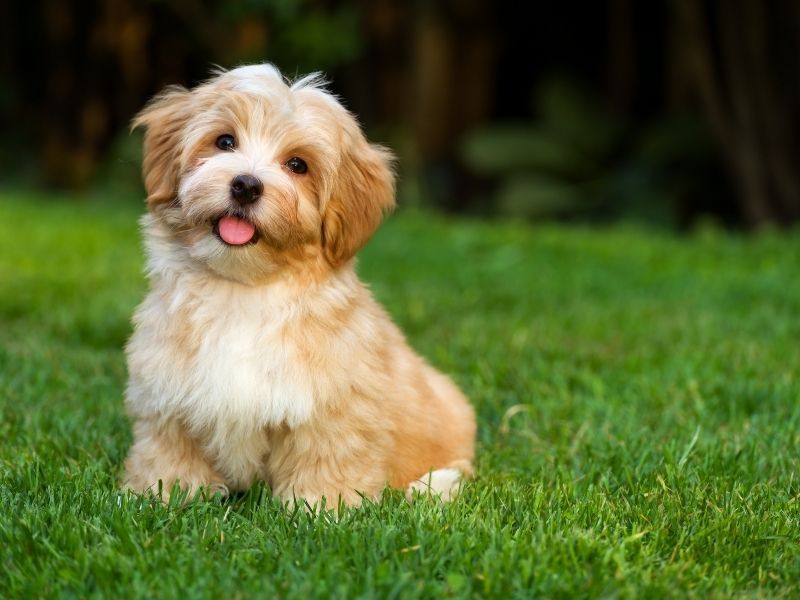
The Havanese is a friendly small family dog known for bright charm, social habits, and soft play. Havanese dogs are light, cheerful, and people-focused. They can live well in apartments. They suit families that want a small companion and can protect it from rough handling.
Havanese dogs have silky coats and lively faces. Their tail often curls over the back.
You expect a tiny lap dog. But Havanese dogs can be funny little performers. They often learn tricks quickly.
“Owner insight to verify: Our Havanese dances for breakfast. The kids trained him by accident.”
— Replace with verified Havanese owner quote before publishing
- Great for apartment families
- Fun trick learner
- Lower loose-hair shedding
- Too small for rough play
- Coat needs frequent care
- Can hate being alone
Best for: Apartments · Gentle kids · Companion-focused homes
Which Friendly Family Dog Breed Is Right for You?
The right family dog depends on your children, schedule, space, and tolerance for mess. Choose a Lab or Boxer for active homes. Choose a Cavalier or Havanese for smaller homes. Choose a Golden, Collie, or Newfoundland for gentle family bonds. Choose a Poodle if shedding worries you. The best breed is the one you can care for well.
Here’s why that matters. A good breed in the wrong home can become a hard dog.
When a busy family picks a high-energy dog, daily walks are not optional. That taught me breed fit is care planning.
If you are active and outdoorsy → choose a Labrador Retriever, Boxer, or Golden Retriever.
If you are in an apartment → choose a Cavalier King Charles Spaniel or Havanese.
If you want less loose hair → choose a Standard Poodle first.
If you have very young kids → choose a calm larger breed with supervision.
You might be thinking small dogs are safer for children. Here’s why that can fail. Small dogs can feel trapped by rough hands.
The safest family dog is not always the smallest dog. It is the dog your children can respect.
Next, compare every breed side by side.
How Do These Friendly Dog Breeds Compare Side by Side?
A side-by-side chart helps you compare size, energy, grooming, shedding, and best family fit fast. Labrador Retrievers and Boxers need the most activity. Cavaliers and Havanese need the least space. Standard Poodles shed less but need more grooming. Newfoundlands and Berners feel gentle, but their size, cost, and hair are real factors.
Most families narrow choices by size first. But grooming, energy, and noise often matter more each day.
When families skip comparison, they often miss the hidden cost. That taught me tables can prevent regret.
| Breed | Size | Energy | Best Family Fit |
|---|---|---|---|
| Labrador Retriever | Large | High | Active homes |
| Golden Retriever | Large | High | Gentle active families |
| Beagle | Small | Medium-high | Playful families |
| Cavalier | Small | Medium | Calm homes |
| Standard Poodle | Large | High | Low-shed homes |
| Boxer | Large | High | Older kids |
| Newfoundland | Giant | Medium | Spacious homes |
| Bernese Mountain Dog | Large | Medium | Cool climates |
| Collie | Large | Medium-high | Routine homes |
| Havanese | Small | Medium | Apartments |
For broader care planning, review our everyday dog care guides for new owners.
Now you know the match. Next comes the daily care.
What Care Do Friendly Family Dogs Need Every Day?
Friendly family dogs need daily exercise, calm training, grooming, safe rest, and vet care. Most experts agree that routine helps dogs behave better. A tired, trained dog handles family life with less stress. A bored dog may bark, chew, jump, or ignore commands. Care is not extra. Care is what makes the breed work.
The good news is simple. You do not need a perfect home. You need steady habits.
When dogs get clear daily care, behavior often improves fast. That taught me routine beats random correction.
- Walk or play before the busiest family hours.
- Teach sit, stay, leave it, and drop it.
- Give the dog a quiet rest space.
- Brush the coat before mats or shedding build.
- Book regular vet checks and vaccines.
You might be thinking kids will exercise the dog. Here’s why adults must lead. Children forget rules when play gets exciting.
For trusted care basics, compare your plan with ASPCA general dog care advice.
Next, let’s fix the mistakes most families make.
What Most People Get Wrong About Friendly Dog Breeds for Families?
Most people think friendly breeds are safe by default. That is the biggest mistake. Friendly dogs still need training, sleep, space, and supervision around kids. A sweet breed can nip, jump, guard food, or panic when handled badly. The breed gives you a starting point. Your daily rules create the family dog.
You may have read that some breeds are naturally perfect with kids. That idea is not complete.
When families assume love is enough, small issues grow. That taught me guidance prevents most bad habits.
Never leave young children alone with any dog.
Here are the common family dog mistakes:
- Choosing by looks instead of lifestyle.
- Letting kids climb, hug, or tease dogs.
- Skipping training because the breed is friendly.
- Ignoring grooming costs and shedding.
- Buying a puppy when an adult dog fits better.
You might be thinking your kids are gentle. Here’s why rules still matter. Even kind children move fast.
Most experts agree that adult guidance keeps both kids and dogs safer. Now let’s close with one clear choice.
How Should You Choose Your Family Dog in 2026?
Choose your family dog by matching breed needs to your real week. Count your walking time, grooming budget, home space, child age, and noise level. Then meet the dog in person. Use breed guides as a starting point, not a promise. In 2026, the smartest family dog choice is practical, kind, and honest.
Start with your least flexible limit. That may be space, time, money, or allergies.
When families name the limit first, choices become easier. That taught me honest limits help dogs too.
Use the AKC family dog breed guidance as one helpful reference. Then check each breed deeper.
You can also compare size and traits through AKC dog breed profiles.
One final point matters. Adoption can be a great path. Many adult dogs already show their true family manners.
Pick the dog your family can care for on tired days. Good care matters more than perfect breed lists.
Now you have enough to choose with care.
Conclusion
The best friendly dog breeds for families share one key trait. They want to be part of your daily life.
Still, the right dog depends on your home. Match energy, size, grooming, and child age first.
Do one thing right now. Write down your daily walk time before choosing a breed. I’m Thomas Cutter, and that one note can save years of stress.
Frequently Asked Questions
What is the friendliest dog breed for families?
The Labrador Retriever is often one of the friendliest family dog breeds. It is social, trainable, and playful. Still, the best breed depends on your space, child age, and daily exercise time.
What dog breed is best for families with small children?
Golden Retrievers and Newfoundlands are strong choices for small children. They are usually gentle and patient when trained well. Always supervise young kids with any dog, even a calm breed.
What is the best small friendly dog for families?
The Cavalier King Charles Spaniel and Havanese are great small family dogs. They are affectionate, social, and fit smaller homes. Children must handle them gently because small dogs can get hurt.
Are friendly dog breeds easy to train?
Many friendly breeds are easy to train, but none train themselves. Labs, Goldens, Poodles, and Collies often learn fast. Daily practice, clear rules, and rewards make the biggest difference.
Should families get a puppy or an adult dog?
An adult dog can be better for many families. You can see its real size, energy, and temperament. A puppy gives more control from the start, but it needs far more time.

Thomas Cutter is a lifelong dog owner and the founder of FindOutAboutDogs.com. With over 10 years of hands-on experience owning multiple breeds, Thomas created this site to provide honest, research-based dog advice that real owners can actually trust.
