Best 10 Dog Breeds for Retirees — Chosen for Calm Hearts and Easy Care
Quick Answer
The best dog breeds for retirees in 2026 are the Cavalier King Charles Spaniel, Shih Tzu, French Bulldog, Maltese, Bichon Frise, Pug, Havanese, Greyhound, Miniature Poodle, and Pomeranian. Each one offers low exercise needs, a gentle temperament, and a manageable size. Your best pick depends on your energy level, living space, and grooming budget.
What to weigh before you choose:
- Daily exercise needs — 15 minutes vs. an hour
- Coat type — low-shed vs. heavy grooming
- Size — easy to lift and control vs. large and strong
- Health costs — breathing, joints, or dental care
Quick picks by need:
- Lowest grooming: French Bulldog or Greyhound
- Best for allergies: Bichon Frise or Poodle
- Most affectionate lap dog: Cavalier King Charles Spaniel
- Most active companion: Miniature Poodle
Your knees ache a little more these days. Your house feels quieter than it used to. Then a small, warm body curls up against your leg, and the silence doesn’t feel so loud anymore.
I’m Thomas Cutter, and I’ve spent years matching dogs to the people who’ll love them best. Retirement opens up time, but it also changes what your body can handle. The wrong dog breed can turn a joyful choice into a daily strain.
This guide covers the 10 dog breeds that fit retirement life best. You’ll see real weight ranges, true grooming needs, and honest pros and cons for each one. If you want a low-shedding option for an apartment-friendly small dog, you’ll find it here too.
- Small toy and companion breeds suit most retirees better than working or herding breeds.
- Low energy does not always mean low maintenance — coat care matters just as much.
- Adopting an adult dog often beats raising a puppy in your retirement years.
- Every breed below weighs under 70 pounds and needs 60 minutes of exercise or less per day.


What Makes a Dog Breed Right for a Retiree?
A retiree-friendly dog breed has low exercise needs, a calm temperament, and a size that’s easy to manage physically. It should also have predictable health costs and a coat you can realistically maintain. Most experts agree that companion and toy breeds fit these needs better than working or herding breeds.
Here’s the thing. Retirement gives you more free time, but your joints, balance, and stamina may not match your 30-year-old self. A 70-pound dog that pulls hard on a leash can do real damage. So can a high-energy breed that gets destructive when bored.
You might be thinking any small dog will do. Here’s why that’s not quite right: some small breeds, like Jack Russell Terriers, are tiny bundles of nonstop energy. Size alone doesn’t predict temperament.
Most retirees do best with breeds bred for centuries to be companions, not workers. These dogs were shaped to sit beside royalty, not herd sheep or hunt foxes. That history shows up in their calm, people-focused personality today.
Visit a breed rescue or shelter and sit with a few adult dogs before deciding. Their real-world energy tells you more than any breed description.
What Most People Get Wrong About Choosing a Dog in Retirement
Many retirees assume a puppy will keep them young, but puppies actually demand more physical energy and patience than most older adults have to give. An adult or senior dog often fits retirement life far better than a puppy does.
You may have heard that getting a puppy gives you more years together. That’s true on paper. But puppies bite, dig, and need house training. They also need several short walks a day for the first year of life.
So what does that mean for you? An adult dog, age two to seven, usually arrives already house-trained and past the chewing phase. Shelters are full of calm, loving adult dogs waiting for exactly this kind of home.
Another myth: “hypoallergenic” means allergy-free. No breed is 100% allergen-free. Breeds like the Bichon Frise and Poodle shed less dander, but allergy sufferers should always spend time with the breed first.
The 10 Best Dog Breeds for Retirees — Ranked and Reviewed
Cavalier King Charles Spaniel — “The Royal Lap Warmer”
 Save
Save| Weight | 13 to 18 pounds |
| Height | 12 to 13 inches |
| Lifespan | 12 to 15 years |
| Energy Level | Moderate — two short walks daily |
| Grooming Need | Weekly brushing, occasional trim |
| Shedding | Moderate, year-round |
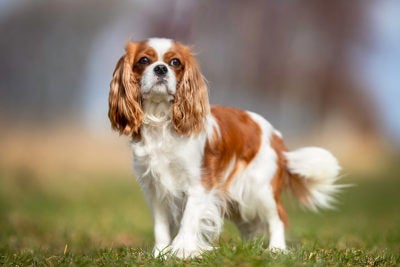
The Cavalier King Charles Spaniel is a small, affectionate toy breed known for its gentle, people-first nature. It weighs 13 to 18 pounds and stands about 12 inches tall. Cavaliers crave closeness over independence. They’re an ideal match for retirees who want a constant, loving shadow.
Their silky coat falls in soft waves around long, feathered ears. One detail that surprises new owners: those big, dark eyes give the breed an almost human expression of concern.
Cavaliers expect attention, not space. They’ll follow you from room to room and lean against your leg while you cook. Most owners describe them as gentle shadows that rarely bark without reason.
“She waits by the door every afternoon at exactly 3 p.m., like she has a watch. I never feel alone in this house anymore.”
— Margaret H., Cavalier owner for 6 years
- Gentle with grandchildren and other pets
- Easy to train and eager to please
- Light enough to lift safely
- Prone to heart and eye conditions
- Doesn’t handle being left alone well
- Sheds moderately year-round
Best for: Retirees who want a constant companion · Those who live with family or visitors often · First-time toy breed owners
→ Best dog breeds for retired couples
Shih Tzu — “The Little Lion With a Gentle Heart”
| Weight | 9 to 16 pounds |
| Height | 9 to 10.5 inches |
| Lifespan | 10 to 18 years |
| Energy Level | Low — 20 minutes daily |
| Grooming Need | Daily brushing, monthly trim |
| Shedding | Low |
The Shih Tzu is a small, sturdy toy breed built for indoor companionship rather than outdoor work. It weighs 9 to 16 pounds and lives an unusually long 10 to 18 years. Shih Tzus need only short walks daily. They suit retirees who want a long-lived, low-shedding lap dog.
Their long double coat can drag the floor if left untrimmed. Many retirees choose a short “puppy cut” instead, which cuts grooming time dramatically.
Shih Tzus rarely act as watchdogs. As a result, you get a friendly greeter for guests, not a barking alarm system, which suits quieter households.
“He’s 14 now and still trots to the door every morning like clockwork. Best decision I made after I retired.”
— Robert D., Shih Tzu owner for 14 years
- One of the longest lifespans of any breed
- Very low exercise requirement
- Friendly with strangers and pets
- Flat face struggles in heat
- Coat mats fast without daily brushing
- Prone to dental and eye issues
Best for: Retirees wanting a long-lived companion · Those who can commit to short daily grooming · Apartment or condo living
→ More easy-going dog breeds for calm households
French Bulldog — “The Couch Companion With a Comedian’s Streak”
| Weight | 20 to 28 pounds |
| Height | 11 to 13 inches |
| Lifespan | 10 to 12 years |
| Energy Level | Low — short walks only |
| Grooming Need | Weekly brushing, wipe facial folds |
| Shedding | Low to moderate |
The French Bulldog is a compact, muscular companion breed built for indoor life and short outings. It weighs 20 to 28 pounds and needs only brief daily walks. Frenchies are playful but rarely demanding. They’re a strong match for retirees who want personality without high upkeep.
Their bat-like ears and stocky build give them an unmistakable silhouette. One surprising trait: many Frenchies snore loudly enough to be heard from another room.
They bond hard with one or two people and often follow that person everywhere. Most stay quiet indoors, which works well for retirees in shared housing or close-set neighborhoods.
“I call him my alarm clock with a face only a mother could love. He naps when I nap, and that’s exactly what I needed.”
— Linda P., French Bulldog owner for 5 years
- Needs only short, light walks
- Short coat is easy to maintain
- Calm, comedic, low-drama personality
- Struggles to breathe in heat
- Higher vet costs for breathing issues
- Cannot swim — sinks due to body shape
Best for: Retirees in apartments or condos · Those who want low exercise demands · Owners who don’t mind occasional vet visits
→ Best apartment-friendly dog breeds
Maltese — “The Silk-Coated Devoted Friend”
| Weight | Under 7 pounds |
| Height | 7 to 9 inches |
| Lifespan | 12 to 15 years |
| Energy Level | Low to moderate |
| Grooming Need | Daily brushing |
| Shedding | Very low |
The Maltese is a tiny, silky-coated toy breed weighing under 7 pounds, built purely for companionship. It moves easily, stays light enough to carry, and bonds tightly with one main person. Maltese suit retirees who want a devoted, portable lap dog with low shedding.
Their long white coat flows like silk thread and rarely sheds visible hair. One surprising detail: under that elegant coat sits a sturdy, athletic little body built for quick bursts of play.
Maltese can become anxious if left alone too long. So if you live alone but spend most of your day at home, this breed will reward that presence with constant affection.
“She rides in my bike basket on errands. People stop just to say hello to her — she’s made me more social, not less.”
— Carol S., Maltese owner for 8 years
- Tiny size, easy to lift and carry
- Very low shedding coat
- Affectionate and devoted
- Prone to separation anxiety
- Coat needs daily brushing
- Fragile around rough handling
Best for: Retirees who are home most of the day · Those wanting a portable lap dog · Owners with mild dog allergies
→ Hypoallergenic dog breeds for first-time owners
Bichon Frise — “The Cotton-Ball Cheerleader”
 Save
Save| Weight | 12 to 18 pounds |
| Height | 9.5 to 11.5 inches |
| Lifespan | 14 to 15 years |
| Energy Level | Moderate |
| Grooming Need | Every 4 to 6 weeks, professional |
| Shedding | Minimal, considered hypoallergenic |
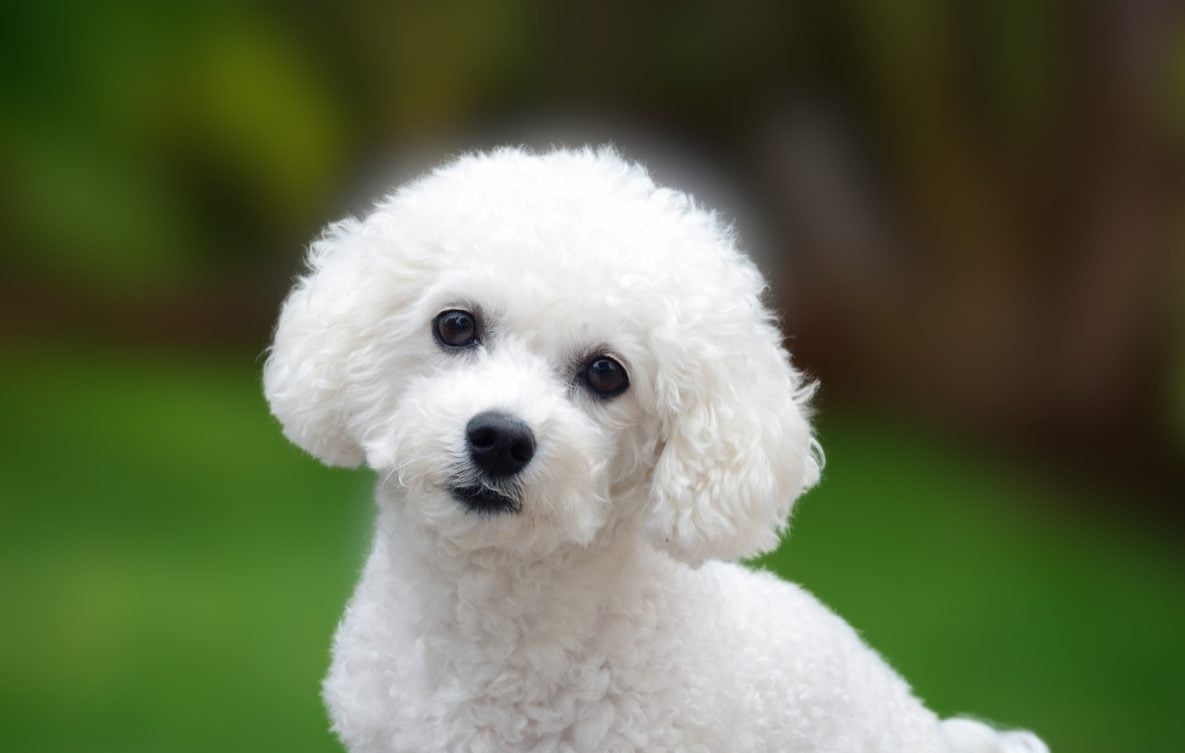
The Bichon Frise is a small, cheerful breed with a curly white coat and a near-permanent wagging tail. It weighs 12 to 18 pounds and lives 14 to 15 years on average. Bichons are playful but adaptable. They fit retirees who want a happy companion with minimal shedding.
Their coat looks like a powder puff and feels soft as cotton candy. Surprisingly, under that fluffy exterior is a sturdy, athletic dog that loves short bursts of zoomies.
Bichons read a room well. They’ll match a quiet afternoon with calm cuddling, then switch to playful energy the moment you pull out a toy.
“He does this little spin when I grab my coat. Even on bad arthritis days, that spin gets me moving toward the door.”
— Frank T., Bichon Frise owner for 7 years
- Considered one of the best hypoallergenic breeds
- Cheerful, adaptable temperament
- Long average lifespan
- Professional grooming adds cost
- Can bark at strangers or noises
- Coat mats without regular brushing
Best for: Retirees with allergies · Those who can budget for grooming · Owners wanting a cheerful indoor playmate
Pug — “The Comedian Who Snores Through Naptime”
| Weight | 14 to 18 pounds |
| Height | 10 to 13 inches |
| Lifespan | 13 to 15 years |
| Energy Level | Low |
| Grooming Need | Weekly brushing, wipe face folds |
| Shedding | Moderate to high |
The Pug is a compact, wrinkle-faced companion breed built entirely for indoor living and gentle play. It weighs 14 to 18 pounds and needs very little exercise. Pugs match their owner’s pace closely. They suit retirees who want a relaxed, snuggly companion with a big personality.
Their flat face and curled tail give them an instantly recognizable, almost cartoonish look. One surprising trait: Pugs snore, snort, and grunt enough to earn the nickname “little clowns” among vets.
Pugs love attention but rarely demand strenuous activity. A short stroll and a lap to sit on usually covers their whole day’s needs.
“His snoring sounds like a tiny chainsaw, but I sleep better hearing it. It means he’s right there next to me.”
— Walter K., Pug owner for 9 years
- Minimal exercise needed
- Friendly with everyone, no aggression
- Short coat, easy weekly brushing
- Breathing trouble in heat or humidity
- Prone to weight gain
- Facial folds need regular cleaning
Best for: Retirees who want a calm indoor buddy · Those in cooler climates · Owners who enjoy a comedic personality
Havanese — “The Bouncy Cuban Companion”
| Weight | 7 to 13 pounds |
| Height | 8.5 to 11.5 inches |
| Lifespan | 14 to 16 years |
| Energy Level | Moderate |
| Grooming Need | Daily brushing or short trim |
| Shedding | Low |
The Havanese is a small, silky-coated companion breed originally bred for Cuban nobility’s laps. It weighs 7 to 13 pounds and lives an exceptional 14 to 16 years. Havanese are social and trainable. They suit retirees who want an easygoing, people-loving dog for daily life.
Their coat comes in many colors and falls in soft waves rather than tight curls. One surprising trait: Havanese often walk with a distinctive springy, bouncy gait that looks almost like a happy skip.
They adapt fast to a slower pace. Many Havanese owners say their dog naps right alongside them but perks right up the moment company arrives.
“She greets the mail carrier like a long-lost friend every single day. My neighbors know her better than they know me.”
— Diane R., Havanese owner for 4 years
- Exceptionally long lifespan
- Low shedding, gentle temperament
- Highly trainable and social
- Can develop separation anxiety
- Coat needs frequent brushing if long
- Less common, may cost more to adopt
Best for: Retirees who want a social, long-lived dog · Those willing to train and socialize · Owners seeking a low-shed coat
Greyhound — “The Surprising Couch Potato”
| Weight | 60 to 70 pounds |
| Height | 27 to 30 inches |
| Lifespan | 10 to 13 years |
| Energy Level | Low indoors, fast in short bursts |
| Grooming Need | Weekly wipe-down, minimal trimming |
| Shedding | Very low |
The Greyhound is a tall, lean former racing breed that spends most of its day resting quietly indoors. It weighs 60 to 70 pounds but moves gently on a leash once retired from racing. Greyhounds need only one daily walk. They suit retirees who want a calm, large dog without high upkeep.
Their sleek body and deep chest were built for speed, not bulk. Surprisingly, most retired racing Greyhounds sleep 18 hours a day and rarely show interest in chasing anything indoors.
You might be thinking a 65-pound dog sounds hard to manage. Here’s why that’s not always true: Greyhounds rarely pull hard and walk at a calm, easy pace on leash.
“Everyone warned me about his size. Turns out he naps on the couch 20 hours a day and walks slower than I do.”
— George N., Greyhound owner for 3 years
- Extremely low grooming needs
- Calm, gentle, often already trained
- One daily walk is usually enough
- Large size, harder to lift if injured
- Thin coat means cold sensitivity
- Needs a fenced yard for off-leash time
Best for: Retirees who want a large, gentle dog · Those with a fenced yard · Owners willing to adopt a retired racer
→ See more calm dog breeds for quiet households
Miniature Poodle — “The Smart Friend Who Won’t Trigger Allergies”
| Weight | 10 to 15 pounds |
| Height | 10 to 15 inches |
| Lifespan | 12 to 15 years |
| Energy Level | Moderate to high |
| Grooming Need | Every 4 to 6 weeks, professional |
| Shedding | Minimal, hypoallergenic coat |
The Miniature Poodle is a small, sharp-minded breed prized for its curly, low-shed coat and trainability. It weighs 10 to 15 pounds and thrives on mental engagement. Poodles need daily activity. They suit retirees who stay active and want a smart, allergy-friendly partner.
Their tight curls come in solid colors like black, white, apricot, or silver. One surprising fact: under the fancy show clip lies one of the most trainable dogs in the world, often ranked second only to the Border Collie in intelligence.
So if you stay active and enjoy teaching new tricks, a Miniature Poodle gives you a mentally engaged, low-shed companion that thrives on routine.
“She learned ‘put your toys away’ in two weeks. I’ve never had a dog this easy to teach, even at her age.”
— Patricia M., Miniature Poodle owner for 6 years
- Highly trainable and intelligent
- Hypoallergenic, low-shed coat
- Long, healthy average lifespan
- Needs daily exercise and mental work
- Professional grooming adds cost
- Can become anxious if under-stimulated
Best for: Active retirees · Owners with allergies · Those who enjoy training games
Pomeranian — “The Fluffy Cloud With a Big Voice”
 Save
Save| Weight | 3 to 7 pounds |
| Height | 6 to 7 inches |
| Lifespan | 12 to 16 years |
| Energy Level | Moderate, mostly indoor play |
| Grooming Need | Brushing 2 to 3 times weekly |
| Shedding | Moderate, seasonal blowouts |
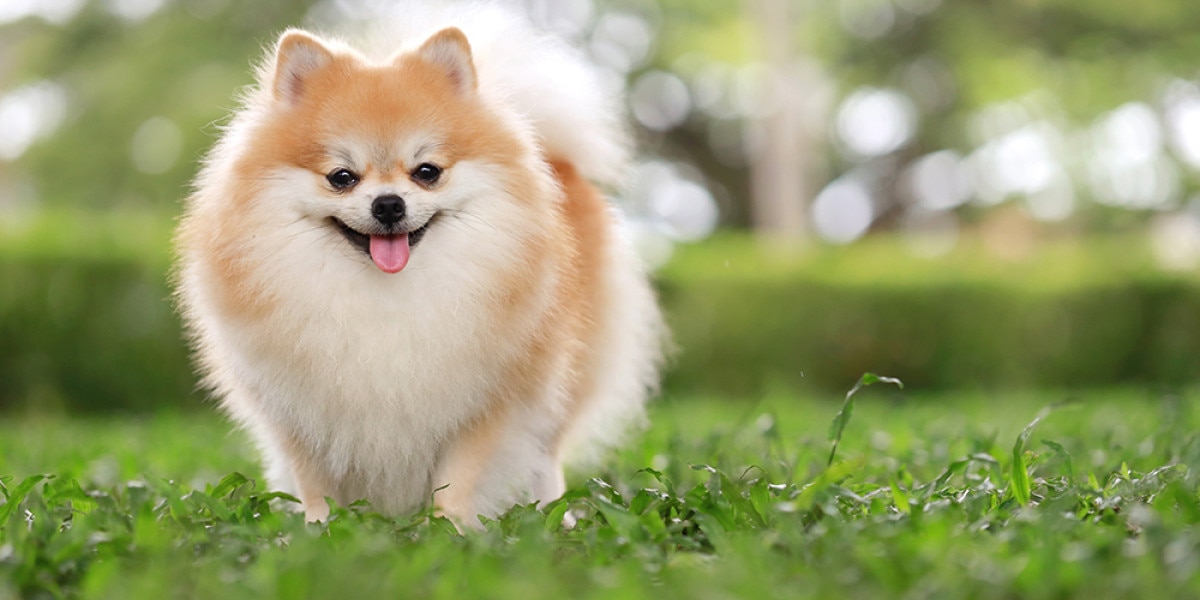
The Pomeranian is a tiny, fox-faced toy breed with a thick double coat and an outsized personality. It weighs just 3 to 7 pounds, making it one of the smallest breeds on this list. Pomeranians need only indoor play and short walks. They suit retirees who want a bold, expressive lap dog.
Their fluffy double coat forms a mane-like puff around the neck and chest. One surprising trait: despite their tiny frame, Pomeranians will alert-bark at strangers three times their size.
That bold streak means a Pomeranian doubles as a built-in doorbell. Most owners say their dog notices a delivery truck long before they do.
“She once chased a German Shepherd off the porch. Four pounds of pure confidence, and now the whole street knows her.”
— Helen B., Pomeranian owner for 5 years
- Tiny size, easy to handle physically
- Alert and protective without aggression
- Long lifespan, full of personality
- Barks more than most breeds here
- Sheds heavily during coat blowouts
- Fragile around small children or falls
Best for: Retirees who want an alert watchdog · Those wanting a tiny, easy-to-handle dog · Owners who enjoy a bold personality
Side-by-Side Comparison of the Best Dog Breeds for Retirees
| Breed | Weight | Energy | Grooming | Lifespan |
|---|---|---|---|---|
| Cavalier King Charles Spaniel | 13–18 lbs | Moderate | Weekly | 12–15 yrs |
| Shih Tzu | 9–16 lbs | Low | Daily | 10–18 yrs |
| French Bulldog | 20–28 lbs | Low | Weekly | 10–12 yrs |
| Maltese | Under 7 lbs | Low-Moderate | Daily | 12–15 yrs |
| Bichon Frise | 12–18 lbs | Moderate | 4–6 weeks | 14–15 yrs |
| Pug | 14–18 lbs | Low | Weekly | 13–15 yrs |
| Havanese | 7–13 lbs | Moderate | Daily | 14–16 yrs |
| Greyhound | 60–70 lbs | Low indoors | Weekly wipe-down | 10–13 yrs |
| Miniature Poodle | 10–15 lbs | Moderate-High | 4–6 weeks | 12–15 yrs |
| Pomeranian | 3–7 lbs | Moderate | 2–3x weekly | 12–16 yrs |
Which Dog Breed Is Right for You?
The right breed for you depends on your energy level, living space, and how much grooming time you want to commit. A breed that fits a busy condo dweller may overwhelm someone with limited mobility. Match the dog to your real daily routine, not your ideal one.
If you are mostly homebound and want constant companionship → the Cavalier King Charles Spaniel or Maltese will thrive beside you all day.
If you have mild dog allergies → the Bichon Frise or Miniature Poodle sheds the least and triggers fewer reactions.
If you live in a hot climate and want minimal grooming → the Greyhound handles heat better than flat-faced breeds and barely sheds.
If you stay active and enjoy daily walks or training → the Miniature Poodle keeps your mind and body engaged together.
Mini Dog Care Essentials Every Retiree Should Know
New retiree dog owners should plan around three core needs: predictable feeding, accessible vet care, and a backup caregiver plan. These three pieces protect both you and your new companion. Most experts agree this groundwork prevents the biggest struggles later.
Set a consistent feeding schedule. Most senior-friendly breeds do well on two measured meals a day, which also helps prevent the weight gain common in low-energy dogs.
Find a vet near you before you need one. The American Kennel Club’s health resources can help you understand breed-specific health screening before your first visit.
Line up a backup plan. Ask a family member, friend, or local pet-sitting service who can step in for walks or vet runs if your mobility changes suddenly.
Mistakes New Retiree Dog Owners Make
The most common mistake is choosing a breed based on looks alone rather than energy level and grooming needs. This often leads to frustration within the first year. Avoiding these mistakes early saves both stress and money down the road.
Skipping pet insurance or a vet care budget is risky. Breeds like the French Bulldog and Pug can carry higher lifetime vet costs due to breathing issues.
Choosing a puppy over an adult dog ranks second. Puppies need more patience, supervision, and physical stamina than many retirees can comfortably offer.
Underestimating grooming time trips up many new owners too. A Shih Tzu or Maltese needs daily brushing — not weekly — to avoid painful matting.
Conclusion
The right dog breed for your retirement years should match your real daily energy, not the dog you remember owning decades ago. Small companion breeds like the Cavalier King Charles Spaniel, Shih Tzu, and Bichon Frise offer affection without demanding more than you can give. This article covers companion-style breeds suited to most retirees. If you need a working or service-trained dog for a specific disability, you’ll want to talk to a specialist trainer instead.
One thing to do right now: Visit a local shelter or breed rescue this week and spend 15 quiet minutes sitting with an adult dog that matches your energy level. I’m Thomas Cutter, and that simple visit is often the moment retirees know they’ve found the right companion.
Frequently Asked Questions
What is the easiest dog breed for an elderly person to take care of?
The French Bulldog and Greyhound rank among the easiest, thanks to low exercise needs and minimal grooming. Both adapt well to a slower, quieter daily routine without losing their affectionate nature.
Should retirees adopt a puppy or an adult dog?
Most experts recommend adult dogs for retirees. Adults are usually house-trained, past the chewing stage, and have a known, settled temperament that’s easier to match to your lifestyle.
Are small dogs always better for seniors than large dogs?
Not always. Small dogs are easier to lift, but calm large breeds like the Greyhound need less daily exercise than many small, high-energy terriers. Temperament matters more than size alone.
Which dog breeds shed the least for retirees with allergies?
The Bichon Frise, Maltese, Havanese, and Miniature Poodle shed the least and are often labeled hypoallergenic. No breed is fully allergen-free, so spend time with the dog first.
How much does it cost to care for a small dog in retirement?
Budget about $50 to $150 monthly for food, routine vet care, and grooming, depending on the breed. Breeds needing professional grooming, like the Poodle, run toward the higher end.

Thomas Cutter is a lifelong dog owner and the founder of FindOutAboutDogs.com. With over 10 years of hands-on experience owning multiple breeds, Thomas created this site to provide honest, research-based dog advice that real owners can actually trust.
