10 American Staffordshire Terrier for 2026 — Rare Coats, Real-Life Fit
Quick Answer
The best lilac color dog breeds include Border Collies, Chinese Shar-Peis, Finnish Lapphunds, and Russian Toys. American Hairless Terriers also offer documented lilac shades. Your best choice depends on size, energy, grooming needs, health, and whether the registry recognizes lilac for that breed.
Lilac dog breeds at a glance:
| Need | Strong Match |
|---|---|
| Active home | Border Collie |
| Small home | Russian Toy |
| Low shedding | American Hairless Terrier |
Choose your lilac dog this way:
- Choose by temperament before coat color.
- Match energy needs with your daily routine.
- Check breed health tests before buying.
A soft gray-purple dog walks past you and catches the light. The coat looks almost silver.
You may hear breeders call that rare shade “lilac.” Yet the term means different things across breeds.
I’m Thomas Cutter, and I focus on helping owners choose dogs by real-life fit. Coat color can attract you. Temperament, health, and care should make the final choice.
- Lilac usually comes from diluted brown pigment.
- Some breed registries list lilac by name.
- Other breeds use lilac as a non-standard term.
- Health and temperament matter more than rarity.
- Never pay more based on color alone.


What Makes a Dog’s Coat Lilac?
Lilac usually describes a pale brown-gray coat with a soft pinkish cast. Genetics create the shade, not purple pigment.
Brown changes black eumelanin into brown. Dilution can then lighten that brown into lilac or Isabella.
The exact look varies by breed. Some coats appear dusty rose, while others look silver-gray.
Nose color also helps. Many lilac dogs show softer brown, gray, or pinkish nose pigment.
Breed registries don’t use one universal naming system. One registry may say lilac while another uses dilute.
So what does that mean? Check the dog’s genes and registration terms before trusting a sales label.
The UC Davis dog coat color guide explains how pigment genes create diluted colors.
You might think every gray-brown dog is lilac. Coat appearance alone can’t prove its genetics.
When I compare color-breed guides, naming differences cause the most confusion. That taught me to check registry language first.
For more coat context, compare these dogs with other brown color dog breeds.
Which Are the 10 Best Lilac Color Dog Breeds?
The best lilac dog depends on much more than coat shade. Activity, body size, grooming, and temperament change daily life.
Border Collies suit owners who want constant training and movement. Russian Toys fit smaller homes much more easily.
Finnish Lapphunds bring a thick northern coat. American Hairless Terriers offer a much different care routine.
Some breeds below have lilac listed by major registries. Others use lilac as a non-standard color term.
That difference matters when you buy a puppy. Rare-color marketing can hide more important health questions.
I ranked these dogs by practical ownership fit. Color rarity never outweighs stable temperament or sound breeding.
You might want the rarest shade first. A healthier dog with the right personality is the better choice.
Now let’s compare each breed before you decide.
1. Border Collie — Lilac Color Dog Breed for Active Owners
 Save
SaveActive owners · Dog sports · Large yards
| Weight | 30–55 pounds |
| Height | 18–22 inches |
| Lifespan | 12–15 years |
| Energy Level | Very high |
| Grooming Need | Moderate |
| Shedding | Moderate to high |
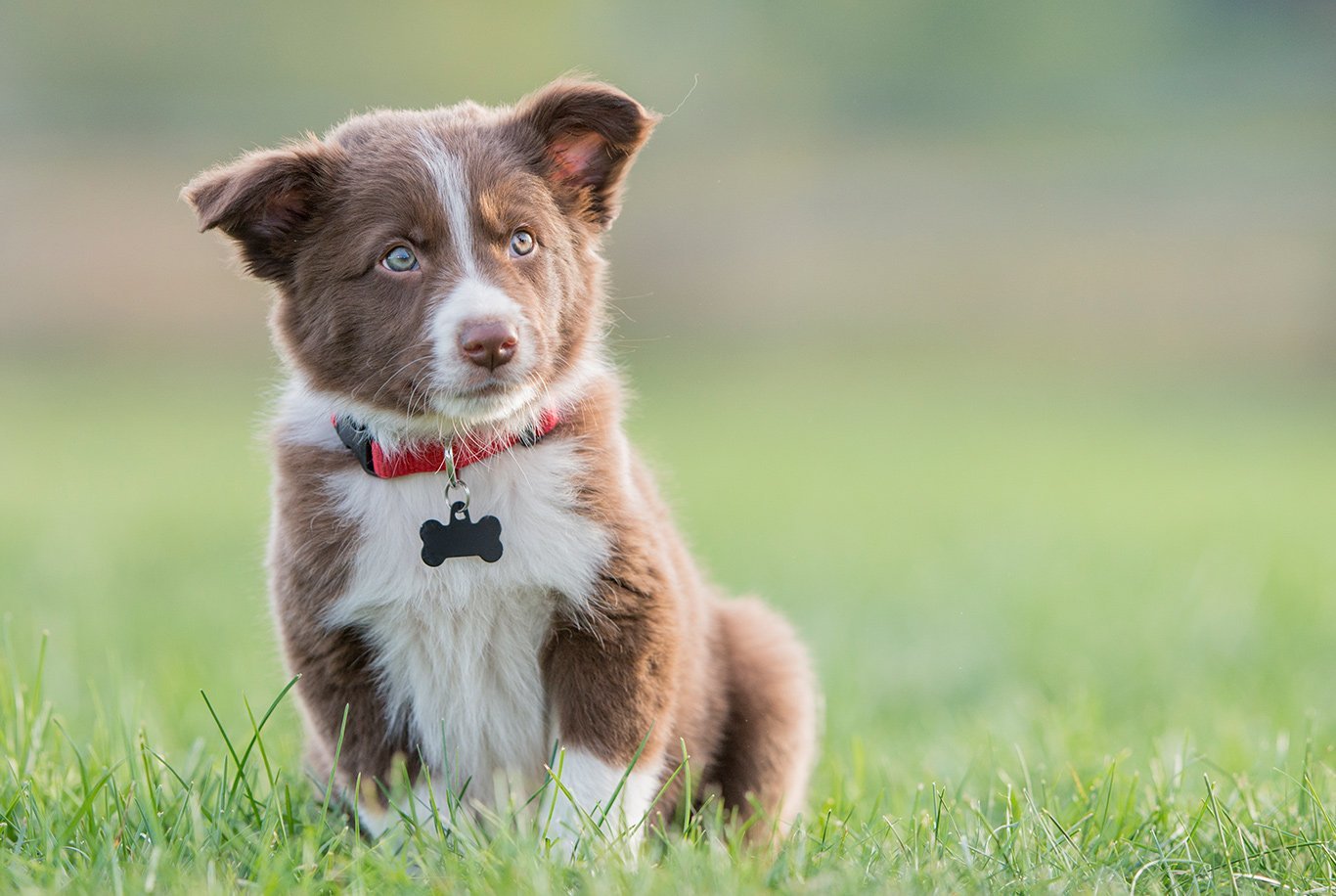
The Border Collie is an athletic herding breed with an officially documented lilac color. Adults weigh 30 to 55 pounds. They learn commands quickly and need demanding daily work. This breed fits active owners who enjoy training, hiking, agility, or other dog sports.
Lilac Border Collies can show muted brown-gray coats with lighter nose pigment. White markings often create striking contrast.
Border Collies watch movement closely and learn patterns fast. Without work, that sharp brain may create unwanted habits.
“A Border Collie often learns the household routine before you notice it. Mental work matters as much as running.”
— Composite owner observation, not a quoted individual
- Exceptional training ability
- Excels at dog sports
- Lilac appears in registry records
- Needs extensive daily activity
- May herd children
- Sheds heavily during seasons
2. Chinese Shar-Pei — Lilac Dilute Dog With a Distinctive Look
Calm homes · Experienced owners · Moderate activity
| Weight | 45–60 pounds |
| Height | 18–20 inches |
| Lifespan | 8–12 years |
| Energy Level | Moderate |
| Grooming Need | Moderate skin care |
| Shedding | Moderate |
The Chinese Shar-Pei is a sturdy companion with lilac dilute listed among its colors. Adults weigh 45 to 60 pounds. They tend to reserve affection for familiar people. Experienced owners often suit this independent breed best because training, skin care, and early social contact matter.
Lilac dilute softens the Shar-Pei’s strong outline with a muted gray-brown shade. Its wrinkles make shadows look deeper.
Shar-Peis often watch strangers before choosing to interact. Their independence can surprise owners expecting eager obedience.
“A Shar-Pei may ignore a stranger yet quietly follow family everywhere. Calm trust tends to matter more than constant attention.”
— Composite owner observation, not a quoted individual
- Moderate exercise needs
- Strong family bond
- Lilac dilute is documented
- Needs careful skin checks
- Can distrust strangers
- Training requires patience
3. Finnish Lapphund — Fluffy Lilac Dog for Outdoor Families
Outdoor families · Cool climates · Active households
| Weight | 33–53 pounds |
| Height | 16–21 inches |
| Lifespan | 12–15 years |
| Energy Level | High |
| Grooming Need | High |
| Shedding | Heavy seasonal |
The Finnish Lapphund is a northern herding dog with lilac included in its color records. Adults weigh 33 to 53 pounds. Their thick coats suit cold weather well. They work best with active families prepared for training, regular brushing, outdoor time, and major seasonal shedding.
A lilac Finnish Lapphund combines muted pigment with a dense double coat. The result can look soft and smoky.
Lapphunds stay alert to movement and household activity. They can also use their voices more than quiet breeds.
“The coat seems manageable until shedding season arrives. A good brush soon becomes essential household gear.”
— Composite owner observation, not a quoted individual
- Adaptable family companion
- Handles cold weather well
- Lilac appears in records
- Heavy seasonal shedding
- Needs daily activity
- Can bark frequently
4. Russian Toy — Tiny Lilac Dog for Small Homes
Apartments · Experienced toy-dog owners · Small households
| Weight | Up to 6.5 pounds |
| Height | 8–11 inches |
| Lifespan | 12–14 years |
| Energy Level | Moderate to high |
| Grooming Need | Low to moderate |
| Shedding | Low to moderate |
The Russian Toy is a tiny companion breed with lilac-and-tan recognized in breed color descriptions. Adults weigh no more than 6.5 pounds. They stay lively despite their small frame. This breed suits careful owners wanting a portable companion with modest space needs and daily play.
Lilac-and-tan Russian Toys show pale brown-gray pigment with warmer tan points. Long-coated dogs add feathering around their ears.
These dogs often act larger than their bodies suggest. Their delicate bones still demand gentle handling and safe play.
“The dog may weigh almost nothing but still wants to join everything. Safe furniture access matters more than expected.”
— Composite owner observation, not a quoted individual
- Fits small homes
- Low food needs
- Lilac-and-tan is documented
- Fragile around rough play
- Needs early social contact
- Can become vocal
5. American Hairless Terrier — Lilac Dilute With Minimal Shedding
 Save
SaveLow-shedding homes · Terrier fans · Indoor families
| Weight | 12–28 pounds |
| Height | 12–16 inches |
| Lifespan | 14–16 years |
| Energy Level | Moderate to high |
| Grooming Need | Low coat care |
| Shedding | Minimal to low |
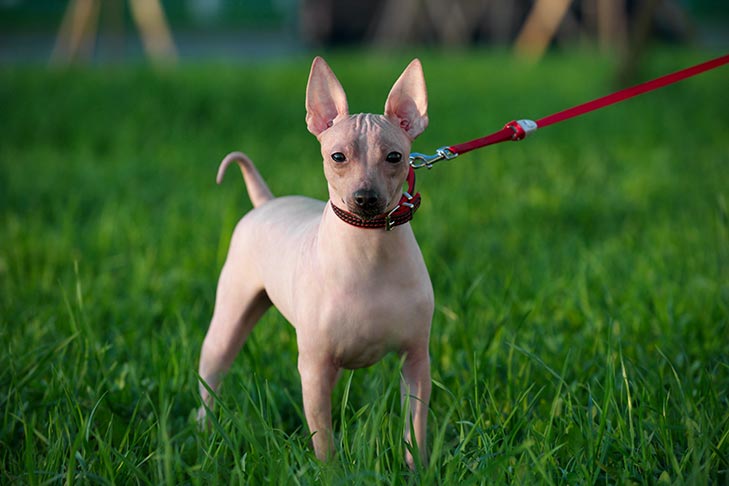
The American Hairless Terrier is a lively small terrier with lilac dilute documented among its colors. Adults weigh 12 to 28 pounds. Hairless dogs shed almost no coat. However, exposed skin needs protection, making this breed best for owners ready to manage sunlight and cold.
Hairless lilac dilute dogs display color directly through much of their skin. Coated dogs show the shade through short hair.
The breed keeps classic terrier curiosity and speed. Small size doesn’t remove its need for games and training.
“Less hair does not mean no grooming routine. Skin checks replace much of the brushing other breeds need.”
— Composite owner observation, not a quoted individual
- Minimal coat shedding
- Compact body size
- Documented lilac dilute color
- Skin needs sun protection
- Cold weather needs planning
- Terrier prey drive remains
6. Peruvian Inca Orchid — Rare Lilac Dog With Hairless Options
Rare-breed fans · Gentle homes · Experienced owners
| Weight | 8.5–55 pounds |
| Height | 9.75–25.75 inches |
| Lifespan | 12–14 years |
| Energy Level | Moderate to high |
| Grooming Need | Moderate skin care |
| Shedding | Minimal to low |
The Peruvian Inca Orchid is a rare breed offered in three size ranges. Lilac appears among documented color choices. Hairless dogs reveal their pigment mainly through skin. They suit owners who want an unusual companion and can manage skin care, warmth, socialization, and regular activity.
The hairless variety gives lilac pigment a smooth, almost stone-like appearance. Coated dogs create a softer visual effect.
These dogs can act reserved around unfamiliar people. They often form close bonds after trust develops.
“A hairless dog changes your care checklist. Warmth, bedding, and skin protection become daily concerns.”
— Composite owner observation, not a quoted individual
- Three useful size ranges
- Rare documented lilac option
- Minimal hairless shedding
- Difficult to find
- Hairless skin needs protection
- Can act reserved
7. Shih Tzu — Lilac Companion Dog With a Registry Caveat
Apartment owners · Companion homes · Lower exercise needs
| Weight | 9–16 pounds |
| Height | 9–10.5 inches |
| Lifespan | 10–18 years |
| Energy Level | Low to moderate |
| Grooming Need | High |
| Shedding | Low |
The Shih Tzu is a small companion dog sometimes registered or described as lilac. However, registry treatment varies, and some organizations classify lilac as non-standard. Adults weigh 9 to 16 pounds. They suit indoor homes well but need steady coat, eye, and face care.
Lilac can give the long Shih Tzu coat a pale taupe-gray cast. Pigment often looks softer around the nose.
Shih Tzus usually care more about nearby people than long workouts. Their coat demands far more work than exercise.
“A short walk may satisfy the dog, but coat care keeps going. A puppy cut can simplify home grooming.”
— Composite owner observation, not a quoted individual
- Fits apartment life
- Low exercise demand
- Low coat shedding
- Requires frequent grooming
- Lilac may be non-standard
- Heat needs careful management
Color fans may also enjoy comparing other solid color dog breeds.
8. Chihuahua — Tiny Dog Sometimes Marketed as Lilac
Small apartments · Adult homes · Portable companionship
| Weight | Up to 6 pounds |
| Height | 5–8 inches |
| Lifespan | 14–16 years |
| Energy Level | Moderate |
| Grooming Need | Low to moderate |
| Shedding | Moderate |
The Chihuahua is sometimes marketed as lilac when brown pigment combines with dilution. Major breed color lists may use different names instead. Adults weigh no more than 6 pounds. Chihuahuas fit small homes easily, but their tiny size requires safe handling and thoughtful social training.
So-called lilac Chihuahuas can look pale chocolate-gray with light nose pigment. Lighting can change the apparent shade greatly.
Chihuahuas stay alert and notice small sounds quickly. Poor social habits can turn that awareness into frequent barking.
“Tiny dogs still need normal dog training. Carrying them everywhere can replace useful confidence-building experiences.”
— Composite owner observation, not a quoted individual
- Needs little living space
- Easy to transport
- Long expected lifespan
- Fragile around rough handling
- Can bark often
- Lilac naming varies
9. French Bulldog — Popular Lilac Dog With Non-Standard Color
Apartment homes · Companion owners · Moderate activity
| Weight | Under 28 pounds |
| Height | 11–13 inches |
| Lifespan | 10–12 years |
| Energy Level | Moderate |
| Grooming Need | Low coat care |
| Shedding | Moderate |
The French Bulldog is one of the breeds most often marketed in lilac shades. However, lilac is not a standard AKC color label. Adults stay under 28 pounds. Their compact build suits smaller homes, but breathing, heat tolerance, skin, spine, and breeding health deserve far more attention than color.
Lilac Frenchies can show pale taupe-gray coats with light eyes and nose pigment. Some sellers charge large color premiums.
French Bulldogs usually enjoy short play sessions and human company. Their flat faces make heat management especially important.
“The rare color gets attention first. Daily comfort, breathing, and heat tolerance matter much more after purchase.”
— Composite owner observation, not a quoted individual
- Compact for smaller homes
- Moderate exercise needs
- Strong companion focus
- Lilac is non-standard
- Heat tolerance is limited
- Health screening matters greatly
10. American Staffordshire Terrier — Strong Lilac-Type Dilute Companion
 Save
SaveActive adults · Training-focused homes · Strong-dog experience
| Weight | 40–70 pounds |
| Height | 17–19 inches |
| Lifespan | 12–16 years |
| Energy Level | High |
| Grooming Need | Low |
| Shedding | Moderate |
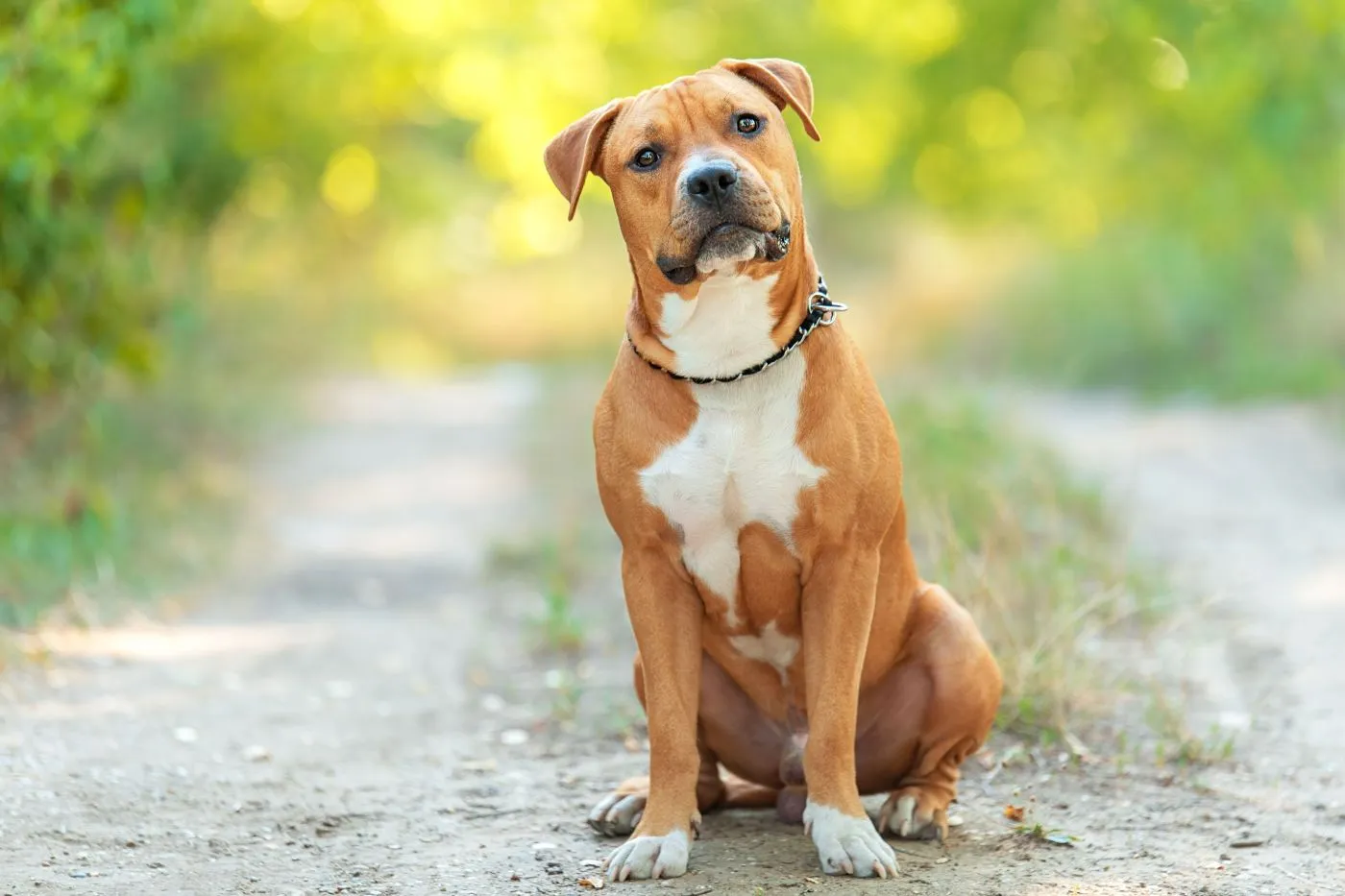
The American Staffordshire Terrier can carry brown and dilute pigment genes that create lilac-type shades. Registry naming may differ from breeder terms. Adults weigh 40 to 70 pounds. They need structured training, daily exercise, secure handling, and owners prepared for a strong, athletic companion.
A lilac-type AmStaff may show a pale gray-brown coat over a muscular frame. Short hair makes pigment easy to see.
These dogs often enjoy active games and close human contact. Strength makes early leash manners especially useful.
“Strength changes the importance of basic manners. Loose-leash skills make ordinary walks much easier.”
— Composite owner observation, not a quoted individual
- Easy short-coat grooming
- Athletic training partner
- Strong human focus
- Needs firm leash skills
- Requires daily activity
- Lilac terminology can vary
How Do These Lilac Dog Breeds Compare?
No lilac breed wins every category. Border Collies lead for training intensity but demand the most daily work.
Russian Toys and Chihuahuas require little floor space. Their fragile size creates different safety concerns.
American Hairless Terriers reduce coat shedding. Hairless skin still needs protection from weather and sunlight.
Finnish Lapphunds offer thick, dramatic coats. That beauty comes with substantial seasonal shedding.
French Bulldogs need moderate exercise but require careful health screening. Rare color should never justify weak breeding choices.
Shar-Peis offer a calmer pace than herding breeds. Their skin and independent temperament need informed care.
When I compare breeds side by side, lifestyle gaps become obvious. That makes color a secondary choice.
The table below gives you the fastest way to narrow your shortlist.
| Breed | Size | Energy | Grooming | Lilac Status |
|---|---|---|---|---|
| Border Collie | Medium | Very high | Moderate | Documented |
| Chinese Shar-Pei | Medium | Moderate | Moderate | Lilac dilute documented |
| Finnish Lapphund | Medium | High | High | Documented |
| Russian Toy | Tiny | Moderate-high | Low-moderate | Documented |
| American Hairless Terrier | Small | Moderate-high | Low coat care | Lilac dilute documented |
| Peruvian Inca Orchid | Three sizes | Moderate-high | Skin focused | Documented |
| Shih Tzu | Small | Low-moderate | High | May be non-standard |
| Chihuahua | Tiny | Moderate | Low-moderate | Naming varies |
| French Bulldog | Small | Moderate | Low | Non-standard |
| AmStaff | Medium | High | Low | Terminology varies |
If lilac looks almost metallic to you, compare it with these silver color dog breeds.
Which Lilac Color Dog Breed Is Right for You?
Your lifestyle should choose the breed before your eyes choose the color. Start with exercise, space, grooming, and handling needs.
An active runner may enjoy a Border Collie. A quiet apartment owner may prefer a Russian Toy.
Families wanting less coat shedding can consider American Hairless Terriers. Skin care still becomes part of ownership.
Cold-climate outdoor families may enjoy Finnish Lapphunds. Their dense coats become harder in hot, humid weather.
Owners drawn to French Bulldogs should study health first. Coat rarity adds no protection from breed health risks.
The same rule applies to every rare color. A sound dog in a common shade beats poor breeding.
When choices feel close, remove color from your decision for one minute. The better lifestyle match often becomes clear.
Then let color become the final preference, not the first filter.
Is this right for me?
If you want intense training → choose a Border Collie.
If you need tiny size → consider a Russian Toy.
If shedding bothers you → consider an American Hairless Terrier.
If you want moderate activity → research the Shar-Pei carefully.
How Should You Care for a Lilac Dog’s Coat and Skin?
Lilac pigment doesn’t create one universal grooming routine. Breed coat type still controls brushing, bathing, and skin care.
A Finnish Lapphund needs heavy-coat maintenance. A French Bulldog requires far less brushing but more fold awareness.
Hairless breeds need a different plan. Their exposed skin needs weather protection and gentle products.
Some dilute-coated dogs can develop inherited coat problems. However, dilution does not make every dog unhealthy.
The Merck Veterinary Manual on inherited coat disorders explains color dilution alopecia.
Watch for thinning hair, scaling, repeated skin trouble, or unusual coat breakage. Ask your veterinarian about persistent changes.
When I compare rare-color dogs, breed care differences remain larger than color differences. That keeps grooming advice practical.
Your next step is simple. Learn the normal skin and coat pattern for your chosen breed.
Photograph your dog’s coat monthly. Changes become easier to spot.
What Do Most People Get Wrong About Lilac Dog Breeds?
The biggest mistake is treating “lilac” as one fixed breed-standard color. Different registries use different color terms.
Another mistake is assuming rare color means higher quality. Rarity tells you almost nothing about temperament or health.
A high price also proves nothing about breeder skill. Marketing demand can raise prices without improving the dog.
Some buyers also confuse lilac with blue or silver. Natural light can make these shades appear surprisingly similar.
Registry descriptions should help settle naming questions. Health tests should settle far more important breeding questions.
You might think pedigree papers guarantee sound breeding. Registration and thorough health screening are separate issues.
When color labels become confusing, I return to one rule. Buy the dog behind the color.
That approach prevents a rare shade from hiding a poor match.
Avoid breeders who discuss color but dodge health questions.
If you enjoy varied coat patterns, explore these multi-color dog breeds too.
What Should You Check Before Buying a Lilac Puppy?
Check the breeder before checking the puppy’s exact shade. Ask which health tests apply to both parents.
Request records rather than accepting verbal claims. Good breeders can explain why each health test matters.
Ask how the breeder defines lilac. Then compare that term with the breed registry’s listed colors.
Meet the mother when possible. Watch her movement, breathing, skin, behavior, and response to normal handling.
Look at how puppies live. Clean surroundings and normal social contact matter more than staged photographs.
Never accept a large price premium without asking why. Color alone doesn’t increase companionship or trainability.
When I review breeder claims, clear answers build trust faster than marketing language. Good breeding should withstand questions.
This article covers breed choice and lilac color. Complex health concerns need advice from your veterinarian.
You can also review how the AKC records breed colors and markings.
Conclusion: Which Lilac Dog Breed Should You Choose?
Choose the breed that fits your life before choosing a lilac coat. Border Collies suit active homes best.
Russian Toys offer tiny size, while hairless breeds reduce coat shedding. Every choice brings different care needs.
Your one action right now is simple. Write down your ideal dog’s daily exercise level.
I’m Thomas Cutter, and I’d make that lifestyle match before comparing puppy colors.
Frequently Asked Questions
Are lilac dogs actually purple?
No, lilac dogs aren’t truly purple. The term usually describes pale gray-brown or taupe pigment created by coat-color genes. Lighting, coat length, and surrounding markings can change how the shade appears. Some lilac dogs look almost silver, while others show warmer brown or pink tones.
Is lilac a rare dog color?
Yes, lilac can be uncommon because specific pigment combinations must occur. However, rarity varies greatly between breeds. Some breed registries list lilac directly, while others don’t recognize that label. Never assume a puppy deserves a large premium simply because a seller calls its coat rare.
Are lilac dogs less healthy?
Lilac color alone doesn’t mean a dog will be unhealthy. Some dilute dogs in certain breeds can develop coat or skin problems. Breed-specific health risks also matter greatly. Choose breeders who complete recommended health tests and discuss problems openly instead of focusing mainly on color.
What is the difference between blue and lilac dogs?
Blue usually describes diluted black pigment, while lilac generally involves diluted brown pigment. That difference can affect nose and skin color too. Lilac often looks warmer or more taupe. Blue tends to look cooler and slate-gray, although photographs can make both shades appear similar.
What is the best lilac dog breed for an apartment?
A Russian Toy can suit apartment life because its body is tiny. Shih Tzus and Chihuahuas can also fit small homes. However, barking, training, grooming, and exercise still matter. Choose the breed whose daily needs match your routine rather than choosing only by apartment size.

Thomas Cutter is a lifelong dog owner and the founder of FindOutAboutDogs.com. With over 10 years of hands-on experience owning multiple breeds, Thomas created this site to provide honest, research-based dog advice that real owners can actually trust.
