10 Best Brown Color Dog Breeds for Every Lifestyl
Quick Answer
The best brown color dog breeds include Chocolate Labradors, Boykin Spaniels, Chesapeake Bay Retrievers, brown Poodles, Newfoundlands, Dachshunds, Cocker Spaniels, Irish Water Spaniels, Field Spaniels, and German Shorthaired Pointers. Your best match depends on size, energy, grooming time, shedding tolerance, and family lifestyle.
| Need | Strong Match |
|---|---|
| Family-friendly choice | Chocolate Labrador |
| Low shedding | Brown Standard Poodle |
| Small home | Chocolate Dachshund |
Choose your brown dog by lifestyle:
- Choose a Labrador if you want an outgoing family companion.
- Choose a Poodle if low shedding matters most.
- Choose a Dachshund if you need a smaller dog.
- Choose a sporting breed if you enjoy daily outdoor activity.
Warm chocolate fur catches the light in a way that feels rich and comforting. Then reality arrives. The dog still needs exercise, training, grooming, and daily care.
That is why looks should start your search, not finish it. The best brown color dog breeds come in many sizes and energy levels. Some love busy family life. Others need serious outdoor work.
This 2026 guide focuses on real lifestyle fit. It covers purebred dogs with recognized brown, chocolate, or liver coats.
- Brown coats appear as chocolate, liver, brown, or similar shades.
- Coat color does not decide a dog’s personality.
- Labradors offer one of the easiest all-around family fits.
- Poodles suit homes wanting less loose hair.
- Sporting brown breeds need far more exercise than looks suggest.


What Makes a Dog Breed Truly Brown?
A brown dog has visible brown pigment in all or part of its coat. Breed standards may call that color brown, chocolate, liver, or another related shade. The names can differ, but many dark brown coats involve eumelanin pigment appearing brown instead of black. Genetics shape the shade. They do not decide whether a dog is calm, friendly, stubborn, or easy to train. Temperament comes from breed traits, breeding, socialization, health, and life experience. So if you love brown dogs, use color as your first filter. Then compare size, exercise, grooming, shedding, and training needs. That approach gives you a much better long-term match.
The UC Davis Veterinary Genetics Laboratory brown coat guide explains the basic brown pigment process. Two recessive brown variants often produce brown eumelanin.
Here is the useful part. “Chocolate” and “liver” often describe shades most owners simply call brown.
You might be thinking every brown dog shares the same coat gene. Dog color genetics can involve several interacting genes.
Choose temperament first. Treat coat color as a bonus.
Now you can compare the breeds themselves.
Which Are the 10 Best Brown Color Dog Breeds?
The strongest brown dog choices cover nearly every common lifestyle. Chocolate Labradors suit active family homes. Boykin and Field Spaniels offer smaller sporting options. Chesapeake Bay Retrievers fit experienced outdoor owners. Brown Poodles combine brains with low shedding. Newfoundlands offer a calm giant option. Dachshunds give small-home owners a compact choice. Cocker Spaniels balance manageable size with sporting roots. Irish Water Spaniels suit active owners who accept coat care. German Shorthaired Pointers fit runners, hikers, and field-sport homes. No breed wins for every person. The best choice is the breed whose hardest daily need still feels realistic for you.
The order below favors practical ownership fit. It does not rank coat beauty.
1. Chocolate Labrador Retriever — Best Brown Dog for Many Families
 Save
Save| Weight | 55–80 lbs |
| Height | 21.5–24.5 inches |
| Lifespan | 11–13 years |
| Energy Level | High |
| Grooming Need | Low |
| Shedding | High |
The Chocolate Labrador Retriever is a sturdy brown sporting dog with broad family appeal. Adults usually weigh 55 to 80 pounds. Labs are social, food-driven, active, and eager to join family routines. They suit owners who can provide exercise, training, swimming, retrieving games, and plenty of daily contact.
Chocolate Labs have short, dense coats with rich brown pigment. Their wide heads and thick tails give them a powerful look.
Most Labs enjoy people and activity. Their friendly nature does not mean low energy. Young Labs can stay bouncy for years.
The American Kennel Club Labrador profile recognizes chocolate as a standard Labrador color.
Illustrative owner scenario: “Our Lab settles best after fetch. Skip exercise, and every shoe becomes interesting.”
- Highly trainable with food rewards
- Strong family social drive
- Simple coat maintenance
- Sheds heavily around the home
- Needs daily physical exercise
- Young dogs can overwhelm toddlers
Best for: Active families · First-time owners · Outdoor households
→ Compare more dog breeds for beginners
2. Boykin Spaniel — Best Solid-Brown Sporting Companion
| Weight | 25–40 lbs |
| Height | 14–18 inches |
| Lifespan | 10–15 years |
| Energy Level | High |
| Grooming Need | Medium |
| Shedding | Medium |
The Boykin Spaniel is one of the clearest examples of a naturally brown dog breed. Its coat ranges from rich liver to deep chocolate. Boykins are smaller than many retrievers but keep true sporting-dog energy. They suit active owners who want a trainable dog for swimming, hiking, retrieving, and busy family life.
The coat has light waves or curls. Long ears and warm eyes soften its athletic frame.
Boykins often work hard outdoors and settle close to people indoors. Their compact size can hide serious stamina.
Illustrative owner scenario: “Our Boykin fits easily in the car. His energy needs do not feel small.”
- Beautiful solid liver coat
- Compact sporting-dog size
- Enjoys training and retrieving
- Needs substantial daily activity
- Feathering collects outdoor debris
- Can become restless without work
Best for: Outdoor couples · Sporting homes · Active families
3. Chesapeake Bay Retriever — Best Brown Dog for Serious Outdoor Owners
| Weight | 55–80 lbs |
| Height | 21–26 inches |
| Lifespan | 10–13 years |
| Energy Level | High |
| Grooming Need | Low |
| Shedding | Medium-High |
The Chesapeake Bay Retriever is a powerful brown retriever developed for demanding water work. Standard colors include brown, dark brown, light brown, sedge, and deadgrass. Chessies are athletic, devoted, and more reserved than many Labradors. They fit experienced owners who enjoy swimming, hunting, hiking, training, and structured daily activity.
The short double coat often carries a natural wave. Amber eyes create strong contrast against chocolate shades.
Chessies usually bond deeply with their people. They may show more independence and watchfulness than Labs.
The AKC Chesapeake Bay Retriever profile lists several recognized brown shades.
Illustrative owner scenario: “Our Chessie learns quickly. He still wants to know why a command matters.”
- Excellent cold-water athlete
- Low coat-trimming needs
- Strong bond with family
- Needs experienced daily handling
- High exercise requirements
- More reserved with strangers
Best for: Hunters · Experienced owners · Outdoor homes
4. Brown Standard Poodle — Best Brown Dog for Low Shedding
| Weight | 40–70 lbs |
| Height | Over 15 inches |
| Lifespan | 10–18 years |
| Energy Level | High |
| Grooming Need | High |
| Shedding | Low |
The brown Standard Poodle combines a rich curly coat with high intelligence and low shedding. Standards usually weigh 40 to 70 pounds. They learn quickly and need both physical exercise and mental work. Brown Poodles suit owners who want an athletic family companion and accept regular brushing, clipping, and professional grooming costs.
The dense curls can look dark chocolate when young. Some brown coats become lighter with age.
Poodles often surprise people with their athletic drive. The fancy coat hides a capable water-retrieving heritage.
Illustrative owner scenario: “Our Poodle learns new games fast. Repeating old drills bores him sooner.”
- Leaves little loose hair
- Highly trainable and alert
- Adapts to many activities
- Needs regular professional grooming
- Requires steady mental stimulation
- Coat mats without brushing
Best for: Low-shed homes · Training fans · Active families
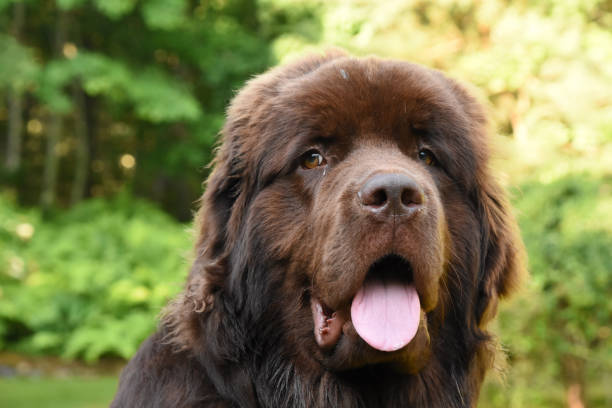
5. Brown Newfoundland — Best Gentle Giant in Chocolate
 Save
Save| Weight | 100–150 lbs |
| Height | 26–28 inches |
| Lifespan | 9–10 years |
| Energy Level | Medium |
| Grooming Need | High |
| Shedding | High |
The brown Newfoundland is a huge working dog with a thick chocolate coat and gentle demeanor. Adults can weigh 100 to 150 pounds. Newfoundlands usually need less intense exercise than sporting retrievers. However, their size, shedding, drool, food costs, and grooming make them a major household commitment.
Brown Newfoundlands carry a dense double coat and broad frame. Their soft expression can make the giant size feel less imposing.
Many Newfoundlands prefer steady walks and swimming over nonstop running. Space still matters because their bodies occupy plenty.
Illustrative owner scenario: “Our Newf moves slowly indoors. Somehow his fur reaches every room first.”
- Calm adult household presence
- Strong swimming heritage
- Usually patient with family
- Heavy shedding and drool
- Large food and care costs
- Needs substantial living space
Best for: Large homes · Calm families · Giant-breed enthusiasts
→ Explore dog breeds for big families
6. Chocolate Dachshund — Best Small Brown Dog for Compact Homes
| Weight | 16–32 lbs |
| Height | 8–9 inches |
| Lifespan | 12–16 years |
| Energy Level | Medium |
| Grooming Need | Low |
| Shedding | Low-Medium |
A chocolate Dachshund offers rich brown coloring in a compact, bold hound. Standard Dachshunds usually weigh 16 to 32 pounds. Their small footprint suits many apartments and smaller homes. However, their hunting background brings barking, scent drive, independence, and a strong need for careful back protection.
Chocolate coats can appear with tan points or patterns. The long body and short legs remain unmistakable.
Dachshunds often behave like much larger dogs. They may challenge visitors, noises, or animals without noticing their size.
Illustrative owner scenario: “Our Dachshund fits under one arm. His opinions fill the whole house.”
- Compact size for small homes
- Long average lifespan
- Smooth coats need little grooming
- Frequent barking can develop
- Back safety needs attention
- Recall can be challenging
Best for: Smaller homes · Adult households · Hound lovers
7. Brown Cocker Spaniel — Best Brown Dog for Manageable Family Size
| Weight | 20–30 lbs |
| Height | 13.5–15.5 inches |
| Lifespan | 10–14 years |
| Energy Level | Medium |
| Grooming Need | High |
| Shedding | Medium |
The brown Cocker Spaniel gives you sporting-dog personality in a smaller package. Brown, brown-and-tan, and brown-and-white colors occur in the breed. Cockers usually stay between 20 and 30 pounds. They suit families wanting an affectionate, trainable companion and accepting regular ear care, brushing, and professional coat trimming.
The flowing ears frame large expressive eyes. A polished Cocker coat can look silky and luxurious.
Do not mistake the showy coat for low energy. Cockers still carry the instincts of working spaniels.
Illustrative owner scenario: “Our Cocker loves the sofa. Mention a walk, and she reaches the door first.”
- Manageable size for families
- Responsive to reward training
- Many attractive brown patterns
- Ears need frequent checks
- Coat requires regular grooming
- Can dislike long isolation
Best for: Families · Suburban homes · Grooming-ready owners
→ Compare medium family dog breeds
8. Irish Water Spaniel — Best Curly Liver Dog for Swimmers
| Weight | 45–68 lbs |
| Height | 21–24 inches |
| Lifespan | 12–13 years |
| Energy Level | High |
| Grooming Need | High |
| Shedding | Low |
The Irish Water Spaniel is a tall, athletic spaniel with a naturally liver-colored curly coat. It weighs about 45 to 68 pounds. The breed combines strong swimming ability with playful home behavior. It fits experienced active owners who want lower shedding and can handle brushing, trimming, training, and substantial daily exercise.
Tight curls cover most of the body. The smooth tapered tail creates an unusual silhouette.
Irish Water Spaniels often mix clownish behavior with real working drive. Boredom can quickly create unwanted projects.
Illustrative owner scenario: “Ours loves water more than clean floors. Dry towels stay near every door.”
- Distinct solid liver coat
- Low loose-hair shedding
- Excellent swimming ability
- Coat needs skilled grooming
- Requires hard daily exercise
- Can act reserved initially
Best for: Swimmers · Active owners · Low-shed seekers
9. Field Spaniel — Best Rich-Liver Dog for Balanced Activity
| Weight | 35–50 lbs |
| Height | 17–18 inches |
| Lifespan | 12–13 years |
| Energy Level | Medium-High |
| Grooming Need | Medium |
| Shedding | Medium |
The Field Spaniel is a medium sporting dog available in rich liver shades. Adults usually weigh 35 to 50 pounds. Fields tend to combine active outdoor behavior with a softer household manner. They suit owners wanting a less common brown spaniel and enough daily time for walks, play, training, and coat care.
The glossy coat falls close to the body. Feathered ears and legs create a refined sporting look.
Field Spaniels can be sensitive to harsh handling. Clear reward-based training usually suits their softer temperament better.
Illustrative owner scenario: “Our Field notices my mood quickly. Calm training gets better results than pressure.”
- Rich glossy liver coloring
- Manageable medium body size
- Enjoys home and field
- Less common than Cockers
- Needs regular feathering care
- Sensitive to rough training
Best for: Gentle trainers · Active families · Spaniel enthusiasts
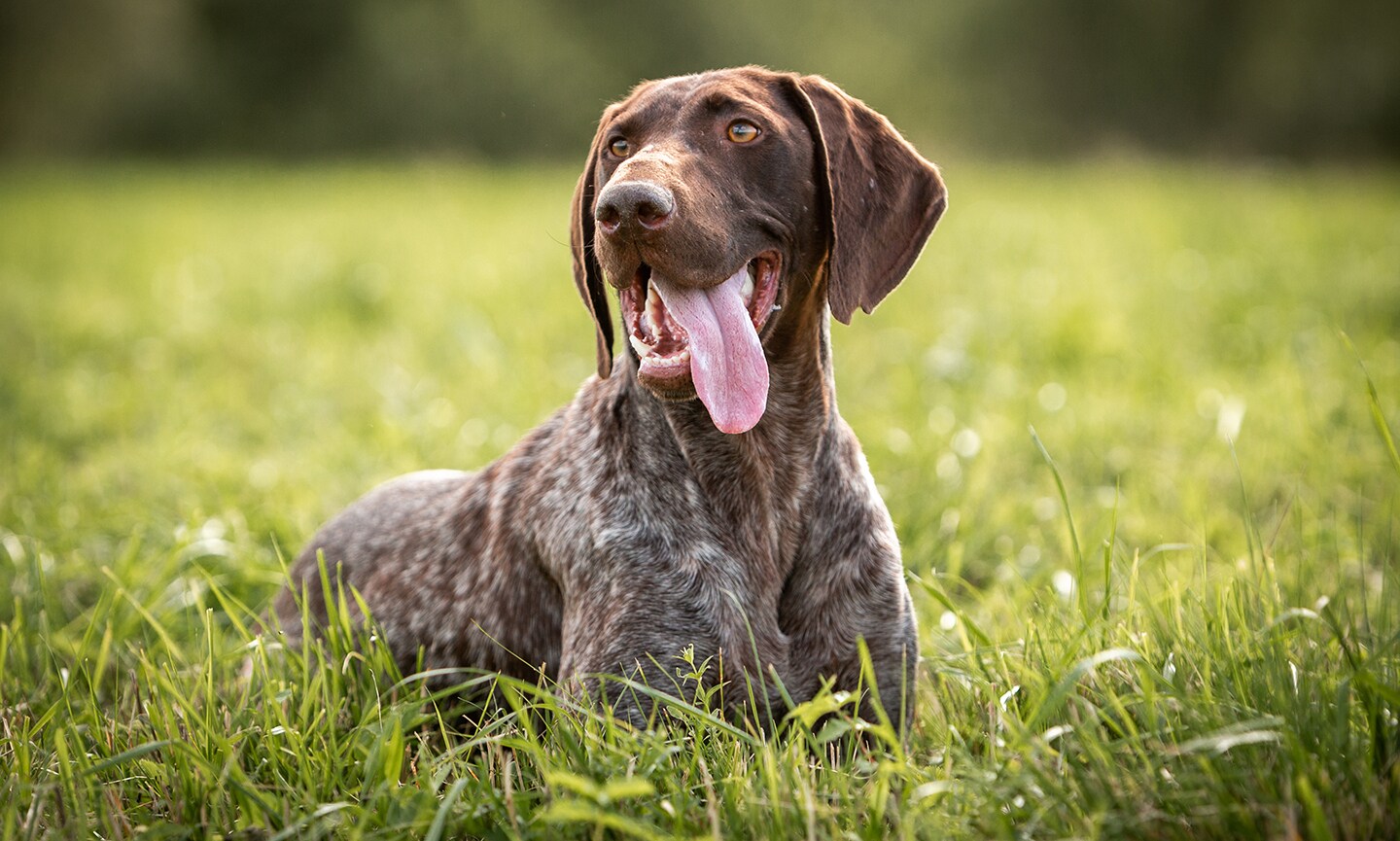
10. Liver German Shorthaired Pointer — Best Brown Dog for Runners
 Save
Save| Weight | 45–70 lbs |
| Height | 21–25 inches |
| Lifespan | 10–12 years |
| Energy Level | Very High |
| Grooming Need | Low |
| Shedding | Medium |
The German Shorthaired Pointer can wear a solid liver coat that looks deep reddish brown. This athletic breed usually weighs 45 to 70 pounds. GSPs thrive on running, field work, swimming, training, and long outdoor sessions. They suit highly active owners rather than people seeking an easy brown couch companion.
The short coat shows muscular lines clearly. Solid liver dogs have a sleek, clean, athletic appearance.
GSPs often stay busy well beyond puppyhood. Their physical stamina comes with equally strong mental needs.
Illustrative owner scenario: “A normal walk barely warms ours up. Training starts after the walk ends.”
- Easy short-coat grooming
- Excellent endurance for sports
- Learns active training quickly
- Extreme daily exercise needs
- Strong prey drive possible
- Bored dogs become destructive
Best for: Runners · Hikers · Sporting households
How Do the Best Brown Dog Breeds Compare?
The biggest differences between brown dog breeds have little to do with color. Chocolate Labradors and German Shorthaired Pointers both look athletic, but the GSP usually needs harder daily exercise. Poodles and Irish Water Spaniels shed less, but both demand serious coat care. Dachshunds need less space, yet their barking and back care deserve attention. Newfoundlands often feel calmer indoors, but their size increases food, grooming, cleaning, and transport costs. Spaniels fall between these extremes. Boykins bring high sporting energy. Cockers offer a smaller family size. Field Spaniels provide a steadier medium option. Compare the hardest requirement first. A dog becomes difficult when its daily needs conflict with your routine.
| Breed | Size | Energy | Grooming | Shedding | Best Fit |
|---|---|---|---|---|---|
| Chocolate Labrador | Large | High | Low | High | Families |
| Boykin Spaniel | Medium | High | Medium | Medium | Outdoor homes |
| Chesapeake | Large | High | Low | Medium-High | Experienced owners |
| Standard Poodle | Medium-Large | High | High | Low | Low-shed homes |
| Newfoundland | Giant | Medium | High | High | Large homes |
| Dachshund | Small | Medium | Low | Low-Medium | Small homes |
| Cocker Spaniel | Small-Medium | Medium | High | Medium | Families |
| Irish Water Spaniel | Medium-Large | High | High | Low | Active swimmers |
| Field Spaniel | Medium | Medium-High | Medium | Medium | Gentle trainers |
| German Shorthaired Pointer | Large | Very High | Low | Medium | Runners |
Use this table to remove bad matches first. Then compare the remaining two or three breeds closely.
Which Brown Dog Breed Is Right for You?
Your best brown dog depends on the routine you can repeat for years. Choose a Chocolate Labrador if you want a social family dog and enjoy daily exercise. Pick a brown Standard Poodle when lower shedding matters more than grooming costs. Choose a Dachshund when floor space is limited and barking does not bother you. Consider a Newfoundland only when giant size, shedding, and higher costs fit your home. Boykins, Chessies, Irish Water Spaniels, Field Spaniels, and German Shorthaired Pointers suit people who actively enjoy outdoor training. A beautiful coat cannot rescue a poor lifestyle match. Choose the daily routine first. Then choose the brown breed that fits it.
If you are a first-time owner → start with a Labrador or well-matched Cocker.
If loose hair bothers you → consider a Poodle or Irish Water Spaniel.
If you run or hike often → consider a GSP, Boykin, or Chessie.
If you want a smaller dog → compare a Dachshund with a Cocker Spaniel.
This guide covers breed-level patterns. An individual dog’s behavior can differ from the average.
For a broader starting point, compare dog breeds for first-time owners.
Pick the breed whose hardest requirement still feels easy to repeat every week.
What Care Do Brown-Coated Dogs Need?
Brown coats do not need a special universal care routine. Coat type matters much more than pigment. A Chocolate Labrador needs simple brushing but sheds heavily. A Poodle sheds little but needs regular clipping. A Newfoundland requires deep brushing through a dense double coat. Spaniels need ear and feathering care. Short-coated Dachshunds and German Shorthaired Pointers need less grooming, yet they still shed. All dogs need balanced food, nail care, dental care, exercise, training, and regular veterinary checks. Sun, dirt, dead hair, and coat condition can change how rich brown fur looks. Good health creates the best coat. Color-enhancing products cannot replace sound daily care.
Brush all the way to the skin on longer coats. Surface brushing can leave hidden mats behind.
Check floppy ears after swimming. Moist ears can trap warmth and debris.
Match your brush to coat type, not coat color.
If easy temperament matters too, compare these easy-going dog breeds for calmer homes.
What Do Most People Get Wrong About Brown Dog Breeds?
The biggest mistake is assuming coat color predicts behavior. A Chocolate Labrador does not become calmer, wilder, smarter, or less trainable because it is chocolate. A brown Poodle is still a Poodle. A liver German Shorthaired Pointer still carries strong sporting instincts. Color may matter for appearance and breed standards, but daily behavior comes from genetics beyond color, early development, training, health, environment, and individual temperament. Another mistake is choosing rare shades before checking responsible breeding practices. Health, temperament, structure, and proper testing should come first. A fashionable coat is never worth ignoring poor breeding decisions. Choose the dog first. Choose the shade second.
You might also hear that one Labrador color is easier than another. Coat color alone does not support that promise.
Brown dogs can also photograph lighter or redder in strong sunlight. That visual change does not create a new breed color.
Never choose a breeder based on rare color claims alone.
Health records and temperament matter far more than a trendy shade.
Conclusion
The best brown color dog breed is the one that fits your real routine. Chocolate Labradors offer broad family appeal, while Poodles suit lower-shed homes. Sporting breeds need far more activity, and Newfoundlands need far more space. Right now, write down your available exercise time, dog size limit, and grooming tolerance.
Frequently Asked Questions
What is the best brown dog breed for a family?
A Chocolate Labrador Retriever is one of the strongest all-around choices for active families. Labs are social, trainable, sturdy, and eager to join family life. They still need daily exercise and shed heavily. A Cocker Spaniel can suit families wanting a smaller brown dog with moderate energy.
What brown dog breed sheds the least?
A brown Poodle is one of the best low-shedding brown dog choices. Irish Water Spaniels also release less loose hair than many retrievers. Low shedding does not mean low maintenance. Both breeds need brushing and regular coat trimming to prevent mats and keep curls manageable.
What is the best small brown dog breed?
A Chocolate Dachshund is a strong small brown option for many homes. Its compact body fits apartments better than large sporting breeds. However, Dachshunds can bark often and need careful back protection. A brown Cocker Spaniel offers another option if you want a slightly larger dog.
Does a brown coat change a dog’s temperament?
No. Brown coat color does not by itself determine a dog’s temperament. Breed tendencies, inherited behavior, socialization, health, training, and individual personality matter much more. Choose a dog whose energy and behavior suit your lifestyle instead of assuming chocolate or liver coloring predicts personality.
Are chocolate and liver dogs considered brown?
Yes. Owners commonly group chocolate and liver coats under the broad term brown. Breed standards may use different names for similar-looking pigment. Chesapeake Bay Retrievers may be called brown, while Boykin and Irish Water Spaniels use liver. The exact genetic and breed-standard meaning can differ.
Thomas Cutter is a lifelong dog owner and the founder of FindOutAboutDogs.com. With over 10 years of hands-on experience owning multiple breeds, Thomas created this site to provide honest, research-based dog advice that real owners can actually trust.
