10 Best Agouti Color Dog Breeds: Wild-Looking Picks
Quick Answer
The 10 best agouti color dog breeds include Siberian Huskies and Alaskan Malamutes. Both breeds officially offer agouti coloring. German Shepherds, Norwegian Elkhounds, Keeshonds, Swedish Vallhunds, Shiba Inus, Shikoku Kens, Hokkaidos, and Finnish Lapphunds offer related sable, sesame, or wolf-sable looks.
| Your Goal | Best Match |
|---|---|
| True named agouti | Siberian Husky |
| Large Arctic dog | Alaskan Malamute |
| Smaller companion | Shiba Inu |
Choose your agouti breed this way:
- Choose a Husky for the clearest named agouti coat.
- Choose a Keeshond for easier home life.
- Choose a Shiba if you want compact size.
You notice the coat first. Dark tips seem to float over warm gray hairs.
Then the dog moves, and the coat seems to change shade. That layered look defines agouti for many dog lovers.
I’m Thomas Cutter, and I study dog breeds for real homes. Coat names can cause more confusion than expected.
This guide covers agouti and closely related wolf-sable coats. DNA testing may be needed for exact genetic proof.
- Agouti creates a layered look through pigment changes within hairs.
- Huskies and Malamutes officially include agouti color options.
- Sable and sesame can create similar wild-looking coats.
- Coat color never predicts a dog’s temperament.
- Choose breed needs before choosing coat color.


What Makes a Dog Breed Truly Agouti Colored?
Agouti isn’t just another word for gray. True agouti involves pigment changes along individual hairs. Dark and lighter bands create a deep, wild coat. The ASIP gene helps control this pattern. Other genes can change whether you see it. So two dogs can carry related genes yet look quite different.
UC Davis describes agouti coats as banded yellow and black hairs. You can review its Veterinary Genetics Laboratory agouti guide. Breed standards may use other names. Common examples include wolf sable, sable, sesame, and wolf gray.
When I compare coat lists, I check the breed wording first. That prevents gray dogs from getting an agouti label without proof.
You might think every sable dog has identical genetics. Coat genetics don’t work that simply.
Check single hairs in bright daylight. Agouti banding becomes easier to see.
What Are the 10 Best Agouti Color Dog Breeds?
The best agouti color dog breeds cover several lifestyles and sizes. Siberian Huskies give you one clear breed-standard agouti option. Alaskan Malamutes offer another large Arctic choice. German Shepherds can show dramatic sable coats. Norwegian Elkhounds and Keeshonds create wolf-like shading through black-tipped hairs.
Smaller choices also exist. Swedish Vallhunds have sable coats with darker upper hairs. Shiba Inus can wear red sesame. Shikoku Kens are famous for sesame coats. Hokkaidos can also appear in sesame and wolf-gray shades. Finnish Lapphunds add wolf-sable options with a softer companion style.
When I rank them, I don’t rank color alone. Daily exercise and training matter more.
The owner notes below are composite examples. They aren’t presented as real interviews.
1. Siberian Husky — Agouti Color Dog With Arctic Drama
 Save
SaveActive runners · Cold climates · Experienced dog owners
| Weight | 35–60 lbs |
| Height | 20–23.5 inches |
| Lifespan | 12–14 years |
| Energy Level | Very high |
| Grooming Need | Brush 2–3 times weekly |
| Shedding | Heavy |
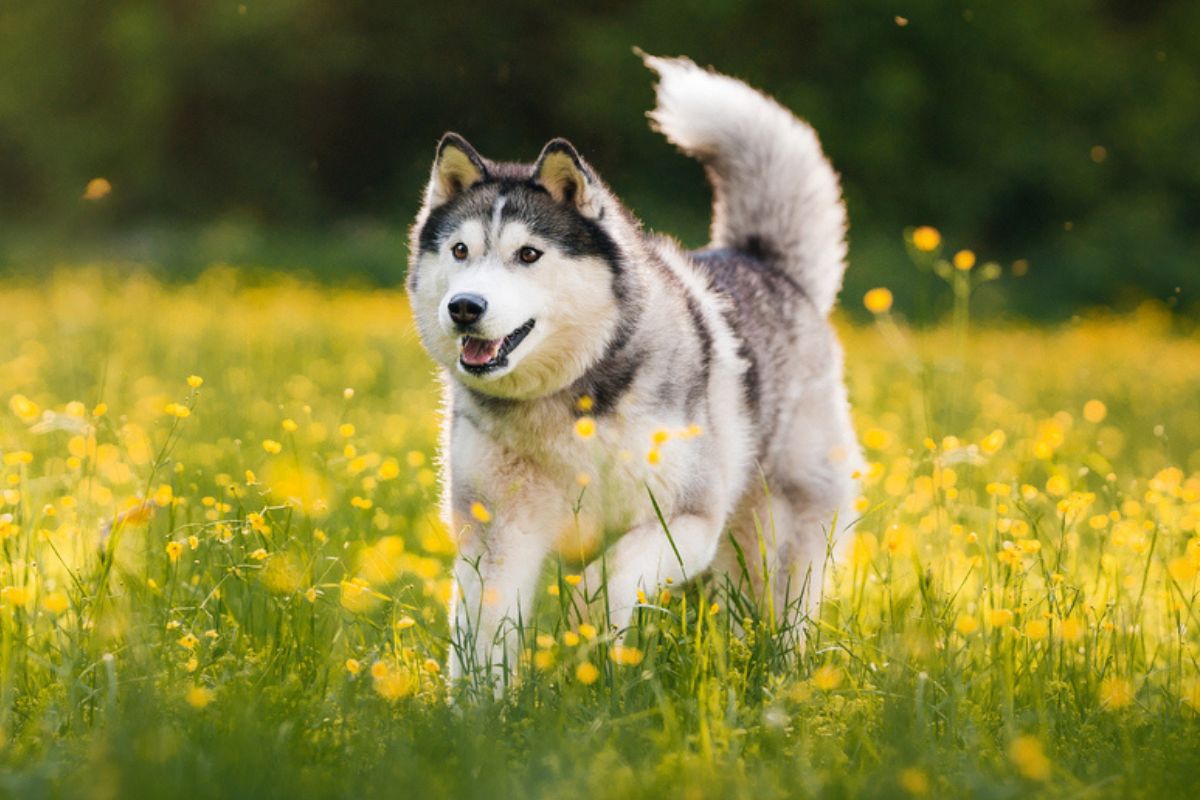
The Siberian Husky is the clearest agouti color dog breed on this list. Agouti and white appears among its recognized colors. Adults stay medium-sized yet need serious daily movement. Huskies are social, athletic, vocal, and independent. They best suit owners who enjoy training and outdoor exercise.
Agouti Huskies can look darker than common gray Huskies. Their banded hairs create muddy brown, gray, cream, and black tones.
Huskies love movement and often test weak boundaries. Many also dig, pull, howl, and chase small animals.
“Expect the coat to change with light and season. Expect the dog to demand activity.”
— Composite owner perspective, not a direct interview
- Official agouti color exists
- Striking wolf-like appearance
- Built for active owners
- Sheds huge coat amounts
- Needs much daily exercise
- Strong escape instincts
Siberian Husky breed facts and recognized colors
→ Siberian Huskies for active teenage households
2. Alaskan Malamute — Powerful Agouti Arctic Dog
Strong handlers · Cold regions · Outdoor families
| Weight | 75–85 lbs |
| Height | 23–25 inches |
| Lifespan | 10–14 years |
| Energy Level | High |
| Grooming Need | Brush 2–3 times weekly |
| Shedding | Very heavy |
The Alaskan Malamute is a large working breed with recognized agouti and white coloring. Its thick coat can create strong wild-dog shading. Malamutes are powerful, social, and bred for heavy pulling. They suit experienced homes with exercise space and firm training habits.
A Malamute carries more bone and bulk than a Husky. Its dense guard coat creates deep shade changes.
Malamutes often enjoy people but can challenge other dogs. Their strength makes early leash work essential.
“The puppy looks fluffy and harmless. Then the adult strength arrives much faster than expected.”
— Composite owner perspective, not a direct interview
- Recognized agouti color
- Strong outdoor companion
- Impressive thick coat
- Needs strong handling
- Heavy seasonal shedding
- Heat can cause stress
Alaskan Malamute breed and color information
→ Learn how Malamutes compare with larger breeds
3. German Shepherd Dog — Sable Agouti-Style Working Dog
| Weight | 50–90 lbs |
| Height | 22–26 inches |
| Lifespan | 12–14 years |
| Energy Level | High |
| Grooming Need | Brush 2–3 times weekly |
| Shedding | Heavy |
The German Shepherd Dog offers sable coats with dramatic black-tipped shading. Sable isn’t identical to every true agouti phenotype. However, both patterns involve pigment distribution linked with the A locus. German Shepherds need training, exercise, and meaningful daily work.
Sable Shepherds often look darker along their backs. Individual hairs can show several color zones.
These dogs watch people closely and learn patterns fast. Poor social training can create unwanted guarding.
“Mental work matters as much as walking. A bored Shepherd quickly invents its own job.”
— Composite owner perspective
- Beautiful sable shading
- Highly trainable worker
- Strong owner bond
- Needs daily mental work
- Sheds throughout year
- Poor breeding raises risks
→ German Shepherd traits for structured active homes
4. Norwegian Elkhound — Silver Agouti-Looking Hunter
| Weight | 48–55 lbs |
| Height | 19.5–20.5 inches |
| Lifespan | 12–15 years |
| Energy Level | High |
| Grooming Need | Brush 2–3 times weekly |
| Shedding | Heavy |
The Norwegian Elkhound creates a classic wolf-like effect through its silver-gray double coat. Black-tipped guard hairs deepen the body’s shade. The breed isn’t simply a gray Husky substitute. Elkhounds are bold hunting dogs with voice, stamina, and independent judgment.
The coat looks brightest on lighter areas. Dark guard tips create a shaded saddle across the body.
Elkhounds were bred to hunt large game. They often bark freely and follow interesting scents.
“The coat is easy to admire. The hunting voice is harder to ignore.”
— Composite owner perspective
- Rich wolf-gray shading
- Strong cold tolerance
- Compact sturdy build
- Can bark frequently
- Strong prey drive
- Heavy coat shedding
5. Keeshond — Fluffy Wolf-Sable Family Companion
| Weight | 35–45 lbs |
| Height | 17–18 inches |
| Lifespan | 12–15 years |
| Energy Level | Moderate |
| Grooming Need | Brush twice weekly |
| Shedding | Heavy seasonal |
The Keeshond is a medium spitz with black-tipped gray outer hairs. Those tips create its famous wolf-gray shading. Keeshonden usually need less hard exercise than Huskies. They suit owners wanting a dramatic Nordic coat with stronger companion instincts.
A huge neck ruff frames the face. Dark facial lines create the breed’s famous spectacle markings.
Keeshonden often stay close to their people. Long isolation can cause barking or stress.
“The brushing takes time. The easier indoor temperament can make that trade worthwhile.”
— Composite owner perspective
- Bold wolf-gray coat
- More moderate exercise
- People-focused temperament
- Needs steady brushing
- Can bark often
- Dislikes long isolation
6. Swedish Vallhund — Compact Sable Viking Dog
| Weight | 20–35 lbs |
| Height | 11.5–13.75 inches |
| Lifespan | 12–15 years |
| Energy Level | High |
| Grooming Need | Weekly brushing |
| Shedding | Moderate to heavy |
The Swedish Vallhund packs wolf-like sable shading into a short-legged herding body. Its standard describes sable from gray through red. Dark hairs appear across the back and sides. Vallhunds suit active owners wanting a smaller yet serious working dog.
The long body and upright ears create an unusual outline. Lighter harness markings add sharp coat contrast.
Vallhunds herd with speed and confidence. Some try directing children, pets, or moving feet.
“Small size doesn’t mean low drive. This dog still wakes up ready for work.”
— Composite owner perspective
- Compact working size
- Distinct sable pattern
- Fast learner
- Can herd people
- Needs daily activity
- Often quite vocal
7. Shiba Inu — Red Sesame Agouti-Style Companion
| Weight | 17–23 lbs |
| Height | 13.5–16.5 inches |
| Lifespan | 13–16 years |
| Energy Level | Moderate to high |
| Grooming Need | Weekly brushing |
| Shedding | Heavy seasonal |
The Shiba Inu offers red sesame coloring with a sparse dark overlay. The look creates rich depth without the Husky’s heavy wolf-gray appearance. Shibas are compact, clean, alert, and independent. They suit owners comfortable with careful training and secure leash habits.
Red sesame mixes warm red with darker hair tips. Pale urajiro markings brighten the face and underside.
Shibas often make their own choices. Many dislike forced handling and unreliable off-leash freedom.
“The small body can fool you. The personality often feels much larger.”
— Composite owner perspective
- Beautiful sesame coat
- Compact home size
- Naturally clean habits
- Strong independent streak
- Seasonal coat explosions
- Off-leash risk
8. Shikoku Ken — Sesame Mountain Hunter
| Weight | 35–55 lbs |
| Height | 17–22 inches |
| Lifespan | 10–12 years |
| Energy Level | High |
| Grooming Need | Weekly brushing |
| Shedding | Heavy seasonal |
The Shikoku Ken is a Japanese hunting breed strongly linked with sesame coloring. Sesame combines black, red, and white hairs across the coat. Shikokus are athletic, alert, and less common than Shibas. They best suit experienced owners who understand primitive hunting breeds.
The pointed ears and curled tail give a foxlike outline. Sesame shading makes the body look almost painted.
Shikokus can bond strongly while retaining independent judgment. Hunting instincts make secure control important.
“Trust grows through fair training. Force tends to create conflict with independent dogs.”
— Composite owner perspective
- Classic sesame coloring
- Athletic medium build
- Striking primitive look
- Hard to find
- Strong hunting drive
- Needs skilled training
9. Hokkaido — Rare Sesame and Wolf-Gray Dog
| Weight | 44–66 lbs |
| Height | 18–20 inches |
| Lifespan | 12–15 years |
| Energy Level | High |
| Grooming Need | Weekly brushing |
| Shedding | Heavy seasonal |
The Hokkaido is a sturdy Japanese breed available in sesame and wolf-gray shades. Both can create the wild visual effect agouti fans seek. Hokkaidos carry strong stamina, alertness, and hunting heritage. Their rarity makes careful breeder research especially important.
A thick double coat protects this breed in cold weather. Upright ears and strong bone add rugged character.
Hokkaidos tend to stay alert to their surroundings. They need early social work and clear daily rules.
“Finding the breed may take longer than choosing it. Responsible sources matter more than color.”
— Composite owner perspective
- Rare wolf-gray options
- Strong cold tolerance
- Excellent outdoor stamina
- Rare outside Japan
- High exercise needs
- Experienced homes preferred
10. Finnish Lapphund — Soft Wolf-Sable Reindeer Herder
 Save
Save| Weight | 33–53 lbs |
| Height | 16–21 inches |
| Lifespan | 12–15 years |
| Energy Level | Moderate to high |
| Grooming Need | Weekly brushing |
| Shedding | Heavy seasonal |
The Finnish Lapphund can appear in wolf-sable coloring with thick Nordic fur. It combines that wild look with a more people-focused herding background. Lapphunds remain active dogs, yet many settle well indoors. They suit families ready for brushing, walks, and training.
The coat forms a thick neck ruff and full tail. Wolf-sable dogs can show rich gray-brown shading.
Lapphunds often watch their owners closely. Their herding past can also produce alert barking.
“The coat looks wild. Daily behavior can feel softer than many primitive hunting breeds.”
— Composite owner perspective
- Beautiful wolf-sable option
- Strong family bond
- Good cold tolerance
- Heavy seasonal shedding
- Can bark often
- Needs regular exercise
How Do These Agouti Dog Breeds Compare?
Size and lifestyle create bigger differences than coat shade. Shiba Inus give you the smallest option here. Swedish Vallhunds stay compact but need substantial activity. Keeshonden balance medium size with more companion-focused behavior. Finnish Lapphunds add herding energy without Husky-level running needs.
At the demanding end sit Huskies, Malamutes, Shepherds, Shikokus, and Hokkaidos. These breeds need structured activity and training. A beautiful coat won’t offset a poor lifestyle match. Norwegian Elkhounds also require movement and tolerance for barking.
When I compare breeds, I start with the hardest daily trait. That method prevents looks from controlling the choice.
| Breed | Coat Term | Energy | Best Fit |
|---|---|---|---|
| Siberian Husky | Agouti | Very high | Runners |
| Alaskan Malamute | Agouti | High | Strong handlers |
| German Shepherd | Sable | High | Training homes |
| Norwegian Elkhound | Wolf gray | High | Hikers |
| Keeshond | Wolf gray | Moderate | Families |
| Swedish Vallhund | Sable | High | Active small homes |
| Shiba Inu | Red sesame | Medium-high | Smaller homes |
| Shikoku Ken | Sesame | High | Experienced hikers |
| Hokkaido | Sesame / wolf gray | High | Experienced owners |
| Finnish Lapphund | Wolf sable | Medium-high | Active families |
Which Agouti Color Dog Breed Is Right for You?
Your daily routine should make the choice. Pick the Husky if running already fills your week. Choose the Malamute if you want more power and bulk. German Shepherds fit people who enjoy formal training. Keeshonden fit families wanting a softer companion balance.
Shiba Inus work better when space is limited. Swedish Vallhunds suit small homes with active owners. Finnish Lapphunds offer a useful middle ground. Shikokus and Hokkaidos make more sense for experienced rare-breed owners.
When people choose a dog from a photo, trouble often follows. That taught me to rank lifestyle before appearance.
Is This Right for Me?
If you run often → choose a Siberian Husky.
If you want family balance → choose a Keeshond.
If you need smaller size → choose a Shiba Inu.
If you love training → consider a German Shepherd.
If you’re new to dogs, coat color should stay secondary. Compare these dog breeds that suit beginners before deciding.
How Should You Care for an Agouti or Wolf-Sable Coat?
Agouti coloring doesn’t require a special shampoo or diet. Coat type controls grooming needs more than pigment. Most breeds here carry dense double coats. Regular brushing removes loose undercoat and helps prevent packed fur. Heavy seasonal shedding is normal for many Nordic breeds.
Don’t shave a double coat just to reduce loose hair. Ask a professional groomer when matting becomes hard to manage. Bathing should match dirt, skin condition, and normal dog care. A healthy coat also depends on good food and routine veterinary care.
When I compare grooming needs, I check coat density before color. That gives owners a far better workload estimate.
Brush through the undercoat gently during seasonal shedding periods.
What Most People Get Wrong About Agouti Dogs
The biggest mistake is treating agouti as one exact shade. Agouti describes pigment patterning, not one fixed color. Dogs can look gray, brown, cream, black, or mixed. Lighting and seasonal coat changes can alter the visual effect.
Another mistake involves temperament. An agouti Husky behaves like a Husky, not a wolf. Coat color doesn’t create stronger prey drive or tougher behavior. Breed purpose, genetics, training, health, and social learning matter far more.
You may also see sable and sesame called agouti online. Sometimes that language describes appearance rather than an exact tested genotype. DNA results provide better proof.
When I check color claims, I separate appearance from genetics. That simple step removes most confusion.
Never pay a huge premium for color without checking breeder health testing.
What Mistakes Should New Agouti Dog Owners Avoid?
Don’t choose an agouti dog because it resembles a wolf. Most breeds here carry major work instincts. Exercise, training, barking, prey drive, shedding, or independence can become daily issues. The prettiest puppy can become exhausting in the wrong home.
Don’t assume rare coloring means better breeding. A responsible breeder should put health and temperament first. Don’t ignore adult size either. Malamutes and Shepherds become powerful dogs quickly. Even small Shibas need strong leash control.
When buyers focus only on coat shade, better questions disappear. That taught me to ask about health before color.
- Don’t choose by photographs alone.
- Don’t ignore exercise needs.
- Don’t pay only for rarity.
- Don’t skip health records.
- Don’t expect color to predict behavior.
Which Agouti Dog Should You Choose First?
The Siberian Husky remains my clearest pick for true agouti fans. Its breed color list directly includes agouti. Choose a Keeshond when home balance matters more than exact color wording.
Choose a Shiba for smaller spaces. Whatever breed you prefer, check its daily needs before coat shade.
One thing to do right now: write down your daily exercise limit. Thomas Cutter recommends matching that number before choosing any puppy.
Frequently Asked Questions
What is an agouti color dog?
An agouti color dog has hairs showing contrasting pigment zones or banding. The result often looks wolf-gray, brown, cream, and black together. Breed standards may use agouti, wolf sable, sable, sesame, or other terms. Exact DNA testing can clarify the genetic pattern.
Which dog breed has true agouti coloring?
Siberian Huskies and Alaskan Malamutes both offer recognized agouti color options. Huskies are especially well known for dark agouti coats. Other breeds can create related wolf-sable or sesame appearances. Their breed standards may use different color names.
Are agouti dogs rare?
True agouti coloring can be uncommon within some breeds. Its rarity depends heavily on breed lines and breeding choices. Rare doesn’t automatically mean healthier or more valuable. Health testing, temperament, and responsible breeding should matter more than coat rarity.
Do agouti dogs act more like wolves?
No. Agouti coloring doesn’t make a domestic dog behave more like a wolf. Some agouti breeds already have independent working traits. Those traits come from breed history and genetics. Coat pigment alone doesn’t create wolf behavior.
Does an agouti coat change as a dog grows?
Yes, the visible shade can change as puppy fur becomes adult coat. Seasonal shedding can also alter depth and contrast. Lighting affects how banded hairs appear. Genetics stay the same, but the coat can look lighter or darker.
Thomas Cutter is a lifelong dog owner and the founder of FindOutAboutDogs.com. With over 10 years of hands-on experience owning multiple breeds, Thomas created this site to provide honest, research-based dog advice that real owners can actually trust.
