10 Best Dog Breeds for Teenagers — Chosen by Breed Experts & Real Teen Owners
Quick Answer
The best dog breeds for teenagers are Golden Retrievers, Labrador Retrievers, Border Collies, Boxers, Poodles, Beagles, Australian Shepherds, Cavalier King Charles Spaniels, Siberian Huskies, and German Shepherds. Each one is trainable, energetic, and bonds strongly with teens — but the right pick depends on your lifestyle and activity level.
What makes a dog breed good for teenagers:
- High trainability — responds well to a first-time handler
- Matched energy level — active enough to keep up, calm enough to chill
- Friendly, social temperament — good with friends and families
- Manageable size — not too small to be fragile, not too large to control
- Forgiving nature — tolerates the learning curve of a new owner
Top 3 picks at a glance:
- Active teen: Border Collie or Australian Shepherd
- Easy first dog: Golden Retriever or Labrador Retriever
- Smaller home: Cavalier King Charles Spaniel or Poodle
You want a dog that can keep up with your life. One that matches your energy, hangs out with your friends, and actually listens when you call its name. But picking the wrong breed is a real problem. A dog that needs 3 hours of daily exercise when you have 30 minutes — that’s a recipe for a miserable dog and a guilty owner.
I’ve spent years studying dog breeds and talking to teens and their families about what really works. This guide cuts through the noise. It covers the 10 best dog breeds for teenagers in 2026 — with honest pros, honest cons, and a clear guide to help you find your perfect match.
- Trainability matters more than size — a smart, eager-to-please dog is easier to manage
- Match the breed’s energy to yours — not to who you want to be
- Golden Retrievers and Labs top most expert lists for teen owners in 2026
- Some high-energy breeds (Border Collie, Husky) need serious daily commitment
- The best breed for you is the one that fits your actual lifestyle today


What Makes a Dog Breed Good for a Teenager?
The best dog breeds for teenagers share a few key traits. They’re trainable, forgiving, social, and energy-matched to a teen’s lifestyle. They bond quickly, respond well to positive training, and don’t need a professional handler to behave well.
Most experts agree on four factors that matter most when a teen picks a breed. First is trainability — can you teach it basic commands without years of experience? Second is energy level — does it match your own? Third is temperament — is it friendly with people, other dogs, and new situations? Fourth is size — can you physically manage it on a leash and in your home?
Here’s what most articles skip: teenagers and dogs are a two-way relationship. A bored, under-exercised dog becomes destructive. A dog that’s too high-maintenance leads to guilt and burnout. The right breed makes ownership genuinely fun — not a chore.
Be honest about your daily schedule. A dog needs care whether you’re in the mood or not. Choose a breed that fits your real week — not your ideal week.
This article covers breeds that are widely recommended by vets, the American Kennel Club, and dog trainers for teen owners specifically. If your situation involves a very small apartment with no yard or a family with allergies, some of the picks below include notes for those cases too.
The 10 Best Dog Breeds for Teenagers — Ranked and Reviewed
Every breed below is selected based on trainability, temperament, energy, and real-world success with teenage owners. Each entry gives you the full picture — stats, personality, honest pros and cons, and who it’s really best for.
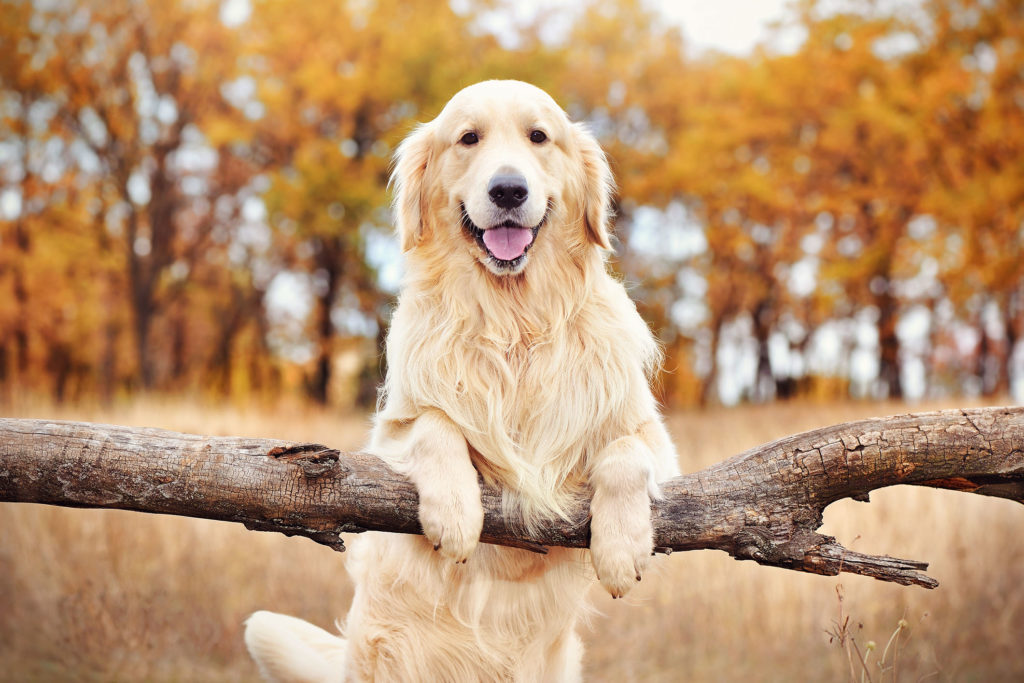
1. Golden Retriever — “The Perfect First Dog for Teens”
 Save
Save| Weight | 55–75 lbs |
| Height | 21–24 inches |
| Lifespan | 10–12 years |
| Energy Level | High — needs 1–2 hours daily |
| Grooming Need | Moderate — brush 3–4x per week |
| Shedding | Heavy — especially in spring |
The Golden Retriever is the most consistently recommended dog breed for teen owners by vets and trainers worldwide. Weighing 55 to 75 lbs, it’s large enough to handle rough play but gentle enough to trust completely. Goldens are eager to please, fast to learn, and almost impossibly patient — making them ideal for a teenager handling a dog for the first time.
Golden Retrievers have a dense, water-repellent double coat in shades of cream to rich gold. Their face carries a permanent look of gentle happiness — soft eyes, floppy ears, and a tail that never stops moving. One surprising feature: Goldens have a “soft mouth” — they can carry a raw egg without breaking it.
Most people know Goldens as friendly. What surprises new owners is how smart they are. Goldens rank 4th in canine intelligence, according to Dr. Stanley Coren’s widely referenced research. They pick up new commands in under 5 repetitions. And unlike many smart breeds, they actually want to obey — not just show off what they know.
“I was 15 when we got Luna. I’d never trained a dog before, but she learned ‘sit,’ ‘stay,’ and ‘come’ in the first week. She made me look like an expert.”
— Jake M., Golden Retriever owner for 4 years
- Learns commands in under 5 repetitions
- Gentle with kids and strangers
- Adapts well to family routines
- Sheds heavily — constant vacuuming needed
- Needs 1–2 hours exercise daily
- Can develop separation anxiety
Best for: First-time teen owners · Active families · Suburban homes with a yard
→ See how Golden Retrievers rank among the best family dog breeds for kids
2. Labrador Retriever — “America’s Favourite Teen Companion”
| Weight | 55–80 lbs |
| Height | 21–24 inches |
| Lifespan | 10–12 years |
| Energy Level | High — needs 1–2 hours daily |
| Grooming Need | Low — brush once a week |
| Shedding | Moderate to heavy year-round |
The Labrador Retriever has ranked among America’s most popular dogs for over three decades and remains a top pick for teen owners in 2026. Labs weigh 55 to 80 lbs and come in black, yellow, or chocolate. They’re outgoing, forgiving, and almost impossible to overwhelm — ideal for a teen still figuring out how to be a dog owner.
Labs have a short, dense double coat that’s deceptively easy to groom. Their blocky heads, thick tails, and athletic builds make them look powerful — and they are. But they move with surprising agility. Their “otter tail” is their most distinctive feature, thick at the base and used as a powerful rudder when swimming.
Labs are known as friendly. Here’s what most people don’t expect: they’re also incredibly emotionally attuned. Labs detect mood shifts in their owners and adjust their behavior. A stressed teen gets a calm Lab leaning against their leg. An excited teen gets a Lab bouncing off the walls to match. That emotional intelligence is rare in any breed.
“My Lab, Moose, is my study buddy. He lies under my desk every night. Somehow he always knows when I need a break before I do.”
— Priya S., Labrador owner for 3 years
- Extremely forgiving of training mistakes
- Easy to groom — short coat, weekly brush
- Gentle and safe with all ages
- Prone to overeating — watch the food bowl
- Needs daily exercise or gets destructive
- Sheds year-round despite short coat
Best for: First-time owners · Active teens · Families with multiple pets
→ Explore the best large dog breeds for families including Labs and similar picks
3. Border Collie — “The Smartest Dog Breed Alive”
| Weight | 30–55 lbs |
| Height | 18–22 inches |
| Lifespan | 12–15 years |
| Energy Level | Very high — needs 2+ hours daily |
| Grooming Need | Moderate — brush 2–3x per week |
| Shedding | Moderate — seasonal peaks |
The Border Collie is widely accepted as the most intelligent dog breed in the world. It ranks #1 in canine intelligence research. Weighing 30 to 55 lbs, it’s a medium-sized breed with almost limitless drive. For a highly active teen who wants a training partner and adventure companion, no breed comes close to a Border Collie.
Border Collies have a striking bicolor coat — most often black and white — with a lean, athletic build. Their eyes are the most intense feature of any breed. That piercing, focused “herding stare” is used to control livestock. When it’s aimed at you, it feels like they’re reading your mind.
Most people know Border Collies are smart. What few realize is how much they suffer when bored. An under-stimulated Border Collie doesn’t just chew shoes. It develops anxiety, obsessive behaviors, and will literally herd your family members around the house. That intelligence needs a daily outlet — agility training, frisbee, fetch, or trick sessions — or it turns inward.
Border Collies are not for casual owners. If you can’t commit to 2+ hours of daily exercise and mental stimulation, this breed will become a problem — fast.
“Remy learned 40 tricks before she was 1 year old. I ran out of things to teach her. Then she started opening doors.”
— Connor B., Border Collie owner for 5 years
- World’s most trainable breed — no contest
- Thrives in dog sports and agility
- Bonds deeply with a dedicated teen
- Needs 2+ hours activity — non-negotiable
- May herd kids and chase bicycles
- Not recommended for casual or busy teens
Best for: Sporty, outdoorsy teens · Teens in agility or dog sports · Rural or suburban homes
→ See how Border Collies fit into active big family households
4. Boxer — “The Clown Dog That Keeps Teens Laughing”
| Weight | 50–80 lbs |
| Height | 21–25 inches |
| Lifespan | 10–12 years |
| Energy Level | High — needs 1–2 hours daily |
| Grooming Need | Low — weekly wipe-down is enough |
| Shedding | Low — short single-layer coat |
The Boxer is one of the most playful, goofy, and affectionate breeds a teenager can own. Weighing 50 to 80 lbs, Boxers are powerful dogs with a puppy personality that lasts well into adulthood. They’re loyal, protective without being aggressive, and absolutely devoted to their teen owners — making them a top pick for active families.
Boxers have a square, muscular build with a distinctive pushed-in muzzle and a short fawn or brindle coat. Their wrinkled face carries an expression that swings between goofy and serious in seconds. Their most famous physical trait: they use their front paws like actual boxer gloves when playing — which is exactly how the breed got its name.
Boxers are known for being energetic. What catches owners off guard is how long they stay puppy-like. A 3-year-old Boxer still bounces, leaps, and acts like the world is new every day. That’s charming — until you have a 70-lb dog launching itself at your lap. Early training is essential to channel that energy.
“Zeus once sat on my friend’s lap like a tiny lap dog. He’s 72 lbs. My friend didn’t complain — that’s how charming Boxers are.”
— Aisha T., Boxer owner for 6 years
- Lowest grooming needs of any large breed
- Naturally protective — no aggression training needed
- Devoted and playful with teens
- Jumps on people — needs early training
- Drools noticeably — especially after drinking
- Heat-sensitive due to short muzzle
Best for: Active teens · Homes with a yard · Teens who want a natural companion and protector
5. Standard Poodle — “The Genius in a Fluffy Coat”
 Save
Save| Weight | 40–70 lbs |
| Height | Over 15 inches (usually 18–24) |
| Lifespan | 12–15 years |
| Energy Level | High — 1–2 hours daily activity |
| Grooming Need | High — professional grooming every 6–8 weeks |
| Shedding | Minimal — great for allergy sufferers |
The Standard Poodle is one of the smartest dog breeds on earth and one of the best choices for teens who have allergies or live in smaller homes. Weighing 40 to 70 lbs, Poodles learn commands up to 5 times faster than average breeds, according to widely accepted canine intelligence research. Their low-shedding coat makes them ideal for allergy-prone households.
Standard Poodles have a curly, dense coat that grows continuously rather than shedding. Their long legs, elegant posture, and proud carriage give them a regal look. But strip away the fancy grooming, and underneath is a powerful, athletic dog that was originally bred as a water retriever — built to swim, run, and work.
Most people assume Poodles are fancy show dogs. The surprise: they’re deeply athletic. A Standard Poodle can out-jump almost any breed and loves swimming, hiking, and agility courses. That dignified exterior hides a dog that will sprint through mud without a second thought.
“My allergist said no dogs. My Poodle proved her wrong. Two years and not one allergic reaction — and she knows 30 commands.”
— Lena H., Standard Poodle owner for 2 years
- Near-zero shedding — allergy-friendly
- Ranks 2nd in world dog intelligence
- Gentle, sensitive, and emotionally aware
- Professional grooming costs $60–$100 every 6–8 weeks
- Bores easily — needs daily mental challenge
- Can be sensitive to harsh correction
Best for: Allergy-prone teens · Teens who enjoy training · Smaller homes and apartments
→ Find more allergy-friendly dog breeds perfect for family homes
6. Beagle — “The Happy-Go-Lucky Pocket Companion”
| Weight | 20–30 lbs |
| Height | 13–15 inches |
| Lifespan | 12–15 years |
| Energy Level | Moderate to high — 1 hour daily |
| Grooming Need | Low — brush once a week |
| Shedding | Moderate — steady year-round |
The Beagle is a compact, cheerful breed that scores 5/5 for friendliness with children, according to the American Kennel Club. Weighing just 20 to 30 lbs, Beagles are easy to handle physically and bring a naturally happy energy to any home. For teens who want a medium-commitment dog with a big personality, the Beagle delivers every time.
Beagles have a sturdy, compact body with a broad domed head, long velvety ears, and large brown or hazel eyes. Their tricolor coat — black, brown, and white — is smooth and easy to maintain. Their tails are always carried upright with a white tip, which makes them easy to spot in tall grass when on a scent trail.
Beagles are known as friendly and even-tempered. The twist: their nose is in charge. A Beagle that catches an interesting scent will follow it with total focus, tuning out every command. That’s not disobedience — it’s breed instinct. A secure leash and a fenced yard are non-negotiable for Beagle owners.
“Biscuit once followed a scent trail for 15 minutes and ended up three streets away. Still wagging his tail when I found him.”
— Omar R., Beagle owner for 4 years
- Small enough for most homes and apartments
- Extremely social — great with people and dogs
- Minimal grooming time required
- Howls loudly — thin walls are a problem
- Follows scents and escapes fences
- Stubborn when nose takes over training
Best for: Teens in smaller homes · Social, laid-back teens · Families with other dogs
7. Australian Shepherd — “The Action-Packed Adventure Dog”
| Weight | 40–65 lbs |
| Height | 18–23 inches |
| Lifespan | 12–15 years |
| Energy Level | Very high — 1.5–2 hours daily |
| Grooming Need | High — brush 3–4x per week |
| Shedding | Heavy — especially twice a year |
The Australian Shepherd is a high-drive, highly trainable herding breed that bonds intensely with its teen owner. Weighing 40 to 65 lbs, Aussies are athletic, focused, and eager to work. For a teen who loves the outdoors, sports, or dog competitions, the Australian Shepherd is one of the most rewarding breeds possible.
Aussies have a stunning merle coat — a swirling mix of black, blue, red, and white — with eyes that can be brown, blue, or even two different colors. Their medium-length double coat is weather-resistant. Many Aussies are born with naturally bobbed tails. That merle coloring combined with heterochromia (two different eye colors) makes them one of the most visually striking breeds alive.
Aussies are known as energetic. What surprises owners is how deeply they need a job. Without a purpose, an Aussie doesn’t just get bored — it invents work. Herding the kids, reorganizing the shoes, patrolling the yard on a circuit — they self-assign tasks. Give them a real job through training or sport, and they become the most satisfying dogs imaginable.
“Scout runs agility courses with me on weekends. On school nights she does trick training. If she doesn’t get both, she’ll try to herd the cat.”
— Maya L., Australian Shepherd owner for 3 years
- Exceptional at agility, frisbee, and hiking
- Deeply loyal — bonds to one teen closely
- Highly trainable — loves learning new skills
- Heavy shedder — brush frequently or regret it
- Not suitable for small apartments
- May nip or herd small children
Best for: Outdoorsy teens · Dog sport enthusiasts · Teens in suburban or rural settings
8. Cavalier King Charles Spaniel — “The Gentle Sofa Buddy”
| Weight | 12–18 lbs |
| Height | 12–13 inches |
| Lifespan | 12–15 years |
| Energy Level | Moderate — 30–45 min daily walk |
| Grooming Need | Moderate — brush 3x per week |
| Shedding | Moderate — steady but manageable |
The Cavalier King Charles Spaniel is one of the most gentle, adaptable, and affectionate small breeds a teenager can own. Weighing just 12 to 18 lbs, it’s perfect for apartment living, moderate lifestyles, and teens who want a close companion without the demands of a high-energy breed. Cavaliers are equally happy on a hike or a couch.
Cavaliers have a silky, feathered coat in rich chestnut and white (Blenheim), black and tan, ruby, or tricolor. Their large, round eyes carry a permanently warm, melting expression. Their long feathered ears frame their face like curtains. The coat around their ears, chest, and legs has a natural wave that needs regular brushing to prevent matting.
Most people assume Cavaliers are purely lap dogs. The surprise is how athletic they are for their size. A Cavalier can handle a full hour hike comfortably, chases toys with real enthusiasm, and was originally bred as a hunting companion. They’re gentle — but not fragile.
“Charlie senses when I’m stressed before I do. He just climbs onto my lap and stays there until I feel better. Best therapist I’ve ever had.”
— Sophie W., Cavalier owner for 5 years
- Suits apartments and small homes perfectly
- Emotionally intuitive — reads the room
- Gentle with kids, seniors, and other pets
- Prone to heart conditions — vet care is essential
- Hates being left alone for long periods
- Coat mats quickly without regular brushing
Best for: Teens in apartments · Quieter, studious teens · Families with younger kids too
→ See more small dog breeds that work well in family homes
9. Siberian Husky — “The Wolf-Like Wild Card”
| Weight | 35–60 lbs |
| Height | 20–23 inches |
| Lifespan | 12–14 years |
| Energy Level | Extremely high — 2+ hours daily |
| Grooming Need | Moderate — brush 2–3x weekly |
| Shedding | Heavy — “blows coat” twice a year |
The Siberian Husky is a striking, high-energy working breed that makes a rewarding companion for highly active teenagers. Weighing 35 to 60 lbs, Huskies are built for endurance — not short bursts. They’re social, pack-oriented, and rarely aggressive. But they demand serious daily exercise and test boundaries constantly — best for experienced teen owners.
Huskies have a thick double coat in combinations of black, white, grey, red, and copper, with distinctive facial markings. Their almond-shaped eyes can be ice blue, brown, or one of each. Their erect triangular ears and wolf-like features make them one of the most visually dramatic breeds. During “coat blow” season, the undercoat sheds in huge clumps — it’s a lot.
People think Huskies are similar to German Shepherds in temperament. They’re not. Huskies are free-spirited, independent, and have a high prey drive. They weren’t bred to follow commands — they were bred to pull sleds for hours through Arctic terrain. They’re friendly, but they don’t particularly need your approval. That’s a different training dynamic entirely.
Huskies are escape artists. They can jump fences, dig under them, and unlatch gates. A secure, high fence is mandatory. Never let a Husky off-leash in an unfenced area.
“Nova ‘talks’ back when I tell her to do something she doesn’t want to. Full conversation. I’ve lost every argument so far.”
— Ethan K., Siberian Husky owner for 2 years
- Extremely social — loves people and other dogs
- Rarely aggressive — low bite risk
- Built for running, hiking, and adventure
- Howls loudly — not apartment-friendly
- Escapes nearly every type of fencing
- Sheds massively twice a year
Best for: Outdoorsy, sporty teens · Homes with large, secure yards · Teens who already have dog experience
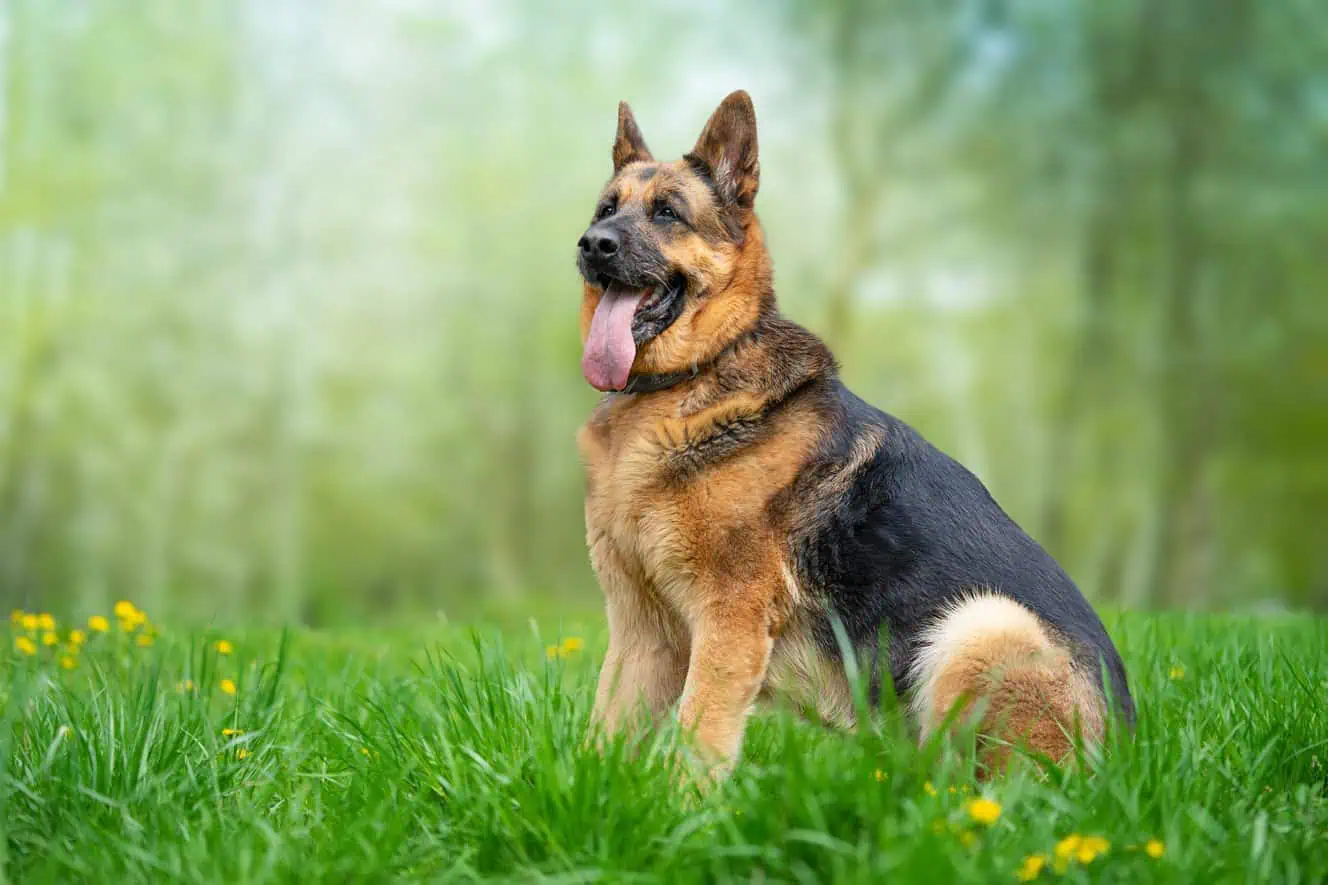
10. German Shepherd — “The Loyal Protector and Training Partner”
 Save
Save| Weight | 50–90 lbs |
| Height | 22–26 inches |
| Lifespan | 9–13 years |
| Energy Level | High — needs 1–2 hours daily |
| Grooming Need | Moderate — brush 3–4x per week |
| Shedding | Heavy — year-round with seasonal peaks |
The German Shepherd is one of the most intelligent, loyal, and versatile dog breeds in the world. Weighing 50 to 90 lbs, it’s a large, powerful breed used by police, military, and service dog programs worldwide. For a mature, responsible teenager ready for a high-commitment dog, a German Shepherd becomes a lifelong companion unlike any other.
German Shepherds have a strong, athletic build with a distinctive tan-and-black or sable coat. Their large erect ears, dark almond eyes, and slightly domed head give them an alert, intelligent expression. Their double coat is medium-length — dense on the body, feathered on the legs and tail. Despite their working-dog look, they move with remarkable elegance and grace.
German Shepherds are known as obedient. The less-known fact: they form incredibly deep emotional bonds with their primary owner. A German Shepherd doesn’t just follow commands — it studies your face, your patterns, your moods. After a few months, it knows your routine better than you do. That level of connection is rare in any pet.
“Rex follows me to every room in the house. Not anxiously — just checking in. It’s like having a loyal shadow that can also intimidate anyone who knocks at midnight.”
— Caleb N., German Shepherd owner for 3 years
- Ranks 3rd in world canine intelligence
- Natural protector — no aggression training
- Bonds deeply and stays loyal for life
- Heavy shedder — fur is everywhere, always
- Needs consistent training from day one
- Can become anxious without enough exercise
Best for: Responsible, experienced teen owners · Active teens with daily outdoor time · Families wanting a protective family dog
Quick Comparison Table: All 10 Breeds Side by Side
Scan this table to compare the key facts at a glance. It covers everything that matters when choosing the right breed for your lifestyle.
| Breed | Size | Energy | Grooming | Trainability | Best Fit |
|---|---|---|---|---|---|
| Golden Retriever | Large | High | Moderate | ★★★★★ | First-time owners |
| Labrador Retriever | Large | High | Low | ★★★★★ | Active families |
| Border Collie | Medium | Very high | Moderate | ★★★★★ | Sport/outdoorsy teens |
| Boxer | Large | High | Very low | ★★★★☆ | Playful, active teens |
| Standard Poodle | Large | High | High | ★★★★★ | Allergy-prone teens |
| Beagle | Small-Medium | Moderate | Low | ★★★☆☆ | Laid-back social teens |
| Australian Shepherd | Medium | Very high | High | ★★★★★ | Dog sport enthusiasts |
| Cavalier KCS | Small | Moderate | Moderate | ★★★★☆ | Apartment-living teens |
| Siberian Husky | Medium-Large | Extreme | Moderate | ★★★☆☆ | Experienced outdoorsy teens |
| German Shepherd | Large | High | Moderate | ★★★★★ | Responsible, experienced teens |
Which Dog Breed Is Right for You? — A Decision Guide
The right breed isn’t about which one is “best” overall. It’s about which one fits your real life. Use these scenarios to find your match.
If you are an active teen who loves hiking, running, or outdoor sports → Border Collie or Australian Shepherd will match your pace and energy.
If you are a first-time owner who wants a forgiving, easy-to-train dog → Golden Retriever or Labrador Retriever is your safest, most rewarding choice.
If you live in an apartment or smaller home → Cavalier King Charles Spaniel, Beagle, or Standard Poodle are your top picks.
If someone in your home has allergies → Standard Poodle is the only large breed on this list with low-shedding, allergy-friendly coat.
If you want a dog that feels like a real partner and protector → German Shepherd bonds at a level few other breeds can match — but requires commitment.
You might be thinking: “I’ll just pick the most popular one.” Here’s why that doesn’t work. A Husky is wildly popular in 2026 — and also one of the most rehomed breeds, because owners underestimated the energy demands. Popularity and fit are not the same thing.
What Most People Get Wrong About Picking a Dog for Teenagers
The biggest mistake is choosing by looks, not by lifestyle. Huskies and German Shepherds top social media wish lists. But these breeds need hours of daily activity and consistent expert-level training. A teen with a busy school week who wants a “cool-looking dog” will end up with an unhappy dog and a lot of guilt.
The second mistake is underestimating time. Dogs don’t take school holidays. They need feeding, exercise, training, and companionship every single day — weekdays included. Research consistently shows that dogs adopted by teens without parental support often end up in shelters within 2 years. That’s avoidable with the right breed choice and honest planning.
The third mistake is ignoring size when it matters. A 90-lb German Shepherd that hasn’t been leash-trained will drag a 120-lb teen down the street. Physical control matters, especially in public. If you’re smaller or newer to dog ownership, a breed in the 30–50 lb range is safer to start with.
Spend time with the breed before you commit. Visit a local shelter, a breed-specific rescue, or a responsible breeder. A few hours with the actual dog tells you more than any article can.
Essential Care Tips for Teen Dog Owners
Owning a dog as a teenager is an incredible experience. It teaches responsibility, builds empathy, and gives you a companion who’s always glad to see you. But good ownership means knowing the basics from day one.
Training should start the week you bring the dog home — not after bad habits form. Enroll in a beginner obedience class. The American Kennel Club’s S.T.A.R. Puppy program is a widely recommended starting point for new teen owners. You can find information at akc.org/star-puppy.
Vet care is non-negotiable. Annual check-ups, vaccinations, flea and tick prevention, and spaying or neutering are all part of responsible ownership. The American Veterinary Medical Association has clear guidance for new pet owners on exactly what care dogs need at every life stage.
So if you’re a teenager taking on a dog for the first time, the single most valuable thing you can do is be honest about your schedule before choosing. A dog that fits your real life makes ownership joyful. A dog that doesn’t fit makes it a burden — for both of you.
Conclusion
The best dog breed for a teenager isn’t the most popular or the most impressive-looking. It’s the one that fits your actual lifestyle — your energy, your home, your schedule, and your experience level. Golden Retrievers and Labrador Retrievers are the safest, most rewarding first picks in 2026. Border Collies and Australian Shepherds reward the most active teens. Cavaliers and Poodles are perfect for smaller spaces.
Pick the breed that matches who you are today — not who you plan to be. That choice makes the difference between an amazing experience and a hard one.
One thing to do right now: write down your honest weekly schedule, including school hours, activities, and free time. Then look back at this list and see which breed’s exercise and care needs actually fit. That 5-minute exercise will save you years of wrong-fit struggle.
Frequently Asked Questions
What is the easiest dog breed for a teenager to own?
The Golden Retriever and Labrador Retriever are widely considered the easiest breeds for teen owners. Both are highly trainable, forgiving of beginner mistakes, and naturally gentle. They respond well to positive training, bond quickly with teens, and fit comfortably into most family homes with a yard and daily exercise time.
Can a 14-year-old handle a large dog breed?
Yes, a 14-year-old can handle a large breed — with parental support and proper training. The key is starting obedience training early and choosing a breed suited to a younger handler, like a Labrador or Golden Retriever. Avoid very large or strong-willed breeds like Huskies or German Shepherds until you have more experience.
What dog breeds are best for teenagers with allergies?
The Standard Poodle is the best option for allergy-prone teens. Its curly, low-shedding coat produces less dander than most breeds. Other lower-allergen options include the Bichon Frise and Portuguese Water Dog. Note that no dog is fully hypoallergenic, but low-shedding breeds significantly reduce allergy triggers.
Are high-energy dog breeds too much for teenagers?
High-energy breeds like Border Collies and Australian Shepherds are not too much for the right teenager — but they’re a serious commitment. They need 1.5 to 2+ hours of daily exercise and mental stimulation. For sporty, outdoorsy teens with consistent free time, these breeds are incredibly rewarding. For busy or casual teens, they’re too demanding.
Should a teenager get a puppy or an adult dog?
An adult dog (2 to 4 years old) is often a better choice for teen owners than a puppy. Adult dogs from shelters or rescues already have established temperaments, are often partially trained, and need less around-the-clock supervision. Puppies are rewarding but demand enormous time in the first 6 months — which school schedules often can’t support.

Thomas Cutter is a lifelong dog owner and the founder of FindOutAboutDogs.com. With over 10 years of hands-on experience owning multiple breeds, Thomas created this site to provide honest, research-based dog advice that real owners can actually trust.
