Best 10 Dog Breeds for Military Families — PCS-Friendly Choices
Quick Answer
The best dog breeds for military families are calm, trainable, kid-safe, and able to handle moves. Labrador Retrievers, Golden Retrievers, Standard Poodles, Beagles, Havanese, Cavaliers, Miniature Schnauzers, Cocker Spaniels, Brittanys, and German Shepherds fit many military homes.
| Best Choice | Best For | Watch Out For |
|---|---|---|
| Labrador Retriever | Most active military families | Heavy shedding |
| Standard Poodle | Low-shed homes | High grooming cost |
| Beagle | Small homes with kids | Loud baying |
Choose the right military family dog if:
- You move every few years.
- You need a dog good with kids.
- You may live in base housing.
- You can train and exercise the dog daily.
The boxes are half packed.
Your kids feel the move coming. Your dog will feel it too.
I’m Thomas Cutter, a lifelong dog owner and founder of FindOutAboutDogs.com. I help families choose dogs that fit real homes, not perfect photos.
Military families need more than a cute puppy. You need a dog that can handle change, noise, kids, crates, and new streets.
If you have young children, start with this guide to family dog breeds for kids. Then use this list to match breed needs with military life.
- The best military family dogs adapt well to change.
- Trainability matters more than breed fame.
- Base housing rules can affect breed choice.
- PCS travel favors calm, crate-ready dogs.
- Large breeds need more planning for moves.


What Makes a Dog Breed Good for Military Families?
A good dog breed for military families is steady, social, trainable, and flexible. It should handle new homes, new yards, travel crates, and busy family life without daily stress. Most experts agree that the best dog is not the boldest dog. The best dog is the one that fits your home, time, and move cycle.
Military families often face PCS moves, deployments, base housing rules, and changing routines. So if you choose a breed only by looks, you may create stress later. Choose by energy, size, coat care, barking, and child safety first. Then think about charm.
Here’s why that matters. A dog that thrives in one home may struggle after 3 moves.
When a family moves often, the dog needs routine anchors. A crate, daily walk, and clear rules help more than fancy gear.
The Military OneSource guide to moving with pets says planning ahead helps reduce move stress. So if you may move overseas, start pet planning early.
You might be thinking any trained dog can adjust. Here’s why breed still matters.
Some breeds need intense jobs each day. Others handle rest days, rain days, and hotel nights better.
The AVMA dog selection guide also points to lifestyle fit. So your schedule matters as much as the breed name.
Before you adopt, check base rules and future housing limits.
Now let’s rank the breeds by real military family needs.
The Best 10 Dog Breeds for Military Families
The best 10 dog breeds for military families balance patience, training ease, move tolerance, and family safety. Labrador Retrievers and Golden Retrievers suit active homes. Standard Poodles help low-shed families. Beagles, Havanese, and Cavaliers fit smaller homes. Miniature Schnauzers, Cocker Spaniels, Brittanys, and German Shepherds suit families with clear routines.
No breed is perfect for every military family. A calm Beagle may suit a small base home. A German Shepherd may suit an active handler with space and rules. So use this list as a fit guide, not a beauty contest.
For breed facts, the AKC dog breed database is a useful size and breed reference.
Now let’s break down each breed clearly.
Labrador Retriever — Best Military Family Dog for Active Homes
 Save
Save| Weight | 55-80 pounds |
| Height | 21.5-24.5 inches |
| Lifespan | 11-13 years |
| Energy Level | High |
| Grooming Need | Medium |
| Shedding | High |
The Labrador Retriever is a strong military family dog known for patience and trainability. It is medium-large, athletic, and people-focused. Labs enjoy kids, games, water, and daily walks. They suit active families that can handle shedding and steady exercise.
The Lab has a broad head and warm eyes. Its short coat hides a serious shed season.
Labs often greet life with full-body joy. But many also settle well after exercise.
“[Editor: add a verified Lab owner quote about PCS moves, kids, or crate training.]”
— Verified owner quote needed
- Learns family rules fast
- Usually patient with kids
- Handles active days well
- Sheds heavily in season
- Needs daily hard play
- Puppies mouth hands often
Best for: Active families · Homes with kids · Outdoor routines
Golden Retriever — Best Military Family Dog for Gentle Kids
| Weight | 55-75 pounds |
| Height | 21.5-24 inches |
| Lifespan | 10-12 years |
| Energy Level | Medium to high |
| Grooming Need | Medium to high |
| Shedding | High |
The Golden Retriever is a gentle military family dog known for soft manners. It is medium-large, steady, and eager to learn. Goldens often bond deeply with children and adults. They suit families that want warmth, training ease, and daily outdoor time.
The Golden has a rich coat and kind face. Its feathered tail moves like a mood flag.
Goldens often carry toys when excited. That soft mouth can become a calm game.
“[Editor: add a verified Golden owner quote about school routines or deployment support.]”
— Verified owner quote needed
- Soft nature with children
- Very trainable family dog
- Loves routine and play
- Heavy coat needs brushing
- Can stay puppyish long
- Needs people close often
Best for: Gentle kids · Active parents · Family-first homes
→ Best dog breeds for families with babies
Standard Poodle — Best Military Family Dog for Low-Shed Homes
| Weight | 40-70 pounds |
| Height | Over 15 inches |
| Lifespan | 10-18 years |
| Energy Level | Medium to high |
| Grooming Need | High |
| Shedding | Low |
The Standard Poodle is a smart military family dog with a low-shedding coat. It is athletic, alert, and quick to learn. Standard Poodles offer better size for kids than toy sizes. They suit families that can pay for steady grooming.
The Poodle has tight curls that catch loose hair. A short clip makes care easier.
Poodles learn patterns fast. They may know your move boxes before you explain them.
“[Editor: add a verified Poodle owner quote about grooming, moves, or training.]”
— Verified owner quote needed
- Low loose hair indoors
- Learns commands very fast
- Good size for kids
- Grooming costs stay high
- Needs brain work daily
- Can spot weak rules
Best for: Allergy-aware homes · Smart-dog fans · Active kids
→ Best dog breeds for families with allergies
Beagle — Best Military Family Dog for Small Homes
| Weight | 20-30 pounds |
| Height | 13-15 inches |
| Lifespan | 10-15 years |
| Energy Level | Medium to high |
| Grooming Need | Low |
| Shedding | Medium |
The Beagle is a compact military family dog known for cheer and food drive. It is sturdy, social, and easy to fit in smaller homes. Beagles enjoy kids and walks. They suit families that can manage barking and nose-led behavior.
The Beagle has soft ears and bright eyes. Its small frame feels tough, not fragile.
Beagles follow scents with deep focus. That nose can turn walks into missions.
“[Editor: add a verified Beagle owner quote about base housing, walks, or barking.]”
— Verified owner quote needed
- Sturdy small family dog
- Low grooming needs
- Often playful with kids
- Bays loudly when bored
- Follows scents outside
- Food stealing is common
Best for: Small homes · Playful kids · Budget grooming
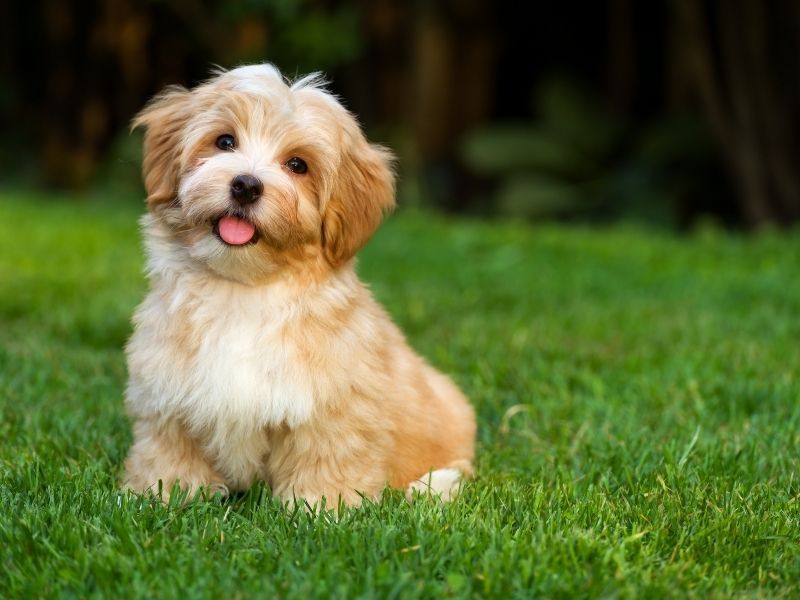
Havanese — Best Military Family Dog for Apartment Life
 Save
Save| Weight | 7-13 pounds |
| Height | 8.5-11.5 inches |
| Lifespan | 14-16 years |
| Energy Level | Medium |
| Grooming Need | Medium to high |
| Shedding | Low |
The Havanese is a small military family dog known for charm and adaptability. It is light, social, and easy to carry. Havanese dogs often enjoy apartment life and family routines. They suit homes that want a close indoor companion.
The Havanese coat can flow like silk. Many families choose a short puppy cut.
Havanese dogs often bounce into rooms. But they usually prefer people over chaos.
“[Editor: add a verified Havanese owner quote about apartment life or travel.]”
— Verified owner quote needed
- Easy size for travel
- Low loose-hair spread
- Warm with gentle kids
- Coat mats without care
- Dislikes long alone time
- Small body needs respect
Best for: Apartments · Gentle kids · Travel-light families
Cavalier King Charles Spaniel — Best Military Family Dog for Calm Homes
| Weight | 13-18 pounds |
| Height | 12-13 inches |
| Lifespan | 12-15 years |
| Energy Level | Medium |
| Grooming Need | Medium |
| Shedding | Medium |
The Cavalier King Charles Spaniel is a sweet military family dog for calm homes. It is small, soft, and people-focused. Cavaliers enjoy laps, short walks, and gentle play. They suit families that want comfort more than high-energy sport.
The Cavalier has round eyes and silky ears. Its face often looks deeply kind.
Cavaliers read family moods well. That soft nature can comfort kids during change.
“[Editor: add a verified Cavalier owner quote about comfort during moves.]”
— Verified owner quote needed
- Gentle with calm children
- Small enough for apartments
- Warm companion nature
- Health screening matters greatly
- Not built for rough play
- Can cling to people
Best for: Calm families · Gentle children · Indoor homes
→ Best dog breeds for families with toddlers
Miniature Schnauzer — Best Military Family Dog for Watchful Homes
| Weight | 11-20 pounds |
| Height | 12-14 inches |
| Lifespan | 12-15 years |
| Energy Level | Medium |
| Grooming Need | Medium to high |
| Shedding | Low |
The Miniature Schnauzer is a sturdy military family dog with alert habits. It is small, smart, and low-shedding. Mini Schnauzers notice sounds and protect routines. They suit families that like training, structure, and a watchful small dog.
The beard and brows give this breed a wise face. Its square body feels tough.
Mini Schnauzers often patrol windows. With training, that alert nature becomes useful.
“[Editor: add a verified Schnauzer owner quote about alert barking or training.]”
— Verified owner quote needed
- Low shedding for housing
- Sharp and trainable mind
- Sturdy for small size
- Barks at new sounds
- Needs firm house rules
- Beard traps food often
Best for: Small homes · Alert-dog fans · School-age kids
Cocker Spaniel — Best Military Family Dog for Soft, Busy Homes
| Weight | 20-30 pounds |
| Height | 13.5-15.5 inches |
| Lifespan | 10-14 years |
| Energy Level | Medium |
| Grooming Need | High |
| Shedding | Medium |
The Cocker Spaniel is a sweet military family dog with a soft nature. It is medium-small, cheerful, and people-loving. Cockers enjoy games and family contact. They suit homes that can handle brushing, ear care, and gentle training.
The Cocker has long ears and a rounded head. Its coat looks rich and soft.
Cockers often follow people from room to room. They want to join every task.
“[Editor: add a verified Cocker owner quote about grooming or child routines.]”
— Verified owner quote needed
- Warm with family members
- Good medium-small size
- Enjoys gentle kid play
- Ear care matters often
- Coat needs steady brushing
- Can become too clingy
Best for: Soft homes · School-age kids · Grooming-ready families
→ Best dog breeds for families with cats
Brittany — Best Military Family Dog for Outdoor Families
| Weight | 30-40 pounds |
| Height | 17.5-20.5 inches |
| Lifespan | 12-14 years |
| Energy Level | High |
| Grooming Need | Low to medium |
| Shedding | Medium |
The Brittany is an energetic military family dog for outdoor homes. It is medium-sized, quick, and eager to work. Brittanys enjoy running, hiking, and training games. They suit active families that can give real daily exercise.
The Brittany has a light body and bright eyes. Its coat looks neat after quick brushing.
Brittanys want to move with you. A bored Brittany can invent its own job.
“[Editor: add a verified Brittany owner quote about field walks or exercise.]”
— Verified owner quote needed
- Excellent hiking partner
- Medium size travels easier
- Short coat saves time
- Needs serious daily exercise
- May chase small animals
- Restless without clear jobs
Best for: Runners · Outdoor families · Older active kids
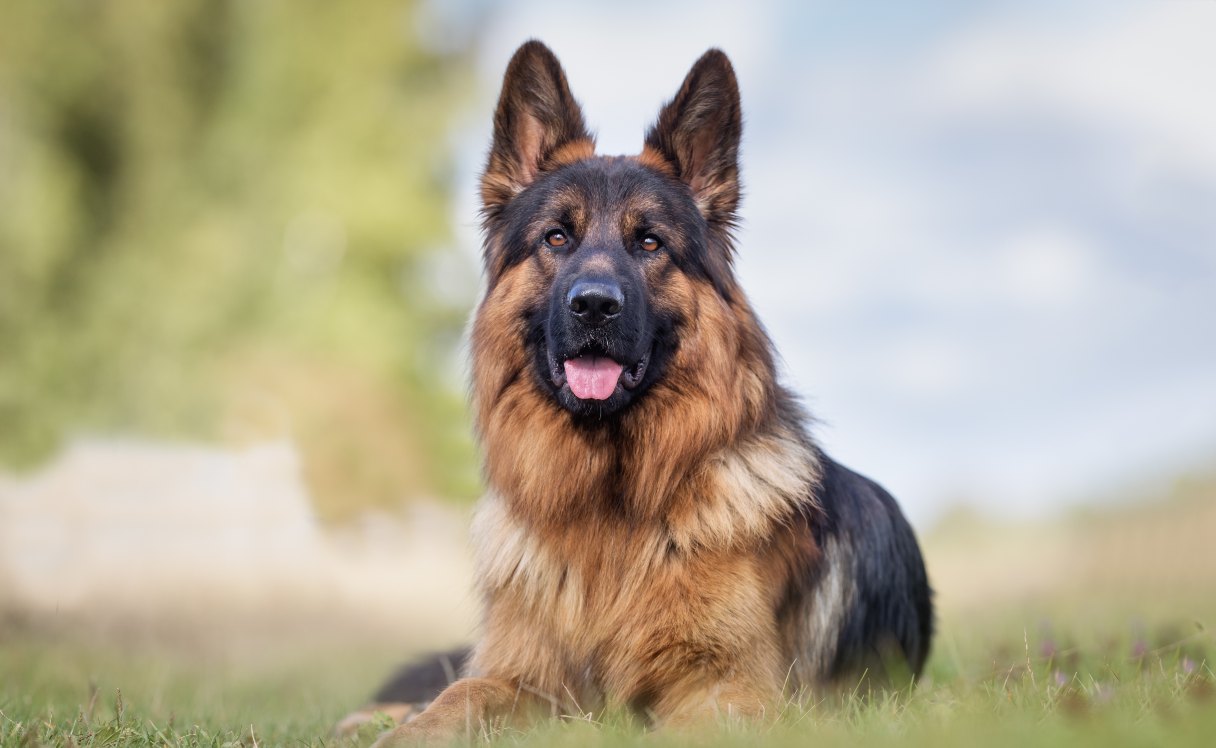
German Shepherd Dog — Best Military Family Dog for Experienced Homes
 Save
Save| Weight | 50-90 pounds |
| Height | 22-26 inches |
| Lifespan | 7-10 years |
| Energy Level | High |
| Grooming Need | Medium |
| Shedding | High |
The German Shepherd Dog is a serious military family dog for experienced homes. It is large, smart, and deeply bonded. German Shepherds need training, structure, and daily work. They suit active families that can manage housing rules and strong guard instincts.
The German Shepherd has a strong outline and alert ears. Its movement looks smooth and powerful.
German Shepherds notice every pattern. That skill helps with training, but also needs control.
“[Editor: add a verified German Shepherd owner quote about training and housing rules.]”
— Verified owner quote needed
- Extremely trainable working mind
- Strong family bond
- Thrives with clear jobs
- May face housing limits
- Needs skilled early training
- Sheds heavily year-round
Best for: Experienced owners · Active teens · Structured homes
Check rental, base, and overseas rules before choosing this breed.
Which Military Family Dog Is Right for You?
The right military family dog depends on your next 5 years, not only your life today. Choose a Labrador or Golden if you have active kids. Choose a Standard Poodle if shedding is a concern. Choose a Havanese, Beagle, or Cavalier if you may live in small housing.
If you expect overseas moves, think about crate size, heat risk, airline rules, and housing limits. A smaller dog can be easier to move. A larger dog can still work well, but only when your budget and housing plan can support it.
- If you move often, choose Havanese, Beagle, or Cavalier.
- If you have active kids, choose Labrador or Golden.
- If allergies matter, choose Standard Poodle first.
- If you know training, consider German Shepherd carefully.
You might be thinking a small dog is always easier. Here’s why that is not always true.
Small dogs still need training and safe handling. Kids must learn dog space early.
If toddlers are in your home, review dog breeds for families with toddlers before you choose.
The next step is simple. Match your dog to your housing, not your wish list.
What Should Military Families Know Before a PCS Move With a Dog?
Military families should prepare dog records, crates, ID tags, vaccines, microchip details, and travel plans before a PCS move. You should also check housing rules early. Pet rules can change by base, landlord, airline, country, and aircraft. Early planning helps your dog stay safe and calm.
Most experts agree that routine lowers pet stress. Keep the same bed, crate, food, leash, and walk pattern when possible. So if your home changes, your dog still has familiar signals. That matters most during the first 2 weeks after arrival.
When a dog sees boxes, it may sense change. That taught me one useful rule.
Pack your dog’s comfort items last. Unpack them first in the new home.
You might be thinking your dog will adjust alone. Here’s why you should help.
A dog cannot read orders or dates. It only reads your routine and mood.
Practice crate time before travel day, not during travel day.
Now let’s clear up a common mistake.
What Most People Get Wrong About Dogs for Military Families
Most people get one thing wrong about dogs for military families. They think a military family needs a tough guard dog. In real life, most families need a calm, flexible, well-trained companion. A dog that handles kids, moves, guests, and changing homes is often more useful than a dog that looks protective.
Guard instincts can create housing issues, visitor stress, and child safety concerns. That does not mean strong breeds are bad. It means they need the right home. If your life includes frequent moves, a stable temperament is your best asset.
Here’s the thing. A dog’s breed name does not train the dog.
Your routine does the real work. Daily walks, short lessons, and calm rules matter most.
You might be thinking mixed breeds are not worth considering. Here’s why that misses the point.
A well-matched rescue can be excellent. Temperament, health, and history matter more than labels.
Before you choose any breed, meet the dog in person. Watch how it handles noise, touch, and new people.
Military Family Dog Comparison Table
This comparison table helps military families choose by size, energy, grooming, shedding, and move fit. Scanner readers can use it fast. Labs and Goldens fit active homes. Havanese and Cavaliers fit smaller spaces. Poodles help low-shed homes. German Shepherds need strong planning and skilled handling.
Use the table to cut choices down to 2 or 3 breeds. Then meet dogs from those breeds before making a final choice. A table can guide you, but the dog’s real behavior should decide.
| Breed | Size | Move Fit | Best Match |
|---|---|---|---|
| Labrador Retriever | Medium-large | Good with planning | Active kids |
| Golden Retriever | Medium-large | Good with grooming | Gentle families |
| Standard Poodle | Medium-large | Good if groomed | Low-shed homes |
| Beagle | Small-medium | Good if trained | Small homes |
| Havanese | Small | Very good | Apartments |
| Cavalier | Small | Very good | Calm homes |
| Mini Schnauzer | Small | Good if quieted | Alert homes |
| Cocker Spaniel | Medium-small | Good with care | Soft homes |
| Brittany | Medium | Good if exercised | Outdoor families |
| German Shepherd | Large | Harder to plan | Experienced owners |
The table gives you a clear shortlist. Now check the mistakes before you decide.
What Mistakes Should Military Families Avoid When Choosing a Dog?
Military families should avoid choosing a dog by looks, rank, or military image alone. The biggest mistakes are ignoring housing rules, underestimating exercise, choosing a banned breed, skipping crate training, and buying from poor breeders. A rushed choice can create stress during every move.
A good dog should make family life steadier, not harder. If your dog cannot handle crates, noise, kids, or new places, PCS moves become harder. So choose slowly, train early, and plan for the next home.
- Do not choose a breed before checking housing rules.
- Do not choose high energy without daily time.
- Do not skip early crate training.
- Do not ignore grooming costs.
- Do not buy from weak health lines.
You might be thinking love will solve the hard parts. Here’s why planning still matters.
Love does not replace exercise, training, or safe housing. Good care needs a plan.
If your home also has young pets, review dog breeds for families with cats before you adopt.
One last choice matters most.
Should Military Families Adopt a Puppy or an Adult Dog?
Military families can choose either a puppy or an adult dog, but an adult dog may be easier during busy years. Puppies need house training, chewing control, social time, and many short lessons. Adult dogs may show their true size, energy, and temperament faster.
That said, a puppy can work well if your schedule is stable. If deployment, school changes, or PCS timing is near, wait. A dog deserves steady care from day 1. Your family deserves a choice that feels calm, not rushed.
When a family adopts during a move, stress often doubles. That taught me this rule.
Adopt when your home rhythm is stable. Then let the dog learn one home first.
You might be thinking a puppy bonds better. Here’s why adult dogs can bond deeply too.
Many adult dogs attach fast when care is kind and steady. Trust grows through routine.
So choose the age that fits your real year, not your dream month.
Conclusion
The best dog breeds for military families are steady, trainable, and move-ready.
Start with your housing rules, travel needs, and children’s ages.
Then choose the breed that fits your next move, not just your current home.
One thing to do right now: write your top 3 breeds beside your next likely duty station, then cross out any breed that housing may not allow. I’m Thomas Cutter, and that 2-minute step can save you years of stress.
Frequently Asked Questions
What is the best dog breed for a military family?
The Labrador Retriever is often the best all-around dog for active military families. It is trainable, social, and usually patient with children. Still, it needs exercise and sheds heavily. If you need less shedding, a Standard Poodle may fit better.
Are German Shepherds good for military families?
German Shepherds can be good for experienced military families with training time. They are smart, loyal, and work-focused. But they may face housing limits in some rentals. They also need steady exercise, early social work, and clear rules.
What dog breed is easiest to move with?
Small, calm, crate-trained dogs are usually easier to move with. Havanese, Cavaliers, and Beagles can fit many military homes. But behavior matters more than size. A calm large dog may travel better than a loud small dog.
Should military families get a puppy before a PCS move?
Military families should usually avoid getting a puppy right before a PCS move. Puppies need stable routines, house training, and many short lessons. Wait until your new home is settled. Then your puppy can learn one routine first.
What dog breeds should military families avoid?
Military families should avoid breeds that do not fit their housing, travel, or training time. Restricted breeds can create rental issues. Very high-energy dogs can struggle in small homes. Flat-faced breeds may also need extra travel care in heat.

Thomas Cutter is a lifelong dog owner and the founder of FindOutAboutDogs.com. With over 10 years of hands-on experience owning multiple breeds, Thomas created this site to provide honest, research-based dog advice that real owners can actually trust.
