Best 10 Dog Breeds for Beginners — Chosen for Trainability, Temperament & Real-Life Ease
Quick Answer
The best dog breeds for beginners are the Golden Retriever, Labrador Retriever, Cavalier King Charles Spaniel, Poodle, Bichon Frise, Papillon, Shih Tzu, Pug, Boxer, and Beagle. These breeds score highest on trainability, calm temperament, and adaptability — the three traits most experts agree matter most for first-time owners.
What makes a dog breed good for beginners:
- High trainability — responds well to positive reinforcement
- Calm, friendly temperament — not easily anxious or aggressive
- Moderate energy level — manageable without hours of daily exercise
- Low to moderate grooming needs — won’t overwhelm a new owner
- Good with people and other pets — adapts to different households
Quick picks by lifestyle:
- Small apartment? → Bichon Frise, Cavalier, or Shih Tzu
- Active lifestyle? → Labrador, Boxer, or Beagle
- Allergies? → Poodle or Bichon Frise
- Families with kids? → Golden Retriever or Labrador
You’ve decided to get a dog. Now you’re staring at a list of 200 breeds wondering how on earth to choose. That feeling is completely normal — and this guide cuts straight through it.
Not every dog is a good match for a first-time owner. Some breeds are stubborn. Some need two hours of exercise a day. Some shed like a snowstorm. The 10 breeds on this list are the ones most vets, trainers, and experienced owners consistently recommend for beginners in 2026.
Let’s find your perfect first dog.
- Trainability and temperament matter more than size when picking a beginner breed.
- High-energy breeds like Border Collies and Huskies are not recommended for first-time owners.
- The Poodle is one of the most beginner-friendly breeds despite its fancy reputation.
- Small dogs aren’t automatically easier — some are harder to train than large ones.
- Your lifestyle (space, activity level, allergies) should drive your final choice.


What Makes a Dog Breed “Beginner-Friendly”?
A beginner-friendly dog isn’t just “easy.” It’s a dog whose natural traits match the reality of first-time ownership — where you’re still learning, still building a routine, and still figuring out what training actually looks like day to day.
Most experts agree that three things matter most: trainability, temperament, and adaptability. A dog that learns fast, stays calm under pressure, and adjusts to your lifestyle will give you confidence. A dog that fights every command and needs four hours of outdoor time a day will wear you down fast.
Before choosing a breed, honestly answer two questions: How much daily exercise can I genuinely commit to? And do I have space for a large dog? Your answers should narrow your list immediately.
This article covers the 10 best beginner-friendly purebred dogs. If you’re considering a mixed breed or rescue dog, many shelters will help match you to a dog that suits your lifestyle — that’s also a great option worth exploring.
The 10 Best Dog Breeds for Beginners — Ranked and Reviewed
Each breed below was chosen based on trainability scores, temperament ratings, grooming needs, and real owner feedback. They’re ordered from the most universally recommended to excellent options for specific lifestyles.
1. Golden Retriever — “The Gold Standard for New Dog Owners”
 Save
Save| Weight | 55 – 75 lbs |
| Height | 21.5 – 24 inches |
| Lifespan | 10 – 12 years |
| Energy Level | Moderate to High |
| Grooming Need | Moderate — brush 2–3x weekly |
| Shedding | Moderate to Heavy |
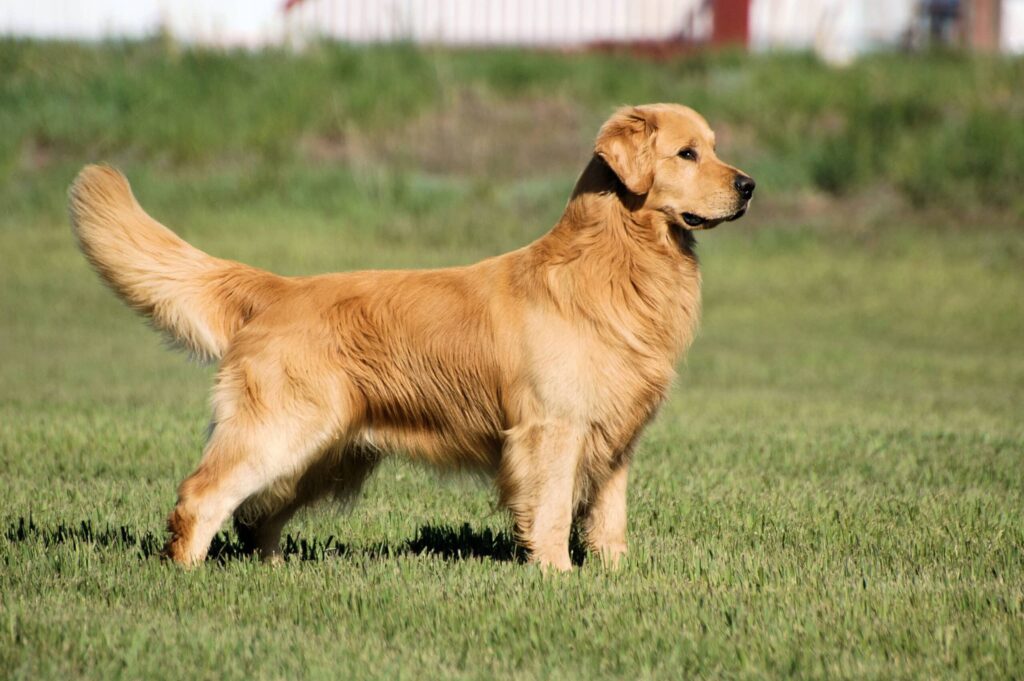
The Golden Retriever is the most recommended beginner dog breed in the world, and for good reason. Weighing 55 to 75 lbs, it’s a medium-large dog that combines exceptional trainability with a genuinely gentle temperament. Goldens learn commands faster than almost any other breed, making early training feel rewarding rather than frustrating. They are patient, affectionate, and almost universally good with children and other pets.
Goldens have a flowing golden double coat with feathering on the chest and tail. Their soft, expressive eyes and constant “smiling” expression make them one of the most recognizable dogs on earth. They do shed, especially in spring and fall — a lint roller becomes your best friend.
Most people expect a Golden to be friendly. What surprises new owners is how emotionally intuitive they are. A Golden picks up on your mood within seconds. Had a rough day? Your dog will quietly rest its head on your knee — completely unprompted.
“I was terrified I’d mess up training my first dog. Within two weeks, my Golden knew sit, stay, and down. He made me feel like I actually knew what I was doing.”
— James T., Golden Retriever owner for 4 years
- Top-ranked trainability for beginners
- Gentle with children and strangers
- Calm indoors when properly exercised
- Sheds heavily — daily vacuuming needed
- Needs 1–2 hours of exercise daily
- Not suited to tiny apartments
Best for: Families with children · First-time owners with a yard · Active individuals · Suburban households
→ See why Golden Retrievers top the list of best family dog breeds for kids
2. Labrador Retriever — “The Easiest Large Dog You’ll Ever Own”
| Weight | 55 – 80 lbs |
| Height | 21.5 – 24.5 inches |
| Lifespan | 10 – 12 years |
| Energy Level | High |
| Grooming Need | Low — brush weekly |
| Shedding | Moderate — year-round |
The Labrador Retriever is one of the most beginner-friendly large dog breeds and has ranked among the top 3 most popular breeds in the US for over three decades. Labs are eager to please, highly trainable, and naturally social with people and other animals. Their short, dense coat needs very little grooming — a major plus for new owners. They do need plenty of daily exercise to stay calm indoors.
Labs come in three colours — black, yellow, and chocolate. Their coat is short and water-resistant, lying flat against a powerful, athletic body. Their thick “otter tail” wags constantly and clears coffee tables with impressive efficiency.
Everyone knows Labs are friendly. What most new owners don’t expect is just how food-motivated they are — which makes training absurdly easy. They will perform any trick on earth for a small piece of kibble. That said, this same trait means food portions need watching, as Labs are prone to obesity if not exercised enough.
“My Lab learned to sit, shake, and lie down in one weekend. I’ve never trained a dog before in my life. He basically trained himself with enough treats.”
— Maria L., Labrador owner for 3 years
- Extremely food-motivated — easy to train
- Short coat needs minimal grooming
- Gentle and reliable with all ages
- Needs 60–90 min of exercise daily
- Prone to weight gain if underexercised
- Can be boisterous and knock over small kids
Best for: Active beginners · Families · People with outdoor space · Those wanting a low-grooming large dog
→ Explore the best large dog breeds for families, including the Labrador
3. Cavalier King Charles Spaniel — “The Lap Dog That Also Loves a Walk”
| Weight | 12 – 18 lbs |
| Height | 12 – 13 inches |
| Lifespan | 12 – 15 years |
| Energy Level | Low to Moderate |
| Grooming Need | Moderate — brush 3x weekly |
| Shedding | Moderate |
The Cavalier King Charles Spaniel is widely considered one of the best small dog breeds for beginners. Weighing just 12 to 18 lbs, it’s calm, gentle, and deeply people-oriented. Cavaliers adapt easily to both apartments and houses, need only 30 to 40 minutes of daily exercise, and are naturally gentle enough for seniors, first-time owners, and families with older children. Their silky coat needs regular brushing but no complex grooming.
Cavaliers have large, round dark eyes that give them a permanently sweet, pleading expression. Their silky coat comes in four colour combinations — Blenheim, tricolour, ruby, and black-and-tan — with long feathered ears that frame the face softly. They are compact but not fragile, moving with a quiet elegance.
Everyone expects a Cavalier to be gentle. What surprises new owners is their flexibility — equally happy on a long countryside walk or curled on the sofa all afternoon. They read your energy and match it. On busy days, they ask for very little. On active days, they’re right there with you.
“She’s the first dog I’ve ever had. I was worried about the commitment. She basically taught me her schedule within the first week — I just followed her lead.”
— Priya M., Cavalier King Charles owner for 5 years
- Low exercise needs — 30 min daily enough
- Gentle with seniors and older children
- Adapts well to apartments and small homes
- Prone to heart conditions — vet checks essential
- Needs company — struggles when left alone
- Coat tangles without regular brushing
Best for: Apartment dwellers · Seniors · First-time owners wanting a calm companion · Couples
4. Poodle (Standard, Miniature, or Toy) — “Smarter Than You Think, Easier Than You’d Expect”
| Weight | 4 – 70 lbs (varies by size) |
| Height | 10 – 15 in (Mini) / over 15 in (Standard) |
| Lifespan | 12 – 15 years |
| Energy Level | Moderate to High |
| Grooming Need | High — professional groom every 6–8 weeks |
| Shedding | Very Low — near hypoallergenic |
The Poodle is one of the most intelligent dog breeds in the world and one of the easiest to train — regardless of size. Miniature and Toy Poodles are perfect for small spaces, while Standard Poodles suit active households. Their near-hypoallergenic coat sheds minimally, making them the top choice for allergy-prone beginners. They pick up commands quickly and genuinely enjoy the mental challenge of learning new things.
Beneath that distinctive curly coat is an athletic, well-proportioned dog built for action. The coat is dense and woolly — it grows continuously rather than shedding, which explains the low allergen levels. The tradeoff is professional grooming every 6 to 8 weeks.
New owners often assume Poodles are high-maintenance prima donnas. The reality is completely different. Poodles are playful, goofy, and deeply bonded to their owners. They were originally bred as water retrievers — athletic, tough working dogs — and that spirit lives on beneath the haircut.
“My Mini Poodle learned her name in one day, four commands in three days. I’ve had her two years and she still surprises me with how fast she figures things out.”
— Chen W., Miniature Poodle owner for 2 years
- Near-hypoallergenic — low shedding coat
- Ranked among world’s most trainable breeds
- Available in three sizes — suits any home
- Grooming costs add up — $60–$120 every 8 weeks
- Needs daily mental stimulation or gets bored
- Can develop separation anxiety if left alone often
Best for: Allergy sufferers · Apartment dwellers · Owners who enjoy training · Families
→ Find out which dog breeds work best for families with allergies
5. Bichon Frise — “The Cheerful Cloud That Almost Never Sheds”
 Save
Save| Weight | 12 – 18 lbs |
| Height | 9.5 – 11.5 inches |
| Lifespan | 14 – 15 years |
| Energy Level | Moderate |
| Grooming Need | High — professional groom every 6–8 weeks |
| Shedding | Very Low — hypoallergenic |
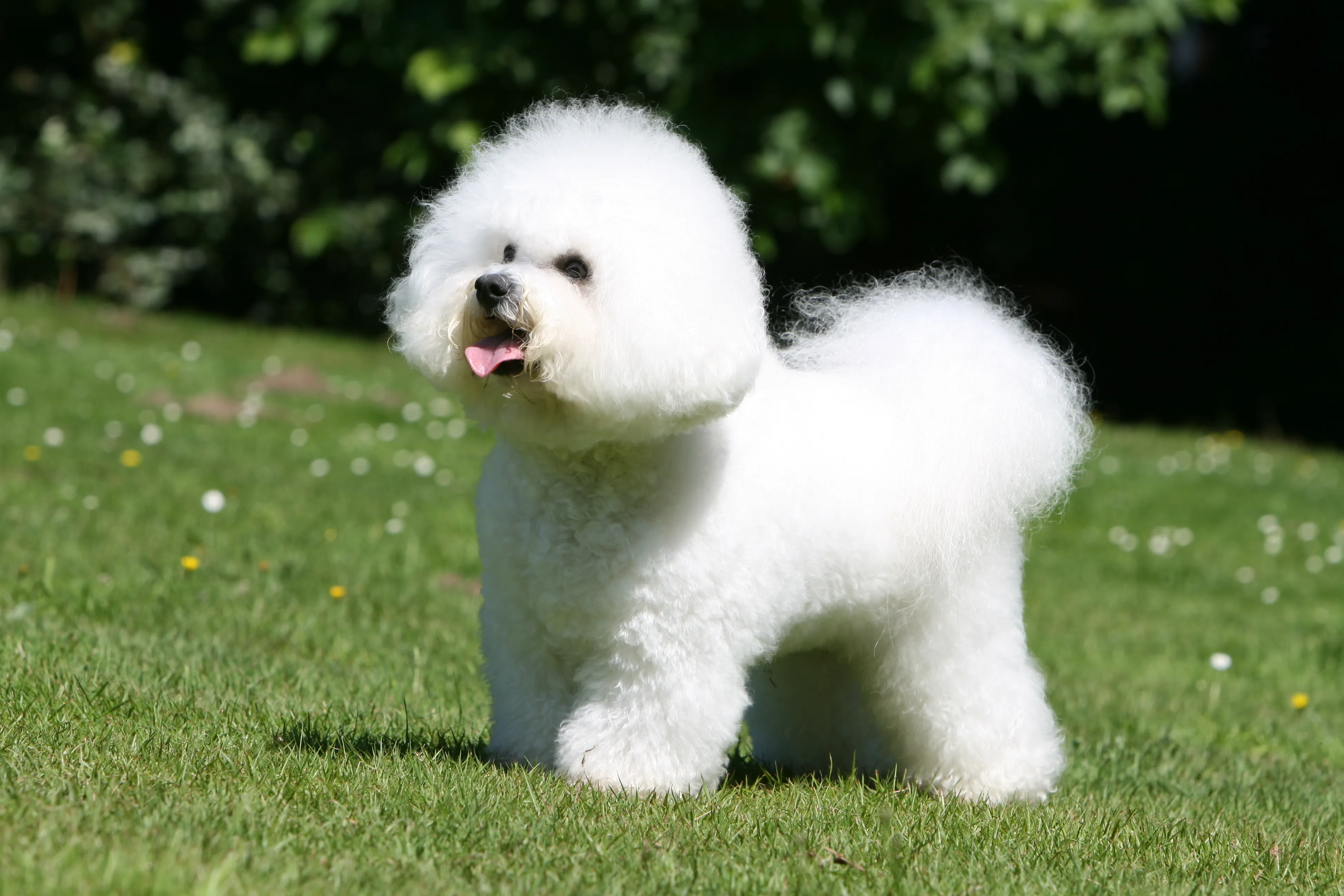
The Bichon Frise is a cheerful, compact dog that is almost entirely non-shedding — making it one of the top choices for allergy sufferers and people who hate dog hair on furniture. Weighing 12 to 18 lbs, it’s playful and sociable but also has a moderate energy level that suits apartment life well. Bichons are adaptable, respond well to positive reinforcement, and rarely develop aggression issues.
The Bichon’s most striking feature is its pure white, powder-puff coat — dense, curly, and soft to the touch. Its round dark eyes sit in a round face with a perky expression that reads as permanently cheerful. Despite the fancy appearance, the body underneath is sturdy and athletic for its size.
People expect a Bichon to be a quiet lap dog. In reality, this breed plays hard, loves to clown around, and has a talent for making people laugh. What surprises most new owners is the Bichon’s confidence — it walks into a new room like it already owns the place.
“I have bad allergies. I’ve had my Bichon for three years and I’ve never had a reaction. Zero fur on my sofa. She’s the only dog that’s ever worked for me.”
— Rachel B., Bichon Frise owner for 3 years
- Hypoallergenic — nearly zero shedding
- Happy in small spaces and apartments
- Rarely aggressive — great around visitors
- Professional grooming every 6–8 weeks required
- Prone to separation anxiety if left alone long
- Can be difficult to housebreak — needs patience
Best for: Allergy sufferers · Apartment dwellers · Seniors · Owners who work from home
6. Papillon — “The Tiny Dog With a Championship Brain”
| Weight | 5 – 10 lbs |
| Height | 8 – 11 inches |
| Lifespan | 14 – 16 years |
| Energy Level | Moderate to High |
| Grooming Need | Low — brush 2x weekly |
| Shedding | Low to Moderate |
The Papillon is one of the most intelligent small dog breeds for beginners and consistently outperforms much larger breeds in obedience competitions. Weighing just 5 to 10 lbs, it’s small enough for any apartment but has the energy and trainability of a sporting breed. Their long silky coat is surprisingly low-maintenance — no professional grooming needed. They live up to 16 years, making them a long-term companion for first-time owners.
The Papillon is named for its butterfly-shaped ears — large, wing-like, and fringed with fine hair. Its coat is silky and single-layered, lying flat with no undercoat, which means less shedding than you’d expect for a long-haired dog. Its delicate, elegant frame sits atop fine-boned legs that move with surprising quickness.
Most people see a Papillon and assume it’s fragile and fussy. In reality, this breed competes at the highest levels of agility sport. Papillons are bold, curious, and confident — they’ll learn a new command in minutes and then demand another one. They get bored without mental challenges, so puzzle toys and trick training keep them at their best.
“My Papillon knows 30 tricks. I’ve been training dogs my whole life and she’s the fastest learner I’ve ever worked with. And she weighs 7 pounds.”
— Tom R., Papillon owner for 7 years
- Top-ranked trainability among small breeds
- Long lifespan — up to 16 years
- Silky coat needs no professional grooming
- Can bark frequently — not ideal for thin walls
- Needs daily mental stimulation to stay settled
- Fragile — not suited to very young children
Best for: Singles and couples · Apartment dwellers · Owners who enjoy training · Those wanting a long-lived dog
7. Shih Tzu — “The Royal Lap Dog Built for Indoor Life”
| Weight | 9 – 16 lbs |
| Height | 8 – 11 inches |
| Lifespan | 10 – 18 years |
| Energy Level | Low |
| Grooming Need | High — daily brushing or puppy cut |
| Shedding | Very Low |
The Shih Tzu was bred for centuries as a palace companion — and it shows. This breed needs almost no outdoor space, requires only two short walks a day, and is perfectly content in a city apartment. Weighing 9 to 16 lbs, the Shih Tzu is naturally calm, affectionate, and non-aggressive. Their long flowing coat sheds minimally, making them a practical choice for neat households. Most beginner owners choose a short “puppy cut” to reduce daily grooming time.
The Shih Tzu’s coat grows in all directions — long, silky, and often two-toned — from a flat, broad face with widely set dark eyes and a pushed-in muzzle. Their small sturdy body moves with a proud, slightly rolling gait that looks almost regal. Many owners tie the top coat into a small ponytail to keep it clear of the eyes.
People expect a Shih Tzu to be aloof and pampered. The surprise is their warmth — they’ll follow you from room to room like a shadow. Most people don’t realise that Shih Tzus were also used as alert dogs in Chinese palaces — despite their size, they still have a confident, watchful nature.
“I live in a one-bedroom flat. My Shih Tzu has never once seemed bored or restless. She just wants to be near me — that’s her whole life’s purpose.”
— Sandra O., Shih Tzu owner for 8 years
- Very low exercise needs — 2 short walks daily
- Minimal shedding — ideal for tidy homes
- Exceptionally long lifespan — up to 18 years
- Long coat needs daily brushing if kept full
- Housetraining can take longer than average
- Prone to breathing issues in hot weather
Best for: Apartment dwellers · Seniors · Sedentary lifestyles · City dwellers
→ Discover the best small dog breeds for families, including the Shih Tzu
8. Pug — “Maximum Personality in Minimum Maintenance”
| Weight | 14 – 18 lbs |
| Height | 10 – 13 inches |
| Lifespan | 13 – 15 years |
| Energy Level | Low to Moderate |
| Grooming Need | Low — weekly brush, clean facial folds daily |
| Shedding | Moderate — despite short coat |
The Pug is a compact, affectionate breed that thrives on human attention and adapts well to almost any living situation. Weighing 14 to 18 lbs, it needs very little outdoor exercise — two short walks a day is enough. Pugs are naturally sociable, rarely aggressive, and have a clown-like personality that makes first-time ownership genuinely fun. Their short coat needs minimal grooming, though their facial folds need a daily wipe to stay clean and healthy.
The Pug’s face is unmistakable — a flat, wrinkled muzzle, wide-set dark eyes, and a deeply furrowed brow that gives it a permanent look of dramatic concern. Its compact body is square and muscular, with a tightly curled tail. They come in fawn or black, with a short, smooth coat that feels almost velvety.
Most people see a Pug and expect a lazy couch potato. They are that — but they’re also surprisingly social and emotionally expressive. The genuinely surprising thing is just how communicative they are: a Pug can convey happiness, irritation, excitement, and affection using only facial expressions and snorts, no words required.
“He makes me laugh every single day. I didn’t realise how expressive dogs could be until I got a Pug. He has a full emotional range and he uses all of it.”
— Angela S., Pug owner for 6 years
- Very low exercise needs — city-friendly
- Highly affectionate and rarely aggressive
- Short coat needs minimal grooming sessions
- Facial folds need daily cleaning — skin infections risk
- Prone to breathing problems — avoid heat and humidity
- Sheds more than the short coat suggests
Pugs are a brachycephalic breed — their flat face can cause breathing difficulties. Never exercise them hard in hot weather, and always choose a vet familiar with flat-faced breeds. This is not a deal-breaker, but it’s something every Pug owner must know from day one.
Best for: City apartment dwellers · Sedentary lifestyles · Seniors · First-time owners wanting a funny, loving companion
9. Boxer — “The Playful Giant Who Never Forgets to Make You Laugh”
| Weight | 50 – 80 lbs |
| Height | 21.5 – 25 inches |
| Lifespan | 10 – 12 years |
| Energy Level | High |
| Grooming Need | Very Low — weekly wipe-down is enough |
| Shedding | Low |
The Boxer is a large, energetic breed that is surprisingly easy for beginners — provided you can commit to daily exercise. Weighing 50 to 80 lbs, it has one of the lowest grooming needs of any breed on this list, a short coat that barely sheds, and a deeply loyal, people-centred personality. Boxers are patient and gentle with children, respond well to positive training, and are renowned for their playful, almost puppy-like energy well into adulthood.
The Boxer is all muscle — a wide, square jaw, defined chest, and short fawn or brindle coat that sits tight against an athlete’s body. Their dark eyes are alert and expressive, and their natural curiosity means they face every new experience with an open, engaged posture rather than fear.
People often assume Boxers are intimidating. In reality, they’re more likely to greet a stranger with a full body wiggle than a growl. What truly surprises new owners is how long they stay puppy-minded — a five-year-old Boxer will still try to sit in your lap, apparently unaware of its own size.
“I was warned Boxers were too much for a first-time owner. He’s the best decision I ever made. Yes, he needs exercise — but he’s so easy to train and he lives for our family.”
— Kevin D., Boxer owner for 5 years
- Almost zero grooming — short, low-shed coat
- Loyal, playful, and great with children
- Responds very well to positive reinforcement
- Needs 60–90 min of vigorous exercise daily
- Can knock over small children when excited
- Not suited to apartment living without a park nearby
Best for: Active beginners · Families with older children · Owners with garden access · Those wanting a low-grooming large dog
→ Find out which large breeds like the Boxer work best for big families
10. Beagle — “The Curious Explorer Who’s Always Up for an Adventure”
 Save
Save| Weight | 20 – 30 lbs |
| Height | 13 – 15 inches |
| Lifespan | 10 – 15 years |
| Energy Level | Moderate to High |
| Grooming Need | Very Low — weekly brush |
| Shedding | Moderate |
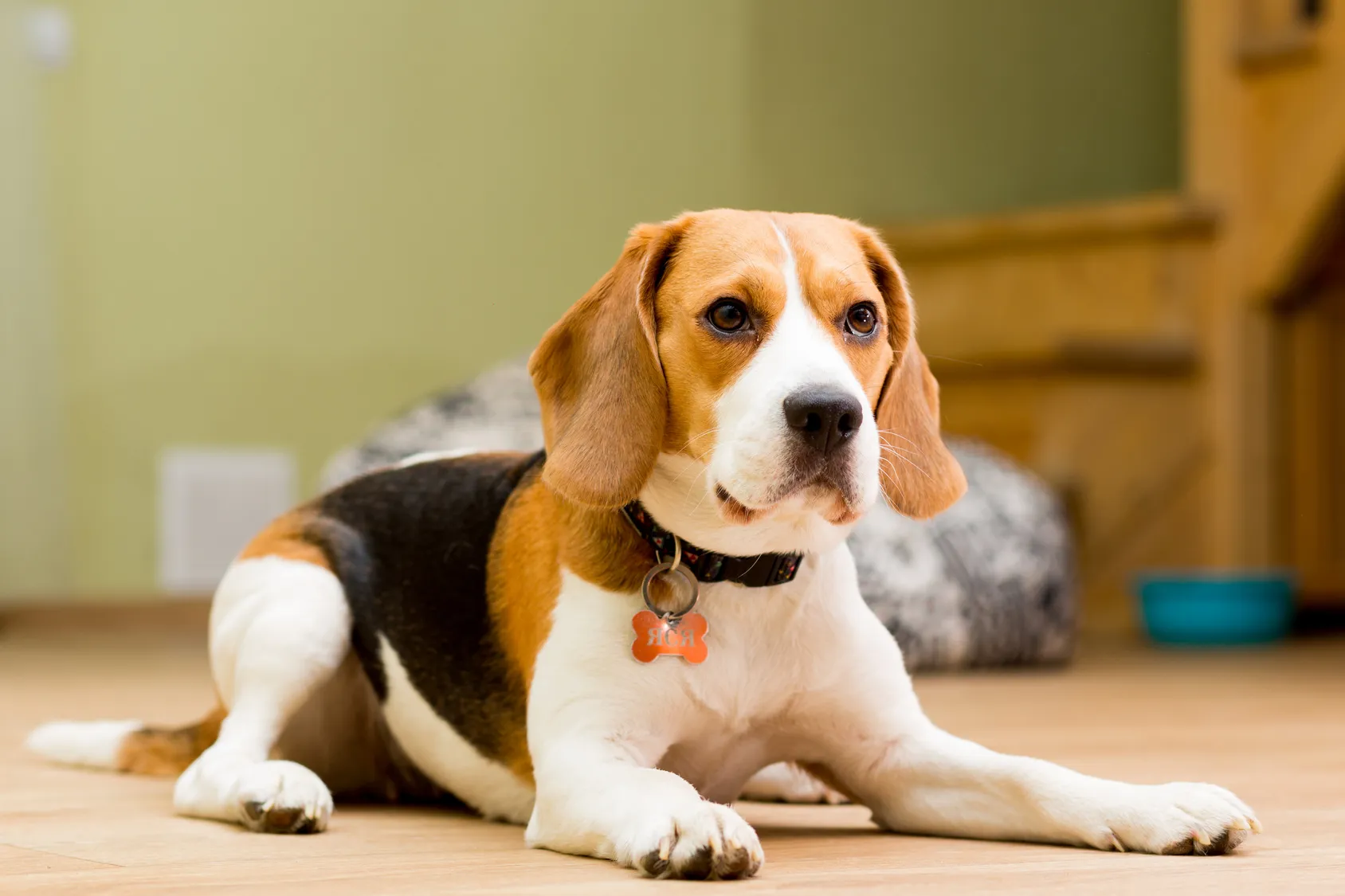
The Beagle is a friendly, compact hound that is consistently listed among the best beginner dog breeds for active owners. Weighing 20 to 30 lbs, it’s a manageable size — big enough to be robust, small enough to travel easily. Beagles have very low grooming needs, a cheerful temperament, and get along well with children and other dogs. Their one challenge is their nose — once they pick up a scent, recall becomes very difficult, so lead walking and a secure garden are essential.
The Beagle’s coat is short, dense, and comes in the classic tricolour (black, white, and tan) or various lemon-and-white combinations. Their long, drooping ears and large brown eyes give them one of the most expressive, pleading faces in dogdom. Their tail naturally carries upright like a flag when they’re engaged — easy to spot at a distance.
People know Beagles are friendly. What surprises new owners is how scent-driven they are — a Beagle’s nose can detect odours humans can’t begin to imagine. On a walk, this makes them fascinating and curious. Off-lead in an open field, it can make them temporarily deaf to your calls. That’s not stubbornness — it’s biology.
“My Beagle is pure joy on four legs. The only thing I didn’t expect was the howling when he’s bored. Neighbours introduced themselves very quickly.”
— Paul N., Beagle owner for 4 years
- Very low grooming needs — just weekly brushing
- Robust and playful with children
- Generally healthy and hardy breed
- Recall is unreliable — always needs a lead outside
- Can howl loudly when bored or under-exercised
- Scent-driven — will follow a smell off the path
Best for: Active beginners · Families with children · Suburban or rural households · Owners who enjoy daily walks
All 10 Breeds Compared — Quick Reference Table
Use this table to compare all 10 breeds side by side at a glance.
| Breed | Size | Energy | Grooming | Shedding | Best For |
|---|---|---|---|---|---|
| Golden Retriever | Large | Mod–High | Moderate | Heavy | Families, active owners |
| Labrador Retriever | Large | High | Low | Moderate | Families, active beginners |
| Cavalier KCS | Small | Low–Mod | Moderate | Moderate | Seniors, apartments |
| Poodle | Any size | Mod–High | High | Very Low | Allergy sufferers |
| Bichon Frise | Small | Moderate | High | Very Low | Allergy sufferers, apartments |
| Papillon | Tiny | Mod–High | Low | Low–Mod | Singles, training lovers |
| Shih Tzu | Small | Low | High | Very Low | Seniors, city apartments |
| Pug | Small–Med | Low–Mod | Low | Moderate | City dwellers, couch lovers |
| Boxer | Large | High | Very Low | Low | Active families |
| Beagle | Medium | Mod–High | Very Low | Moderate | Active beginners, families |
Which Dog Breed Is Right for You? — A Decision Guide for Beginners
Here’s the real question: which of these 10 breeds fits your actual life? Not the life you imagine having — the life you actually live right now.
Here’s how to find your match in 30 seconds:
- If you live in an apartment and work long hours → Cavalier KCS or Shih Tzu — low exercise needs, content indoors, low noise
- If you have dog allergies in the household → Poodle or Bichon Frise — near-hypoallergenic coats, minimal shedding
- If you have a young family with children → Golden Retriever or Labrador — proven patience, robust enough for rough play
- If you’re an active person who loves outdoor exercise → Boxer or Labrador — high energy, needs and loves daily vigorous activity
- If you want a small dog that’s genuinely brilliant → Papillon or Poodle — fastest learners on this entire list
- If you want low grooming above everything else → Boxer or Beagle — short coats, minimal upkeep
One thing most lists miss: the best first dog isn’t the most popular breed. It’s the breed that fits your energy level, home size, and available time. A mismatch — even with an easy breed — can be really tough. Be honest with yourself before you choose.
What Most Beginners Get Wrong When Choosing a Dog Breed
Most first-time owners make the same three mistakes. Knowing them now saves you a lot of stress later.
Mistake 1: Choosing based on appearance. Plenty of people fall for a breed’s looks online and then discover the reality of its energy level or grooming cost. An Afghan Hound is beautiful. It is also one of the most difficult dogs for beginners to manage. Always research before you fall in love with a photo.
Mistake 2: Assuming small means easy. Small dogs aren’t automatically low-maintenance. Some small breeds — like Jack Russell Terriers and Chihuahuas — are harder to train and more prone to anxiety than many large breeds. Size doesn’t predict difficulty. Temperament does.
Mistake 3: Underestimating the time commitment. Even the calmest dog on this list needs daily walks, regular feeding, playtime, and attention. Research consistently shows that new owners who struggle most are those who underestimated the daily time investment — not those who picked a slightly harder breed.
Before buying or adopting, spend time with the breed you’re considering. Visit a reputable breeder and spend an hour with the dogs. Or contact a breed-specific rescue group — they’re often happy to let potential adopters meet their animals first.
Dog Breeds Beginners Should Avoid in 2026
Knowing what NOT to get is just as useful as knowing what to get. The following breeds are often bought by first-time owners and often returned to shelters within a year — not because they’re bad dogs, but because their needs are genuinely demanding.
- Border Collie — needs 2–3 hours of intense mental and physical exercise daily. A bored Border Collie will redecorate your home.
- Siberian Husky — high energy, heavy shedding, vocal, and independent. Beautiful dogs — but not for beginners without significant time and space.
- Chow Chow — aloof, independent, and difficult to train. Requires experienced, confident handling.
- Dalmatian — extremely high energy, prone to deafness, and needs more exercise than most beginners can realistically provide.
- Jack Russell Terrier — feisty, stubborn, and relentlessly active. Experts love them; beginners often struggle.
You might be thinking some of these breeds don’t look that hard. Here’s why they are: their instincts were shaped over centuries for very specific, demanding work. Without that outlet, those instincts cause problems. The breeds on our top 10 list were specifically shaped to live with humans as companions — that’s a crucial difference.
What to Expect in Your First Year as a Dog Owner
Choosing the right breed is only step one. Here’s what most first-time owners are not fully prepared for:
The first two weeks are the hardest. Every dog takes time to settle into a new home. Expect some anxiety, disrupted sleep, and accidents indoors — even from the calmest breeds. This is completely normal. Most dogs settle into a reliable routine within 4 to 6 weeks.
Training starts on day one. The earlier you establish rules, the easier everything gets. A dog that jumps up on people at 8 weeks old is cute. The same dog at 18 months is a problem. Enroll in a puppy class within the first month if you can — widely recommended by trainers and vets alike.
Vet costs are real. Budget for a vet check within the first week, then vaccines, neutering, and at least one annual check. The American Veterinary Medical Association recommends annual wellness exams for all dogs — plan for it financially from day one.
The American Kennel Club’s guide on first-time dog ownership is one of the most comprehensive free resources available — worth reading before you bring any dog home.
Conclusion — One Step You Can Take Right Now
You now have everything you need to make a confident, informed first decision. The 10 breeds in this guide cover every lifestyle — from tiny apartments to active families to allergy-sensitive households.
Pick the two or three breeds that feel most realistic for your actual life. Then spend time with them in person before you decide. That single step — meeting the breed before committing — changes everything.
One thing to do right now: Search for a reputable breed-specific rescue or breeder near you for your top pick. Most will welcome a visit. Contact them today — the conversation alone will teach you more than any article can.
Frequently Asked Questions
What is the easiest dog to own for a first-time owner?
The Golden Retriever and Labrador Retriever are most consistently recommended by vets and trainers as the easiest breeds for first-time owners. Both are highly trainable, calm with people, and adaptable to different living situations. If you want a smaller dog, the Cavalier King Charles Spaniel or Bichon Frise are the top small-breed alternatives for beginners.
Are small dogs easier to manage than large dogs for beginners?
Not always. Small dogs are easier to handle physically, but some small breeds — like Jack Russells or Chihuahuas — are harder to train than many large breeds. The breeds that are easiest for beginners are ones with calm temperaments and high trainability, regardless of size. A Cavalier or Papillon is far easier than a Jack Russell despite the size difference.
Which dog breed is best for a beginner who has allergies?
The Poodle and Bichon Frise are the top choices for allergy-prone beginners. Both have near-hypoallergenic coats that shed minimally and produce lower levels of the proteins that trigger allergic reactions. The Poodle comes in three sizes — Toy, Miniature, and Standard — giving you flexibility based on your living space.
How much exercise do beginner dog breeds need daily?
It varies significantly by breed. Low-energy options like the Shih Tzu, Pug, and Cavalier King Charles Spaniel need just 20 to 30 minutes of walking per day. Medium-energy breeds like the Beagle need about 45 to 60 minutes. High-energy breeds like the Labrador, Golden Retriever, and Boxer need 60 to 90 minutes of active exercise daily to stay calm indoors.
Should beginners get a puppy or an adult dog?
Adult dogs are often a better fit for first-time owners. They’ve passed the most demanding puppy phase, their personality is fully formed, and rescue organisations can match you to a dog that suits your lifestyle. Puppies require intense time investment in the first 6 months — house training, socialisation, and multiple vet visits. Both are valid options, but adult dogs are genuinely underrated by beginners.
Thomas Cutter is a lifelong dog owner and the founder of FindOutAboutDogs.com. With over 10 years of hands-on experience owning multiple breeds, Thomas created this site to provide honest, research-based dog advice that real owners can actually trust.
