10 Best Chocolate Color Dog Breeds for Every Lifestyle
Quick Answer
The best chocolate color dog breeds include Labrador Retrievers, Boykin Spaniels, American Water Spaniels, Dachshunds, Miniature Pinschers, Chihuahuas, Havanese, Chinese Shar-Pei, Catahoula Leopard Dogs, and Rat Terriers. Your best match depends on size, exercise needs, grooming, and home life. Some have solid chocolate coats. Others combine chocolate with tan or patterns.
Quick chocolate dog comparison:
| Your Priority | Good Match |
|---|---|
| Family companion | Chocolate Labrador |
| Small home | Chihuahua |
| Active outdoor life | Boykin Spaniel |
Which chocolate dog should you choose?
- Choose a Labrador for an active family home.
- Choose a Chihuahua when space stays limited.
- Choose a Boykin for regular outdoor adventures.
A rich brown coat catches sunlight and turns almost copper at the edges. Chocolate dogs can look warm, glossy, and striking without flashy markings.
Yet coat color alone never tells you which dog fits your home. I’m Thomas Cutter, the author of this breed comparison. I’ll help you compare the traits that matter most.
- Chocolate can mean solid brown, liver, dilute, or patterned coats.
- Coat color doesn’t predict a dog’s personality or energy.
- Labradors suit many active families but need daily exercise.
- Small chocolate breeds can work better in compact homes.
- Health testing matters more than paying for a rare color.


What Makes a Dog Coat Truly Chocolate?
Chocolate describes dark brown pigment, but breed terms aren’t always the same. Some standards use chocolate as a named color. Others use brown, liver, or chocolate combinations. A chocolate-looking dog may also carry tan, white, brindle, or other markings. Coat genetics help explain these shades. The brown gene changes black pigment into brown pigment. You can learn more from the UC Davis Veterinary Genetics Laboratory brown coat guide. Still, genetics don’t make every brown coat identical. Breed standards use their own names and patterns. So focus on the whole dog, not one label. Temperament, size, health, and exercise needs matter far more. This guide focuses on breeds with recognized or established chocolate-related coat descriptions. For broader brown and liver shades, another breed list may fit better.
Here’s why that matters. A photo can make several brown shades look almost identical.
Yet their breeds may have completely different daily needs. Match the dog first and the shade second.
→ Compare the best brown color dog breeds
Which 10 Chocolate Color Dog Breeds Are Best in 2026?
The strongest choices cover far more than one lifestyle. Chocolate Labradors offer outgoing sporting-dog energy. Boykins and American Water Spaniels suit active owners who enjoy training. Dachshunds, Miniature Pinschers, Chihuahuas, and Havanese give smaller-home owners more compact choices. Chinese Shar-Pei bring a calmer and more reserved style. Catahoulas suit experienced homes that provide serious work. Rat Terriers combine small size with sharp energy. Not every dog below has a solid chocolate coat. Several recognized colors include tan, rust, white, or diluted brown. That’s useful because real buyers often search by the chocolate shade they see. Don’t rank these dogs by looks alone. Rank them by your schedule, home, activity level, and training skills. The number-one breed for one household can become a poor choice elsewhere. Start with the lifestyle match, then choose the coat you love.
1. Chocolate Labrador Retriever — The Classic Family Favorite
 Save
SaveActive families · Outdoor homes · Owners who enjoy training
| Weight | 55–80 pounds |
| Height | 21.5–24.5 inches |
| Lifespan | 11–13 years |
| Energy Level | High |
| Grooming Need | Low |
| Shedding | Moderate to high |
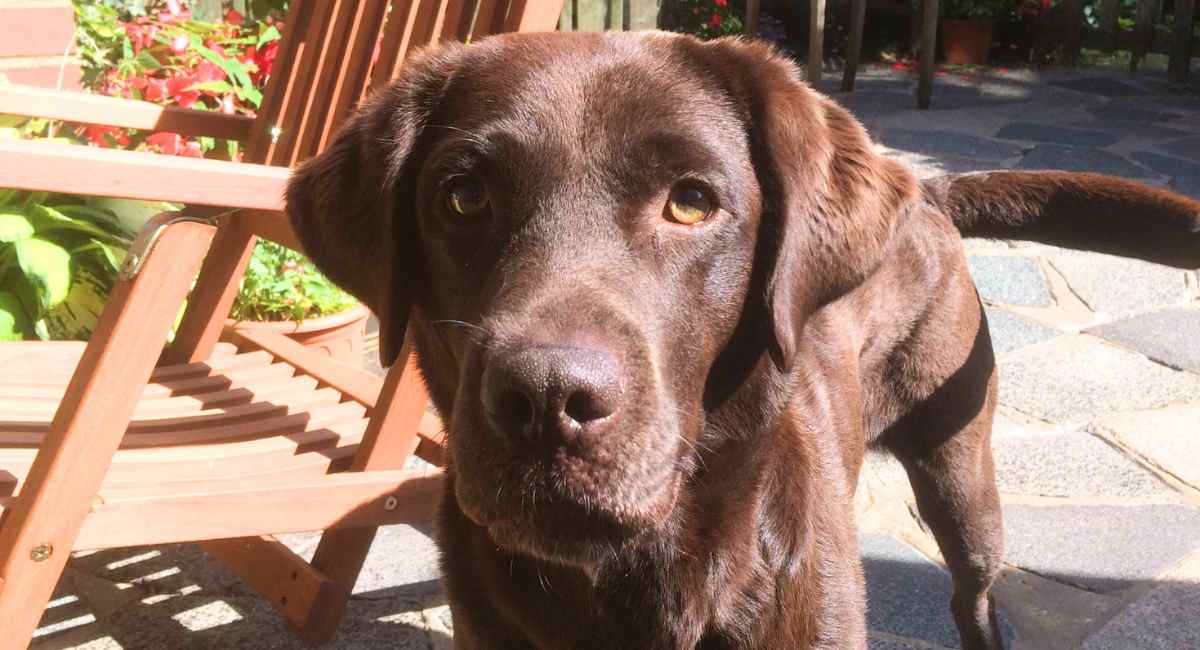
The Chocolate Labrador is a large sporting dog with a dense brown coat. Adults usually weigh 55 to 80 pounds. Labs enjoy retrieving, swimming, games, and structured training. Their social nature works well in active homes. Choose one when you can provide exercise, training, and regular family time each day.
The short chocolate coat looks deep brown and glossy in good light. A thick tail and broad head create the familiar Labrador outline.
Labs often carry toys from room to room. Many also seek water whenever they find it.
“A Lab may bring you a ball before you find your shoes.”
— Illustrative composite owner note
- Highly responsive to reward-based training
- Enjoys active family routines
- Short coat needs simple grooming
- Sheds heavily during seasonal changes
- Needs substantial daily exercise
- Young Labs can become boisterous
2. Boykin Spaniel — Chocolate Dog Breed for Outdoor Families
Hikers · Sporting homes · Active families wanting medium size
| Weight | 25–40 pounds |
| Height | 14–18 inches |
| Lifespan | 10–15 years |
| Energy Level | High |
| Grooming Need | Moderate |
| Shedding | Moderate |
The Boykin Spaniel is a medium sporting breed famous for its rich brown coat. Shades can range from liver brown to deep chocolate. Boykins stay smaller than most Labradors yet remain energetic working dogs. They suit people who enjoy hiking, retrieving, swimming, training, and other active routines throughout the week.
The wavy coat often forms feathering around the ears, chest, and legs. Its warm brown shade gives the Boykin a clear chocolate look.
Boykins love having a job. They often remain focused long after quieter companion breeds lose interest.
“A long walk rarely ends the day. A training game usually helps.”
— Illustrative composite owner note
- Compact sporting-dog size
- Thrives with active owners
- Rich brown coat looks distinctive
- Needs frequent physical activity
- Feathering collects outdoor debris
- Bored dogs may become restless
→ Explore hunting dog breeds suited to families
3. American Water Spaniel — The Curly Chocolate Adventurer
Water lovers · Outdoor couples · Experienced sporting-dog homes
| Weight | 25–45 pounds |
| Height | 15–18 inches |
| Lifespan | 10–14 years |
| Energy Level | High |
| Grooming Need | Moderate |
| Shedding | Low to moderate |
The American Water Spaniel is a compact sporting breed with brown or chocolate coloring. Its coat forms waves or tight curls across the body. Adults stay medium sized but bring strong working energy. The breed fits active owners who enjoy water, retrieving, field work, training, and frequent outdoor exercise.
Its dense curls give chocolate pigment extra depth and texture. Long ears frame an alert, spaniel-like face.
These dogs can switch from play to focused work quickly. Mental tasks matter almost as much as long walks.
“Water changes the whole dog. The quiet walk suddenly becomes serious work.”
— Illustrative composite owner note
- Useful medium-sized sporting build
- Distinctive curly chocolate coat
- Loves structured outdoor work
- Needs demanding daily exercise
- Curls need regular coat care
- Limited activity can cause frustration
4. Chocolate and Tan Dachshund — Small Dog With Huge Character
Smaller homes · Moderate walkers · Owners who enjoy bold dogs
| Weight | 16–32 pounds, standard |
| Height | 8–9 inches, standard |
| Lifespan | 12–16 years |
| Energy Level | Moderate |
| Grooming Need | Low to moderate |
| Shedding | Low to moderate |
The chocolate and tan Dachshund combines dark brown pigment with warm tan points. Its long body and short legs make it instantly recognizable. Standard Dachshunds weigh 16 to 32 pounds. They suit people wanting a smaller companion with moderate exercise needs and a bold, curious, scent-driven personality.
Chocolate often covers most of the body. Tan points can appear around the face, chest, and legs.
Dachshunds may follow tiny scents with intense focus. Their small size doesn’t produce a timid attitude.
“The yard becomes a detective scene whenever one new scent appears.”
— Illustrative composite owner note
- Compact size suits smaller homes
- Moderate daily exercise needs
- Several coat types available
- Back protection needs daily care
- Can become persistent barkers
- Independent streak affects training
5. Chocolate Miniature Pinscher — Tiny Athlete With Rust Points
SaveSmall homes · Active adults · Owners wanting easy coat care
| Weight | 8–10 pounds |
| Height | 10–12.5 inches |
| Lifespan | 12–16 years |
| Energy Level | High |
| Grooming Need | Low |
| Shedding | Low to moderate |
The Miniature Pinscher can appear in chocolate with tan or rust markings. This toy breed weighs only 8 to 10 pounds. Don’t mistake small size for low energy. Min Pins stay alert, fast, curious, and confident. They suit active owners wanting a compact dog with a simple short coat.
The smooth coat shows every curve of the lean body. Chocolate and rust create a sharp, polished contrast.
Min Pins move like much larger athletes. Many investigate high shelves despite their tiny frames.
“Small gates stop looking useful once a Min Pin starts planning.”
— Illustrative composite owner note
- Tiny size saves indoor space
- Short coat needs little grooming
- Playful energy feels entertaining
- Needs secure doors and gates
- Can challenge inconsistent training
- Cold weather may require protection
6. Chocolate Chihuahua — The Pocket-Sized Companion
Apartments · Adult homes · People wanting a tiny companion
| Weight | Up to 6 pounds |
| Height | 5–8 inches |
| Lifespan | 14–16 years |
| Energy Level | Moderate |
| Grooming Need | Low to moderate |
| Shedding | Low to moderate |
Chocolate appears in several Chihuahua color combinations, including chocolate with white or other markings. Chihuahuas weigh no more than 6 pounds. Their tiny bodies make them practical for compact homes. They still need training, safe handling, and daily activity. Choose one when you want a close, alert companion.
Large eyes and ears dominate the tiny head. Chocolate pigment can also deepen the nose and facial color.
Chihuahuas often pick favorite resting spots near their people. Many quickly notice every change around the home.
“The smallest dog often notices the delivery truck before everyone else.”
— Illustrative composite owner note
- Excellent size for apartments
- Needs modest exercise space
- Long expected lifespan
- Tiny body needs careful handling
- Cold temperatures feel uncomfortable
- Alert barking can become frequent
7. Chocolate Havanese — Silky Companion for City Living
City homes · Companion-focused owners · People who enjoy grooming
| Weight | 7–13 pounds |
| Height | 8.5–11.5 inches |
| Lifespan | 14–16 years |
| Energy Level | Moderate |
| Grooming Need | High |
| Shedding | Low |
The Havanese is a small companion breed that can carry a chocolate coat. Adults usually weigh 7 to 13 pounds. Their long hair needs far more grooming than short-coated toy breeds. Havanese suit owners who want close companionship, moderate activity, and a cheerful small dog for urban or suburban life.
The long coat can look soft, flowing, and almost satin-like. Chocolate shades add warmth to the breed’s expressive face.
Havanese tend to track their people around the house. Their social style can make long isolation difficult.
“Changing rooms often means gaining a tiny shadow within seconds.”
— Illustrative composite owner note
- Compact size fits city homes
- Low coat shedding
- Enjoys close human contact
- Long coat needs frequent brushing
- Dislikes long periods alone
- Professional grooming adds cost
→ Compare more solid color dog breeds
8. Chocolate Dilute Chinese Shar-Pei — The Wrinkled Individualist
Calmer homes · Experienced owners · People wanting a reserved breed
| Weight | 45–60 pounds |
| Height | 18–20 inches |
| Lifespan | 8–12 years |
| Energy Level | Moderate |
| Grooming Need | Low to moderate |
| Shedding | Low to moderate |
The Chinese Shar-Pei includes brown and chocolate dilute color descriptions. This medium breed stands about 18 to 20 inches tall. Shar-Pei tend to act more reserved than sporting breeds. They suit experienced owners who value calm routines, clear boundaries, early social work, and careful breed-specific health planning.
Loose folds create the famous puppy look. Adults often become less wrinkled across the body.
Shar-Pei may watch strangers before accepting them. They rarely need constant social attention from everyone nearby.
“Visitors get inspected first. Friendship usually arrives on the dog’s schedule.”
— Illustrative composite owner note
- Moderate exercise fits calmer routines
- Short coat stays manageable
- Distinctive chocolate dilute option
- Needs careful health research
- Can remain wary of strangers
- Early social work matters greatly
9. Chocolate Catahoula Leopard Dog — The Powerful Working Choice
Experienced handlers · Rural homes · Owners providing daily jobs
| Weight | 50–95 pounds |
| Height | 22–24 inches |
| Lifespan | 10–14 years |
| Energy Level | High |
| Grooming Need | Low |
| Shedding | Low to moderate |
The Catahoula Leopard Dog can appear in chocolate among several striking coat colors. This powerful working breed can weigh 50 to 95 pounds. Catahoulas need much more than casual walks. They suit experienced owners who provide training, boundaries, space, physical work, and regular tasks for both mind and body.
The short coat can show solid chocolate or more complex patterns. Strong muscles reveal the breed’s working background.
Catahoulas solve problems quickly and independently. That skill becomes challenging without clear training and useful work.
“A bored Catahoula can invent a project you never wanted completed.”
— Illustrative composite owner note
- Strong working ability
- Short coat needs little grooming
- Excellent choice for active handlers
- Poor fit for sedentary homes
- Needs skilled consistent training
- Strong drive requires management
10. Chocolate and Tan Rat Terrier — Compact, Bright, and Busy
 Save
SaveActive small-home owners · Training fans · Families wanting a lively terrier
| Weight | 10–25 pounds |
| Height | 10–18 inches |
| Lifespan | 12–18 years |
| Energy Level | High |
| Grooming Need | Low |
| Shedding | Moderate |
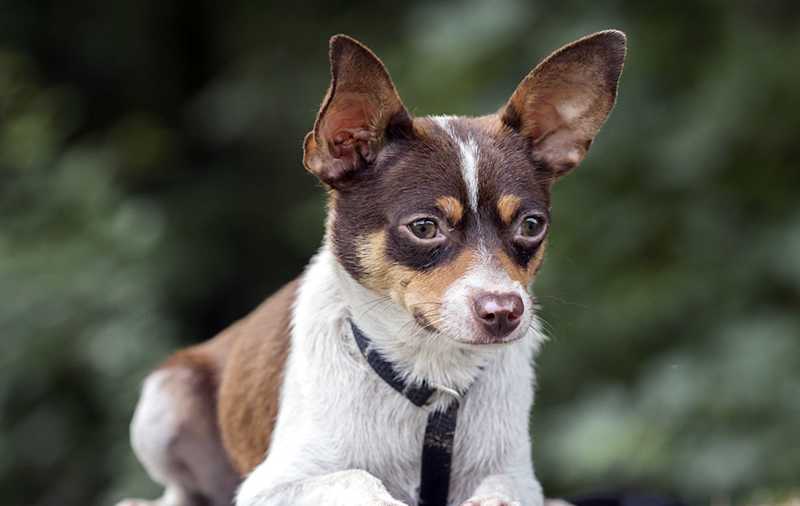
The Rat Terrier includes chocolate and tan among its many color combinations. Adults usually weigh 10 to 25 pounds. Their compact body hides serious terrier energy and prey drive. Rat Terriers suit owners who enjoy games, training, walks, and active play but want less size than larger sporting breeds.
The smooth coat lies close to a lean, athletic body. Chocolate markings can mix with tan and white areas.
Rat Terriers often scan yards for movement. A quiet afternoon can change instantly when something scurries nearby.
“One squirrel can turn a calm walk into the day’s main event.”
— Illustrative composite owner note
- Compact but athletic build
- Short coat stays easy
- Training keeps them engaged
- Prey drive needs management
- Needs more exercise than expected
- Can chase small wildlife
How Do These Chocolate Dog Breeds Compare Side by Side?
Size and energy create the biggest differences between these chocolate dog breeds. A Chihuahua can weigh under 6 pounds. A Catahoula can approach 95 pounds. Labs, Boykins, and American Water Spaniels need active routines. Catahoulas demand even more structure and working outlets. Dachshunds and Havanese fit many smaller homes more easily. Yet their care needs differ. Havanese require frequent coat work. Smooth Dachshunds need much less brushing. Shar-Pei fall in the middle for activity but need careful health research. Miniature Pinschers and Rat Terriers look small but stay busy. Their energy surprises people who judge only by body size. So what should you compare first? Start with exercise time and training skill. Then check size, grooming, shedding, and expected lifespan. Finally, choose your preferred chocolate shade. Reversing that order often leads to a poor match.
| Breed | Size | Energy | Grooming | Best Match |
|---|---|---|---|---|
| Labrador | Large | High | Low | Active families |
| Boykin Spaniel | Medium | High | Moderate | Outdoor homes |
| American Water Spaniel | Medium | High | Moderate | Sporting owners |
| Dachshund | Small | Moderate | Low–moderate | Smaller homes |
| Miniature Pinscher | Toy | High | Low | Active adults |
| Chihuahua | Toy | Moderate | Low–moderate | Apartments |
| Havanese | Small | Moderate | High | Companion homes |
| Chinese Shar-Pei | Medium | Moderate | Low–moderate | Experienced owners |
| Catahoula | Large | High | Low | Working homes |
| Rat Terrier | Small | High | Low | Active small homes |
Which Chocolate Dog Breed Is Right for You?
Your daily routine should decide the breed before coat color enters the choice. Pick a Labrador when your family spends lots of time outside. Consider a Boykin when you want a smaller sporting partner. Choose a Chihuahua when limited space matters most. A Havanese works better when companionship matters and grooming feels manageable. A Rat Terrier suits people wanting a small but active training partner. Experienced owners with land may enjoy a Catahoula’s working drive. Shar-Pei fit owners who prefer a more reserved dog. They still need careful social work. Think about your worst busy week, not your best free weekend. How much exercise can you provide every day? How much hair can you tolerate? Can you handle grooming costs? Can you train a strong or independent breed? Those answers reveal more than any chocolate shade ever will.
Is this right for me?
- If you want a family athlete, choose a Labrador.
- If space stays tight, consider a Chihuahua.
- If grooming doesn’t bother you, consider a Havanese.
- If you want a worker, consider a Boykin or Catahoula.
First-time ownership deserves extra care. Some small dogs still bring demanding energy or strong instincts.
→ Compare dog breeds for first-time owners
What Care Do Chocolate Color Dogs Actually Need?
A chocolate coat doesn’t create one special grooming plan for every dog. Care follows coat type, skin needs, body shape, and breed health. A Labrador needs regular brushing for shedding. A Havanese needs frequent brushing to prevent mats. A smooth Miniature Pinscher needs much less coat work. Dachshunds need safe weight control because extra pounds stress their long backs. Sporting breeds need exercise that challenges both body and mind. Shar-Pei owners should learn their breed’s skin and health needs. Before buying a puppy, ask about health screening rather than focusing on color alone. The OFA Canine Health Information Center lists breed-focused screening programs. Responsible breeders should discuss the health concerns relevant to their breed. A beautiful chocolate puppy still needs the same sound structure, care, and thoughtful breeding as any other color.
Ask for health records before discussing your preferred coat shade.
What Do People Get Wrong About Chocolate Dog Breeds?
The biggest mistake is treating chocolate dogs as one personality type. Coat pigment doesn’t turn a Chihuahua into a Labrador. It also doesn’t reduce a Catahoula’s working drive. Another mistake involves the word chocolate itself. Some breeds use that exact color name. Others use chocolate with tan, rust, white, or dilute patterns. A third mistake involves rarity. Buyers sometimes assume a rare-looking shade deserves any price. Color should never replace health testing, stable temperament, sound structure, or responsible breeding. You might also hear that every chocolate coat needs special shampoo. It doesn’t. Coat texture and skin condition guide grooming choices. Finally, brown coats can look lighter under sun, age, or changing hair. A small shade shift doesn’t create a new breed. Understanding these points helps you avoid buying based on appearance alone.
Never accept weak health practices just to get a rare color.
What Should You Do Before Choosing One?
Choose the lifestyle match before choosing your favorite shade. Compare exercise, size, grooming, training, and health needs first. Then shortlist two breeds that suit your real routine. Thomas Cutter recommends starting with that two-breed shortlist right now.
Frequently Asked Questions
Chocolate dog breeds vary widely in size, care, temperament, and coat type. The questions below cover the points buyers often ask after seeing a brown puppy. Remember that chocolate can describe a solid coat or part of a pattern. It may also overlap with terms like liver or brown. Breed standards decide which names apply. A dog’s coat color alone doesn’t tell you how easy ownership will feel. You still need to compare exercise, training, shedding, grooming, and health needs. Small chocolate dogs aren’t always low energy. Large chocolate dogs aren’t always difficult indoors. The best choice depends on your household and routine. If you’re comparing puppies, ask the breeder about health tests before discussing shade. Then meet adult dogs from the breed when possible. Adult size and behavior give you a clearer picture than puppy appearance.
Are chocolate Labrador Retrievers a separate breed?
No. A Chocolate Labrador Retriever is still a Labrador Retriever. Chocolate describes its coat color, not a separate breed. The same breed also includes other recognized colors. Your dog’s exercise, training, feeding, and health needs come from Labrador traits rather than the chocolate shade alone.
Are chocolate dogs rare?
Some chocolate coats are less common within certain breeds, but rarity varies widely. Chocolate Labradors are familiar to many owners. Other chocolate patterns appear less often. Don’t assume uncommon always means better. A responsible breeder should place health, stable behavior, and sound structure ahead of producing unusual colors.
Does chocolate coat color affect a dog’s health?
Coat color alone shouldn’t replace breed-specific health research. Different genes create different colors and patterns across breeds. Health risks also vary by breed and breeding line. Ask for the tests recommended for your chosen breed. Evaluate the breeder’s full health program instead of judging one color.
Do chocolate dog coats fade or change shade?
Chocolate coats can look different with age, sunlight, new hair, and seasonal coat changes. Lighting also changes how dark brown appears in photographs. A warmer or lighter shade doesn’t mean the dog changed breeds. Ask about expected adult coat color when choosing a puppy.
Which chocolate color dog breed is best for an apartment?
Chihuahuas and Havanese can suit apartments because their bodies stay small. Miniature Pinschers also fit small spaces but need active play. Apartment success still depends on training and exercise. A quiet routine matters more than size alone, especially when a breed tends to alert bark.

Thomas Cutter is a lifelong dog owner and the founder of FindOutAboutDogs.com. With over 10 years of hands-on experience owning multiple breeds, Thomas created this site to provide honest, research-based dog advice that real owners can actually trust.
