10 Best Copper Color Dog Breeds for Every Lifestyle
Quick Answer
The best copper color dog breeds include Vizslas, Irish Setters, Tollers, Finnish Spitzes, and red Siberian Huskies. Copper is not one universal breed-standard color. It often appears as rust, red-gold, golden-red, chestnut, or deep red. Your best choice depends on energy, size, shedding, grooming, and training needs.
| Need | Strong Pick |
|---|---|
| Sleek copper coat | Vizsla |
| Flowing red-copper coat | Irish Setter |
| Smaller active breed | Finnish Spitz |
Choose your copper-colored dog this way:
- Choose a Vizsla for running and simple coat care.
- Choose an Irish Setter for active family life.
- Choose a Finnish Spitz for a smaller foxlike companion.
- Choose a Golden Retriever for a softer family temperament.
Sunlight hits the coat, and warm red suddenly turns bright copper. The glow can be stunning.
But coat color should never make your whole choice. I’m Thomas Cutter, founder of FindOutAboutDogs.com.
I compare dogs by daily life first. Color comes after exercise, care, size, and temperament.
Copper also causes some confusion. Kennel clubs rarely use “copper” as one universal color name.
You may instead see red, red-gold, golden-rust, chestnut, or golden-red. My red color dog breeds guide explains that wider color family.
This guide focuses on breeds that can show a clear copper-like look. Rare designer colors need separate research.
- Copper often means rust, red-gold, chestnut, or golden-red.
- Vizslas have one of the clearest natural copper looks.
- Coat shade does not predict temperament.
- Some copper-colored breeds need intense daily exercise.
- Choose lifestyle fit before choosing your favorite shade.


What Makes a Dog Look Copper Colored?
A copper-colored dog usually has warm yellow-red pigment with strong orange or brown tones. The final shade may look rusty, golden-red, chestnut, or mahogany. Sunlight often makes these warm coats appear brighter. Indoor light can make the same dog look brown or dark red. Breed standards may use different names for almost the same visual effect.
Coat texture changes the look too. Short Vizsla hair reflects light across the body. Irish Setter feathering creates darker and lighter red areas. Finnish Spitz coats build depth through dense layered hair. Australian Shepherds can show copper as markings instead of one solid coat. Genetics shape pigment, while other genes affect hair length and texture. The AKC coat color testing guide explains several pigment-related gene groups.
You might think “copper” means one exact gene. It does not. The word mainly describes appearance.
When I compare copper dogs, I check official color names first. That prevents rare-color marketing from causing confusion.
So if you want copper fur, start with established breed colors. Then check the dog’s real daily needs.
What Are the 10 Best Copper Color Dog Breeds?
The strongest copper color dog breeds offer warm coats plus clear lifestyle differences. Vizslas provide smooth golden-rust color with almost no complex grooming. Irish Setters add long mahogany-red feathering. Nova Scotia Duck Tolling Retrievers offer copper-red coats in a smaller retriever frame. Finnish Spitzes show glowing red-gold coats and foxlike features. Red Siberian Huskies combine copper tones with white markings.
Australian Shepherds can carry bold copper points beside red or merle colors. English Cocker Spaniels offer rich red and golden shades. Dark Golden Retrievers can develop warm reddish-gold coats. Red Dachshunds provide copper-like color across three coat types. Chesapeake Bay Retrievers can show warm sedge shades. No breed suits every household. Energy, grooming, training, noise, size, and shedding matter more than color.
When I compare these breeds, one fact stands out. Similar coat shades can hide completely different personalities.
Now let’s match each copper look to the life it suits.
1. Vizsla — Copper Dog Breed With a Sleek Golden-Rust Coat
 Save
SaveRunners · Hikers · Active hands-on owners
| Weight | 44–60 pounds |
| Height | 21–24 inches |
| Lifespan | 12–15 years |
| Energy Level | Very high |
| Grooming Need | Low |
| Shedding | Low to moderate |
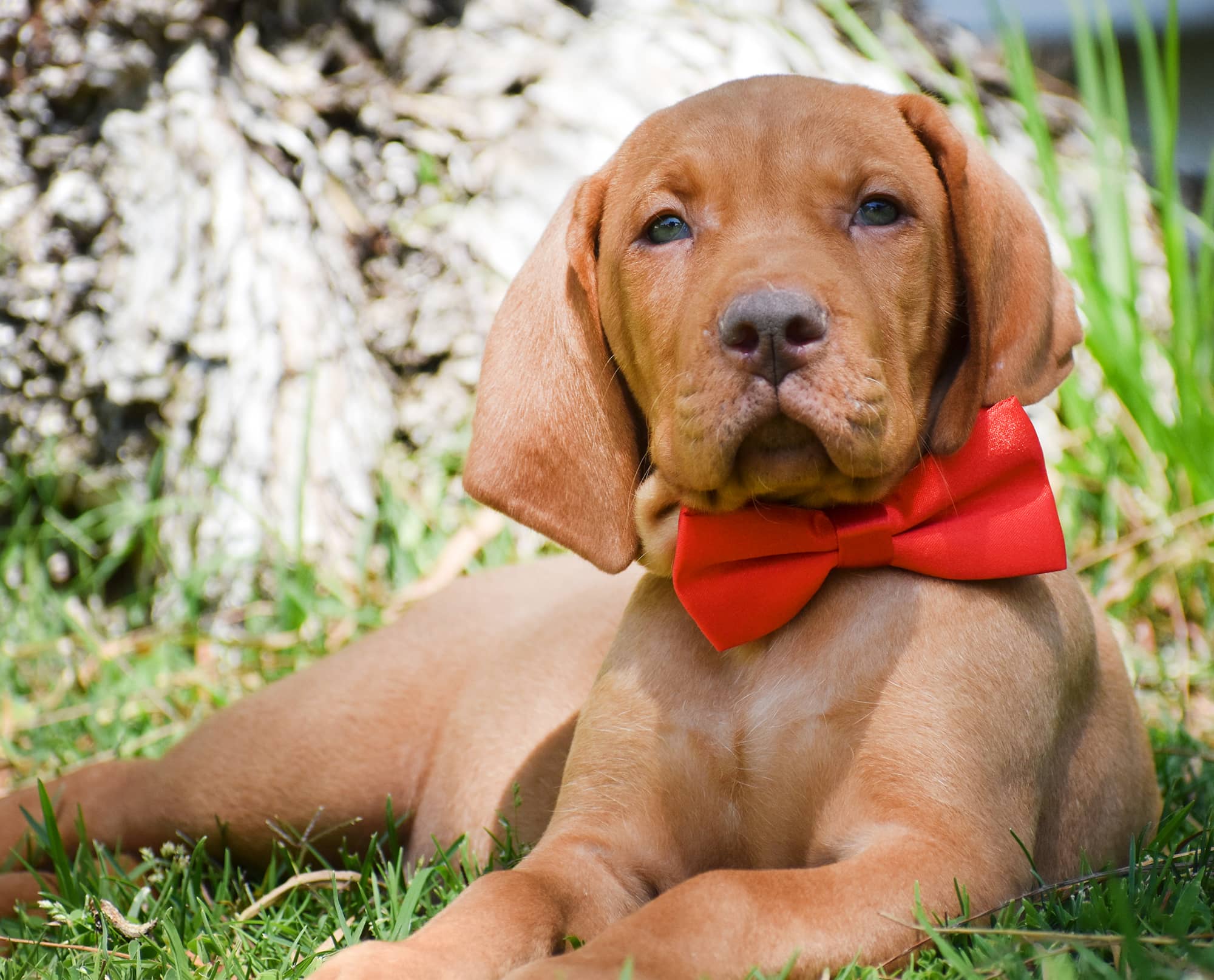
The Vizsla is an athletic copper-colored sporting breed known for its smooth golden-rust coat. Adults weigh 44 to 60 pounds. They bond closely with people and need vigorous daily activity. Vizslas suit runners, hikers, and active owners who want striking color without demanding coat care.
The short coat hugs every muscle and creates an even copper glow. Nose and skin tones blend closely with the fur.
Vizslas love close contact with their people. Many follow owners from room to room.
Illustrative owner scenario: “After our run, she still follows me into the kitchen.”
- Beautiful even rust coloring
- Simple short-coat care
- Excellent running partner
- Needs hard daily exercise
- Dislikes long isolation
- Can overwhelm quiet homes
→ Compare more striking solid color dog breeds
2. Irish Setter — Flowing Copper-Red Dog for Active Families
Active families · Runners · Large homes
| Weight | 60–70 pounds |
| Height | 25–27 inches |
| Lifespan | 12–15 years |
| Energy Level | High |
| Grooming Need | High |
| Shedding | Moderate |
The Irish Setter is a large sporting breed with rich chestnut and mahogany coloring. Adults weigh about 60 to 70 pounds. They stay playful, social, and energetic for years. Irish Setters suit active families wanting a dramatic copper-red coat and plenty of outdoor companionship.
Long feathering covers the ears, chest, legs, and tail. Bright light creates strong copper highlights.
Irish Setters often greet life at full speed. Their youthful play can continue into adulthood.
Illustrative owner scenario: “He finishes fetch, drinks water, then drops the ball again.”
- Iconic copper-red coat
- Strong outdoor companion
- Playful family personality
- Needs major daily activity
- Feathering tangles easily
- Can stay boisterous
3. Nova Scotia Duck Tolling Retriever — Compact Copper Retriever
Dog sports · Fetch lovers · Active families
| Weight | 35–50 pounds |
| Height | 17–21 inches |
| Lifespan | 12–14 years |
| Energy Level | High |
| Grooming Need | Moderate |
| Shedding | Moderate to heavy |
The Nova Scotia Duck Tolling Retriever is a compact sporting dog with copper-red coloring. Adults weigh 35 to 50 pounds. Tollers learn quickly and bring intense retrieving drive. They suit active families wanting retriever traits in a smaller, bright-coated package.
The medium coat ranges from golden-red to deep copper. White markings often brighten the chest and paws.
Tollers usually work with intense focus. Excitement can also trigger their famous high-pitched vocal sound.
Illustrative owner scenario: “The ball goes away, but he keeps watching the drawer.”
- Rich copper-red coat
- Smaller retriever frame
- Fast eager learner
- Needs daily mental work
- Sheds more seasonally
- Excitement can sound loud
4. Finnish Spitz — Foxlike Red-Gold Copper Dog
| Weight | 20–33 pounds |
| Height | 15.5–20 inches |
| Lifespan | 13–15 years |
| Energy Level | High |
| Grooming Need | Moderate |
| Shedding | Heavy seasonally |
The Finnish Spitz is a medium-small hunting breed known for glowing red-gold coloring. Adults weigh about 20 to 33 pounds. They stay lively, alert, and expressive. Finnish Spitzes suit owners wanting a smaller copper-colored breed with a bold foxlike look.
The dense coat mixes golden and red tones instead of one flat shade. Upright ears complete the foxlike outline.
Finnish Spitzes were bred to signal game through barking. Their voice remains an important breed trait.
Illustrative owner scenario: “Nothing crosses our yard without her announcing the news.”
- Bright red-gold coat
- Manageable medium-small size
- Bold alert personality
- Can bark frequently
- Sheds heavily seasonally
- Needs steady daily activity
5. Siberian Husky — Copper and White Sled Dog
 Save
Save| Weight | 35–60 pounds |
| Height | 20–23.5 inches |
| Lifespan | 12–14 years |
| Energy Level | Very high |
| Grooming Need | Moderate |
| Shedding | Very heavy seasonally |
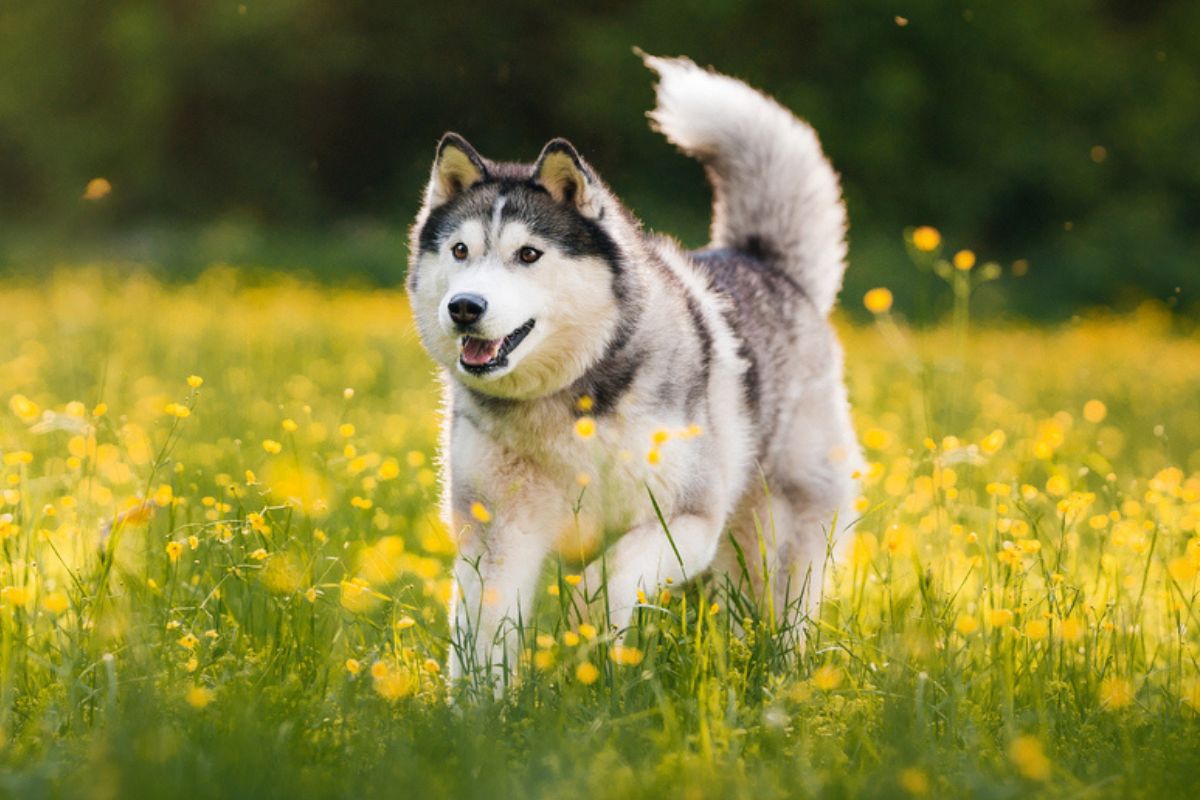
The Siberian Husky is an athletic sled breed that can show vivid red-copper coloring. Adults weigh 35 to 60 pounds. Huskies combine endurance, independence, and strong social needs. They suit active owners prepared for major shedding, secure fencing, and daily exercise.
Red Huskies may blend copper, cream, and white across a thick coat. Light eyes can sharpen the contrast.
Huskies often enjoy people but think independently. A weak fence can become a puzzle worth solving.
Illustrative owner scenario: “He treats every closed gate like an engineering challenge.”
- Striking copper-white patterns
- Strong endurance outdoors
- Highly social nature
- Sheds huge seasonal amounts
- Can escape weak fencing
- Needs substantial daily exercise
6. Australian Shepherd — Copper Markings With Red-Merle Drama
| Weight | 40–65 pounds |
| Height | 18–23 inches |
| Lifespan | 12–15 years |
| Energy Level | Very high |
| Grooming Need | Moderate |
| Shedding | Heavy seasonally |
The Australian Shepherd brings copper into patterned coats instead of one solid color. Adults weigh 40 to 65 pounds. Red-merle dogs can show warm copper points beside red and white. Aussies suit experienced active owners who enjoy training, sports, and daily mental work.
Red merle creates a marbled base with warm patches. Copper markings can frame the face and legs.
Aussies learn patterns extremely fast. Without planned work, they may invent their own tasks.
Illustrative owner scenario: “Ten minutes of tricks tires her brain more than wandering outside.”
- Unique copper facial points
- Learns complex work fast
- Excels in dog sports
- Needs constant mental work
- May herd moving children
- Heavy seasonal shedding
→ See more multi color dog breeds and coat patterns
7. English Cocker Spaniel — Silky Red and Golden Copper Shades
| Weight | 26–34 pounds |
| Height | 15–17 inches |
| Lifespan | 12–14 years |
| Energy Level | High |
| Grooming Need | High |
| Shedding | Moderate |
The English Cocker Spaniel is a compact sporting breed with red and golden coat options. Adults weigh about 26 to 34 pounds. Their silky hair can produce a warm copper effect. They suit active households wanting sporting energy in a smaller body.
Long ears frame a soft face and silky coat. Rich red examples can glow copper outdoors.
English Cockers often stay eager for games and training. Their hunting roots also keep noses busy.
Illustrative owner scenario: “She finds the hidden tennis ball before I finish counting.”
- Rich silky red coats
- Compact sporting size
- Responsive training style
- Needs frequent brushing
- Ears require routine checks
- Needs active daily play
8. Golden Retriever — Dark Golden Dog With Copper Warmth
| Weight | 55–75 pounds |
| Height | 21.5–24 inches |
| Lifespan | 10–12 years |
| Energy Level | High |
| Grooming Need | Moderate |
| Shedding | Heavy |
The Golden Retriever can develop deep golden coloring that appears copper in warm light. Adults weigh 55 to 75 pounds. Goldens combine sporting energy with strong people focus. They suit families wanting a trainable companion and accepting regular brushing and heavy shedding.
Dark golden coats carry stronger red tones than pale cream coats. Feathering adds rich shade around the body.
Goldens often learn through food, play, and praise. Their social nature makes long isolation difficult.
Illustrative owner scenario: “Everyone enters our house as a stranger and leaves as his friend.”
- Warm dark-golden coloring
- Usually easy to train
- Strong family companion
- Sheds heavily year-round
- Needs active daily exercise
- Dislikes long isolation
→ Compare the best golden color dog breeds
9. Red Dachshund — Small Copper Dog With Three Coat Types
| Weight | 16–32 pounds standard |
| Height | 8–9 inches standard |
| Lifespan | 12–16 years |
| Energy Level | Moderate |
| Grooming Need | Low to moderate |
| Shedding | Moderate |
The red Dachshund is a small hound whose warm coat can look distinctly copper. Standard dogs weigh 16 to 32 pounds. Smooth, longhaired, and wirehaired varieties create different coat effects. Dachshunds suit smaller homes whose owners accept bold hound behavior.
The long body and short legs make the breed instantly clear. Red coats range from warm orange-red to deeper tones.
Dachshunds were bred for independent underground hunting. Their confidence often feels much larger than their body.
Illustrative owner scenario: “He hears the snack bag from rooms I forgot existed.”
- Compact home-friendly size
- Several red coat types
- Bold entertaining behavior
- Back protection matters greatly
- Can bark frequently
- Training needs patience
10. Chesapeake Bay Retriever — Warm Sedge-Coated Working Retriever
 Save
Save| Weight | 55–80 pounds |
| Height | 21–26 inches |
| Lifespan | 10–13 years |
| Energy Level | High |
| Grooming Need | Low to moderate |
| Shedding | Moderate to heavy |
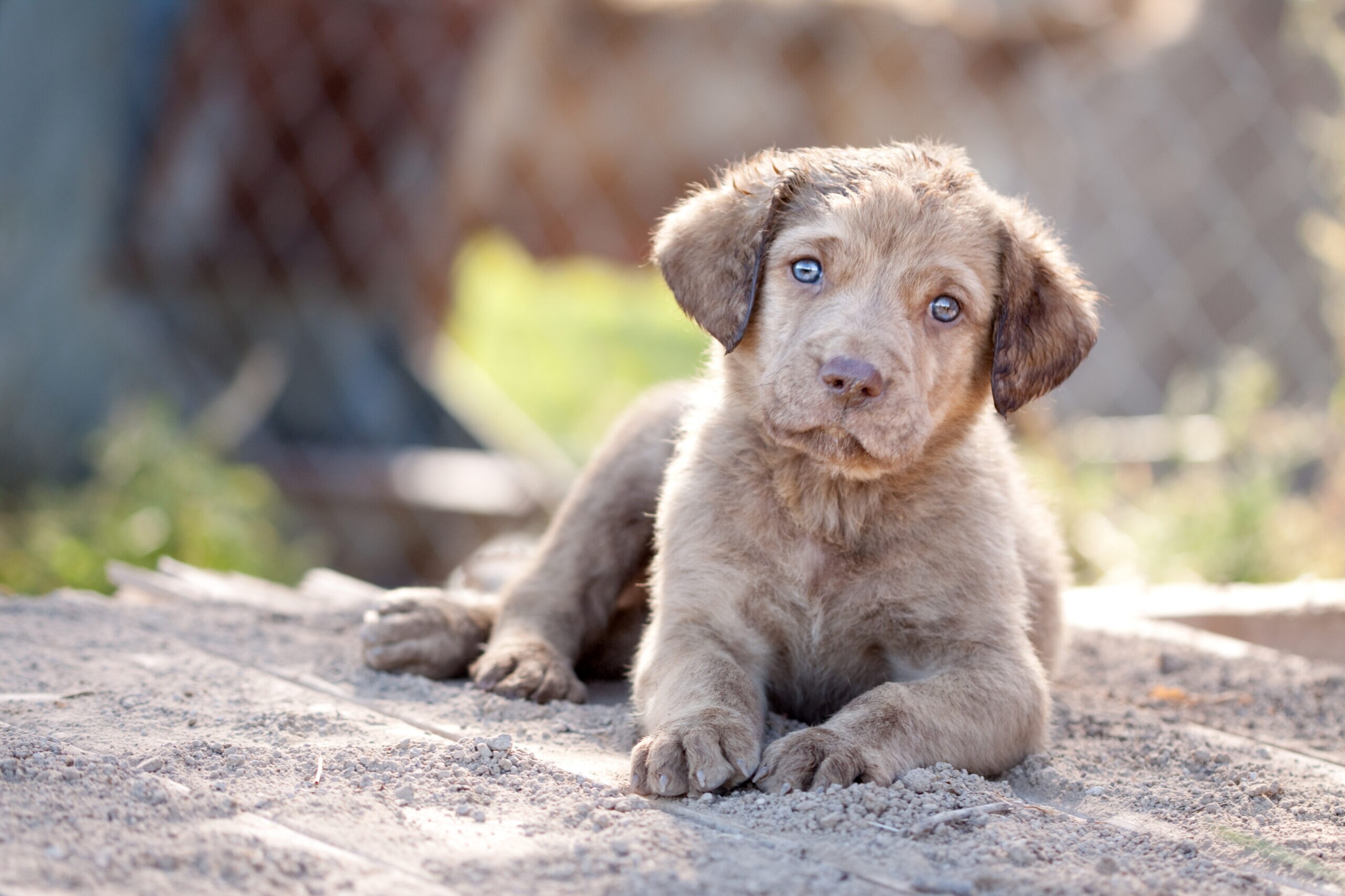
The Chesapeake Bay Retriever is a powerful working retriever with brown and warm sedge shades. Some sedge coats can appear copper in sunlight. Adults weigh 55 to 80 pounds. Chessies suit experienced outdoor owners wanting endurance, water ability, and a more independent retriever.
The short wavy coat feels dense and oily. Warm sedge shades can carry gold, tan, and copper notes.
Chessies tend to think more independently than many retrievers. Clear training helps channel their strong working drive.
Illustrative owner scenario: “Cold water never stops him when a bumper lands outside.”
- Distinct warm sedge coat
- Excellent water-working ability
- Powerful outdoor endurance
- Needs skilled consistent training
- Requires strong daily exercise
- Coat sheds seasonally
How Do the Best Copper Color Dog Breeds Compare?
Copper-colored breeds differ far more in lifestyle than their coats suggest. Vizslas offer the easiest grooming but demand intense exercise. Irish Setters also need major activity, plus regular coat care. Tollers reduce overall body size but keep strong sporting drive. Finnish Spitzes bring smaller size, thick fur, and much more barking. Huskies combine endurance with heavy shedding and independent behavior.
Australian Shepherds need serious mental work instead of simple walks. English Cockers offer a smaller sporting option but need coat and ear care. Golden Retrievers suit more family settings, though shedding stays heavy. Dachshunds need less space but require careful back protection. Chesapeake Bay Retrievers suit stronger outdoor routines and experienced handling. So what does that mean? Pick the hardest trait you can manage first. Color should break ties between dogs that already suit your life.
| Breed | Size | Energy | Coat Care | Best Fit |
|---|---|---|---|---|
| Vizsla | Medium-large | Very high | Low | Runners |
| Irish Setter | Large | High | High | Active families |
| Toller | Medium | High | Moderate | Dog sports |
| Finnish Spitz | Medium-small | High | Moderate | Spitz fans |
| Siberian Husky | Medium | Very high | Moderate | Active homes |
| Australian Shepherd | Medium | Very high | Moderate | Sport owners |
| English Cocker | Medium-small | High | High | Active families |
| Golden Retriever | Large | High | Moderate | Families |
| Dachshund | Small | Moderate | Low-medium | Small homes |
| Chesapeake | Large | High | Low-medium | Outdoor owners |
Which Copper Color Dog Breed Is Right for You?
Your best copper-colored dog should fit an ordinary weekday, not your ideal weekend. Runners may love Vizslas because their exercise needs already match the routine. Active families with more grooming time may prefer Irish Setters. Dog-sport homes can consider Tollers or Australian Shepherds. Smaller-home owners may find Dachshunds or Finnish Spitzes easier to manage physically.
Families wanting a classic retriever may prefer a dark Golden Retriever. Owners wanting stronger working traits can consider Chesapeake Bay Retrievers. Huskies work best when endurance exercise and secure outdoor control feel normal. English Cockers suit people wanting sporting traits in a smaller package. Most experts agree that appearance should follow lifestyle fit. The AVMA guidance for choosing a dog also stresses long-term care, exercise, and companionship.
Is this right for me?
If you run often → choose a Vizsla.
If you want family energy → consider an Irish Setter.
If you need smaller size → consider a Dachshund.
If you love dog sports → consider an Australian Shepherd.
What Most People Get Wrong About Copper Color Dog Breeds
The biggest mistake is thinking copper describes one exact official dog color. It does not. Breed standards use their own color terms. A Vizsla may appear copper while its standard describes golden-rust shades. A Finnish Spitz may look copper while its accepted colors include red-gold. A dark Golden Retriever may look reddish without becoming another breed.
Another mistake involves behavior. Warm pigment does not create a warm temperament. A red Dachshund still acts like a Dachshund. A copper Husky still brings sled-dog instincts. An Australian Shepherd with copper markings still needs herding work. Coat genes affect appearance, while breed history shapes many behavior patterns. When color ads use words like “rare” or “exclusive,” check the breed standard first. A fancy label does not make a dog healthier or better suited to your home.
Never pay a huge premium for color before checking health and temperament.
What Care Do Copper-Colored Dogs Need?
Copper coat color itself does not create one special care routine. Hair type creates the real workload. Vizslas need simple brushing because their coats stay short. Irish Setters and English Cockers require more detangling. Huskies, Finnish Spitzes, and Australian Shepherds shed much more during seasonal coat changes. Golden Retrievers also leave substantial hair around the home.
Exercise differs even more. Vizslas, Huskies, Aussies, Tollers, and Irish Setters need active routines. Dachshunds require less distance but still need daily movement. Chesapeake Bay Retrievers thrive with purposeful outdoor work. Routine veterinary care, good food, training, and safe exercise matter for every color. The AKC dog breed database helps confirm breed-specific needs. So if coat care worries you, choose coat type before choosing shade.
Write your weekly exercise and brushing time before contacting breeders.
What Mistakes Should New Copper Dog Owners Avoid?
New owners often underestimate the traits hiding behind a beautiful coat. A copper Vizsla still needs serious running time. A red Husky can still escape an insecure yard. A Finnish Spitz may bark much more than expected. An Aussie can become difficult without daily mental work. An Irish Setter may overwhelm a quiet household despite friendly intentions.
Health screening deserves equal attention. Never assume an attractive color means careful breeding. Ask about breed-specific health tests and adult temperament. Also meet adult dogs when possible. Puppies from almost every breed can look manageable at eight weeks. Adult size, coat, voice, energy, and drive reveal the real ownership experience. You might be thinking love can overcome every mismatch. Love helps, but it cannot replace exercise, training, safe housing, and proper care.
- Do not choose only by coat shade.
- Do not ignore adult exercise needs.
- Do not underestimate seasonal shedding.
- Do not skip health screening.
- Do not pay for vague “rare color” claims.
Meet at least one healthy adult before choosing the breed.
Should You Choose a Dog Because You Love Copper Coats?
Yes, coat color can be part of your choice after lifestyle needs match. There is nothing wrong with loving copper fur. The problem starts when color becomes more important than energy, size, health, training, or temperament. Start with breeds you can manage for the next decade. Then choose your favorite coat among suitable dogs.
For example, a runner may narrow the list to Vizslas and Irish Setters. A smaller-home owner may compare Dachshunds and Finnish Spitzes. A family may prefer a dark Golden Retriever. Someone focused on dog sports may favor an Aussie or Toller. That approach turns color into a useful final preference. It does not let appearance control the whole decision. If you enjoy comparing coat groups, the golden dog breed guide offers another warm-color group.
The best copper dog is not the brightest dog. It is the one whose real needs fit your life.
Conclusion
Copper color dog breeds range from sleek Vizslas to thick-coated Huskies. Their warm coats can look similar, but their daily needs do not.
Choose energy, size, training, and grooming first. Then choose the copper shade you love.
Your one action right now is simple. Write down your available daily exercise time.
I’m Thomas Cutter, and that one number can narrow this list fast.
Frequently Asked Questions
What dog breed has the most natural copper-colored coat?
The Vizsla offers one of the clearest copper-like coats among recognized breeds. Its short golden-rust hair creates an even warm glow across the body. Irish Setters and Tollers also show strong copper tones, though their longer coats create more shade variation.
Is copper an official dog coat color?
Copper is not one universal official color across all dog breeds. Breed standards may instead use red, golden-rust, red-gold, golden-red, chestnut, or similar terms. Australian Shepherd standards also use copper when describing certain markings, which makes the word more specific within that breed.
Are copper-colored dogs rare?
Some copper-like shades are common within specific breeds, while others appear less often. Vizslas naturally carry warm rust coloring, so the appearance is normal there. A seller calling a color “rare copper” does not automatically make the puppy unusual or more valuable.
Do copper-colored dogs need special grooming?
No. Copper pigment does not create one special grooming requirement. Coat type controls grooming instead. Vizslas need little brushing, while Irish Setters need much more. Huskies and Finnish Spitzes shed heavily because they carry dense double coats, not because their fur looks copper.
What is the best small copper-colored dog breed?
A red Dachshund is one of the strongest small copper-colored choices. Standard Dachshunds weigh 16 to 32 pounds, while miniatures stay smaller. Finnish Spitzes offer another option if you want a larger foxlike dog with a glowing red-gold coat and more activity.

Thomas Cutter is a lifelong dog owner and the founder of FindOutAboutDogs.com. With over 10 years of hands-on experience owning multiple breeds, Thomas created this site to provide honest, research-based dog advice that real owners can actually trust.
