10 Best Red Color Dog Breeds for Every Lifestyle
Quick Answer
The 10 best red color dog breeds offer far more than striking coats. Irish Setters suit active families. Vizslas fit runners and hikers. Cavaliers suit smaller homes. Redbone Coonhounds offer rich solid-red coats. Your best choice depends on size, energy, grooming, and training needs.
| Need | Strong Pick |
|---|---|
| Active family | Irish Setter |
| Low coat care | Vizsla |
| Small home | Ruby Cavalier |
Choose your red dog by lifestyle:
- Choose an Irish Setter for active family life.
- Choose a Vizsla for running and low grooming.
- Choose a Cavalier for gentler small-home living.
A deep copper coat catches sunlight across the park. It can stop you mid-step.
But color should never make the whole choice. I’m Thomas Cutter, founder of FindOutAboutDogs.com.
I compare breeds by real daily needs, not coat color alone. That approach prevents costly mismatches.
Families can also review my guide to family dog breeds for kids.
- Red coats range from mahogany to golden rust.
- Coat color does not predict temperament.
- Several red breeds need intense daily exercise.
- Small red breeds can still need firm training.
- Choose lifestyle fit before choosing coat shade.


What Makes a Dog Breed Red?
A red dog has hair showing warm reddish pigment. The shade can look copper, rust, chestnut, or mahogany. Some breed standards simply call the shade red. Others use terms like ruby or red wheaten. Lighting also changes how that coat looks. A deep red coat may look brown indoors. Bright sun can reveal much warmer tones.
Color comes from inherited pigment traits. Coat length and texture come from other genetic factors. So two red dogs can look completely different. One may carry short, sleek hair. Another may grow a thick double coat. The AKC guide to canine coat genetics explains those coat traits. So choose the whole dog, not one color gene.
You might think every reddish dog belongs on this list. Coat standards make that idea less simple.
When I compare red breeds, I check recognized coat descriptions first. That keeps appearance claims clear.
This guide covers breeds with well-known red coat options. Rare color mutations need a separate discussion.
What Are the 10 Best Red Color Dog Breeds?
The best red color dog breeds combine striking color with clear lifestyle choices. Irish Setters offer famous mahogany coats and joyful family energy. Vizslas bring short golden-rust hair and intense human bonds. Redbone Coonhounds have rich solid-red coats and strong scent instincts. Tollers add compact retriever size and copper coloring. Shibas bring foxlike red coats in a smaller frame.
Rhodesian Ridgebacks offer red-wheaten shades with simple coat care. Ruby Cavaliers fit gentler homes and smaller spaces. Red Dachshunds offer several coat types. Pomeranians bring fluffy orange-red color in toy size. Red Chow Chows offer dramatic coats and independent manners. No breed wins every home. The best breed fits your schedule after the color first catches your eye.
1. Irish Setter — Red Dog Breed for Active Family Life
 Save
SaveActive families · Runners · Homes with outdoor space
| Weight | 60–70 pounds |
| Height | 25–27 inches |
| Lifespan | 12–15 years |
| Energy Level | High |
| Grooming Need | Brush several times weekly |
| Shedding | Moderate |
The Irish Setter is an athletic red gundog with a flowing mahogany coat. Adults reach about 60 to 70 pounds. They stay playful and active well beyond puppyhood. They suit families that enjoy running, hiking, games, and daily outdoor time.
The long coat shines in shades from chestnut to mahogany. Feathering frames the ears, chest, legs, and tail.
Irish Setters seek action and human contact. Many turn simple fetch into an endless daily event.
Illustrative owner scenario: “Morning walks never feel enough. Mine still brings a ball after breakfast.”
Illustrative example, not a verified testimonial.
- Iconic deep-red coat
- Strong family playmate
- Excellent outdoor partner
- Needs substantial daily exercise
- Coat tangles without brushing
- Can stay puppy-like for years
2. Vizsla — Sleek Red Dog Breed for Runners
Runners · Hikers · Hands-on owners
| Weight | 44–60 pounds |
| Height | 21–24 inches |
| Lifespan | 12–14 years |
| Energy Level | Very high |
| Grooming Need | Low |
| Shedding | Low to moderate |
The Vizsla is a lean Hungarian gundog with a golden-rust coat. Adults weigh about 44 to 60 pounds. They bond closely and need substantial exercise. They suit active owners wanting athletic ability without long-coat grooming.
The short rust coat lies tight against a lean body. Matching nose tones create a smooth copper look.
Vizslas often stay close enough to earn their “Velcro dog” nickname. Long lonely days can frustrate them.
Illustrative owner scenario: “She finishes our run, then follows me from room to room.”
Illustrative example, not a verified testimonial.
- Easy short-coat care
- Excellent running partner
- Highly people focused
- Demands daily hard exercise
- Dislikes long isolation
- Can overwhelm quiet homes
3. Redbone Coonhound — Deep Red Dog Breed for Hound Lovers
| Weight | 45–70 pounds |
| Height | 21–27 inches |
| Lifespan | 12–15 years |
| Energy Level | High outdoors |
| Grooming Need | Low |
| Shedding | Moderate |
The Redbone Coonhound is an American scent hound with rich red coloring. Adults weigh 45 to 70 pounds. They can relax indoors after enough activity. They fit owners comfortable with scent drive, hound voices, and outdoor exercise.
The coat stays short, smooth, and famously red. Long ears soften the breed’s athletic hunting frame.
Redbones follow scent with intense focus. A fascinating smell can suddenly outrank your recall command.
Illustrative owner scenario: “He naps hard indoors. Outside, his nose instantly takes charge.”
Illustrative example, not a verified testimonial.
- Classic solid-red coat
- Simple coat maintenance
- Mellow after proper exercise
- Strong scent-driven wandering
- Can vocalize loudly
- Needs secure outdoor control
4. Nova Scotia Duck Tolling Retriever — Copper Red Retriever
| Weight | 35–50 pounds |
| Height | 17–21 inches |
| Lifespan | 12–14 years |
| Energy Level | High |
| Grooming Need | Weekly brushing |
| Shedding | Moderate, heavier seasonally |
The Toller is a compact retriever with copper-red or golden-red coloring. Adults weigh 35 to 50 pounds. They learn quickly and enjoy retrieving work. They suit active owners wanting a smaller sporting breed with serious drive.
The medium coat often combines rich red with white markings. Its plumed tail creates a foxlike outline.
Tollers can focus intensely during training. Some also produce a piercing excited vocal sound.
Illustrative owner scenario: “Three fetch sessions still leave mine watching the ball drawer.”
Illustrative example, not a verified testimonial.
- Compact retriever size
- Smart training partner
- Beautiful copper coat
- Needs strong mental work
- Seasonal coat shedding
- Excitement can become noisy
5. Shiba Inu — Fox-Red Dog Breed for Independent Owners
| Weight | 17–23 pounds |
| Height | 13.5–16.5 inches |
| Lifespan | 13–16 years |
| Energy Level | Moderate to high |
| Grooming Need | Weekly brushing |
| Shedding | Heavy seasonally |
The Shiba Inu is a compact Japanese breed with striking red coloring. Adults weigh about 17 to 23 pounds. They stay clean but think independently. They suit owners who respect boundaries and train with patience.
Red Shibas carry pale cream markings below their warmer outer coat. Upright ears complete the foxlike appearance.
Shibas notice everything but may question your commands. Their independence surprises owners expecting eager obedience.
Illustrative owner scenario: “He understands the command. He sometimes pauses before deciding it deserves action.”
Illustrative example, not a verified testimonial.
- Compact sturdy size
- Naturally tidy habits
- Distinct fox-red appearance
- Strong independent streak
- Heavy seasonal shedding
- Recall can challenge beginners
6. Rhodesian Ridgeback — Red-Wheaten Dog for Experienced Homes
| Weight | 70–85 pounds |
| Height | 24–27 inches |
| Lifespan | 10–12 years |
| Energy Level | Moderate to high |
| Grooming Need | Low |
| Shedding | Moderate |
The Rhodesian Ridgeback is a large hound with warm red-wheaten coloring. Adults reach about 70 to 85 pounds. They combine athletic power with independent judgment. They suit confident owners providing training, exercise, and secure boundaries.
The trademark ridge runs backward along the spine. Its short coat keeps routine grooming surprisingly simple.
Ridgebacks often mature into composed adults. Their strength still demands calm, consistent handling.
Illustrative owner scenario: “He is quiet indoors, but every squirrel activates his whole body.”
Illustrative example, not a verified testimonial.
- Easy short-coat grooming
- Powerful outdoor athlete
- Often calm indoors
- Too strong for some beginners
- Independent training style
- Needs secure boundaries
7. Ruby Cavalier King Charles Spaniel — Gentle Red Companion
| Weight | 13–18 pounds |
| Height | 12–13 inches |
| Lifespan | 12–15 years |
| Energy Level | Moderate |
| Grooming Need | Brush several times weekly |
| Shedding | Moderate |
The Ruby Cavalier is a small spaniel with rich solid-red coloring. Adults weigh only 13 to 18 pounds. They usually seek close human company. They suit smaller homes wanting a soft companion instead of an endurance athlete.
Long feathered ears frame large dark eyes. Ruby coats create one smooth chestnut-red field.
Cavaliers often adjust their pace to their household. They still need walks and close company.
Illustrative owner scenario: “She walks happily, then curls beside my chair while I work.”
Illustrative example, not a verified testimonial.
- Good small-home size
- Soft companion temperament
- Moderate exercise needs
- Needs regular brushing
- Dislikes long lonely periods
- Health screening matters greatly
New owners can compare more choices in my small dog breeds for first-time owners guide.
8. Red Dachshund — Small Red Dog With Huge Character
| Weight | 16–32 pounds standard |
| Height | 8–9 inches standard |
| Lifespan | 12–16 years |
| Energy Level | Moderate |
| Grooming Need | Low to moderate |
| Shedding | Low to moderate |
The Dachshund offers red coloring across several coat varieties. Standard adults weigh 16 to 32 pounds. These small hounds act much bolder than their height suggests. They suit owners wanting compact size with strong personality.
The long body and short legs create an unmistakable silhouette. Red coats can appear smooth, long, or wire-haired.
Dachshunds were bred to pursue quarry underground. That history still appears as digging and stubborn focus.
Illustrative owner scenario: “He needs no invitation to inspect every blanket for hidden treasure.”
Illustrative example, not a verified testimonial.
- Compact home-friendly body
- Several red coat types
- Bold entertaining nature
- Back protection is essential
- Can bark frequently
- Training needs patience
9. Red Pomeranian — Tiny Red Dog With a Huge Coat
| Weight | 3–7 pounds |
| Height | 6–7 inches |
| Lifespan | 12–16 years |
| Energy Level | Moderate |
| Grooming Need | Frequent brushing |
| Shedding | Moderate, heavier seasonally |
The Pomeranian is a tiny companion breed with dramatic red coat options. Adults weigh only 3 to 7 pounds. They remain alert, lively, and bold despite tiny size. They suit owners wanting portable companionship and accepting frequent coat care.
The double coat forms a thick ruff around the neck. Red shades can create a tiny lionlike look.
Pomeranians notice sounds quickly and often announce them. Training quiet behavior helps apartment life.
Illustrative owner scenario: “He weighs almost nothing, yet patrols the window like security staff.”
Illustrative example, not a verified testimonial.
- Fits tiny living spaces
- Striking fluffy red coat
- Alert engaging personality
- Coat needs frequent care
- Barking can become excessive
- Fragile around rough handling
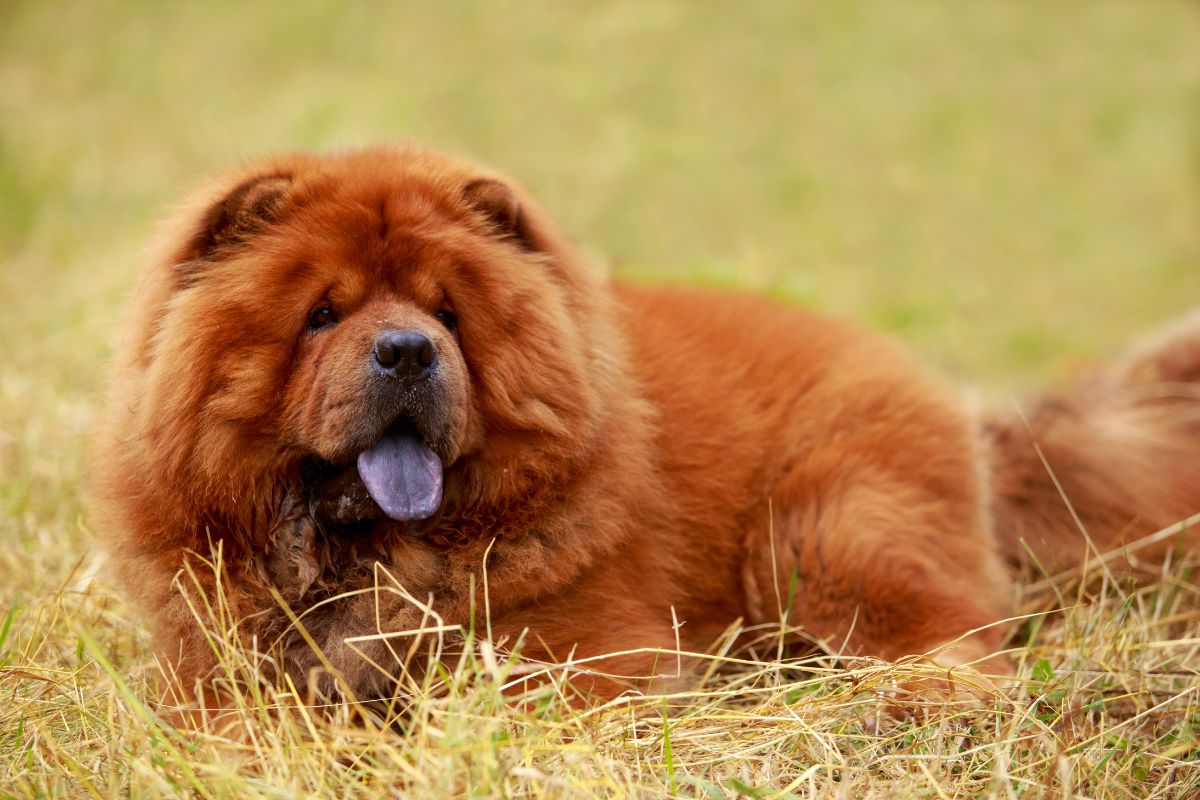
10. Red Chow Chow — Plush Red Dog for Calm Owners
 Save
Save| Weight | 45–70 pounds |
| Height | 17–20 inches |
| Lifespan | 8–12 years |
| Energy Level | Moderate |
| Grooming Need | High |
| Shedding | Heavy seasonally |
The Chow Chow is a sturdy breed with dramatic red coat options. Adults weigh 45 to 70 pounds. They tend to act reserved and self-possessed. They suit calm experienced owners prepared for grooming and early social work.
The thick coat builds a lionlike mane around the head. Deep red coloring makes that outline especially dramatic.
Chows often value personal space more than constant attention. Early social work helps create steadier adult manners.
Illustrative owner scenario: “He stays nearby without demanding my lap. That calm distance suits us.”
Illustrative example, not a verified testimonial.
- Stunning lionlike red coat
- Often calm indoors
- Distinct dignified character
- Heavy coat maintenance
- Needs early social work
- Not naturally eager-to-please
How Do These Red Dog Breeds Compare?
Size creates the biggest difference between these red breeds. Pomeranians weigh only a few pounds. Ridgebacks can exceed 80 pounds. Energy creates another major split. Vizslas, Irish Setters, and Tollers need active daily routines. Cavaliers and Chows fit calmer homes more easily. Grooming also changes the ownership experience. Vizslas and Ridgebacks have simple short coats. Pomeranians and Chows demand far more brushing.
Temperament matters even more than appearance. A Shiba can challenge owners through independence. A Cavalier usually seeks much closer contact. Redbone Coonhounds bring scent-driven hound behavior. Dachshunds combine compact size with hunting instincts. So what does that mean? Start with your hardest daily constraint. Choose size, energy, or grooming first. Then use coat color as the final preference.
| Breed | Size | Energy | Coat Care | Best Fit |
|---|---|---|---|---|
| Irish Setter | Large | High | High | Active families |
| Vizsla | Medium-large | Very high | Low | Runners |
| Redbone | Large | High | Low | Hound homes |
| Toller | Medium | High | Moderate | Dog sports |
| Shiba Inu | Small | Medium-high | Moderate | Independent owners |
| Ridgeback | Large | Medium-high | Low | Experienced owners |
| Ruby Cavalier | Small | Moderate | Moderate | Small homes |
| Dachshund | Small | Moderate | Low-medium | Compact homes |
| Pomeranian | Toy | Moderate | High | Toy-breed fans |
| Chow Chow | Medium-large | Moderate | High | Calm adults |
Which Red Dog Breed Is Right for You?
Your best red dog depends on ordinary Tuesday life. Active runners should start with the Vizsla or Irish Setter. Retriever fans can consider the Toller. Small-home owners may prefer Cavaliers, Dachshunds, Shibas, or Pomeranians. Experienced owners wanting a larger independent dog may prefer the Ridgeback. Hound lovers with secure space may love the Redbone.
Most experts agree lifestyle fit matters more than appearance. The AVMA dog selection guidance also stresses practical fit. Think about housing, exercise, grooming, and long-term care. When I compare breeds, I start with the owner’s hardest limit. That single limit often removes half the list. So choose by your real routine first.
Is this right for me?
If you run daily → choose a Vizsla or Irish Setter.
If your home is small → consider a Cavalier or Dachshund.
If you prefer independence → consider a Shiba or Ridgeback.
If grooming relaxes you → consider a Pomeranian or Chow.
Busy households should also compare my dog breeds for working families.
What Care Do Red Dog Breeds Need?
Red coat color does not create special universal care needs. Coat type creates the real grooming workload. Vizslas and Ridgebacks need simple brushing. Irish Setters need much more detangling. Chows and Pomeranians carry dense double coats. Shibas also shed heavily during seasonal coat changes. Exercise needs depend on breed purpose, not pigment.
Most experts agree every dog needs balanced food, preventive veterinary care, training, exercise, and safe social contact. The AKC dog breed database helps confirm breed-specific needs. When I compare breeds, I check the adult workload first. That taught me one simple rule. Never choose puppy cuteness without accepting adult care.
Write your weekly exercise and grooming time before contacting breeders.
What Do Most People Get Wrong About Red Dog Breeds?
The biggest mistake is treating red dogs as one personality group. Color does not make Irish Setters, Chows, and Shibas behave alike. Breed purpose creates much stronger patterns. A Redbone follows scent because hounds were selected for tracking. A Toller retrieves because sporting work shaped its behavior. A Dachshund may dig because hunting history still matters.
People also confuse fox-red Labradors with a separate Labrador breed. Fox red describes a darker yellow shade, not another breed. Buyers should also avoid paying huge premiums for color alone. Health, temperament, and responsible breeding matter far more. When a listing sells rarity before health, I become cautious. That taught me to ask for health facts first.
Never choose a puppy only because a seller calls its color rare.
What Mistakes Should New Red Dog Owners Avoid?
New owners often underestimate exercise, shedding, noise, and adult size. A gorgeous Irish Setter still needs major daily movement. A tiny Pomeranian can still bark often. A Shiba still needs skilled handling. A Redbone still follows scent. Beauty does not cancel breed instincts. Planning for the difficult traits makes ownership much easier.
Another mistake involves pet compatibility. Hunting and chase instincts differ between breeds and individuals. Introductions also matter. If cats share your home, review my dog breeds for families with cats. When I compare homes with several pets, I prioritize history and temperament. That choice reduces avoidable stress.
- Do not choose by coat color alone.
- Do not ignore the adult exercise requirement.
- Do not underestimate seasonal shedding.
- Do not skip breeder health screening.
- Do not assume small dogs need no training.
Meet adult dogs before choosing a puppy from that breed.
What Should You Do Before Choosing a Red Dog?
Start with your daily routine, not your favorite photograph. List your available exercise time first. Then list your home size. Add grooming tolerance and training experience. Finally, consider children and other pets. Those answers will narrow these 10 breeds quickly.
The Irish Setter remains my strongest active-family choice. The Vizsla excels for serious exercise partners. The Ruby Cavalier suits gentler small-home life. No red coat can fix a poor lifestyle match. One thing to do now: write your top three limits. I’m Thomas Cutter, and that list should guide your choice.
Frequently Asked Questions
What dog breed has the reddest coat?
The Redbone Coonhound has one of the clearest solid-red coats. Irish Setters also carry famous deep chestnut or mahogany coloring. Individual shades still differ between dogs. Lighting, coat condition, and genetics can also change how intense the red appears.
Are red dogs a separate breed group?
No, red dogs do not form a separate breed group. Red simply describes coat color across unrelated breeds. A red Shiba and red Irish Setter differ greatly. Their size, history, behavior, coat type, and daily care needs remain breed-specific.
What is the best small red dog breed?
The Ruby Cavalier suits many people wanting a gentle small red dog. Red Dachshunds and Pomeranians offer smaller alternatives. Shiba Inus suit owners wanting more independence. Your best choice depends on grooming, exercise, barking, and training comfort.
What is the best low-grooming red dog breed?
The Vizsla is one of the easiest red breeds for coat care. Its short coat needs little routine grooming. Rhodesian Ridgebacks and Redbone Coonhounds also have simple coats. However, low grooming does not mean low exercise.
Do red dogs have different personalities because of their color?
No reliable rule makes red dogs share one personality. Breed purpose, genetics, social experience, and training matter much more. Choose temperament and lifestyle fit first. Treat red coloring as an appearance preference after those needs match.

Thomas Cutter is a lifelong dog owner and the founder of FindOutAboutDogs.com. With over 10 years of hands-on experience owning multiple breeds, Thomas created this site to provide honest, research-based dog advice that real owners can actually trust.
