10 Best Dog Breeds for First-Time Owners in Apartments (2026 Guide)
Quick Answer
The best apartment dogs for first-time owners depend on your noise tolerance, grooming time, and daily schedule. Top picks include the Cavalier King Charles Spaniel, French Bulldog, Bichon Frise, Pug, and Boston Terrier for small spaces, plus the surprisingly calm Greyhound for owners who want a bigger dog. Match energy level and grooming needs to your routine, not just size.
What to weigh before you pick a breed:
- Noise level and barking habits, since walls are thin
- Daily energy needs, not just adult body size
- Grooming time and shedding, since space is tight
- How long the dog can be left alone each day
Choose based on your apartment life:
- Quiet building, thin walls → Cavalier King Charles Spaniel or Greyhound
- Busy work schedule → French Bulldog or Boston Terrier
- Allergy-prone household → Bichon Frise or Havanese
You picture it already. A small dog curled up on the rug while you work from the couch. No barking through the wall. No angry note from your downstairs neighbor.
I’m Thomas Cutter, and I’ve spent years helping new owners match the right breed to the right home. The apartment part is where most first-time owners get tripped up.
Here’s the problem. Size is not the whole story. A small dog can bark all day and drive your neighbors crazy. A big dog can lie on the floor for hours and barely make a sound. So what actually matters? Energy level, noise habits, and grooming needs, in that order.
This guide covers small-to-medium breeds that genuinely suit standard apartments and first-time owners. If you’re set on a high-energy working breed like a Border Collie or a husky, you’ll need more space, more exercise time, and a more advanced training plan than this guide covers.
Let’s break down the 10 breeds that fit apartment life best, and how to pick the right one for you. For a broader look at easy-care breeds outside this list, our guide to the best dog breeds for beginners is a good next stop.
- Energy level matters more than body size for apartment living
- Several small breeds bark a lot — check this before you choose
- Some large breeds, like the Greyhound, are calm indoor dogs
- Grooming time should match your weekly schedule, not just your budget
- Most apartment-friendly breeds still need a daily walk, not a yard


What Makes a Dog Breed “Apartment-Friendly”?
An apartment-friendly breed is calm indoors, doesn’t bark at every hallway noise, and can handle being walked on a leash for bathroom breaks instead of running free in a yard. Size helps, but it isn’t the deciding factor. The American Kennel Club notes that even large dogs can do well in apartments, since many have lower activity levels than people assume.
You might be thinking a bigger dog always needs more room. Here’s why that’s not quite right. A Greyhound can nap for 18 hours a day. A small terrier bred to hunt vermin can bounce off the walls for just as long. What matters is the job the breed was originally bred to do. Companion breeds, built for centuries to sit beside their owners, tend to settle into apartment life the fastest.
So what should you actually look for? Three things: low-to-moderate exercise needs, low-to-moderate barking tendency, and a coat you can realistically keep up with in a small space. According to the AKC, you also need to think about your neighbors — a dog that’s polite in the elevator and the hallway makes apartment life easier for everyone.
Check your lease before you fall for a breed. Many buildings have weight limits or breed restrictions, and some require a pet deposit on move-in.
The 10 Best Dog Breeds for First-Time Owners in Apartments
Here’s the full list, ranked by how well each breed handles small spaces, noise rules, and a beginner’s learning curve. Every breed below is genuinely calm enough for apartment life — not just small enough.
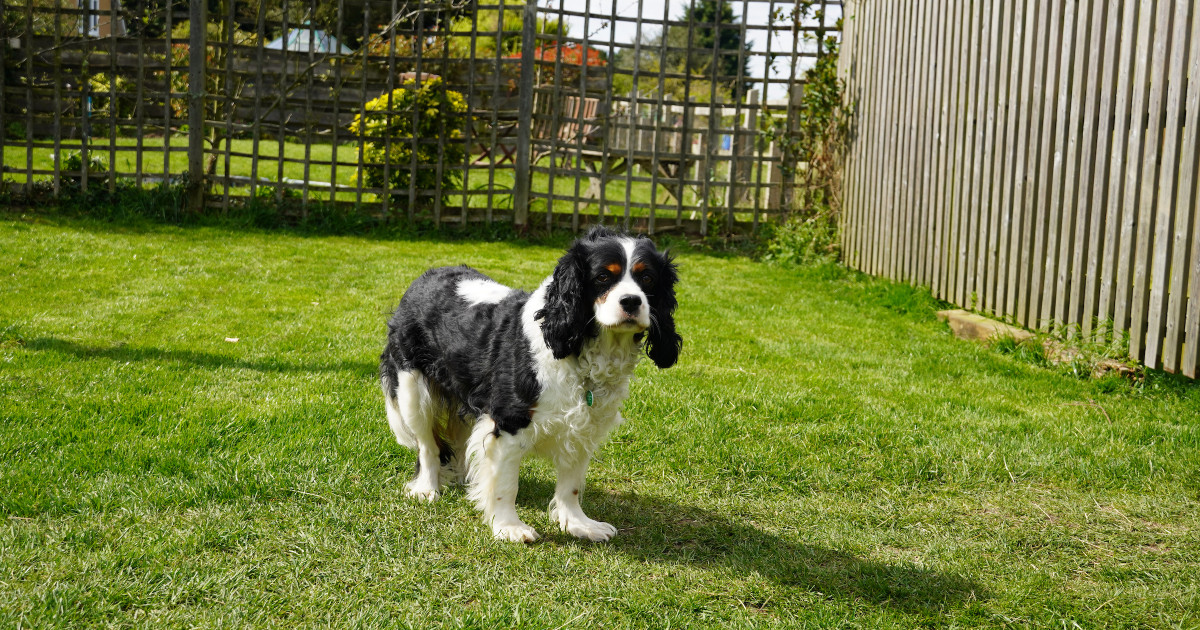
Cavalier King Charles Spaniel — “The Velcro Lap Dog”
 Save
Save| Weight | 13–18 lbs |
| Height | 12–13 in |
| Lifespan | 12–15 years |
| Energy Level | Moderate |
| Grooming Need | Moderate, brush 2–3x weekly |
| Shedding | Moderate, year-round |
The Cavalier King Charles Spaniel is a small toy breed known for staying close to its owner all day. It weighs 13 to 18 pounds and rarely barks at strangers. Cavaliers are gentle, affectionate, and easygoing. They suit apartment dwellers who want a calm dog that loves to cuddle on the couch.
A silky, feathered coat and big, dark eyes give this breed an almost storybook look. Their ears alone can rival the length of a small spaniel’s tail.
Most people expect a lapdog to be needy. Cavaliers take that further — they’ll follow you from room to room like a small shadow. The surprise? They’re just as happy watching you cook as they are napping beside you.
“My downstairs neighbor didn’t know I had a dog until three weeks in. She’s that quiet.”
— Illustrative example owner quote, Cavalier King Charles Spaniel
- Rarely barks at hallway noise
- Gentle with visitors and strangers
- Comfortable on short daily walks
- Prone to separation anxiety alone
- Ears need regular cleaning checks
- Heart conditions are common in the breed
Best for: Quiet buildings · Owners who work from home · First-time owners who want a cuddly dog
French Bulldog — “The Quiet City Roommate”
| Weight | Under 28 lbs |
| Height | 11–13 in |
| Lifespan | 10–14 years |
| Energy Level | Low to moderate |
| Grooming Need | Low, weekly wipe-down |
| Shedding | Moderate, short coat |
The French Bulldog is a compact, muscular companion breed under 28 pounds. It is now the most popular dog breed in the United States. Frenchies are calm indoors and rarely bark without reason. They are well suited to apartment dwellers with full-time jobs who want a low-key companion.
Bat ears, a snub nose, and a stocky little body give the Frenchie its signature look. They snore loud enough to surprise first-time owners.
People assume a bulldog needs constant entertainment. In reality, Frenchies are content to nap most of the day. The catch: their short snouts mean they overheat fast, so summer walks need to happen early or late.
“He sleeps through the trash trucks, the elevator dings, everything. I was bracing for a barker and got a snorer instead.”
— Illustrative example owner quote, French Bulldog
- Low exercise needs, short walks suffice
- Quiet, low-barking temperament
- Comfortable being left alone part-time
- Overheats easily in summer walks
- Breathing problems are common in the breed
- Higher vet costs than average breeds
Best for: Busy professionals · Studio apartments · Owners who want a low-shed, low-bark dog
Bichon Frise — “The Cotton-Ball Charmer”
| Weight | 12–18 lbs |
| Height | 9.5–11.5 in |
| Lifespan | 14–15 years |
| Energy Level | Moderate to high |
| Grooming Need | High, groom every 4–6 weeks |
| Shedding | Low, curly coat traps fur |
The Bichon Frise is a small, cheerful companion breed weighing 12 to 18 pounds. Its curly white coat sheds very little, which makes cleanup easy in small spaces. Bichons are playful and quick to learn house manners. They suit owners who prioritize a clean apartment and don’t mind a regular grooming routine.
A round, powder-puff coat and a permanently happy expression make this breed look like a stuffed animal that came to life.
Most owners expect a “fluffy lapdog” to be lazy. Bichons flip that script — they love trick training and short bursts of indoor zoomies. The surprise is how food-motivated they are, which makes apartment training fast.
“I have bad allergies, and she’s the first dog that’s never set them off. Worth the monthly grooming bill.”
— Illustrative example owner quote, Bichon Frise
- Very low shedding, good for allergies
- Easy to house-train, food motivated
- Friendly with strangers and other pets
- Barks more than other picks on this list
- Coat mats fast without daily brushing
- Grooming costs add up monthly
For more low-shedding options if allergies are a concern in your household, see our guide to the best dog breeds for families with allergies.
Best for: Allergy-prone owners · Clean-freaks · Owners who enjoy a grooming routine
Pug — “The Comic Couch Potato”
| Weight | 14–18 lbs |
| Height | 10–13 in |
| Lifespan | 13–15 years |
| Energy Level | Low to moderate |
| Grooming Need | Low, brush weekly |
| Shedding | High, despite the short coat |
The Pug is a small, sturdy breed built for companionship, not work. It weighs 14 to 18 pounds and rarely needs more than a short daily walk. Pugs are affectionate, comical, and bond closely with one or two people. They suit first-time owners who want a low-energy, low-drama roommate.
Deep wrinkles, a curled tail, and big round eyes give the Pug its unmistakable, slightly worried-looking face.
New owners expect a small dog to be high-strung. Pugs do the opposite — they’d rather sit on your feet than chase a ball. The surprising part is how loud they can be while just breathing, let alone snoring.
“People think pugs are needy. Mine just wants to be in the same room as me. That’s it. Easiest roommate I’ve had.”
— Illustrative example owner quote, Pug
- Needs only short, easy daily walks
- Very affectionate with one household
- Simple weekly brushing routine
- Sheds heavily for a short-haired dog
- Prone to overheating and weight gain
- Wrinkles need regular cleaning
Best for: Sedentary lifestyles · Owners short on exercise time · Households with kids
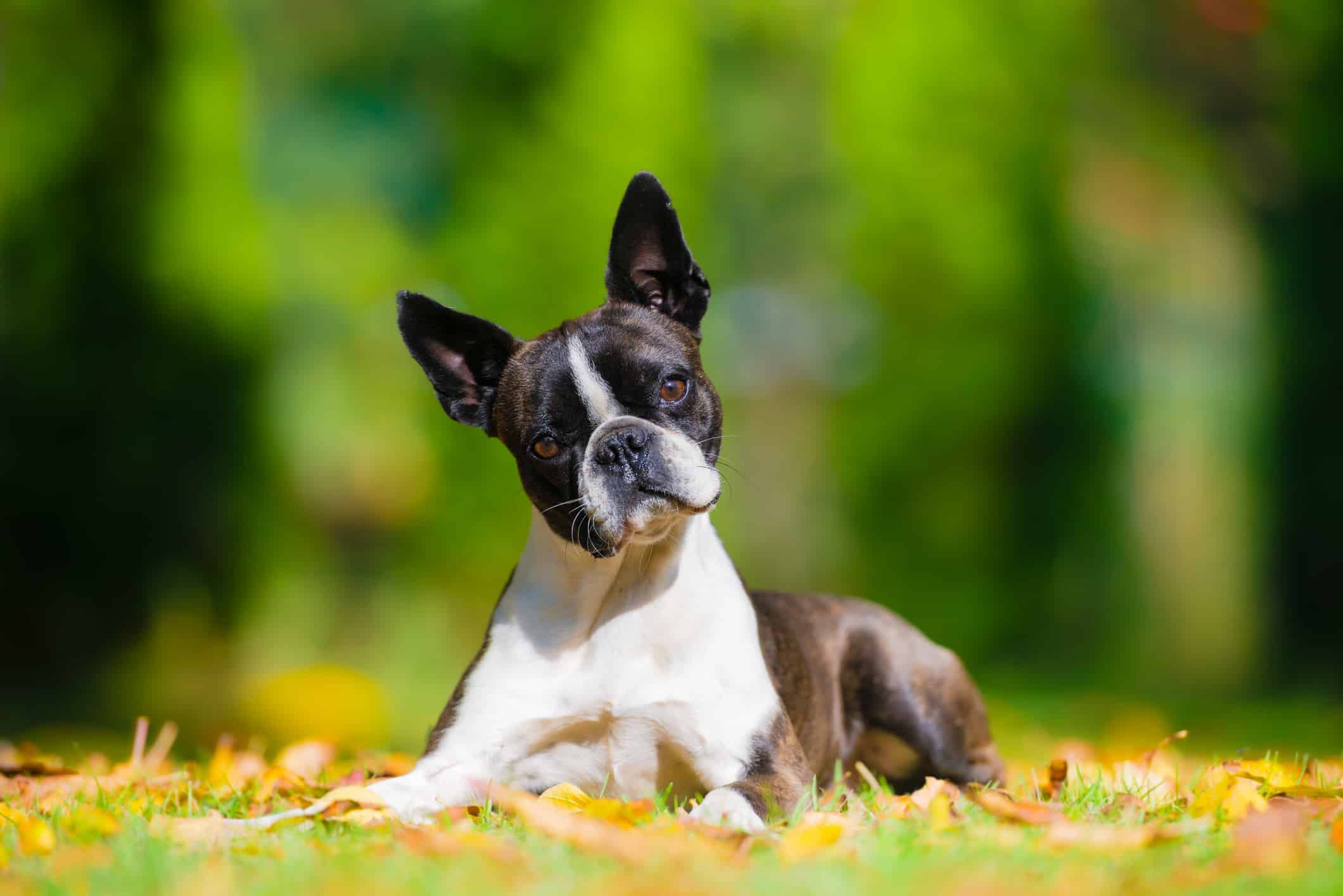
Boston Terrier — “The Tuxedoed Apartment Gentleman”
 Save
Save| Weight | 12–25 lbs |
| Height | 15–17 in |
| Lifespan | 11–13 years |
| Energy Level | Moderate |
| Grooming Need | Low, monthly bath |
| Shedding | Low |
The Boston Terrier is a compact, muscular breed best known for its black-and-white “tuxedo” coat. It weighs 12 to 25 pounds and adapts well to small spaces. Bostons are gentle, sociable, and eager to please. They suit first-time owners who want a trainable, low-shedding dog with a big personality.
Large, expressive eyes and a flat little face give this breed an almost human, alert look at all times.
People assume terriers are stubborn and hard to train. Bostons break that pattern — they’re famously eager to please and pick up house rules fast. What surprises new owners is how gentle they are with kids, despite their terrier roots.
“He learned ‘quiet’ in two weeks. Now when someone knocks, one bark and he waits by the door instead.”
— Illustrative example owner quote, Boston Terrier
- Easy to train, eager to please
- Low grooming needs overall
- Good with kids and other pets
- Flat face means heat sensitivity
- Can be gassy, a real apartment factor
- Needs daily play, not just a walk
Best for: Families with kids · Owners who want a trainable dog · Mild climates
Havanese — “The Velvet-Coated Shadow”
| Weight | 7–13 lbs |
| Height | 8.5–11.5 in |
| Lifespan | 14–16 years |
| Energy Level | Moderate |
| Grooming Need | High, brush most days |
| Shedding | Low |
The Havanese is Cuba’s national dog breed, weighing just 7 to 13 pounds. It bonds closely with its family and follows owners from room to room. Havanese are playful, smart, and low-shedding. They suit apartment dwellers who want a long-lived, people-focused dog and have time for daily brushing.
A long, silky coat that bounces with each step gives the Havanese a springy, almost windswept look on the move.
People expect a toy breed to be fragile and skittish. Havanese flip that — they’re confident, sturdy little clowns who love to perform tricks. The genuine surprise is their memory; many learn 20-plus commands without much repetition.
“She’s basically my coworker now. Sits on the desk chair next to mine the entire workday.”
— Illustrative example owner quote, Havanese
- Long lifespan, often 14-plus years
- Very low shedding, allergy-friendlier
- Highly trainable and food motivated
- Coat mats without near-daily brushing
- Strong separation anxiety risk
- Can bark when bored or alone
Best for: Work-from-home owners · Allergy-prone households · Owners who want a long-lived companion
Maltese — “The Silk-Haired Featherweight”
| Weight | Under 7 lbs |
| Height | 7–9 in |
| Lifespan | 12–15 years |
| Energy Level | Moderate |
| Grooming Need | High, brush daily |
| Shedding | Low |
The Maltese is one of the smallest companion breeds, weighing under 7 pounds. Its long, white, silky coat is low-shedding but needs daily care. Maltese are affectionate, alert, and surprisingly sturdy for their size. They suit apartment dwellers who want a featherlight dog and have a few minutes daily for brushing.
A flowing, floor-length white coat and dark button eyes give the Maltese a graceful, almost regal look, even mid-zoomie.
People expect a teacup-sized dog to be timid. Maltese are the opposite — they’ll bark at a stranger twice their height without hesitation. The surprise is how athletic they are for their size, often clearing couch cushions in a single leap.
“Five pounds of pure confidence. She guards the front door like she weighs fifty.”
— Illustrative example owner quote, Maltese
- Tiny size fits any apartment layout
- Low shedding, allergy-friendlier coat
- Alert watchdog despite small size
- Barks readily at noise and strangers
- Daily brushing is non-negotiable
- Fragile around small children
Best for: Studio apartments · Owners without children at home · Anyone wanting a dedicated watchdog
Shih Tzu — “The Ancient Palace Companion”
| Weight | 9–16 lbs |
| Height | 9–10.5 in |
| Lifespan | 10–16 years |
| Energy Level | Low to moderate |
| Grooming Need | High, daily brushing or short clip |
| Shedding | Low |
The Shih Tzu was bred for centuries as a palace companion in China, not a working dog. It weighs 9 to 16 pounds and needs little exercise beyond short walks. Shih Tzus are friendly, outgoing, and low-shedding. They suit first-time owners who want a calm, affectionate dog and don’t mind regular grooming or trims.
A flowing double coat and a short, flat face give the Shih Tzu a fluffy, almost lion-like look up close.
Most people assume tiny dogs are hard to housebreak. Shih Tzus actually train fairly easily once on a consistent schedule. The surprise is their patience — they tolerate handling, grooming, and clumsy first-time-owner mistakes better than most toy breeds.
“I made every rookie mistake in the book. He never once seemed to hold it against me.”
— Illustrative example owner quote, Shih Tzu
- Patient and forgiving with beginners
- Low exercise needs, short walks work
- Friendly with kids and other pets
- Flat face means heat sensitivity
- Coat needs daily brushing or trims
- Eye-area cleaning needed most days
Best for: True beginners · Households with patient kids · Owners who like a grooming routine
Greyhound — “The 45-MPH Couch Potato”
| Weight | 60–70 lbs |
| Height | 27–30 in |
| Lifespan | 10–13 years |
| Energy Level | Low indoors, sprinter not jogger |
| Grooming Need | Very low, occasional bath |
| Shedding | Low |
The Greyhound is a tall sighthound built for short bursts of speed, not endurance. It weighs 60 to 70 pounds but spends most of the day lying down. Greyhounds, especially retired racers, are famously calm indoors. They suit apartment owners who have space for a long dog bed and want a quiet, low-shed companion.
A lean, aerodynamic body and a deep chest give the Greyhound an almost statue-like silhouette, even at rest.
Most people assume a 65-pound dog needs a yard to run laps. Greyhounds break that rule entirely — they’re sprinters, not distance runners, and burn most of their energy in short, fast bursts. The genuine surprise is how often they’re nicknamed “45-mph couch potatoes” by their own owners.
“Everyone warns you he’ll need constant exercise. Mine sleeps 18 hours a day on my couch like he pays rent.”
— Illustrative example owner quote, Greyhound
- Extremely calm and quiet indoors
- Low shedding and almost no doggy odor
- Many retired racers are already house-trained
- Needs a long bed, not a small crate
- Thin coat means it gets cold fast
- High prey drive around small pets
If a low-energy household sounds like your home, our roundup of the best dog breeds for inactive or low-energy households covers more calm-natured picks.
Best for: Owners with floor space for a big bed · Quiet, low-energy households · Adopters open to a retired racer
Cocker Spaniel — “The Gentle All-Rounder”
 Save
Save| Weight | 20–30 lbs |
| Height | 13.5–15.5 in |
| Lifespan | 12–15 years |
| Energy Level | Moderate to high |
| Grooming Need | High, trims every 4–6 weeks |
| Shedding | Moderate |
The Cocker Spaniel is a medium-sized sporting breed known for its gentle, eager-to-please nature. It weighs 20 to 30 pounds and adapts well to apartment routines with daily walks. Cocker Spaniels are affectionate, trainable, and great with families. They suit first-time owners willing to commit to a steady grooming schedule.
Long, silky ears and soulful brown eyes give the Cocker Spaniel one of the most recognizable faces in the dog world.
People expect a sporting breed to need a hunting field. Cocker Spaniels mostly just want a job they can do at home, like fetch in a hallway. The surprise is how sensitive they are to tone of voice — a soft correction works better than a firm one.
“He fetches his leash by the door every evening at 6. I didn’t train that. He just decided.”
— Illustrative example owner quote, Cocker Spaniel
- Gentle, family-friendly temperament
- Highly trainable with positive methods
- Affectionate with kids and guests
- Ears need frequent cleaning, prone to infection
- Needs more daily exercise than toy breeds
- Professional grooming adds to monthly cost
Best for: Active first-time owners · Families with older kids · Owners okay with a grooming budget
Compare All 10 Apartment Dog Breeds Side by Side
Scanning for the fastest comparison? This table lines up weight, energy, and grooming needs for all 10 breeds so you can shortlist in seconds.
| Breed | Weight | Energy | Grooming | Barking Tendency |
|---|---|---|---|---|
| Cavalier King Charles Spaniel | 13–18 lbs | Moderate | Moderate | Low |
| French Bulldog | Under 28 lbs | Low-Moderate | Low | Low |
| Bichon Frise | 12–18 lbs | Moderate-High | High | Moderate-High |
| Pug | 14–18 lbs | Low-Moderate | Low | Low |
| Boston Terrier | 12–25 lbs | Moderate | Low | Low |
| Havanese | 7–13 lbs | Moderate | High | Moderate |
| Maltese | Under 7 lbs | Moderate | High | Moderate-High |
| Shih Tzu | 9–16 lbs | Low-Moderate | High | Low-Moderate |
| Greyhound | 60–70 lbs | Low indoors | Very Low | Very Low |
| Cocker Spaniel | 20–30 lbs | Moderate-High | High | Moderate |
Which Apartment Dog Breed Is Right for You?
The right breed depends on your schedule, your grooming patience, and how thin your walls really are. Here’s a fast way to match yourself to a breed instead of guessing.
If you work long hours and want a low-maintenance dog → French Bulldog or Boston Terrier.
If you work from home and want a constant companion → Cavalier King Charles Spaniel or Havanese.
If you have allergies but still want a dog → Bichon Frise, Havanese, or Maltese.
If you want a big dog but live in a small space → Greyhound.
Still torn between two breeds? Our broader guide to best small dog breeds for families can help if kids are part of the picture too.
Apartment Dog Care Essentials Every New Owner Needs
Caring for an apartment dog means managing energy, noise, and bathroom breaks without a yard. Walk your dog at consistent times, train a “quiet” cue early, and use food puzzles to burn mental energy on days you can’t get outside as much.
Here’s why that matters. A bored dog with no yard access finds its own entertainment, and that usually means chewing, barking, or pacing. The American Veterinary Medical Association notes that dogs need daily mental stimulation, not just physical exercise, to stay well-adjusted.
- Set a fixed potty walk schedule from day one
- Teach “quiet” using treats before barking becomes a habit
- Add a puzzle feeder for days with shorter walks
- Crate-train for safe, calm alone time
- Introduce hallway and elevator noises gradually
So what does that mean for move-in day? Set expectations with neighbors early, and your first few weeks go a lot smoother. If you’re renting, the ASPCA’s renter housing guide has useful tips on pet deposits and lease language worth reading before you sign anything.
What Most People Get Wrong About Apartment Dogs
The biggest myth is that small dogs are automatically easier in an apartment. In reality, several small breeds bark more, need more grooming, and demand more attention than some calm, larger breeds like the Greyhound.
The second myth is that apartment dogs don’t need real exercise. That’s not accurate. Most breeds on this list still need one to two daily walks, even if they don’t need a yard.
Pick by energy and noise level first, size second. A calm 65-pound Greyhound can be an easier apartment dog than a high-strung 8-pound terrier mix.
Common Mistakes First-Time Apartment Owners Make
Most apartment dog problems trace back to a handful of avoidable mistakes. Catching these early saves you stress, vet bills, and awkward conversations with your landlord.
- Choosing a breed by looks instead of energy level
- Skipping noise training before move-in day
- Underestimating monthly grooming costs and time
- Not checking the lease for breed or weight limits
- Leaving a young dog alone too long, too soon
Frequently Asked Questions
What is the best dog breed for a first-time owner in a small apartment?
The Cavalier King Charles Spaniel is a strong pick for most first-time apartment owners. It’s quiet, affectionate, low-energy, and small enough for any layout. The French Bulldog is a close second if you want an even lower-maintenance coat.
Can large dogs live happily in apartments?
Yes, several large breeds do well in apartments, especially the Greyhound. Energy level matters more than size, and many large breeds are calmer indoors than smaller, high-strung ones. Daily walks still matter, regardless of size.
How much exercise does an apartment dog need each day?
Most breeds on this list need 30 to 60 minutes of daily walking, split into two or three short sessions. Add a 10-minute play or training session to cover their mental exercise needs too.
Which apartment dog breeds bark the least?
French Bulldogs, Greyhounds, and Cavalier King Charles Spaniels are among the quietest breeds on this list. Bichon Frises and Maltese tend to bark more and need early “quiet” training in shared buildings.
Do apartment dogs need a yard to be happy?
No. Most apartment-friendly breeds do fine with regular leash walks instead of a yard. What matters more is a consistent walking schedule and enough mental stimulation indoors between walks.
Your Apartment Dog Decision, Made Simple
Energy level and noise habits matter more than size when you’re choosing an apartment dog. Match the breed to your schedule, not just your space, and you’ll avoid most first-time owner headaches.
One thing to do right now: pick your top two breeds from this list and look up a local breed-specific rescue or shelter near you. Meeting a real dog of that breed in person tells you more in ten minutes than any list, including mine. I’m Thomas Cutter, and I’d genuinely love to hear which breed you land on.

Thomas Cutter is a lifelong dog owner and the founder of FindOutAboutDogs.com. With over 10 years of hands-on experience owning multiple breeds, Thomas created this site to provide honest, research-based dog advice that real owners can actually trust.
