Best 10 Small Dog Breeds for Families — A 2026 Guide by Thomas Cutter
Quick Answer
The best 10 small dog breeds for families are Cavalier King Charles Spaniel, Havanese, Beagle, Boston Terrier, French Bulldog, Bichon Frise, Pug, Shih Tzu, Miniature Schnauzer, and Cocker Spaniel. The best pick depends on your child’s age, home size, grooming time, and activity level.
| Family Need | Best Small Breed |
|---|---|
| Gentle first dog | Cavalier King Charles Spaniel |
| Low shedding home | Havanese or Miniature Schnauzer |
| Playful older kids | Beagle or Boston Terrier |
How to choose the best small family dog:
- Choose Cavaliers for calm, gentle homes.
- Choose Beagles for active, playful kids.
- Choose Havanese for low-shedding family life.
- Choose Pugs or Frenchies only with heat care.
The house feels louder when kids want a dog.
You picture muddy paws, sofa cuddles, barking, and small hands reaching for soft ears. I’m Thomas Cutter, a lifelong dog owner and founder of FindOutAboutDogs.com. I’ve learned one truth fast. The right small dog can make family life sweeter.
But here’s the thing. Small does not always mean easy. Some tiny dogs are fragile. Some bark a lot. Some need more grooming than a long-haired show dog.
This guide covers small dog breeds for normal family life. If your child has severe allergies, fear of dogs, or special care needs, speak with your vet and trainer first.
- The best family dog depends on your child’s age and home routine.
- Small dogs still need training, walks, and clear house rules.
- Flat-faced breeds need extra heat and breathing care.
- Low shedding does not always mean low grooming.
- Supervision matters more than breed labels.


What Makes a Small Dog Breed Good for Families?
A good small family dog is sturdy, patient, trainable, and calm enough for home life. The dog should enjoy people without being too fragile for kids. Most experts agree that child age, dog energy, and adult supervision matter more than breed alone. A family dog also needs a safe space, daily care, and clear rules. You might be thinking any cute small dog will work. Here’s why that can fail. Some toy breeds feel stressed by loud play, fast movement, or rough hugs. When I helped families compare breeds, I watched the best matches happen slowly. That taught me to look at daily life first. So if your home is busy, choose a dog with stable nerves and a strong little body.
The American Kennel Club says families should weigh lifestyle, home size, and children’s ages when choosing a breed. You can review its guidance on choosing the best family dog breed.
Here’s why that matters. A calm dog can still bite if scared. A sweet child can still hurt a dog by accident.
The AVMA also says adults should supervise young kids around dogs. Its dog bite prevention advice is worth reading before you adopt.
Now let’s look at the 10 breeds that fit many family homes best.
What Are the Best 10 Small Dog Breeds for Families in 2026?
The best 10 small dog breeds for families in 2026 are Cavalier King Charles Spaniel, Havanese, Beagle, Boston Terrier, French Bulldog, Bichon Frise, Pug, Shih Tzu, Miniature Schnauzer, and Cocker Spaniel. These breeds earn a place because they blend size, warmth, play, and home fit. Some suit toddlers better. Some suit older kids better. Some need more brushing. Some need more outdoor play. You might be thinking this list is only about cuteness. Here’s why it is not. A family dog must handle noise, touch, movement, and routine changes. When families rush this choice, the dog often gets blamed. That taught me to rank breeds by real home fit. So if you want a small dog, match the breed to your house first.
Cavalier King Charles Spaniel — Best Small Dog Breed for Gentle Families
 Save
SaveThe Cavalier King Charles Spaniel is a gentle small family dog known for soft eyes and calm affection. It weighs 13 to 18 pounds and fits apartments or houses. This breed enjoys lap time, short walks, and steady attention. It suits families who want a kind first dog.
Cavaliers have silky ears, round eyes, and a soft feathered coat. Their face often looks worried, even when they feel happy.
Most people expect a lap dog. But Cavaliers also enjoy short games outside. One sweet surprise is their quiet talent for reading moods.
“Composite owner note: Our Cavalier follows my daughter during homework time. He seems to know when the room needs calm.”
— Composite example based on Cavalier owner patterns
- Gentle with calm children
- Good first family dog
- Adapts well to apartments
- Needs regular ear checks
- Can dislike long alone time
- May shed on furniture
Best for: Gentle kids · First-time owners · Calm homes
Havanese — Best Small Dog Breed for Low-Shedding Families
| Weight | 7–13 pounds |
| Height | 8.5–11.5 inches |
| Lifespan | 14–16 years |
| Energy Level | Moderate playful |
| Grooming Need | High brushing |
| Shedding | Low |
The Havanese is a cheerful small family dog known for low shedding and bright social habits. It weighs 7 to 13 pounds and has a long, soft coat. This breed learns fast and loves family play. It suits homes that can handle brushing and closeness.
The Havanese has a soft coat that can fall like silk. Many owners keep it trimmed short for family life.
Most people expect a cute lap dog. But Havanese dogs often act like tiny clowns. They may hop sideways during play.
“Composite owner note: Our Havanese rings a bell for potty breaks. Then she waits for applause.”
— Composite example based on Havanese owner patterns
- Low shedding coat
- Learns routines fast
- Playful without roughness
- Coat mats without brushing
- Can cling to owners
- Needs regular grooming budget
Best for: Low-shedding homes · Gentle kids · Apartment families
Beagle — Best Small Dog Breed for Active Families
| Weight | 20–30 pounds |
| Height | 13–15 inches |
| Lifespan | 10–15 years |
| Energy Level | High playful |
| Grooming Need | Low brushing |
| Shedding | Moderate |
The Beagle is a sturdy small family dog known for curiosity, play, and food drive. It often weighs 20 to 30 pounds and loves outdoor sniffing. This breed enjoys kids who like games and walks. It suits active families with secure fences.
Beagles have soft ears, square bodies, and kind brown eyes. Their nose often leads before their feet do.
Most people expect a merry dog. But Beagles can solve food puzzles with bold skill. Some open cabinets if snacks smell close.
“Composite owner note: Our Beagle found a sealed lunchbox under a blanket. We now use child locks.”
— Composite example based on Beagle owner patterns
- Sturdy for active kids
- Low coat care
- Loves games and walks
- Follows scents intensely
- Can bark or bay
- Needs food control
Best for: Active kids · Fenced yards · Outdoor families
Boston Terrier — Best Small Dog Breed for Fun Family Homes
| Weight | 12–25 pounds |
| Height | 15–17 inches |
| Lifespan | 11–13 years |
| Energy Level | Moderate playful |
| Grooming Need | Low |
| Shedding | Low to moderate |
The Boston Terrier is a compact small family dog known for humor, neat looks, and bright play. It weighs 12 to 25 pounds and has a short coat. This breed enjoys training games and sofa time. It suits families who want charm without heavy grooming.
Boston Terriers wear a natural tuxedo coat. Their round eyes make every head tilt look planned.
Most people expect a polite house dog. But Bostons can act like stand-up comics. They often turn small games into family shows.
“Composite owner note: Our Boston brings one toy to each guest. He treats visitors like a job.”
— Composite example based on Boston Terrier owner patterns
- Short easy coat
- Fun with older kids
- Good apartment size
- Heat can stress breathing
- Can snore loudly
- Needs eye care
Best for: Fun homes · Older kids · Low-grooming families
French Bulldog — Best Small Dog Breed for Apartment Families
 Save
Save| Weight | Under 28 pounds |
| Height | 11–13 inches |
| Lifespan | 10–12 years |
| Energy Level | Low to moderate |
| Grooming Need | Low coat care |
| Shedding | Moderate |
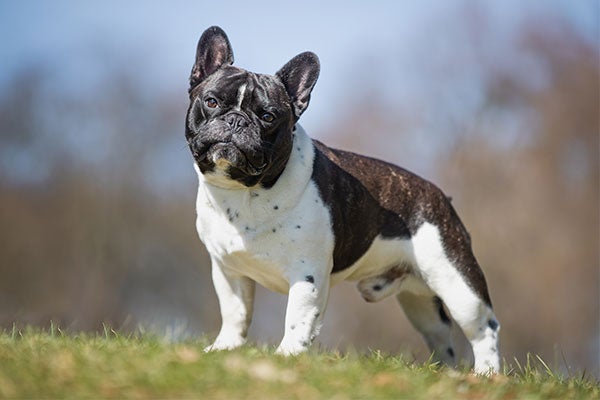
The French Bulldog is a sturdy small family dog known for bat ears, quiet charm, and city life fit. It weighs under 28 pounds and needs short, cool walks. This breed enjoys people more than long exercise. It suits apartment families with heat-safe routines.
French Bulldogs have square bodies, large ears, and flat faces. Their face folds need light cleaning.
Most people expect an easy couch dog. But Frenchies still need daily play. The surprise is how fast heat can tire them.
“Composite owner note: Our Frenchie wants every family movie night. We stop walks early on warm days.”
— Composite example based on French Bulldog owner patterns
- Great apartment size
- Low exercise demand
- Often quiet indoors
- High heat risk
- Can have breathing issues
- Vet costs may rise
Best for: Apartments · Calm families · Short-walk homes
Bichon Frise — Best Small Dog Breed for Cheerful Families
| Weight | 12–18 pounds |
| Height | 9.5–11.5 inches |
| Lifespan | 14–15 years |
| Energy Level | Moderate |
| Grooming Need | High grooming |
| Shedding | Low |
The Bichon Frise is a cheerful small family dog known for a white curl coat and bright mood. It weighs 12 to 18 pounds and sheds lightly. This breed enjoys people, tricks, and indoor play. It suits families ready for regular grooming.
The Bichon looks like a soft white powder puff. Its dark eyes stand out against the coat.
Most people expect a pretty lap dog. But Bichons often love performance. They may learn tricks to get laughs.
“Composite owner note: Our Bichon learned spin before sit. The kids now use training as playtime.”
— Composite example based on Bichon Frise owner patterns
- Low shedding coat
- Happy with children
- Trainable for tricks
- Needs frequent haircuts
- Can resist house training
- Dislikes long alone time
Best for: Allergy-aware homes · Trick-loving kids · Grooming-ready families
Pug — Best Small Dog Breed for Cozy Families
| Weight | 14–18 pounds |
| Height | 10–13 inches |
| Lifespan | 13–15 years |
| Energy Level | Low to moderate |
| Grooming Need | Low coat care |
| Shedding | High |
The Pug is a cozy small family dog known for a round face, soft humor, and human focus. It weighs 14 to 18 pounds and enjoys short walks. This breed loves indoor life and close contact. It suits calm families who manage heat and weight.
Pugs have curled tails, deep wrinkles, and round eyes. Their coat looks short but sheds more than expected.
Most people expect a lazy dog. But Pugs can be bold food hunters. Some hear snack bags from across the house.
“Composite owner note: Our Pug knows dinner time better than the clock. He waits by the bowl early.”
— Composite example based on Pug owner patterns
- Loves family attention
- Good indoor companion
- Short coat care
- Sheds more than expected
- Heat risk is real
- Gains weight easily
Best for: Calm kids · Cozy homes · Short-walk families
Shih Tzu — Best Small Dog Breed for Relaxed Families
| Weight | 9–16 pounds |
| Height | 9–10.5 inches |
| Lifespan | 10–18 years |
| Energy Level | Low to moderate |
| Grooming Need | High grooming |
| Shedding | Low to moderate |
The Shih Tzu is a relaxed small family dog known for affection, low exercise needs, and a long coat. It weighs 9 to 16 pounds and enjoys close indoor life. This breed can be sweet with gentle children. It suits families who prefer calm play.
Shih Tzus have flat faces, flowing coats, and proud little steps. Many families choose a short puppy cut.
Most people expect a pampered lap dog. But Shih Tzus can show firm opinions. Some refuse rain like royalty.
“Composite owner note: Our Shih Tzu chooses the softest chair. Then she guards it with silent judgment.”
— Composite example based on Shih Tzu owner patterns
- Calm indoor nature
- Good for gentle kids
- Long lifespan range
- Face needs cleaning
- Coat mats fast
- Heat care matters
Best for: Relaxed homes · Gentle kids · Indoor families
Miniature Schnauzer — Best Small Dog Breed for Alert Families
| Weight | 11–20 pounds |
| Height | 12–14 inches |
| Lifespan | 12–15 years |
| Energy Level | Moderate active |
| Grooming Need | Moderate trimming |
| Shedding | Low |
The Miniature Schnauzer is an alert small family dog known for a wiry coat, bold mind, and low shedding. It weighs 11 to 20 pounds and likes daily walks. This breed enjoys training and watching the home. It suits families who want structure.
Miniature Schnauzers have square bodies, strong eyebrows, and a famous beard. Their coat feels wiry, not silky.
Most people expect a cute mustache dog. But Schnauzers are sharp watchers. They may report every delivery truck.
“Composite owner note: Our Schnauzer knows the school bus sound. He waits before my son reaches the door.”
— Composite example based on Miniature Schnauzer owner patterns
- Low shedding coat
- Smart training partner
- Sturdy small build
- Barks at new sounds
- Needs beard cleaning
- Can chase small pets
Best for: Structured homes · Older kids · Low-shed families
Cocker Spaniel — Best Small Dog Breed for Affectionate Families
 Save
Save| Weight | 20–30 pounds |
| Height | 13.5–15.5 inches |
| Lifespan | 10–14 years |
| Energy Level | Moderate active |
| Grooming Need | High grooming |
| Shedding | Moderate |
The Cocker Spaniel is a small-to-medium family dog known for soft eyes, long ears, and warm affection. It weighs 20 to 30 pounds and enjoys walks and play. This breed can bond deeply with children. It suits families ready for coat and ear care.
Cocker Spaniels have rounded heads, long ears, and flowing coats. Their eyes give them a soft, hopeful look.
Most people expect a sweet companion. But Cockers also need busy days. Some carry toys around like prized birds.
“Composite owner note: Our Cocker brings socks to guests. He looks proud every single time.”
— Composite example based on Cocker Spaniel owner patterns
- Deep family bond
- Sturdy for kids
- Enjoys training games
- Needs ear care
- Coat needs brushing
- Can get clingy
Best for: Affectionate homes · Active kids · Grooming-ready owners
How Do These Small Family Dog Breeds Compare Side by Side?
Small family dog breeds compare best by size, energy, grooming, shedding, and child fit. A comparison table helps because families often like 3 breeds at once. The right dog is rarely the “best” dog in every way. It is the dog whose needs match your time, home, and children. You might be thinking the smallest breed is the safest. Here’s why size can mislead you. Some small dogs are fragile, while some larger small breeds handle normal play better. When families compare only weight, they miss grooming, noise, and health risks. That taught me to compare breeds by daily work. So if you want fewer surprises, choose by care load first.
| Breed | Best Family Fit | Care Level | Main Watch-Out |
|---|---|---|---|
| Cavalier King Charles Spaniel | Gentle first dog | Medium | Ear and coat care |
| Havanese | Low-shedding home | High grooming | Matting |
| Beagle | Active kids | Medium | Scent chasing |
| Boston Terrier | Fun apartment life | Low | Heat care |
| French Bulldog | Calm city homes | Medium | Breathing risk |
| Bichon Frise | Cheerful low-shed homes | High grooming | Separation stress |
| Pug | Cozy indoor families | Medium | Weight and heat |
| Shih Tzu | Relaxed homes | High grooming | Face and coat care |
| Miniature Schnauzer | Alert structured homes | Medium | Barking |
| Cocker Spaniel | Affectionate active homes | High grooming | Ear care |
Pick the dog your weekdays can support, not your dream weekend.
Which Small Dog Breed Is Right for Your Family?
The right small dog breed depends on your real home pattern. Choose a Cavalier if your family wants calm affection. Choose a Beagle if your kids enjoy movement and outdoor time. Choose a Havanese or Miniature Schnauzer if shedding worries you. Choose a French Bulldog or Pug only if you can manage heat, weight, and breathing limits. You might be thinking every dog can adapt. Here’s why that is risky. Dogs adapt best when their basic needs already fit your life. When a busy family chooses a high-care coat, grooming becomes a fight. When a quiet family chooses a loud hound, stress rises. That taught me to make the choice simple. So use this block before you contact a breeder or rescue.
If you want calm affection, choose a Cavalier. If you want playful energy, choose a Beagle. If you want low shedding, choose a Havanese, Bichon, or Miniature Schnauzer.
- If you have toddlers, choose calm breeds and supervise every touch.
- If you have older kids, Beagles and Bostons offer more play.
- If you live in an apartment, Cavaliers, Havanese, and Frenchies fit well.
- If grooming feels hard, avoid long-coated breeds.
Now let’s cover the care basics that protect your dog and your kids.
What Care Basics Matter Most for Small Family Dogs?
The care basics that matter most are supervision, training, grooming, safe handling, exercise, and vet care. Small dogs still need rules. They need their own bed, their own quiet space, and a routine kids can follow. Most experts agree that early training and kind handling shape better family behavior. You might be thinking a small dog needs less work than a big dog. Here’s why that idea causes trouble. Small dogs often get carried, hugged, and startled more than large dogs. When I watched kids learn dog manners, the best rule was simple. Let the dog move away. That taught me respect prevents many problems. So if your child wants a dog, teach gentle hands before adoption day.
Flat-faced dogs need extra care. Pugs, French Bulldogs, Boston Terriers, and Shih Tzus can struggle more in heat.
VCA explains that brachycephalic dogs can overheat because panting may not cool them well. Read its guide to brachycephalic airway syndrome in dogs before choosing one.
Never force a dog to accept hugs, kisses, or rough play.
Here’s the thing. A safe family dog is not born from breed alone. It grows from daily habits.
What Most People Get Wrong About Small Dog Breeds for Families?
Most people get 3 things wrong about small family dogs. They think small means safe, low shedding means low care, and cute means child-friendly. Each idea misses key facts. A small dog can still feel scared. A low-shed coat can still need costly grooming. A cute dog can still dislike rough hands. You might be thinking breed lists should give a final answer. Here’s why they can’t. Each dog has its own nerve, health, and past. When families adopt based only on photos, problems often appear later. That taught me to treat breed as a starting point. So use this list to narrow choices, then meet real dogs carefully.
- Small dogs can bite if scared or trapped.
- Low shedding often means more brushing.
- Flat faces need heat limits and weight control.
- Gentle kids matter as much as gentle dogs.
As a result, your best next step is not buying fast. It is meeting the dog with your whole family.
What Mistakes Should New Small Dog Owners Avoid?
New small dog owners should avoid rough handling, skipped training, poor grooming, free feeding, and no safe space. These mistakes look small at first. Over time, they can cause barking, fear, weight gain, mats, and stress. You might be thinking a tiny dog can sleep anywhere and learn later. Here’s why early habits matter. Dogs learn house rules from the first week. When I helped new owners plan routines, the calmest homes had the clearest rules. That taught me to set boundaries before problems start. So prepare your home before the dog comes through the door.
- Set one quiet rest spot.
- Teach kids to invite, not grab.
- Start brushing in week 1.
- Use measured meals, not free feeding.
- Book a vet visit early.
- Reward calm behavior every day.
The best small family dog is the one your home can care for daily. Match energy, grooming, heat risk, and child age before choosing.
Conclusion
The best small dog breeds for families are not just cute. They fit your home, schedule, and children.
Choose slowly, meet the dog, and ask honest care questions. Your best match should feel clear, not rushed.
One thing to do right now: write your top 3 family needs. I’m Thomas Cutter, and that simple list can save you years of stress.
Frequently Asked Questions
What is the best small dog breed for families with kids?
The Cavalier King Charles Spaniel is one of the best small dogs for many families with kids. It is gentle, affectionate, and easy to live with. Still, the best choice depends on your child’s age, your home routine, and your time for training.
What small dog breed is best for first-time owners?
The Havanese, Cavalier King Charles Spaniel, and Boston Terrier are strong first-time choices. They tend to bond well and learn family routines. New owners should still plan for grooming, vet care, training, and daily walks from the start.
Are small dogs safe around toddlers?
Small dogs can be safe around toddlers when adults supervise every interaction. Toddlers move fast and may grab ears, tails, or fur. Teach gentle touch, give the dog a safe space, and never let a toddler climb on any dog.
Which small family dogs shed the least?
Havanese, Bichon Frise, and Miniature Schnauzers shed less than many small breeds. Low shedding does not mean no care. These dogs often need brushing, trimming, and regular grooming to stop mats and skin problems.
Should families choose a puppy or adult small dog?
An adult small dog is often easier for busy families. You can see its size, mood, and habits sooner. Puppies are wonderful, but they need house training, bite training, social time, and more daily supervision.

Thomas Cutter is a lifelong dog owner and the founder of FindOutAboutDogs.com. With over 10 years of hands-on experience owning multiple breeds, Thomas created this site to provide honest, research-based dog advice that real owners can actually trust.
