10 Best Dog Breeds for Cold Weather
Quick Answer
The best cold-weather dog breeds have thick double coats, compact ears, and a body built for snow. Top picks include the Siberian Husky, Alaskan Malamute, Saint Bernard, Bernese Mountain Dog, Newfoundland, Great Pyrenees, Samoyed, Akita, Norwegian Elkhound, and Tibetan Mastiff. Each was originally bred to work outdoors in freezing climates.
Winter walks don’t have to mean a shivering, miserable dog pulling toward the front door. Some breeds were built for exactly this weather. If you live somewhere with real snow and long cold seasons, choosing a breed suited to the climate makes life easier for both of you.
Below are 10 breeds that handle cold weather well, along with what makes each one suited to the job and what to expect as an owner.
- Cold-tolerant breeds usually have a dense double coat: a soft undercoat plus a coarser outer layer.
- Most were developed as working dogs — sled pullers, livestock guardians, or mountain rescue dogs.
- A cold-tolerant coat also means heavier shedding and more grooming.
- Large cold-weather breeds often need more space and structured exercise, not just a cold climate.
- Coat type matters more than size alone when judging cold tolerance.


What Makes a Dog Breed Good for Cold Weather?
Cold-hardy breeds share a few physical traits. Most have a double coat — a dense, insulating undercoat topped by a longer, weather-resistant outer coat. Many also have smaller, well-furred ears and thicker paw pads, both of which reduce heat loss and frostbite risk.
Body shape plays a role too. Breeds developed in Arctic and mountain regions, like sled dogs and livestock guardians, tend to have a compact, muscular build that conserves body heat better than a lean, long-legged frame.
The 10 Best Dog Breeds for Cold Weather
1. Siberian Husky
:max_bytes(150000):strip_icc()/siberian-husky-100800827-2000-9449ca147e0e4b819bce5189c2411188.jpg) Save
Save| Weight | 35–60 lbs |
| Height | 20–23.5 in |
| Lifespan | 12–14 years |
| Energy Level | Very high |
| Grooming Need | Moderate, brush weekly |
| Shedding | Heavy, seasonal “blowouts” |
Huskies were bred by the Chukchi people of Siberia to pull sleds across long, frozen distances. Their thick double coat and high endurance let them work comfortably in temperatures well below freezing. They’re friendly, vocal, and need serious daily exercise or they’ll find their own — often destructive — ways to burn energy.
Best for: Active owners · Cold climates · Runners and hikers
2. Alaskan Malamute
| Weight | 75–85 lbs |
| Height | 23–25 in |
| Lifespan | 10–14 years |
| Energy Level | High |
| Grooming Need | Moderate to high |
| Shedding | Heavy |
Larger and more powerful than the Husky, the Malamute was bred for heavy freight hauling, not speed. It has one of the densest coats of any working breed and genuinely thrives in snow. Malamutes are loyal and dignified but strong-willed, so they do best with an owner who can offer firm, consistent training.
Best for: Experienced owners · Large yards · Snowy regions
3. Saint Bernard
| Weight | 120–180 lbs |
| Height | 26–30 in |
| Lifespan | 8–10 years |
| Energy Level | Moderate |
| Grooming Need | Moderate to high |
| Shedding | Heavy |
Developed by monks at the Great St Bernard Hospice in the Swiss Alps, this giant breed was used for real mountain rescue work, locating and warming travelers stranded in snowstorms. Despite the size, Saint Bernards are famously gentle and patient, making them good family dogs for households with the space to match.
Best for: Families with space · Cold mountain climates · First-time giant-breed owners
4. Bernese Mountain Dog
| Weight | 70–115 lbs |
| Height | 23–27.5 in |
| Lifespan | 7–10 years |
| Energy Level | Moderate |
| Grooming Need | Moderate |
| Shedding | Heavy |
Originally a Swiss farm dog used to pull carts and drive cattle through Alpine terrain, the Bernese Mountain Dog has a long, silky tri-color coat that handles cold and damp weather well. They’re calm, affectionate, and generally better suited to cooler climates than hot ones, since their coat makes summer heat harder to manage.
Best for: Families · Cool or cold climates · Owners wanting a calm giant breed
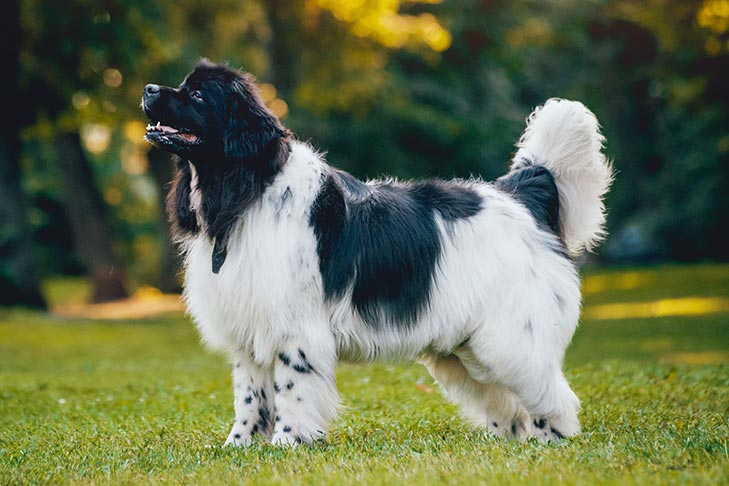
5. Newfoundland
 Save
Save| Weight | 100–150 lbs |
| Height | 26–28 in |
| Lifespan | 9–10 years |
| Energy Level | Moderate |
| Grooming Need | High |
| Shedding | Heavy |
Bred to work alongside Canadian fishermen in icy North Atlantic waters, the Newfoundland has a water-resistant double coat and webbed feet. They tolerate cold exceptionally well and are known for a gentle, patient temperament that’s earned them a reputation as excellent family dogs, sometimes nicknamed “nanny dogs.”
Best for: Families with kids · Cold, wet climates · Owners who don’t mind heavy grooming
6. Great Pyrenees
| Weight | 85–115 lbs |
| Height | 25–32 in |
| Lifespan | 10–12 years |
| Energy Level | Low to moderate |
| Grooming Need | Moderate |
| Shedding | Heavy |
Great Pyrenees dogs guarded flocks of sheep in the Pyrenees mountains for centuries, often sleeping outdoors through harsh winters. Their thick white coat sheds snow and insulates against extreme cold. They’re independent and protective, better suited to a rural or spacious setting than an apartment.
Best for: Rural properties · Livestock guarding · Independent-minded owners
7. Samoyed
| Weight | 35–65 lbs |
| Height | 19–23.5 in |
| Lifespan | 12–14 years |
| Energy Level | High |
| Grooming Need | High |
| Shedding | Heavy |
Named for the Samoyede people of Siberia, this breed herded reindeer and pulled sleds in brutal Arctic conditions. Their brilliant white coat is dense enough to insulate against extreme cold and reflects sunlight to help prevent overheating. Samoyeds are friendly and social, sometimes called “smiling” dogs for their upturned mouth shape.
Best for: Active families · Cold climates · Owners who enjoy regular brushing
8. Akita
| Weight | 70–130 lbs |
| Height | 24–28 in |
| Lifespan | 10–13 years |
| Energy Level | Moderate |
| Grooming Need | Moderate |
| Shedding | Heavy |
Bred in the mountainous northern regions of Japan, the Akita has a thick double coat suited to snowy winters. The breed is powerful, dignified, and deeply loyal to its family, though it tends to be reserved with strangers and needs early, consistent socialization.
Best for: Experienced owners · Single-dog households · Cold climates
9. Norwegian Elkhound
| Weight | 48–55 lbs |
| Height | 19.5–20.5 in |
| Lifespan | 12–15 years |
| Energy Level | High |
| Grooming Need | Moderate |
| Shedding | Heavy |
One of the oldest Scandinavian breeds, the Norwegian Elkhound was used for hunting moose and elk across cold, forested terrain. Its dense gray coat withstands harsh Nordic winters. Elkhounds are alert, bold, and vocal, making them good watchdogs as well as capable outdoor companions.
Best for: Hunting or hiking households · Cold climates · Alert watchdog seekers
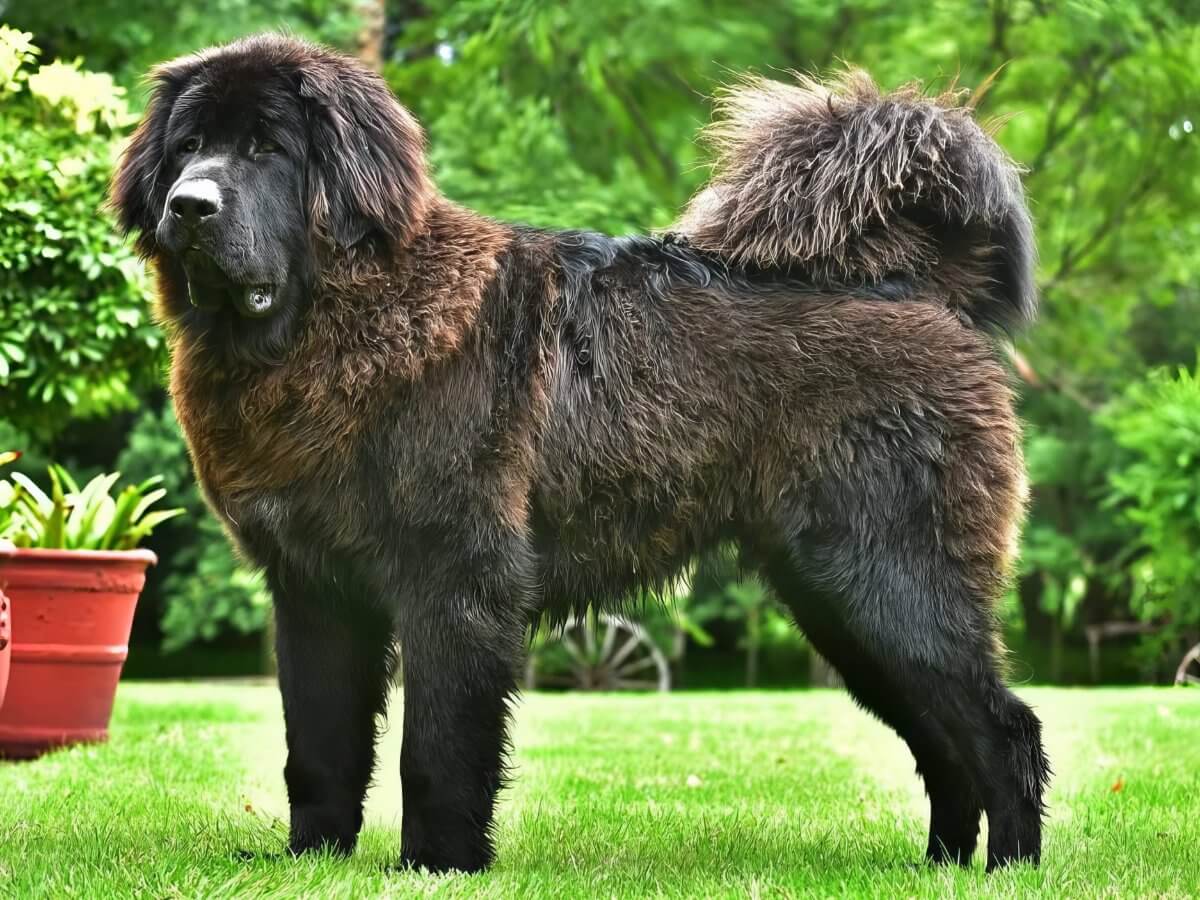
10. Tibetan Mastiff
 Save
Save| Weight | 70–150 lbs |
| Height | 24–26 in |
| Lifespan | 10–12 years |
| Energy Level | Low to moderate |
| Grooming Need | Moderate |
| Shedding | Seasonal, heavy |
Guardians of monasteries and villages on the Tibetan Plateau, these dogs developed an extremely thick coat to survive one of the coldest inhabited regions on earth. Tibetan Mastiffs are independent, territorial, and best suited to experienced owners with secure, spacious property rather than a typical family home.
Best for: Rural or mountain properties · Guardian roles · Experienced large-breed owners
Comparison Table
| Breed | Weight | Energy | Grooming |
|---|---|---|---|
| Siberian Husky | 35–60 lbs | Very high | Moderate |
| Alaskan Malamute | 75–85 lbs | High | High |
| Saint Bernard | 120–180 lbs | Moderate | Moderate-high |
| Bernese Mountain Dog | 70–115 lbs | Moderate | Moderate |
| Newfoundland | 100–150 lbs | Moderate | High |
| Great Pyrenees | 85–115 lbs | Low-moderate | Moderate |
| Samoyed | 35–65 lbs | High | High |
| Akita | 70–130 lbs | Moderate | Moderate |
| Norwegian Elkhound | 48–55 lbs | High | Moderate |
| Tibetan Mastiff | 70–150 lbs | Low-moderate | Moderate |
Which Cold-Weather Breed Fits Your Lifestyle?
If you’re an active runner or hiker in a snowy area, a Siberian Husky or Norwegian Elkhound will keep pace with you. If you want a calm family companion that still handles cold well, look at the Bernese Mountain Dog or Newfoundland. If you have rural land and want a guardian breed, the Great Pyrenees or Tibetan Mastiff is a better fit than a city apartment dog. And if you want a giant, gentle dog with room to grow into, the Saint Bernard is hard to beat.
A thick coat protects against cold but not heat. Most of these breeds struggle badly in hot climates and need extra care, shade, and water if temperatures rise.
Common Mistakes New Owners Make
People often assume “cold-tolerant” means “low maintenance.” It doesn’t. Double coats shed heavily twice a year and need regular brushing to avoid mats. Many of these breeds are also large, working-line dogs bred for a job — without enough exercise and mental stimulation, they can become anxious or destructive indoors, regardless of the weather outside.
Another common mistake is underestimating grooming time. A Samoyed or Newfoundland coat isn’t a once-a-month task — plan on brushing at least weekly, more during seasonal shedding.
Frequently Asked Questions
What is the most cold-tolerant dog breed?
The Alaskan Malamute and Siberian Husky are generally considered the most cold-tolerant breeds, thanks to dense double coats developed for Arctic sled work. Both can comfortably handle temperatures well below freezing with proper shelter and care.
Can cold-weather dog breeds live in warm climates?
They can, but it takes extra effort. Owners need to provide shade, air conditioning, and avoid exercise during peak heat, since a heavy double coat makes these breeds prone to overheating in warm regions.
Do cold-weather breeds need a coat or sweater outside?
Most cold-weather breeds don’t need extra layers, since their double coat already provides strong insulation. Short-haired dogs and small breeds benefit far more from a coat than these naturally insulated breeds do.
Are cold-weather dog breeds good for first-time owners?
Some are, but many are not. Working breeds like the Akita, Malamute, and Tibetan Mastiff are strong-willed and better suited to owners with prior large-breed or training experience.
How much exercise do cold-weather dog breeds need?
Most need 60 to 90 minutes of daily activity, especially working breeds like Huskies and Elkhounds. Giant guardian breeds like the Great Pyrenees need less intense exercise but still benefit from daily walks.
The Bottom Line
Choosing a cold-weather breed comes down to matching coat type and working history to your climate and lifestyle, not just picking the fluffiest dog you see. Whichever breed you choose, plan for real grooming time, enough space, and — for the working breeds especially — enough daily exercise to keep them happy indoors as well as out in the snow.
Thomas Cutter is a lifelong dog owner and the founder of FindOutAboutDogs.com. With over 10 years of hands-on experience owning multiple breeds, Thomas created this site to provide honest, research-based dog advice that real owners can actually trust.
