Best 10 Dog Breeds for Walking — Picked by a Daily Dog Walker
Quick Answer
The best dog for walking depends on your pace and daily time. The Labrador Retriever and Vizsla suit long, brisk walkers. The Beagle and Standard Poodle fit moderate, steady walkers. The Border Collie, Siberian Husky, and German Shorthaired Pointer need serious mileage. Match energy level to your real routine, not the one you wish you had.
Choose based on your walking style:
- Daily 20–30 minute walker → Beagle or Standard Poodle
- Daily 45–60 minute walker → Labrador Retriever or Boxer
- Runner or hiker, 60+ minutes → Vizsla, Border Collie, or German Shorthaired Pointer
- Cold-climate long-distance walker → Siberian Husky
Your leash goes tight before you’re even out the driveway. Your arm burns by the second block. That’s not bad luck — it’s usually a mismatch between a dog’s real exercise needs and the walks you actually have time for. I’m a dog trainer who has walked well over a dozen breeds through every kind of weather, and the single biggest mistake I see new owners make is picking a dog based on looks, not on how far it needs to go each day. Get that match right, and walking your dog stops feeling like a chore and starts feeling like the best part of your day.
- Energy level, not size, decides how well a breed handles daily walks.
- Moderate walkers (Beagle, Standard Poodle) need 20–30 minutes a day.
- High-drive breeds (Vizsla, Border Collie, GSP) need 60+ minutes or they get destructive.
- Cold-weather breeds like the Husky overheat fast in warm months — plan walk times around temperature.
- A tired dog on a walk is a well-behaved dog at home — exercise is training.


What Makes a Dog Breed Great for Walking?
A great walking breed combines steady energy, sound joints, and a temperament that stays calm around people, cars, and other dogs. It’s not about a dog that merely tolerates a leash — it’s about one that’s genuinely built for regular movement without needing a five-mile run to feel settled. Breeds developed for hunting, herding, or retrieving tend to have the stamina and structure for this. Flat-faced breeds and very short-legged breeds usually don’t, since their airways and joints weren’t built for sustained distance.
Here’s why that matters for you specifically: a mismatched breed doesn’t just make walks harder, it shows up as chewing, barking, and pacing at home. That’s pent-up energy with nowhere to go. So if you live in a busy neighborhood or an apartment suited to active city living, picking a breed whose walk needs match your schedule solves a behavior problem before it starts.
It’s not just the dog that benefits. Research from the Centers for Disease Control and Prevention found that dog walking helps people fit regular physical activity into daily life, and a peer-reviewed study on dog walking and health links regular walks with lower rates of high blood pressure and diabetes. The American Kennel Club reaches the same widely accepted conclusion: an active breed keeps its owner active too.
Watch a breed’s working history, not its coat color. A dog bred to hunt all day needs a real walk — not a stroll around the block.
The 10 Best Dog Breeds for Walking — Ranked and Reviewed
What most people get wrong about “high-energy” walking breeds is thinking they all need the same thing. They don’t. A Vizsla needs a run. A Beagle needs a nose to follow. A Husky needs cool air. Here’s the breakdown of ten breeds that genuinely thrive on regular walks — and what each one actually needs from you.
Labrador Retriever — “The All-Day, Every-Day Walking Partner”
 Save
Save| Weight | 55–80 lbs |
| Height | 21.5–24.5 in |
| Lifespan | 10–12 years |
| Energy Level | High |
| Grooming Need | Weekly brushing |
| Shedding | Heavy, seasonal |
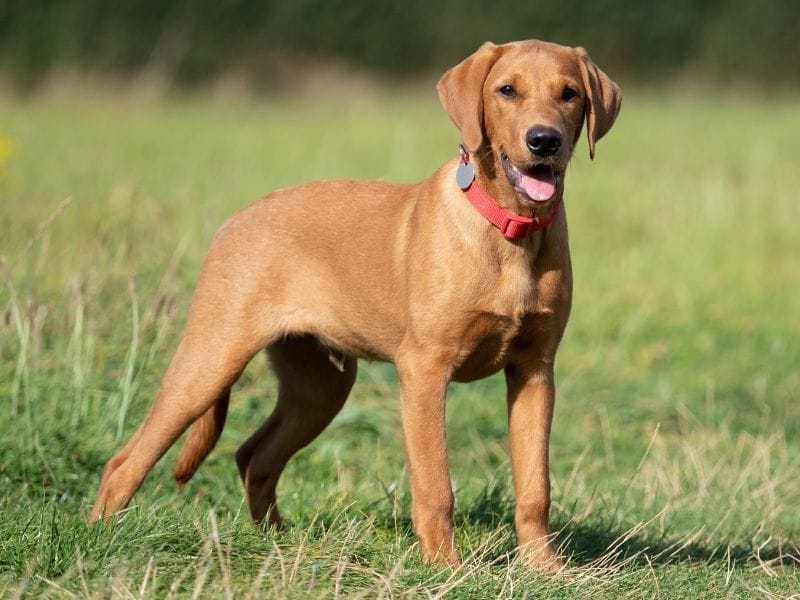
The Labrador Retriever is a sturdy sporting breed known for steady stamina on long walks. Weighing 55 to 80 lbs, it needs 45 to 60 minutes of daily walking. Labs stay food-motivated and eager, which makes leash training easier. This makes them ideal for active families and first-time dog walkers alike.
A Lab’s broad chest and short, dense coat were built for retrieving in water and brush all day. Their otter-like tail acts as a rudder and never seems to stop wagging on a walk.
Labs greet every walk like it’s the first one they’ve ever had. What most owners don’t expect is how food-driven this makes them for training. That’s the wow: a hungry Lab will heel better than almost any other breed, just for a piece of kibble.
“He drags me to the door at 7am like it’s Christmas morning. Every single day, rain or shine.”
— Daniel R., Labrador owner for 9 years
- Easy to leash-train even as puppies
- Handles all weather without complaint
- Friendly with strangers and other dogs
- Prone to weight gain without daily exercise
- Sheds heavily twice a year
- Pulls hard on leash if untrained
Best for: Families · First-time owners · Runners looking for a steady pace
Vizsla — “The Velcro Dog That Never Slows Down”
| Weight | 45–65 lbs |
| Height | 21–24 in |
| Lifespan | 12–14 years |
| Energy Level | Very high |
| Grooming Need | Minimal |
| Shedding | Low to moderate |
The Vizsla is a Hungarian sporting breed built for hours of field work beside a hunter. It needs 60 to 90 minutes of vigorous exercise daily. Vizslas bond tightly to one person and often follow them room to room. They suit runners and hikers far more than casual once-a-day strollers.
Their sleek, russet-gold coat and lean muscle give them a look built purely for speed. There’s no wasted bulk anywhere on a Vizsla’s frame.
You’d expect a hunting dog to be independent. Instead, Vizslas struggle badly with being left alone. The surprise: many develop real separation anxiety without enough walking to burn off their drive first.
“She sits on my feet in the kitchen, follows me to the bathroom, and needs a real run before she’ll settle.”
— Priya M., Vizsla owner for 4 years
- Low-shedding, easy coat care
- Matches pace with runners easily
- Deeply affectionate and people-focused
- Struggles badly if left alone often
- Needs far more than one short walk
- Thin coat means it feels cold fast
Best for: Runners · Hikers · Owners who work from home
Beagle — “The Nose-First Neighborhood Explorer”
| Weight | 20–30 lbs |
| Height | 13–15 in |
| Lifespan | 10–15 years |
| Energy Level | Moderate |
| Grooming Need | Minimal |
| Shedding | Moderate |
The Beagle is a small scent hound bred to track rabbits across open fields for hours. It needs about 30 minutes of walking split across two outings. Beagles walk at a steady, sniffing pace rather than a fast one. This makes them ideal for owners who want moderate, low-pressure daily walks.
Their short tricolor coat and long, low-set ears give them an unmistakable, classic hound look.
Beagles are famous for being friendly. What surprises new owners is how much that nose overrides everything else on a walk. A Beagle mid-scent will genuinely stop listening — training has to work around that instinct, not against it.
“Our walks take twice as long because she has to smell every mailbox on the block. I’ve made peace with it.”
— Karen T., Beagle owner for 7 years
- Content with shorter, slower walks
- Compact size suits smaller homes
- Very social with people and dogs
- Follows scents instead of commands
- Loud, frequent baying and howling
- Prone to weight gain if under-walked
If you like the idea of a mellow, easygoing walker but want to compare temperaments first, this guide to easygoing dog breeds for relaxed daily walks is worth a look.
Best for: Casual walkers · Smaller households · Owners who enjoy a slower pace
Border Collie — “The Working Brain That Needs a Job”
| Weight | 30–55 lbs |
| Height | 18–22 in |
| Lifespan | 12–15 years |
| Energy Level | Very high |
| Grooming Need | Weekly brushing |
| Shedding | Moderate to heavy |
The Border Collie is a herding breed widely regarded as the most trainable dog alive. It needs 60 minutes or more of demanding exercise every day. A simple walk alone rarely tires this breed out. Mixing in fetch, training drills, or off-leash runs works far better than distance alone.
Their dense double coat and low, stalking gait come straight from a lifetime of moving livestock.
Most people know Border Collies are smart. What they don’t expect is how that intelligence turns destructive without enough outlet. A bored Border Collie will herd children, bikes, or the vacuum cleaner instead.
“He herded the neighbor’s kids into a corner of the yard once. Now he gets a real job every morning: fetch, then a long walk.”
— Marcus B., Border Collie owner for 5 years
- Learns walking commands within days
- Excels at long, brisk-paced hikes
- Thrives on structured training walks
- One walk a day is rarely enough
- May nip or herd without training
- Needs mental work, not just miles
Best for: Experienced owners · Hikers · Dog sport enthusiasts
Australian Shepherd — “The Athlete Who Wants a Route, Not a Loop”
 Save
Save| Weight | 40–65 lbs |
| Height | 18–23 in |
| Lifespan | 12–15 years |
| Energy Level | High |
| Grooming Need | Weekly brushing |
| Shedding | Moderate to heavy |
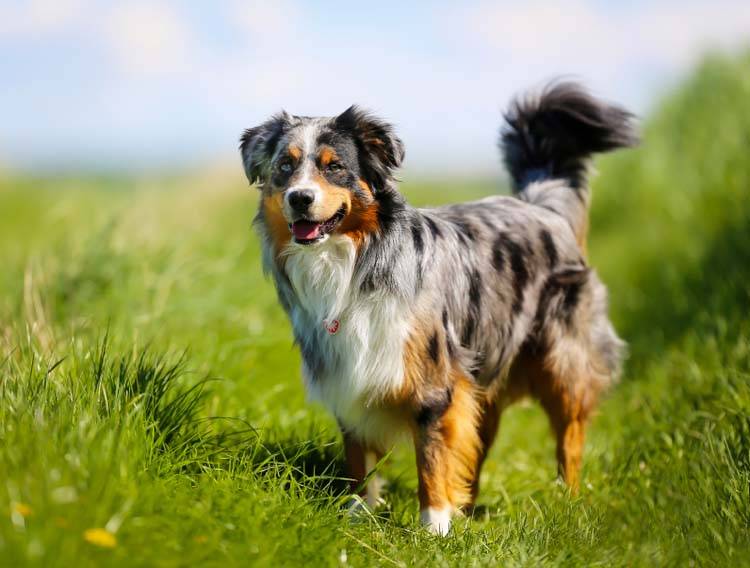
The Australian Shepherd is a ranch-bred herder built for full days of movement. It needs 60 minutes of varied daily exercise, ideally on changing terrain. New routes and new smells matter as much as distance. Aussies bore quickly on the exact same loop walked every day.
Their merle or tricolor coat and bobbed or natural tail make them instantly recognizable at any dog park.
People expect a herding dog to be busy. What catches new owners off guard is how vocal that business gets — Aussies bark to direct their people, not just strangers.
“If I walk the same street twice in a row, she acts personally offended. She needs new ground every day.”
— Lauren S., Australian Shepherd owner for 6 years
- Adapts well to trail or terrain hikes
- Highly responsive to leash cues
- Loyal and protective on walks
- Bores fast on repeated routes
- Barks to herd people and cars
- Sheds heavily during coat blow
Best for: Trail walkers · Active families · Owners with yard access
Siberian Husky — “The Cold-Weather Long-Distance Machine”
| Weight | 35–60 lbs |
| Height | 20–23.5 in |
| Lifespan | 12–14 years |
| Energy Level | High |
| Grooming Need | Weekly, more during shed |
| Shedding | Heavy, seasonal |
The Siberian Husky is a sled-pulling breed built for hours of movement in cold air. It needs 60 minutes of walking daily, ideally in the morning or evening. Heat is the real limit here, not distance. Huskies can walk for miles in winter but overheat fast once it’s warm out.
Their thick double coat, upright ears, and striking eyes make them one of the most photographed breeds on any trail.
Huskies look like a working breed, and they are one. What surprises new owners is how little that translates to obedience — Huskies were bred to pull and run in a straight line, not to check in with a handler.
“He’s an absolute machine in January and useless by 10am in July. We walk him at sunrise from May through September.”
— Tom W., Siberian Husky owner for 8 years
- Built for long, cold-weather distances
- Rarely tires on winter walks
- Friendly, non-aggressive with strangers
- Overheats quickly in warm weather
- Strong urge to bolt off-leash
- Sheds heavily twice a year
Best for: Cold-climate owners · Early-morning walkers · Experienced handlers
Standard Poodle — “The Elegant Walker With Real Stamina”
| Weight | 40–70 lbs |
| Height | Over 15 in |
| Lifespan | 12–15 years |
| Energy Level | Moderate to high |
| Grooming Need | High, professional trims |
| Shedding | Minimal |
The Standard Poodle is a water-retrieving breed with far more athleticism than its haircut suggests. It needs 30 to 45 minutes of daily walking plus mental stimulation. Poodles walk with a light, springy gait and rarely pull once trained. This makes them a strong pick for allergy-conscious, first-time owners.
Under the trimmed coat is a lean, muscular frame built for jumping into lakes after birds all afternoon.
People picture Poodles as fussy show dogs. The truth surprises most new owners: this is one of the most trainable, water-loving athletic breeds in existence.
“People assume she’s delicate because of the haircut. She swims across ponds and out-hikes my Labrador.”
— Nadia F., Standard Poodle owner for 5 years
- Low-shedding coat suits allergy sufferers
- Learns loose-leash walking quickly
- Calm, composed around distractions
- Grooming costs add up fast
- Needs mental work, not just steps
- Can get anxious if under-socialized
If you’re weighing a Poodle against other calmer options for a first dog, this roundup of dog breeds for first-time owners covers several good comparisons.
Best for: Allergy-conscious owners · First-time owners · Moderate walkers
Weimaraner — “The Grey Ghost With Endless Miles In Him”
| Weight | 55–90 lbs |
| Height | 23–27 in |
| Lifespan | 10–13 years |
| Energy Level | Very high |
| Grooming Need | Minimal |
| Shedding | Moderate |
The Weimaraner is a large German hunting breed with near-endless stamina. It needs 60 to 90 minutes of vigorous exercise every single day. This is not a breed for a casual once-around-the-block owner. Weimaraners suit runners, cyclists, or households with a large, secure yard as backup.
Their sleek, silver-grey coat and pale amber eyes give the breed its nickname: the Grey Ghost.
Their striking looks suggest an aloof dog. What surprises owners most is the opposite — Weimaraners are intensely clingy and often follow their person from room to room, all day.
“I run five miles with him three times a week and he’s still pacing by 8pm. This breed does not do ‘lazy day.'”
— Chris D., Weimaraner owner for 6 years
- Ideal pace-matcher for runners
- Low-maintenance, short coat
- Deeply loyal and protective
- Prone to severe separation anxiety
- Needs far more than daily strolls
- Large size overwhelms new owners
Best for: Runners · Cyclists · Experienced active owners
Boxer — “The Bouncy, Loyal Neighborhood Companion”
| Weight | 50–80 lbs |
| Height | 21.5–25 in |
| Lifespan | 10–12 years |
| Energy Level | High |
| Grooming Need | Minimal |
| Shedding | Moderate |
The Boxer is a muscular working breed known for playful energy well into adulthood. It needs 45 to 60 minutes of brisk daily walking. Boxers stay close to their handler and rarely wander far off-focus. Their short muzzle means hot, humid walks should be shorter and slower.
Their square jaw, boxy head, and sleek fawn or brindle coat give the breed its unmistakable, alert expression.
Boxers are known for being goofy. Fewer people know their shortened muzzle makes them a moderate brachycephalic breed — heat and humidity hit them harder than most owners expect.
“He play-bows at every dog we pass, then face-plants into the grass mid-walk out of pure joy.”
— Angela P., Boxer owner for 4 years
- Stays close and attentive on leash
- Playful, upbeat walking companion
- Short coat needs little upkeep
- Struggles in heat and humidity
- Can be pushy with other dogs
- Bouncy energy lasts into adulthood
Best for: Active families · Cooler climates · Owners wanting a playful pace
German Shorthaired Pointer — “The Canine Triathlete”
| Weight | 45–70 lbs |
| Height | 21–25 in |
| Lifespan | 10–12 years |
| Energy Level | Very high |
| Grooming Need | Minimal |
| Shedding | Moderate |
The German Shorthaired Pointer is a versatile hunting breed nicknamed the “canine triathlete.” It needs 60 minutes or more of intense daily exercise. GSPs handle heat, distance, and rough terrain better than most sporting breeds. Owners who hike, run, or bike regularly get the most out of this breed.
Their liver-and-white ticked coat and lean, wiry build were shaped by decades of all-day field hunting.
Most owners expect a hunting dog to be tough and stoic. What they find instead is a breed that’s surprisingly velcro — GSPs often sleep pressed against their person, not in a separate bed.
“She’s done 12-mile trail runs with me and still wants to play fetch when we get home. She has no off switch.”
— Ryan H., German Shorthaired Pointer owner for 3 years
- Handles heat better than most sporting dogs
- Excellent stamina on long trail routes
- Easy-care, short ticked coat
- One short walk leaves it restless
- High prey drive around small animals
- Not suited to sedentary households
Best for: Hikers · Trail runners · Cyclists
Quick Comparison: All 10 Walking Breeds Side by Side
Here’s the full lineup in one place, so you can compare daily walk time and energy level at a glance before you scroll back up for detail.
| Breed | Daily Walk Time | Energy Level | Best Pace |
|---|---|---|---|
| Labrador Retriever | 45–60 min | High | Brisk, steady |
| Vizsla | 60–90 min | Very high | Running |
| Beagle | 30 min | Moderate | Slow, sniffing |
| Border Collie | 60+ min | Very high | Brisk to running |
| Australian Shepherd | 60 min | High | Varied terrain |
| Siberian Husky | 60 min | High | Long, cool-weather |
| Standard Poodle | 30–45 min | Moderate–high | Light, springy |
| Weimaraner | 60–90 min | Very high | Running, cycling |
| Boxer | 45–60 min | High | Brisk, playful |
| German Shorthaired Pointer | 60+ min | Very high | Trail, brisk |
Which Walking Breed Is Right for You?
The right breed comes down to your real schedule, not your ideal one. Be honest about how much time you actually have most days — not your best day, your average one.
- If you walk 20–30 minutes a day at a relaxed pace → the Beagle or Standard Poodle fits your routine.
- If you walk 45–60 minutes and want a steady, friendly partner → the Labrador Retriever or Boxer is a strong match.
- If you run, hike, or need 60-plus minutes of hard exercise → the Vizsla, Border Collie, Weimaraner, or GSP will keep up with you.
- If you’re active in cold weather and want long, brisk walks → the Siberian Husky thrives in that setting.
Walking a dog also matters more the older you get, and the right breed changes with your own pace. If that’s part of your decision, this guide to low-key dog breeds for retirees who still want daily walks breaks down calmer options that still enjoy time outside.
This article covers the ten breeds best suited to regular daily walks. If your situation involves a dog with joint problems, brachycephalic breathing issues, or a puppy under 12 months, you’ll need vet-guided exercise limits instead of the ranges above.
Walking Gear and Care Essentials Every Active Owner Needs
The right gear matters as much as the right breed. Most walking problems — pulling, lunging, overheating — trace back to equipment, not temperament.
- Fit a front-clip harness for pullers — it redirects, not chokes.
- Use a 4 to 6 foot leash for control near traffic.
- Carry water for walks over 30 minutes in warm weather.
- Check paw pads on hot pavement before longer walks.
- Bring high-value treats for high-drive breeds like the Vizsla or GSP.
If you’re apartment-based, gear choices matter even more since hallway and elevator manners come first. This roundup of dog breeds suited to apartment living covers which of these walkers adjust best to smaller spaces between outings.
Skip midday walks with Huskies, Boxers, or other thick or short-muzzled breeds once temperatures pass 80°F. Heatstroke can set in fast on pavement.
Mistakes New Walking-Dog Owners Make (And How to Fix Them)
Even good breed matches go wrong with a few common habits. Here’s what most people get wrong, and the fix for each one.
- Walking the same route every day. Fix: rotate two or three routes so the dog stays mentally engaged, not just physically tired.
- Skipping walks on bad-weather days. Fix: shorten the walk instead of cancelling it — consistency matters more than length.
- Judging a breed by size alone. Fix: check working history and energy level, since a small Beagle needs less than a mid-size Vizsla.
- Ending the walk the second the dog is calm. Fix: keep walks at a consistent length so the dog doesn’t learn that acting calm ends the fun early.
What Most People Get Wrong About “High-Energy” Walking Breeds
Many owners assume any high-energy breed just needs “more walking” to fix bad behavior. That’s only half true. Distance without direction doesn’t tire a smart working breed like a Border Collie or Australian Shepherd — it just builds better cardio for future mischief. So if you walk your dog for an hour and still get chewed furniture, the walk needs structure, not just length.
So what does that mean for you? If your dog has energy left after a long walk, add a short training drill or a scent game at the end. Ten extra minutes of mental work often does more than another mile.
Conclusion
The best walking breed isn’t the trendiest one — it’s the one that matches how far and how often you actually walk. A Beagle and a Vizsla can both be great dogs, but they need completely different mornings from you. Match energy to routine first, and everything else about ownership gets easier.
One thing to do right now: time your current daily walk with your phone, then compare it honestly against the ranges above. That single number tells you more about your best-fit breed than any list ever could. I’m glad this guide could help you get there.
Frequently Asked Questions
What is the easiest dog breed to walk daily?
The Beagle is one of the easiest breeds to walk daily. It’s content with about 30 minutes at a relaxed, sniffing pace. Its moderate energy and small size also make it forgiving if a walk gets cut short occasionally.
Can small dogs handle long daily walks?
Some small breeds handle long walks well, but many can’t match a large breed’s stamina or stride length. Check joint health and breathing structure first. Flat-faced small breeds especially need shorter, cooler walks than their bigger counterparts.
How much walking does a high-energy breed really need?
Most high-energy breeds like the Vizsla, Border Collie, or Weimaraner need 60 minutes or more of vigorous daily exercise. A single short walk usually isn’t enough. Splitting it into two sessions often works better than one long one.
Is it bad to walk a dog in hot weather?
Yes, hot pavement and high humidity raise heatstroke risk fast, especially for short-muzzled breeds. Walk early morning or after sunset in summer instead. Always check pavement temperature with your hand before heading out.
Do herding breeds make good walking companions?
Herding breeds like the Border Collie and Australian Shepherd make excellent walking companions if given enough daily exercise. They need over an hour of activity, plus mental stimulation. Without it, that same energy often turns into barking or nipping at home.

Thomas Cutter is a lifelong dog owner and the founder of FindOutAboutDogs.com. With over 10 years of hands-on experience owning multiple breeds, Thomas created this site to provide honest, research-based dog advice that real owners can actually trust.
