Best 10 Dog Breeds for Hiking — Picked by an Owner Who’s Logged the Miles
Quick Answer
The best dog breeds for hiking are the Australian Shepherd, Vizsla, German Shorthaired Pointer,
Siberian Husky, Border Collie, Labrador Retriever, Rhodesian Ridgeback, Alaskan Malamute,
Bernese Mountain Dog, and Golden Retriever. Each breed brings high stamina, strong trail
instincts, and the drive to cover long distances beside an active owner.
Which trait matters most for your trail:
- Hot, dry trails: choose short-coated breeds like the Vizsla or Rhodesian Ridgeback
- Cold, snowy trails: choose double-coated breeds like the Husky or Malamute
- New to hiking with a dog: choose a steady, easy-to-train breed like the Labrador
One thing to check before you pick a breed:
- Match the breed’s energy level to how many miles you actually hike each week
- Check your climate against the breed’s coat type before you fall for the looks
- Ask about hip and joint health in the breeder’s or shelter’s records
Your boots are on. The trailhead sign is right there. But the leash in your hand is attached
to a dog who sat down twenty minutes ago and refuses to move another step. I’m Thomas Cutter,
and I’ve hiked with working dogs for over a decade. That mismatched moment is exactly why breed
matters so much before you commit to a hiking partner.
Not every dog wants what you want. Some breeds were built for short bursts of energy near the
couch. Others were built to move for hours across rough ground. Picking the wrong one leaves you
carrying a tired 70-pound dog back to the car. Picking the right one turns every trail into a
shared adventure. Let’s find your match.
Key Takeaways
- High-energy breeds like the Vizsla and Border Collie need daily trail time, not just a weekend hike
- Coat type decides your climate match more than size does
- Working and sporting breeds tend to have the strongest natural endurance
- A vet check before starting a hiking routine protects joints and hearts alike
- The right hiking dog is the one that matches your pace, not just your Instagram feed


What Makes a Dog Breed Good for Hiking?
A dog is built for hiking when it has high stamina, a coat suited to your climate, and a
history of working outdoors for long hours. Most experts agree that breeds from the Sporting,
Working, and Herding groups make the strongest trail partners in 2026, since these dogs were
bred to move across rough terrain for entire days. That covers endurance and build. But hiking
also demands mental focus — a dog that stays calm around wildlife, other hikers, and sudden
noise. So if you want a partner and not a project, look for both the body and the temperament
built for the job.
You might be thinking a big dog must be a good hiking dog. Here’s why that’s not always true:
size alone doesn’t predict stamina. A Bulldog is large but overheats fast. A Jack Russell is
small but can out-hike most people. Endurance comes from lung capacity, paw structure, and
drive — not just size.
When I first started hiking with dogs, I brought a friend’s short-nosed breed on a summer
trail. That taught me heat tolerance matters more than muscle. Since then, I check a breed’s
coat and airway type before I ever check its size.
Tip:
Start any new hiking dog on flat, short trails for
two to three weeks before attempting steep climbs.
The 10 Best Dog Breeds for Hiking — Ranked and Reviewed
These 10 breeds all share one trait: they were built to move. What separates them is climate
tolerance, trail temperament, and how much daily activity they demand from you in return.
Australian Shepherd — “The Trail Boss With a Herding Brain”
 Save
Save| Weight | 40 to 65 lbs |
| Height | 18 to 23 in |
| Lifespan | 12 to 15 years |
| Energy Level | Very high |
| Grooming Need | Moderate, weekly brushing |
| Shedding | Moderate to heavy, seasonal |
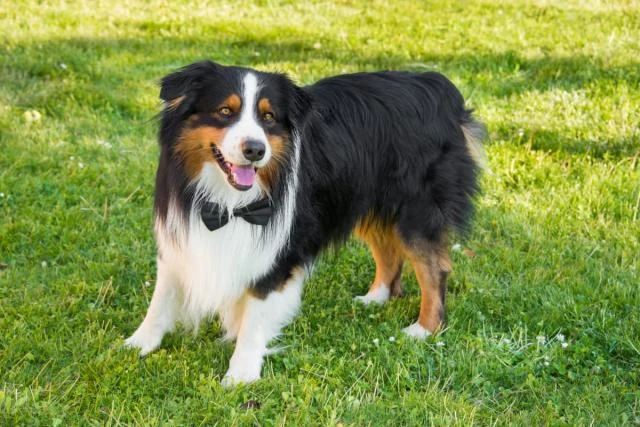
The Australian Shepherd is a herding breed known for boundless trail energy.
Weighing 40 to 65 lbs, it handles steep inclines and long distances with ease. This dog stays
sharp and alert on unfamiliar terrain. It’s ideal for hikers who want a highly trainable,
all-day trail companion.
Their merle or solid coats come in a rugged, weatherproof double layer. One glance at their
alert, close-set eyes tells you this dog is already reading the trail ahead of you.
Aussies herd first and think later. Around groups, they may try to “collect” hikers into one
pack. Give them a job on the trail — like carrying their own pack — and that instinct turns into
focus instead of chaos.
“My Aussie has hiked over 400 miles with me this year alone. She checks every switchback
like she’s scouting for the both of us.”
— Megan T., Australian Shepherd owner for 5 years
Pros
- Handles steep, technical trails with ease
- Highly trainable off-leash on quiet trails
- Alert to wildlife and terrain changes
Cons
- May try to herd other hikers or dogs
- Needs a daily job or gets destructive
- Coat traps burrs on brushy trails
Best for: Active hikers · Owners who want an off-leash trail dog · Trail runners
calmer breed options if this energy level feels like too much
Vizsla — “The Velcro Dog Built for the Backcountry”
| Weight | 44 to 60 lbs |
| Height | 21 to 24 in |
| Lifespan | 12 to 14 years |
| Energy Level | Very high |
| Grooming Need | Low, occasional brushing |
| Shedding | Low to moderate |
The Vizsla is a Hungarian sporting breed built for hours in the field. Weighing 44 to
60 lbs, it moves with speed and precision over open ground. This dog bonds tightly with one
person and hikes best in warm to mild climates. It’s ideal for owners who hike daily, not just
on weekends.
Their rust-gold coat is short and sleek, so every muscle shows as they move. Watch one climb
a rock face, and you’ll see a build made purely for covering ground fast.
Vizslas are known as clingy. What most owners don’t expect: that clinginess turns into a
built-in safety system on the trail. A Vizsla that suddenly stops and stares has usually spotted
something you haven’t.
“He froze mid-trail once, ears up, staring into the brush. Ten seconds later a deer bolted
out. I trust his nose more than my own eyes now.”
— Daniel R., Vizsla owner for 4 years
Pros
- Short coat handles heat well
- Exceptional stamina for all-day hikes
- Bonds closely, rarely wanders off
Cons
- Struggles with separation from owner
- Thin coat means poor cold tolerance
- Strong prey drive near small wildlife
Best for: Daily hikers · Warm-climate owners · Owners who work from home
more hunting-bred dogs with similar field stamina
German Shorthaired Pointer — “The Engine That Never Quits”
| Weight | 45 to 70 lbs |
| Height | 21 to 25 in |
| Lifespan | 10 to 12 years |
| Energy Level | Very high |
| Grooming Need | Low, weekly wipe-down |
| Shedding | Moderate, year-round |
The German Shorthaired Pointer is a sporting breed built for all-day fieldwork.
Weighing 45 to 70 lbs, it covers ground faster than most hikers can keep pace with. This dog
thrives across many climates and terrains. It’s ideal for runners, hunters, and hikers who
need serious mileage.
Its sleek, liver-and-white coat clings tight to a lean, muscular frame built for speed.
Watch one move and you’ll notice a gait built for distance, not just short sprints.
GSPs are known for endless energy. What surprises new owners: that same drive makes them
excellent off-leash trail partners once recall training sticks, since they’d rather run circles
around you than run away.
“We did a 12-mile ridge hike and he still wanted to fetch sticks in the parking lot after.
I’ve never met a dog with an off switch that slow.”
— Carlos M., GSP owner for 7 years
Pros
- Extreme stamina across long distances
- Low-maintenance short coat
- Adapts to varied climates well
Cons
- Strong prey drive needs firm recall
- Under-exercised dogs become destructive
- Not suited to sedentary households
Best for: Trail runners · Hunters · Owners who hike 5+ miles regularly
how large, active breeds can still work in smaller homes
Siberian Husky — “The Cold-Weather Endurance Machine”
| Weight | 35 to 60 lbs |
| Height | 20 to 23.5 in |
| Lifespan | 12 to 14 years |
| Energy Level | High |
| Grooming Need | Moderate, heavy seasonal blowouts |
| Shedding | Heavy, twice yearly |
The Siberian Husky is a working breed built for pulling sleds long distances.
Weighing 35 to 60 lbs, it carries deep reserves of endurance in cold or mild weather. This dog
loves company and rarely tires on long trails. It’s ideal for hikers in cooler climates who
want a true distance partner.
Their thick double coat and piercing blue or brown eyes give them an unmistakable, wolf-like
profile built for snow country.
Huskies are known for independence. Here’s why that matters on trail: a Husky is more likely
to follow a scent trail than your voice, so a secure leash isn’t optional gear — it’s a
requirement.
“She’s hiked in snow up to her belly and acted like it was a spa day. Summer trails are a
different story — she overheats fast.”
— Priya S., Husky owner for 6 years
Pros
- Built for extreme cold-weather stamina
- Friendly with strangers and other dogs
- Thrives on long, repetitive distance hikes
Cons
- Overheats fast on warm trails
- Prone to bolting after scent trails
- Heavy seasonal shedding indoors
Best for: Cold-climate hikers · Winter trail owners · Multi-dog households
Border Collie — “The Genius Who Never Gets Bored”
 Save
Save| Weight | 30 to 55 lbs |
| Height | 18 to 22 in |
| Lifespan | 12 to 15 years |
| Energy Level | Very high |
| Grooming Need | Moderate, weekly brushing |
| Shedding | Moderate, seasonal |
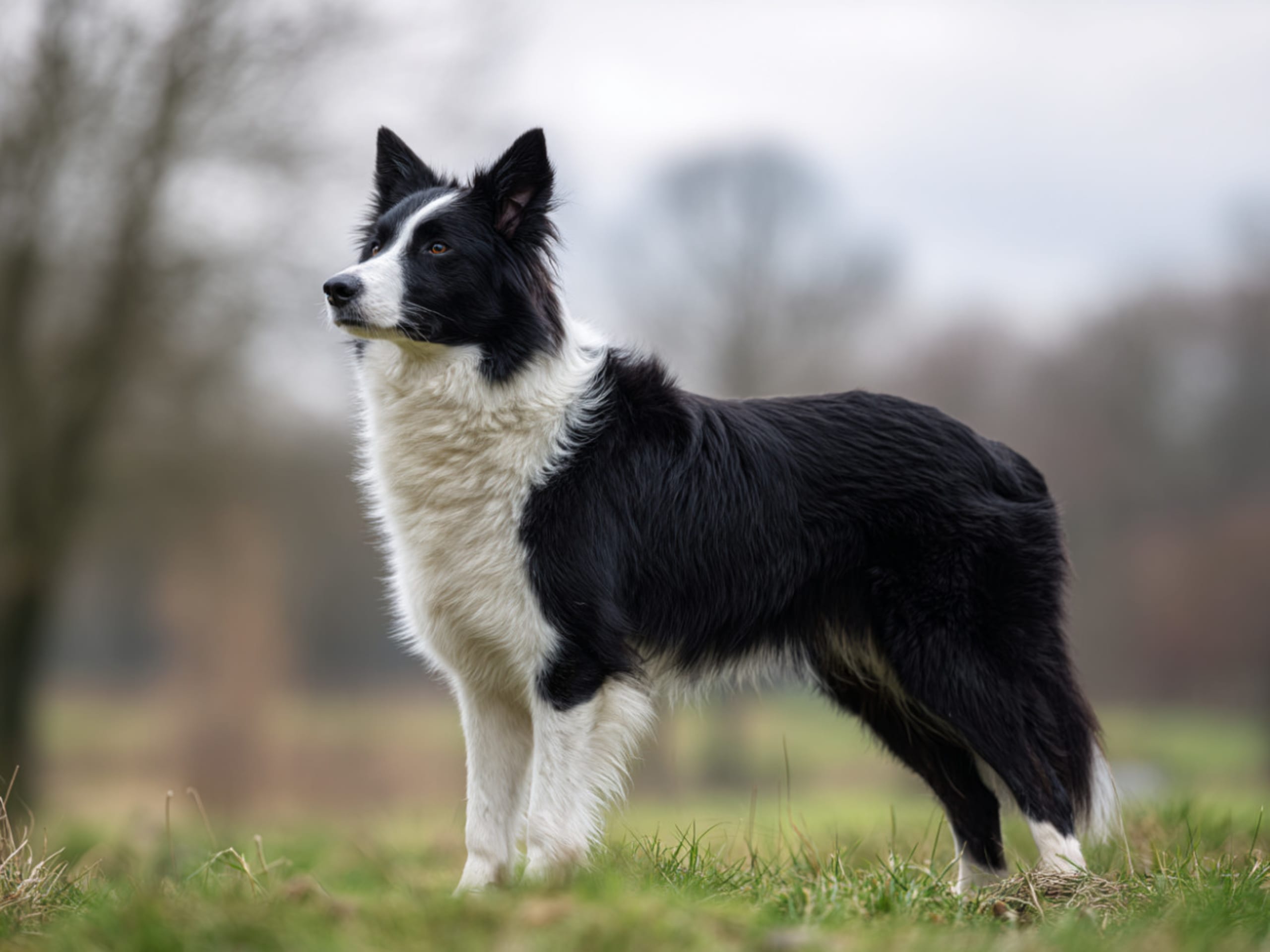
The Border Collie is a herding breed widely regarded as the most intelligent dog on
the trail. Weighing 30 to 55 lbs, it navigates tricky terrain with sharp focus. This dog needs
constant mental and physical work. It’s ideal for hikers who want a dog that thinks two steps
ahead.
Their sleek, athletic build moves low and fast, with that famous intense “herding eye”
locked onto whatever catches its attention.
Border Collies are known as workaholics. What most owners get wrong: treating hiking alone
as enough exercise. Without mental puzzles too, even a 10-mile hike won’t fully satisfy this
breed’s need for a job.
“He memorizes trail forks after one visit and tries to ‘correct’ me if I take a wrong turn.
It’s unnerving how smart he is.”
— Grace L., Border Collie owner for 8 years
Pros
- Exceptional agility on tricky terrain
- Learns trail commands almost instantly
- Strong stamina for long, repeat hikes
Cons
- Needs mental work beyond just hiking
- May try to herd children or joggers
- Poor fit for low-activity households
Best for: Experienced dog owners · Trail dog sport enthusiasts · Puzzle-loving households
Labrador Retriever — “The Steady, Do-Anything Trail Buddy”
| Weight | 55 to 80 lbs |
| Height | 21.5 to 24.5 in |
| Lifespan | 10 to 12 years |
| Energy Level | High |
| Grooming Need | Low, weekly brushing |
| Shedding | Heavy, year-round |
The Labrador Retriever is a sporting breed known for its steady, easygoing trail
manner. Weighing 55 to 80 lbs, it handles varied terrain without fuss. This dog loves water
crossings as much as dry trails. It’s ideal for beginners who want a forgiving hiking
partner.
Their short, dense coat sheds water quickly, and their broad, otter-like tail helps them
balance while wading through streams along the trail.
Labs are known as friendly. Here’s the part beginners miss: that friendliness includes
food. A Lab will happily eat trail snacks meant for you, so pack a sealed container, not a side
pocket.
“He’s stolen three protein bars off other hikers’ packs this year. Somehow they always
forgive him within seconds.”
— Ethan W., Labrador owner for 9 years
Pros
- Even temperament suits first-time hikers
- Loves stream and lake crossings
- Trains easily for trail manners
Cons
- Prone to weight gain if under-exercised
- Heavy shedding after wet hikes
- Hip health needs regular monitoring
Best for: First-time hiking dog owners · Families · Water-trail hikers
more forgiving breed picks for first-time dog owners
Rhodesian Ridgeback — “The Heat-Proof Endurance Hunter”
| Weight | 70 to 85 lbs |
| Height | 24 to 27 in |
| Lifespan | 10 to 12 years |
| Energy Level | Moderate to high |
| Grooming Need | Low, monthly brushing |
| Shedding | Low |
The Rhodesian Ridgeback is a hound bred in Africa to track game for miles in heat.
Weighing 70 to 85 lbs, it adapts to warm trails better than most large breeds. This dog is
loyal but reserved with strangers. It’s ideal for confident hikers who want a dignified,
low-maintenance partner.
The signature ridge of reversed hair down its back sets this breed apart, sitting atop a
lean, muscular frame built for distance over rough African terrain.
Ridgebacks are known as independent. So what does that mean on trail? Off-leash recall
can’t be assumed, even after years of training, so a long lead is smarter than trusting
voice commands alone near wildlife.
“She hiked a desert trail in July without slowing down once. Meanwhile I needed three
water breaks.”
— Naomi B., Rhodesian Ridgeback owner for 5 years
Pros
- Handles heat far better than most large breeds
- Low-shed, easy-care short coat
- Tough paw pads for rocky terrain
Cons
- Reserved and wary of strangers on trail
- Independent streak weakens recall
- Needs early, consistent socialization
Best for: Warm-climate hikers · Solo desert or trail hikers · Experienced owners
calmer large breed options suited to slower-paced owners
Alaskan Malamute — “The Heavy-Duty Winter Trail Hauler”
| Weight | 75 to 85 lbs |
| Height | 23 to 25 in |
| Lifespan | 10 to 14 years |
| Energy Level | High |
| Grooming Need | High, frequent brushing |
| Shedding | Heavy, seasonal |
The Alaskan Malamute is a working breed built to haul heavy loads over long Arctic
distances. Weighing 75 to 85 lbs, it carries deep reserves of strength and endurance. This dog
thrives in cold-weather hiking and packing trips. It’s ideal for owners in snowy regions who
want a powerful trail hauler.
Their dense, plush double coat and broad chest give them a powerful, unmistakable silhouette
built to survive frozen landscapes.
Malamutes are known for strength. What most people miss: that strength comes paired with a
stubborn streak, so leash pulling on the trail needs to be corrected early, before it becomes a
habit you can’t out-muscle.
“He’s carried a loaded pack up switchbacks that left me breathless. Summer hikes, though,
we start at sunrise or not at all.”
— Victor P., Alaskan Malamute owner for 6 years
Pros
- Can carry a loaded pack for miles
- Built for snow and cold-weather treks
- Friendly, social trail temperament
Cons
- High heat risk on warm trails
- Strong-willed, needs firm leash training
- Heavy shedding twice a year
Best for: Cold-climate owners · Backpackers who pack-load their dog · Strength-focused trainers
Bernese Mountain Dog — “The Gentle Giant Who Carries the Load”
| Weight | 70 to 115 lbs |
| Height | 23 to 27.5 in |
| Lifespan | 7 to 10 years |
| Energy Level | Moderate |
| Grooming Need | Moderate to high |
| Shedding | Heavy, year-round |
The Bernese Mountain Dog is a working breed from the Swiss Alps built for steady
farm labor. Weighing 70 to 115 lbs, it can pull or carry heavy loads with ease. This dog prefers
a relaxed pace over speed on the trail. It’s ideal for hikers in cool climates who want a calm,
powerful companion.
Their tri-color coat and broad, muscular frame give off a calm, dependable presence, like a
dog built to outlast any storm on the mountain.
Bernese Mountain Dogs are known as gentle giants. Here’s the trade-off few mention: that
size and thick coat mean shorter lifespans and higher heat risk, so cool-weather hikes suit
this breed far better than summer trails.
“She carried my water and snacks in her own pack up a mountain trail without complaint.
Fall hikes are her favorite time of year.”
— Olivia H., Bernese Mountain Dog owner for 4 years
Pros
- Can carry its own pack easily
- Calm, steady trail temperament
- Excellent in cold-weather climates
Cons
- Overheats fast on warm trails
- Shorter lifespan than most large breeds
- Heavy shedding needs frequent brushing
Best for: Cool-climate hikers · Owners wanting a calm large breed · Pack-carrying trips
Golden Retriever — “The Crowd Favorite for Good Reason”
 Save
Save| Weight | 55 to 75 lbs |
| Height | 21.5 to 24 in |
| Lifespan | 10 to 12 years |
| Energy Level | High |
| Grooming Need | Moderate, regular brushing |
| Shedding | Heavy, year-round |
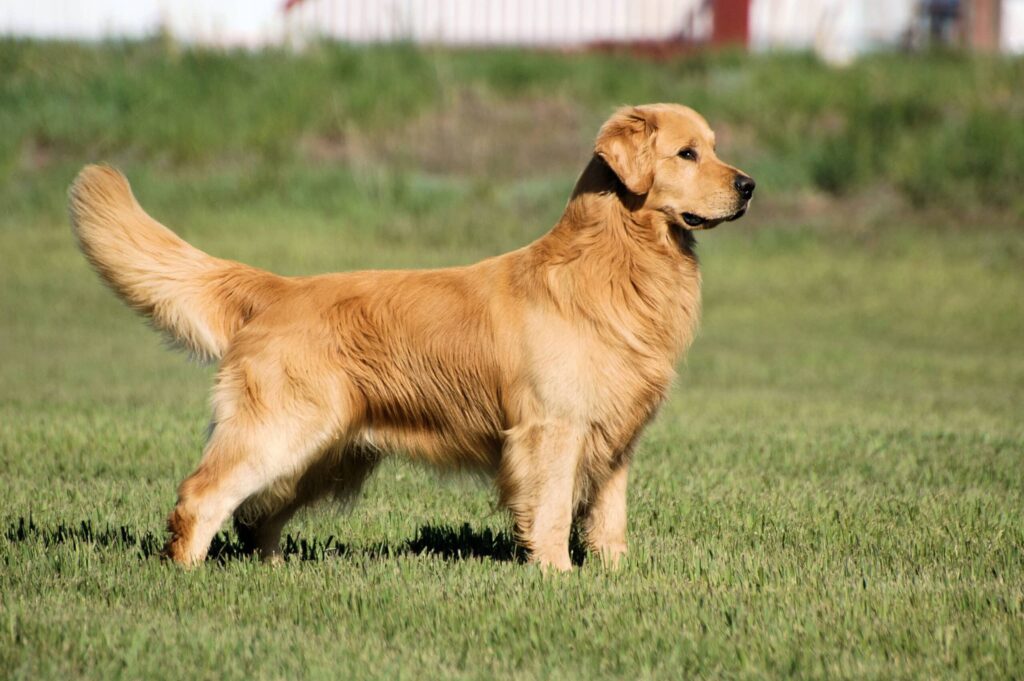
The Golden Retriever is a sporting breed loved for its athletic, easygoing trail
manner. Weighing 55 to 75 lbs, it handles moderate to long hikes without complaint. This dog
stays friendly with strangers and other hikers. It’s ideal for families who want one dog to fit
every trail plan.
Their flowing golden coat and warm, expressive eyes make them instantly recognizable, sitting
above a strong, athletic frame built for retrieving work.
Goldens are known as friendly. Here’s what that means on busy trails: they’ll greet nearly
every hiker and dog they pass, so recall training matters even more than usual to keep hikes
moving.
“She’s made more trail friends than I have. Every hike turns into a small meet-and-greet
tour.”
— Hannah D., Golden Retriever owner for 10 years
Pros
- Friendly with people and other dogs
- Easy to train for trail manners
- Handles varied terrain comfortably
Cons
- May stop to greet every passerby
- Heavy shedding after wet hikes
- Prone to hip and joint issues
Best for: Families · Social trail hikers · Owners wanting an all-around companion
How Do These 10 Hiking Breeds Compare Side by Side?
If you’re weighing energy against climate fit, this table puts all 10 breeds next to each
other. Most experts agree that matching coat type to your local climate matters just as much as
matching energy level to your weekly mileage, so scan both columns before deciding.
| Breed | Energy Level | Best Climate | Beginner Friendly |
|---|---|---|---|
| Australian Shepherd | Very high | Mild to cool | Moderate |
| Vizsla | Very high | Warm to mild | Low |
| German Shorthaired Pointer | Very high | All climates | Low |
| Siberian Husky | High | Cold | Low |
| Border Collie | Very high | Mild to cool | Low |
| Labrador Retriever | High | All climates | High |
| Rhodesian Ridgeback | Moderate to high | Warm | Moderate |
| Alaskan Malamute | High | Cold | Low |
| Bernese Mountain Dog | Moderate | Cool | Moderate |
| Golden Retriever | High | All climates | High |
Which Hiking Dog Breed Is Right for You?
The right hiking breed depends on your climate, your weekly mileage, and your experience
level, not just which dog looks the most adventurous. Use the scenarios below to narrow your
choice before you fall in love with a coat color.
- If you live somewhere hot and dry → the Vizsla or Rhodesian Ridgeback will handle the heat best
- If you live somewhere cold and snowy → the Siberian Husky or Alaskan Malamute were built for it
- If you’re new to hiking with a dog → the Labrador Retriever or Golden Retriever offers the gentlest learning curve
- If you want an off-leash trail partner and have hiking experience → the Border Collie or Australian Shepherd will keep pace and stay sharp
This article covers the 10 breeds best suited to general trail hiking. If your situation
involves search-and-rescue training, therapy work, or extreme high-altitude mountaineering, you
may need a more specialized breed guide and a working-dog trainer.
Hiking Dog Care Essentials Every Owner Must Know
Keeping a hiking dog safe means managing water, paw protection, and heat exposure on every
trip. The American Veterinary Medical Association recommends hiking during cooler
morning or evening hours and avoiding pavement that can burn paw pads. Pack more water than you
think you’ll need — for both of you.
Warning:
Heavy panting, drooling, or stumbling on trail can
signal heat stress. Stop, find shade, and offer water right away.
Check paw pads after every hike for cuts or cracks. Trim nails so they don’t catch on roots
or rocks. And always carry a basic first-aid kit — gauze, vet wrap, and antiseptic wipes cover
most trail injuries.
What Most People Get Wrong About Hiking Dog Breeds
Many new hikers assume any big, athletic-looking dog will make a great trail partner. That’s
often wrong. Size says little about heat tolerance or joint health. A common misconception is
that thick fur always means better cold protection — but thick coats can also trap heat on warm
days, turning a fun hike into a health risk fast.
Another mix-up: assuming high energy always means high stamina. A dog can be bouncy at home
but tire quickly on rough, uneven ground. Real trail stamina shows up over miles, not minutes.
Mistakes New Hiking Dog Owners Make
Warning:
Skipping a vet check before starting a hiking
routine can miss underlying joint or heart issues.
- Starting with too many miles too soon, before conditioning builds up
- Hiking during peak afternoon heat instead of early morning or evening
- Forgetting a collapsible water bowl for trail breaks
- Ignoring limping or slow pace as “just tiredness”
- Skipping recall training before going off-leash on public trails
Frequently Asked Questions
What is the best all-around dog breed for hiking?
The Labrador Retriever is often the best all-around pick because it handles varied terrain,
water crossings, and different climates with a steady, easygoing temperament that suits both
beginners and experienced hikers.
Can small dog breeds handle long hikes too?
Yes, some small breeds like terriers can hike multiple miles with surprising stamina. They
may struggle on very steep or long-distance trails, so match trail difficulty to their smaller
stride and shorter legs.
How many miles can a healthy hiking dog cover in a day?
A conditioned, healthy adult dog from a working or sporting breed can often cover 10 to 15
miles in a day. Build up gradually, starting with 2 to 3 mile hikes before longer trips.
Is it safe to hike with a puppy?
Puppies need shorter, gentler hikes since their joints are still developing. A common
guideline is limiting structured exercise to about 5 minutes per month of age, twice a day.
What gear does a hiking dog need?
Every hiking dog needs a sturdy harness, a collapsible water bowl, waste bags, and a basic
first-aid kit. Dogs on rocky or hot terrain also benefit from protective booties.
Your Next Hiking Partner Is Waiting
Picking the right hiking breed comes down to matching energy, coat, and climate to your own
trail habits. Skip that step, and even the “best” breed on paper turns into a mismatch on mile
three. Get it right, and you’ve got a partner for every trail ahead.
One thing to do right now: pick one breed from this list, then book a vet visit to confirm
it fits your dog’s current health before your first big hike. I’m Thomas Cutter, and I hope you
find the trail partner that keeps up with you for years to come.
Thomas Cutter is a lifelong dog owner and the founder of FindOutAboutDogs.com. With over 10 years of hands-on experience owning multiple breeds, Thomas created this site to provide honest, research-based dog advice that real owners can actually trust.
