10 Best Dog Breeds for Introverts — Calm Companions Chosen by a Real Owner
Quick Answer
The best dog breeds for introverts are Basset Hounds, Basenjis, Greyhounds, Shih Tzus, Cavalier King Charles Spaniels, French Bulldogs, Chow Chows, Scottish Terriers, Whippets, and Great Danes. These breeds share low social demands, calm indoor energy, and a happy, independent streak that fits a quiet home.
What makes a breed introvert-friendly:
- Low need for constant play or busy social outings
- Calm indoors and content with quiet routines
- Rarely barks at every passerby or noise
- Bonds deeply with one or two people, not crowds
Before you pick a breed:
- Match energy level to your daily routine, not just looks
- Meet a real dog of the breed before you decide
- Ask about early socialization, even for quiet breeds
You get home, lock the door, and let out a breath you didn’t know you were holding. That’s your favorite part of the day. Now picture a dog who feels the exact same way about it.
I’m Jordan Hale, and I’ve spent the last nine years fostering and placing calm-tempered dogs with quiet, home-loving owners. I hear the same worry again and again. People love dogs. They just don’t want a dog that turns every day into a social event.
The good news? Some breeds are built for exactly this life. Let’s find the one that fits yours.
- Calm, independent breeds like the Basset Hound and Greyhound need less social interaction than most people assume.
- Quiet doesn’t mean low-maintenance. Some calm breeds still need daily exercise or grooming.
- Size has little to do with it. Great Danes can be calmer housemates than small terriers.
- Early socialization still matters, even for naturally reserved breeds.
- The right match depends on your energy, your space, and how much company you want at home.


What Makes a Dog Breed a Good Match for Introverts?
A dog breed suits an introvert when it needs less social stimulation than an average dog and feels settled in a quiet home. This means low demands for constant play, minimal barking at outside noise, and a personality that bonds closely with one person instead of craving attention from everyone it meets.
Most breed guides focus on energy level alone. That’s only half the story. A dog can be calm and still be a social dog. Golden Retrievers are famously mellow, but they want to greet every stranger on the street. That’s the opposite of what a lot of introverts want.
What you’re really looking for is a dog with low “social overhead.” That means a breed that doesn’t need a dog park crew, doesn’t get anxious when the house stays quiet, and doesn’t bark at every delivery truck.
Jordan’s note: When I fostered my first Basset Hound, I expected a lazy couch dog. What I got was a dog who’d rather nap in a sunbeam than meet my neighbors. That taught me quiet dogs and social dogs are not the same thing.
You might be thinking a calm breed will just be boring. Here’s why that’s not quite right: independent dogs still bond hard, they just show it in quieter ways, like leaning against your leg instead of jumping on you.
Honest scope note: This article covers calm, low-social-demand breeds for adults and quiet households. If you have young kids who want an active playmate, or you want a dog for hiking every weekend, a higher-energy breed may fit better.
The 10 Best Dog Breeds for Introverts, Ranked and Reviewed
Here are ten breeds that consistently show low social demands, calm indoor behavior, and independent personalities, according to the American Kennel Club and veterinary behavior experts. Each one fits a slightly different lifestyle, from apartment living to quiet houses with yards.
Basset Hound — “The Professional Napper”
 Save
Save| Weight | 40 to 65 lbs |
| Height | Up to 14 in |
| Lifespan | 12 to 13 years |
| Energy Level | Low |
| Grooming Need | Low, weekly brushing |
| Shedding | Moderate |
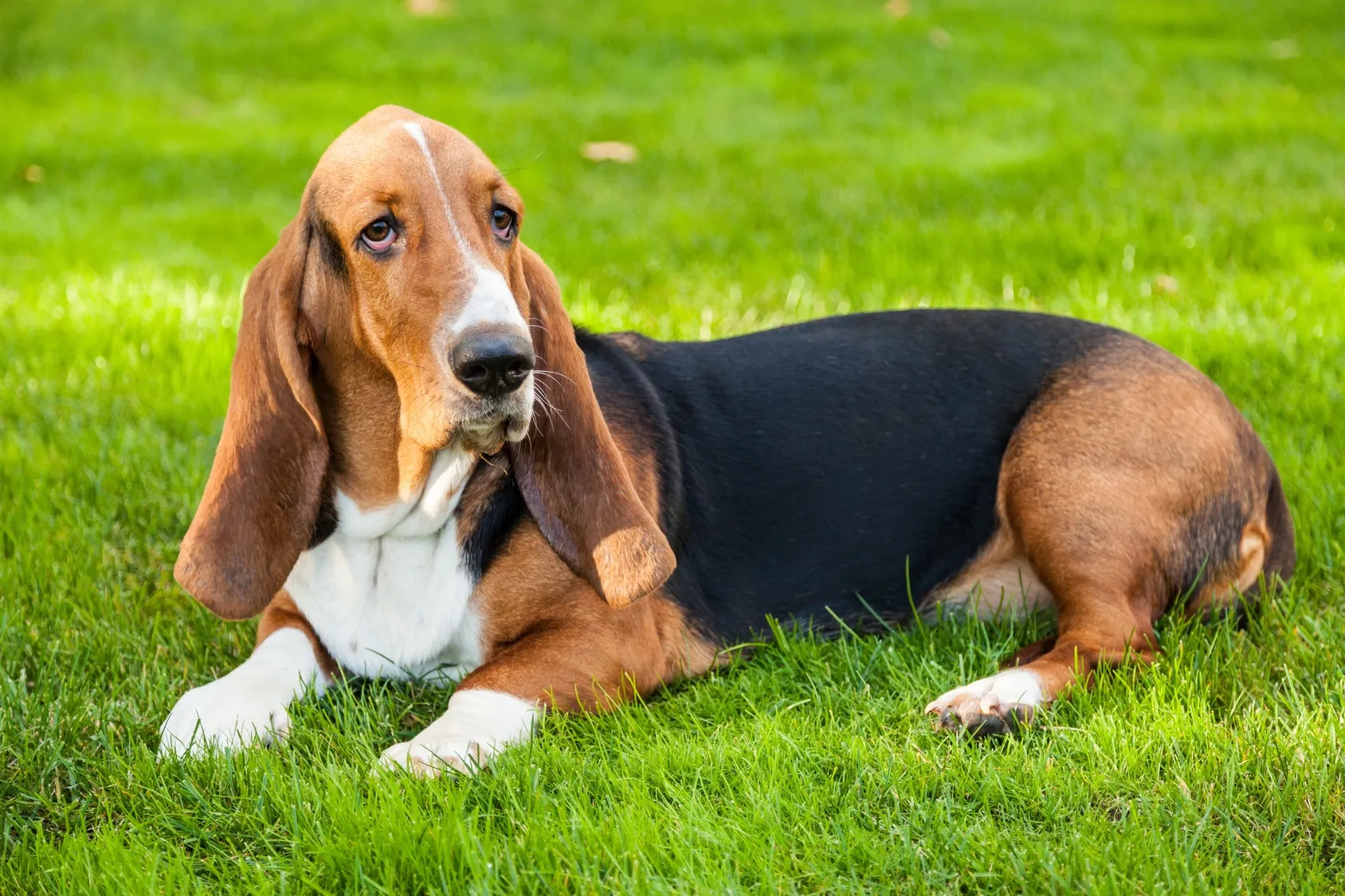
The Basset Hound is a calm, independent scent hound known for its low energy and steady nature. Weighing 40 to 65 lbs, it needs only moderate daily walks. It bonds quietly with its owner and rarely seeks outside attention. This makes it ideal for homebodies who want company, not chaos.
Their long ears frame a droopy, soulful face that looks permanently unbothered by the world. That low-slung body was built to track scent for hours, not to sprint or show off.
A Basset Hound will follow a smell for an hour, then ignore you like you’re furniture. Later, it’ll lean its whole body against your leg. Known, unknown, and then genuinely sweet.
“My Basset ignores the doorbell completely but howls if I close the bathroom door. I’ve stopped trying to understand her priorities.”
— Marcus T., Basset Hound owner for 7 years
- Content with short daily walks
- Rarely seeks strangers or crowds
- Gentle, patient with quiet routines
- Stubborn once a scent grabs interest
- Prone to weight gain if under-walked
- Deep howl carries through thin walls
Best for: Homebodies · Quiet houses with a yard · First-time owners
→ See our full guide to easygoing dog breeds
Basenji — “The Dog Who Won’t Interrupt You”
| Weight | 22 to 24 lbs |
| Height | 16 to 17 in |
| Lifespan | 13 to 14 years |
| Energy Level | Moderate to high |
| Grooming Need | Very low |
| Shedding | Low |
The Basenji is a small African hound famous for being nearly silent, making only a soft yodel instead of a bark. Weighing 22 to 24 lbs, it’s clean, low-shedding, and fiercely independent. It suits owners who want quiet companionship without constant noise or neediness.
Its wrinkled forehead and curled tail give it an alert, catlike look. Basenjis groom themselves like cats too, which keeps their short coats tidy with almost no work from you.
Most people expect a “quiet” dog to also be low energy. The Basenji breaks that rule completely, needing real daily exercise despite its calm indoor manners.
“People assume my Basenji is shy because she never barks. She’s not shy. She just has better things to do than announce every squirrel.”
— Priya D., Basenji owner for 4 years
- Almost never barks, ideal for thin walls
- Self-grooming keeps upkeep minimal
- Bonds intensely with one household
- Needs real daily exercise, not just walks
- Can be aloof with unfamiliar people
- Escape artist if under-stimulated
Best for: Apartment dwellers who exercise daily · Owners wanting a quiet home · Experienced dog owners
→ Browse more calm apartment dog breeds
Greyhound — “The 40 MPH Couch Potato”
| Weight | 60 to 70 lbs |
| Height | 27 to 30 in |
| Lifespan | 10 to 14 years |
| Energy Level | Low indoors |
| Grooming Need | Very low |
| Shedding | Low |
The Greyhound is a tall sighthound known for short bursts of speed followed by long stretches of rest. Weighing 60 to 70 lbs, it spends most of the day lying quietly on a soft bed. Its gentle, undemanding nature suits calm, low-key households well.
Their sleek, narrow frame and deep chest were built for pure speed. Indoors, though, that same body folds into a boneless heap on the nearest couch cushion.
People picture racing dogs as high-strung. Retired racing Greyhounds are often the opposite, some of the calmest housemates you’ll ever meet.
“I adopted a retired racer expecting a hyper dog. Instead, I got 65 lbs of dog who sleeps 18 hours and sighs dramatically when I leave the room.”
— Elena R., Greyhound owner for 5 years
- Calm, quiet housemate most of the day
- Short coat needs almost no grooming
- Gentle, rarely barks or reacts loudly
- Needs a securely fenced yard or leash
- Thin coat feels cold in winter
- High prey drive around small animals
Best for: Quiet apartments · Owners who work from home · Adopters open to a retired racer
→ Explore apartment-friendly dog breeds
Shih Tzu — “The Lap Dog Who Runs the House”
| Weight | 9 to 16 lbs |
| Height | 9 to 10.5 in |
| Lifespan | 10 to 16 years |
| Energy Level | Low to moderate |
| Grooming Need | High, regular brushing |
| Shedding | Low |
The Shih Tzu is a small companion breed built purely for indoor life with people. Weighing 9 to 16 lbs, it needs only short walks and light play. Bred for centuries to sit in laps, it’s affectionate, homebody by nature, and rarely craves outside stimulation.
Its flowing coat and round, dark eyes give it a permanently soft expression. Under all that hair sits a sturdy little body built for comfort, not sport.
You’d expect a lapdog to be needy. A well-adjusted Shih Tzu is content entertaining itself quietly nearby while you work, read, or nap.
“My Shih Tzu’s entire schedule is nap, lap, snack, repeat. He’s never once asked me to take him to a party.”
— Diane W., Shih Tzu owner for 9 years
- Perfectly happy in small apartments
- Low exercise needs, short walks are enough
- Affectionate without demanding constant play
- Coat needs daily brushing to avoid mats
- Prone to breathing issues in heat
- Can develop separation anxiety if isolated
Best for: Small apartments · Seniors · First-time small-dog owners
→ Compare small dog breeds for first-time owners
Cavalier King Charles Spaniel — “The Gentle Shadow”
 Save
Save| Weight | 13 to 18 lbs |
| Height | 12 to 13 in |
| Lifespan | 12 to 15 years |
| Energy Level | Moderate |
| Grooming Need | Moderate |
| Shedding | Moderate |
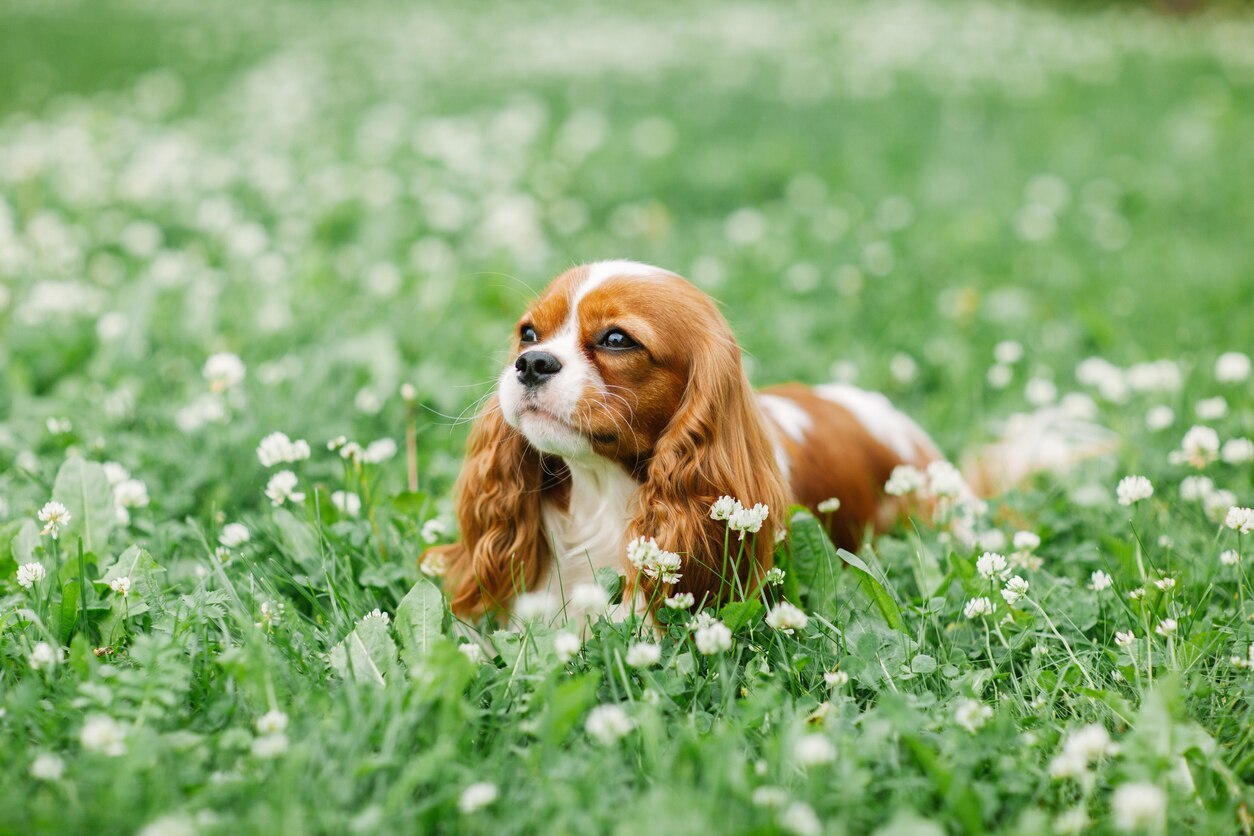
The Cavalier King Charles Spaniel is a small, gentle breed known for its calm, affectionate nature. Weighing 13 to 18 lbs, it enjoys moderate daily walks and quiet lap time equally. It forms deep bonds with its owner rather than seeking attention from strangers.
Its silky ears and warm, dark eyes give this breed one of the softest expressions in the dog world. It moves gracefully, never frantic, never rough.
Spaniels are often bred as hunting companions, so you’d expect high drive. The Cavalier kept the gentleness and dropped almost all of the working intensity.
“She follows me from room to room like a small, silky shadow. She never demands anything. She just wants to be near.”
— Rachel B., Cavalier owner for 6 years
- Gentle, rarely reactive or loud
- Adapts well to apartments or houses
- Bonds deeply with one main person
- Prone to separation anxiety if left often
- Known heart health issues in the breed
- Ears need regular checking and cleaning
Best for: Owners who work from home · Seniors · Quiet single-person households
→ Read our easygoing dog breeds guide
French Bulldog — “The Introvert’s Best Friend in a Small Package”
| Weight | Up to 28 lbs |
| Height | 11 to 13 in |
| Lifespan | 10 to 14 years |
| Energy Level | Low |
| Grooming Need | Low |
| Shedding | Moderate |
The French Bulldog is a compact, easygoing breed built for indoor companionship. Weighing up to 28 lbs, it needs only brief daily walks and settles quickly into quiet routines. Its calm temperament and low bark rate make it a strong fit for small, peaceful homes.
Bat-like ears and a stocky, muscular body give the Frenchie its unmistakable silhouette. Its short coat and compact frame make it easy to manage in small spaces.
Bulldogs have a reputation for stubbornness. The French Bulldog softened that trait into calm, agreeable devotion instead of pushback.
“He snores louder than my old roommate did, but he’s never once needed a dog park to be happy. A hallway walk and he’s satisfied.”
— Tom N., French Bulldog owner for 3 years
- Content with brief, easy daily walks
- Rarely barks, quiet indoor companion
- Small size suits any home layout
- Struggles badly in heat and humidity
- Higher vet costs from breathing issues
- Snores and wheezes noticeably at rest
Best for: Apartment dwellers · Owners with mild climates · First-time owners wanting low exercise
→ See dog breeds for first-time owners
Chow Chow — “The Independent, Dignified Loner”
| Weight | 45 to 70 lbs |
| Height | 17 to 20 in |
| Lifespan | 9 to 15 years |
| Energy Level | Low to moderate |
| Grooming Need | High |
| Shedding | Heavy, seasonal |
The Chow Chow is a sturdy, reserved breed known for its dignified, cat-like independence. Weighing 45 to 70 lbs, it needs only moderate exercise and prefers calm routines. It bonds tightly with its family while staying naturally aloof with strangers.
Its thick double coat forms a lion-like mane around the neck and shoulders. That distinctive blue-black tongue only adds to its almost regal, unbothered look.
Most breeds crave approval from anyone nearby. The Chow Chow decides who’s worth its attention, and strangers rarely make that list.
“My Chow treats guests like furniture he didn’t order. With me, though, he sits so close it’s like he’s trying to merge into my side.”
— Wei L., Chow Chow owner for 8 years
- Naturally aloof with visitors and strangers
- Doesn’t need a social crowd to feel content
- Calm, dignified indoor manner
- Heavy grooming, especially during shedding
- Needs early socialization to prevent wariness
- Not ideal around unfamiliar children
Best for: Owners with a quiet, adult-only household · Experienced dog owners · Fenced-yard homes
→ Compare more easygoing dog breeds
Scottish Terrier — “The Small Dog With Zero Interest in Small Talk”
| Weight | 18 to 22 lbs |
| Height | 10 in |
| Lifespan | 12 years |
| Energy Level | Moderate |
| Grooming Need | Moderate to high |
| Shedding | Low |
The Scottish Terrier is a small, sturdy breed known for its independent, dignified personality. Weighing 18 to 22 lbs, it needs moderate daily activity and prefers routine over novelty. It’s loyal to its own household but rarely seeks attention from outsiders.
Its wiry double coat, bushy eyebrows, and beard give it a permanently serious, no-nonsense expression that matches its personality exactly.
Terriers are usually pegged as high-energy and bouncy. The Scottie keeps the confidence but trades the bounce for calm, quiet self-assurance.
“He greets visitors with one polite sniff, then walks away to lie down. My Scottie has better boundaries than most humans I know.”
— Grace M., Scottish Terrier owner for 10 years
- Independent, doesn’t demand constant attention
- Low shedding, tidy indoor presence
- Loyal without being clingy
- Wire coat needs professional trims
- Can be stubborn during training
- Wary of unfamiliar dogs at times
Best for: Owners who like routine · Small households · Owners wanting a low-shed dog
→ See small dog breeds for first-time owners
Whippet — “The Speed Demon Who’d Rather Nap”
| Weight | 25 to 40 lbs |
| Height | 18 to 22 in |
| Lifespan | 12 to 15 years |
| Energy Level | Low indoors |
| Grooming Need | Very low |
| Shedding | Low |
The Whippet is a slim sighthound built for short sprints and long naps. Weighing 25 to 40 lbs, it needs one good daily run, then settles into quiet stillness for hours. Its gentle, undemanding personality fits calm, low-noise households well.
A Whippet’s lean, curved body looks almost sculpted for speed, yet it spends most of its day curled into a tight comma shape under a blanket.
You’d assume a dog bred to race needs constant activity. One real sprint a day is usually enough to satisfy a Whippet completely.
“Fifteen minutes of full sprint in the yard and she’s done for the day. The rest of the time she’s a blanket burrito on my bed.”
— Owen F., Whippet owner for 4 years
- Extremely low grooming needs
- Gentle, quiet, rarely barks indoors
- Satisfied with one solid daily run
- Thin coat means it gets cold easily
- Needs a fenced area to sprint safely
- Chases small animals on instinct
Best for: Owners with a fenced yard · Quiet households · Owners who want a low-shed dog
→ Browse apartment-friendly dog breeds
Great Dane — “The Gentle Giant Who Just Wants to Lean on You”
 Save
Save| Weight | 110 to 175 lbs |
| Height | 28 to 32 in |
| Lifespan | 8 to 10 years |
| Energy Level | Low to moderate |
| Grooming Need | Low |
| Shedding | Moderate |
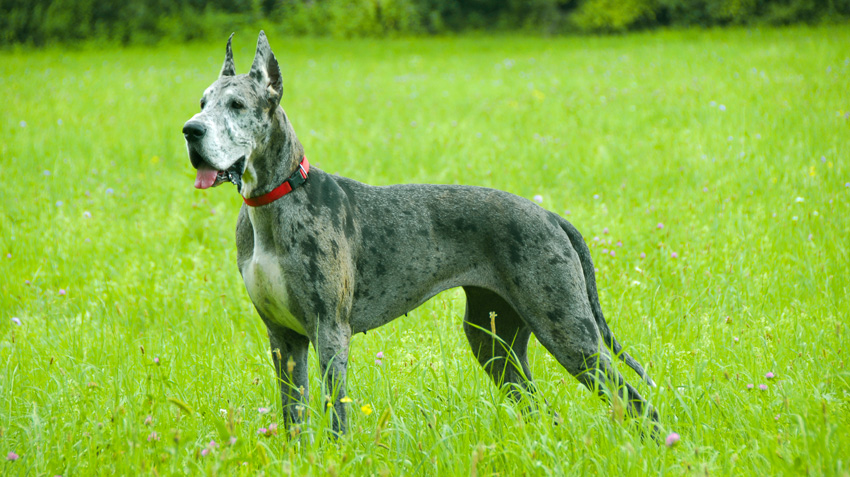
The Great Dane is a giant breed known for its calm, gentle temperament despite its size. Weighing 110 to 175 lbs, it needs only moderate exercise and prefers lounging near its owner. Its quiet, affectionate nature suits calm households more than active ones.
Its towering frame and short, sleek coat give the Great Dane a striking, statue-like presence, even when it’s flopped sideways across the floor.
People expect a dog this size to need constant activity. A Great Dane is often happiest doing the least amount of moving physically possible.
“He thinks he’s a lapdog. All 140 lbs of him tries to sit on me during thunderstorms, and honestly, it’s oddly comforting.”
— Alicia P., Great Dane owner for 5 years
- Calm, low-drama indoor presence
- Moderate exercise needs for its size
- Deeply affectionate with its own family
- Needs real space, not a small apartment
- Short lifespan compared to smaller breeds
- Food and vet costs run high
Best for: Owners with a house and yard · Calm households · Owners wanting a devoted companion
→ Read our easygoing dog breeds guide
How Do These Breeds Compare Side by Side?
Each of these ten breeds is calm and low on social demands, but they differ a lot in size, grooming, and exercise needs. The table below lines up the key facts so you can compare at a glance before you decide.
| Breed | Size | Energy | Grooming | Good for Apartments |
|---|---|---|---|---|
| Basset Hound | Medium | Low | Low | Yes |
| Basenji | Small | Moderate-high | Very low | Yes, with exercise |
| Greyhound | Large | Low indoors | Very low | Yes |
| Shih Tzu | Small | Low-moderate | High | Yes |
| Cavalier King Charles Spaniel | Small | Moderate | Moderate | Yes |
| French Bulldog | Small | Low | Low | Yes |
| Chow Chow | Medium-large | Low-moderate | High | With daily walks |
| Scottish Terrier | Small | Moderate | Moderate-high | Yes |
| Whippet | Medium | Low indoors | Very low | Yes |
| Great Dane | Giant | Low-moderate | Low | Needs space |
Which of These Dog Breeds Is Right for You?
The right breed depends on your living space, your energy level, and how much daily exercise you’re realistically willing to give. Match your situation below to find your best fit.
- If you live in a small apartment and want minimal exercise demands → the Shih Tzu or French Bulldog is best for you.
- If you want a quiet dog but still enjoy daily runs or hikes → the Whippet or Basenji will serve you better.
- If you have a house with a yard and want a calm, low-key giant → consider the Great Dane first.
- If you want a dog that’s polite but truly indifferent to strangers → the Chow Chow or Scottish Terrier fits that need.
So if you’re renting a small studio, that Basenji’s exercise needs might work against you. Match the breed to your actual routine, not the one you wish you had.
What Do Introvert-Friendly Dogs Need From Their Owners?
Even calm, independent breeds need consistent basics: daily exercise suited to their energy level, regular vet checkups, grooming matched to their coat type, and mental stimulation through toys or scent games. Skipping these needs, even in a low-energy dog, leads to boredom and stress.
This is where I see the most common misunderstanding. Many first-time owners assume a “calm” breed means a low-maintenance breed. That’s not always true.
A Basenji or Whippet still needs real daily exercise, just delivered in shorter, more intense bursts instead of constant activity. A Chow Chow’s thick coat needs serious grooming time, even though the dog itself is undemanding socially.
Give a calm breed one solid burst of activity a day, even just 20 minutes, rather than skipping exercise because the dog “seems fine” resting.
So if you pick a low-social breed thinking it means low-effort, plan on adjusting that expectation before the dog comes home.
What Most People Get Wrong About Quiet Dog Breeds
The biggest misconception is assuming quiet, calm dogs don’t need training or socialization. Research from veterinary behaviorists consistently shows that even naturally reserved breeds develop fear-based reactivity without early, gentle exposure to new people, sounds, and places.
You may have read elsewhere that independent breeds like the Chow Chow or Basenji are “naturally standoffish” and don’t need much socializing. That’s incomplete advice.
Widely accepted training guidance from the American Kennel Club confirms that all breeds benefit from structured socialization between 3 and 14 weeks of age, regardless of their adult temperament. Skipping this step can turn calm independence into fearful avoidance.
Don’t skip puppy socialization just because a breed is known for being calm. An under-socialized quiet dog can become a fearful, reactive adult dog.
Common Mistakes New Owners Make With Calm Breeds
The most common mistake is choosing a breed by size or looks alone, without checking its real exercise and grooming needs. This leads to a mismatch that shows up months later as boredom, weight gain, or coat problems.
Here’s why that matters. A Great Dane looks intimidating to exercise, so new owners under-walk it. A Shih Tzu looks low-maintenance, so new owners skip daily brushing.
Both mistakes come from judging a dog by its size instead of its actual daily needs. Read the full care requirements, not just the temperament summary, before you commit.
Frequently Asked Questions
Are calm dog breeds good for people who work long hours?
Some are, but even calm breeds need company and exercise. Cavalier King Charles Spaniels and Chow Chows can develop anxiety with long daily absences. Pair a long workday with a dog walker or doggy daycare for a low-social breed like the Basenji.
Do quiet dog breeds still need obedience training?
Yes, every breed benefits from basic obedience training, even naturally calm ones. Training builds confidence and prevents anxiety in new situations. Most trainers recommend starting basic commands around 8 weeks old for the best results.
Can a large dog breed still be a good fit for introverts?
Yes, size and social energy are not related. Great Danes and Greyhounds are large but famously calm, low-drama housemates. Their space needs matter more than their social demands when planning your home setup.
Which small breed is best for a quiet apartment?
The Shih Tzu and French Bulldog are the top picks for quiet apartments. Both need minimal daily exercise and rarely bark at outside noise. Neither breed needs a yard, making them ideal for smaller urban spaces.
Do introvert-friendly dogs still need socializing with other dogs?
Yes, socializing with other dogs during puppyhood is still recommended by most veterinary behaviorists. It prevents fear-based reactivity later in life. This doesn’t mean daily dog park trips, just regular, positive early exposure.
Your Next Step Toward a Calm, Quiet Companion
A calm, independent dog can fit an introvert’s life better than almost any other kind of pet. The breeds on this list prove that quiet doesn’t mean distant, and low-energy doesn’t mean low-love.
Pick the breed that matches your actual daily routine, not the one that just looks appealing in photos. That single choice makes the biggest difference in a happy match.
One thing to do right now: Pick your top two breeds from this list, then spend 10 minutes searching local shelters or breed-specific rescues near you. I’m Jordan Hale, and that one small step is how most of my favorite fosters found their quiet, perfect homes.
Sources: American Kennel Club, AKC Expert Advice on Calm Dog Breeds
Thomas Cutter is a lifelong dog owner and the founder of FindOutAboutDogs.com. With over 10 years of hands-on experience owning multiple breeds, Thomas created this site to provide honest, research-based dog advice that real owners can actually trust.
