10 Best Dog Breeds for Nurses — Picked for Odd Hours, Real Life, and Tired Feet
Quick Answer
The best dog breeds for nurses are calm, low-to-moderate energy dogs that handle alone time well and don’t need hours of daily exercise. Top picks in 2026 include the Cavalier King Charles Spaniel, Basset Hound, French Bulldog, Greyhound, Bichon Frise, Pembroke Welsh Corgi, Shih Tzu, Standard Poodle, Labrador Retriever, and Chihuahua. The right fit depends on your shift pattern, your home size, and how much grooming time you actually have.
What to weigh before you pick a breed:
- How long is your typical shift, and how many hours will the dog be alone?
- Do you work nights, rotating shifts, or a fixed day schedule?
- Can a dog walker, roommate, or doggy daycare cover long gaps?
- Do you have a yard, an apartment, or a house with stairs?
Quick checklist before you commit to a breed:
- Meet the breed in person if you can, not just online
- Ask a breeder or rescue about the dog’s real energy level
- Line up backup pet care before you bring the dog home
You just worked a 12-hour shift. Your feet are throbbing, your scrubs still smell like the med room, and all you want is a dog who greets you at the door and then lets you collapse on the couch in peace. That’s the real test for a nurse’s dog — not how it looks on Instagram.
I’ve spent years researching working dog owners and talking to breeders, rescue groups, and vets about which breeds actually cope with unpredictable schedules. Shift work is hard on a dog. Long stretches alone, missed walks, and exhausted owners can turn even a great breed into a bored, anxious one.
This guide covers the 10 breeds that handle nurse life best, plus how to match a breed to your specific shift pattern. By the end, you’ll know exactly which dog fits your schedule — no more guessing.
- Calm, moderate-energy breeds handle solo hours better than high-drive working dogs
- Small and medium dogs are usually easier to manage around unpredictable shifts
- Grooming needs matter as much as energy level — tired nurses skip brushing
- No single breed works for every shift pattern — night shift and rotating shifts each need a different fit
- A dog walker or daycare plan matters more than breed choice for 12-hour shifts


What Makes a Dog Breed Good for Nurses?
A nurse-friendly dog breed is calm, doesn’t need constant supervision, and settles down quietly during long stretches alone. It should also cope with irregular feeding and walk times without becoming anxious or destructive. Energy level matters more than size here.
Nursing schedules don’t look like a normal 9-to-5. You might work three 12-hour shifts back to back, then flip to nights the next week. So what does that mean for your dog? It means the breed’s temperament matters far more than how cute it looks in photos.
The best breeds for nurses share four traits: low-to-moderate exercise needs, an independent streak that doesn’t tip into destructiveness, a sturdy nervous system that doesn’t spiral into separation anxiety, and manageable grooming. A high-drive herding or sporting breed left alone for 12 hours will likely chew your baseboards. A breed built for lounging will handle it fine.
You might be thinking any dog can adapt if you train it right. That’s partly true — but temperament is still mostly genetic. Starting with a breed wired for calm makes the whole thing easier, especially on your worst weeks.
Ask any breeder or rescue directly: “How does this dog do alone for 8 to 10 hours?” A good breeder will give you an honest answer, not a sales pitch.
The 10 Best Dog Breeds for Nurses — Ranked and Reviewed
These 10 breeds were chosen for one reason: they hold up under real shift-work conditions. Each one balances low exercise demands, emotional steadiness, and a coat you can actually keep up with on four hours of sleep.
Cavalier King Charles Spaniel — “The Velcro Lap Dog Who Waits
Patiently”
 Save
Save| Weight | 13-18 lbs |
| Height | 12-13 inches |
| Lifespan | 12-15 years |
| Energy Level | Moderate |
| Grooming Need | 2-3x weekly brushing |
| Shedding | Moderate, year-round |
The Cavalier King Charles Spaniel is a small toy breed known for its gentle, people-focused nature. Weighing 13 to 18 lbs, it fits easily into apartments or houses. Affectionate and adaptable, the Cavalier bonds fast and settles quietly next to you. It’s ideal for nurses who want a devoted companion that naps through a long shift’s aftermath.
Their silky ears and huge dark eyes give them a soft, storybook look. That expression isn’t just cute — it’s built to melt hearts on sight.
Cavaliers are famous for following their favorite person room to room. But here’s what most people don’t expect: they also bond closely with a second caregiver, like a roommate or partner, which makes shift-swap coverage much easier.
“My Cavalier sleeps on the arm of the couch until my night shift ends. She doesn’t even move when the alarm goes off at 6 a.m.”
— Priya M., Cavalier King Charles Spaniel owner for 5 years
- Adapts well to apartment living
- Rarely barks excessively
- Bonds with multiple caregivers easily
- Prone to heart issues later in life
- Coat mats without regular brushing
- Can develop separation anxiety if ignored
Best for: Apartment dwellers · First-time dog owners · Nurses who work fixed day shifts
Basset Hound — “The Low-Energy Homebody Who Never Rushes Anything”
| Weight | 40-65 lbs |
| Height | 13-15 inches |
| Lifespan | 12-13 years |
| Energy Level | Low |
| Grooming Need | Weekly brushing |
| Shedding | Moderate |
The Basset Hound is a medium-large scent hound known for its droopy ears and laid-back attitude. Weighing 40 to 65 lbs, it needs only short daily walks. Calm and stubborn in equal measure, the Basset is content to sleep for long stretches. It suits nurses who want a low-drama dog that won’t demand hours of exercise.
Their long ears drag the ground and sweep up scents like built-in vacuum cleaners. That low-slung body was bred for tracking rabbits, not sprinting marathons.
Most people expect a hound to be high-energy. The Basset flips that script entirely — it would rather nap on a cool floor than chase anything. The surprising part? That same nose that makes them lazy walkers also makes them stubborn escape artists if they catch an interesting scent near an open gate.
“I work rotating 12s and my Basset barely notices. He sleeps through my entire shift and greets me at the door like nothing happened.”
— Marcus T., Basset Hound owner for 4 years
- Needs only 20-30 minutes of walks daily
- Rarely destructive when left alone
- Calm around kids and other pets
- Prone to obesity without portion control
- Droopy ears need regular cleaning
- Stubborn streak slows down training
Best for: Night-shift nurses · Owners without a yard · Multi-pet households
French Bulldog — “The Apartment-Friendly Sidekick Who Sleeps Most of the Day”
| Weight | Under 28 lbs |
| Height | 11-13 inches |
| Lifespan | 10-12 years |
| Energy Level | Low to moderate |
| Grooming Need | Weekly brushing + fold cleaning |
| Shedding | Light |
The French Bulldog is a small companion breed known for its bat ears and easygoing charm. Weighing under 28 lbs, it thrives in small apartments. Playful but far from hyper, the Frenchie rarely barks and needs only short walks. It’s a strong match for nurses in city apartments with limited outdoor space.
Their compact, muscular bodies and wrinkled faces make them instantly recognizable on every city block. That stocky build is part bulldog, part built-in space heater on your lap.
Frenchies are known as low-energy dogs. What surprises new owners is how much they crave company — they don’t do well isolated for very long stretches, so pairing this breed with a dog walker on your longest shifts matters.
French Bulldogs overheat fast due to their short muzzles. Skip walks during peak summer heat and keep the AC running while you’re at work.
“I hired a midday dog walker for the days I pull a double. My Frenchie is happiest with one short outing and the rest of the day on the couch.”
— Denise R., French Bulldog owner for 3 years
- Rarely barks — great for thin apartment walls
- Needs only short daily walks
- Compact size fits small living spaces
- Prone to breathing problems in heat
- Can develop separation anxiety alone
- Higher vet costs for brachycephalic care
Best for: City apartment renters · Nurses near a doggy daycare · Owners in mild climates
Greyhound — “The 45-MPH Couch Potato Who Naps All Shift”
| Weight | 60-70 lbs |
| Height | 27-30 inches |
| Lifespan | 10-13 years |
| Energy Level | Low (bursts of sprinting) |
| Grooming Need | Minimal — weekly wipe-down |
| Shedding | Light |
The Greyhound is a tall sighthound famous for its speed and gentle nature. Weighing 60 to 70 lbs, it needs only one or two short walks a day. Quiet and low-maintenance indoors, the Greyhound sleeps up to 18 hours a day. It’s an excellent match for nurses who want a big dog with a small energy footprint.
Their lean, aerodynamic frame looks built for constant motion. In reality, most retired racing Greyhounds spend the bulk of the day curled up on a soft bed.
People assume a dog bred to run 45 mph needs hours of exercise. The truth is the opposite — Greyhounds are sprinters, not endurance athletes, so a short daily walk and one good sprint in a fenced yard is plenty. Widely accepted breed advice from the American Kennel Club notes that Greyhounds spend most of their time lounging rather than running, despite their athletic build.
“People assume my Greyhound is high maintenance because he’s huge. He’s actually the laziest dog I’ve ever owned — perfect for night shift.”
— Jason L., Greyhound owner for 7 years
- Sleeps most of the day quietly
- Short coat needs almost no grooming
- Many retired racers are already crate trained
- Thin coat means cold sensitivity
- Strong prey drive around small pets
- Needs a soft bed to avoid pressure sores
Best for: Night-shift nurses · Owners with a fenced yard · Anyone wanting a calm large dog
Bichon Frise — “The Hypoallergenic Cuddler Who Rarely Sheds”
 Save
Save| Weight | 12-18 lbs |
| Height | 9.5-11.5 inches |
| Lifespan | 14-15 years |
| Energy Level | Moderate |
| Grooming Need | Brushing every 2-3 days |
| Shedding | Minimal |
The Bichon Frise is a small companion breed known for its curly white coat and cheerful attitude. Weighing 12 to 18 lbs, it sheds very little and suits people with allergies. Playful yet adaptable, the Bichon does well with a dog walker on long shifts. It’s a great fit for nurses who want an affectionate, low-shed dog.
Their fluffy white coat looks like a cotton ball, but underneath is a sturdy, muscular little body built for play.
Most people expect a fluffy toy breed to be delicate. The Bichon is actually hardy and resilient, with a happy-go-lucky streak that makes them easy to live with — even for owners who forget a walk here and there.
“My Bichon greets me the same way whether I’m home for 20 minutes or 20 hours. Zero drama, just tail wags.”
— Angela F., Bichon Frise owner for 6 years
- Low-shed coat suits allergy sufferers
- Long lifespan for a small breed
- Friendly with kids and other pets
- Needs professional grooming every 4-6 weeks
- Prone to tear staining around the eyes
- Can bark at doorbells and visitors
Best for: Nurses with allergies · Small-space living · Families with young kids
Pembroke Welsh Corgi — “The Cheerful Shadow Who Still Needs a Job”
| Weight | 24-30 lbs |
| Height | 10-12 inches |
| Lifespan | 12-13 years |
| Energy Level | Moderate to high |
| Grooming Need | 2-3x weekly brushing |
| Shedding | Heavy, twice yearly |
The Pembroke Welsh Corgi is a small herding breed known for its short legs and big personality. Weighing 24 to 30 lbs, it’s smart, loyal, and food-motivated. Alert but adaptable, the Corgi does best with puzzle toys during long shifts. It suits nurses who can offer a solid walk before and after work.
Their stubby legs and fox-like face make them one of the most recognized small breeds around. That low build doesn’t slow them down one bit.
Corgis look like lap dogs but carry real herding instincts underneath. That means mental stimulation matters as much as physical exercise — a bored Corgi will find its own entertainment, often at the expense of your shoes.
Corgis are prone to weight gain and back problems. Skip the stairs-jumping and keep portions controlled, especially if walks get cut short on busy weeks.
“I leave a frozen puzzle toy for my Corgi before every shift. It buys her 45 minutes of focus, which is exactly what she needs.”
— Rachel B., Pembroke Welsh Corgi owner for 4 years
- Small size fits most living spaces
- Highly trainable and food-motivated
- Long lifespan for its size
- Heavy shedder twice a year
- Prone to back injuries from jumping
- Needs mental stimulation, not just walks
Best for: Nurses with a fenced yard · Owners who like training · Fixed daytime schedules
Shih Tzu — “The Portable Palace Dog Built for Small Spaces”
| Weight | 9-16 lbs |
| Height | 9-10.5 inches |
| Lifespan | 10-16 years |
| Energy Level | Low to moderate |
| Grooming Need | Daily brushing or short trim |
| Shedding | Minimal |
The Shih Tzu is a toy breed built purely for companionship, not work. Weighing 9 to 16 lbs, it needs minimal exercise and thrives indoors. Friendly and outgoing, the Shih Tzu adapts well to small apartments and quiet routines. It’s a solid choice for nurses who want a low-energy lap dog.
Their long, flowing coat and round face give them a regal look — fitting, since they were bred as palace companions in imperial China.
People sometimes assume a small dog needs less care overall. The Shih Tzu flips that — the coat demands daily attention, but the exercise needs are almost nothing, which makes it a fair trade for busy nurses who’d rather brush than jog.
“I keep my Shih Tzu in a short puppy cut. Five minutes of brushing a day and she’s happy just following me around the house.”
— Linda C., Shih Tzu owner for 8 years
- Needs very little daily exercise
- Comfortable in small apartments
- Friendly toward strangers and pets
- Short muzzle can cause breathing issues
- Coat mats fast without daily care
- Sensitive to heat and humidity
Best for: Studio apartment living · Nurses who want minimal exercise demands · Senior or first-time owners
Standard Poodle — “The Brainy Partner Who Barely Sheds”
| Weight | 45-70 lbs |
| Height | Over 15 inches |
| Lifespan | 12-15 years |
| Energy Level | Moderate to high |
| Grooming Need | Professional grooming every 6 weeks |
| Shedding | Minimal, hypoallergenic coat |
The Standard Poodle is a large, highly intelligent breed known for its curly, low-shed coat. Weighing 45 to 70 lbs, it needs daily exercise but handles alone time calmly once trained. Smart and eager to please, the Poodle suits nurses who want a trainable dog with minimal shedding.
Their tightly curled coat looks like a show-ring cliché, but underneath is one of the smartest working breeds in existence.
People often picture Poodles as fussy show dogs. In real homes, they’re steady, biddable companions — and their coat barely sheds, which matters a lot if you’re allergic or just tired of vacuuming after a 12-hour shift.
“My Standard Poodle learned my shift schedule faster than I learned it myself. He knows exactly which days I leave early.”
— Karen S., Standard Poodle owner for 9 years
- Hypoallergenic coat sheds very little
- Highly trainable and quick to learn routines
- Calm and steady once past puppyhood
- Grooming costs add up fast
- Needs daily exercise, not just naps
- Large size means higher food costs
Best for: Nurses with allergies · Owners with a yard · Anyone wanting a highly trainable dog
Labrador Retriever — “The Steady All-Rounder Who Rolls With Change”
| Weight | 55-80 lbs |
| Height | 21.5-24.5 inches |
| Lifespan | 10-12 years |
| Energy Level | Moderate to high |
| Grooming Need | Weekly brushing |
| Shedding | Heavy, year-round |
The Labrador Retriever is a large sporting breed known for its friendly, steady temperament. Weighing 55 to 80 lbs, it needs daily exercise but tolerates a routine that shifts week to week. Loyal and food-motivated, the Lab rarely shows anxiety over changing schedules. It fits nurses with a yard and a partner or family to share dog duties.
Their broad head, thick otter tail, and water-resistant coat trace straight back to their roots as a fisherman’s working dog.
Most people already know Labs are friendly. What surprises new owners is how emotionally steady they are — a Lab used to a rotating schedule adjusts far faster than most breeds, as long as its exercise needs are met.
“My husband and I split shifts, so our Lab never goes more than 6 hours alone. She handles our chaos better than we do.”
— Tanya W., Labrador Retriever owner for 10 years
- Handles rotating schedules well
- Rarely aggressive or reactive
- Great with kids and other pets
- Needs 45-60 minutes of exercise daily
- Heavy shedder year-round
- Prone to weight gain if under-exercised
Best for: Nurses with a yard · Two-person households · Active off-duty lifestyles
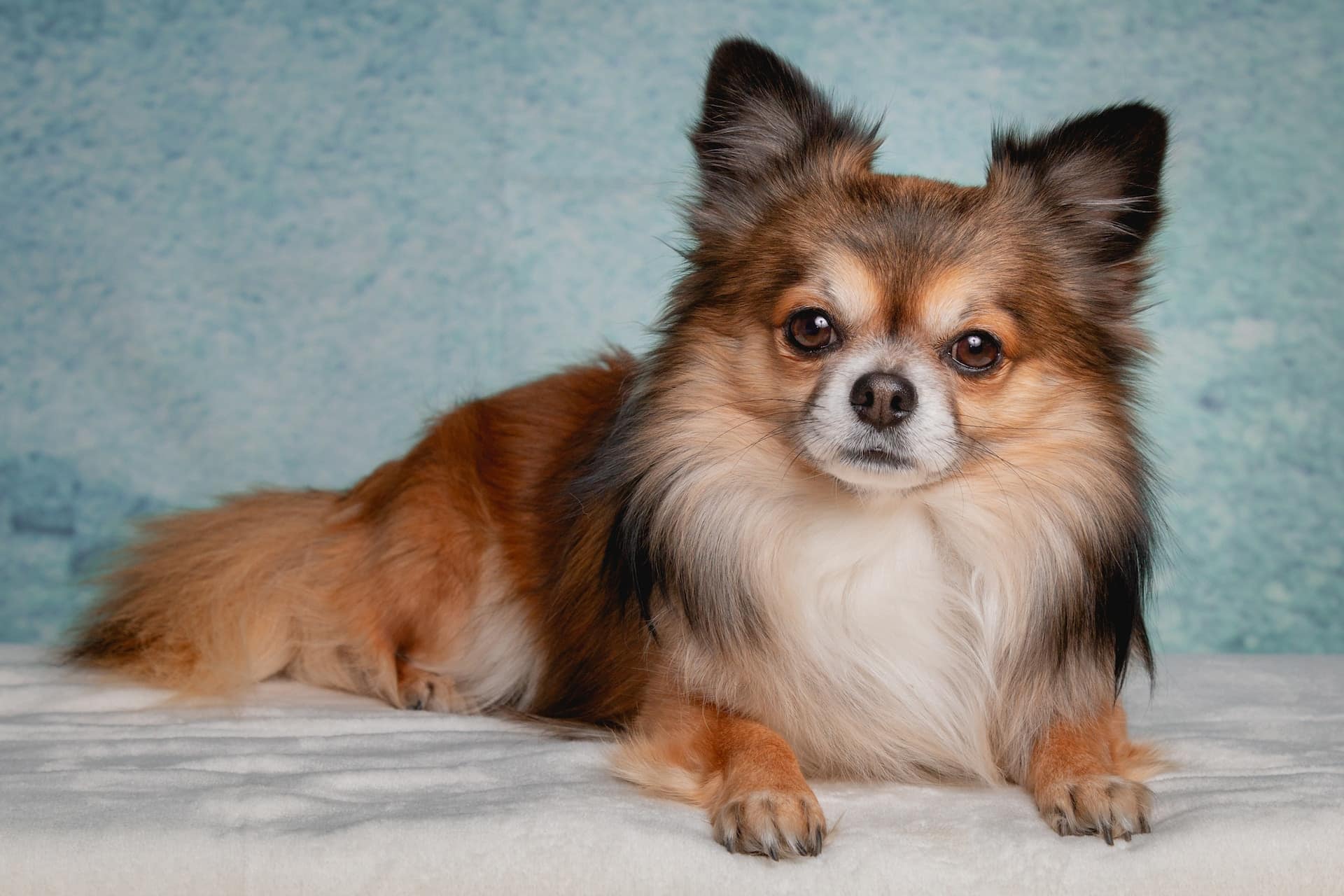
Chihuahua — “The Pocket-Sized Sidekick for the Smallest
Apartments”
 Save
Save| Weight | Under 6 lbs |
| Height | 5-8 inches |
| Lifespan | 14-16 years |
| Energy Level | Moderate |
| Grooming Need | Weekly brushing |
| Shedding | Light to moderate |
The Chihuahua is the smallest AKC-recognized breed, weighing under 6 lbs. It needs minimal space and short indoor play sessions to stay content. Loyal and alert, the Chihuahua bonds tightly with one person. It’s ideal for nurses in tiny apartments who want a portable, long-lived companion.
Their apple-shaped heads and huge round eyes give them an unmistakable look, packed into a body that fits in a large coat pocket.
People assume tiny dogs need less commitment. The opposite is often true — Chihuahuas bond so hard to one person that they can become anxious without a consistent routine, so a stable schedule matters more than square footage.
“My Chihuahua rides in my bag on errand days and naps in a heated bed on shift days. She’s basically weightless and totally low-key.”
— Monica D., Chihuahua owner for 5 years
- Fits any size apartment easily
- One of the longest lifespans of any breed
- Low food and space costs
- Prone to anxiety with schedule changes
- Fragile around small children
- Can be sensitive to cold weather
Best for: Studio apartments · Solo nurses on fixed shifts · Owners wanting a long-lived breed
How Do These 10 Breeds Compare Side by Side?
The table below lines up all 10 breeds by size, energy, grooming, and lifespan. Scan it to shortlist two or three breeds before you dig deeper into any single one.
| Breed | Weight | Energy | Grooming | Lifespan |
|---|---|---|---|---|
| Cavalier King Charles Spaniel | 13-18 lbs | Moderate | Moderate | 12-15 yrs |
| Basset Hound | 40-65 lbs | Low | Low | 12-13 yrs |
| French Bulldog | Under 28 lbs | Low-moderate | Low | 10-12 yrs |
| Greyhound | 60-70 lbs | Low | Very low | 10-13 yrs |
| Bichon Frise | 12-18 lbs | Moderate | High | 14-15 yrs |
| Pembroke Welsh Corgi | 24-30 lbs | Moderate-high | Moderate | 12-13 yrs |
| Shih Tzu | 9-16 lbs | Low-moderate | High | 10-16 yrs |
| Standard Poodle | 45-70 lbs | Moderate-high | High | 12-15 yrs |
| Labrador Retriever | 55-80 lbs | Moderate-high | Moderate | 10-12 yrs |
| Chihuahua | Under 6 lbs | Moderate | Low | 14-16 yrs |
Which Dog Breed Is Right for Your Nursing Schedule?
The right breed depends on your shift pattern more than anything else. A dog that thrives with a day-shift nurse might struggle badly with a nurse working rotating nights. Match your schedule first, then narrow down by living space and grooming tolerance.
So what does that mean in practice? Here’s a decision guide built around the four most common nursing schedules.
- If you work fixed 8-hour day shifts → A Labrador Retriever or Pembroke Welsh Corgi will work well, since both can handle a solid morning and evening walk around a predictable schedule.
- If you work rotating 12-hour shifts → A Basset Hound or Greyhound is your best bet — both sleep for most of the day and don’t need a rigid routine to stay calm.
- If you work permanent night shift → A Cavalier King Charles Spaniel or Shih Tzu adjusts easily, since they’re happy to nap on your schedule rather than theirs.
- If you live in a small studio with no yard → A Chihuahua or French Bulldog fits the space and needs only short indoor play plus brief outdoor breaks.
This article covers breed temperament and schedule fit for shift-working nurses. If your situation involves a dog with existing separation anxiety, or a breed not listed here, talk to a certified trainer or your vet about a tailored plan — breed alone won’t fix an anxiety issue that’s already present.
What Do Nurses Actually Need to Know About Dog Care on Shift Work?
Nurses need a backup plan for long shifts, a consistent feeding schedule, and enrichment toys that keep a dog occupied without you. Automatic feeders and pet cameras help you monitor things from the floor, and a trusted dog walker covers the gap on your longest days.
When you’re mid-shift and can’t check on your dog, a slow-feeder puzzle bowl or frozen Kong buys real time. That taught me that dogs left with a task settle faster than dogs left with nothing to do.
Set a consistent bathroom and feeding schedule even if your own hours shift. Dogs read routine better than they read the clock, so if your meal times stay roughly the same, most breeds adjust within a week or two.
Book a midday dog walker on your longest shifts before you bring the dog home, not after problems start. Most cities have services that charge per visit with no long-term contract.
What Mistakes Do New Nurse Dog Owners Make Most Often?
The biggest mistake new nurse dog owners make is picking a breed based on looks instead of energy level. High-drive breeds left alone for 12 hours often become destructive or anxious, no matter how much the owner loves them.
You might be thinking a smart, trainable breed like a Border Collie or German Shepherd sounds appealing. Here’s why that backfires for shift workers: those breeds need daily mental work, and boredom turns into chewed furniture fast.
A second common mistake is skipping backup pet care until a crisis hits. As a result, a single 16-hour double shift can turn into an accident on the carpet or a frantic call to a neighbor. Line up a dog walker or daycare plan on day one, not after the first emergency.
A third mistake is underestimating grooming time. Even a low-shedding breed like a Poodle or Bichon needs regular brushing and professional grooming appointments — skip enough of them and matting becomes a real problem.
What Most People Get Wrong About “Low-Maintenance” Dog Breeds
Many people assume a small dog automatically means an easy dog. That’s not accurate. Some small breeds, like the Chihuahua, bond so tightly to one person that they struggle more with alone time than a much larger, calmer breed like a Greyhound.
Low-maintenance really means low physical exercise needs plus emotional steadiness — not small size. A calm, adaptable large dog like a Basset Hound can be far easier to manage around a 12-hour shift than a small, anxious breed that barks at every sound.
Conclusion: Pick the Breed That Matches Your Shift, Not Just Your Style
The best dog for a nurse isn’t the trendiest breed — it’s the one that handles your actual schedule without stress. A calm, adaptable dog turns exhausting shift work into something a little softer to come home to.
Start by matching your shift pattern to the decision guide above, then shortlist two breeds and meet them in person if you can. One thing to do right now: call a local shelter or breeder today and ask directly how their dogs handle long stretches alone — their answer will tell you more than any list ever could.
Frequently Asked Questions
What is the easiest dog breed for someone who works 12-hour shifts?
The Basset Hound and Greyhound are among the easiest for 12-hour shifts. Both breeds sleep for most of the day and need only short walks, making them well suited to long stretches alone.
Is it fair to a dog to work 12-hour nursing shifts?
It can be, if you choose a low-energy breed and arrange a midday walk or daycare visit. Puppies and high-energy breeds struggle more with 12-hour gaps than calm, adult dogs from low-drive breeds.
Should nurses avoid getting a puppy?
Not necessarily, but puppies need more frequent bathroom breaks and supervision than adult dogs. Many nurses do better adopting an adult dog with a known, settled temperament instead of a young puppy.
What dog breeds are best for night-shift nurses specifically?
Cavalier King Charles Spaniels and Shih Tzus adapt well to night shifts because they’re happy to sleep on your schedule. Both breeds bond closely and don’t need a strict daytime routine to feel secure.
How many hours can a dog safely stay home alone during a shift?
Most healthy adult dogs can manage 8 to 10 hours with proper setup, though this varies by breed and individual dog. Anything beyond that generally calls for a midday walker, pet sitter, or doggy daycare visit.
Sources: American Kennel Club — Greyhound breed profile, American Kennel Club — French Bulldog breed profile, and American Kennel Club — breed weight chart.
Note on internal links: the sitemap URLs supplied for this article point to index pages rather than individual post URLs, so no internal links were inserted. Swap in specific post URLs (e.g., a grooming guide or apartment-dog roundup) and I can slot them into the most relevant sections above.

Thomas Cutter is a lifelong dog owner and the founder of FindOutAboutDogs.com. With over 10 years of hands-on experience owning multiple breeds, Thomas created this site to provide honest, research-based dog advice that real owners can actually trust.
