10 Best Dog Breeds for Older Couples (2026 Guide)
Quick Answer
The best dog breeds for older couples are small to medium, low-energy, and easy to handle. Top picks include the Cavalier King Charles Spaniel, Bichon Frise, Havanese, French Bulldog, Shih Tzu, Miniature Poodle, Pug, Maltese, Boston Terrier, and English Cocker Spaniel. Each one asks for short daily walks, moderate grooming, and lots of couch time.
What matters most when picking one:
- Low to moderate exercise needs, not a running partner
- Weight under 30 pounds for easy lifting and handling
- Calm, affectionate temperament suited to a quieter home
- Manageable grooming that fits your time and budget
Before you choose a breed:
- Meet the breed in person before committing
- Ask about health testing from any breeder
- Consider an adult rescue dog over a puppy
You picture it already. Two cups of coffee on the porch, and a small dog curled between your feet. That’s the retirement most couples imagine, and the right dog makes it real. I’m Thomas Cutter, and I’ve spent years matching breeds to real households, not just breed standards on paper. Picking the wrong dog can turn peaceful mornings into a daily grind of long walks and vet bills. Picking the right one adds years of company, laughter, and gentle routine. Here’s exactly which breeds fit a slower, calmer chapter of life, and how to choose between them.
- Small, low-energy breeds like the Cavalier and Bichon Frise fit most older couples best.
- Weight, exercise needs, and grooming matter more than looks or popularity.
- An adult rescue dog often suits retirees better than a puppy.
- Flat-faced breeds need extra care in heat but are otherwise easy keepers.
- Match the dog’s energy to your daily routine, not the other way around.


What Makes a Dog Breed a Good Fit for Older Couples?
A good fit for older couples is a breed that’s small, calm, and easy on the body. It should need only short daily walks, weigh under 30 pounds, and have a gentle, affectionate temperament. Grooming should match what you’re willing and able to keep up with. Health matters too — a breed with fewer inherited problems means fewer surprise vet bills down the road.
Size is the first filter. A 12-pound dog is easy to lift into the car or onto your lap. A 70-pound dog is not. Small dog breeds built for retirees tend to top these lists for exactly this reason.
Energy is the second filter. You might be thinking, “But don’t all dogs need long walks?” Here’s why that’s not quite true: many companion breeds were bred for exactly one job — sitting with you. A 15-minute stroll and some living-room play is plenty for breeds like the Cavalier or the Shih Tzu.
What Most People Get Wrong About Choosing a Senior-Friendly Dog
Most people assume any small dog is automatically easy to care for. That’s not true — size and energy level are two separate things, and some tiny breeds are surprisingly demanding. A Jack Russell Terrier is small but needs serious daily exercise and mental work. A Yorkshire Terrier looks delicate but can be vocal and stubborn without consistent training.
Another common misread: people think a puppy is the “safer” choice because it will “grow up with them.” In practice, puppies need more supervision, more training, and more physical stamina than most adult or senior dogs. Low-key breeds suited to retirees often show their true, settled temperament only once they’re past the puppy stage — which is exactly why an adopted adult dog can be the smarter pick.
Ask a shelter for a dog already labeled “good with seniors” or “low energy.” Staff usually know each dog’s real personality, not just its breed label.
The 10 Best Dog Breeds for Older Couples, Ranked and Reviewed
Below are ten breeds that consistently show up as top picks for retirees and older couples, based on temperament, size, and care needs. Each one is reviewed for exercise, grooming, and honest drawbacks — not just the good parts.
Cavalier King Charles Spaniel — “The Devoted Lap Warmer”
 Save
Save| Weight | 12–18 lbs |
| Height | 12–13 in |
| Lifespan | 12–15 years |
| Energy Level | Low to medium |
| Grooming Need | Weekly brushing |
| Shedding | Moderate |
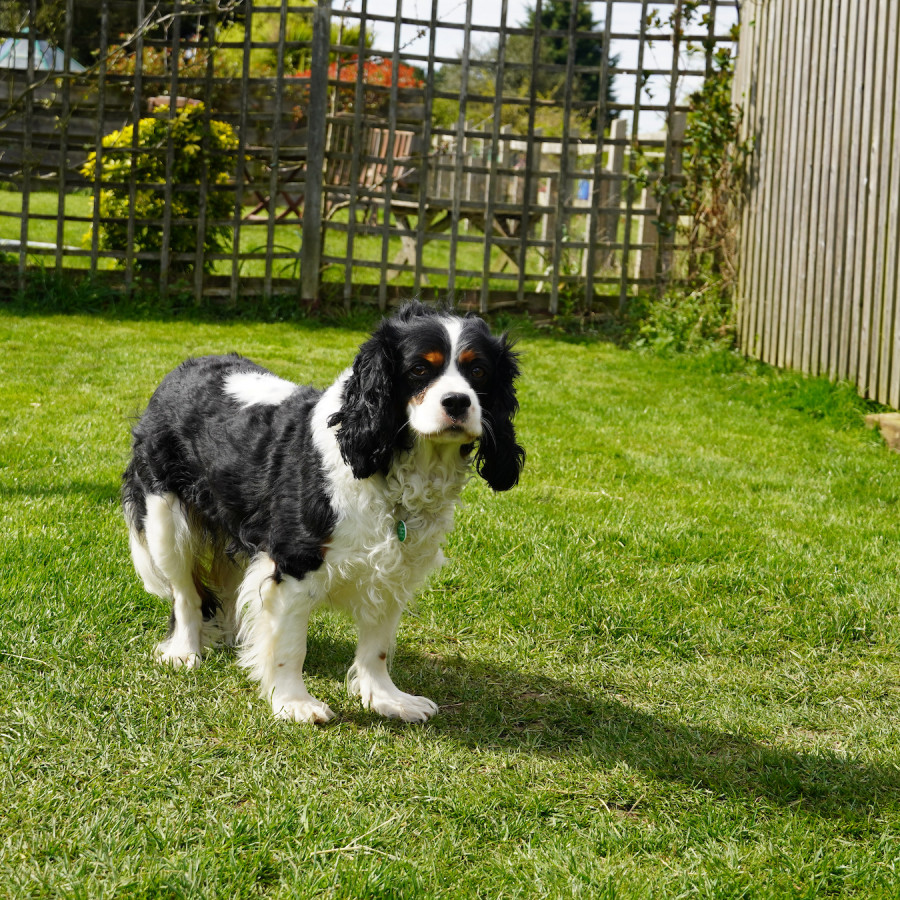
The Cavalier King Charles Spaniel is a small toy breed known for its gentle, people-focused nature. It weighs 12 to 18 pounds and stands about a foot tall. Cavaliers are affectionate, quiet, and happiest curled beside you. They suit couples who want a devoted companion for slow mornings and quiet evenings.
Their silky ears and dark, round eyes give them a soft, expressive look. That expression isn’t just for show — it’s part of why the breed reads as so approachable.
Cavaliers greet strangers like old friends and rarely bark without reason. They will follow you from room to room, all day, without complaint.
“Ours waits by the door every evening at the same time, like she’s got a clock in her head. She’s not needy, just present — always close by.”
— A retired Cavalier owner, describing a typical evening routine
- Gentle with strangers and other pets
- Needs only short daily walks
- Adapts easily to apartment life
- Prone to heart and joint issues
- Doesn’t like being left alone long
- Ears need regular checking
Best for: quiet homes · couples who travel together · first-time senior dog owners
Bichon Frise — “The Cotton-Ball Cheerleader”
| Weight | 7–12 lbs |
| Height | 9.5–11.5 in |
| Lifespan | 14–15 years |
| Energy Level | Medium |
| Grooming Need | Professional, every 4–6 weeks |
| Shedding | Very low |
The Bichon Frise is a small, cheerful breed with a curly white coat and a happy-go-lucky nature. It weighs 7 to 12 pounds and rarely tops a foot in height. Bichons are playful, social, and low-shedding. They suit couples who want a bright, low-allergen companion for daily company.
Their coat looks like a cloud, dense and round, with dark button eyes peeking through. Under all that fluff sits a compact, sturdy little body.
Bichons greet each day like it’s a party. Even at ten years old, most still trot around the house with a toy in their mouth.
“He greets the mail carrier like she’s returning from war every single day. Never gets old, honestly. He’s just built for joy.”
— A longtime Bichon owner, on the breed’s daily energy
- Low-shedding, good for allergies
- Friendly with kids and other pets
- Compact and easy to carry
- Grooming costs add up monthly
- Can develop separation anxiety
- Coat mats fast without brushing
Best for: allergy-prone households · social couples · anyone who wants a low-shed dog
Havanese — “Cuba’s Little Comfort Dog”
| Weight | 7–13 lbs |
| Height | 8.5–11.5 in |
| Lifespan | 14–16 years |
| Energy Level | Low to medium |
| Grooming Need | Regular brushing |
| Shedding | Low |
The Havanese is Cuba’s only native breed, known for its silky coat and easygoing nature. It weighs 7 to 13 pounds and stands under a foot tall. Havanese are social, adaptable, and content indoors. They suit couples who want a calm, people-loving dog that travels well.
Their long, silky coat sways as they trot, often falling in soft waves over dark, curious eyes.
Havanese bond fast and deep. Many will learn simple tricks just to stay near you longer, a trait breeders call “velcro” behavior.
- Patient, gentle temperament
- Travels well in car or cabin
- Rarely aggressive or reactive
- Coat needs frequent brushing
- Struggles with long solo time
- Can be tricky to housetrain
Best for: couples who travel · warmer climates · people who work from home
French Bulldog — “The Low-Key Comedian”
 Save
Save| Weight | 19–28 lbs |
| Height | 11–13 in |
| Lifespan | 10–12 years |
| Energy Level | Low |
| Grooming Need | Minimal |
| Shedding | Low |
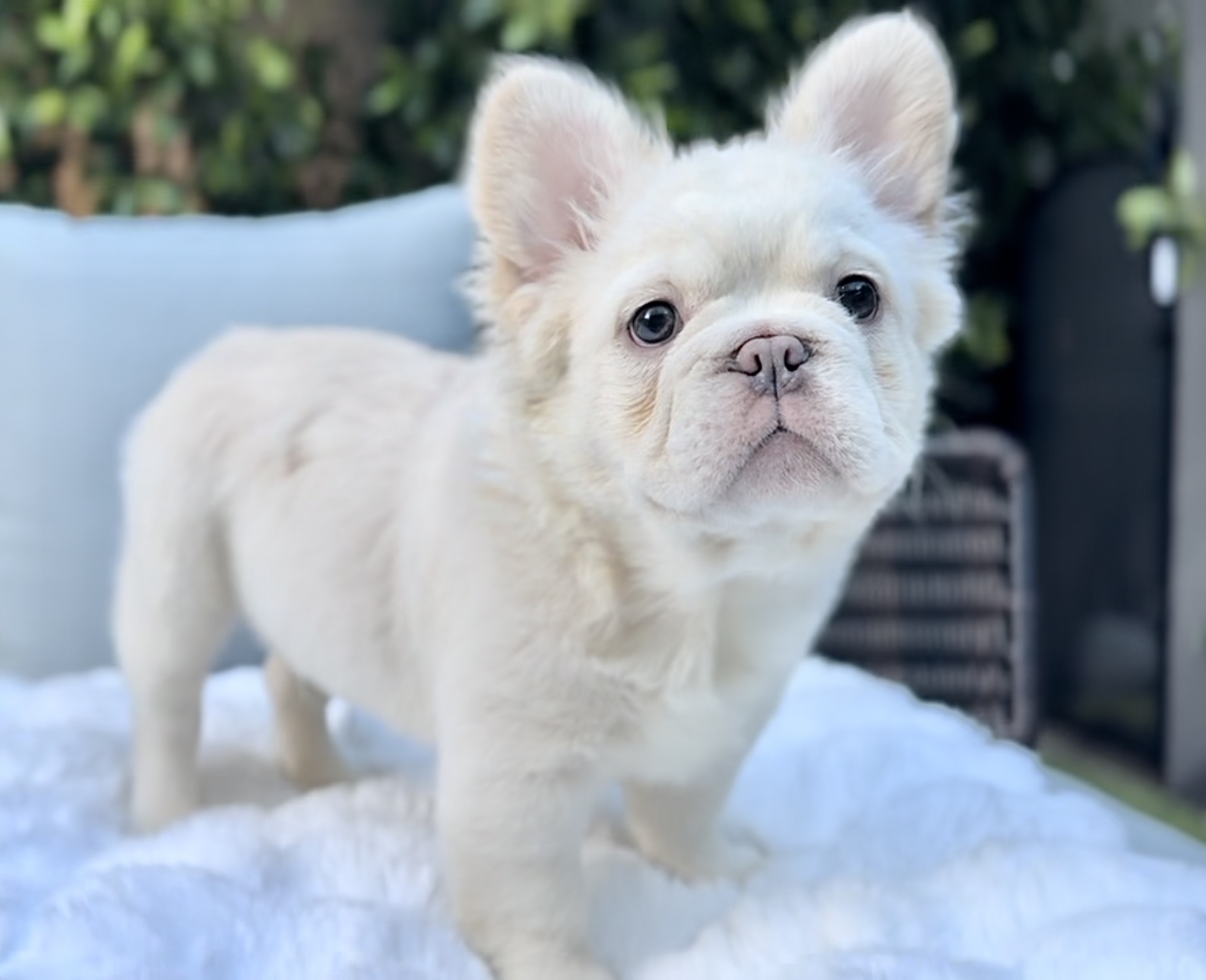
The French Bulldog is a stocky, short-coated companion known for its bat ears and calm charm. It weighs 19 to 28 pounds and needs very little exercise. Frenchies are affectionate, easygoing, and content on the couch. They suit couples who want a low-activity dog with big personality.
Their bat-shaped ears and wrinkled brow give them a comic, expressive face that seems to react to everything you say.
Frenchies snore, snort, and lean their full weight against your leg. Most stop needing much exercise past puppyhood entirely.
- Very low exercise needs
- Short coat, easy grooming
- Sturdy and hard to injure
- Struggles badly in heat
- Breathing issues are common
- Vet costs can run higher
Best for: cooler climates · low-mobility owners · single-story homes
Shih Tzu — “The Palace Lap Dog”
| Weight | 9–16 lbs |
| Height | 8–11 in |
| Lifespan | 10–16 years |
| Energy Level | Low |
| Grooming Need | Daily brushing or short trim |
| Shedding | Low |
The Shih Tzu is a small, sturdy companion bred purely to sit with royalty. It weighs 9 to 16 pounds and needs minimal exercise. Shih Tzus are affectionate, easygoing, and light enough to carry. They suit couples who want a devoted lap dog with slow, sniffy walks.
Their round face and long coat can be kept flowing or clipped short into a fluffy “puppy cut” — either works well.
Shih Tzus would rather stop and sniff every mailbox than walk briskly anywhere. That slow pace matches many retirees perfectly.
- Light and easy to carry
- Content with short, slow walks
- Gets along with other pets
- Flat face means heat sensitivity
- Long coat mats without care
- Can be a little stubborn
Best for: slow walkers · small apartments · owners who want a true lap dog
Miniature Poodle — “The Sharp-Witted Companion”
| Weight | 15–18 lbs |
| Height | 10–15 in |
| Lifespan | 12–15 years |
| Energy Level | Medium |
| Grooming Need | Professional, every 4–6 weeks |
| Shedding | Very low |
The Miniature Poodle is a highly intelligent, low-shedding breed prized for trainability. It weighs 15 to 18 pounds and needs a 30-minute daily walk. Poodles are loyal, quick learners, and gentle with people. They suit couples who enjoy light training games and want fewer allergy triggers.
Their tight, curly coat can be clipped short and neat, giving them a tidy, athletic look year-round.
Poodles pick up new commands in just a few tries. Give one a puzzle toy and watch it solve the thing in minutes.
- Low-shed coat, good for allergies
- Highly trainable and eager to please
- Rarely has aggression issues
- Grooming bills add up fast
- Needs mental stimulation daily
- Can get bored and restless
Best for: couples with allergies · owners who enjoy training · active retirees
Pug — “The Wrinkled Comfort Clown”
| Weight | 14–18 lbs |
| Height | 10–13 in |
| Lifespan | 13–15 years |
| Energy Level | Low |
| Grooming Need | Minimal, plus wrinkle care |
| Shedding | Moderate to high |
The Pug is a small, muscular breed built centuries ago as a palace companion. It weighs 14 to 18 pounds and needs only light daily activity. Pugs are affectionate, even-tempered, and love simply being near people. They suit couples who want a low-effort, endlessly loving companion.
Their deep wrinkles and huge, dark eyes give them one of the most instantly recognizable faces of any breed.
Pugs will match your energy exactly. Sit on the couch, and they sit. Nap, and they nap right beside you.
- Very low exercise needs
- Even, predictable temperament
- Rarely destructive or hyper
- Prone to weight gain fast
- Heat and breathing sensitivity
- Wrinkles need weekly cleaning
Best for: low-mobility couples · indoor lifestyles · cooler climates
Maltese — “The Silky White Shadow”
| Weight | Under 7 lbs |
| Height | 7–9 in |
| Lifespan | 12–15 years |
| Energy Level | Low |
| Grooming Need | Daily brushing |
| Shedding | Very low |
The Maltese is a tiny, ancient companion breed with a flowing white coat. It weighs under 7 pounds and needs only gentle daily activity. Maltese are affectionate, alert, and thrive on close contact. They suit couples who want the smallest, gentlest possible companion.
Their long white coat can flow to the floor, or be trimmed into a short “puppy cut” for easier upkeep.
Maltese notice everything. A knock at the door, a dropped fork — expect a small, sharp bark, followed by a return to your lap.
- Tiny and effortless to carry
- Low-shed, allergy-friendly coat
- Gentle and rarely destructive
- Fragile around rough handling
- Coat mats without daily care
- Can bark at every small noise
Best for: small apartments · gentle handling · couples wanting a quiet watchdog
Boston Terrier — “The Tuxedo-Clad Charmer”
| Weight | 12–25 lbs |
| Height | 15–17 in |
| Lifespan | 11–13 years |
| Energy Level | Low to medium |
| Grooming Need | Minimal |
| Shedding | Low |
The Boston Terrier is a compact, short-coated breed known for its black-and-white “tuxedo” markings. It weighs 12 to 25 pounds and needs only moderate exercise. Bostons are friendly, alert, and easy to groom. They suit couples who want a sturdy, sociable dog with an easy coat.
Their large, round eyes and perky ears sit above a neat black-and-white coat that always looks freshly dressed.
Bostons love a good game of fetch, then flop straight onto the nearest lap for the rest of the evening.
- Short coat, very easy grooming
- Friendly with nearly everyone
- Sturdy and generally healthy
- Some heat and breathing sensitivity
- Can be gassy after meals
- Needs consistent daily attention
Best for: active-but-calm couples · easy grooming routines · sociable households
English Cocker Spaniel — “The Gentle Adventurer”
 Save
Save| Weight | 26–34 lbs |
| Height | 15–17 in |
| Lifespan | 12–14 years |
| Energy Level | Medium |
| Grooming Need | Weekly brushing |
| Shedding | Moderate |
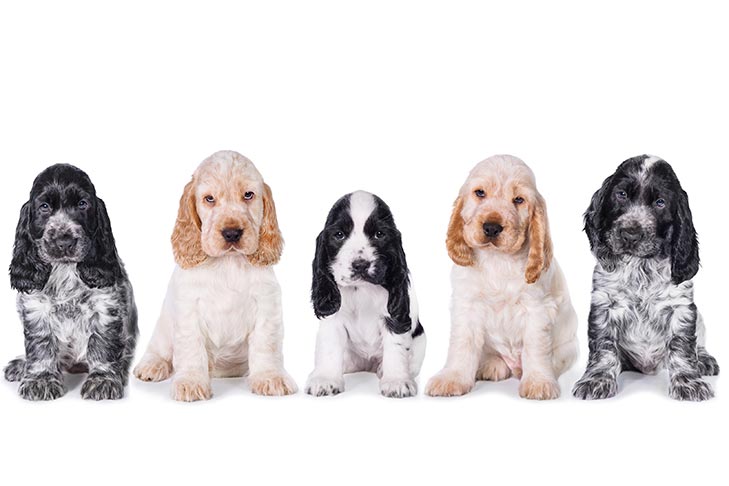
The English Cocker Spaniel is a medium-sized gundog breed known for its sweet, gentle nature. It weighs 26 to 34 pounds and enjoys a daily walk. Cocker Spaniels are naturally gentle, sociable, and eager to please. They suit couples who want a slightly more active companion for daily walks.
Their long, silky ears frame a soft, warm expression that makes them look permanently kind.
Cockers thrive on a set routine. Once they know your schedule, they’ll wait by the leash hook right on cue.
- Naturally gentle and sweet
- Good motivation for daily walks
- Adapts well to routine
- Ears need weekly checks
- Long coat sheds moderately
- Needs more exercise than most here
Best for: couples who enjoy walking · homes with a yard · owners wanting a routine-driven dog
How Do These 10 Breeds Compare Side by Side?
Here’s a quick side-by-side view of all ten breeds, so you can compare weight, energy, and grooming at a glance before deciding which one fits your home.
| Breed | Weight | Energy | Grooming |
|---|---|---|---|
| Cavalier King Charles Spaniel | 12–18 lbs | Low–medium | Weekly |
| Bichon Frise | 7–12 lbs | Medium | Professional |
| Havanese | 7–13 lbs | Low–medium | Regular brushing |
| French Bulldog | 19–28 lbs | Low | Minimal |
| Shih Tzu | 9–16 lbs | Low | Daily brushing |
| Miniature Poodle | 15–18 lbs | Medium | Professional |
| Pug | 14–18 lbs | Low | Minimal |
| Maltese | Under 7 lbs | Low | Daily brushing |
| Boston Terrier | 12–25 lbs | Low–medium | Minimal |
| English Cocker Spaniel | 26–34 lbs | Medium | Weekly |
Which of These Breeds Is Right for You?
The right breed depends on your daily routine, your home, and how much grooming you want to take on. Here’s a quick way to decide between the options above.
- If you want the lowest possible exercise needs → the Pug or French Bulldog is best for you.
- If you have allergies or hate vacuuming fur → the Bichon Frise or Miniature Poodle will serve you better.
- If you want the smallest, easiest dog to carry → consider the Maltese first.
- If you enjoy a daily walk together → the English Cocker Spaniel or Boston Terrier fits your pace.
This article covers small to medium companion breeds suited to a calmer, slower daily routine. If you’re an active retiree who hikes or runs regularly, you may need a higher-energy breed like a easy-going, moderately active dog breed instead of the low-energy picks above.
What Care Do These Breeds Need Every Week?
Most breeds on this list need short daily walks, weekly brushing, and regular vet checkups. Grooming needs vary the most — some breeds need monthly professional trims, while others need only a weekly brush. Budget for both time and cost before you commit.
So what does that mean day to day? Plan on 15 to 30 minutes of activity daily, plus 10 minutes of brushing several times a week. If you choose a curly-coated breed like a Poodle or Bichon, add a monthly grooming appointment to your calendar and budget.
Flat-faced breeds like the Pug, French Bulldog, and Shih Tzu can struggle to breathe in heat and humidity. Keep walks short and shaded during summer months.
What Mistakes Do New Older Owners Often Make?
The most common mistake is choosing a puppy instead of an adult dog. Puppies need constant supervision and months of training, which can be exhausting. New owners also often underestimate grooming costs, or pick a breed based on looks rather than energy level.
Another frequent slip: skipping a plan for who cares for the dog during travel, illness, or hospital stays. Line up a backup caregiver, whether that’s family, a neighbor, or a boarding service, before you bring the dog home.
Adult and senior rescue dogs are often the calmest, most settled option for older couples. They skip the demanding puppy phase entirely, and you already know their full-grown size and temperament.
Also see this complete breed guide built specifically for retirees if you want more options beyond this list, and this guide to dog breeds that suit couples if you’re weighing lifestyle fit over age-specific advice.
Is It Too Late to Get a Dog Later in Life?
No, age alone isn’t the deciding factor. Both the American Kennel Club and geriatric health researchers point to lifestyle and physical ability as the real questions to ask, not the number on a birthday cake. Widely accepted research also links dog ownership to better physical and mental well-being in older adults, according to reporting from AARP.
The honest bottom line: if you can manage a short daily walk and afford routine vet care, most breeds on this list are a realistic, rewarding choice at any age.
Frequently Asked Questions
What is the calmest dog breed for older couples?
The Pug and French Bulldog are among the calmest choices. Both need only short daily activity and are content spending most of the day resting close to you.
What is the easiest small dog to care for as a senior?
The French Bulldog and Boston Terrier are easiest overall, thanks to short coats and low grooming needs. Both need only light daily exercise and occasional brushing.
Should older couples get a puppy or an adult dog?
An adult or senior rescue dog is usually the better choice. They’re typically already house-trained, past the destructive puppy stage, and have a known, settled temperament.
Are hypoallergenic dog breeds better for older couples?
They can help if allergies are a concern. The Bichon Frise, Poodle, and Maltese all shed very little and are commonly recommended for allergy-prone households.
How much exercise do senior-friendly dog breeds really need?
Most breeds on this list need just 15 to 30 minutes of daily activity. A short walk plus some indoor play is usually enough to keep them healthy and content.
The Bottom Line
The right dog for your retirement isn’t the flashiest or most popular breed. It’s the one that matches your energy, your home, and your daily rhythm. Any of the ten breeds above can bring genuine comfort and companionship into a quieter chapter of life.
One thing to do right now: pick your top two breeds from this list, then visit a local shelter or reputable breeder this week to meet one in person. I’m Thomas Cutter, and that one visit usually tells you more than any article ever could.

Thomas Cutter is a lifelong dog owner and the founder of FindOutAboutDogs.com. With over 10 years of hands-on experience owning multiple breeds, Thomas created this site to provide honest, research-based dog advice that real owners can actually trust.
