10 Best Dog Breeds for Plane Travel — Airline-Approved Picks for 2026
Quick Answer
The best dog breeds for plane travel are small, calm, and non-brachycephalic, since most airlines only allow in-cabin travel for dogs under 15 to 20 pounds (including the carrier). Top picks include the Chihuahua, Pomeranian, Maltese, Yorkshire Terrier, Toy Poodle, Cavalier King Charles Spaniel, Papillon, Havanese, Bichon Frise, and (with care) the Shih Tzu.
What you need to know before booking:
- Cabin space is limited to a soft carrier that fits under the seat
- Most airlines cap in-cabin pets at 15 to 20 lbs, carrier included
- Flat-faced breeds face extra breathing risk in flight
- A calm, well-socialized temperament matters as much as size
How to pick the right flying companion:
- Weigh your dog with the carrier before you book
- Check your specific airline’s pet policy, not just general rules
- Choose a breed with a calm, low-reactivity temperament
- Start carrier training weeks before the flight, not days
Your dog is staring at you from the doorway, and your flight leaves in six weeks. You’re wondering if he’ll even be allowed on the plane — and if he is, whether he’ll spend three hours panicking under your seat. I’m Thomas Cutter, and I’ve spent years researching what actually makes a dog a good flyer versus a stressed one. The short version: size gets your dog on the plane, but temperament is what gets you both off it in one piece.
This guide walks through the 10 dog breeds that handle air travel best, why they make the cut, and how to know which one fits your life. By the end, you’ll know exactly what to book, what to pack, and what to skip.
- Most airlines cap in-cabin dogs at 15 to 20 lbs, carrier included
- Flat-faced breeds carry real breathing risks in flight — choose carefully
- Calm, low-shedding, carrier-trainable breeds fly the easiest
- Carrier training should start 4 to 6 weeks before departure
- Airline rules vary a lot — always confirm with your specific carrier
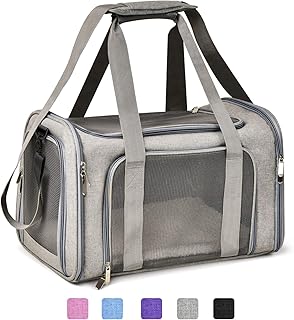


What Makes a Dog Breed Good for Plane Travel?
A good flying dog is small enough for an under-seat carrier, calm enough to sit still for hours, and healthy enough that flight itself isn’t a risk. Weight matters, but so does temperament, coat type, and breathing anatomy. Miss any one of these, and the flight gets harder for everyone.
Most US airlines set the in-cabin weight limit at 15 to 20 lbs, including the carrier itself. That’s why nearly every breed on this list tops out under 15 lbs. But here’s the thing — a small dog who barks nonstop or panics at engine noise is a worse flyer than a slightly bigger dog with a rock-solid temperament. Airlines have started weighing behavior almost as heavily as weight limits, especially after a rise in in-flight incidents involving anxious pets.
Health matters just as much. The American Veterinary Medical Association notes that brachycephalic, or flat-faced, breeds face higher breathing risk under flight stress, even in the cabin. So if you’re choosing a first travel dog, temperament and airway health should weigh as heavily as size on your decision.
You might be thinking a bigger, calmer dog would fly better than a small, anxious one. You’re not wrong — but airlines set hard weight caps for the cabin, not personality caps. So for in-cabin flying specifically, size is the first filter, and temperament is the second.
The 10 Best Dog Breeds for Plane Travel — Ranked and Reviewed
Every breed below fits standard in-cabin carrier limits and has a temperament that holds up under flight stress. We ranked them by a mix of size, calmness, and how forgiving they are for a first-time flying dog owner.
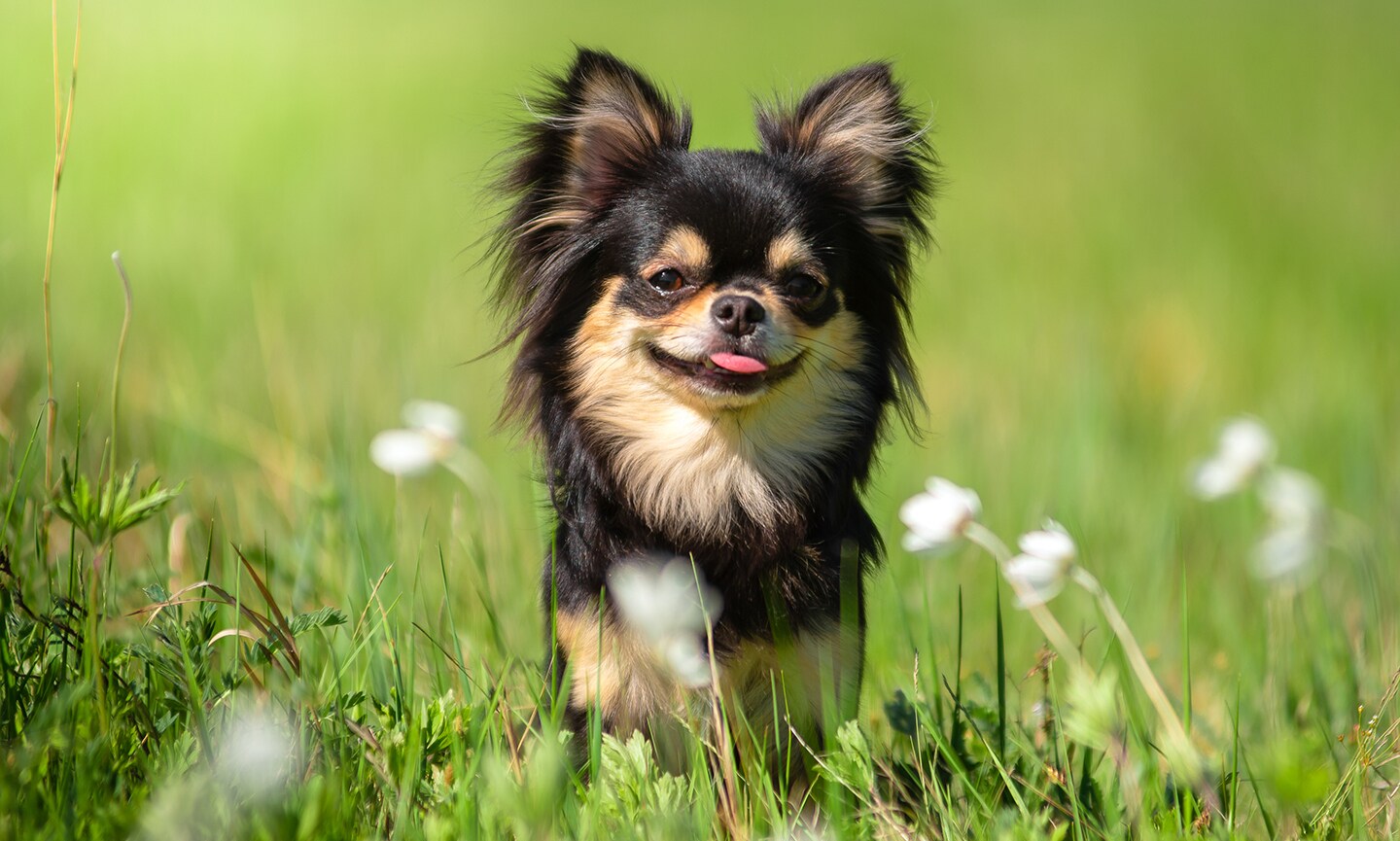
Chihuahua — “The Pocket-Sized Frequent Flyer”
 Save
Save| Weight | 4 to 6 lbs |
| Height | 5 to 8 inches |
| Lifespan | 14 to 16 years |
| Energy Level | Low to moderate |
| Grooming Need | Low |
| Shedding | Low to moderate |
The Chihuahua is one of the smallest dog breeds, known for fitting easily under any airline seat. Weighing just 4 to 6 lbs, it clears every cabin weight limit with room to spare. Chihuahuas bond intensely with one person, staying calmer when held close. That makes them ideal for solo flyers and first-time flying dog owners.
Their coat is short and close to the body, so there’s no bulky fur working against carrier space. Some Chihuahuas have a slight apple-shaped head, but they aren’t flat-faced, which keeps flight breathing risk low.
Chihuahuas are famously loyal, sometimes to a fault. Most people know they can be wary of strangers. Fewer people know that a well-socialized Chihuahua actually settles faster in a moving carrier than many larger breeds, since they instinctively burrow and stay still when they feel enclosed. The real surprise: their small size means motion sickness is often milder than it is in medium-sized breeds, since less inner-ear surface is affected by turbulence.
When I researched first-time flyers with small dogs, one pattern showed up again and again: owners who skipped carrier training were the ones who had the roughest flights. That’s the lesson — carrier comfort has to be built at home, not discovered at the gate.
Chihuahua owners frequently report that their dogs settle into the carrier faster than expected once the zipper closes, even if they fuss at first — the enclosed space seems to read as safety rather than confinement.
- Fits every airline’s weight limit easily
- Minimal grooming before or after flights
- Low shedding in a shared cabin space
- Can bark at unfamiliar cabin noises
- Gets cold fast in AC-heavy cabins
- Wary of strangers without early socializing
Best for: Solo flyers · First-time flying dog owners · Warm-climate destinations
→ Best small dog breeds for first-time owners
Pomeranian — “The Confident Carry-On”
| Weight | 3 to 7 lbs |
| Height | 6 to 7 inches |
| Lifespan | 12 to 16 years |
| Energy Level | Low to moderate |
| Grooming Need | High |
| Shedding | Moderate to high |
The Pomeranian is a fluffy toy breed known for its bold, confident attitude despite its tiny frame. Weighing 3 to 7 lbs, it’s one of the lightest dogs cleared for cabin travel. Poms adapt to carriers with patience rather than panic. That patient streak makes them excellent for nervous first-time flying families.
Their thick double coat forms a full mane around the neck, which makes them look bigger than they weigh. Under all that fluff is a genuinely small, light dog that carriers were basically designed for.
Everyone expects a Pomeranian to be yappy — and sometimes they are. What people miss is how quickly a well-trained Pom settles once it feels secure, patiently riding out delays and turbulence that would rattle a less confident breed. The real surprise: their confidence can misfire around unfamiliar dogs at the gate, so leash management before boarding matters more with Poms than with quieter breeds.
You might be thinking that much coat means overheating risk in a warm cabin. Here’s why that’s manageable: a light cotton carrier liner and avoiding tight zip-up covers keeps airflow moving even with a full coat.
- Among the lightest breeds cleared for cabin flights
- Patient temperament once settled in carrier
- Highly trainable for carrier routines
- Heavy coat needs pre-flight brushing
- Can overheat in poorly ventilated carriers
- Prone to barking at gate-area dogs
Best for: Couples who travel together · Nervous first-time flyers · Mild-climate trips
→ Best dog breeds for couples who travel
Maltese — “The Calm Cloud Companion”
| Weight | 4 to 7 lbs |
| Height | 7 to 9 inches |
| Lifespan | 12 to 15 years |
| Energy Level | Low |
| Grooming Need | High |
| Shedding | Low |
The Maltese is a small companion breed known for its silky white coat and gentle nature. Weighing 4 to 7 lbs, it fits every in-cabin carrier easily. Maltese dogs mirror their owner’s energy, staying calm when you stay calm. That makes them one of the most forgiving breeds for nervous or first-time flyers.
Their long white coat looks high-maintenance, but for travel it can be trimmed into a short puppy cut that stays neat through hours in a carrier.
People expect lap dogs to be clingy and anxious away from home. Maltese are affectionate, yes, but the surprising part is how little separation stress they show compared to other toy breeds, as long as they can see or smell their person nearby. So if you’re flying with a Maltese, keeping the carrier where your dog can see your hand resting on it does more calming work than any toy or treat.
Book a short puppy-cut trim 1 to 2 weeks before your flight, not the day before, so the coat settles before travel photos and check-in.
- Mirrors owner’s calm energy well
- Low shedding keeps the cabin cleaner
- Rarely aggressive toward strangers
- Coat mats fast without regular brushing
- Tear staining needs daily wiping
- Picks up on owner’s own travel anxiety
Best for: Nervous flyers · Seniors traveling with a companion · Frequent short trips
Yorkshire Terrier — “The Tiny Bodyguard”
 Save
Save| Weight | 4 to 7 lbs |
| Height | 7 to 8 inches |
| Lifespan | 13 to 16 years |
| Energy Level | Moderate |
| Grooming Need | High |
| Shedding | Low |
The Yorkshire Terrier is a compact terrier breed known for its confident, watchful personality. Weighing around 4 to 7 lbs, it easily clears cabin weight limits. Yorkies stay alert to their surroundings, which makes them attentive rather than anxious flyers. That trait suits owners who want a small dog with real personality on the road.
Their silky, low-shedding coat is often kept in a short travel trim, which also cuts down on grooming needs between flights.
Most people know Yorkies have big personalities packed into small bodies. Fewer people realize that terrier alertness, which can look like barking at every noise, actually settles fast once the dog learns the carrier zip means “quiet time.” The real surprise: Yorkies often calm faster in noisy airports than in quiet ones, since constant background noise reads as normal rather than alarming.
You might be thinking a vocal terrier is a bad match for a shared cabin. Here’s why that’s manageable: a few weeks of “quiet” cue training before the flight, paired with a carrier cover for takeoff and landing, resolves most of it.
- Low-shedding coat, good for shared cabins
- Alert temperament, rarely anxious
- Compact enough for tightest carriers
- Barks at unfamiliar movement nearby
- Needs “quiet” training before flying
- Coat requires frequent brushing
Best for: Owners wanting a spirited travel dog · Short-haul frequent flyers · Small-space living
Toy Poodle — “The Effortless Traveler”
| Weight | 4 to 6 lbs |
| Height | Up to 10 inches |
| Lifespan | 14 to 17 years |
| Energy Level | Moderate |
| Grooming Need | High |
| Shedding | Minimal |
The Toy Poodle is a highly intelligent companion breed known for fast learning and easy adaptability. Weighing just 4 to 6 lbs, it’s one of the most airline-friendly breeds by size. Toy Poodles pick up carrier routines quickly. That trainability makes them ideal for people who fly often and need a dog who adjusts fast.
Their curly, low-shedding coat sheds very little dander, which matters in a shared cabin full of strangers who may have allergies.
Everyone knows Poodles are smart. What surprises new owners is how quickly that intelligence translates into airport behavior — a Toy Poodle often learns the entire boarding routine after just two or three flights, settling faster each time rather than each time being a fresh struggle.
- Learns carrier routines faster than most breeds
- Minimal shedding, good for shared spaces
- Rarely reactive toward strangers
- Needs regular professional grooming
- Can get bored on long layovers
- Sensitive to cold cabin temperatures
Best for: Frequent flyers · Owners with allergy-sensitive travel companions · Long-haul routines
Cavalier King Charles Spaniel — “The Gentle Co-Pilot”
| Weight | 13 to 18 lbs |
| Height | 12 to 13 inches |
| Lifespan | 12 to 15 years |
| Energy Level | Moderate |
| Grooming Need | Moderate |
| Shedding | Moderate |
The Cavalier King Charles Spaniel is a gentle toy spaniel bred to stay close to its person. Weighing 13 to 18 lbs, it fits some, though not all, carrier weight limits, so checking your airline first matters. Cavaliers rarely show territorial stress in new places. That calm nature makes them some of the easiest travel dogs, size aside.
Their soft, feathered ears and gentle expression are instantly recognizable, and their coat lies flat enough to avoid overheating in a covered carrier.
Most people expect a lap dog to be clingy in a stressful new place. Cavaliers are affectionate, sure, but what’s surprising is how little they escalate stress compared to other companion breeds — they tend to settle by pressing close to their owner rather than pacing or vocalizing.
“Is this right for me?” If your Cavalier sits near the top of the weight range, weigh the dog and the carrier together before booking. If you’re near a border airline’s 15-lb cap, a lighter breed avoids the risk of a gate-side surprise.
- Extremely low territorial stress in new places
- Gentle with strangers and children nearby
- Settles by staying close, not pacing
- Sits near or over some airline weight caps
- Prone to separation anxiety if left alone
- Ear feathering needs regular brushing
Best for: Families with calm households · Owners prioritizing temperament over size · Short domestic flights
→ Best calm dog breeds for small living spaces
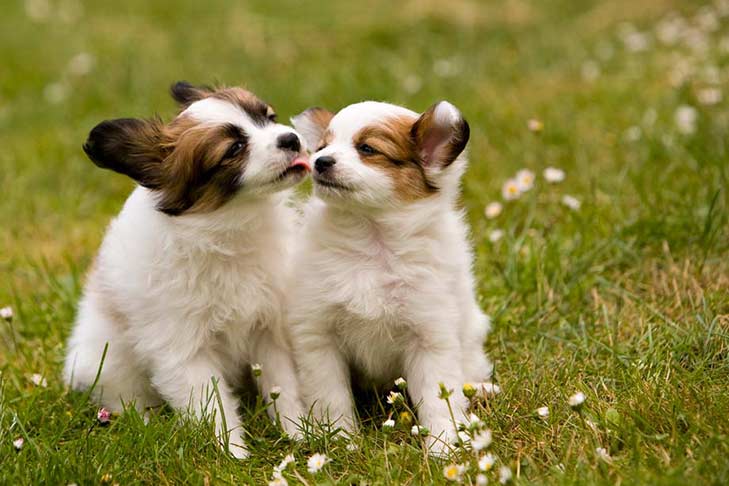
Papillon — “The Butterfly-Eared Flyer”
 Save
Save| Weight | 5 to 10 lbs |
| Height | 8 to 11 inches |
| Lifespan | 14 to 16 years |
| Energy Level | Moderate |
| Grooming Need | Moderate |
| Shedding | Moderate |
The Papillon is a small spaniel-type breed named for its distinctive butterfly-shaped ears. Weighing 5 to 10 lbs, it fits comfortably under most airline seats. Papillons adapt equally well to city and country routines. That flexibility makes them strong candidates for owners who travel between very different environments.
Their fine, silky coat and fringed ears give them a delicate look, but underneath is a surprisingly sturdy, athletic little body built for movement.
People often assume small, delicate-looking dogs are fragile travelers. Papillons are actually one of the more athletic toy breeds, and the real surprise is how well they tolerate schedule changes — layovers, delays, and new time zones rattle them less than their size would suggest.
- Handles schedule changes better than most toy breeds
- Easily fits smallest cabin carriers
- Adapts well across different climates
- Ear fringe needs regular untangling
- Not left alone well in unfamiliar hotels
- Can be vocal without early training
Best for: Frequent international travelers · Multi-stop itineraries · Active toy-breed owners
→ Best easy-going dog breeds for travel-heavy lifestyles
Havanese — “The Adaptable Cabin Buddy”
| Weight | 7 to 13 lbs |
| Height | 8 to 11 inches |
| Lifespan | 14 to 16 years |
| Energy Level | Moderate |
| Grooming Need | High |
| Shedding | Low |
The Havanese is Cuba’s national dog breed, known for its silky coat and cheerful disposition. Weighing 7 to 13 lbs, it fits comfortably within most cabin limits. Havanese dogs were bred as companion lap dogs. That heritage shows in how naturally they settle against their owner during a flight.
Their long, wavy coat is often clipped into a short “puppy trim” for travel, cutting grooming time without losing the breed’s cheerful look.
Everyone expects a companion breed to want attention constantly. The real surprise with Havanese is how easily they self-soothe with a familiar blanket or toy, needing less active reassurance mid-flight than similarly sized breeds.
- Self-soothes well with familiar items
- Low shedding despite a long coat
- Cheerful, rarely aggressive temperament
- Coat mats fast without a travel trim
- Craves company on long layovers
- Sensitive to being rushed at check-in
Best for: Owners in small apartments who travel often · Families with older kids · Longer connecting flights
Bichon Frise — “The Cheerful Cotton Ball”
| Weight | 7 to 12 lbs |
| Height | 9 to 11 inches |
| Lifespan | 14 to 15 years |
| Energy Level | Moderate |
| Grooming Need | High |
| Shedding | Minimal |
The Bichon Frise is a small hypoallergenic breed known for its cheerful, people-loving nature. Weighing 7 to 12 lbs, it fits within standard cabin limits. Bichons rarely show aggression toward strangers or other pets. That friendliness makes them a safe pick for crowded gate areas and layovers.
Their curly white coat sheds very little dander, one reason they’re often recommended for allergy-sensitive households and, by extension, allergy-sensitive seatmates.
Most people know Bichons as cheerful and social. What’s less known is how well that same friendliness holds up under travel stress — Bichons are less likely than many small breeds to redirect anxiety into snapping or growling at strangers reaching toward the carrier.
- Minimal shedding, allergy-friendly for seatmates
- Rarely reactive under travel stress
- Comfortable around unfamiliar crowds
- Coat needs frequent professional grooming
- Prone to tear staining around the eyes
- Can develop separation anxiety if rushed
Best for: Allergy-conscious households · Crowded connecting flights · Social, people-focused owners
→ Best hypoallergenic dog breeds for small spaces
Shih Tzu — “The Palace-Bred Jet-Setter”
| Weight | 9 to 16 lbs |
| Height | 9 to 10.5 inches |
| Lifespan | 10 to 16 years |
| Energy Level | Low |
| Grooming Need | High |
| Shedding | Low |
The Shih Tzu is a companion breed developed to keep royal owners company at all times. Weighing 9 to 16 lbs, it fits most cabin limits near the upper end. Shih Tzus need very little exercise, making a long flight easy on their body. That low energy makes them a genuinely relaxed flying companion.
Their signature flowing coat is usually clipped short for travel, both for comfort and to keep grooming simple between destinations.
Here’s the honest scope statement worth knowing: Shih Tzus have a moderately shortened muzzle, which is less extreme than a Bulldog or Pug but still worth discussing with your vet before a flight, especially in warm weather or on longer routes. This article covers small companion breeds broadly; if your dog has a more pronounced flat face or a diagnosed airway condition, you’ll need breed-specific veterinary clearance before booking, not just general travel tips.
Get a pre-flight vet check for any short-muzzled breed, including Shih Tzus, especially before flights in hot weather or at high altitude.
- Very low exercise needs suit long flights
- Bonds closely, settles near owner fast
- Consistently gentle with strangers
- Shortened muzzle needs pre-flight vet check
- Struggles more in heat or high altitude
- Coat needs regular professional trims
Best for: Low-energy homes · Mild-climate or cool-weather routes · Owners who fly with a vet’s clearance
→ Best dog breeds for city living and frequent travel
Comparison Table: All 10 Breeds Side by Side
Scanning for the lightest, calmest, or lowest-maintenance option? Here’s every breed from this list in one place, so you can compare weight, energy, and grooming needs at a glance before you commit to one.
| Breed | Weight | Energy | Grooming | Flat-Faced Risk |
|---|---|---|---|---|
| Chihuahua | 4–6 lbs | Low–Moderate | Low | No |
| Pomeranian | 3–7 lbs | Low–Moderate | High | No |
| Maltese | 4–7 lbs | Low | High | No |
| Yorkshire Terrier | 4–7 lbs | Moderate | High | No |
| Toy Poodle | 4–6 lbs | Moderate | High | No |
| Cavalier King Charles Spaniel | 13–18 lbs | Moderate | Moderate | No |
| Papillon | 5–10 lbs | Moderate | Moderate | No |
| Havanese | 7–13 lbs | Moderate | High | No |
| Bichon Frise | 7–12 lbs | Moderate | High | No |
| Shih Tzu | 9–16 lbs | Low | High | Mild |
Which Dog Breed Is Right for Your Next Flight?
The right breed depends less on cuteness and more on your specific flight, your airline’s carrier rules, and how much grooming you’re willing to keep up with between trips. Here’s how to match your situation to a breed from this list.
- If you’re a solo, budget-conscious flyer who wants minimal grooming → the Chihuahua is your best fit.
- If you’re nervous about your dog’s stress during flights → the Maltese or Cavalier King Charles Spaniel handle new environments the most calmly.
- If you fly several times a year and want a dog who learns the routine → the Toy Poodle adapts fastest.
- If someone in your travel party has allergies → the Bichon Frise sheds the least dander.
- If your dog is close to a weight limit → recheck your airline’s exact cutoff before booking, since limits vary by 5 lbs or more between carriers.
What Most People Get Wrong About Flying With Small Dogs
The biggest misconception is that any small dog will do fine on a plane just because it’s small enough for the carrier. Size gets you past the gate agent — it doesn’t guarantee a calm three-hour flight. Owners often skip carrier training entirely, assuming a naturally small dog won’t need it, then find out mid-flight that their dog has never actually sat still in an enclosed space before.
Another common mix-up: assuming all “toy breeds” carry the same flat-faced breathing risk as Pugs or French Bulldogs. Most of the breeds on this list, including the Chihuahua, Pomeranian, and Yorkshire Terrier, have normal muzzle length and don’t carry that risk. Only breeds with a genuinely shortened muzzle, like the Shih Tzu at the milder end, need the extra vet check this article flagged above.
Care Essentials for Flying With a Small Dog
Start carrier training 4 to 6 weeks before your flight, not the week of. Feed a light meal a few hours before boarding, not right before, to reduce motion sickness risk. Pack a familiar blanket or toy that smells like home, since scent does more to calm a dog than a new toy ever will.
Confirm your airline’s exact carrier dimensions before you buy one — a carrier that’s airline-approved for one company isn’t automatically approved for another. And always travel with your dog’s vaccination and health records, even on domestic routes, since gate staff can ask for them without warning.
Mistakes New Flying Dog Owners Make
- Buying the carrier the week of the flight instead of months ahead
- Skipping a pre-flight vet check for short-muzzled breeds
- Overfeeding right before boarding, which increases motion sickness
- Assuming every airline has the same weight and carrier rules
- Not practicing “quiet” cues before flying with a vocal breed
Frequently Asked Questions
What is the largest dog breed allowed in an airplane cabin?
Most airlines cap in-cabin pets at 15 to 20 lbs, including the carrier, which puts breeds like the Cavalier King Charles Spaniel near the upper limit. Anything heavier typically needs to fly in cargo or with a specialized pet travel service instead.
Can flat-faced dog breeds fly in a plane’s cabin?
Yes, most airlines allow flat-faced breeds in the cabin but restrict them from cargo due to breathing risk. Even in the cabin, a pre-flight vet check is strongly recommended for any breed with a shortened muzzle before booking a flight.
Do small dogs need a health certificate to fly?
Most domestic flights require a fit-to-fly certificate from a veterinarian, usually issued within 10 days of travel. International flights often add rabies vaccination proof and microchip documentation, so check your destination’s specific requirements early.
How do I calm my dog during takeoff and landing?
Cover part of the carrier to reduce visual stimulation, and keep a hand resting on top so your dog can feel you nearby. Familiar scents, like an unwashed blanket from home, tend to calm dogs more effectively than new toys or treats.
Should I sedate my dog for a flight?
Most vets discourage sedation for flights, since altitude can affect how a dog’s body processes certain medications. Talk to your vet well before your trip about non-sedative calming options if your dog struggles with travel anxiety.
Flying with a small dog comes down to matching size to your airline’s rules and matching temperament to your travel style. Get both right, and the flight becomes just another part of the trip instead of the hardest part. This article covers general breed suitability for cabin flights — if your dog has a diagnosed health condition, talk to your vet before booking, not just a groomer or breeder.
One thing to do right now: pull up your airline’s exact pet policy page today and weigh your dog with the carrier this week, before you book anything else. I’m Thomas Cutter, and getting this one step right early saves every other travel decision that follows.

Thomas Cutter is a lifelong dog owner and the founder of FindOutAboutDogs.com. With over 10 years of hands-on experience owning multiple breeds, Thomas created this site to provide honest, research-based dog advice that real owners can actually trust.
