Best 10 Dog Breeds for Rural Living: Top Country & Farm-Friendly Companions
Quick Answer
The best dog breeds for rural living are Australian Shepherds, Border Collies, Great Pyrenees, Anatolian Shepherds, Labrador Retrievers, German Shepherds, Australian Cattle Dogs, Golden Retrievers, Beagles, and Saint Bernards. These breeds handle open space, farm work, and outdoor weather well. Pick a herding or guardian breed if you keep livestock, and a sporting breed if you mainly want a companion with room to roam.
What to check before you pick a breed:
- Do you have livestock that needs guarding or herding?
- How much daily exercise can you realistically give?
- Do you need a dog that tolerates cold, heat, or both?
- Will the dog live mostly outside, mostly inside, or both?
Mistakes to avoid when choosing:
- Picking a high-energy breed without enough work for it
- Assuming “outdoor space” replaces training and fencing
- Ignoring a guardian breed’s need for early socialization
You step outside and there’s nothing but open field in every direction. That’s the appeal of rural life — and it’s also why picking the wrong dog here can go badly fast. A breed built for a city apartment can get bored, anxious, or destructive on five open acres just as easily as a farm dog can struggle in a small yard.
I’ve pulled together the ten breeds that consistently do well in rural settings, based on breed standards from the American Kennel Club and working-dog literature, along with what each one actually needs from you. So what does that mean for your specific setup? Keep reading — the answer depends on whether you’re managing livestock, just want a hiking companion, or somewhere in between.
- Herding breeds (Australian Shepherd, Border Collie, Cattle Dog) need a job, not just space
- Guardian breeds (Great Pyrenees, Anatolian Shepherd) protect livestock but need early socialization
- Even rural dogs need fencing — open land isn’t a substitute for containment
- Coat type should match your climate, not just your aesthetic preference
- A big yard doesn’t replace daily structured exercise for high-drive breeds


What Makes a Dog Breed Good for Rural Living?
A breed suits rural living when it can handle physical work, changing weather, and long stretches of independence. Most top rural breeds fall into two groups: herding dogs bred to move livestock, and guardian dogs bred to protect it. Both groups tend to be intelligent, weather-hardy, and happiest with a task to do.
That doesn’t mean every rural dog needs a job title. Plenty of sporting and companion breeds thrive out here too — they just need enough exercise to match the space around them. The real question isn’t “is this a farm dog,” it’s “can I meet this breed’s exercise and mental needs, given my land and schedule?” A five-acre property with a bored dog and no fence is not automatically better than a smaller, well-managed yard.
You might be thinking a big property alone will tire a dog out. Here’s why that’s not quite true: dogs need structured activity and mental engagement, not just access to open ground. A dog left alone in a field often develops its own entertainment — digging, chasing wildlife, or barking at everything that moves.
The 10 Best Dog Breeds for Rural Living — Ranked and Reviewed
Here are the ten breeds that hold up best on rural and farm properties, based on temperament, coat, work drive, and how much land and exercise they genuinely need.
Australian Shepherd — “The Tireless Ranch Partner”
| Weight | 40–65 lbs |
| Height | 18–23 inches |
| Lifespan | 12–15 years |
| Energy Level | Very high |
| Grooming Need | Weekly brushing |
| Shedding | Moderate to heavy, seasonal |
The Australian Shepherd is a medium-sized herding breed known for its stamina and sharp problem-solving skills. It stands 18 to 23 inches tall and was originally bred to work sheep and cattle across long days. Aussies are alert, loyal, and thrive when given daily physical and mental work. They suit active rural households with livestock, hiking trails, or a fenced pasture to patrol.
Their coat comes in striking merle and tri-color patterns, with one or two blue or amber eyes standing out against it. Many people don’t realize the “Aussie” nickname is misleading — the breed actually developed on ranches in the American West, not Australia.
They read your body language before you finish a command. Left without work, an Aussie will herd children, cars, or the family cat instead. Give one a job and it becomes one of the most tuned-in dogs you’ll ever own.
- Excellent natural herder for livestock
- Highly trainable and eager to please
- Weather-tolerant double coat
- Needs 1–2 hours of exercise daily
- May herd kids or pets without training
- Sheds heavily twice a year
Best for: Livestock owners · Active families · Hikers and trail runners
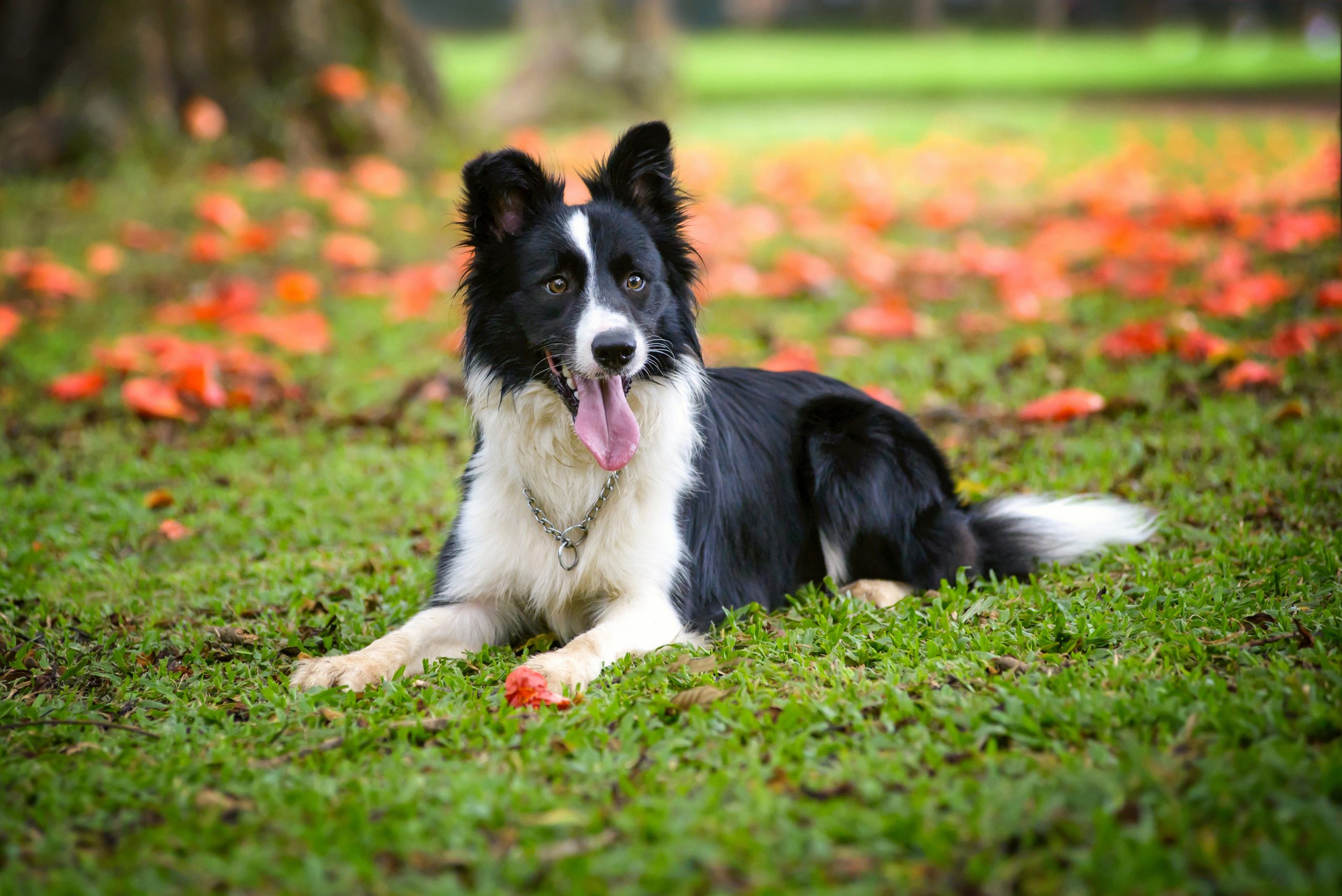
Border Collie — “The Thinking Dog’s Herder”
 Save
Save| Weight | 30–55 lbs |
| Height | 18–22 inches |
| Lifespan | 12–15 years |
| Energy Level | Extremely high |
| Grooming Need | Weekly brushing |
| Shedding | Moderate, seasonal |
The Border Collie is widely considered the most intelligent dog breed, bred for precision sheep herding in the hills between Scotland and England. It stands 18 to 22 inches and moves livestock using an intense, focused stare called “eye.” Border Collies need serious daily work, physical or mental, or they become anxious and destructive. They fit best on working sheep or cattle farms with real jobs to do.
Their gaze locks onto movement the way a scope locks onto a target. That stare isn’t quirky — it’s an inherited herding tool, refined over centuries of selective breeding for flock work.
Without livestock, a Border Collie will invent a job: chasing shadows, herding your ankles, or obsessively tracking passing cars. Dog sports like agility or flyball can substitute for farm work if you don’t keep animals.
- Unmatched trainability and problem-solving
- Superb natural herding instinct
- Bonds deeply with one household
- Poor fit without daily hard work
- Can become obsessive or anxious
- Not ideal for first-time owners
Best for: Working sheep farms · Dog sport enthusiasts · Experienced handlers
Great Pyrenees — “The Overnight Livestock Guardian”
| Weight | 85–115 lbs |
| Height | 25–32 inches |
| Lifespan | 10–12 years |
| Energy Level | Low to moderate |
| Grooming Need | Weekly, more when shedding |
| Shedding | Heavy, year-round |
The Great Pyrenees is a giant livestock guardian breed built to protect sheep from wolves and bears in the Pyrenees mountains. It weighs 85 to 115 lbs and works independently, often patrolling pastures alone at night. Great Pyrenees are calm around the family but fiercely protective of their flock. They suit rural properties with livestock and secure, sizable fencing.
Its thick white coat sheds dirt and repels weather, letting it sleep outside through snow or heat. Under all that fluff is a dog built more like a linebacker than a lapdog.
Most people expect a giant dog to be lazy indoors, and Pyrenees mostly are. What surprises new owners is the nighttime barking — it’s how the breed warns off predators from a distance, and it doesn’t stop just because neighbors are close by.
- Works independently without supervision
- Gentle and patient with family
- Handles cold climates extremely well
- Barks loudly at night by instinct
- Needs strong fencing to prevent roaming
- Heavy shedder, especially in spring
Best for: Livestock and poultry farms · Cold-climate properties · Owners with distant neighbors
Anatolian Shepherd — “The Ancient Flock Protector”
| Weight | 80–150 lbs |
| Height | 27–29 inches |
| Lifespan | 11–13 years |
| Energy Level | Moderate |
| Grooming Need | Low, occasional brushing |
| Shedding | Moderate, seasonal |
The Anatolian Shepherd is a large, ancient guardian breed from Turkey, bred for thousands of years to defend livestock from wolves and big cats. It can weigh over 100 lbs and relies on speed and size rather than aggression to deter predators. Anatolians are independent thinkers who bond with their flock as much as their family. They fit large rural properties with livestock and clear boundaries.
Its short, dense coat handles both summer heat and winter cold with little upkeep. That low-maintenance coat is part of why the breed has survived largely unchanged for millennia.
People expect a guardian dog to take orders like a police K9. Anatolians don’t work that way — they assess threats and act on their own judgment, which means training focuses on boundaries, not obedience drills.
- Low-maintenance short coat
- Strong natural predator deterrent
- Handles heat better than most guardians
- Needs early, extensive socialization
- Independent nature resists obedience training
- Too large for small properties
Best for: Large livestock operations · Hot climates · Experienced guardian-dog owners
Labrador Retriever — “The All-Purpose Farm Companion”
 Save
Save| Weight | 55–80 lbs |
| Height | 21–24 inches |
| Lifespan | 10–12 years |
| Energy Level | High |
| Grooming Need | Weekly brushing |
| Shedding | Heavy, year-round |
The Labrador Retriever is America’s most popular breed, valued for its friendly temperament and easygoing adaptability. It weighs 55 to 80 lbs and was originally bred to retrieve waterfowl for hunters in cold water. Labs love open space, swimming, and physical activity, but adjust well to family life too. They fit rural households wanting a versatile, sociable dog rather than a specialized working breed.
Their otter-like tail and webbed feet make them strong swimmers, built for retrieving game from ponds and rivers. Most owners know Labs love water, but few realize that webbing is a genuine adaptation, not just a cute trait.
Labs rarely show guardian instincts, so they’re not a substitute for a livestock protection breed. What they offer instead is an easy, trainable companion that gets along with almost everyone on the property, human or animal.
- Friendly with people, kids, and other animals
- Easy to train, food and toy motivated
- Thrives with pond or lake access
- Prone to weight gain without exercise
- Not a natural guard or herding dog
- Sheds year-round, not just seasonally
Best for: Families wanting a companion · Properties with water access · First-time rural dog owners
Comparison Table: Rural Dog Breeds Side by Side
| Breed | Primary Role | Energy | Best Climate |
|---|---|---|---|
| Australian Shepherd | Herding | Very high | Moderate |
| Border Collie | Herding | Extremely high | Moderate to cool |
| Great Pyrenees | Guardian | Low to moderate | Cold |
| Anatolian Shepherd | Guardian | Moderate | Hot to moderate |
| Labrador Retriever | Companion | High | All climates |
| German Shepherd | Herding / guard | High | All climates |
| Australian Cattle Dog | Herding | Very high | Hot to moderate |
| Golden Retriever | Companion | High | All climates |
| Beagle | Companion / hunting | Moderate to high | All climates |
| Saint Bernard | Companion / guardian | Low to moderate | Cold |
Which Rural Dog Breed Is Right for You?
The right breed depends on what your property actually needs, not just which dog looks the part. Answer honestly: are you managing animals, or do you just want a companion with room to roam? That distinction changes everything about which breed fits.
- If you keep sheep, goats, or poultry → a Great Pyrenees or Anatolian Shepherd will guard them without needing constant direction.
- If you keep cattle and need active herding → a Border Collie or Australian Cattle Dog gives you real working ability.
- If you want a family companion with space to run → a Labrador or Golden Retriever will thrive without needing a formal job.
- If your winters are harsh and long → a Saint Bernard or Great Pyrenees handles the cold far better than short-coated breeds.
Visit a working farm with the breed you’re considering before you commit. Watching the dog in action tells you more than any breed profile.
What Most People Get Wrong About Rural Dog Breeds
The biggest myth is that space alone solves a dog’s exercise and behavior needs. In reality, a bored working breed on ten acres can be just as destructive as one in a small yard — it just has more room to dig, roam, and get into trouble. Structured exercise and training still matter, no matter how much land you have.
Another common mistake is assuming guardian breeds are aggressive by default. Most livestock guardian dogs are calm and gentle with people; their protectiveness is directed at predators, not visitors. That said, they do need early socialization to tell the difference between a threat and the mail carrier.
Livestock guardian breeds raised without livestock contact from puppyhood often fail to bond properly with animals later in life.
Rural Dog Care Essentials
Rural dogs face risks that suburban dogs rarely encounter: wildlife, extreme weather, and large properties that make it easy to lose sight of a dog. A few basics go a long way toward keeping any of these breeds safe and healthy.
- Fence securely, even on large properties — open land invites roaming and wildlife conflict.
- Keep vaccinations and parasite prevention current, since rural dogs face more wildlife exposure.
- Provide shelter from both heat and cold if the dog spends time outside.
- Microchip every dog — rural properties make it easier for a dog to wander farther before you notice.
Mistakes New Rural Dog Owners Make
New rural owners often underestimate how much guidance a “working breed” still needs. Even dogs bred for independent work benefit from consistent training, especially around livestock, vehicles, and visitors.
- Assuming instinct replaces training entirely
- Skipping fencing because “there’s nowhere for them to go”
- Underestimating grooming needs of double-coated breeds
- Introducing a guardian breed to livestock too late
Honest scope note: this article covers general breed fit for rural properties. If you’re managing a large commercial operation with specific working-dog certification needs, talk to a working-dog trainer or your local agricultural extension office for guidance suited to your exact setup.
Frequently Asked Questions
What is the best all-around dog breed for a small farm?
The Australian Shepherd is one of the best all-around choices for a small farm. It herds livestock, adapts well to family life, and handles varied weather. It does need daily exercise and a real task to stay content.
Do livestock guardian dogs need to live outside full time?
Yes, most livestock guardian breeds like the Great Pyrenees work best living outside near the animals they protect. They’re built for outdoor life and bond most effectively when housed with the flock, not separated from it.
Are herding breeds good with children on a farm?
Herding breeds can be great with children, but their instinct to herd may show up as nipping at heels or circling kids during play. Early training helps redirect that instinct toward appropriate outlets instead.
What dog breed handles extreme cold winters best?
The Saint Bernard and Great Pyrenees both handle extreme cold exceptionally well, thanks to thick double coats developed for mountain climates. Both breeds were originally bred to work outdoors through harsh winters.
How much land does a working dog breed actually need?
There’s no strict minimum, since exercise quality matters more than raw acreage. A well-fenced half-acre with daily structured activity can suit a working breed better than five unfenced acres with no routine.
One Thing to Do Right Now
Before you choose a breed, write down exactly what you need the dog to do — guard livestock, herd animals, or simply keep you company. That one sentence will narrow your options faster than any breed list.
Thomas Cutter is a lifelong dog owner and the founder of FindOutAboutDogs.com. With over 10 years of hands-on experience owning multiple breeds, Thomas created this site to provide honest, research-based dog advice that real owners can actually trust.
