10 Best Dog Breeds for Farms — Picked by Owners Who Actually Work Land
Quick Answer
The best farm dog depends on the job. Border Collies and Australian Shepherds herd livestock best. Great Pyrenees and Anatolian Shepherds guard flocks from predators. German Shepherds and Bernese Mountain Dogs cover general farm duty and family life. Small, tough breeds like Jack Russell Terriers handle rodent and pest control around barns.
What to know before you pick a farm dog:
- Herding breeds need daily work, not just space to run
- Livestock guardians live outside and bond with animals, not just you
- Coat type affects heat tolerance in open pasture
Quick tips before you choose:
- Match the breed’s original job to your farm’s actual needs
- Ask breeders about working-line vs. show-line temperament
- Plan fencing and containment before the dog arrives
Picture this. It’s 5 a.m., the coop door is open, and something spooked the chickens overnight. A good farm dog would have already sounded the alarm. I’m a longtime dog writer who has spent years talking to breeders, ranchers, and vets about working breeds, and the question I hear most is simple: which dog can actually handle farm life?
This guide covers the 10 breeds that farm owners trust the most in 2026. You’ll get real stats, honest pros and cons, and a decision guide so you don’t have to guess.
- Herding, guarding, and all-purpose farm dogs are three different jobs — pick based on your farm’s real needs
- Livestock guardian breeds like the Great Pyrenees work best living with the herd, not in the house
- Most farm breeds need a job every day, or they’ll invent their own — often a bad one
- Fencing, training, and socialization matter more than breed alone


What Makes a Dog Breed Good for Farm Life?
A good farm dog has three things: a strong work drive, weather-hardy build, and steady nerves around livestock. These traits matter more than size or looks. A dog bred to herd, guard, or hunt vermin will settle into farm routines faster than a breed built purely as a companion.
Most trusted breeders and working-dog associations agree that temperament testing and lineage matter more than breed name alone. A working-line Border Collie and a show-line Border Collie can behave completely differently on a farm. I’ve watched this play out firsthand — two Border Collies from the same litter, raised differently, ended up with completely different work ethics on the same property.
You might be thinking any big, sturdy dog will do. Here’s why that’s not quite right: size alone doesn’t predict work drive, and an under-stimulated working breed can become destructive fast.
Ask breeders whether puppies come from working lines before you buy for farm duty.
What Most People Get Wrong About Farm Dogs
Many new farm owners assume any large, tough-looking breed will guard livestock instinctively. That’s often wrong. Guarding and herding are separate instincts, bred into separate lines of dogs over centuries. A Great Dane won’t guard sheep just because it’s big, and a Border Collie won’t guard the barn just because it’s smart.
So what does that mean for you? It means matching the breed’s original purpose to your actual farm task — not just picking the biggest or cutest dog in the litter.
The 10 Best Dog Breeds for Farms — Ranked and Reviewed
Border Collie — “The Livestock-Moving Genius”
 Save
Save| Weight | 30 to 55 lbs |
| Height | 18 to 22 inches |
| Lifespan | 12 to 15 years |
| Energy Level | Very high |
| Grooming Need | Weekly brushing |
| Shedding | Moderate to heavy |
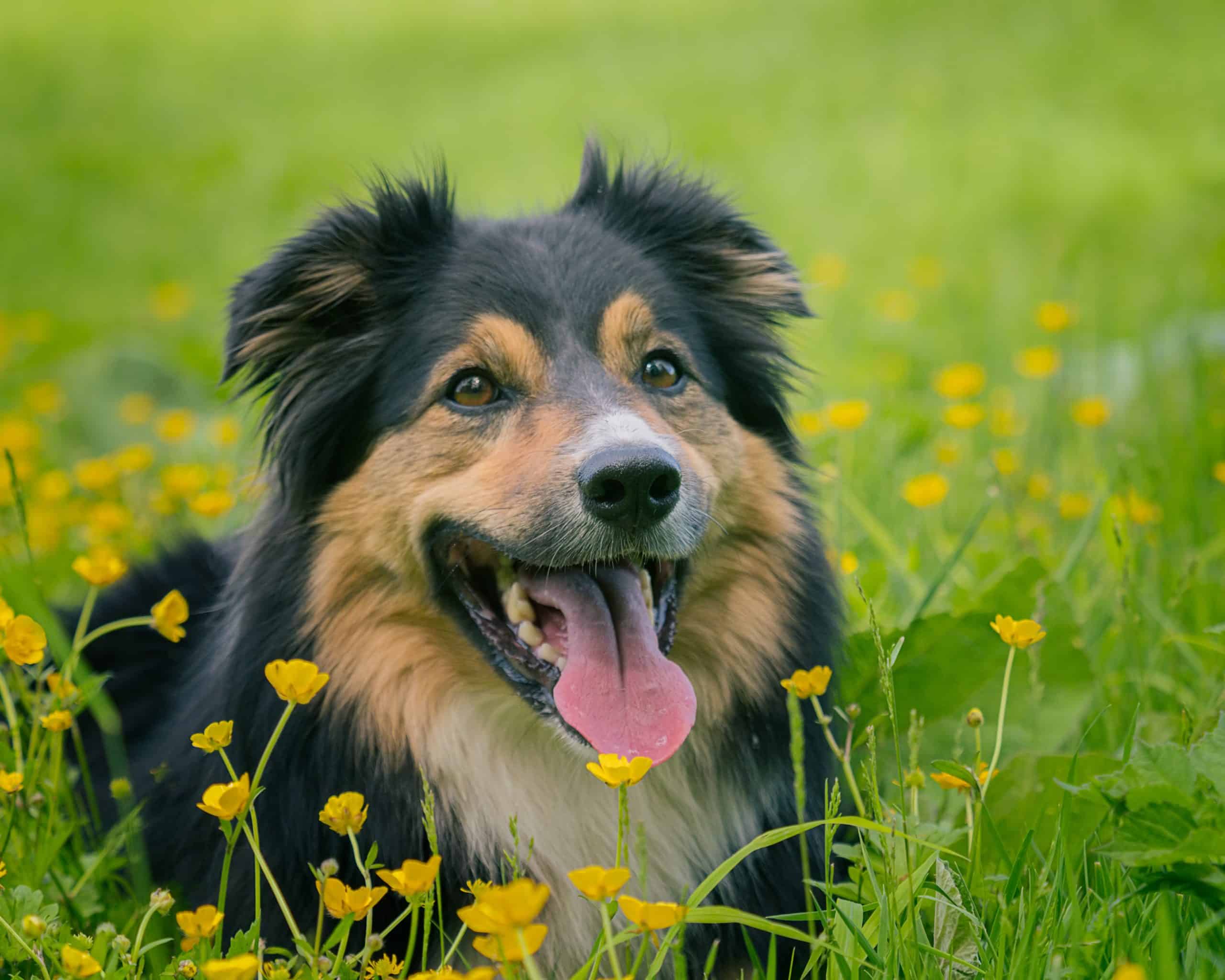
The Border Collie is a herding breed bred to move sheep across open ground for miles each day. It weighs 30 to 55 lbs and stands 18 to 22 inches tall. Widely regarded as the smartest working breed, it reads livestock movement and responds to whistles or hand signals instantly, making it ideal for active herding farms.
Their coat forms a feathered ruff around the neck, and their eyes hold an intense, locked stare called “the eye.” That stare alone can stop a stubborn ewe in her tracks.
Border Collies work with an almost obsessive focus most owners expect. What surprises new owners is how much they need mental work, not just physical exercise. Bored Border Collies will herd children, cars, or the family cat instead.
“She moves 40 sheep by herself in about the time it’d take me and two hands to do it with quads.”
— Mark T., Border Collie owner for 9 years
- Unmatched herding skill and stamina
- Learns commands in a few reps
- Bonds closely with handlers
- Needs a real job, not just a yard
- Can nip heels of kids or pets
- Prone to obsessive habits if bored
Best for: Active herding farms · Sheep or cattle operations · Owners who can commit daily training time
Compare with easy-going dog breeds if daily herding work isn’t realistic for your farm
Australian Shepherd — “The All-Terrain Ranch Partner”
| Weight | 40 to 65 lbs |
| Height | 18 to 23 inches |
| Lifespan | 12 to 15 years |
| Energy Level | Very high |
| Grooming Need | Weekly brushing |
| Shedding | Heavy, seasonal |
The Australian Shepherd is a mid-size ranch dog bred in the American West despite its name, weighing 40 to 65 lbs. It herds cattle, sheep, and even poultry with a lower, driving style than the Border Collie. Loyal and versatile, it suits ranches needing one dog for several different jobs.
Their coat comes in merle, black, or red patterns, often paired with striking blue or amber eyes. Some are born with naturally bobbed tails.
Most owners expect a friendly herding dog. What they don’t expect is how vocal and pushy Aussies get when a job feels unfinished. One rancher told me his Aussie herds the farm cats out of pure habit.
“He rounds up the goats every evening without being told. I didn’t train that — he just decided it was his job.”
— Denise R., Australian Shepherd owner for 5 years
- Herds multiple species well
- Strong loyalty to one family
- Handles hot and cold climates
- Sheds heavily twice a year
- Can be wary of strangers
- Barks to signal every change
Best for: Mixed-livestock farms · Ranches needing one all-purpose dog · Owners with active outdoor lifestyles
Great Pyrenees — “The Gentle Giant Guardian”
| Weight | 85 to 115 lbs |
| Height | 25 to 32 inches |
| Lifespan | 10 to 12 years |
| Energy Level | Low to moderate |
| Grooming Need | Twice-weekly brushing |
| Shedding | Heavy |
The Great Pyrenees is a livestock guardian breed built to live full-time with sheep or goats, weighing 85 to 115 lbs. It patrols pasture at night and confronts predators like coyotes on sight. Calm around the flock but fearless when threatened, it suits farms with real predator pressure.
Their thick white double coat sheds rain, snow, and biting insects. Underneath sits a heavily muscled frame built for confronting wolves and bears historically.
People expect a lazy, gentle giant. What surprises new owners is how independent this breed stays — it was bred to make guarding decisions alone, without waiting for a handler’s command.
“We haven’t lost a goat to coyotes since he moved into the pasture. He sleeps with the herd, not with us.”
— Cody H., Great Pyrenees owner for 7 years
- Excellent predator deterrent
- Bonds strongly with livestock
- Calm temperament around farm animals
- Barks loudly through the night
- Roams if fencing is weak
- Not suited to indoor living
Best for: Farms with predator problems · Sheep or goat operations · Owners with strong perimeter fencing
See more large calm dog breeds if you want a giant guardian without the herding drive
Anatolian Shepherd — “The Tireless Flock Protector”
| Weight | 80 to 150 lbs |
| Height | 27 to 29 inches |
| Lifespan | 11 to 13 years |
| Energy Level | Moderate |
| Grooming Need | Weekly brushing |
| Shedding | Moderate |
The Anatolian Shepherd is an ancient Turkish guardian breed built for rugged, wide-open terrain, weighing up to 150 lbs. It’s more independent and territorial than the Great Pyrenees, working best on large properties with real distance to patrol. Fiercely protective, it suits experienced livestock owners.
Its short, dense coat and lean, powerful frame let it cover ground fast in extreme heat. It moves more like a big cat stalking a threat than a bulky guard dog.
Owners expect a guard dog that stays close. What surprises them is how far this breed will range to intercept a threat before it reaches the herd.
“She’ll patrol the fence line at 2 a.m. and be back by the barn door at sunrise. Nothing gets past her.”
— Frank D., Anatolian Shepherd owner for 8 years
- Handles heat better than most guardians
- Covers large acreage on patrol
- Highly deterrent to predators
- Needs firm, experienced handling
- Wary of unfamiliar visitors
- Not ideal for small properties
Best for: Large open acreage · Experienced livestock owners · Farms with heavy predator activity
Compare guarding temperaments with smaller-space guard dog breeds here
Australian Cattle Dog — “The Heat-Proof Heeler”
 Save
Save| Weight | 30 to 50 lbs |
| Height | 17 to 20 inches |
| Lifespan | 12 to 16 years |
| Energy Level | Very high |
| Grooming Need | Minimal |
| Shedding | Moderate, seasonal |
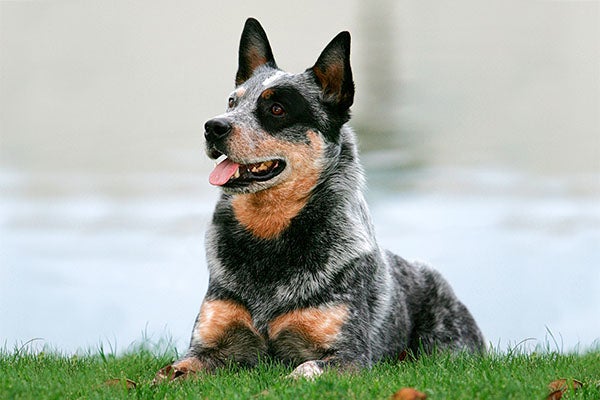
The Australian Cattle Dog, or Blue Heeler, is a compact herding breed built to drive cattle across rough, hot terrain, weighing 30 to 50 lbs. It nips at heels to move stubborn cattle and shows extreme stamina and grit. Tough and heat-tolerant, it suits cattle ranches over sheep farms.
Its short, dense coat comes in mottled blue or red flecking, close to the skin so heat and burrs don’t stick easily.
People expect a small dog to be gentle around cattle. What surprises new owners is how fearlessly a 35-lb Heeler will nip at a half-ton bull’s heel to move it.
“She’s outworked three ranch hands before lunch. I’ve genuinely never seen her tired.”
— Rachel P., Australian Cattle Dog owner for 6 years
- Built for extreme heat and stamina
- Minimal grooming upkeep
- Extremely tough and durable
- Nips heels of kids or joggers
- Needs constant physical work
- Can be pushy with other dogs
Best for: Cattle ranches · Hot climates · Owners wanting a low-grooming working dog
German Shepherd — “The Do-It-All Farm Dog”
| Weight | 50 to 90 lbs |
| Height | 22 to 26 inches |
| Lifespan | 9 to 13 years |
| Energy Level | High |
| Grooming Need | Weekly brushing |
| Shedding | Heavy, year-round |
The German Shepherd is a versatile working breed originally developed to herd sheep in Germany, weighing 50 to 90 lbs. Today it handles herding, guarding, and family protection duties on the same farm. Highly trainable and loyal, it suits owners who want one dog to cover several jobs at once.
Their double coat and muscular, sloped build give them the endurance to patrol fence lines for hours in most weather.
People expect a police-style guard dog only. What surprises farm owners is how gently a well-trained Shepherd handles chickens, goats, and children in the same afternoon.
“He walks the property line every morning like it’s a job he was hired for. Nobody trained that in — he just does it.”
— Tom W., German Shepherd owner for 10 years
- Handles guarding and herding both
- Extremely trainable and loyal
- Good with children on the farm
- Sheds heavily all year
- Prone to hip issues in some lines
- Needs consistent daily training
Best for: Mixed farms needing guarding plus herding · Families with kids · Owners who train regularly
Explore more family guard dog breeds if home protection matters as much as farm duty
Bernese Mountain Dog — “The Steady Draft-and-Companion Dog”
| Weight | 70 to 115 lbs |
| Height | 23 to 27 inches |
| Lifespan | 7 to 10 years |
| Energy Level | Moderate |
| Grooming Need | Two to three times weekly |
| Shedding | Heavy |
The Bernese Mountain Dog is a Swiss farm breed once used to pull carts and drive cattle short distances, weighing 70 to 115 lbs. It’s calmer than most working breeds, making it a gentle presence around children and smaller livestock. Sturdy and affectionate, it suits smaller family farms over large ranches.
Their tri-color coat — black, white, and rust — is thick enough to handle cold mountain winters with ease.
Owners expect a working dog with high drive. What surprises them is how content this breed is simply lying near the barn, alert but relaxed, rather than constantly working.
“He naps by the goat pen all day but perks right up the second a stranger’s truck pulls in.”
— Julia S., Bernese Mountain Dog owner for 4 years
- Calm, gentle with kids and animals
- Cold-hardy, thick winter coat
- Alert without excess barking
- Shorter lifespan than most breeds
- Struggles in hot climates
- Heavy shedding needs regular brushing
Best for: Small family farms · Cold climates · Owners wanting a calm, kid-friendly farm dog
See other easy-going dog breeds that fit a slower-paced farm routine
Catahoula Leopard Dog — “The Wild-Hog-Working Specialist”
 Save
Save| Weight | 50 to 95 lbs |
| Height | 20 to 26 inches |
| Lifespan | 10 to 14 years |
| Energy Level | High |
| Grooming Need | Minimal |
| Shedding | Low |
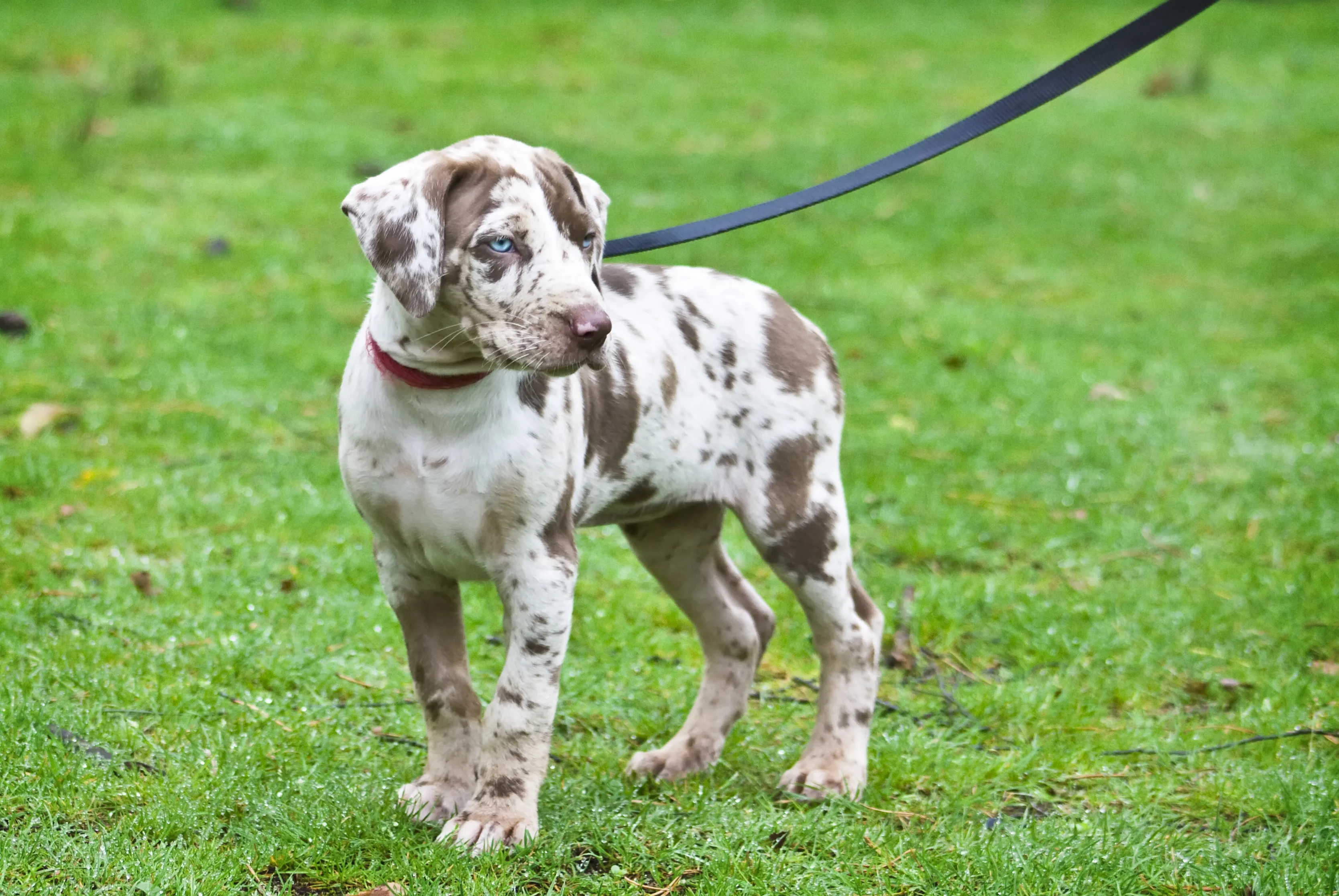
The Catahoula Leopard Dog is Louisiana’s state dog, bred to track and drive wild hogs and cattle through swampy terrain, weighing 50 to 95 lbs. It works independently and handles rough, unpredictable land well. Bold and self-sufficient, it suits southern farms dealing with feral hog problems.
Its short coat comes in striking merle “leopard” patterns, sometimes paired with one blue and one brown eye.
People expect a farm dog to always wait for commands. What surprises new owners is how independently this breed makes decisions when tracking hogs through brush, far out of sight.
“He tracked a hog through half a mile of thicket and had it bayed before I even caught up.”
— Beau L., Catahoula owner for 6 years
- Excellent at hog and cattle work
- Low grooming, low-shed coat
- Handles rough, wet terrain well
- Stubborn without firm training
- Can be too intense for small farms
- Strong prey drive around poultry
Best for: Southern hog and cattle farms · Rough or wooded terrain · Experienced working-dog owners
Browse more hunting-capable dog breeds for pest and wildlife control
Airedale Terrier — “The Barn Ratter with Attitude”
| Weight | 40 to 65 lbs |
| Height | 21 to 23 inches |
| Lifespan | 11 to 14 years |
| Energy Level | High |
| Grooming Need | Trim every 6 to 8 weeks |
| Shedding | Very low |
The Airedale Terrier is the largest terrier breed, once used on English farms to hunt rats, otters, and badgers, weighing 40 to 65 lbs. It’s fearless around vermin and doubles as a capable watchdog. Wiry-coated and low-shedding, it suits farms fighting rodent problems in barns and grain stores.
Its dense, wiry coat resists mud and brambles, and its long legs give it more reach than smaller terrier breeds.
Owners expect a terrier to only handle small game. What surprises them is how confidently an Airedale will confront animals many times its size when protecting territory.
“Our rat problem in the grain shed disappeared within a month of getting him. He treats it like a game.”
— Nina F., Airedale Terrier owner for 5 years
- Strong natural ratting instinct
- Low-shed coat, good for allergies
- Alert, confident watchdog
- Coat needs regular professional trims
- Can be scrappy with other dogs
- Stubborn streak needs firm training
Best for: Barns with rodent problems · Owners wanting low-shed coats · Farms needing a watchdog and ratter combo
Jack Russell Terrier — “The Small Dog with a Big Job”
| Weight | 13 to 17 lbs |
| Height | 10 to 15 inches |
| Lifespan | 13 to 16 years |
| Energy Level | Very high |
| Grooming Need | Minimal |
| Shedding | Moderate |
The Jack Russell Terrier is a small English hunting breed built to bolt foxes and rats from underground dens, weighing just 13 to 17 lbs. Despite its size, it’s fearless around pests and highly energetic. Compact and tough, it suits smaller farms needing rodent and vermin control.
Its short, dense coat sheds mud easily, and its compact build lets it squeeze into tight spaces around outbuildings.
People expect a small dog to stay close to the porch. What surprises new owners is how far this breed will travel chasing a scent across open fields.
“13 lbs of pure chaos. She’s cleared out every mole hole on the property this year.”
— Greg M., Jack Russell owner for 7 years
- Excellent at rodent and pest control
- Compact size, low food cost
- Long lifespan, hardy breed
- Digs frequently around the yard
- High prey drive near small livestock
- Barks often when excited
Best for: Small farms with rodent issues · Owners wanting a low-cost working dog · Active families
Belgian Malinois — “The High-Drive Utility Dog”
| Weight | 40 to 80 lbs |
| Height | 22 to 26 inches |
| Lifespan | 12 to 14 years |
| Energy Level | Very high |
| Grooming Need | Minimal |
| Shedding | Moderate |
The Belgian Malinois is a Belgian herding breed now known worldwide for police and military work, weighing 40 to 80 lbs. On farms it herds livestock and guards property with intense focus and drive. Athletic and razor-sharp, it suits only experienced handlers with time for daily training.
Its short, straight coat sheds burrs easily, and its lean, athletic build lets it sprint and change direction almost instantly.
People expect a working breed to settle down with age. What surprises new owners is how much drive a Malinois keeps well into its senior years.
“If I skip her training session, she reorganizes the porch furniture out of pure boredom.”
— Alicia N., Belgian Malinois owner for 5 years
- Extremely trainable and driven
- Excellent herding and guarding skill
- Low grooming maintenance
- Too intense for first-time owners
- Needs multiple hours of work daily
- Can become anxious if under-worked
Best for: Experienced handlers · Farms needing both herding and guarding · Owners with time for daily training
Compare All 10 Farm Dog Breeds Side by Side
Scanning for a quick comparison? This table lines up all 10 breeds by weight, energy, and primary farm job so you can compare at a glance before reading the full details above.
| Breed | Weight | Energy | Primary Farm Job |
|---|---|---|---|
| Border Collie | 30–55 lbs | Very high | Herding |
| Australian Shepherd | 40–65 lbs | Very high | Herding, multi-species |
| Great Pyrenees | 85–115 lbs | Low-moderate | Livestock guarding |
| Anatolian Shepherd | 80–150 lbs | Moderate | Livestock guarding |
| Australian Cattle Dog | 30–50 lbs | Very high | Cattle herding |
| German Shepherd | 50–90 lbs | High | All-purpose herding/guarding |
| Bernese Mountain Dog | 70–115 lbs | Moderate | Draft work, companionship |
| Catahoula Leopard Dog | 50–95 lbs | High | Hog and cattle tracking |
| Airedale Terrier | 40–65 lbs | High | Ratting, watchdog |
| Jack Russell Terrier | 13–17 lbs | Very high | Rodent control |
Which Farm Dog Breed Is Right for You?
Not sure which breed fits your farm? The answer usually comes down to your main problem: moving animals, guarding animals, or controlling pests. Here’s a direct breakdown so you don’t have to guess.
- If you run sheep or cattle and need daily herding → the Border Collie or Australian Shepherd is best for you.
- If predators are a real threat to your flock → the Great Pyrenees or Anatolian Shepherd will serve you better.
- If you want one dog to guard, herd, and watch the kids → consider the German Shepherd first.
- If rodents are damaging your grain or feed store → the Jack Russell Terrier or Airedale Terrier fits best.
- If your farm is small and calm-paced → the Bernese Mountain Dog is the gentler option.
This article covers herding, guarding, and pest-control farm breeds. If your farm mainly needs a family pet that tolerates farm life rather than works it, a calmer non-working breed may suit you better.
Farm Dog Care Essentials Every New Owner Must Know
Farm dogs need more than food and shelter. They need a job, room to move, and protection from the same weather and hazards your livestock face. Skipping these basics is the top reason working breeds develop behavior problems on farms.
Fresh water, secure fencing, and daily task time matter more on a farm than in a backyard. So if you’re bringing home a herding or guarding breed, plan the containment system before the dog arrives, not after.
Introduce a new farm dog to livestock slowly, on leash, over several sessions.
Vet care matters too. Most trusted veterinary sources agree that working dogs need parasite prevention year-round, since they’re exposed to more wildlife and standing water than house pets.
Mistakes New Farm Dog Owners Make (And How to Avoid Them)
The most common mistake is picking a breed for looks instead of job fit. A stunning Great Pyrenees won’t herd cattle, and a sharp Border Collie won’t guard sheep from coyotes the way a livestock guardian will.
Never leave a young herding puppy unsupervised with small livestock — early nipping habits are hard to break.
Another common mistake is under-socializing guardian breeds as puppies. Livestock guardians raised without exposure to visitors and vehicles can become overly aggressive as adults. Most working-dog trainers agree early, structured socialization prevents most of these issues.
Frequently Asked Questions
What is the best all-around dog breed for a small farm?
The German Shepherd is the best all-around choice for most small farms. It herds, guards property, and gets along well with kids. It does need daily exercise and consistent training to stay balanced and calm.
Do livestock guardian dogs live outside full time?
Yes, most livestock guardian breeds like the Great Pyrenees live outdoors with the herd they protect. This bonding process is how they learn to treat livestock as family, not prey. Bringing them indoors full time can weaken that bond.
Which farm dog breeds are best for hot climates?
The Australian Cattle Dog and Anatolian Shepherd handle heat better than most farm breeds. Both have short, heat-shedding coats built for open, sun-exposed pasture. Thick-coated breeds like the Bernese Mountain Dog struggle more in high heat.
Can herding dogs live safely with small livestock like chickens?
Yes, but only with training and supervision at first. Herding breeds have a strong prey-drive instinct that can trigger chasing behavior around poultry. Most owners succeed by introducing chickens gradually on a leash.
How much land does a working farm dog actually need?
Most herding and guardian breeds do best with at least one acre of secure, fenced space. Smaller breeds like the Jack Russell Terrier can work well on smaller properties. Fencing quality matters more than total acreage for most breeds.
Your Next Step
The right farm dog comes down to matching real instinct to real work. A herder moves livestock, a guardian protects it, and a terrier keeps pests in check — rarely does one breed do all three well.
One thing you can do right now: write down your farm’s single biggest daily problem, whether it’s predators, pests, or moving animals, and match it to the breed above built for that exact job. That’s the fastest way to a dog that actually earns its keep.
Sources:
American Kennel Club — Herding Group
American Kennel Club — Working Group
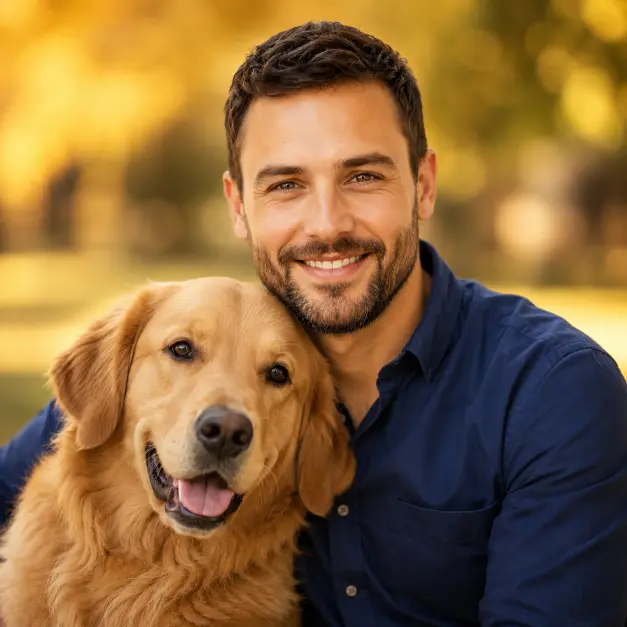
Thomas Cutter is a lifelong dog owner and the founder of FindOutAboutDogs.com. With over 10 years of hands-on experience owning multiple breeds, Thomas created this site to provide honest, research-based dog advice that real owners can actually trust.
