10 Best Dog Breeds for Seniors With Allergies (2026 Guide)
Quick Answer
The best dog breeds for seniors with allergies are small, low-shedding companions. Top picks include the Poodle, Bichon Frise, Maltese, Havanese, and Shih Tzu. Each sheds very little and needs only light daily exercise. No dog is 100% allergen-free, but these breeds cut dander in the home. They also match a calmer, slower senior lifestyle.
Top 10 at a glance:
- Poodle (Toy or Miniature)
- Bichon Frise
- Maltese
- Havanese
- Shih Tzu
- Cavalier King Charles Spaniel
- Miniature Schnauzer
- Yorkshire Terrier
- Coton de Tulear
- Chinese Crested
Choose this way:
- Want the least dander? Pick a Poodle.
- Want the easiest grooming? Pick a Cavalier.
- Want a true lap dog? Pick a Maltese.
- Want a quiet watchdog? Pick a Havanese.
I’m Thomas Cutter, and I’ve spent 15 years matching dogs to the people who’ll love them. Your eyes are itchy. Your chest feels tight. But you still want a dog on your lap tonight.
That mix of wanting and worrying is common. Allergies don’t have to end the search. Some breeds shed so little that your body barely notices them. Our full guide to the best dog breeds for retirees covers the wider senior-dog picture if you want more than allergy-focused picks.
Below, I’ll walk you through the 10 breeds that work best. You’ll get real stats, honest pros and cons, and a simple way to pick the right one.
- No dog is 100% hypoallergenic. Low-shedding coats just trap more dander.
- Small, curly, or silky-coated breeds work best for allergy-prone seniors.
- Grooming schedule matters as much as breed choice for allergy control.
- Match energy level to your daily routine, not just coat type.
- Spend time with the breed before you commit — reactions vary person to person.


What Makes a Dog Breed “Hypoallergenic”?
A hypoallergenic dog is not allergen-free. It just produces less dander and sheds less hair than average. Dander is dead skin that carries a protein called Can f 1. That protein triggers most dog allergies. Low-shedding coats — curly, wiry, or continuously growing hair — trap dander close to the skin instead of spreading it through your home.
Most experts agree that coat type, not size or breed “cuteness,” predicts how much a dog will bother your allergies. So what does that mean for you? Look past the breed’s reputation and check its actual shedding score first.
You might be thinking: “If no dog is truly hypoallergenic, why bother?” Here’s why: even a 50% cut in airborne dander can mean the difference between daily antihistamines and none at all.
The 10 Best Dog Breeds for Seniors With Allergies — Ranked and Reviewed
Poodle — “The Gold Standard for Allergy Sufferers”
 Save
Save| Weight | 5–9 lbs (Toy), 15–17 lbs (Miniature) |
| Height | Under 10 in (Toy), 10–15 in (Miniature) |
| Lifespan | 12–15 years |
| Energy Level | Moderate |
| Grooming Need | High — every 4–6 weeks, professional |
| Shedding | Very low |
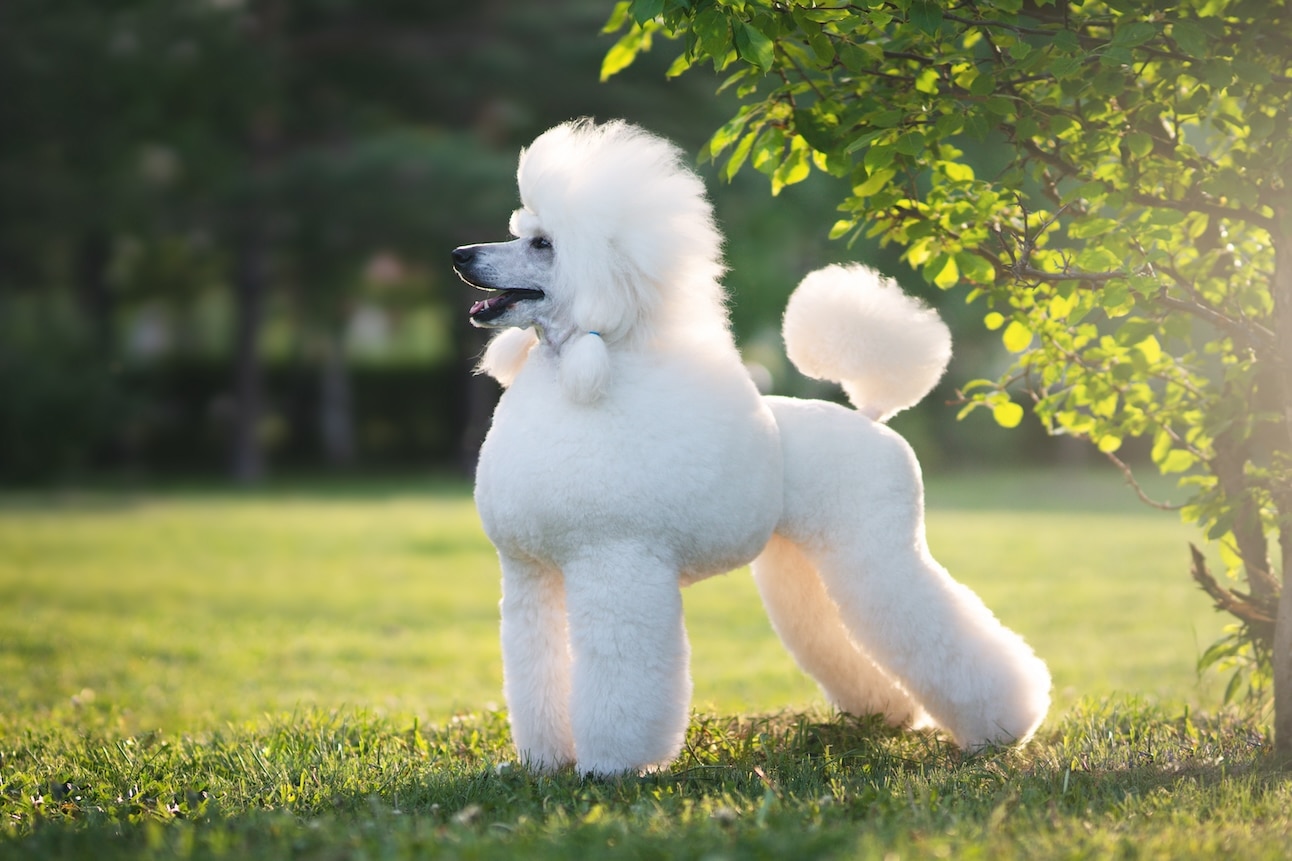
The Poodle is a curly-coated companion known for near-zero shedding. Toy and Miniature sizes weigh under 17 pounds. Poodles are highly intelligent and eager to please. They suit seniors who want an easy-to-train dog with minimal allergy impact.
A Poodle’s coat grows like hair, not fur. It curls tight against the body and traps loose strands before they hit your floor. That’s one detail most owners never expect until they stop finding hair on the couch.
Poodles learn commands faster than most breeds. But here’s the surprise: they also read your mood. Owners often say their Poodle sits closer on hard days, without any training at all.
“I hadn’t held a dog in 10 years because of my allergies. My Toy Poodle sleeps on my bed now, and I haven’t sneezed once.”
— Diane R., Toy Poodle owner for 3 years
- Lowest shedding of any breed
- Highly trainable, even late in life
- Comes in a size for any home
- Professional grooming gets pricey
- Needs daily mental stimulation
- Prone to separation anxiety
Best for: Allergy sufferers · First-time senior owners · Apartment living
→ Best hypoallergenic dog breeds for apartments
Bichon Frise — “The Cotton Ball Companion”
| Weight | 7–12 lbs |
| Height | 9.5–11.5 in |
| Lifespan | 14–15 years |
| Energy Level | Moderate |
| Grooming Need | High — brushing most days |
| Shedding | Very low |
The Bichon Frise is a small, cheerful dog with a powder-puff coat that traps dander instead of releasing it. It weighs under 12 pounds and rarely tops 12 inches tall. Bichons are playful yet calm indoors. They suit seniors who want a happy, low-shedding lap companion.
Their coat looks like a cloud but feels coarse underneath. That double-layer texture is exactly why loose hair stays put instead of drifting onto your furniture.
Bichons greet strangers with full-body wiggles. Even better, they calm down fast once the excitement passes, settling right back onto your lap.
“He greets the mail carrier like it’s Christmas morning every single day. Never gets old.”
— Frank M., Bichon Frise owner for 6 years
- Cheerful, adapts to slow routines
- Very low dander output
- Gets along with other pets
- Mats quickly without daily brushing
- Can bark at doorbells
- Prone to tear staining
Best for: Lap-dog lovers · Multi-pet homes · Light exercise routines
→ Best dog breeds for families with allergies
Maltese — “The Silky Lap Dog”
| Weight | Under 7 lbs |
| Height | 7–9 in |
| Lifespan | 12–15 years |
| Energy Level | Low to moderate |
| Grooming Need | High — daily brushing |
| Shedding | Very low |
The Maltese is a tiny, silky-coated breed built for cuddling. It weighs under 7 pounds, making it easy to carry. Maltese dogs are gentle and devoted. They suit seniors who want a true lap dog with low shedding and calm energy.
Their coat resembles fine human hair, not typical dog fur. That single detail explains why so few loose hairs ever hit the floor.
Maltese dogs bond hard to one person. So what does that mean for you? Expect a shadow who follows you room to room, not a dog content to nap alone.
“She fits in my cardigan pocket on cold mornings. My grandkids fight over who holds her first.”
— Carol T., Maltese owner for 4 years
- Tiny size, easy to lift and carry
- Minimal exercise needs
- Extremely low shedding
- Coat mats without daily care
- Can be clingy when left alone
- Fragile around rough handling
Best for: Limited mobility · Solo seniors wanting company · Small apartments
→ Best small dog breeds for retirees
Havanese — “Cuba’s Cheerful Export”
| Weight | 7–13 lbs |
| Height | 8.5–11.5 in |
| Lifespan | 14–16 years |
| Energy Level | Low to moderate |
| Grooming Need | High — regular brushing |
| Shedding | Low |
The Havanese is Cuba’s national dog, known for a soft, silky coat that rarely sheds. It weighs up to 13 pounds and stands under 12 inches tall. Havanese dogs are quiet, social, and easygoing. They suit seniors who want a happy indoor companion with low exercise needs.
Their coat grows continuously, much like human hair. Regular trims keep it manageable without the shedding problems of double-coated breeds.
Havanese dogs rarely bark without reason. That said, they’ll still alert you to visitors — just once or twice, not on repeat.
“He does this little spin trick whenever I get home. Nobody taught him that. He just decided it was his job.”
— Walter B., Havanese owner for 5 years
- Calm, quiet indoor temperament
- Adapts well to smaller homes
- Sociable with visitors and pets
- Coat needs regular trimming
- Can develop separation anxiety
- Less common, pricier to buy
Best for: Quiet households · Seniors wanting a watchdog · Multi-generational homes
→ Best low-key dog breeds for retirees
Shih Tzu — “The Palace Companion”
 Save
Save| Weight | 9–16 lbs |
| Height | 9–10.5 in |
| Lifespan | 10–16 years |
| Energy Level | Low |
| Grooming Need | High — daily brushing or short trim |
| Shedding | Low |
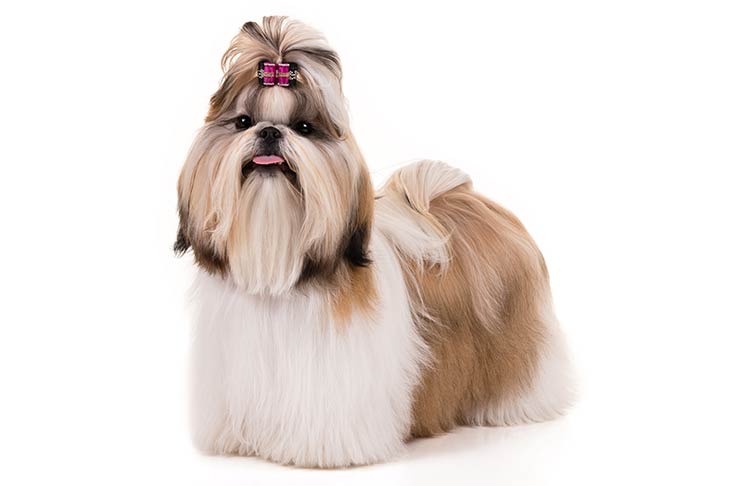
The Shih Tzu is a sturdy toy breed bred as a royal companion in China. It weighs up to 16 pounds and needs minimal exercise. Shih Tzus are affectionate and even-tempered. They suit seniors in apartments who want low shedding and an easygoing personality.
A short “puppy cut” trim keeps this breed’s coat manageable. It also lowers the loose hair that ends up on your clothes and furniture.
Shih Tzus don’t tolerate heat well due to their flat face. Even better, that same trait makes them content lounging indoors most of the day.
“She snores louder than my husband did. I wouldn’t trade that sound for anything now.”
— Barbara L., Shih Tzu owner for 8 years
- Very low exercise requirement
- Sturdy build, handles gentle kids
- Affectionate, rarely aggressive
- Struggles in hot weather
- Prone to breathing issues
- Coat needs daily upkeep
Best for: Low-mobility seniors · Warm indoor homes · First-time owners
Cavalier King Charles Spaniel — “The Royal Lap Warmer”
| Weight | 12–18 lbs |
| Height | 12–13 in |
| Lifespan | 12–15 years |
| Energy Level | Moderate |
| Grooming Need | Moderate — weekly brushing |
| Shedding | Low to moderate |
The Cavalier King Charles Spaniel is a gentle, silky-coated spaniel once favored by British royalty. It weighs up to 18 pounds and needs only moderate exercise. Cavaliers are affectionate and graceful. They suit seniors who want a warm companion with easier grooming than other picks.
Their coat sheds a bit more than pure hypoallergenic breeds. Weekly brushing, though, keeps loose hair and dander well under control.
Cavaliers crave closeness above almost everything else. So what does that mean for you? Expect a dog who wants to sit on you, not just near you.
“He puts his paw on my hand during my afternoon nap, every single day, like he’s checking in.”
— Richard S., Cavalier owner for 7 years
- Easier grooming than most picks
- Gentle with grandchildren
- Adapts to varied activity levels
- Sheds more than top picks here
- Prone to heart health issues
- Doesn’t like being left alone
Best for: Grandkids visiting often · Mild allergy sufferers · Companionship-focused owners
Miniature Schnauzer — “The Bearded Watchdog”
| Weight | 11–20 lbs |
| Height | 12–14 in |
| Lifespan | 12–14 years |
| Energy Level | Moderate |
| Grooming Need | High — professional clipping |
| Shedding | Very low |
The Miniature Schnauzer is a wiry-coated terrier known for its signature beard. It weighs up to 20 pounds and stays sturdy into old age. Schnauzers are smart, obedient, and alert. They suit seniors who want a hypoallergenic dog with a bit more watchdog instinct.
Their double coat sheds very little but mats if left untrimmed. A clip every six to eight weeks keeps dander close to the skin.
Schnauzers bark at anything unusual. That said, most owners find this reassuring rather than annoying, especially living alone.
“He barked once at a package delivery and scared off a raccoon that had been getting into my trash for weeks.”
— Gerald P., Miniature Schnauzer owner for 9 years
- Strong watchdog instinct
- Very low dander output
- Sturdy health into old age
- Barks more than lap-dog breeds
- Grooming costs add up
- Needs daily mental engagement
Best for: Seniors living alone · Those wanting an alert companion · Active retirees
Yorkshire Terrier — “The Silky Pocket Dog”
| Weight | Up to 7 lbs |
| Height | 7–8 in |
| Lifespan | 11–15 years |
| Energy Level | Moderate to high |
| Grooming Need | High — daily brushing |
| Shedding | Very low |
The Yorkshire Terrier has fine, silky hair that closely resembles human hair. It weighs under 7 pounds and travels easily in a bag or carrier. Yorkies are bold and full of personality. They suit seniors who want a portable companion with minimal shedding.
Their hair grows continuously and rarely falls out on its own. That’s why regular trims, not shedding, control their coat length.
Yorkies think they’re much bigger than they are. Even better, that confidence makes them entertaining watchdogs despite their tiny frame.
“She struts around the yard like she owns it, and honestly, at this point, she probably does.”
— Eleanor W., Yorkshire Terrier owner for 5 years
- Extremely portable and light
- Hair-like coat, low dander
- Bold, entertaining personality
- Fragile around rough handling
- Can be yappy if bored
- Daily brushing is non-negotiable
Best for: Travelers · Seniors wanting a portable pet · Apartment dwellers
Coton de Tulear — “The Royal Dog of Madagascar”
| Weight | 8–13 lbs |
| Height | 9–11 in |
| Lifespan | 15–19 years |
| Energy Level | Moderate |
| Grooming Need | Moderate — regular brushing |
| Shedding | Low |
The Coton de Tulear is a cotton-coated companion bred as royal company in Madagascar. It weighs up to 13 pounds and often lives past 15 years. Cotons are hardy, loyal, and easy to train. They suit seniors who want a long-lived companion with low shedding.
Their coat feels like raw cotton, not typical fur. That texture holds loose hair in place rather than scattering it around your home.
Cotons tolerate all kinds of weather better than most toy breeds. So what does that mean for you? More comfortable walks year-round, without a heat-sensitive dog holding you back.
“We’ve traveled to nine states together. She handles airports better than I do.”
— Marilyn K., Coton de Tulear owner for 10 years
- One of the longest lifespans here
- Good in most climates
- Easygoing with other pets
- Harder to find, higher cost
- Coat needs daily brushing
- Fewer local breeders available
Best for: Long-term companionship · Seniors who travel · Varied climates
Chinese Crested — “The Hairless Option”
 Save
Save| Weight | 8–12 lbs |
| Height | 11–13 in |
| Lifespan | 13–18 years |
| Energy Level | Low to moderate |
| Grooming Need | Low — skin care instead of coat care |
| Shedding | Minimal to none |
The Chinese Crested is a mostly hairless breed with soft skin and tufted patches of fur. It weighs up to 12 pounds and produces far less dander than furred breeds. Cresteds are playful and devoted. They suit seniors with severe allergies who want the lowest possible dander exposure.
Without a full coat, there’s simply less surface area to trap dander. That makes this breed a strong pick for the most allergy-sensitive owners.
Their bare skin needs sunscreen and lotion, much like a person’s. That’s a trade most owners gladly make for near-zero shedding.
“I was skeptical about a hairless dog, but he sleeps under the covers with me now. Best decision I made post-retirement.”
— Harold N., Chinese Crested owner for 4 years
- Lowest dander of any breed here
- No brushing or coat trims needed
- Long, generally healthy lifespan
- Skin sunburns without protection
- Cold-sensitive in winter
- Unique look isn’t for everyone
Best for: Severe allergy sufferers · Warm-climate seniors · Owners open to a unique look
Even low-shedding breeds still produce some dander. Spend time with the specific dog before you bring it home, especially with severe allergies.
How Do These 10 Breeds Compare Side by Side?
Among these 10 breeds, the Poodle and Chinese Crested produce the least dander overall. The Maltese and Yorkshire Terrier need the smallest living space. The Coton de Tulear lives longest on average. Compare the full table below to match your priorities to the right breed.
| Breed | Weight | Shedding | Grooming | Energy |
|---|---|---|---|---|
| Poodle | 5–17 lbs | Very low | High | Moderate |
| Bichon Frise | 7–12 lbs | Very low | High | Moderate |
| Maltese | Under 7 lbs | Very low | High | Low |
| Havanese | 7–13 lbs | Low | High | Low |
| Shih Tzu | 9–16 lbs | Low | High | Low |
| Cavalier King Charles Spaniel | 12–18 lbs | Low-moderate | Moderate | Moderate |
| Miniature Schnauzer | 11–20 lbs | Very low | High | Moderate |
| Yorkshire Terrier | Under 7 lbs | Very low | High | Moderate-high |
| Coton de Tulear | 8–13 lbs | Low | Moderate | Moderate |
| Chinese Crested | 8–12 lbs | Minimal to none | Low | Low-moderate |
Which Hypoallergenic Breed Fits Your Life?
The right breed depends on your allergy severity, your energy level, and your living space. Severe allergy sufferers do best with a Poodle or Chinese Crested. Seniors wanting the easiest grooming should look at the Cavalier. Those wanting a watchdog should consider a Miniature Schnauzer or Havanese.
- If you have severe allergies → the Poodle or Chinese Crested will cause the fewest symptoms.
- If grooming budget is tight → the Cavalier King Charles Spaniel needs the least professional care.
- If you live alone and want alertness → the Miniature Schnauzer or Havanese make good watchdogs.
- If mobility is limited → the Maltese or Yorkshire Terrier are easiest to lift and carry.
What Most People Get Wrong About Hypoallergenic Dogs
Many people assume “hypoallergenic” means allergy-proof. Most experts agree that’s simply not accurate. The truth is more nuanced, and it matters for your health decision.
Some assume short hair equals low allergens. Actually, short-haired breeds like Boxers can trigger worse reactions than long-haired Poodles. Coat texture, not length, drives dander control.
Others think one visit with a breed proves it’s safe. In reality, allergic reactions can build with repeated exposure over weeks. A single afternoon visit doesn’t guarantee long-term comfort.
Care Essentials Every New Owner Must Know
Managing allergies with any dog takes more than picking the right breed. Regular grooming, a clean home, and the right tools all reduce airborne dander. Combine breed choice with these habits for the best results.
Brush your dog outside at least twice a week to cut indoor dander significantly.
A HEPA air purifier in your bedroom traps airborne dander particles overnight. Combine that with weekly vacuuming using a HEPA-filter vacuum for the biggest impact.
Wash your dog’s bedding every week in fragrance-free detergent. Wipe paws and coat after walks to keep outdoor pollen from adding to your symptoms.
Common Mistakes New Owners Make (And How to Avoid Them)
Skipping the grooming schedule is the top mistake. Even low-shedding breeds mat and trap allergens without regular brushing.
Choosing size over energy level is another common error. A tiny Yorkie still needs daily engagement, not just a small living space.
Ignoring your own reaction during a trial visit causes regret later. If you feel symptoms within the first hour, that breed likely isn’t the right match.
This article covers hypoallergenic breed selection for senior allergy sufferers. If your situation involves a severe, diagnosed dog allergy, talk to an allergist before adopting any breed.
Conclusion
The right dog can bring real joy back into your daily routine, allergies and all. Focus on coat type, grooming commitment, and your own energy level first. The breed name matters less than the fit.
One thing to do right now: pick your top two breeds from this list and schedule a visit with a local breeder or shelter this week. I’m Thomas Cutter, and I promise the right match is closer than you think.
Frequently Asked Questions
Are hypoallergenic dogs completely allergy-free?
No, no dog is 100% hypoallergenic. Hypoallergenic breeds simply shed less and produce less airborne dander. Individual reactions still vary from person to person, so a trial visit is always worth doing.
What is the best small hypoallergenic dog for seniors?
The Poodle and Maltese are widely considered the best small options. Both shed very little and adapt well to apartment living. They also need only light daily exercise, which suits most senior routines.
How often should I groom a hypoallergenic dog?
Most hypoallergenic breeds need brushing several times a week, if not daily. Professional grooming every four to six weeks keeps coats trimmed and dander under control. Skipping this schedule increases allergen buildup.
Can seniors with severe dog allergies still own a dog?
Yes, many do well with very low-dander breeds like the Chinese Crested or Poodle. Still, severe allergy sufferers should consult an allergist first. A supervised trial visit also helps confirm tolerance before adopting.
Do hairless dogs need special skin care?
Yes, hairless breeds like the Chinese Crested need sunscreen and moisturizer. Their exposed skin sunburns and dries out more easily than a coated dog’s. Regular skin checks help prevent irritation.

Thomas Cutter is a lifelong dog owner and the founder of FindOutAboutDogs.com. With over 10 years of hands-on experience owning multiple breeds, Thomas created this site to provide honest, research-based dog advice that real owners can actually trust.
